



Well, not completely for free; you have to travel to get there. That’s where Kiwi.com comes in — we supply cheap travel, and you see the amazing things.
In this article
Pink lakes, Australia
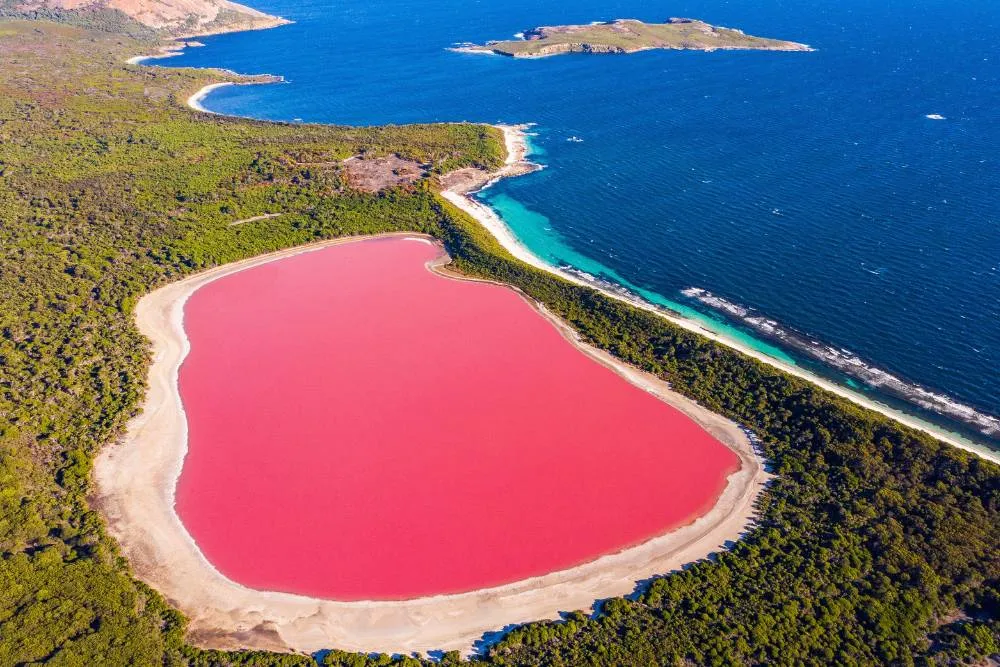 There are lakes in Australia that very much sport the Barbie aesthetic — Getty Images
Lake Hillier in Western Australia looks like something out of a Barbie fever dream — the pink hue of its water is a result of its massively high concentration of salt. There are other pink lakes in the country as well, like Lake MacDonell in South Australia, and Hut Lagoon in Western Australia.
Forest of Knives, Madagascar
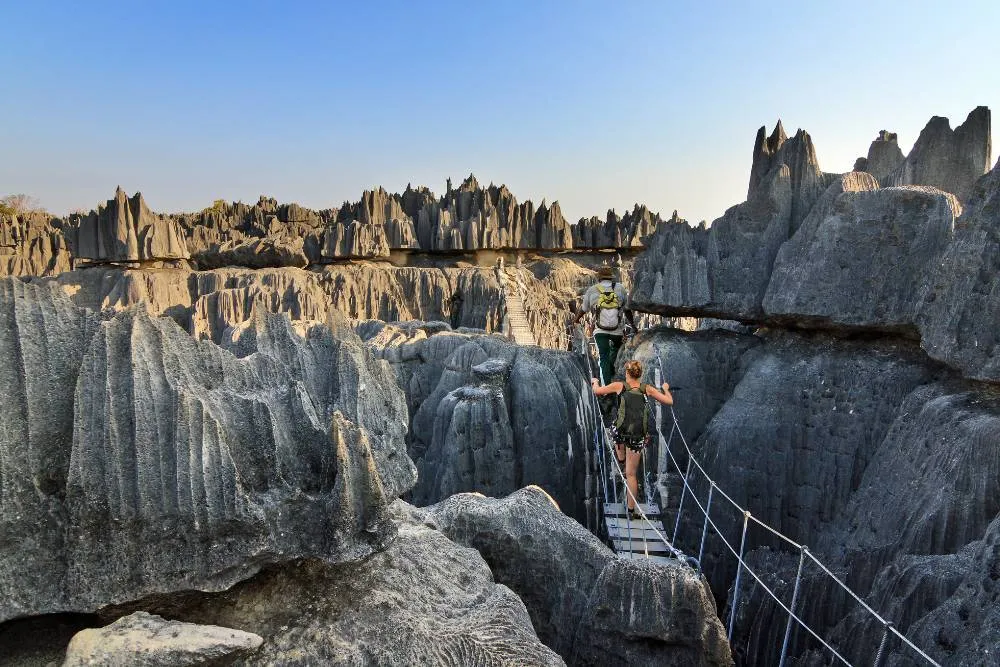 Not many people know about these razor-sharp rocks — Getty Images Known locally as the Tsingy de Bemaraha (tsingy is a local word meaning “place where one cannot tread”), these 200 million-year-old rock formations are literally as sharp as knives, making this one of the least-visited places in the world. The underground cave formations are still unmapped, and if you go, you’ll be restricted to the aerial walkways strung up above the lethally sharp rocks below.
Cave of the Crystals, Mexico
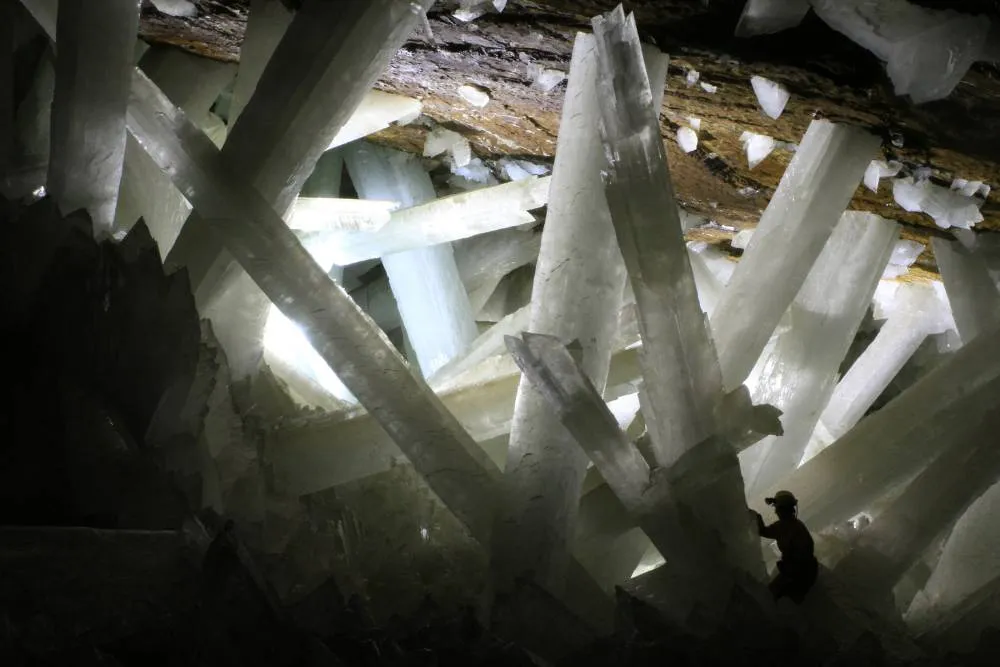 This is where you’ll find some of the biggest crystals in the world — Alexander Van Driessche, CC BY 3.0
, via Wikimedia Commons
This is where you’ll find some of the biggest crystals in the world — Alexander Van Driessche, CC BY 3.0
, via Wikimedia Commons
300 meters down in Naica, Chihuahua, you’ll find the Cave of the Crystals. Only discovered in the year 2000, it’s a hot, humid cavern attached to a mine, and when mine workers found it, it became an instant must-see for both researchers and tourists. The cave now runs guided tours that take around 45 minutes.
Liquid Rainbow, Colombia
At certain times of the year, the 100-kilometer-long Caño Cristales river in central Colombia runs in reds, oranges, greens, blues and yellows. It’s another tricky place to get to (the nearest town is the small settlement of La Macarena) with the only option being to hike there with a guide, but it’s worth it to see a phenomenon that occurs nowhere else on earth.
Giant’s Causeway, UK
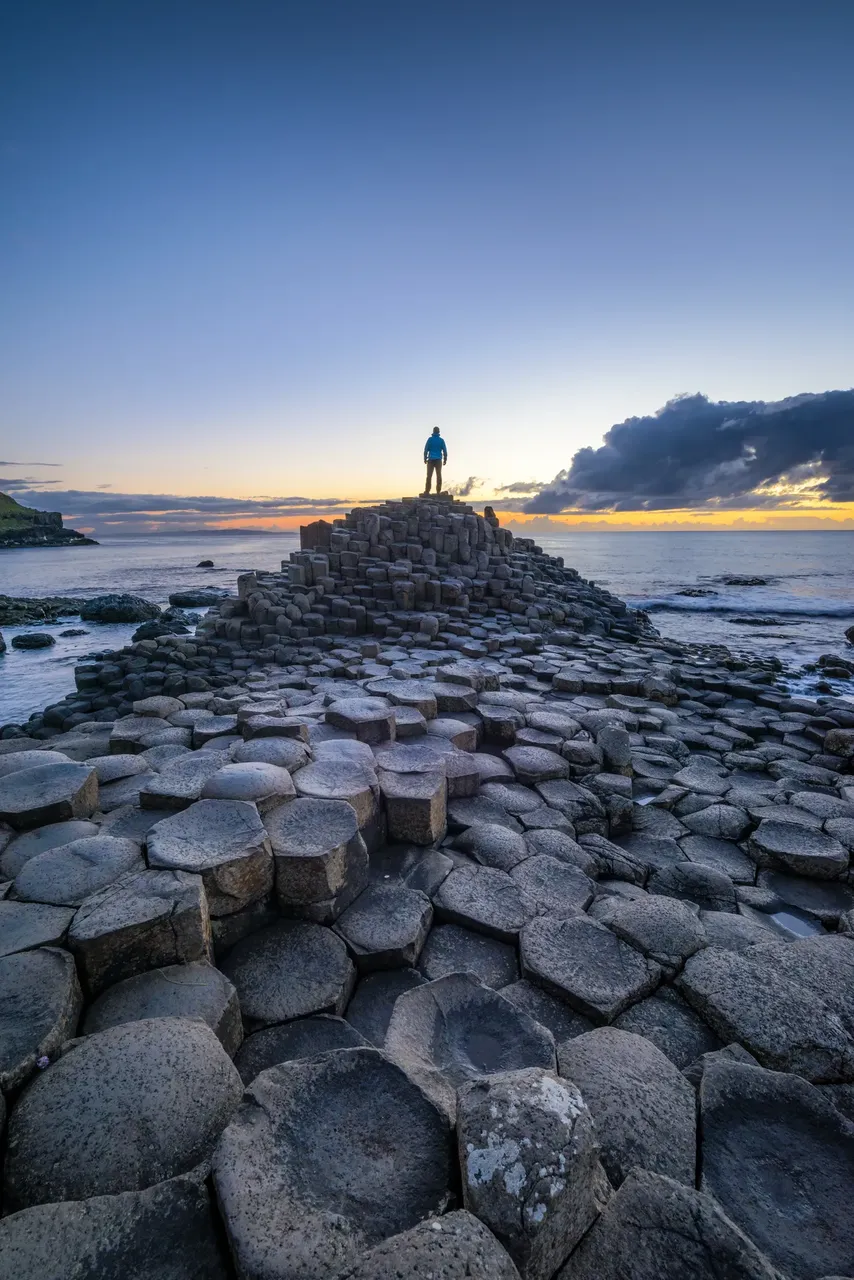 The Giant’s Causeway is perhaps the most famous attraction in Northern Ireland — Getty Images
 Inspiration
A love letter to… Japan
Land of the Rising Sun is loved for its sprawling metropolises, cherry blossom trees, street food... This is our love letter to Japan
Read the guide
Inspiration
A love letter to… Japan
Land of the Rising Sun is loved for its sprawling metropolises, cherry blossom trees, street food... This is our love letter to Japan
Read the guideOne of the most popular attractions in the UK — getting almost one million visitors each year, the Giant’s Causeway in County Antrim is the product of an ancient volcanic fissure eruption. There are around 40,000 interlocking basalt columns created, according to myth by the Irish giant Fionn mac Cumhaill, as a causeway between Ireland and Scotland. There’s a smaller but identical series of columns in Fingal’s Cave on the Scottish island of Staffa, so don’t discount the tale entirely!
Sakura season, Japan
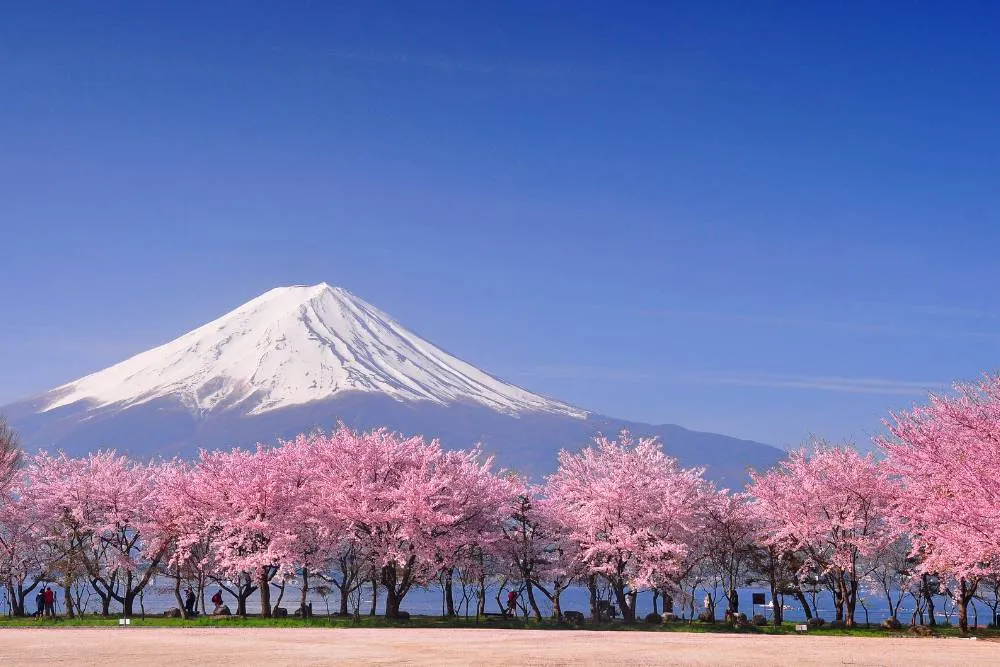 Time your visit to Japan for the spring to catch the sakura season — Getty Images Something that’s deeply rooted in Japanese culture is the cherry blossom that emerges every spring
. In towns and cities across the nation, people come together for hanami (cherry blossom viewing) parties under the trees as the country turns fleetingly a beautiful shade of pale pink.
Time your visit to Japan for the spring to catch the sakura season — Getty Images Something that’s deeply rooted in Japanese culture is the cherry blossom that emerges every spring
. In towns and cities across the nation, people come together for hanami (cherry blossom viewing) parties under the trees as the country turns fleetingly a beautiful shade of pale pink.
Catatumbo lightning, Venezuela
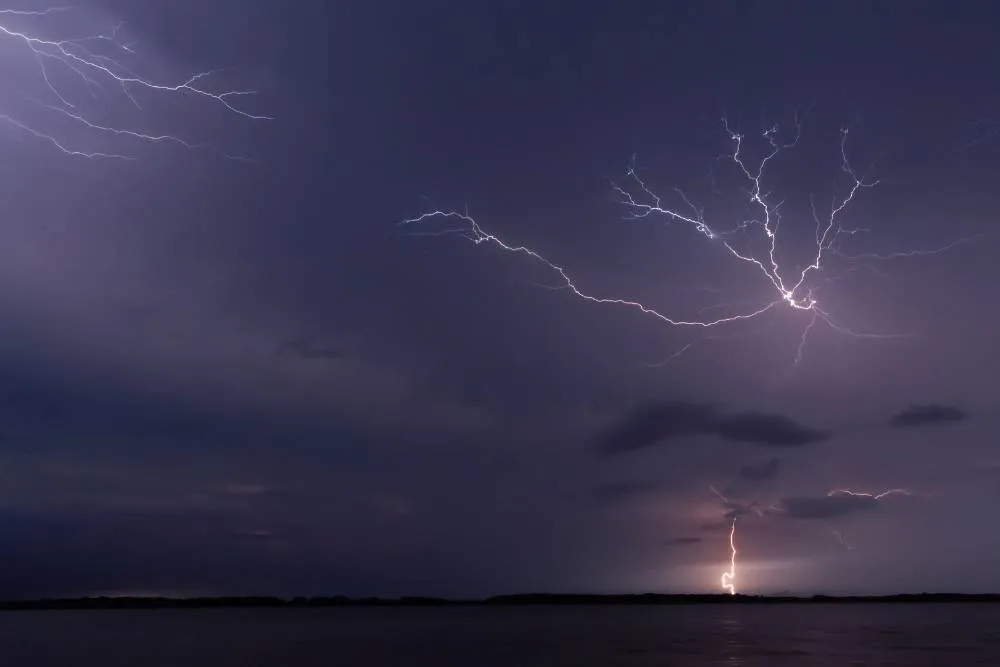 This corner of Venezuela sees persistent lightning six months a year — Getty Images Where the Catatumbo River empties into Lake Maracaibo, for around half of the days of the year, there are storms lasting up to nine hours, with lightning flashes occurring 16 to 40 times per minute. In the local language, Catatumbo means “House of Thunder”, and a more apt name there cannot be for this spectacular natural display of power.
Aurora australis, Australia
The aurora borealis might get most of the attention, but there’s a flip side: the southern lights. Visible all year round (but most common in winter — May to August), the best places to see the lights are all in Tasmania: Bruny Island, around 30 minutes drive from Hobart ; the mirror-like lakes of Cradle Mountain-Lake St Clair National Park; or by renting the private, luxury resort on (and therefore renting the whole of) Satellite Island.
Rainbow mountains, China
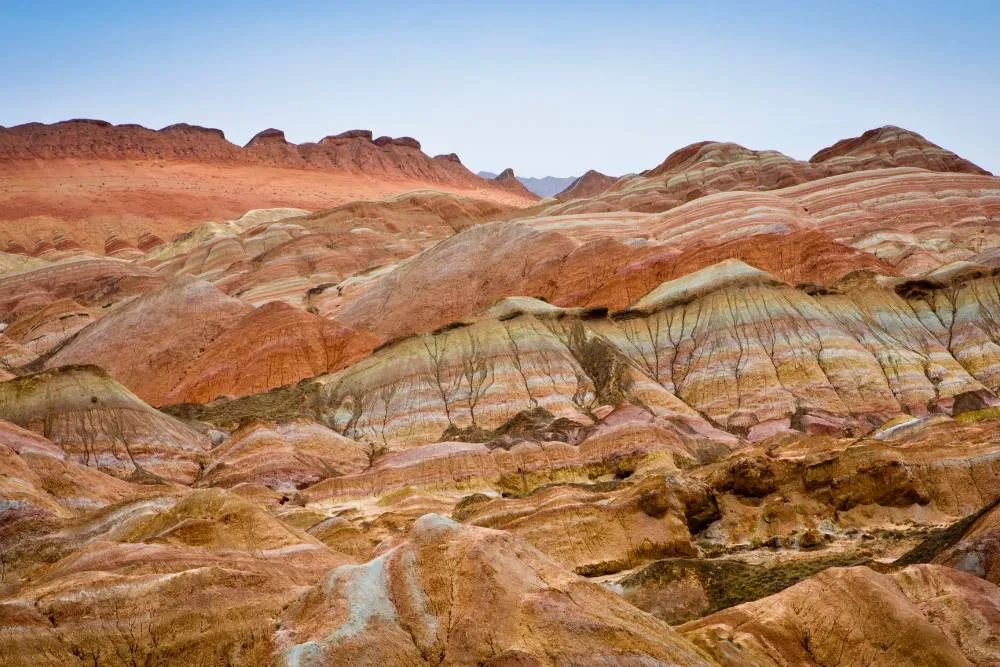 The multicolored sandstone mountains of the Zhangye Danxia National Park — Getty Images Covering 200 square miles in the northwest of China, the Zhangye Danxia National Park draws tourists from all over the world with its beautifully-colored sandstone rocks. The colors are caused by the reaction of different chemicals (chlorites, sulfites, magnetites, iron oxides) to the sandstone under the pressure of 55 million years of shifting and formation.
Bioluminescent beach, Maldives
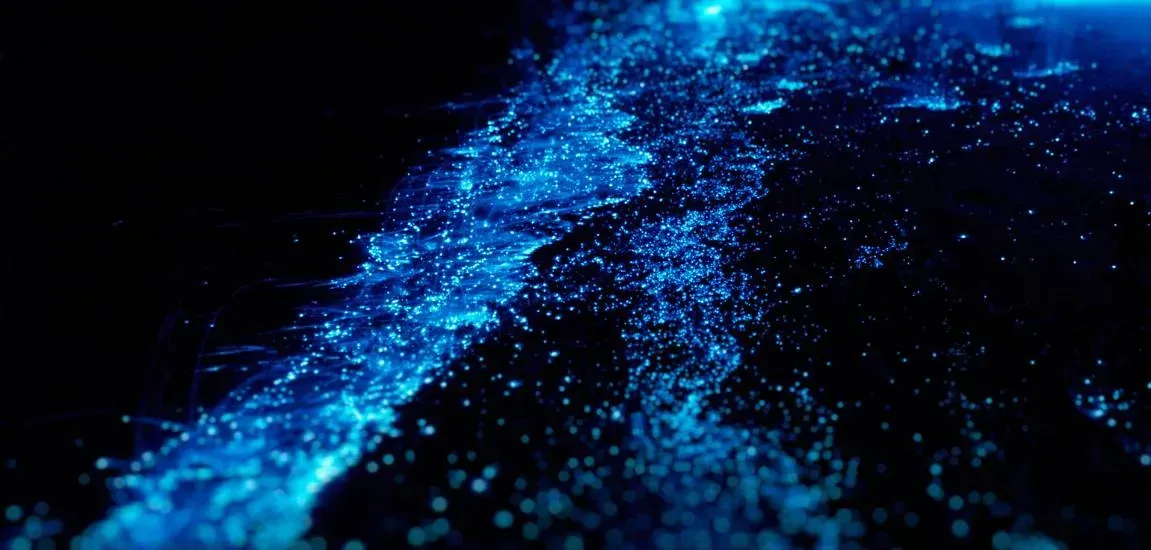
What looks like thousands of tiny fairy lights in the water are actually plankton that emit a chemical called luciferin, making the waves washing up on the shore of glow at night. This eerie blue occurs mainly between June and October and makes an already-romantic destination even more special. Go to Kiwi.com Stories for more travel inspiration.