








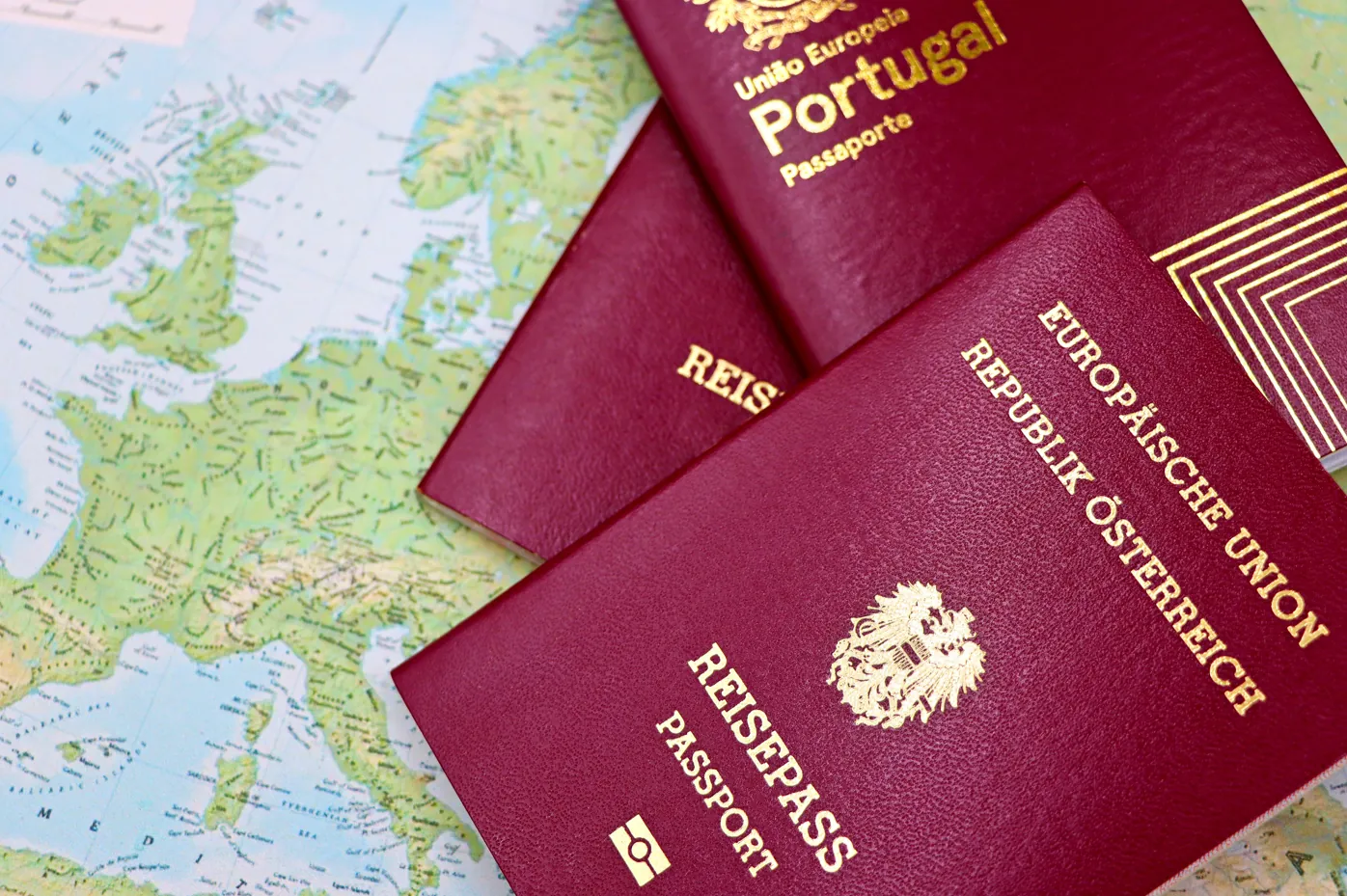
The 10-year passport rule means that to enter an EU or Schengen country, your passport must have been issued less than 10 years before the day you arrive, and it must have an expiry date at least 3 months after the day you plan to leave. It applies to all travellers from outside the EU, including British citizens since Brexit. It catches out people whose passport is still in date but more than 10 years old.
In this article
The trap comes from how UK passports used to be issued. Until 2018, if you renewed early, up to nine unused months from your old passport were added to the new one. That means some passports have an expiry date more than 10 years after their issue date. Those extra months are still valid for many countries, but not for Europe.
Key takeaways
Issued under 10 years Date of issue must be less than 10 years before the day you arrive.
Valid 3 months after you leave Date of expiry must be at least 3 months after the day you leave.
Renew before you travel If your passport fails either check, you'll need to renew it before you travel.
Ireland is the exception The rule doesn't apply to Ireland.
How the 10-Year Passport Rule Works
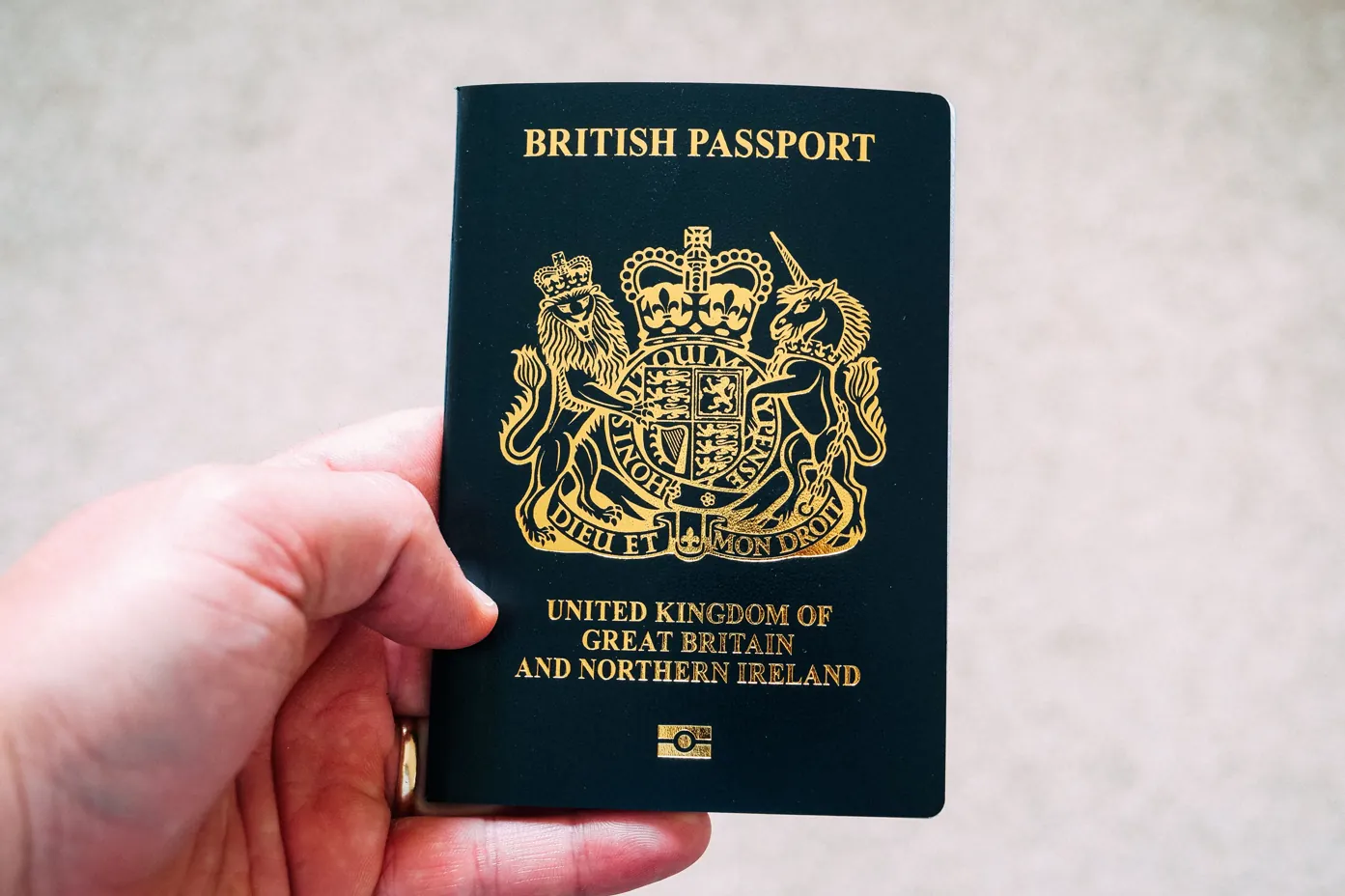
The rule comes from the EU’s Schengen Borders Code, which sets entry conditions for all non-EU nationals (Regulation (EU) 2016/399, Article 6 ). UK government travel advice sets out the same two conditions for British visitors to Schengen countries. Your passport must:
- Have a “date of issue” less than 10 years before the date you arrive.
- Have an “expiry date” at least 3 months after the day you plan to leave.
Both conditions must be met at the same time. Passing one isn’t enough. The first check looks back from your arrival date. The second looks forward from your departure date.
Find flights for this trip

A Worked Example
Say your passport shows:
- Date of issue: 15 March 2017
- Date of expiry: 15 December 2027 (nine extra months were added when you renewed early)
You’re planning a trip to Spain from 10 April 2027 to 17 April 2027.
| Check | Rule | Your dates | Result |
|---|---|---|---|
| Issue date | Issued less than 10 years before arrival | Arrival 10 April 2027 is after 15 March 2027 (the 10-year mark) | ❌ Fails |
| Expiry date | Valid 3+ months after departure | Expiry is about 8 months after 17 April 2027 | ✅ Passes |
Even though your passport doesn’t expire until December 2027, it stopped working for Europe on 15 March 2027. For EU travel, treat the issue date plus 10 years as your real deadline.
Where the Rule Applies
The 10-year rule applies when you enter any Schengen area country, and GOV.UK lists the same requirement for EU members outside Schengen, such as Cyprus. That covers most of the places British travellers holiday in Europe: Spain, Portugal, France, Italy, Greece, Malta, Croatia, the Netherlands, Germany, and more. It also applies to Schengen members outside the EU, including Switzerland, Norway, and Iceland.
It doesn’t apply to Ireland. Under the Common Travel Area, British citizens aren’t legally required to show a passport to enter Ireland, although many airlines and ferry operators still ask for one as ID, so check with your carrier. You can read more about this in our guide to whether you need a passport to fly .
If you’re planning a multi-country trip, our essential travel guide to domestic, international and Schengen trips explains how border checks work between countries.
How to Check Your Passport in 30 Seconds
- Open your passport to the photo page. Find the “Date of issue” and “Date of expiry”.
- Add 10 years to the date of issue. That’s your last possible arrival date in Europe.
- Take your return date and add 3 months. Your expiry date must be on or after that date.
- If either check fails, renew before you book. Don’t book non-refundable flights on a passport that won’t get you through the border.
Tip: if your expiry date is more than 10 years after your issue date, you have extra months. That’s the clearest sign your passport could be affected. If it was issued in October 2018 or later, the two dates should be exactly 10 years apart, and the 3-month check is the only one you need to worry about.
Why Some UK Passports Last Longer Than 10 Years

Until autumn 2018, HM Passport Office carried over any unused time from your old passport, up to nine months, when you renewed early. That was meant to reward early renewal, so you didn’t lose the months you’d paid for.
GOV.UK’s travel advice says that if you renewed your passport before 1 October 2018, it might have a date of issue more than 10 years ago. Because of those extra months, the passport can still look valid while falling foul of the EU’s 10-year rule.
 Travel hacks
Do you need a passport to fly domestic? (US Version)
Preparing for a domestic trip used to be as simple as packing a bag and grabbing your wallet. However, with the full implementation of the REAL ID Act on the horizon, the rules for what counts as valid identification at the airport are shifting.
Read the guide
Travel hacks
Do you need a passport to fly domestic? (US Version)
Preparing for a domestic trip used to be as simple as packing a bag and grabbing your wallet. However, with the full implementation of the REAL ID Act on the horizon, the rules for what counts as valid identification at the airport are shifting.
Read the guideThese extended passports are still perfectly usable for countries that only look at the expiry date. If your next trip is outside Europe, you may be able to use your remaining months. Just check that destination’s own rules first.
How Long Do Passports Last?
| Passport | Validity | Notes |
|---|---|---|
| UK adult (16+) | 10 years | Older passports renewed before October 2018 may run up to 10 years and 9 months |
| UK child (under 16) | 5 years | Always passes the 10-year check, but still needs 3 months left after you leave |
| US adult (16+) | 10 years | The Schengen 10-year and 3-month rules apply to US travellers too |
| US child (under 16) | 5 years | Same Schengen rules apply |
Renewing a UK adult passport costs £102 online or £115.50 by paper form, and a child passport costs £66.50 online or £80 by paper form, according to GOV.UK. Apply well before your trip and check the current processing times on GOV.UK, particularly in spring when demand peaks.
Passport Expiry Rules Outside Europe
The 10-year rule is a Schengen and EU requirement. Other countries set their own rules, and many are stricter about the expiry date. Here are some popular examples for UK travellers, from GOV.UK’s travel advice:
| Destination | Passport validity required |
|---|---|
| EU / Schengen countries | Issued less than 10 years before arrival + valid 3 months after departure |
| Turkey | Expiry date at least 150 days after the date you arrive |
| Thailand | Expiry date at least 6 months after the date you arrive |
| USA | Valid for the length of your planned stay |
| Ireland | No passport legally required for British citizens (carriers may still ask for one) |
Entry rules change, so always check the latest GOV.UK travel advice for your destination before you book. If you’re flying further afield, our guides to passport rules for Mexico and Canada cover those destinations in detail. For a full round-up of cover colours and what they mean, see our worldwide guide to passport colours .
Other EU Entry Rules to Know in 2026
A valid passport is only one part of entering Europe as a non-EU traveller. You’ll also need to know about:
- The 90/180-day rule. Your total stay in the Schengen area must be no more than 90 days in every 180 days. Time spent in any Schengen country counts towards the same total.
- The Entry/Exit System (EES). EES is now in place across Schengen countries and replaces manual passport stamping. On your first entry you may need to register fingerprints and a photo at the border. Registration is free, and your record stays valid for 3 years.
- ETIAS. The EU’s planned travel authorisation for visa-free visitors isn’t in operation yet, and as of September 2026 it isn’t required to travel. The EU has not yet confirmed a new launch date, so check before any trip booked for 2027.
Book Your European Trip With Confidence
The 10-year passport rule is easy to check but easy to miss. Look at your passport’s issue date, add 10 years, and make sure your trip ends at least 3 months before the expiry date. If you pass both checks, you’re good to go. Once your passport is sorted, compare flights to your favourite European destinations and combine airlines for the best price. If your itinerary includes a self-transfer, the Kiwi.com Guarantee protects covered connections against delays and cancellations.
Search cheap flights to Europe on Kiwi.com →
Still unsure about your passport? Here are the questions travellers ask most.
FAQ
Does the 10-year rule apply if I’m only transiting through a Schengen airport?
If you stay airside and don’t pass through passport control, you don’t formally enter the Schengen area, so the entry rules don’t apply to that stop. If your connection means clearing passport control, for example on a self-transfer, you need to meet the 10-year and 3-month conditions at that point.
Can airlines refuse to let me board because of the 10-year rule?
Yes. Airlines check travel documents at check-in and at the gate, because they can be fined and must fly you back if you’re refused entry. If your passport fails the rule, you can be denied boarding in the UK before you even reach the border.
Does the rule apply to Irish or EU passport holders?
No. The 10-year and 3-month conditions apply to travellers from outside the EU. If you hold an Irish passport or another EU passport, you travel under EU free-movement rules, and a valid passport or national ID card is enough.
Does the 3-month rule count from arrival or departure?
From departure. Your passport must still be valid for at least 3 months after the day you plan to leave the Schengen area, not the day you arrive. On a two-week trip, that means you need about three and a half months left when you set off.
What happens if my passport expires while I’m abroad?
If you’re outside the UK and your passport expires or is lost, you’ll usually need an emergency travel document from the UK government to get home. It’s far easier to renew before you go, so check your expiry date as soon as you start planning.
Can I renew my passport early without losing time?
You can renew at any time, but new UK passports no longer carry over unused months. That’s why every passport issued since late 2018 is valid for exactly 10 years. If your trip is soon, renewing early is the safer option, even if you lose a few months.