



This is not a checklist of famous landmarks. You can find those anywhere. The real pull of Berlin comes from its neighborhoods, its food, its street life, its subcultures, and its layered history. The city wears all of it openly.
In this article
I have been back to Berlin many times, and the trips I remember are never the ones spent ticking off sights. They are the slow afternoons in a park, the random Späti at midnight, the falafel I still think about. So this guide skips the postcard tour. It shows you how to spend time in Germany’s capital the way locals actually do. If you are still sorting out how to get there without spending a fortune, Kiwi.com is a smart starting point for finding budget routes into the city.
Quick Answer: How Do You Experience Authentic Berlin?
The best way to experience authentic Berlin is to spend most of your time outside the busiest tourist zones. Use public transport to move around. Explore local Kieze (small neighborhood pockets) on foot. Eat at markets and casual neighborhood spots instead of restaurants beside the big sights. Respect local etiquette, and leave room for things you did not plan. That mix is what makes Germany’s capital feel real rather than staged.
Why Berlin Feels Different From Other European Capitals
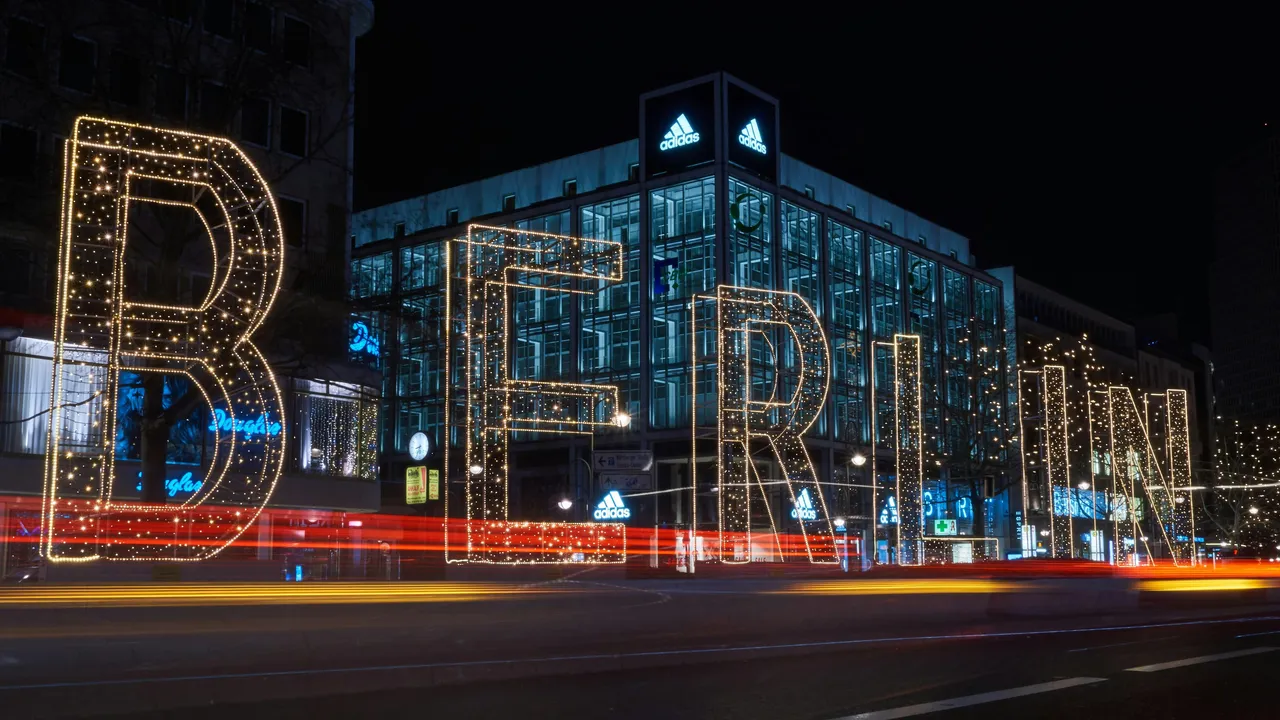
Authentic Berlin is not polished. That is the point. Berlin is Germany’s largest city and its capital city, yet it rarely behaves like a showpiece. Where Paris is grand and London is dense, Berlin is spacious, raw, and a little unfinished. There is space to breathe and space to be weird.
The city was split in two for nearly 30 years, so it grew up twice. It is political. It is creative. It is shaped by waves of migration. It can feel relaxed and intense in the same afternoon. You will see protest posters next to art galleries, and former factories turned into clubs. I will not over-romanticize it. Berlin can be grey, and parts of it are scruffy. But that grit is exactly why so many people fall for it. As far as European capitals in the European Union go, few are this open about who they are.
A City Shaped by History and Reinvention
You cannot separate today’s Berlin from its history. After World War II, Germany was divided into West Germany and the communist East, and so was the city. All through the Cold War, West Berlin sat inside East Germany like an island. The Berlin Wall went up in 1961 and split families overnight. It came down in November 1989, and German reunification followed in 1990. The fall of the Berlin Wall is the hinge that everything here turns on.
That history is not buried. It is in the street. The division even split the city’s art collections, and for years some western treasures were shown out west in the grand baroque halls of Charlottenburg Palace. After the Wall fell, whole districts in the former east emptied out, and artists, squatters, and musicians moved into the gaps. Old industrial buildings and power plants became studios, galleries, and venues. Some of Berlin’s best-loved spaces started as squats.
Out of all that came modern Berlin: reinvented, restless, and a little proud of the mess. For solid context before you go, the official tourism site visitBerlin and the city’s museum pages are reliable starting points. If you want a hands-on version of the past, the DDR Museum on the Spree River walks you through daily life in East Germany, switches and all.
The Local Concept of the Kiez
Here is the word that unlocks the city: Kiez. A Kiez is a small neighborhood area with its own daily rhythm, its own bakery, its own corner bar, its own regulars. It is smaller than a district. Berliners do not really say “I live in Friedrichshain.” They say “I live near this square, by this U-Bahn stop.”
This matters for visitors. District names like Kreuzberg or Neukölln cover a lot of ground. Once you start thinking in Kieze, you stop rushing across the city and start sinking into one corner of it. That single shift will get you closer to local life than any sightseeing list.
Start With the Right Neighborhoods
Authentic Berlin is best explored by district, then by Kiez within each district. My advice is simple. Choose your base by mood, not by how close it sits to the main attractions. You will spend more time in your own area than at any landmark anyway.
Most local-style guides point to four areas for food, nightlife, markets, and everyday culture: Kreuzberg, Neukölln, Friedrichshain, and Prenzlauer Berg. Each one has a clear personality. Pick the one that matches the trip you actually want.
Kreuzberg for Food, Canals, Street Life and Counterculture
Kreuzberg is loud, social, and political, and it has been for decades. It is one of the most multicultural parts of the city, with a huge Turkish and Middle Eastern community that shaped its food for good.
Spend an afternoon along the Landwehr Canal. Grab something to eat, sit on the bank, watch the boats. The Turkish and Middle Eastern food here is some of the best you will have. The bars are independent and unfussy. Street art covers half the walls, often with a sharp political edge. And Markthalle Neun, a restored market hall, is a must, especially on Street Food Thursday when local cooks set up stalls. Kreuzberg is where I send first-timers who want the real thing fast.
Neukölln for Creative Energy and Everyday Berlin
Just south, Neukölln is younger and rougher around the edges, in a good way. It is full of cafés, vintage shops, late-opening bars, and immigrant food culture stacked side by side. Rents pushed a lot of artists and students here, so the creative energy is real and the prices are still kinder than the center.
It is also home to the Türkenmarkt, the Turkish Market on Maybachufer, which runs along the canal on Tuesdays and Fridays. Right next door sits one of the best things in the whole city: Tempelhofer Feld, a former airport that is now a giant open park. More on that below. Neukölln is everyday Berlin, and that is its charm.
Prenzlauer Berg for Cafés, Markets and Slower Mornings
Prenzlauer Berg is the calm one. It cleaned up and polished over the years, so it feels more genteel than its neighbors. Leafy streets, restored old buildings, families with strollers, good coffee.
It is still very useful for local life. The brunch scene is strong, the independent shops are worth a wander, and the weekend markets are excellent. The Sunday flea market at Mauerpark is a local institution. Come for a slow morning, a long coffee, and a relaxed afternoon. If your trip needs a gentler gear, base yourself here.
Friedrichshain for Nightlife, Vegan Food and Alternative Culture
Friedrichshain is for night owls. This is alternative Berlin with the volume up: music fans, vintage shoppers, students, and budget travelers all mix here. The bar and club culture is strong, and the prices stay friendly.
The heart of it is RAW-Gelände, a former railway repair yard now packed with bars, clubs, a skate park, and a Sunday flea market. Boxhagener Platz, known to everyone as Boxi, has a Sunday flea market and a relaxed square ringed with cafés and great bars. The vegan food scene here is one of the best in Europe. If Berlin nightlife is your reason for coming, sleep in Friedrichshain.
Eat Like a Berliner, Not Like a Tourist
Berlin is not a fine-dining city, and you should be glad. The food that matters here is casual, cheap, and shaped by who moved to the city. Skip the tourist restaurants beside the landmarks. The good stuff is in the neighborhoods.
Think döner kebab, currywurst, Vietnamese noodles, Turkish bakeries, falafel, market halls, and late-night snacks. You can eat well all day for the price of one sit-down meal in the centre. That is part of what makes Berlin so easy on a budget.
Try the Street Food That Locals Actually Eat
Berlin street food is a direct map of the city’s migration and its late nights. The döner kebab as you know it was popularized by Berlin’s Turkish community in the 1970s, and the city still argues about who does it best. Currywurst is the local classic, born here in 1949. Falafel is everywhere and usually excellent. Quick bites from a neighborhood stand will feed you better than most restaurants near the big sights.
Then there is the Vietnamese food, which is genuinely special. Many Vietnamese came to East Germany as contract workers, and after reunification they built a deep food culture, strongest in the eastern districts. A bowl of pho or a fresh bánh mì from a small local spot is one of the best cheap meals in town.
Visit Markets Instead of Tourist Restaurants
If you want to understand how Berlin eats, go to a market. You will see what is in season, what locals buy, and how different communities cook.
Start with these:
- Markthalle Neun (Kreuzberg) for stalls, regional producers, and Street Food Thursday.
- Türkenmarkt on Maybachufer (Neukölln) on Tuesdays and Fridays for produce, herbs, cheese, and bread at local prices.
- Flea markets like Mauerpark (Sundays) and Boxhagener Platz (Sundays), where food stalls sit next to vintage stands.
Check the market day before you plan your route, since most run only once or twice a week.
Use Spätis as Part of the Berlin Experience
You need to know what a Späti is. Short for Spätkauf, it is a small late-night corner shop that sells drinks, snacks, and the odd random thing you forgot. Spätis are part of the social fabric. People grab a cold beer, stand outside, and just hang around.
This is also where to try a Berliner Weisse, a tart, low-alcohol wheat beer often served with a shot of green woodruff or red raspberry syrup. It looks a little silly and tastes great on a warm night. Buy one at a Späti, take it to a canal or a square, and you have done a very Berlin thing for under three euros.
Explore Berlin’s Culture Beyond the Big Museums
The big museums are worth your time. Museum Island, a UNESCO World Heritage Site on the Spree, houses multiple museums and centuries of art, and the domed Berliner Dom looms over the water right beside it. One honest heads-up: the famous Pergamon Museum, home of the Pergamon Altar, is closed for a long renovation and is due to reopen on 4 June 2027. The nearby Pergamon Panorama exhibition stays open in the meantime. Always check the official museum site, smb.museum , before you go.
But museums are not where daily creative life happens. For that, look smaller. Independent cinemas, neighborhood galleries, local bookshops, music spaces, and community venues are where Berlin’s culture actually lives day to day.
Look for Street Art With Context
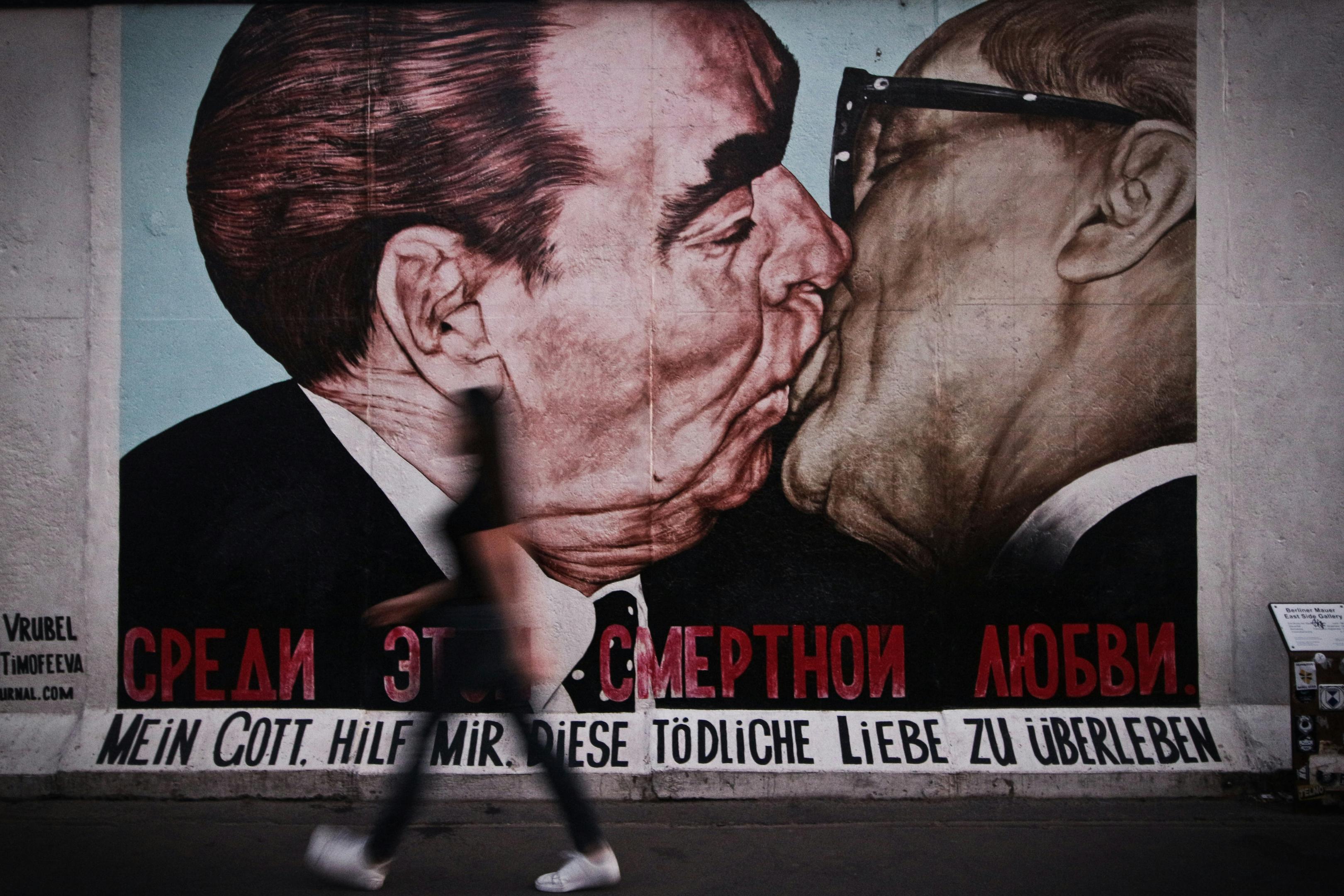
Berlin street art is not just a photo backdrop. A lot of it is political and personal, tied to the city’s divided past and its ongoing arguments about rent, freedom, and who the city is for. Read the walls, do not just shoot them.
You will see strong work across Kreuzberg and Friedrichshain. The East Side Gallery, a 1.3 km surviving stretch of the Berlin Wall along the river, is the most famous example. Artists painted it after the Wall came down, and the murals speak directly to that moment. It draws crowds, so go early, and remember what it actually is: a piece of the Wall, not a selfie wall.
Visit Independent Cinemas, Galleries and Bookshops
Slow the trip down with a few small cultural stops. A neighborhood gallery showing contemporary art. An independent cinema playing films in the original language. A cramped local bookshop where someone actually wants to talk about books.
These places are how you feel the everyday creative life of the city instead of just observing its monuments. Opening hours change often and many close one day a week, so check current listings and event calendars before you set out. Local venue pages and the visitBerlin events calendar are the easiest way to plan this.
Understand Berlin’s Club Culture Before You Go
Berlin nightlife is famous for a reason, but it is widely misunderstood. At its core it is about music, freedom, queer culture, and safe community spaces. It is not a theme park.
A few simple rules will keep you on the right side of it:
- No photos where they are banned. Many clubs cover phone cameras at the door. Respect it.
- Respect consent and the crowd. These are spaces built on it.
- Dress comfortably and do not dress to impress. Black usually works.
- Do not treat clubs like attractions. Entry is never guaranteed, and that is fine.
And know this: the scene goes far beyond Berghain. Plenty of recent travel coverage makes the same point. Berghain gets the headlines, but the city is full of smaller clubs, bars, and live venues that are easier to get into and just as good for a night out.
 Uncategorized
What is the best day to book flights?
There’s no universal “best day” to book flights, but Sundays often show slightly cheaper fares in Europe. Flight prices fluctuate constantly based on demand, seasonality, and route competition.Tuesdays and Wednesdays tend to be cheaper days to fly, not necessarily to book.
Read the guide
Uncategorized
What is the best day to book flights?
There’s no universal “best day” to book flights, but Sundays often show slightly cheaper fares in Europe. Flight prices fluctuate constantly based on demand, seasonality, and route competition.Tuesdays and Wednesdays tend to be cheaper days to fly, not necessarily to book.
Read the guideFree and Low-Cost Ways to See the Real Berlin
Here is the budget traveler’s secret: Berlin is generous with free and cheap things to do. Walking, cycling, parks, flea markets, free viewpoints, memorials, and public art will fill days without draining your wallet. Many museums also run reduced or free entry slots, so check official sites for current prices and schedules.
Of course, the cheapest part of any city break is the part you plan well. Spending less on getting there leaves more for the city itself. A flexible search for cheap flights is the easiest place to start, and free walking tours once you arrive are a friendly, low-cost way to get your bearings.
Spend an Afternoon at Tempelhofer Feld
Tempelhofer Feld is my favorite free thing in Berlin, full stop. It is a former airport, closed to flights, that locals turned into a vast open park. You can cycle or skate down the old runways, fly a kite, have a picnic, or just walk to nowhere in particular.
In summer it fills with people barbecuing, lounging, and chasing the sunset across all that flat open sky. You can easily spend a whole afternoon here doing very little, which is exactly the point. Bring snacks and a drink and stay until the light goes.
Walk the Canals, Parks and Residential Streets
Some of the best hours in Berlin cost nothing. Walk the Landwehr Canal in Kreuzberg and Neukölln. Wander Volkspark Friedrichshain, or cross town to Treptower Park, where the huge Soviet War Memorial is a powerful memorial to the soldiers who died taking the city in the war.
The trick is to drop the sightseeing pressure. Pick a neighborhood, pick a direction, and walk. Look at the buildings, the courtyards, the everyday life on quiet residential streets. Berlin rewards aimless walking more than almost any city I know.
Visit Flea Markets and Local Weekend Markets
Flea markets are a window into the city’s design, food, music, and neighborhood culture all at once. You will find vinyl, vintage clothes, old furniture, secondhand cameras, and a lot of friendly haggling.
The Sunday markets at Mauerpark and Boxhagener Platz are the classics, but smaller ones pop up across the city. As with food markets, check the market days before you build your plan, since most run only on weekends.
How to Plan an Authentic Berlin Weekend on a Budget
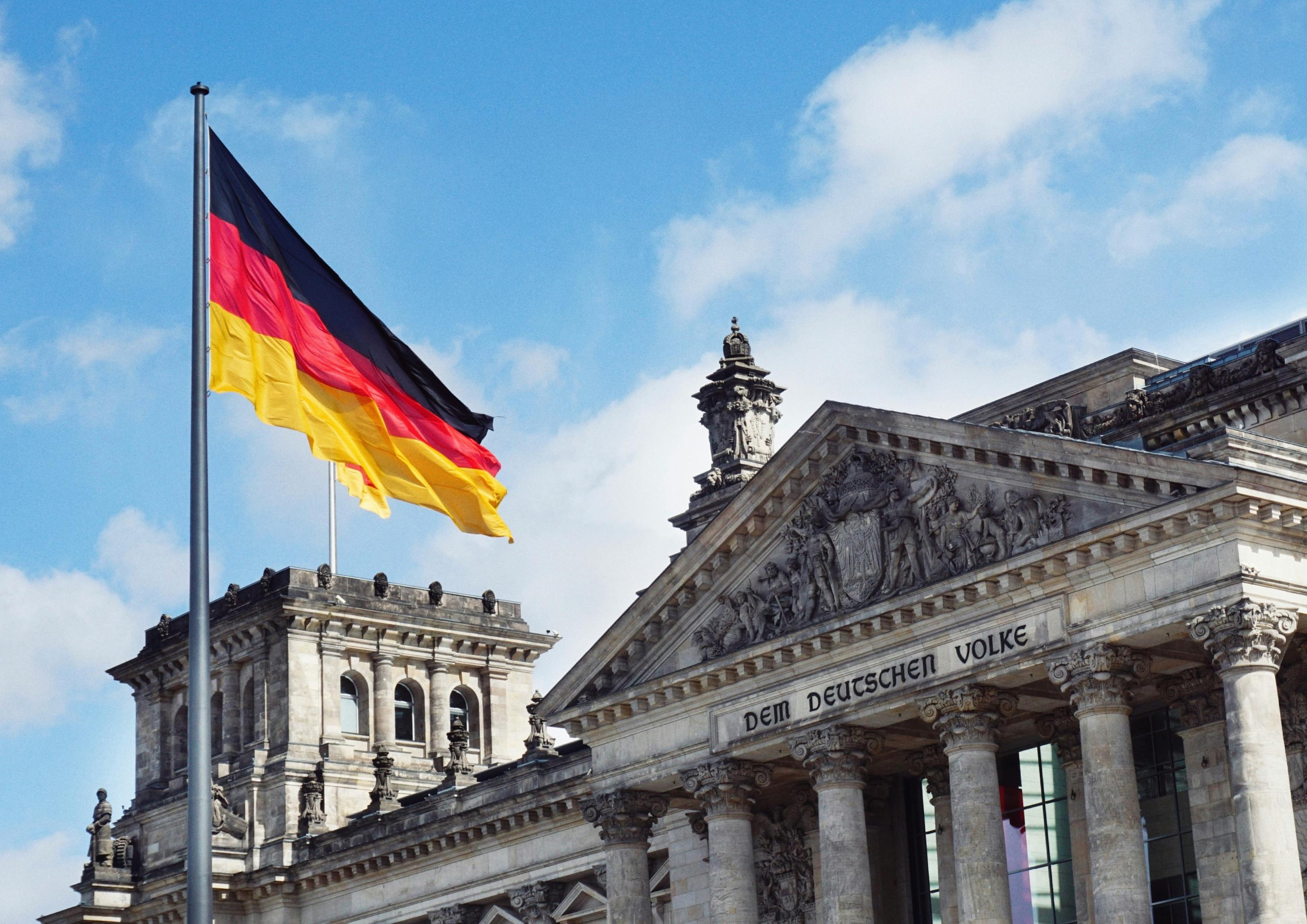
The travel experience starts with the flight, and a few smart choices there free up real money for the city. Flexible dates, mixed airlines, alternative routes, and good timing can cut your flight cost a lot. This is where Kiwi.com earns its place in your planning, not as a hard sell, but as a tool. If your plans firmed up late, a search for last minute flights can still turn up workable budget routes.
Fly Into Berlin Brandenburg Airport Without Overpaying
Berlin Brandenburg Airport (BER) is the city’s main and only commercial airport. The old Tegel Airport that served West Berlin closed in 2020, and Schönefeld, which once served East Berlin, was folded into BER and then retired too. So today there is one gateway, and it sits about 18 km southeast of the city centre.
When you search, do not only look at direct flights from your nearest hub. Compare different dates, routes, and carriers. The lowest fare often hides one option down the list, especially if you are flexible.
Be Flexible With Dates and Routes
Small changes save big money. Shift your departure by a day. Take an earlier or later flight. Accept one stop instead of a non-stop. Each tweak can drop the price.
This is exactly what Kiwi.com is built for. Its Virtual Interlining technology combines flights from airlines that do not normally sell tickets together, which can surface cheaper routes you would never find by searching one airline at a time. If a connection like that gets disrupted, the Kiwi.com Guarantee is there to help rebook you, which takes the stress out of self-transfer. If you want to push the savings further, this guide to the best days to book flights is a useful read before you commit.
Build Berlin Into a Wider Germany Trip
Berlin is a brilliant anchor for a longer German trip. Fast trains link it to Hamburg, Leipzig, Dresden, Munich, and Cologne, so you can pair the capital with a second or third city without much hassle. Trains are comfortable, and for some legs a short flight is cheaper.
If you are building a multi-city route, mix train and flight legs to keep costs down and time sensible. For ideas on where else to go, this roundup of the top spots to explore in Germany is a good place to start.
What to Avoid If You Want a More Local Berlin Experience
None of this is snobbery. Tourist traps are not evil, and the famous sights exist for a reason. The mistake is spending your whole trip in the crowded central zones, eating beside the monuments, and treating local culture as a show put on for you. Here is how to dodge that.
Do Not Stay Only Around the Main Landmarks
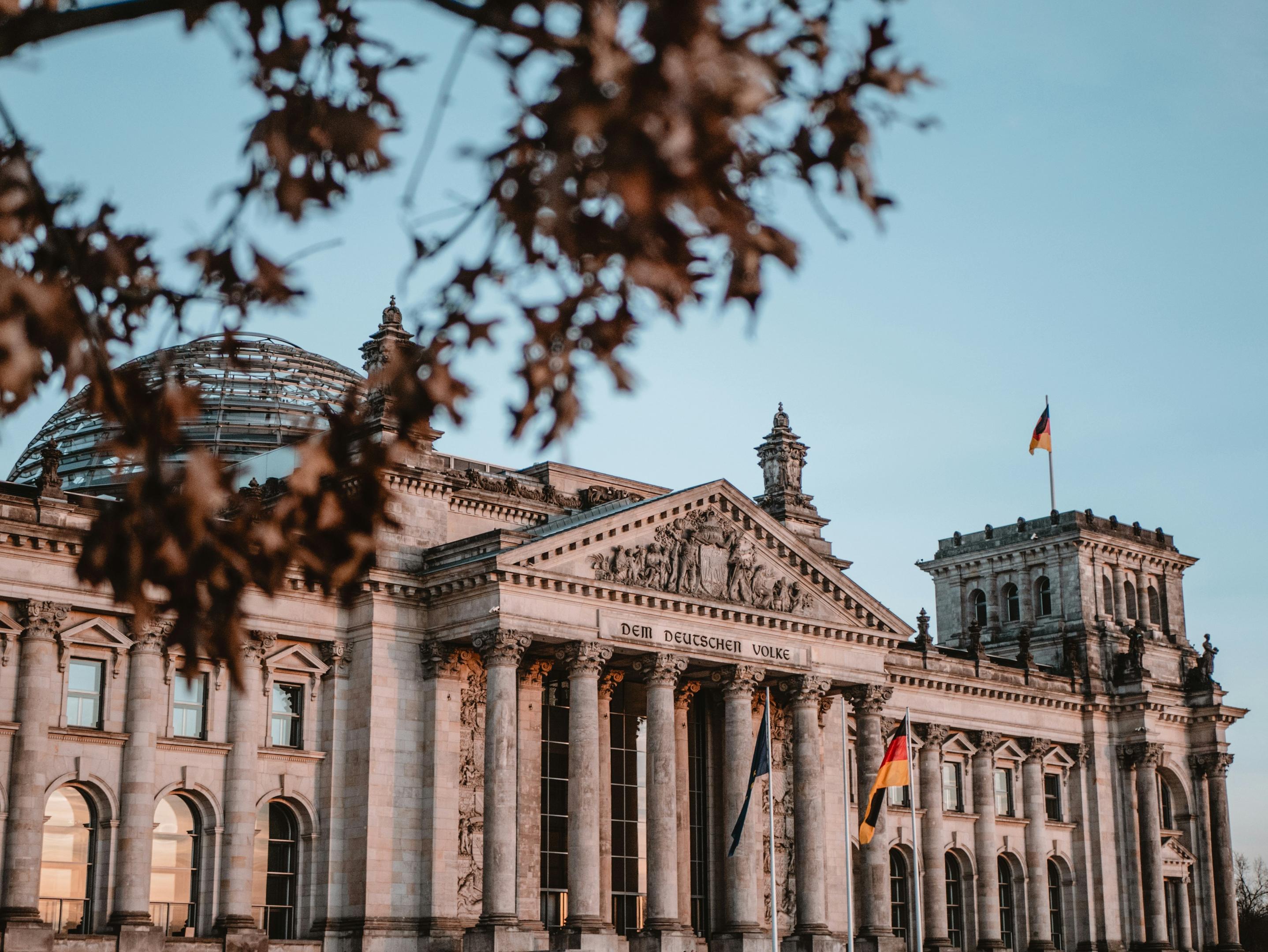
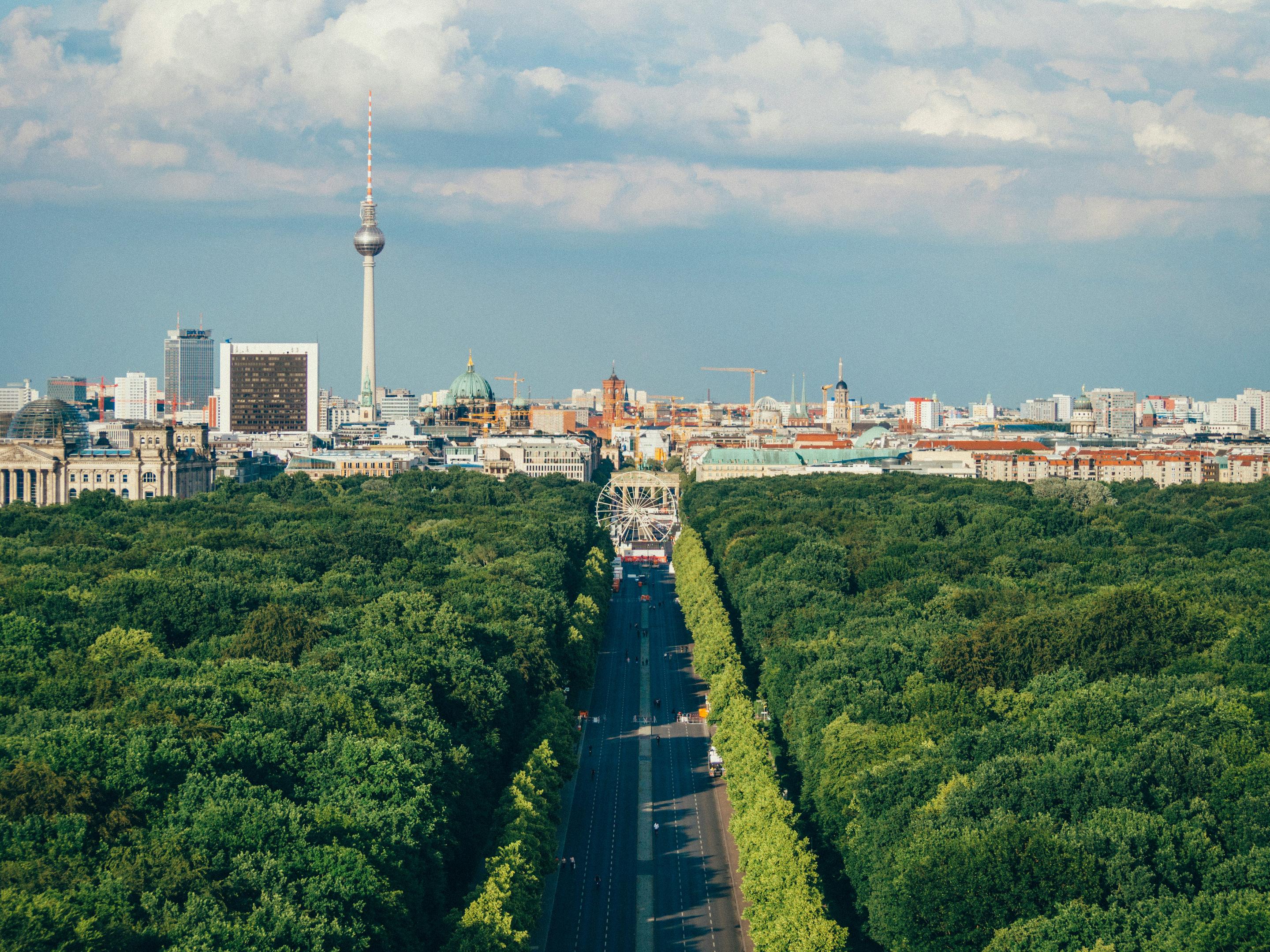
Berlin is not just Mitte, Brandenburg Gate, and Museum Island. See them, of course. The Brandenburg Gate is an iconic landmark and a powerful symbol of the city’s division and then its reunification, built back in the days of the Kingdom of Prussia. The Reichstag building, with its glass dome by Norman Foster, is free to visit if you book ahead. The TV Tower at Alexanderplatz has an observation deck with the best wide view in town. The Memorial to the Murdered Jews of Europe, a field of grey stone slabs near the gate, is a quiet, heavy, essential stop. Over in the leafy Tiergarten, the Victory Column was raised to commemorate Prussia’s victories.
But these should be a slice of the trip, not the whole of it. Balance the major sights with real time in the local districts. That balance is the difference between seeing Berlin and getting Berlin.
Respect Bike Lanes, Quiet Hours and Local Etiquette
Berliners are easygoing, until you stand in the bike lane. A little awareness goes a long way:
- Watch the bike lanes. They are often a separate strip beside the pavement. Cyclists move fast and will not be amused.
- Validate your transport ticket. Many tickets must be stamped before you board. Inspectors are strict and fines are real.
- Carry some cash. Plenty of bars, Spätis, and small spots are still cash-first.
- Ask before taking photos of people, and keep noise down in residential courtyards, especially on Sundays.
Do Not Treat Nightlife as a Checklist
Getting into a famous club is never guaranteed, and it should not make or break your night. Doors are selective by design, and that is part of the culture, not a personal rejection.
If the queue is brutal or the door says no, shrug and move on. Find a smaller venue, a live music bar, or a community event instead. Some of my best Berlin nights happened nowhere near a famous door.
Sample 3-Day Authentic Berlin Itinerary
Here is a flexible plan that mixes essential context with real local time. It is built for a first trip and deliberately not overloaded. Move things around to suit your pace.
Day 1: History, Mitte and a Kreuzberg Evening
Start in Mitte with the heavy history. Walk the Brandenburg Gate, the Memorial to the Murdered Jews of Europe, and the Reichstag dome (book the dome in advance). Add the DDR Museum if you want the everyday side of East Germany.
Then cross into Kreuzberg for the evening. Eat your way along the neighborhood, take a slow walk by the Landwehr Canal, and settle into a casual bar. Day one earns the local days that follow.
Day 2: Neukölln, Tempelhofer Feld and Local Markets
Spend a slower day in the south. Start with coffee and browse the vintage shops in Neukölln. Hit the Türkenmarkt if it is a Tuesday or Friday.
In the afternoon, head to Tempelhofer Feld. Walk the runways, picnic, watch the kites. Build in downtime here on purpose, so the day feels lived rather than rushed. Wrap up with cheap eats back in the neighborhood.
Day 3: Prenzlauer Berg, Friedrichshain and Nightlife
Begin gently in Prenzlauer Berg with a long brunch and the Sunday market at Mauerpark. Mid-afternoon, move to Friedrichshain. See the East Side Gallery, poke around RAW-Gelände, and browse the Boxhagener Platz flea market if it is Sunday.
In the evening, let your comfort level decide. Bar-hop, catch live music, or try the clubs if that is your thing. No pressure, no checklist.
Ready to Find Your Own Route to Berlin?
Berlin gives the most to people who slow down, wander off the main drag, and let the city set the pace. The less you spend getting there, the more you have for everything that makes it worth the trip: the food, the parks, the markets, the long nights.
That is where good flight planning pays off. Stay flexible with your dates, compare carriers, and look at routes that combine airlines you would not think to pair. Cheaper ways into the city free up money for the city itself, and that is the whole game. Find your own route in, then go spend your time on the Berlin that does not fit on a postcard.
Authentic Berlin FAQs
What is the most authentic area of Berlin to stay in?
It depends on what you want. Pick Kreuzberg for food, canals, and counterculture. Pick Neukölln for everyday creative energy and lower prices. Pick Friedrichshain for nightlife and alternative culture. Pick Prenzlauer Berg for calm streets, cafés, and weekend markets. All four sit close together, so you can base in one and visit the rest.
How do I experience Berlin like a local?
Use public transport, walk through the Kieze, and eat at markets and neighborhood stands instead of restaurants by the landmarks. Spend time in parks, browse the flea markets, and check local event listings for what is on. Most of all, leave gaps in your plan for things you did not schedule.
Is Berlin expensive for tourists?
Berlin is usually cheaper than many major Western European capitals, though that gap has narrowed. Your big costs are flights, accommodation, nightlife, and dining. Eat at markets and street stands, use public transport, and lean on free parks and viewpoints, and a Berlin trip stays very affordable.
How many days do you need in Berlin?
Three days is the minimum for a first visit and covers the essentials plus a couple of neighborhoods. Four or five days is better. The extra time lets you slow down for markets, nightlife, museums, and the kind of aimless walking the city is made for.
What should I avoid in Berlin as a tourist?
Do not stand in bike lanes. Do not forget to validate your transport ticket. Do not take photos in sensitive places, including memorials and inside many clubs. Do not spend the whole trip in Mitte. And do not expect every club to let you in, because none of them will promise that.
What is the best way to get around Berlin?
The U-Bahn and S-Bahn are fast, frequent, and cover the whole city, backed up by trams, buses, walking, and cycling. One ticket usually works across all of them, so validate it and you are set. Check the BVG app for live times and any service changes before you travel.
Is Berlin good for a weekend trip?
Yes, especially with a focused plan. Do not try to see everything in two days. Pick two or three neighborhoods, mix in one or two big sights, and let the rest of the time be loose. A tight weekend in two Kieze beats a frantic dash across the whole city.
When is the best time to visit Berlin?
Late spring and summer are best for outdoor Berlin: parks, canals, beer gardens, Tempelhofer Feld, and long light evenings. Autumn is mellow and good for galleries and food. Winter is cold and grey, but the Christmas markets and the indoor museums make it worth it if you pack a coat.