








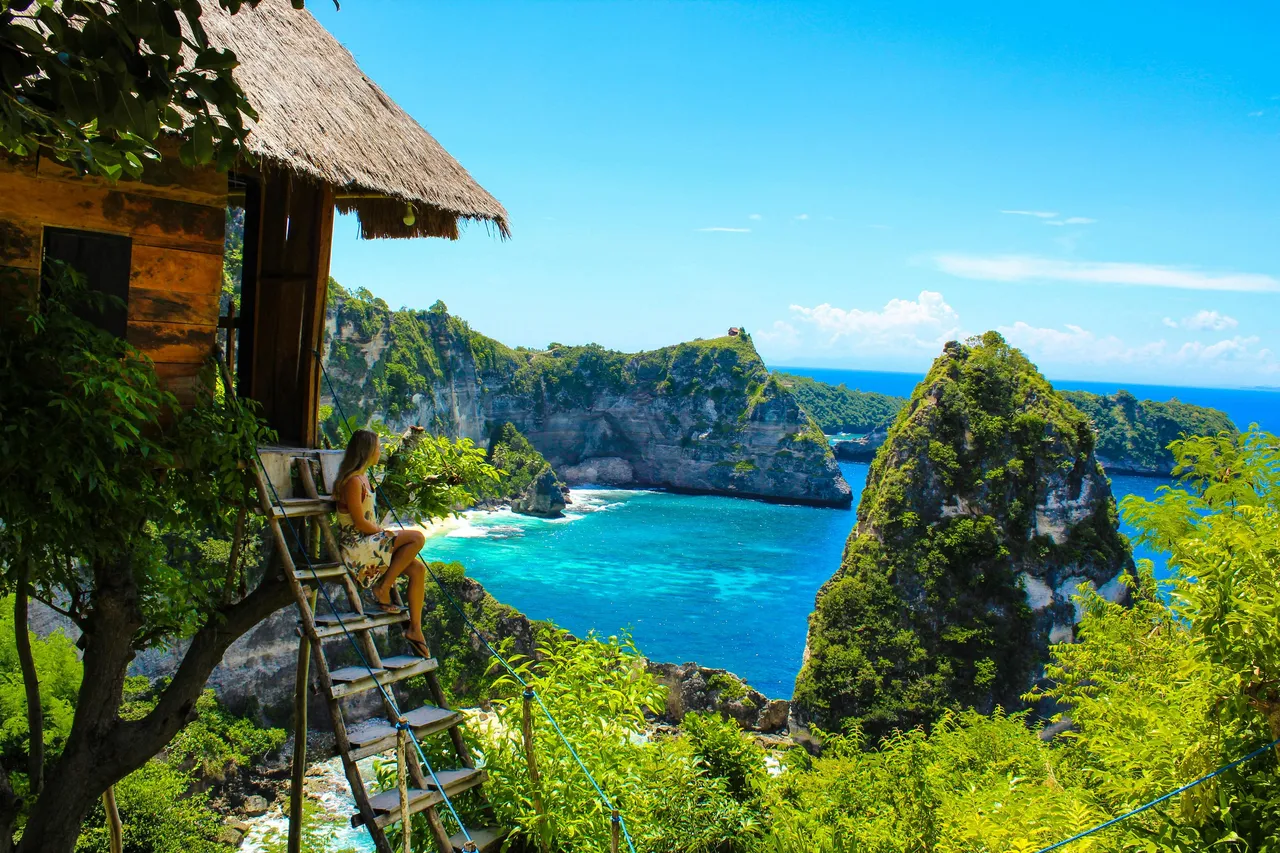
Bali is many trips in one. It is white-sand beaches and surf towns. It is jungle, rice terraces, and cliffside temples. It is wellness retreats, late-night beach clubs, Bali is many trips in one. It is white-sand beaches and surf towns. It is jungle, rice terraces, and cliffside temples. It is wellness retreats, late-night beach clubs, warm food, and quiet neighboring islands a short boat ride away. That range is exactly why a first trip can feel overwhelming. This Bali travel guide is here to fix that. I will help you pick the right areas, build a smart itinerary, learn the local travel basics, and find affordable ways to fly into Bali through Denpasar.
I have visited Bali more than once, and the biggest lesson is always the same. Do less, see it better. The island rewards travelers who slow down and choose well over those who try to do everything. So let us plan a Bali trip you will actually enjoy.
Quick Answer: What Should You Know Before Visiting Bali?
Here are the fast facts if you want them now. Most travelers fly into Denpasar’s Ngurah Rai International Airport (DPS), Bali’s main airport. Plan to stay 7 to 14 days, split your time between two to four areas, and build your days around traffic rather than distance, because short hops here can eat an hour. Pack light, leave gaps in the plan, and use a slow first day to shake off jet lag. To keep the biggest cost down, start with a flexible search for cheap flights before you lock in dates.
Where Is Bali and How Do You Get There?
Bali is an Indonesian island. It sits east of Java and west of Lombok, in the middle of the country’s long chain of islands. Almost every international visitor arrives through Denpasar, even though most of the famous beaches and cultural spots sit well outside the city itself. Denpasar is the gateway, not usually the destination. For a closer look at the city and how to enjoy it without overspending, this guide to Denpasar is a good companion read.
Common routes depend on where you start. From Australia, direct flights are short and frequent. From Europe, you almost always connect once, usually through a Southeast Asian or Gulf hub. From elsewhere in Southeast Asia, quick budget-carrier hops are easy and cheap. Knowing your realistic route shapes both your budget and your arrival energy.
Flying Into Denpasar International Airport
Ngurah Rai International Airport is the Bali airport you will fly into, the island’s main and only major hub, and it sits closer to the southern beach areas than to Ubud. When you search, do not just look at one airline’s direct route. Compare options with a stopover through hubs like Singapore , Kuala Lumpur , Bangkok , or Doha . A connection through one of these cities often costs less than a single through-fare, and it gives you a chance to break up a long haul.
Mixing carriers can save real money too. The cheapest way into Bali is often a budget airline for one leg, paired with a larger carrier for the other, even if no single airline offers that combination.
Why Flexible Routes Can Make Bali Cheaper to Reach
This is where a tool like Kiwi.com earns its place, and not in a salesy way. Its Virtual Interlining technology combines flights from airlines that do not normally sell tickets together. That surfaces cheaper routes you would never spot by searching one airline at a time.
It helps most on exactly the trips people take to Bali: long-haul journeys with a connection, multi-city Southeast Asia routes, and budget-carrier hops into Denpasar. If one of those self-transfer connections gets disrupted, the Kiwi.com Guarantee steps in to help rebook you, which takes the worry out of stitching airlines together yourself.
Best Time to Visit Bali

Bali has two seasons, and they are simple. There is a dry season and a wet season. Both can make a good trip, but they suit different plans, so this is worth a minute of thought before you book.
The short version: the dry season is better for beaches, hiking, and outdoor days, while the wet season trades some sunshine for lower prices, fewer tourists, and greener scenery. Weather patterns shift year to year, so check a current forecast and the local holiday calendar before you commit to dates.
Dry Season in Bali
The dry season usually runs from around April to October. This is when the island is at its best for surfing, beach days, temple visits, hiking, and packed outdoor itineraries. Skies are clearer and the humidity is kinder.
The catch is demand. July and August, plus the Christmas and New Year window, are high season. Prices climb and popular spots fill up. If you travel then, compare dates and routes early to protect your budget.
Wet Season in Bali
The wet season runs roughly from November to March. Do not write it off. The rain usually comes in heavy bursts rather than all-day drizzle, so you can still pack a lot in if you stay flexible and start your days early.
It is a fine time for the slower side of Bali: wellness stays, café mornings, cooking classes, spa days, and museum or gallery time. You will share the island with fewer tourists, and your money goes further.
When to Book Flights to Bali
Booking is where flexibility pays off most. Instead of searching for a single fixed date, compare several departure dates, nearby airports, different stopovers, and mixed-airline routes. The price gap between a Tuesday and a Saturday, or between two routings, can be large.
For a deeper dive on timing, this guide to the best days to book flights is worth reading before you buy.
Best Places to Stay in Bali
Bali is not a city you can dart across. Traffic turns short distances into long drives, so the single best decision you make is where to base yourself. My advice is to stay near the things you most want to do, then make day trips from there. Do not chase a central location, because Bali does not really have one.
Here is a quick “best for” map of the main areas to help you choose by travel style.
| Area | Best for | The vibe |
|---|---|---|
| Ubud | Culture, wellness, rice terraces | Green, calm, spiritual, inland |
| Uluwatu | Surf, cliffs, sunsets | Dramatic, spread out, scenic |
| Canggu | Cafés, nightlife, digital nomads | Busy, social, trendy |
| Seminyak | Comfort, dining, first-timers | Polished, walkable, beachy |
| Sanur and Nusa Dua | Families, slow trips, resorts | Quiet, calm water, easy |
| Nusa Penida | Day trips, island escapes | Rugged, raw, boat access |
Ubud: Best for Culture, Wellness and Rice Terraces
Ubud is the cultural heart of the island, set inland among rice fields and lush greenery. It is the place for temples, rice terraces, yoga, wellness stays, craft markets, waterfalls, the Sacred Monkey Forest, and a real sense of Balinese culture. I always end up staying longer here than I planned.
One practical note. Central Ubud is convenient but busy and a little touristy. If you want those famous valley views and quieter mornings, stay just outside town. You trade a short drive for a lot more calm, and many places out there come with an infinity pool over the jungle. A few even serve a floating breakfast on the water.
Uluwatu: Best for Surf, Cliffs and Sunsets
Uluwatu sits on Bali’s southern tip, where limestone cliffs drop into the Indian Ocean. It is the spot for surf spots, hidden beaches, clifftop beach clubs, and sunset views that genuinely stop you mid-sentence. The famous Rock Bar near Jimbaran sits low on the cliffs above the waves, with live music and stunning views as the sun goes down. Uluwatu Temple, perched on a cliff overlooking the sea, is the headline sight.
Be realistic about getting around. Uluwatu is spread out and not walkable, so you will rely on scooters or drivers to move between beaches and viewpoints. Factor that into your days.
Canggu: Best for Cafés, Nightlife and Digital Nomads
Canggu is where Bali’s modern beach culture lives. Think surf, beach cafés, coworking spaces, trendy restaurants, wellness studios, and a busy nightlife scene. Finns Beach Club, the island’s most popular beach club, anchors a lot of the daytime party energy. It is the heartland for digital nomads, and you will not struggle to find a good flat white or a smoothie bowl.
It can also feel crowded, and the traffic on the main lanes is no joke. Canggu is best if you want social energy and a packed café scene rather than peace and quiet.
Seminyak: Best for Comfort, Dining and First-Time Visitors
Seminyak is the easy, comfortable choice, and there is no shame in that for a first trip. You get good beach access, plenty of hotels, strong dining, shopping, and a level of tourist infrastructure that makes everything simple. Double Six Beach is a popular stretch for sunsets and casual beach clubs.
Compared with Canggu, Seminyak is more polished and a little calmer. Compared with Uluwatu, it is far more walkable. It is a safe, convenient launchpad.
Sanur and Nusa Dua: Best for Families and Slower Trips
Sanur and Nusa Dua are the quiet south. Sanur is a laid-back, slightly older-feeling beach town with a long promenade and calm, shallow water, which makes Sanur Beach great for families and gentle swims. It is also the main departure point for boats to the Nusa islands.
Nusa Dua is the resort enclave. Nusa Dua Beach is clean and calm, the hotels are large and comfortable, and the whole area is built for an easy, slow holiday. Neither spot is the place for nightlife, and that is the point.
Nusa Penida, Nusa Lembongan and Nusa Ceningan: Best for Island Escapes
Just off mainland Bali sit three smaller islands. Nusa Penida is the rugged, dramatic one, famous for cliffs and viewpoints. Nusa Lembongan and Nusa Ceningan are smaller and mellower, linked by a bright yellow bridge, and great for snorkeling and slow days.
Most people visit Nusa Penida as a day trip, but the island deserves more. A long day with a fast boat each way and a packed schedule can feel rushed. If you can, stay one night. And do not try to see all the famous spots in a single day, because the roads are rough and slow. Further afield, some travelers tack on the Gili Islands near Lombok, reachable by fast boat, for more snorkeling and quiet beach time.
Best Things to Do in Bali
There is far more to do here than any one trip can hold, so group your plans by what you actually enjoy. Below are the big categories: culture, beaches, nature, food, and wellness. One bit of grown-up advice first. Treat Balinese culture and the natural world with respect, and skip any attraction that uses captive animals as photo props. It is the right call, and it is easy common sense.
Visit Bali’s Temples
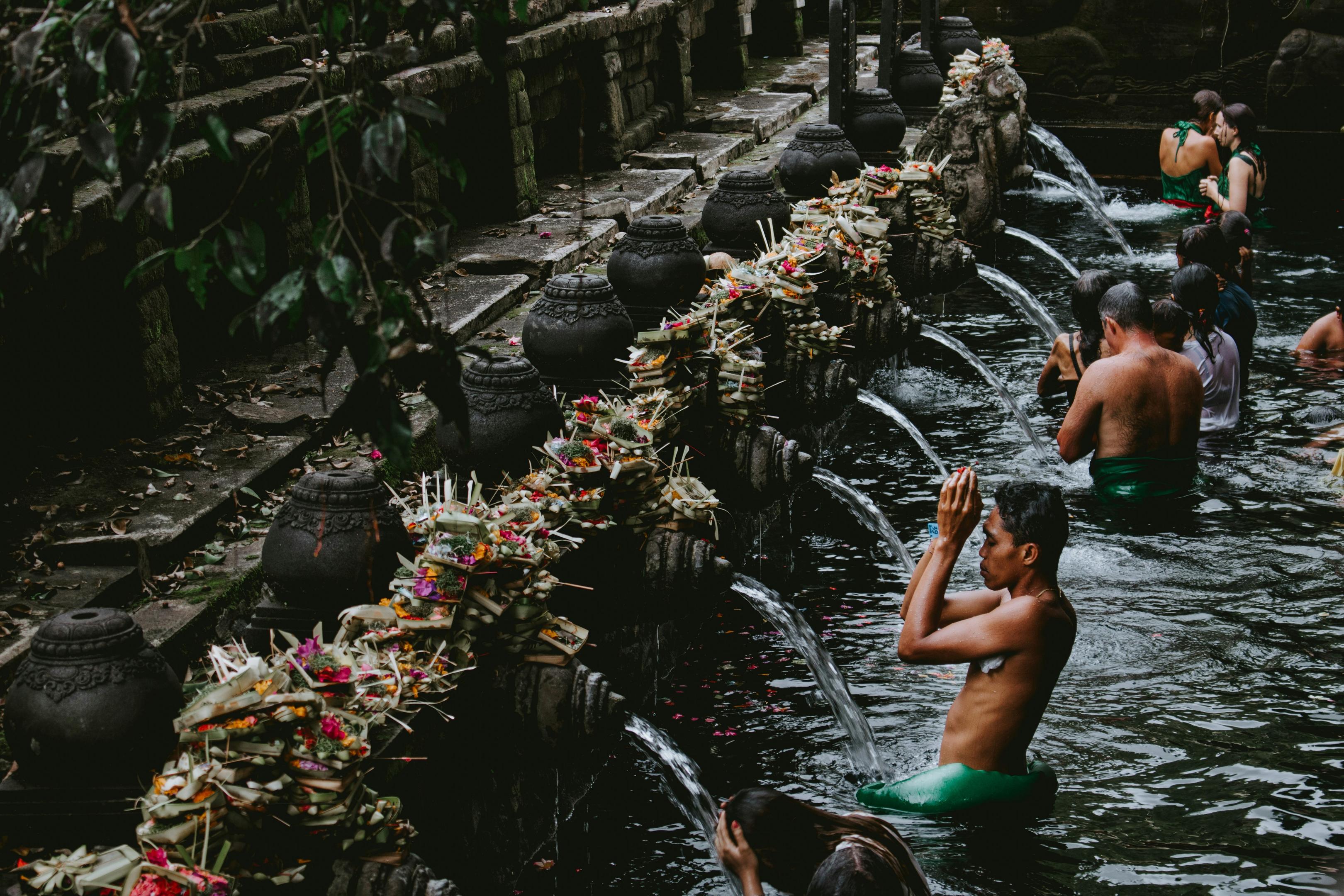
Temples are central to daily life here, not just tourist attractions. The big ones to know are Uluwatu Temple on its cliff, Tanah Lot rising out of the sea at sunset, Tirta Empul with its holy spring water, and Goa Gajah, the old Elephant Cave. The sunset Kecak fire dance at Uluwatu is a memorable add-on.
Etiquette matters. Cover your shoulders and knees, wear or rent a sarong where required, follow posted rules, and never climb on shrines or walk in front of people praying. If a ceremony is happening, give it space.
Explore Rice Terraces and Waterfalls
The rice terraces near Ubud, like Tegalalang, are the postcard image of Bali, all lush greenery and carved green steps. For something grander and quieter, the Jatiluwih terraces in central Bali are stunning and far less crowded. Waterfalls like Tegenungan Waterfall, near Ubud, are an easy half-day.
Go early. Crowds and heat both build fast after mid-morning, so a sunrise start changes everything. A local guide is worth it for the harder-to-reach falls and the better viewpoints.
Spend Time on Bali’s Beaches
Bali’s beaches are not all the same, so match them to your mood. Uluwatu is for cliffs, surf, and drama. Seminyak and Canggu are for sunsets and beach clubs. Sanur is for calm, shallow water. Nusa Dua is for clean, resort-style sand.
Some of the most beautiful beaches are actually on Nusa Penida island, just off the coast. Kelingking Beach, with its dinosaur-shaped headland, is absolutely breathtaking, and the bright blue water at Diamond Beach on the east side is just as good. Nearby, the natural arch at Broken Beach and the turquoise tide pool at Angel’s Billabong look almost unreal in person. I absolutely loved my morning out there. I could fill a whole blog post with Nusa Penida beaches alone.
Try Balinese Food and Local Warungs
Eating well in Bali is easy and cheap if you eat where locals eat. Look for warungs, the small family-run eateries, for the most delicious food at the best prices. Try nasi campur (rice with a mix of sides), satay skewers, fresh tropical fruit, and a strong local coffee. Nasi goreng, the classic fried rice, is a reliable everywhere dish.
Ubud in particular is a dream for vegetarian food, with whole menus built around it. A few food safety basics help: drink bottled or filtered water, eat at busy spots with high turnover, and ease into spicier street food. When you are tired after a long day, food delivery apps like GoFood and GrabFood are cheap and bring warung meals straight to your door.
 Budget Guides
Guide to Denpasar: Enjoy the Gateway to Bali on a Budget
Discover the gateway to Bali's secrets in Denpasar. Uncover the cultural heart of the island beyond the beaches and explore Balinese traditions on a budget-friendly trip. ☀️ 🏄♂️
Read the guide
Budget Guides
Guide to Denpasar: Enjoy the Gateway to Bali on a Budget
Discover the gateway to Bali's secrets in Denpasar. Uncover the cultural heart of the island beyond the beaches and explore Balinese traditions on a budget-friendly trip. ☀️ 🏄♂️
Read the guideAdd a Wellness or Spa Day
Bali built a global reputation on slowing down, and a wellness day is an easy win. Book a massage, join a yoga class, sit in on a meditation session, or settle into a retreat for a few days. Ubud is the hub, but you will find good studios across the island.
Keep expectations sensible. These are lovely, restful experiences, not medical cures. Some retreats fold in gentle cultural touches, like a traditional tea ceremony, which makes for a calm, grounding afternoon. Treat it as rest, and enjoy it as rest.
How Many Days Do You Need in Bali?

Honestly, more than you think. Seven days is enough for a focused first trip. Ten days is better and lets you cover two or three regions without rushing. Fourteen days opens the door to slower travel plus the nearby islands. Many seasoned travelers land on 10 to 14 days as the comfortable sweet spot for a fuller Bali trip.
The thing that breaks itineraries here is not distance; it is transfers and traffic. An overpacked plan looks great on paper and feels exhausting in real life. Build in buffer time and fewer bases.
5 Days in Bali
Treat five days as a short trip and resist the urge to see it all. Pick one main base, plus one day trip, and go deep rather than wide. South Bali plus a single big excursion is plenty for a short stay, and you will leave wanting more, which is the right way to leave.
7 Days in Bali
One week is the classic first-timer route. A clean split looks like this: a few nights in Seminyak or Canggu for beaches and food, a few nights in Ubud for culture and rice terraces, and a night or two in Uluwatu for cliffs and surf. That mix gives you beach, culture, food, and scenery without backtracking.
10 Days in Bali
With ten days, you can breathe. Add Nusa Penida as an overnight, slow down your Ubud stay, or work in Sanur or the Sidemen valley for a quieter stretch. The goal here is balance, not a longer checklist. Spread the same regions across more nights and the trip transforms.
14 Days in Bali
Two weeks is a proper long trip. Combine south Bali, Ubud, and a leg in east Bali or north Bali, then add one of the nearby islands. A fortnight also works beautifully as part of a wider region-hop. If that is your plan, this travel guide to Southeast Asia maps out how Bali fits with Thailand and Singapore.
How to Get Around Bali
Set your expectations now: Bali has very limited public transport compared with most major destinations. There is no metro and few useful buses for visitors. Instead, people lean on private drivers, ride-hailing apps where they are allowed, scooters, taxis, and hotel transfers. Whatever you choose, take road safety seriously, wear a helmet, and make sure your travel insurance covers you.
Hiring a Driver in Bali
For temple days, waterfall routes, and transfers between regions, a private driver is the easy, low-stress option. You get air conditioning, local knowledge, and someone who handles the traffic for you. On my last trip, our driver was super helpful and quietly rerouted us around a jam that would have cost an hour.
Agree on the price and the full route before you set off. Day rates are reasonable, especially split between a few people, and most drivers are happy to wait while you explore.
Renting a Scooter in Bali
Scooters are cheap, fun, and the local way to move, but please be careful. The roads are chaotic, and accidents are common among visitors who overestimate their confidence. You legally need a valid license plus an International Driving Permit, and police do check. Always wear a helmet, and confirm your insurance covers scooter use.
If you have never ridden before, Bali is not the place to learn. My honest take: if you are even slightly unsure, skip it and hire a driver. There is no prize for toughing it out on two wheels.
Using Taxis and Ride-Hailing Apps
Taxis and ride-hailing apps work, but availability changes by area, and some neighborhoods restrict app pickups. For street taxis, stick to the metered Blue Bird company, which is the reputable name. For apps, Grab and Gojek are the main players where they operate.
Wherever you are, confirm the price or make sure the meter is running before you start moving. A quick check upfront saves a lot of awkwardness later.
Bali Travel Costs and Budget Tips

Bali stretches to fit almost any budget. You can do it as a backpacker or as a five-star splurge, often in the same week. The main cost buckets are flights, accommodation, food, transport, tours, temple entry, beach clubs, and island boat transfers.
Here is a rough daily guide, per person, not counting flights.
| Style | Daily budget (approx.) | What it looks like |
|---|---|---|
| Budget | USD 30 to 50 | Guesthouses, warungs, scooter, free beaches |
| Mid-range | USD 70 to 150 | Nice hotels, a villa with its own private pool, drivers, tours |
| Luxury | USD 200+ | Resorts, fine dining, spas, private guides |
One small reality check for budgeting: every foreign visitor pays a Bali tourist levy of IDR 150,000 (about USD 10) per person, on top of the visa. More on that below.
How to Save Money on Flights to Bali
Flights are usually the single biggest line in a Bali budget, so this is where smart searching pays off most. Stay flexible with your departure dates. Check alternative home airports. Compare mixed-airline routes and stopover options rather than only non-stop fares. And start tracking prices a little before you intend to buy.
If your plans came together late, do not assume you have missed the deals. A search for last minute flights can still turn up workable routes into Denpasar.
How to Save Money Once You Arrive
Small daily choices add up fast. Eat at warungs instead of tourist restaurants for most meals. Choose guesthouses or homestays over resorts when you can. Do not eat every meal in the priciest tourist spots. Join small-group day tours to split driver and fuel costs. And try not to change hotels too often, since each move burns half a day and a transfer fee.
Bali Travel Tips for a Better Trip
A few habits make a Bali trip smoother and show respect for the place you are visiting. Cover cultural basics, plan around weather and traffic, carry some cash, sort a SIM card or eSIM on arrival, mind the monkeys, and stay aware in the ocean. One important note: entry rules, prices, and weather all change, so verify the official sources before you fly. For visas, check Indonesian immigration directly. For the tourist levy, use the official Love Bali portal. For safety, read your own government’s travel advisory.
On the paperwork, here is the current shape of it, though always confirm before departure. Most visitors use a Visa on Arrival or e-VoA, which costs around IDR 500,000 (about USD 35), lasts 30 days, and can be extended once. You also pay the separate IDR 150,000 tourist levy through the Love Bali site, and you complete an online customs and arrival declaration shortly before you land. Sort all three in advance and your airport arrival is quick.
Respect Local Customs and Temple Rules
Bali has a deep, living, rich culture, and a little respect goes a long way. Dress modestly at temples, with shoulders and knees covered, and wear a sarong where it is asked. Step around the small daily offerings you will see on the ground. During ceremonies, watch quietly and do not get in the way of anyone praying.
Learning a few words of Bahasa Indonesia, the national language, is a kind touch. A simple “terima kasih” (thank you) earns real smiles. Engage with local culture as a guest, not a spectator.
Plan Around Traffic
I will say it again because it matters: Bali travel time is almost always longer than the map suggests. A drive that looks like 20 minutes can take an hour in the south. Group nearby attractions into the same day, and suggest staying close to the activities you care about most.
This single habit, planning by traffic rather than distance, will save you more stress than any other tip in this guide.
Stay Healthy and Safe
The basics keep you well. Drink bottled or filtered water and skip ice you are unsure about. Use mosquito protection in the evenings. Wear a helmet on any scooter, always. Respect ocean currents, which can be strong on the surf coasts, and swim where it is flagged as safe.
Get travel insurance that covers scooters and medical care, and keep medical questions general by checking official health advice for your trip. A bit of common sense covers most of it.
Ready to Plan Your Bali Trip?
Bali is a dream destination for a reason. The mix of beaches, temples, food, nature, and warm local culture is what makes Bali so easy to fall for, and so hard to leave. Whether you have one week or a long trip ahead, the island will give you more if you choose your areas well and build in time to slow down.
The smartest first move is sorting your flights. Compare routes into Denpasar, stay flexible with your dates, and look at multi-carrier combinations that single airlines never show you. Cheaper ways onto this beautiful island leave more in your pocket for the part that counts, which is the trip itself. Find your route in, then go enjoy Bali at your own pace.
Bali Travel Guide FAQs
How many days do you need in Bali?
Seven days works for a focused first visit covering two or three areas. Ten to fourteen days is more comfortable and lets you add slower travel and a nearby island. The limiting factor is traffic and transfers, not distance, so do not overpack the schedule.
What is the best month to visit Bali?
The dry season, roughly April to October, is the most reliable for beaches and outdoor plans. May, June, and September are sweet spots with good weather and slightly thinner crowds than peak July and August. The wet season can still be enjoyable, cheaper, and quieter if you stay flexible.
Is Bali expensive for tourists?
It can be very affordable or quite pricey, depending on your style. Warungs, guesthouses, and scooters keep costs low, while resorts, beach clubs, and fine dining add up quickly. Flights are usually the biggest single expense, so booking those well matters most.
Is Bali safe for solo travelers?
Bali is a popular and generally welcoming destination for solo travelers, including solo women. The most common real risks are scooter accidents, strong ocean currents, and petty theft, rather than serious crime. Use normal precautions, secure your valuables, and check your government’s current travel advice.
Do you need a visa to visit Bali?
Most visitors from over 90 countries need a visa, typically a Visa on Arrival or e-VoA, valid for 30 days and extendable once. You also pay a separate Bali tourist levy and complete an online customs declaration. Requirements change, so verify with Indonesian immigration before you book.
Is Ubud or Seminyak better for a first trip to Bali?
It depends on what you want. Ubud is best for culture, rice terraces, and wellness, set inland away from the beach. Seminyak is best for easy beach access, dining, and comfortable, walkable convenience. Many first-timers split their trip and stay in both.
Can you visit Bali on a budget?
Yes, easily. Eat at warungs, sleep in guesthouses or homestays, get around by scooter or shared driver, and lean on free beaches and low-cost temples. Keep the flight cost down with flexible dates and mixed-airline routes, and Bali becomes one of the better-value tropical trips out there.
What should you avoid doing in Bali?
Avoid disrespecting temples and ceremonies, riding a scooter without experience or a helmet, and underestimating traffic when planning your days. Skip attractions that exploit animals, do not drink tap water, and do not try to cram the whole island into a few days. A little restraint makes for a far better trip.