


Kiwi.com is a great resource for solo travelers: our quick, powerful search engine makes spontaneous, cheap trips as easy as possible, and we’ve got tips, tricks and travel hacks everywhere you look. We’re also lovers of all types of travel, from a six-month odyssey to a quick weekend getaway. Here, we’ve chosen five European cities perfect for the first-time solo traveler; not big tourist destinations, but places that’ll give you a sense of being on an adventure while not being too overwhelming.
In this article
Bratislava, Slovakia
Best for: two city breaks in one
A good place to start, mainly because you get two very distinct cities for (sort of) the price of one. Very few people realize how close Bratislava is to Vienna, so you can give yourself a slice of Slavic life as well as a day trip to one of Europe’s grandest capitals without the expense of staying there.
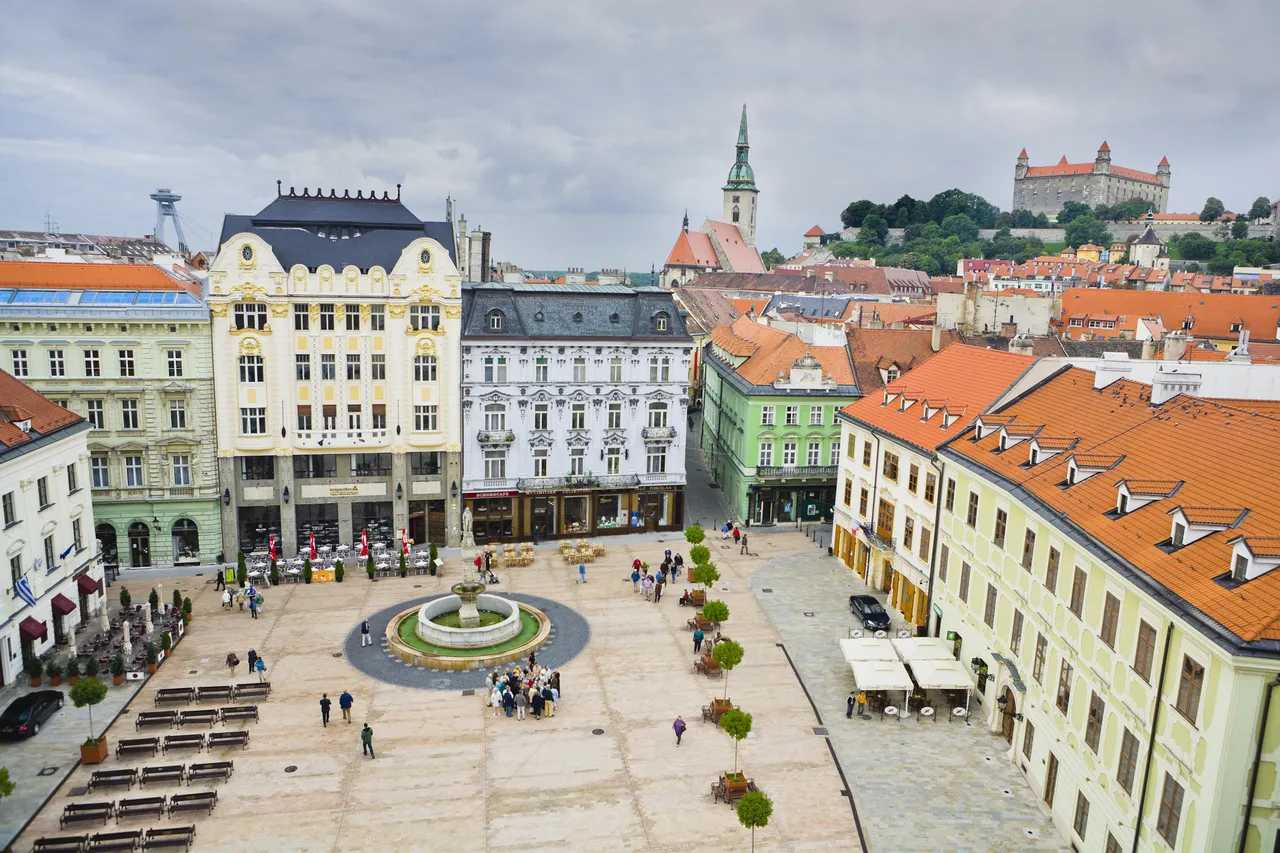
Bratislava: A charming blend of history, culture, and riverside beauty in the heart of Europe © Getty Images
Bratislava’s Old Town isn’t particularly big , but it is exactly what you’d expect from a Slavic city: red roofs, narrow streets, cafes, local bars, and a castle to clamber up to (unfortunately separate from the Old Town due to a badly-thought-out bit of roadbuilding). From the castle you can see the Danube, the curiosities of the Apollo Bridge and the “UFO” of the Most SNP (Slovak National Uprising Bridge), and across to the imposing Petržalka housing estate.
From Bratislava, a day trip to Vienna is a piece of Sachertorte — a mere hour or so by train (around €10) or coach (as little as €6.50) or, if you fancy it and have the money, by boat (90 minutes, €45). Once there, you can stroll the elegant Ringstrasse and the bustling city center, detouring to the classic museums and galleries or the quirky Haus der Musik (an interactive museum about music and sound). Reward yourself with coffee and cake or a schnitzel, then take the late train back to Bratislava.
Turku, Finland
Best for: meeting likeminded people
Turku is Finland’s second city and student capital , meaning that it lives in a curious state of having a lot of young people in it, but almost no-one visiting from outside. This lends itself well to being a destination for the solo traveler in that you’ll likely be a bit of a curiosity, but there are plenty of chances to meet other young people, almost all of whom speak excellent English.
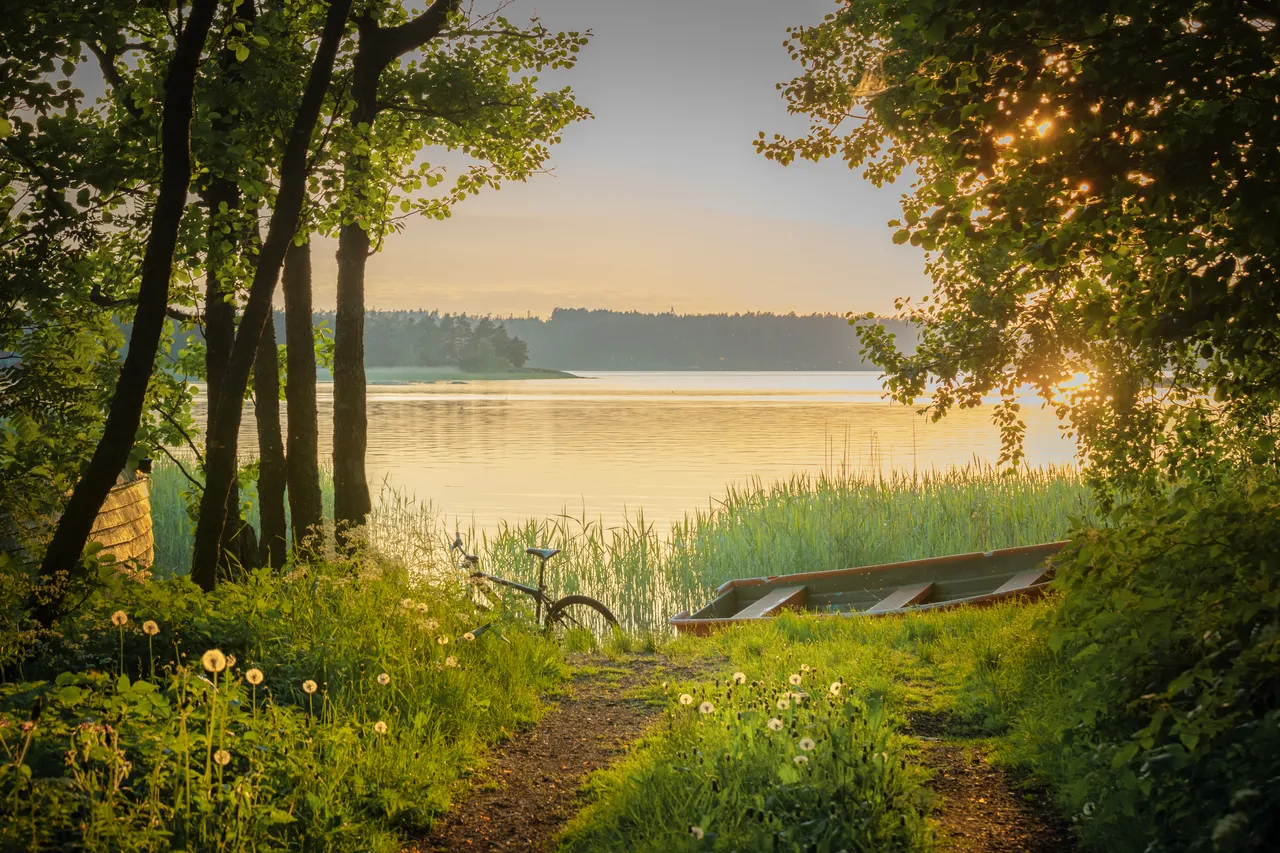
Ruissalo Island, located in the Archipelago Sea near Turku, is known for its old oak forests, historic 19th-century villas, and diverse wildlife © Getty Images
Finns might share the Scandinavian reputation for being closed and dour, but don’t believe a bit of it. During the day the small city center teems with students and cyclists, while come evening the restaurants and bars along the riverside and in the center of Turku are filled with people having a great time. Even out in the more suburban areas (and you can easily walk everywhere) there are little places to pop into — when this writer visited, my first stop happened to be Portti , just over the road from where I was staying — which turned out to be a lively student bar with friendly, chatty bar staff and (on production of a student card) €4.50 beers (cheap for Finland) and a happy hour that lasts ‘til 9pm. Alternatively, try Koulu : that’s the Finnish word for “school” and the bar is in, yes, an old schoolhouse.
Oh, one more thing — if you can stretch to it, book yourself a trip on the Turku to Mariehamn ferry. There’s a return sailing every day setting off at 8.45am and it’s good-natured madness. Tax-free bars, live entertainment, a buffet and, wonderful views of the islands from the breezy, bracing deck is a great way to spend a day. Prices start from around €75 return.
San Sebastián, Spain
Best for: passionate local culture
Spain is a collection of regions, and you forget that at your peril. Galicia is not Catalonia is not Andalucia is not the Basque Country, and it is in the Basque Country that we settle for this section. A region that’s fiercely proud of its language, culture and heritage, it’s also home to some of the most beautiful and interesting places in Spain.
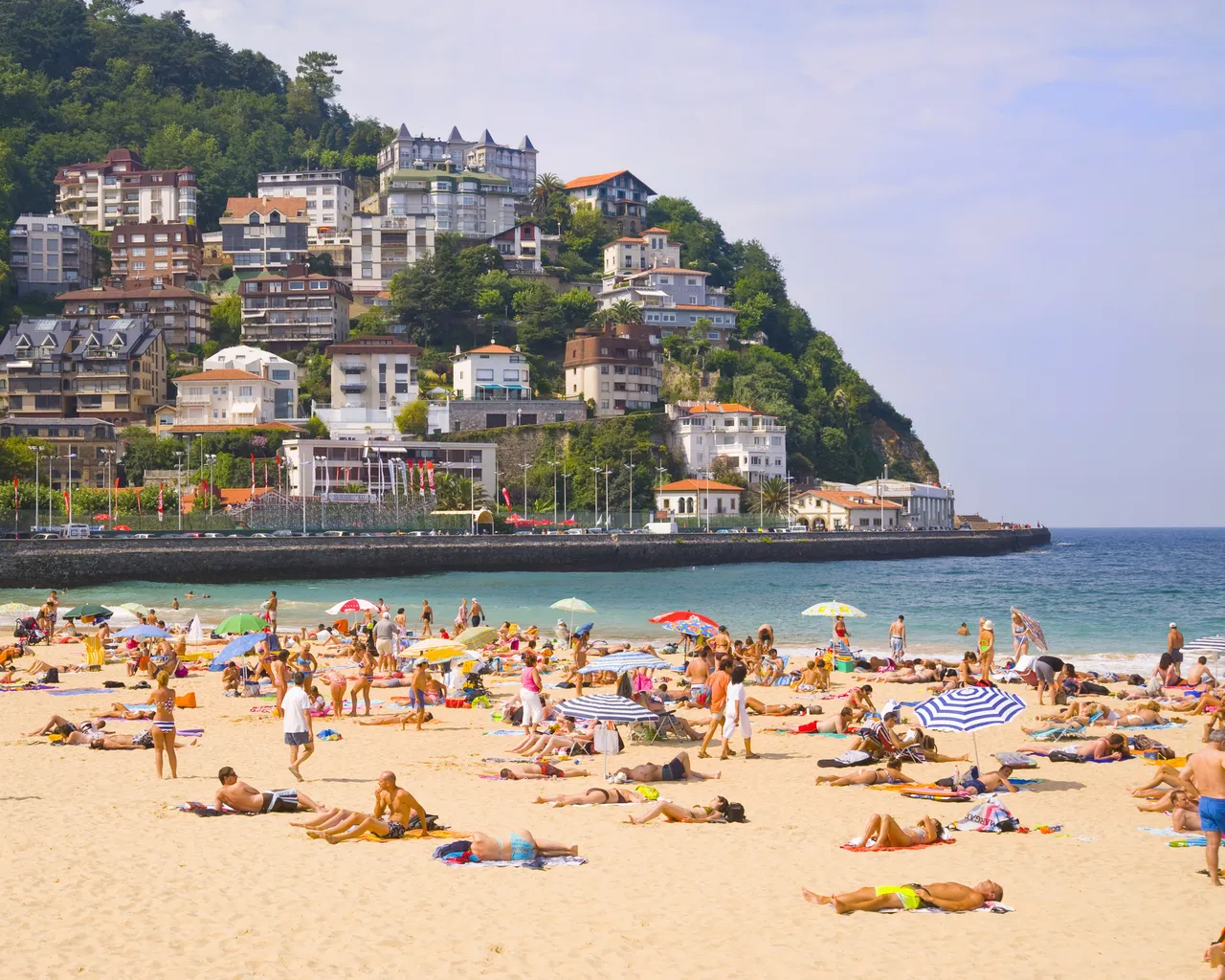
San Sebastián, a coastal gem in northern Spain, is renowned for its stunning beaches, world-class cuisine, and vibrant cultural scene © Getty Images
San Sebastián (known locally as Donostia) lies around a vast bay meaning that, no matter what, there’s always the beach to go to. City-wise, you’ll find yourself drawn to the Old Part (Alde Zaharra), Antiguo to the west of the center, Amara Zaharra (just north of the railway station) and the angular streets and plazas of Gros, across the river from the Old Part.
 Budget Guides
48 hours in Tirana, Albania — the ultimate guide
Discover the best of Tirana in just a weekend! Explore top sights and attractions, savor local cuisine, and get insider tips on what to see, do, and eat. Plus, find a handy cost guide and the best times to visit.
Read the guide
Budget Guides
48 hours in Tirana, Albania — the ultimate guide
Discover the best of Tirana in just a weekend! Explore top sights and attractions, savor local cuisine, and get insider tips on what to see, do, and eat. Plus, find a handy cost guide and the best times to visit.
Read the guideIt’s a great place for foodies, with the second-most Michelin stars per capita of any city in the world. We doubt you’ll be eating at those places though, and that’s fine as wherever you turn there are Basque specialities like cherry soup, seafood such as salted cod, eel or squid, Idiazabal (a local sheep’s cheese) and the ubiquitous pintxos, the Basque tapas. Local cider may also be available, and the txikiteo (basically a slow, sociable progress between various pintxos bars) is the height of socializing. Spring is also the perfect time to visit, as there’s a lot of local stuff going on, but tourism isn’t at its summer height; in fact it’s the perfect way to dip your toe into a regional culture that dates back thousands of years.
Thessaloniki, Greece
Best for: big city, small prices
The biggest city on this list, Thessaloniki is home to around a million people but is easy to get to , is by the sea, and because it’s neither the capital or one of the popular tourist islands, great value.
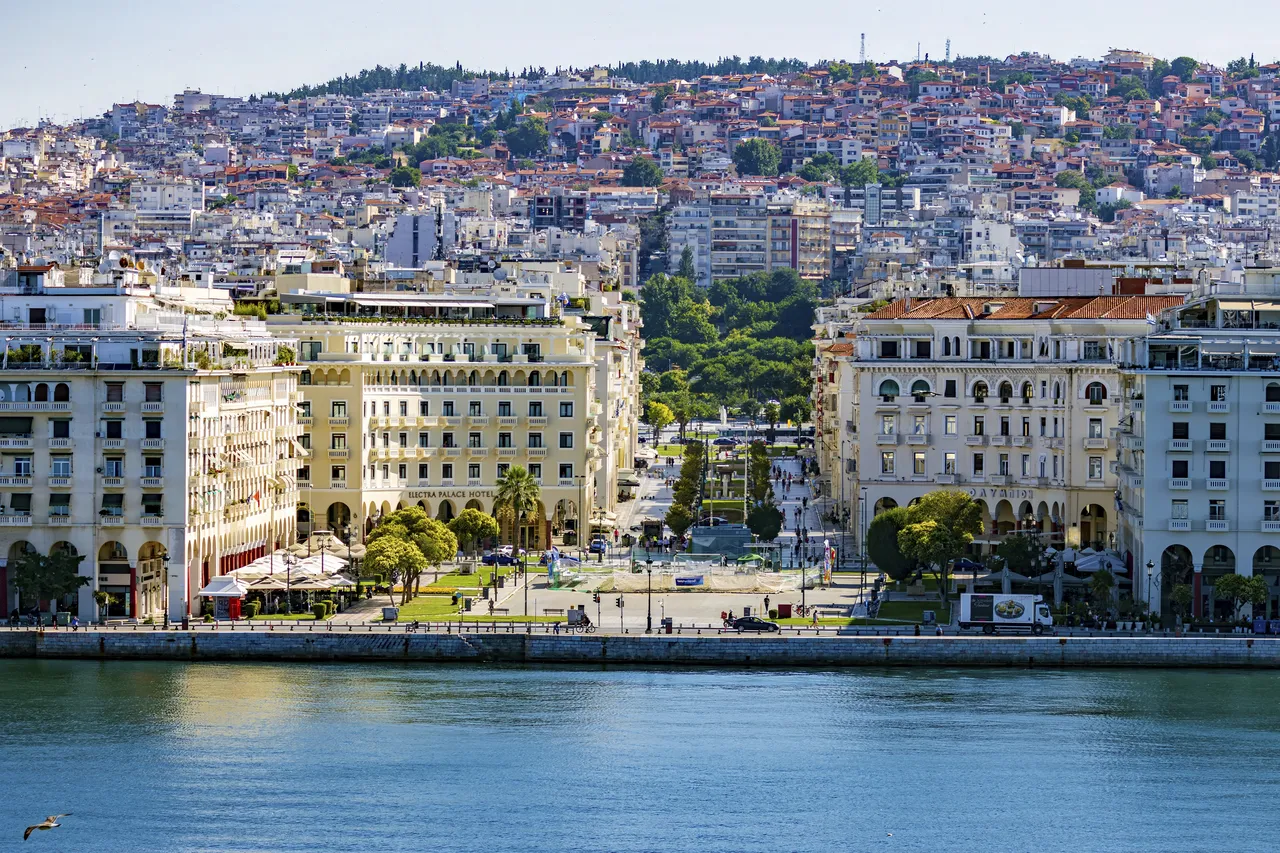
Aristotelous Square, a landmark in Thessaloniki, Greece, is a grand waterfront plaza known for its elegant neoclassical architecture, lively cafés, and cultural events © Getty Images
It’s not a beach city, and it’s not the prettiest place in the world (the ancient walls were torn down in the name of modernization in the mid-19th century, the center was gutted by fire in 1917 and then heavily bombed in World War II), but it has character. You’ll probably focus your time there around Ladadika, the waterfront area consisting of tavernas, music venues, the White Tower and the huge Aristotelous Square, as well as north-west towards the famous Kapani food market.
As a city with a long and storied history, it also boasts a ton of cultural things to see and do. The White Tower (“the Emblem of Thessaloniki”) and the nearby Museum of Byzantine Culture are great places to start, and there are scores of churches, mosques, bathhouses and galleries to poke around, as well as the ancient Roman Forum; more contemporary diversions include the Illusion Museum; Mylos, an industrial complex from the 1920s now repurposed as a cultural arts venue; the surreal half-ruins of the mysterious Pasha Gardens; or, just outside the city, the Train Graveyard where the railway network has abandoned hundreds of pieces of rolling stock, now slowly rusting and being eaten by nature.
Skopje, North Macedonia
Best for: friendly chaos
This last one has the air of somewhere you’d go if you’re feeling particularly (well, relatively) adventurous. For twenty years or so, the Balkan countries have been slowly becoming more attractive destinations for tourists, with Croatia in particular flooded with travelers. So where can you get a feel for this part of Europe without being just another annoyance to the locals? Well, you could try Tirana in Albania , but we’ve gone for Skopje.
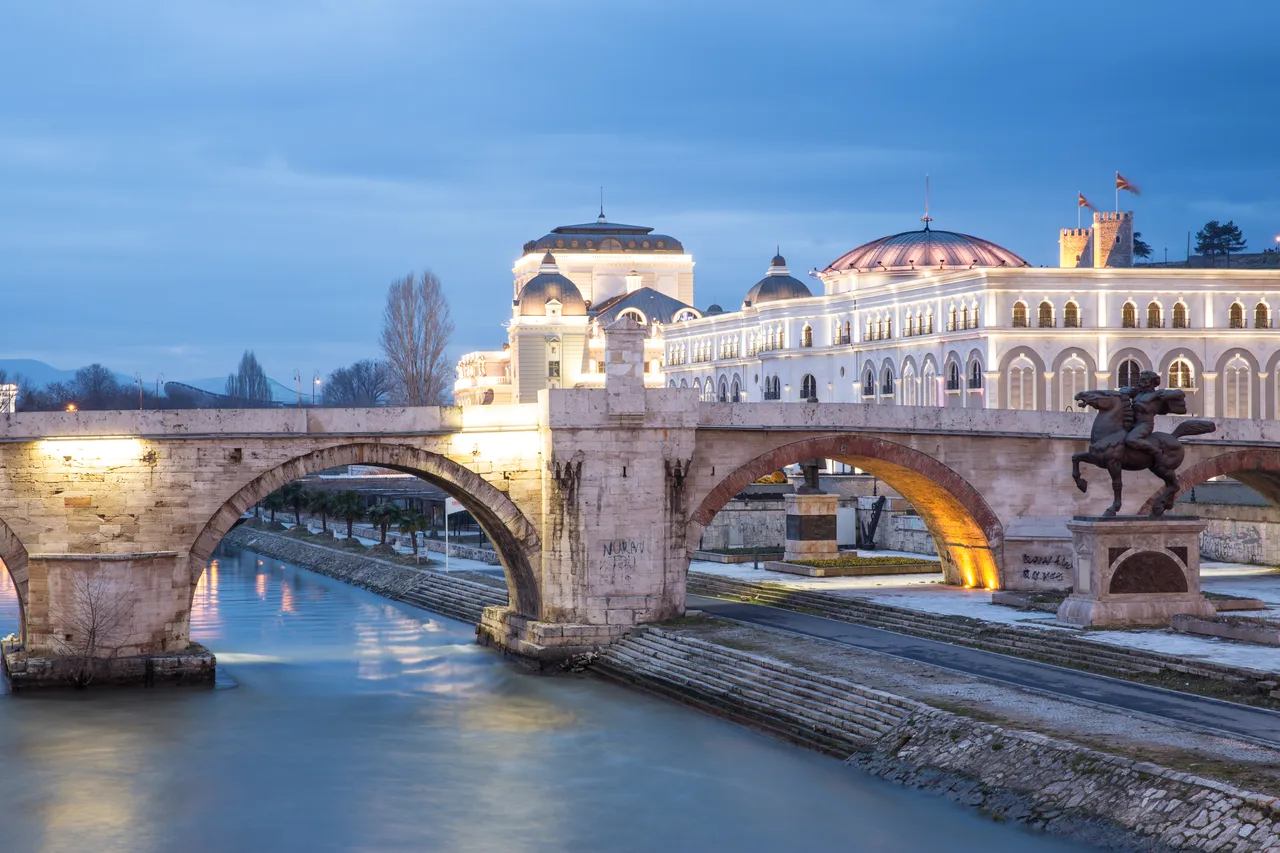
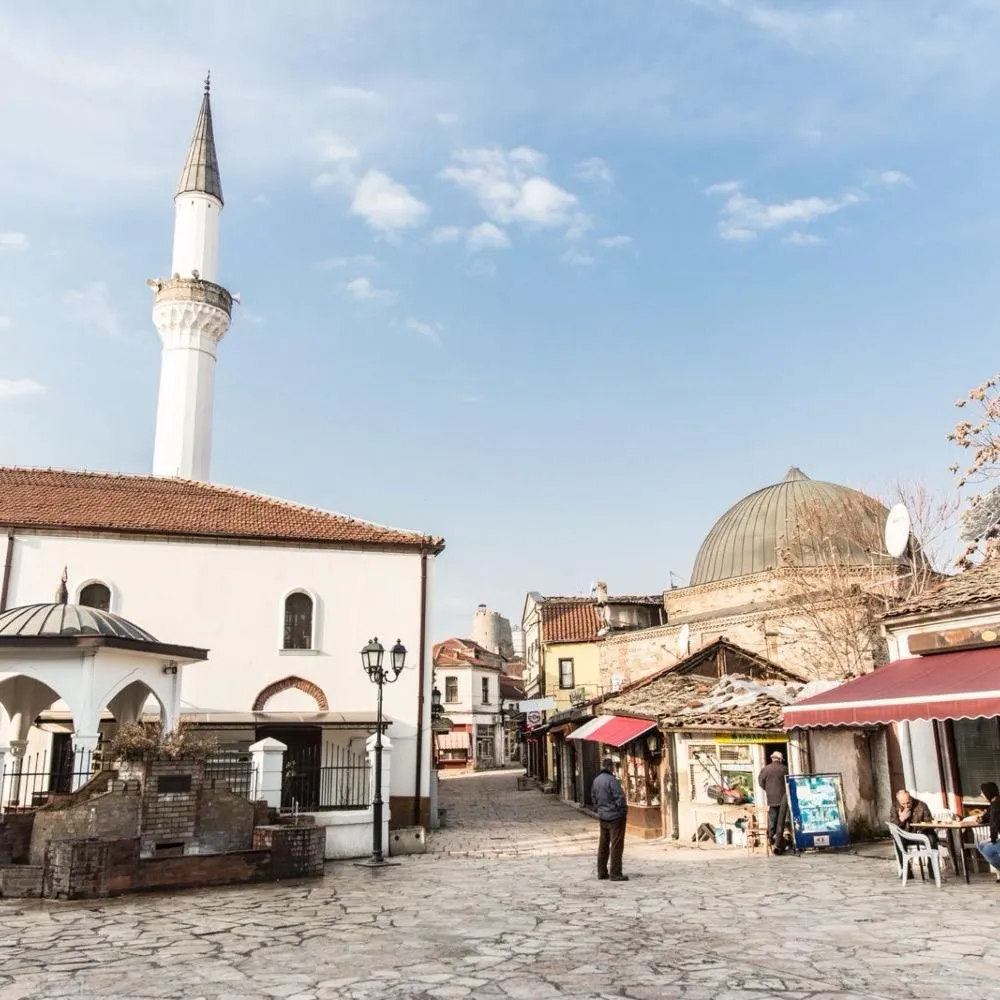
Old Town Bridge in Skopje, Macedonia, is a historic stone bridge that connects the city’s past and present © Getty Images
The city has a lot of Byzantine influence, seen in the 6th century Tvrdina Kale fortress and the Stone Bridge, for many the symbol of the city, and the route across the Vardar River between the Macedonia Square and the Ottoman-era Old Bazaar, the largest in the Balkan region. Indeed, this area, the Čaršija, is probably the most interesting part of the city, a twisting maze of narrow streets crammed with mosques, bathhouses, tea houses and tiny inns.
I mention Čaršija as the most interesting part of the city because of two moments that shaped the rest of Skopje. Firstly, a 1963 earthquake devastated three-quarters of the city which was then rebuilt in a kind of Soviet-brutalist paean to the joys of concrete (as was the style at the time). Secondly, the infamous “Skopje 2014” project saw a relatively poor nation hurl around €400 million at the construction or remodelling of a lot of the center of Skopje, producing buildings and statuary that even citizens of Las Vegas might look at and think “no, that’s a bit too much”. The “highlight” of all this is Macedonia Square’s Warrior on a Horse: gold, on a marble plinth, complete with musical fountain and light show. Classy.
Despite the mild insanity of all this, Skopje’s residents generally find the whole thing head-shakingly amusing — wherever you go, North Macedonians will be thrilled to tell you the history of the city and the country over coffee, rakija or a glass of local wine. It is, as I opened with, friendly chaos.
Travel with Kiwi.com this spring
Wherever you’re heading this spring, book with Kiwi.com to find some of the best value flight deals around. Whether you’ve picked one of these places (or are feeling spontaneous with our Search to: Anywhere option), we’ll always show you the lowest price available and let you book the way that’s best for you.