




South America is the kind of continent that quietly wrecks your itinerary. The first time I tried to plan a trip here, I had a two-week window and a list with Machu Picchu, the Amazon, Patagonia, and Rio on it, as if they sat a short drive apart. They do not. This is a place of rainforests and glaciers, beaches and deserts, islands and ancient ruins, loud modern cities and silent high-altitude valleys, spread across distances that catch almost everyone off guard on a first visit. So this guide to the best places to visit in South America is built around how you actually travel: your style, your time, and the route that ties everything together. Because the continent is so large and regional flight routes can get tangled, most good trips here work as multi-stop journeys rather than one tidy loop.
In this article
Quick Answer: What Are the Best Places to Visit in South America?
If you only have time to skim one paragraph, here it is. The strongest destinations across South America are Machu Picchu, Rio de Janeiro, Buenos Aires, Patagonia, Iguazú Falls, Salar de Uyuni, the Galápagos Islands, the Atacama Desert, Cartagena, Bogotá, the Amazon Rainforest, and Fernando de Noronha. Your shortlist depends on what you came for:
- Culture and food: Lima, Buenos Aires, Bogotá, Cartagena
- Nature and hiking: Patagonia, Atacama, Salar de Uyuni, Iguazú
- Wildlife: Galápagos Islands, the Amazon, the Pantanal
- Beaches and islands: Rio, Fernando de Noronha, Cartagena, Uruguay’s coast
- Ancient history: Machu Picchu, the Sacred Valley, Easter Island
- Budget backpacking: Peru, Bolivia, and Colombia
There is no single right answer. The best choice comes down to whether you want culture, nature, hiking, beaches, wildlife, nightlife, or simply the most travel for the least money.
How to Choose Where to Go in South America
The mistake most people make, me included, is treating the continent like one route you can knock out in a fortnight. South America is not one simple loop. It is a dozen very different countries with huge distances between them, climates that flip from desert to rainforest to glacier, and travel costs that swing wildly depending on where you land. Knowing the best places to visit in South America matters less than knowing which of them fit the trip you can actually take.
 Inspiration
6 budget-friendly destinations in South America for 2023
Where are the cheapest and most interesting places in South America? Here’s our guide to the best budget-friendly destinations
Read the guide
So narrow it down by four things: how long you have, what season you are traveling in, your budget, and whether you lean toward cities, nature, beaches, or adventure. Get those four straight and the map shrinks to something manageable. South American countries also sit within the wider Latin America travel network, which means flight connections often route through Panama, Bogotá, Lima, or São Paulo, and that shapes a sensible itinerary more than you might expect.
Best for First-Time Visitors
For a first trip, Peru, Argentina, Brazil, Chile, and Colombia are the safest bets, because each one pairs famous landmarks with good onward routes. You can build a simple itinerary around the bigger cities, which carry the most flight connections and the easiest transport, then branch out to one or two highlights nearby. Peru gives you Lima, Cusco, and Machu Picchu in a neat line. Argentina hands you Buenos Aires plus Patagonia. Brazil opens with Rio and a coastline of beaches. None of these require you to be an experienced backpacker to enjoy.
Best for Backpackers and Long Trips
Give yourself a couple of months and the classic overland run opens up: Peru into Bolivia, down through Chile, across to Argentina, then up through Colombia and Brazil. I have done my fair share of overnight buses on this kind of route, and the honest trick is mixing transport. Fly the long, dull legs to save days, take buses for the short and scenic ones to save cash.
Cheap hostels are everywhere on this circuit, and dorm beds in Peru, Bolivia, and Colombia keep daily costs low enough to stretch a trip for weeks. If you want a head start on where the value sits, this guide to budget-friendly destinations in South America is a useful starting point. Plenty of the best moments on a long trip happen off the beaten path, somewhere between the big-ticket sights, around places like Lake Titicaca where Peru and Bolivia meet.
Best for Short Trips
With only 7 to 10 days, resist the urge to country-hop. Pick one country, or even one region, and go deep. Peru works beautifully short, with Lima as the gateway to Cusco and Machu Picchu. Argentina gives you Buenos Aires plus a quick flight down to Patagonia. Brazil pairs Rio with the beaches just along the coast. You will see more, rest more, and spend far less time in transit than someone trying to cram four countries into the same window.
Iconic Natural Wonders in South America
The natural beauty here is the reason a lot of people come at all, and it is the part of a trip that rewards real planning. These places often sit at altitude, behind remote airports, inside permit systems, or at the end of long transfers, and several of them only make sense in the right season. Read the logistics before you fall for the photos.
Machu Picchu, Peru
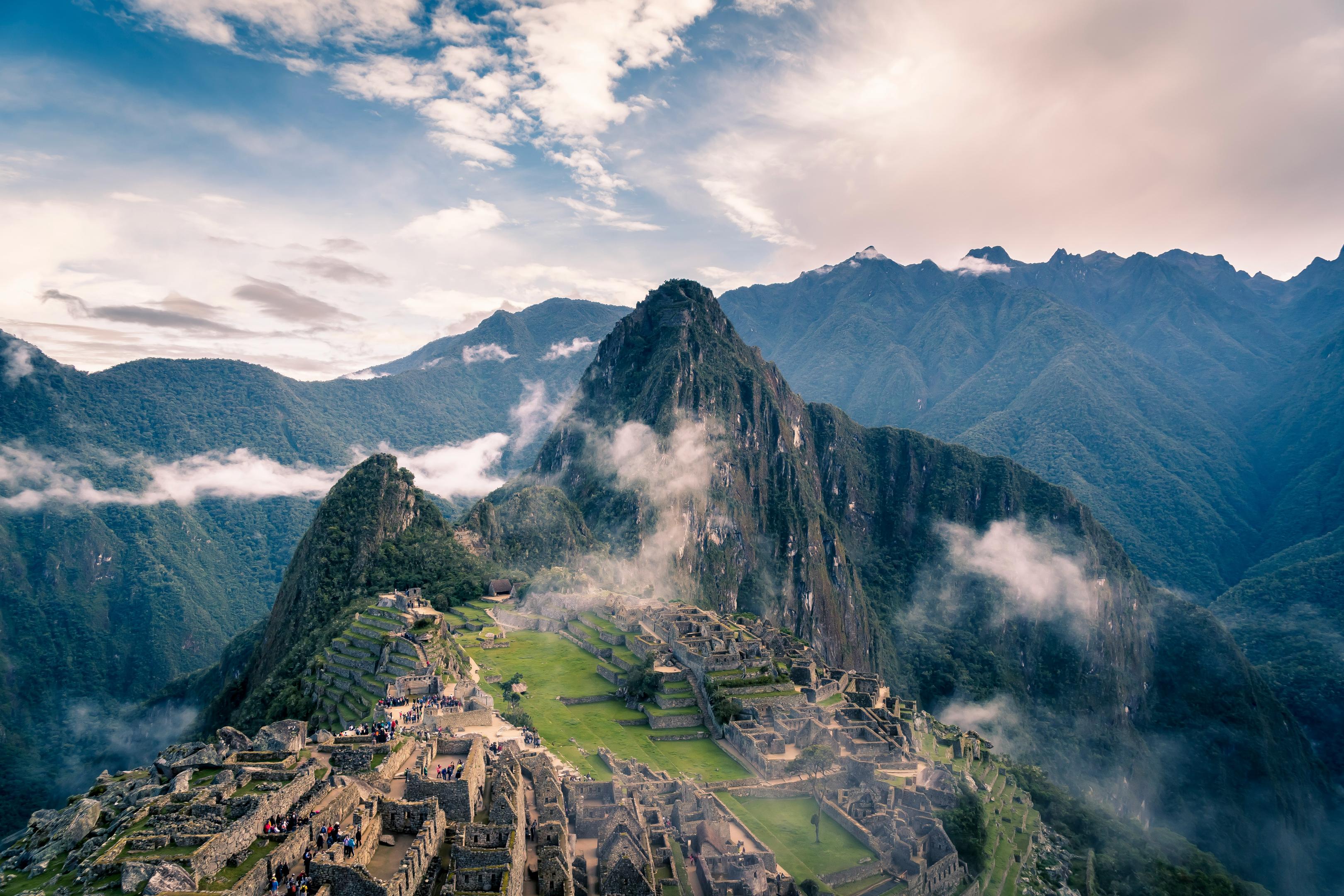
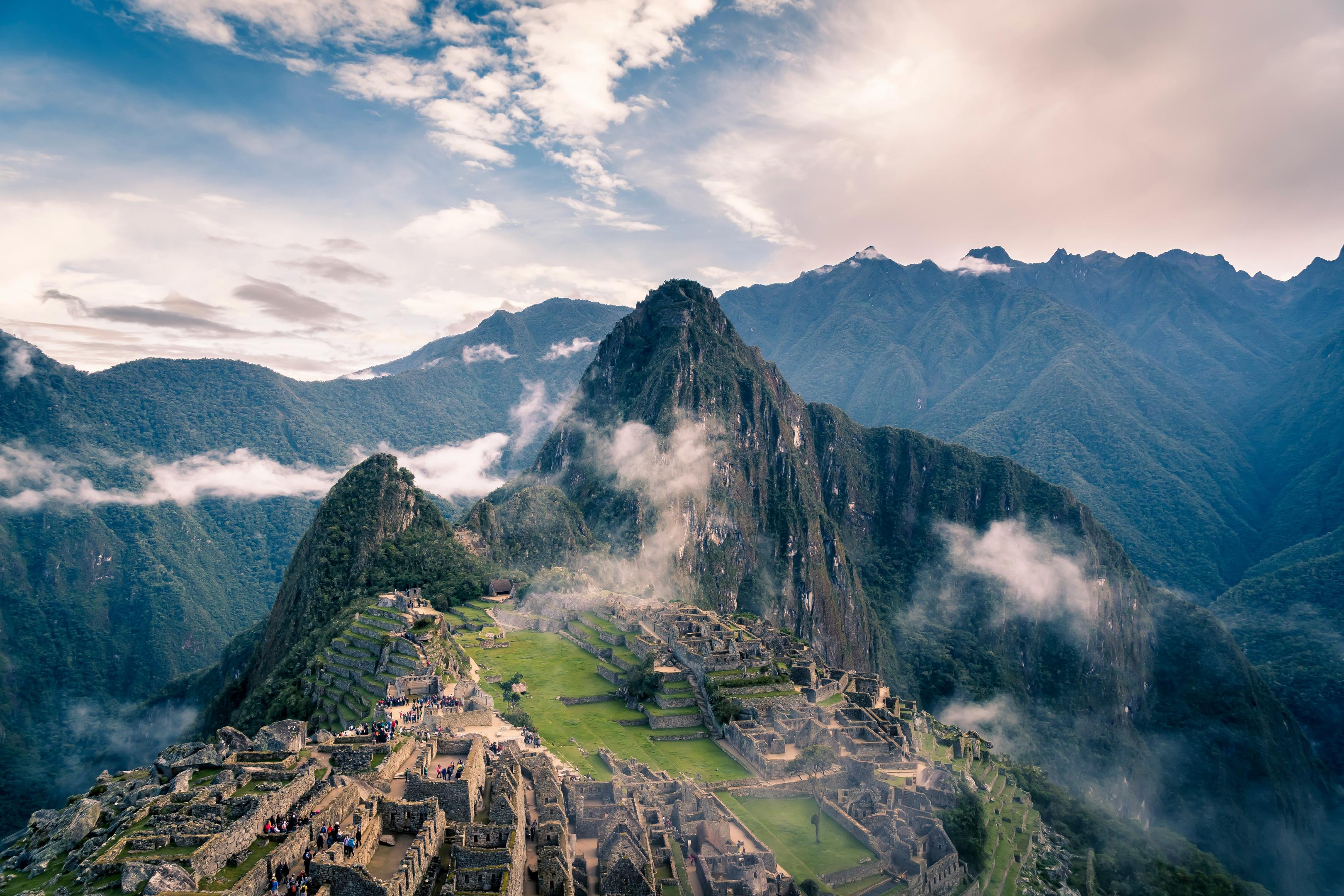
Machu Picchu is the most famous archaeological site on the continent, a UNESCO World Heritage Site perched on a ridge above the Urubamba Valley, and it earns the hype. Most travelers reach it by connecting through Lima, flying on to Cusco, then continuing by train to Aguas Calientes, or by trekking in on foot.
The four-day Inca Trail is the classic hike, finishing at the Sun Gate (Inti Punku) for that first view down onto the ruins, and the moment the clouds lifted there is one I still think about. Two practical warnings. Cusco sits around 3,400 meters, so build in a day or two to acclimatize before you arrive. And book early, because Inca Trail permits and timed entry tickets sell out months ahead in high season.
Patagonia, Argentina and Chile
Patagonia is the answer if you want hiking, glaciers, turquoise lakes, and mountains that look invented. The headline stops are Torres del Paine in Chile, with its granite towers and the W and O trekking circuits, and on the Argentine side El Chaltén for Fitz Roy day hikes, El Calafate as the base for the Perito Moreno Glacier, and the wider Los Glaciares National Park. The catch is scale.
Overland distances down here are enormous, so flights into El Calafate or Punta Arenas save you days you would otherwise lose on the road. This is prime country for outdoor activities and long days on foot. Over on the Atlantic side, Península Valdés draws wildlife watchers for elephant seals, southern right whales in season, and noisy colonies on the cliffs.
Iguazú Falls, Argentina and Brazil
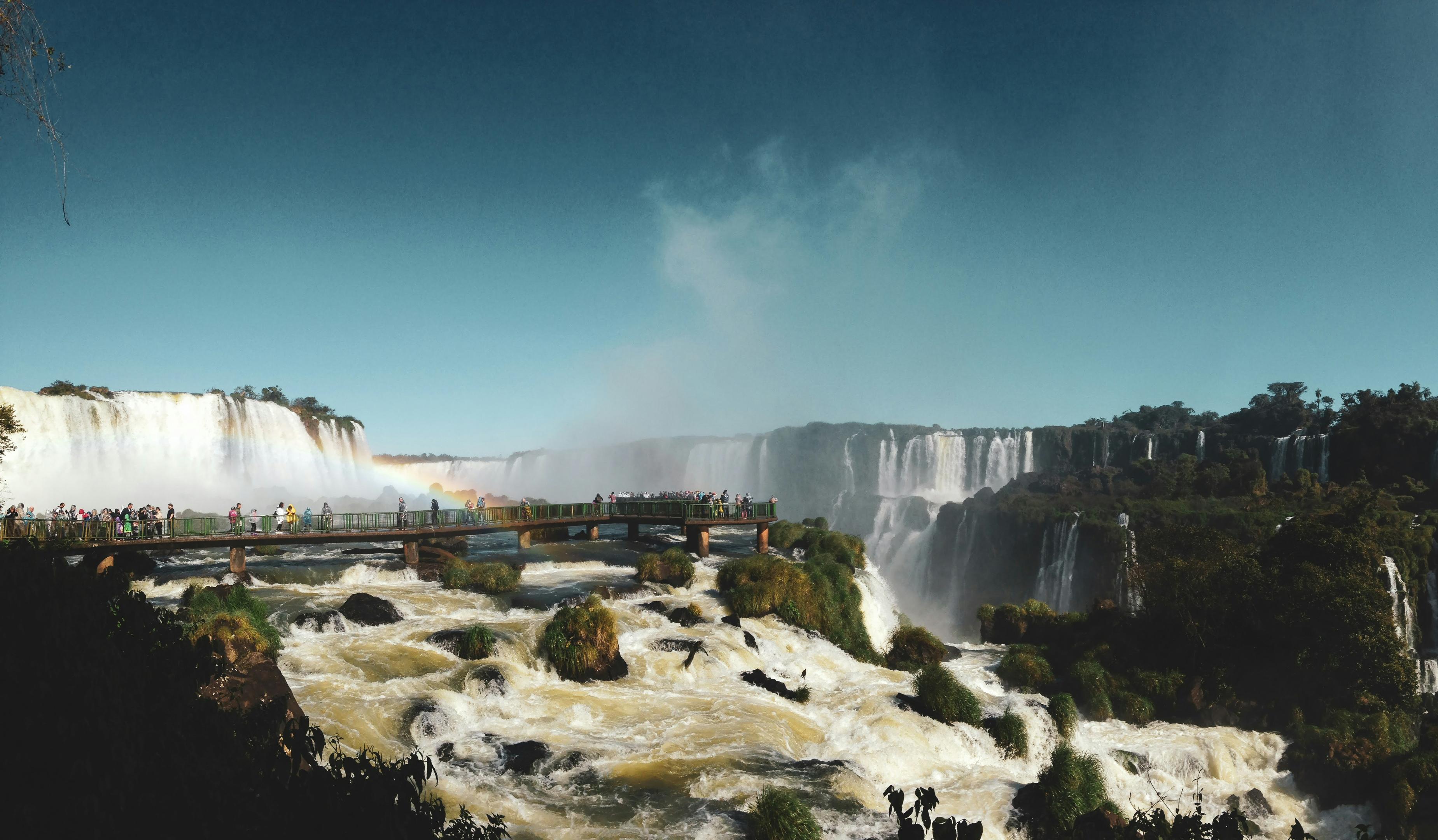
Iguazú Falls makes a brilliant short add-on between Argentina and Brazil, a wall of water far wider than Niagara that gets compared to Africa’s Victoria Falls, and standing at the Devil’s Throat I understood why. If your schedule allows, see both sides.
The Argentine side has the network of walkways that put you right above the cataracts, while the Brazilian side gives you the sweeping panoramic view across the whole national park. You can fly into Puerto Iguazú in Argentina or Foz do Iguaçu in Brazil, and crossing the border between them is straightforward. This stop suits almost everyone, from families to first-timers, and rarely needs more than a day or two.
Salar de Uyuni, Bolivia
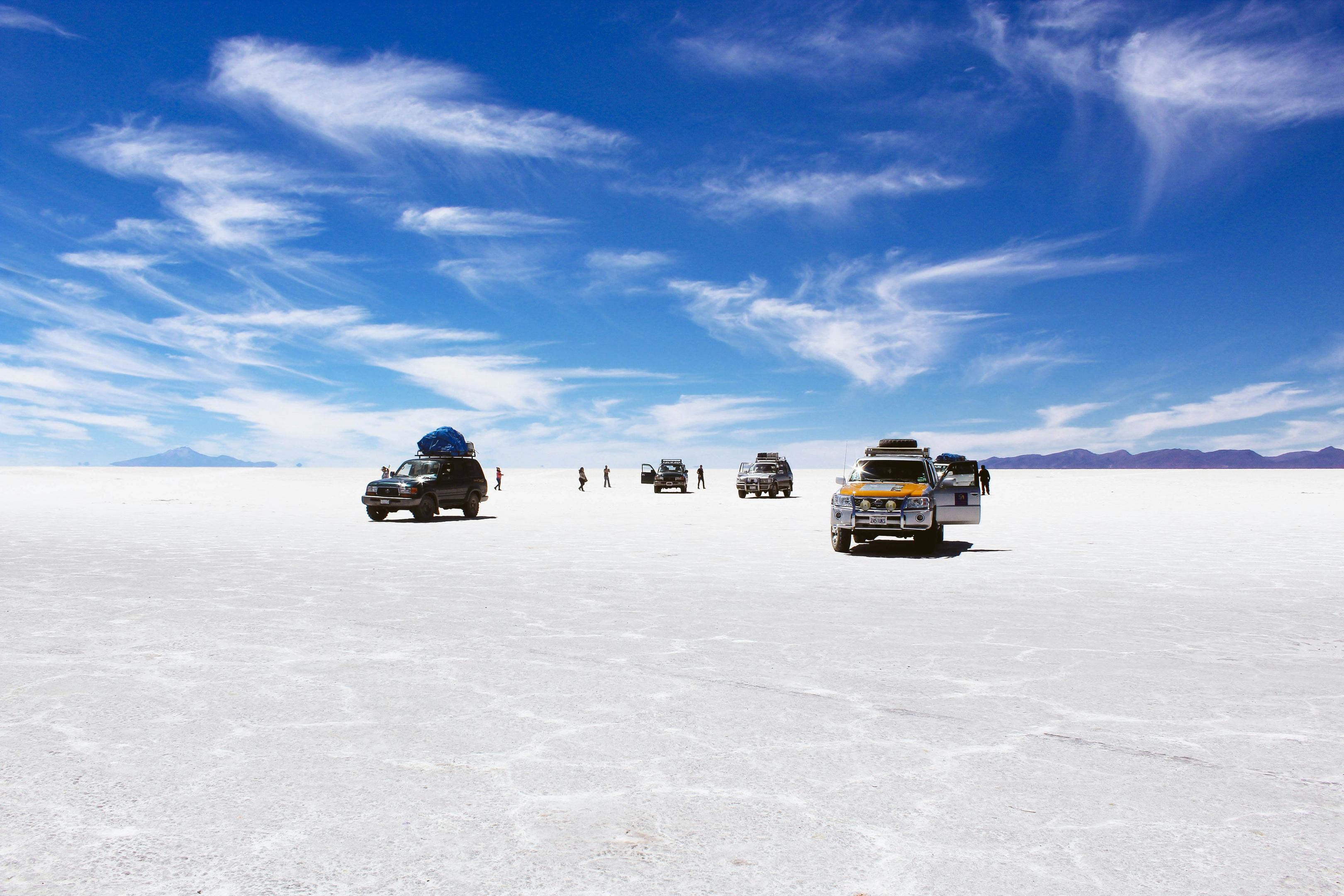
The salt flats at Salar de Uyuni are unlike anywhere else on earth. This is the world’s largest salt flat, a blinding white expanse the size of a small country, best known for surreal photography, multi-day desert tours, and scenery that barely looks real.
The experience changes completely with the calendar. In the dry season the crust is solid and drivable, dotted with cactus islands and 4x4 tours; in the rainy months a thin sheet of water turns the whole surface into a giant mirror. Travelers usually connect from La Paz, Uyuni town, or Sucre, or join a three-day crossing that starts up in northern Chile.
Atacama Desert, Chile
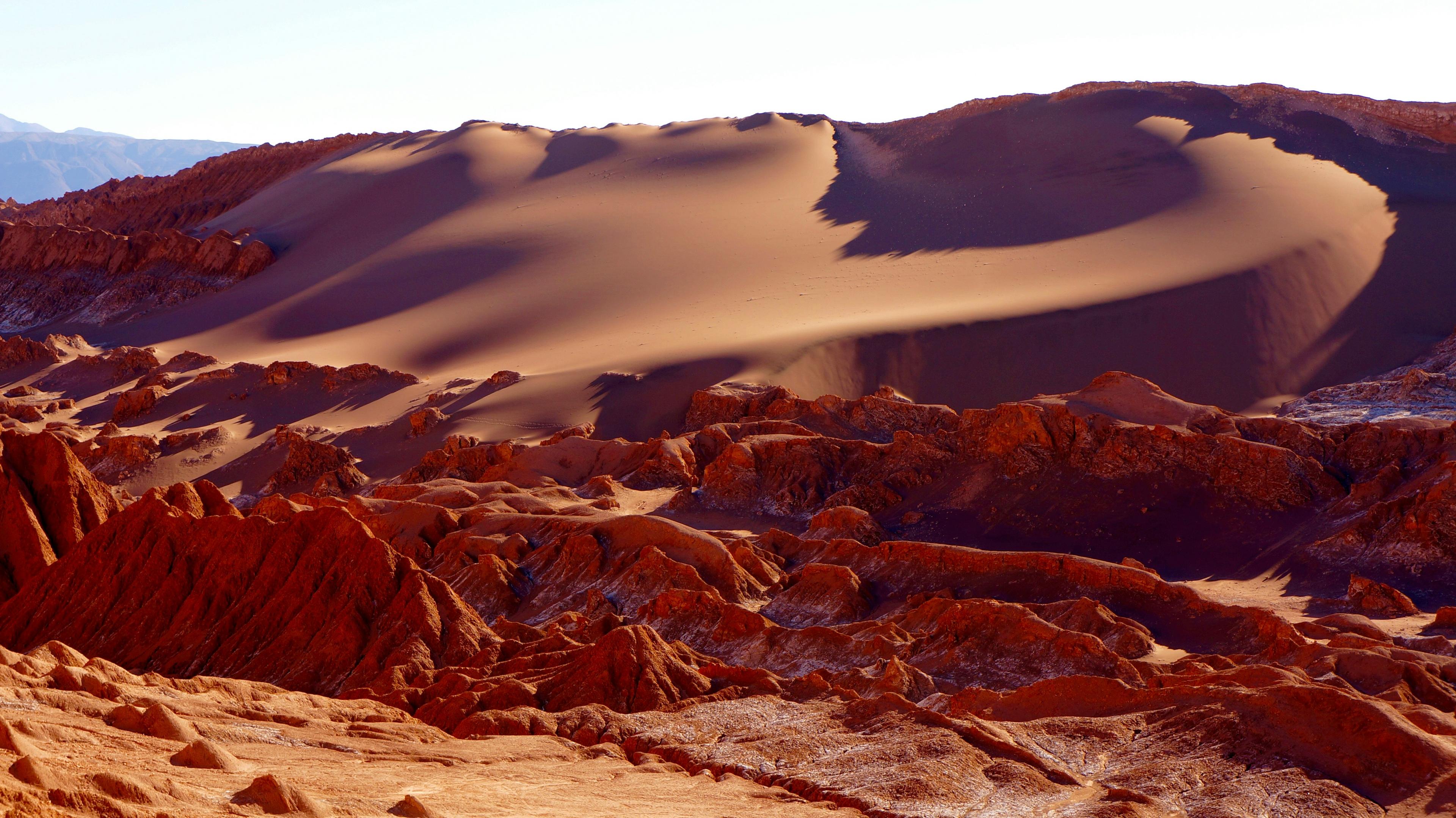
Chile’s Atacama Desert is the driest desert in the world, and it feels every bit as otherworldly as that sounds. Base yourself in San Pedro de Atacama, a small adobe town that runs entirely on travelers, and you are within reach of stargazing under some of the clearest night skies anywhere, the El Tatio geysers at dawn, salt lagoons you can float in, and the lunar ridges of Valle de la Luna. Route-wise, San Pedro connects from Santiago via Calama, and it doubles as a crossing point into Bolivia for the Uyuni salt flats or over the Andes into northern Argentina around Salta.
Best Cities to Visit in South America
Cities are usually the smartest way to start or end a South America itinerary, because they carry the major airports, the best food, the museums, the nightlife, and the local transport that makes everything else reachable. The bigger cities are where flights cluster, so even on a nature-heavy trip you will probably pass through a few of these.
Rio de Janeiro, Brazil
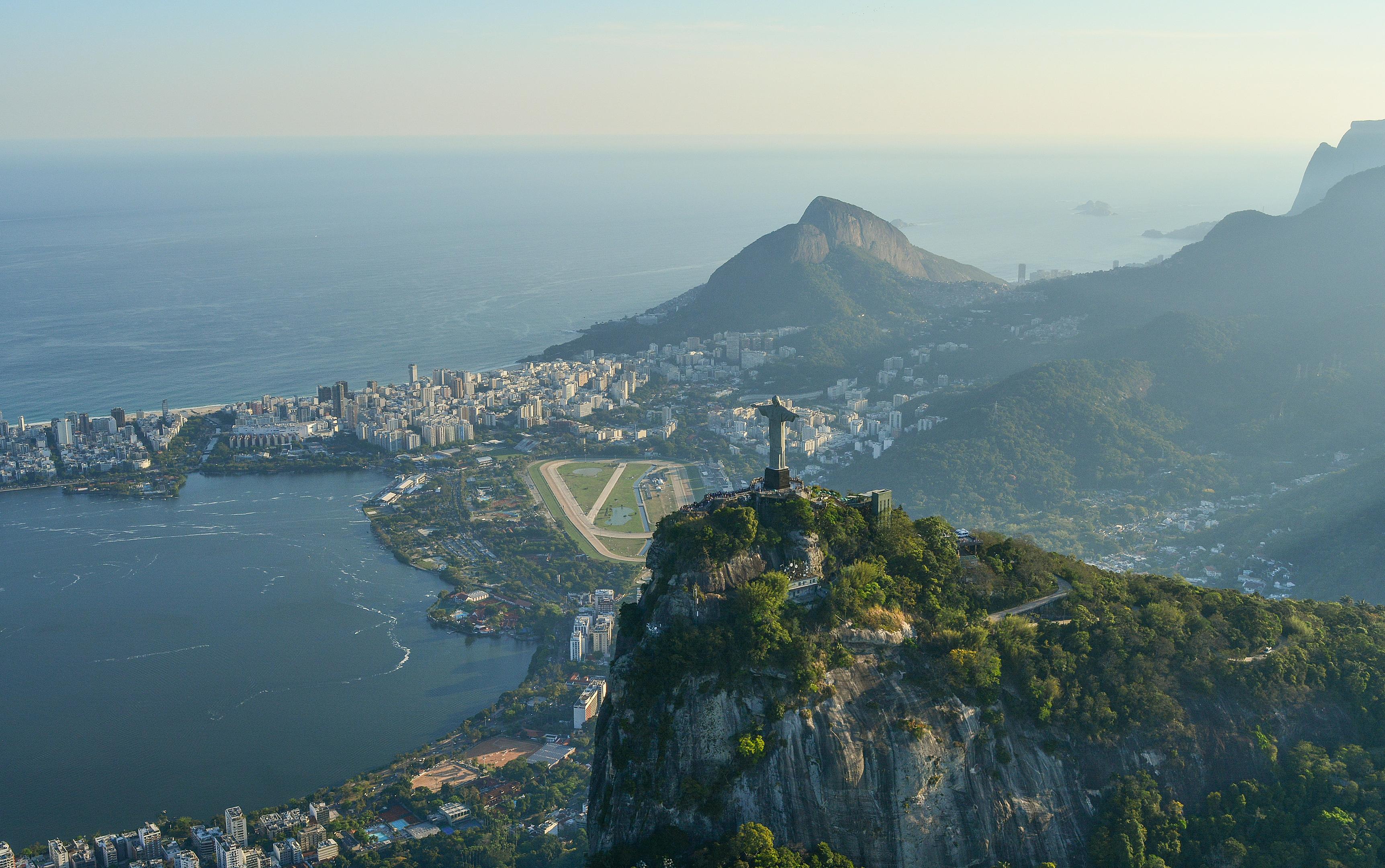
Rio de Janeiro is about as scenic as a city gets, with beaches, mountains, music, food, and landmarks all crammed into one dramatic stretch of coast. Christ the Redeemer watches over it from Corcovado, Sugarloaf Mountain rises out of the bay, and Copacabana and Ipanema run beneath them, each with its own rhythm and neighborhood culture.
A few practical notes. Plan your beach days around the weather rather than a fixed schedule, keep your wits about you and your valuables low-key, and give the city more time than a quick stopover. For more on why it works as an entry point, see this piece on Rio de Janeiro as a gateway to South America .
Buenos Aires, Argentina
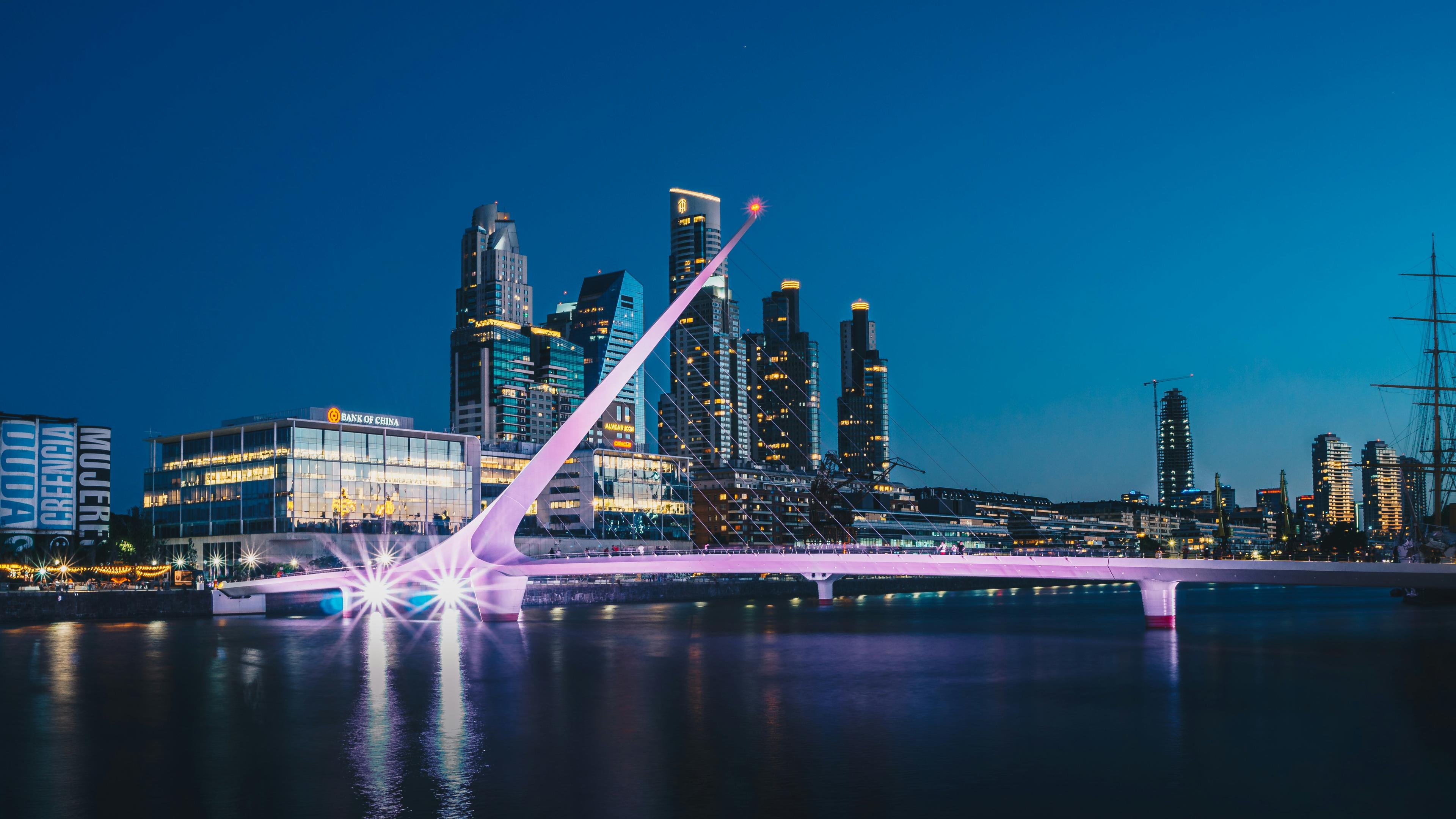
Buenos Aires might be my favorite country’s finest city, a place built for culture, food, architecture, football, tango, and nights that run far too late. Wander Palermo for restaurants and parks, San Telmo for its Sunday antiques market and old bones, Recoleta for grand avenues and the famous cemetery, and La Boca for color and the roar of a match day. It pairs neatly with Patagonia to the south, Iguazú to the north, a quick hop to Uruguay, or a longer move over to Chile.
Bogotá, Colombia
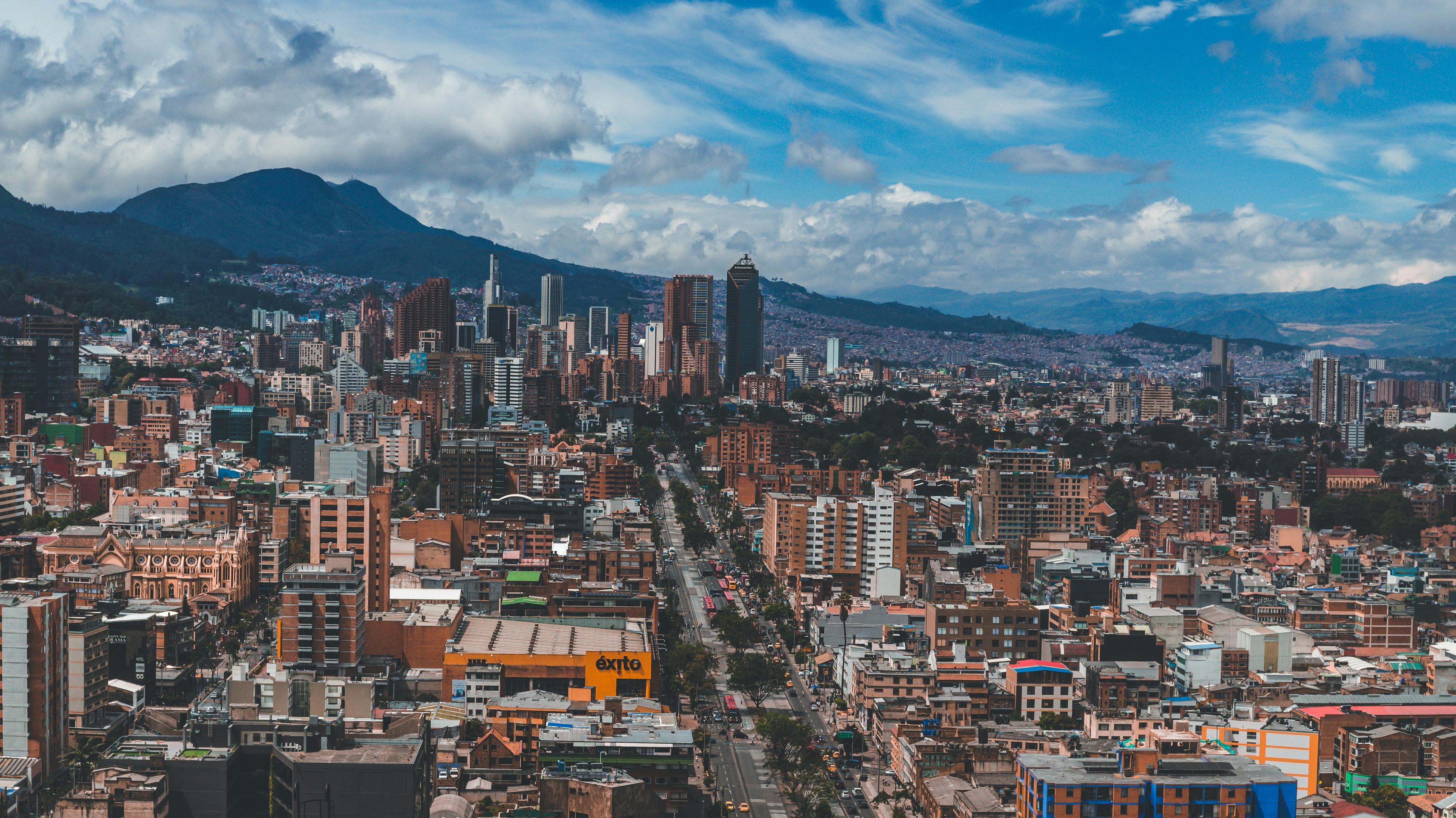
Bogotá is a high-altitude capital at around 2,640 meters, packed with museums, street art, food, and serious coffee culture, and it links easily onward to the rest of Colombia. Spend time in La Candelaria, the historic core, ride up Monserrate for the view over the city, and use it as a base for a day trip out to the Zipaquirá salt cathedral or the green hills nearby.
The altitude can leave you breathless for the first day, so go easy, and as in any large capital, take normal city precautions and ask locals which areas to favor after dark.
Lima, Peru
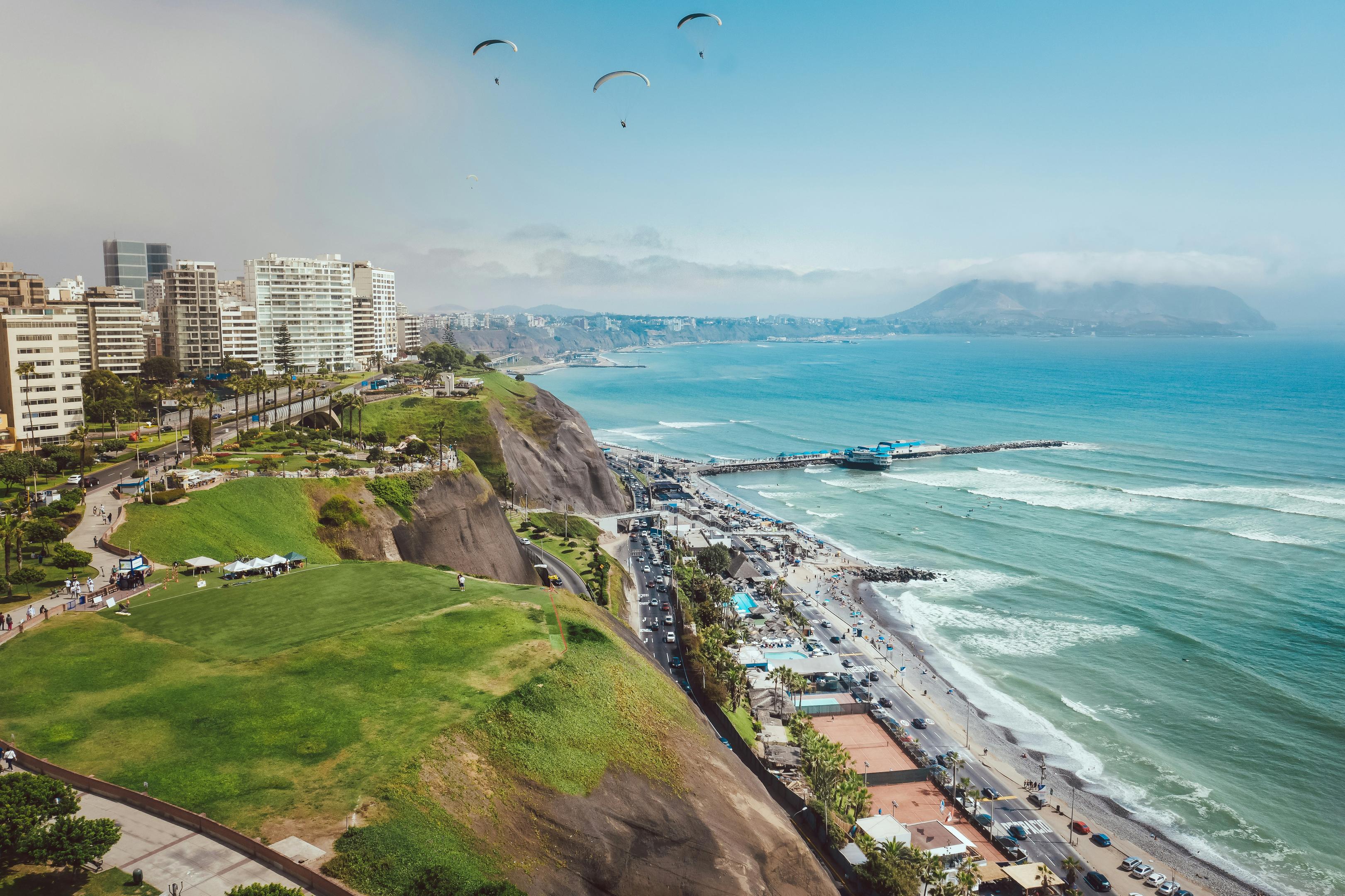
Lima is far more than a place to change planes, even though it functions as the main gateway to Cusco, the Amazon, and the rest of Peru. The city has dramatic coastal cliffs, strong museums, and a food scene that regularly lands its restaurants near the top of the world’s best lists. Stay in Miraflores for the clifftop walks and the sunsets over the Pacific, or in bohemian Barranco for the murals, bars, and a slower pace. Give it a full day or two before you head inland.
Santiago, Chile
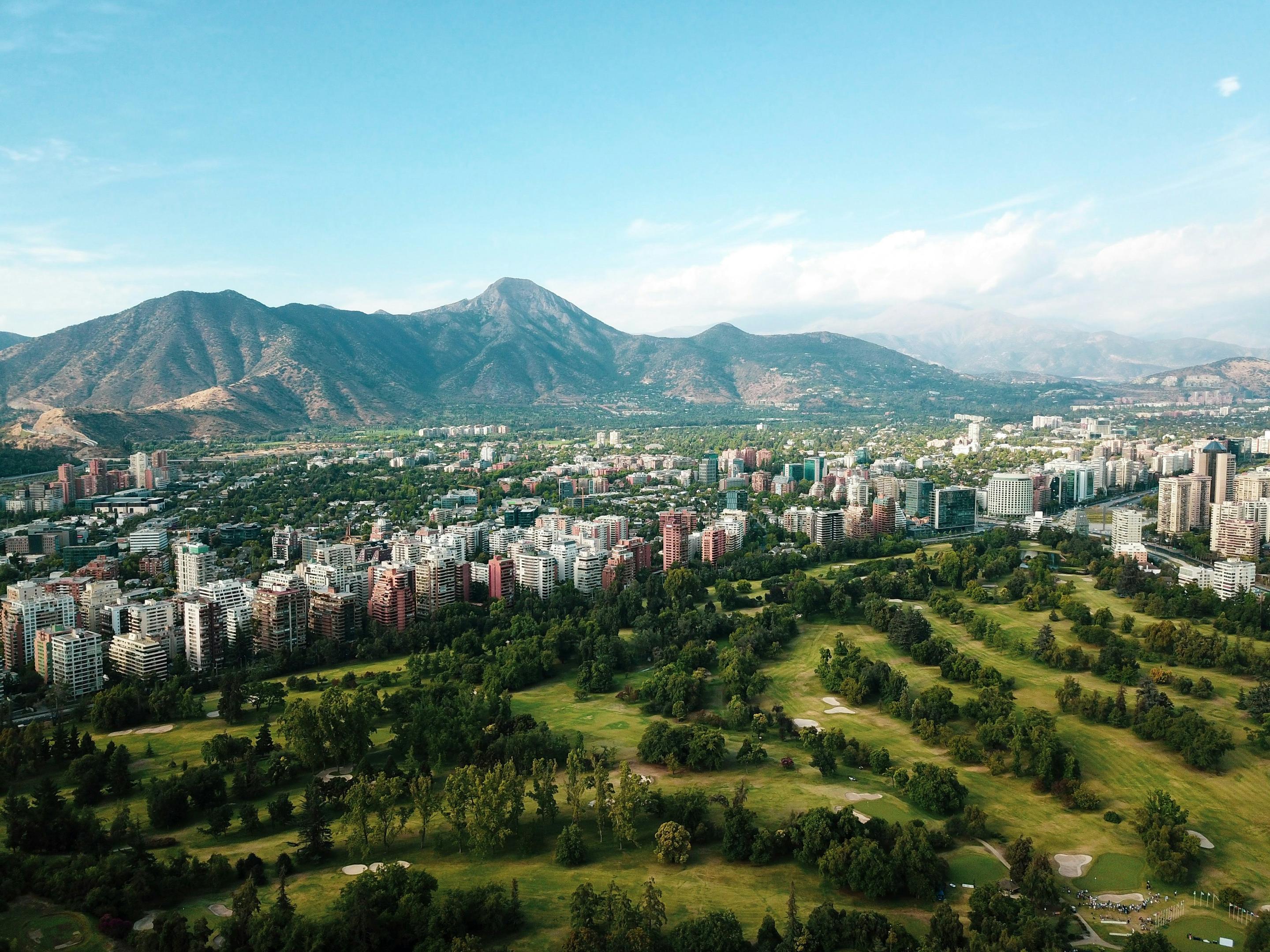
Santiago is a practical, polished base with the Andes on its doorstep. From here you are close to Chile’s wine regions, ski slopes in winter, and the colorful hillsides of Valparaíso about 90 minutes away, and you have clean onward routes to both Patagonia and the Atacama. The metro is easy and cheap for getting around, and the airport sits a short ride from the center, which makes Santiago a low-stress place to begin or wrap up a Chile trip.
Best Islands, Beaches, and Coastal Escapes
South America is not all mountains and museums. There is a whole warm-weather side to the continent: beaches, islands, marine wildlife, and slow coastal towns made for doing very little. A couple of these spots need more budget and earlier planning than the mainland, so factor that in before you set your heart on them.
Galápagos Islands, Ecuador
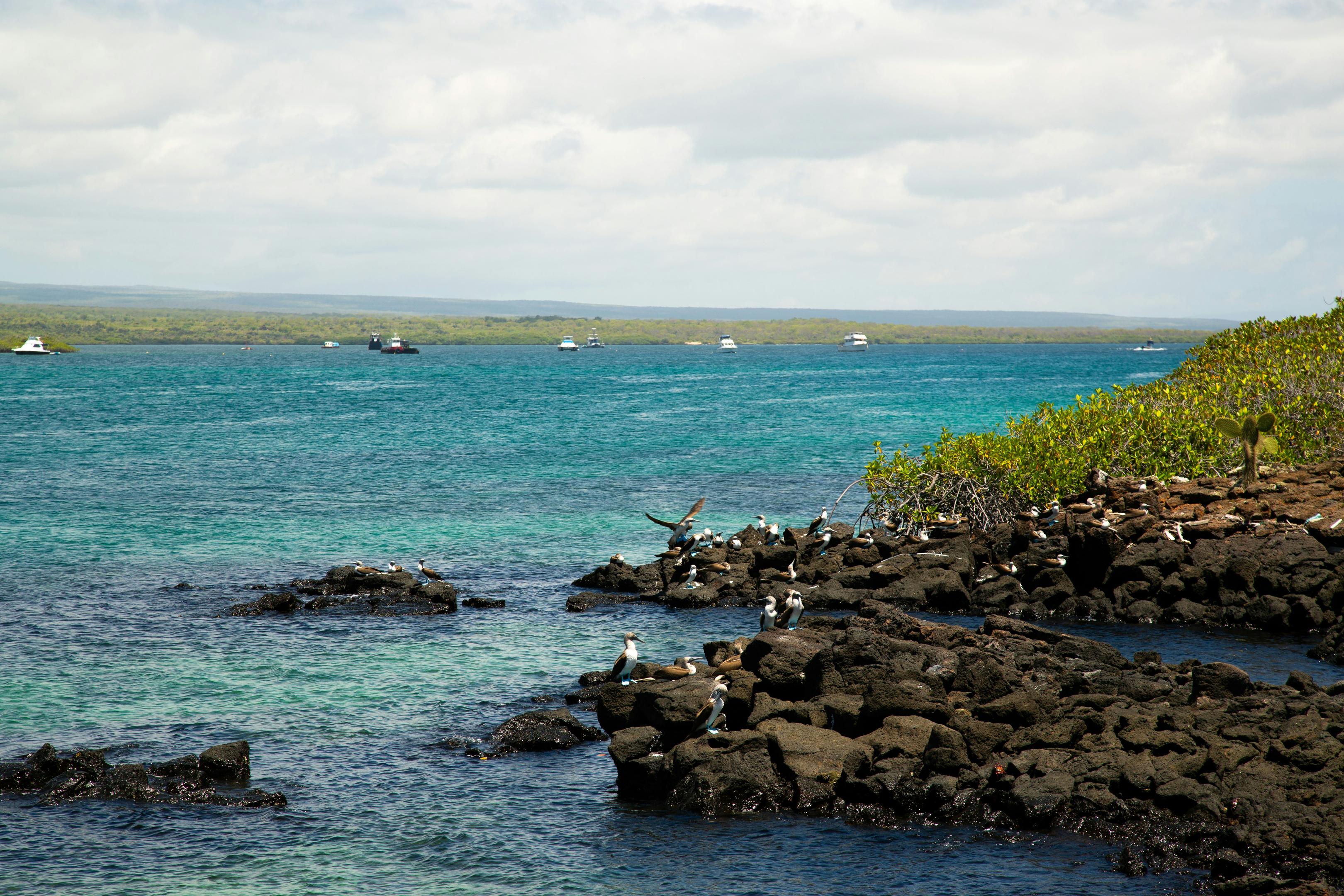
The Galápagos Islands are a genuine once-in-a-lifetime destination, an archipelago about 1,000 kilometers off Ecuador where the wildlife has no fear of people. Giant tortoises, marine iguanas, blue-footed boobies, penguins, and sea lions that flop along the same beaches you do make this the dream for nature lovers, snorkelers, and photographers who can plan ahead.
It comes with responsibilities. The islands run on strict conservation rules, a national park entry fee, and certified guides, so book through reputable operators and travel lightly. This is a fragile place that stays incredible precisely because access is managed.
Fernando de Noronha, Brazil
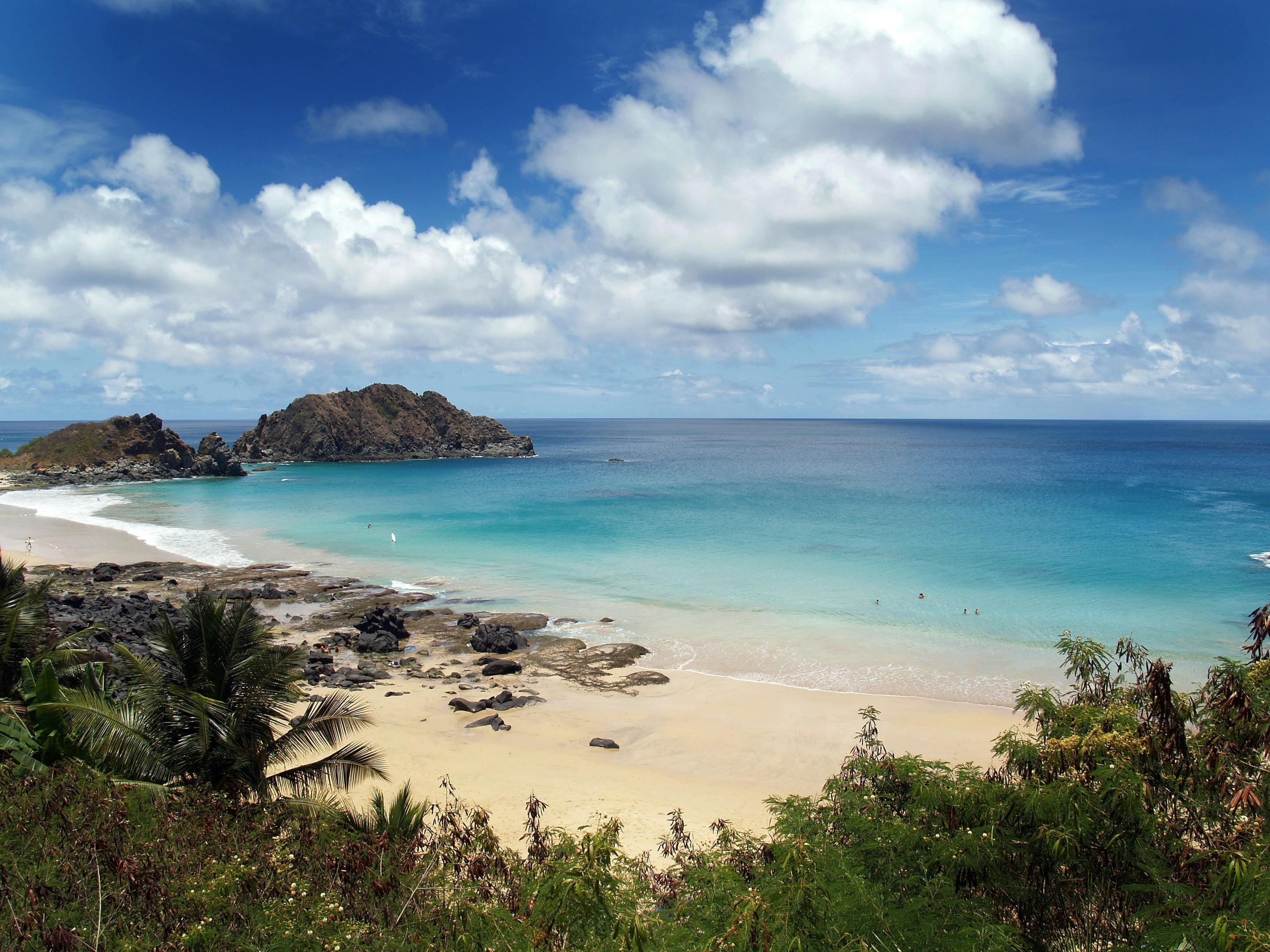
Fernando de Noronha is the premium beach trip, a protected Brazilian archipelago with limited daily access, water so clear it barely looks real, and some of the best snorkeling and diving in the South Atlantic. Spinner dolphins, sea turtles, and reef fish put on a show, and the beaches rank among the most beautiful places in the country.
This one suits travelers who want a special, splurge-worthy add-on rather than a low-cost backpacking stop, since the fees and flights make it a deliberate choice, not a casual one.
Cartagena, Colombia
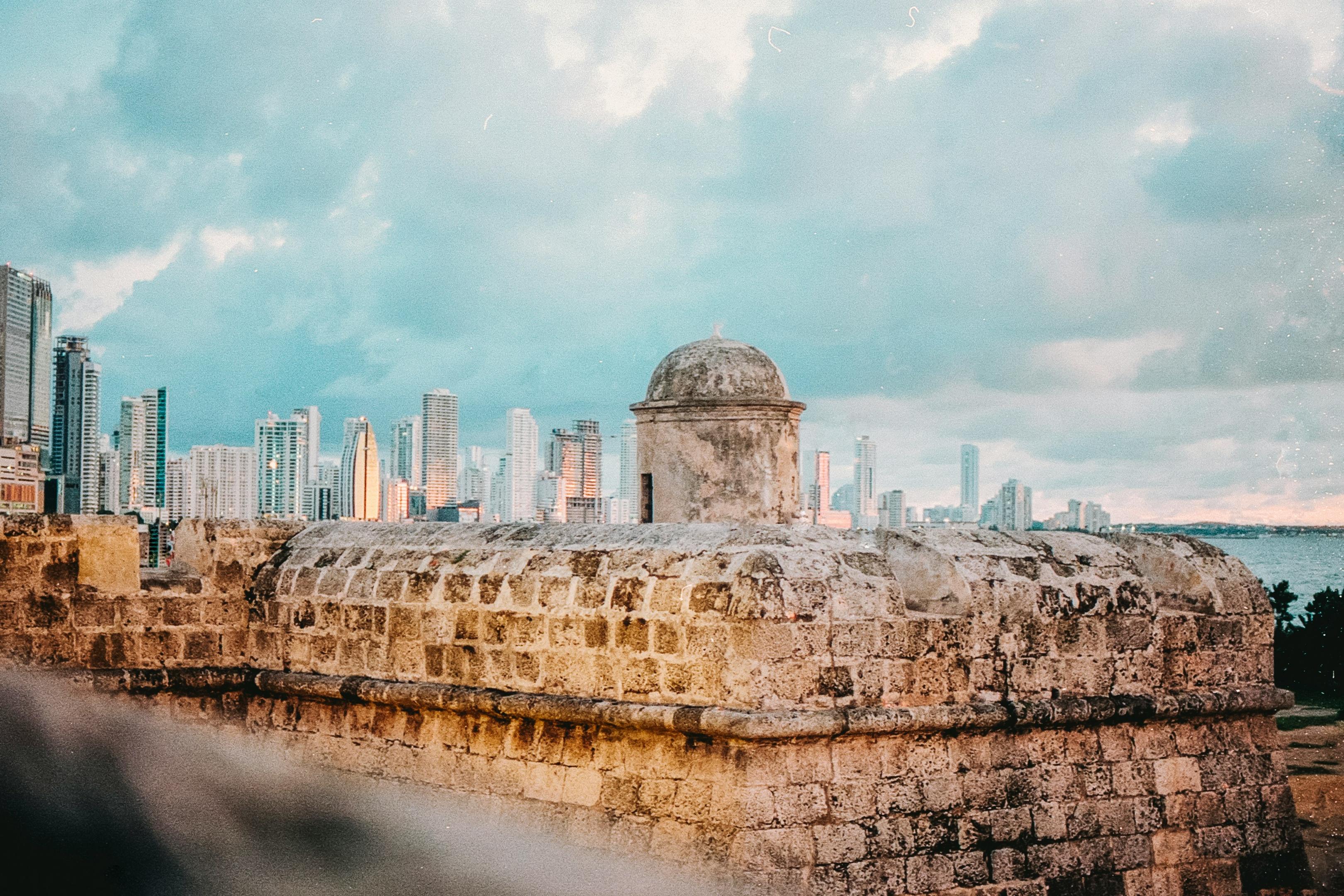
Cartagena is the continent’s most photogenic Caribbean stop, a colorful city of colonial walls, bougainvillea-draped balconies, and colorful streets that glow at golden hour. Inside the old town you get history, restaurants, and rooftop bars; just offshore you get the Rosario Islands for clear-water beach days. Set on Colombia’s Caribbean coast, it folds neatly into a wider route with Bogotá and Medellín, and the contrast between the cool highland capital and this steamy walled port is half the fun.
Uruguay’s Coast
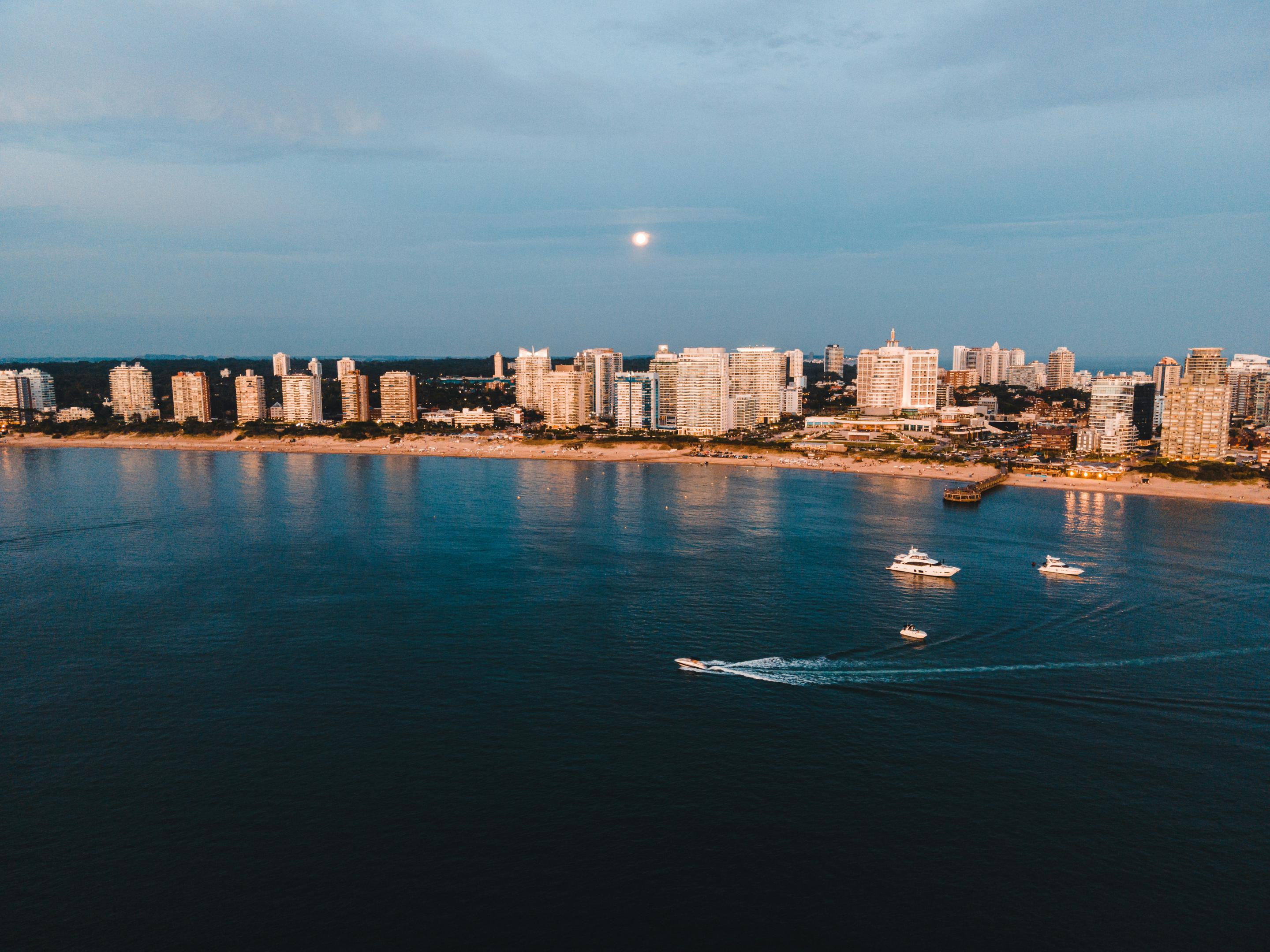
Uruguay is the calm, underrated coastal option right next to Argentina. Punta del Este brings the summer crowds and the nightlife, José Ignacio offers a more low-key, design-conscious version of the same coastline, and Montevideo anchors it all with an easygoing capital-city feel. Best of all, it is simple to reach: hop across the River Plate from Buenos Aires by ferry, or take a short flight, and you have added a whole country to your trip with barely any effort.
Best Adventure and Wildlife Destinations
This section is for travelers who want their trip to be active and immersive rather than scenic from a distance. Most of these places call for guided tours, responsible operators, and a bit of extra safety planning, but they deliver the kind of incredible adventures and authentic experiences you remember for years.
Amazon Rainforest, Brazil, Peru, Ecuador, or Colombia
The Amazon Rainforest can be entered from several countries, and the gateway you pick shapes the whole experience. Manaus in Brazil sits at the meeting of the waters and suits river cruises; Iquitos in Peru is reachable only by boat or plane and leans wild; Puerto Maldonado near Cusco makes a convenient lodge trip; and Ecuador’s lodges in Yasuní and Cuyabeno are superb for compact, wildlife-rich stays. Set your expectations honestly.
You might see pink river dolphins, caimans, macaws, and hear howler monkeys long before you spot them, but rainforest wildlife is shy and patient. River levels rise and fall by season, which changes what is accessible, and the most rewarding trips run through lodges that work with indigenous communities and respect the forest rather than performing it.
The Sacred Valley, Peru
The Sacred Valley is the slower, gentler counterpart to Machu Picchu, a string of Inca sites, weaving villages, and farmland running between Cusco and the ruins. Ollantaytambo, Pisac, and the salt terraces at Maras are all worth a half-day each, and the markets here are some of the best for textiles made by local Quechua communities. There is a practical bonus too: the valley sits lower than Cusco, so a couple of nights here help you acclimatize before you take on the altitude and the trail to Machu Picchu.
The Pantanal, Brazil
For pure wildlife viewing, the Pantanal beats the Amazon, and most people have never heard of it. This vast wetland in western Brazil is the best place on the continent to actually see animals, because the open terrain hides far less than dense jungle.
In the dry season the channels shrink and the wildlife concentrates, which is when jaguars, capybaras, giant otters, caimans, and hyacinth macaws become genuinely findable. Access is seasonal and a little involved, so use reputable guides who know the rhythms of the place and follow the rules around the animals.
Easter Island, Chile
Easter Island, or Rapa Nui, is one of the most remote inhabited places on the planet, a five-hour flight out into the Pacific from Santiago. People come for the moai, the giant carved stone figures that stare inland across the grass, but the living Polynesian culture and history matter just as much as the statues. Flights are limited and the island manages its visitors carefully, so book ahead, plan a few unhurried days, and travel respectfully on land that means a great deal to the people who live there.
When Is the Best Time to Visit South America?
There is no single best time to come, because the continent crosses so many climate zones that a perfect month in one region is the worst possible month in another. Broadly, you are juggling dry seasons for the Andes, the warm window for Patagonia, beach weather on the coasts, and the milder city-travel periods in between. The key thing to accept early in your planning is that Patagonia, the Amazon, the high Andes, and Brazil’s coast each run on different calendars, so a trip that spans them needs compromise.
Best Time for Patagonia
Patagonia is at its best in the southern summer, roughly November through March, when the trails are open, the days are long, and the weather is workable. The trade-offs are wind, which is relentless down here, and crowds, since this is everyone’s window. If you want the marquee treks or the popular refugios, book those well ahead, because they fill fast in peak months.
Best Time for Peru, Bolivia, and the Andes
In the Andes the choice is simpler: dry season versus rainy season. The dry months, roughly May to September, give you clearer skies, better trekking, and reliable views over Cusco, Lake Titicaca, and the high passes, which is why the popular routes get busy then. The wet season brings greener landscapes and fewer people, but also mud, cloud, and the occasional closed trail. Altitude is the constant here no matter the month, so plan time to acclimatize.
Best Time for Brazil, Colombia, and Beach Trips
For Brazil, Colombia, and the warm coasts, you are mostly chasing dry, sunny beach weather and dodging the wettest stretches, which vary by region. Festivals are the wildcard. Big events like Carnival in Rio and the New Year’s celebrations on Copacabana are spectacular, but they send demand and airfare through the roof and book out months in advance, so decide early whether you want to be there for the party or deliberately around it.
How to Travel Around South America on a Budget
Getting around is where a South America trip is won or lost financially, because the continent is enormous and plenty of routes are not direct. The smart move is to mix your transport rather than commit to one mode: combine flights, long-distance buses, the occasional ferry, and cheap local transport depending on the leg. A little upfront planning on routing saves real money, and timing your bookings matters too. This breakdown of the best days to book flights is worth a read before you lock anything in.
Compare Flights and Buses by Route
Decide bus or plane route by route, not as a blanket rule. Buses are cheaper and often more scenic on shorter hops, and South America’s long-distance coaches can be genuinely comfortable, with reclining seats and overnight services that double as your accommodation. Flights, on the other hand, save enormous amounts of time across countries or between distant regions, turning a brutal 24-hour bus ride into a two-hour flight. The sweet spot is using buses for the short, beautiful stretches and flying the legs that would otherwise eat whole days.
Stay Flexible With Dates and Airports
Flexibility is the budget traveler’s superpower. Shifting your dates by a day or two, checking nearby secondary airports, and being open to itineraries that combine different airlines can surface cheaper options you would never see on a rigid search. This is exactly where multi-airline routing helps, because the cheapest way from A to B is often a combination of carriers that no single airline will sell you as one ticket. Searching by region and time rather than one fixed city-to-city pair tends to reveal the savings.
Know When Last-Minute Deals Can Help
Last-minute travel can absolutely work in your favor if you are flexible about where and when you go, and spontaneous trips sometimes land you a bargain on routes that would normally cost more. The risk is timing. On popular routes, around major festivals, or in high season, prices climb and seats vanish, so those legs reward booking early instead. Weigh urgency against risk per route, and if your plans are loose, browsing last-minute flights is a fair way to see what is going cheap right now.
Safety, Entry, and Planning Tips Before You Go
A bit of homework before you leave removes most of the stress from a South America trip, and none of it needs to be scary. Travel here is normal and rewarding for millions of people every year; the point is simply to be prepared. Research the specifics for the places you are visiting, sort your documents, think about insurance and health, respect altitude, and follow local rules. Lean on official, up-to-date sources rather than rumor, because conditions and requirements change.
Check Entry Rules and Travel Documents
Visa rules, passport validity requirements, and entry conditions vary by nationality and by country, and they do change from time to time. Some nationalities enter much of South America visa-free for short stays, others need paperwork in advance, and a few countries ask for proof of onward travel or vaccinations. Check your own government’s official travel pages and the destination country’s official sources before you book anything, not after.
Plan Around Altitude and Remote Areas
Altitude is a real consideration in Peru, Bolivia, Ecuador, and parts of Chile and Argentina, where cities and trails sit well above 3,000 meters. Give yourself time to acclimatize, drink plenty of water, ease into exertion for the first couple of days, and speak to a medical professional beforehand if you have any health concerns or are heading somewhere especially high or remote. The same caution applies to far-flung areas where help is hours away.
Use Reputable Local Guides
For treks, rainforest stays, wildlife trips, and remote regions, a good guide is the difference between a great experience and a bad story. Choose responsible, licensed operators, read recent reviews, and ask how they handle conservation rules, wildlife distances, and fair pay for local staff. The reputable ones cost a little more and are worth every cent, both for your safety and for the places and communities you are visiting.
Ready to Plan Your South America Trip?
Here is the truth about this continent: the hard part is rarely deciding where to go, it is stitching the pieces together without spending a fortune in transit. That is exactly where Kiwi.com earns its keep. Its Virtual Interlining technology combines flights from hundreds of airlines, including budget carriers that normally will not sell you a single connected ticket, so you can link a big city, a remote airport near a national park, and a bucket-list stop into one affordable multi-city route.
Use NOMAD to build an open-ended trip across several countries, search flexibly to compare your options, and let the Kiwi.com Guarantee cover the self-transfer connections if a flight is delayed or changed. There are so many places worth seeing here, and flexible search is what turns a bucket list into a real itinerary. Fly for less, Guaranteed, and start mapping your next trip.South America is the kind of continent that quietly wrecks your itinerary. The first time I tried to plan a trip here, I had a two-week window and a list with Machu Picchu, the Amazon, Patagonia, and Rio on it, as if they sat a short drive apart. They do not. This is a place of rainforests and glaciers, beaches and deserts, islands and ancient ruins, loud modern cities and silent high-altitude valleys, spread across distances that catch almost everyone off guard on a first visit. So this guide to the best places to visit in South America is built around how you actually travel: your style, your time, and the route that ties everything together. Because the continent is so large and regional flight routes can get tangled, most good trips here work as multi-stop journeys rather than one tidy loop.
Quick Answer: What Are the Best Places to Visit in South America?
If you only have time to skim one paragraph, here it is. The strongest destinations across South America are Machu Picchu, Rio de Janeiro, Buenos Aires, Patagonia, Iguazú Falls, Salar de Uyuni, the Galápagos Islands, the Atacama Desert, Cartagena, Bogotá, the Amazon Rainforest, and Fernando de Noronha. Your shortlist depends on what you came for:
- Culture and food: Lima, Buenos Aires, Bogotá, Cartagena
- Nature and hiking: Patagonia, Atacama, Salar de Uyuni, Iguazú
- Wildlife: Galápagos Islands, the Amazon, the Pantanal
- Beaches and islands: Rio, Fernando de Noronha, Cartagena, Uruguay’s coast
- Ancient history: Machu Picchu, the Sacred Valley, Easter Island
- Budget backpacking: Peru, Bolivia, and Colombia
There is no single right answer. The best choice comes down to whether you want culture, nature, hiking, beaches, wildlife, nightlife, or simply the most travel for the least money.
How to Choose Where to Go in South America
The mistake most people make, me included, is treating the continent like one route you can knock out in a fortnight. South America is not one simple loop. It is a dozen very different countries with huge distances between them, climates that flip from desert to rainforest to glacier, and travel costs that swing wildly depending on where you land. Knowing the best places to visit in South America matters less than knowing which of them fit the trip you can actually take.
So narrow it down by four things: how long you have, what season you are traveling in, your budget, and whether you lean toward cities, nature, beaches, or adventure. Get those four straight and the map shrinks to something manageable. South American countries also sit within the wider Latin America travel network, which means flight connections often route through Panama, Bogotá, Lima, or São Paulo, and that shapes a sensible itinerary more than you might expect.
Best for First-Time Visitors
For a first trip, Peru, Argentina, Brazil, Chile, and Colombia are the safest bets, because each one pairs famous landmarks with good onward routes. You can build a simple itinerary around the bigger cities, which carry the most flight connections and the easiest transport, then branch out to one or two highlights nearby. Peru gives you Lima, Cusco, and Machu Picchu in a neat line. Argentina hands you Buenos Aires plus Patagonia. Brazil opens with Rio and a coastline of beaches. None of these require you to be an experienced backpacker to enjoy.
Best for Backpackers and Long Trips
Give yourself a couple of months and the classic overland run opens up: Peru into Bolivia, down through Chile, across to Argentina, then up through Colombia and Brazil. I have done my fair share of overnight buses on this kind of route, and the honest trick is mixing transport. Fly the long, dull legs to save days, take buses for the short and scenic ones to save cash.
Cheap hostels are everywhere on this circuit, and dorm beds in Peru, Bolivia, and Colombia keep daily costs low enough to stretch a trip for weeks. If you want a head start on where the value sits, this guide to budget-friendly destinations in South America is a useful starting point. Plenty of the best moments on a long trip happen off the beaten path, somewhere between the big-ticket sights, around places like Lake Titicaca where Peru and Bolivia meet.
Best for Short Trips
With only 7 to 10 days, resist the urge to country-hop. Pick one country, or even one region, and go deep. Peru works beautifully short, with Lima as the gateway to Cusco and Machu Picchu. Argentina gives you Buenos Aires plus a quick flight down to Patagonia. Brazil pairs Rio with the beaches just along the coast. You will see more, rest more, and spend far less time in transit than someone trying to cram four countries into the same window.
Iconic Natural Wonders in South America
The natural beauty here is the reason a lot of people come at all, and it is the part of a trip that rewards real planning. These places often sit at altitude, behind remote airports, inside permit systems, or at the end of long transfers, and several of them only make sense in the right season. Read the logistics before you fall for the photos.
Machu Picchu, Peru
Machu Picchu is the most famous archaeological site on the continent, a UNESCO World Heritage Site perched on a ridge above the Urubamba Valley, and it earns the hype. Most travelers reach it by connecting through Lima, flying on to Cusco, then continuing by train to Aguas Calientes, or by trekking in on foot.
The four-day Inca Trail is the classic hike, finishing at the Sun Gate (Inti Punku) for that first view down onto the ruins, and the moment the clouds lifted there is one I still think about. Two practical warnings. Cusco sits around 3,400 meters, so build in a day or two to acclimatize before you arrive. And book early, because Inca Trail permits and timed entry tickets sell out months ahead in high season.
Patagonia, Argentina and Chile
Patagonia is the answer if you want hiking, glaciers, turquoise lakes, and mountains that look invented. The headline stops are Torres del Paine in Chile, with its granite towers and the W and O trekking circuits, and on the Argentine side El Chaltén for Fitz Roy day hikes, El Calafate as the base for the Perito Moreno Glacier, and the wider Los Glaciares National Park. The catch is scale.
Overland distances down here are enormous, so flights into El Calafate or Punta Arenas save you days you would otherwise lose on the road. This is prime country for outdoor activities and long days on foot. Over on the Atlantic side, Península Valdés draws wildlife watchers for elephant seals, southern right whales in season, and noisy colonies on the cliffs.
Iguazú Falls, Argentina and Brazil
Iguazú Falls makes a brilliant short add-on between Argentina and Brazil, a wall of water far wider than Niagara that gets compared to Africa’s Victoria Falls, and standing at the Devil’s Throat I understood why. If your schedule allows, see both sides.
The Argentine side has the network of walkways that put you right above the cataracts, while the Brazilian side gives you the sweeping panoramic view across the whole national park. You can fly into Puerto Iguazú in Argentina or Foz do Iguaçu in Brazil, and crossing the border between them is straightforward. This stop suits almost everyone, from families to first-timers, and rarely needs more than a day or two.
Salar de Uyuni, Bolivia
The salt flats at Salar de Uyuni are unlike anywhere else on earth. This is the world’s largest salt flat, a blinding white expanse the size of a small country, best known for surreal photography, multi-day desert tours, and scenery that barely looks real.
The experience changes completely with the calendar. In the dry season the crust is solid and drivable, dotted with cactus islands and 4x4 tours; in the rainy months a thin sheet of water turns the whole surface into a giant mirror. Travelers usually connect from La Paz, Uyuni town, or Sucre, or join a three-day crossing that starts up in northern Chile.
Atacama Desert, Chile
Chile’s Atacama Desert is the driest desert in the world, and it feels every bit as otherworldly as that sounds. Base yourself in San Pedro de Atacama, a small adobe town that runs entirely on travelers, and you are within reach of stargazing under some of the clearest night skies anywhere, the El Tatio geysers at dawn, salt lagoons you can float in, and the lunar ridges of Valle de la Luna. Route-wise, San Pedro connects from Santiago via Calama, and it doubles as a crossing point into Bolivia for the Uyuni salt flats or over the Andes into northern Argentina around Salta.
Best Cities to Visit in South America
Cities are usually the smartest way to start or end a South America itinerary, because they carry the major airports, the best food, the museums, the nightlife, and the local transport that makes everything else reachable. The bigger cities are where flights cluster, so even on a nature-heavy trip you will probably pass through a few of these.
Rio de Janeiro, Brazil
Rio de Janeiro is about as scenic as a city gets, with beaches, mountains, music, food, and landmarks all crammed into one dramatic stretch of coast. Christ the Redeemer watches over it from Corcovado, Sugarloaf Mountain rises out of the bay, and Copacabana and Ipanema run beneath them, each with its own rhythm and neighborhood culture.
A few practical notes. Plan your beach days around the weather rather than a fixed schedule, keep your wits about you and your valuables low-key, and give the city more time than a quick stopover. For more on why it works as an entry point, see this piece on Rio de Janeiro as a gateway to South America .
Buenos Aires, Argentina
Buenos Aires might be my favorite country’s finest city, a place built for culture, food, architecture, football, tango, and nights that run far too late. Wander Palermo for restaurants and parks, San Telmo for its Sunday antiques market and old bones, Recoleta for grand avenues and the famous cemetery, and La Boca for color and the roar of a match day. It pairs neatly with Patagonia to the south, Iguazú to the north, a quick hop to Uruguay, or a longer move over to Chile.
Bogotá, Colombia
Bogotá is a high-altitude capital at around 2,640 meters, packed with museums, street art, food, and serious coffee culture, and it links easily onward to the rest of Colombia. Spend time in La Candelaria, the historic core, ride up Monserrate for the view over the city, and use it as a base for a day trip out to the Zipaquirá salt cathedral or the green hills nearby.
The altitude can leave you breathless for the first day, so go easy, and as in any large capital, take normal city precautions and ask locals which areas to favor after dark.
Lima, Peru
Lima is far more than a place to change planes, even though it functions as the main gateway to Cusco, the Amazon, and the rest of Peru. The city has dramatic coastal cliffs, strong museums, and a food scene that regularly lands its restaurants near the top of the world’s best lists. Stay in Miraflores for the clifftop walks and the sunsets over the Pacific, or in bohemian Barranco for the murals, bars, and a slower pace. Give it a full day or two before you head inland.
Santiago, Chile
Santiago is a practical, polished base with the Andes on its doorstep. From here you are close to Chile’s wine regions, ski slopes in winter, and the colorful hillsides of Valparaíso about 90 minutes away, and you have clean onward routes to both Patagonia and the Atacama. The metro is easy and cheap for getting around, and the airport sits a short ride from the center, which makes Santiago a low-stress place to begin or wrap up a Chile trip.
Best Islands, Beaches, and Coastal Escapes
South America is not all mountains and museums. There is a whole warm-weather side to the continent: beaches, islands, marine wildlife, and slow coastal towns made for doing very little. A couple of these spots need more budget and earlier planning than the mainland, so factor that in before you set your heart on them.
Galápagos Islands, Ecuador
The Galápagos Islands are a genuine once-in-a-lifetime destination, an archipelago about 1,000 kilometers off Ecuador where the wildlife has no fear of people. Giant tortoises, marine iguanas, blue-footed boobies, penguins, and sea lions that flop along the same beaches you do make this the dream for nature lovers, snorkelers, and photographers who can plan ahead.
It comes with responsibilities. The islands run on strict conservation rules, a national park entry fee, and certified guides, so book through reputable operators and travel lightly. This is a fragile place that stays incredible precisely because access is managed.
Fernando de Noronha, Brazil
Fernando de Noronha is the premium beach trip, a protected Brazilian archipelago with limited daily access, water so clear it barely looks real, and some of the best snorkeling and diving in the South Atlantic. Spinner dolphins, sea turtles, and reef fish put on a show, and the beaches rank among the most beautiful places in the country.
This one suits travelers who want a special, splurge-worthy add-on rather than a low-cost backpacking stop, since the fees and flights make it a deliberate choice, not a casual one.
Cartagena, Colombia
Cartagena is the continent’s most photogenic Caribbean stop, a colorful city of colonial walls, bougainvillea-draped balconies, and colorful streets that glow at golden hour. Inside the old town you get history, restaurants, and rooftop bars; just offshore you get the Rosario Islands for clear-water beach days. Set on Colombia’s Caribbean coast, it folds neatly into a wider route with Bogotá and Medellín, and the contrast between the cool highland capital and this steamy walled port is half the fun.
Uruguay’s Coast
Uruguay is the calm, underrated coastal option right next to Argentina. Punta del Este brings the summer crowds and the nightlife, José Ignacio offers a more low-key, design-conscious version of the same coastline, and Montevideo anchors it all with an easygoing capital-city feel. Best of all, it is simple to reach: hop across the River Plate from Buenos Aires by ferry, or take a short flight, and you have added a whole country to your trip with barely any effort.
Best Adventure and Wildlife Destinations
This section is for travelers who want their trip to be active and immersive rather than scenic from a distance. Most of these places call for guided tours, responsible operators, and a bit of extra safety planning, but they deliver the kind of incredible adventures and authentic experiences you remember for years.
Amazon Rainforest, Brazil, Peru, Ecuador, or Colombia
The Amazon Rainforest can be entered from several countries, and the gateway you pick shapes the whole experience. Manaus in Brazil sits at the meeting of the waters and suits river cruises; Iquitos in Peru is reachable only by boat or plane and leans wild; Puerto Maldonado near Cusco makes a convenient lodge trip; and Ecuador’s lodges in Yasuní and Cuyabeno are superb for compact, wildlife-rich stays. Set your expectations honestly.
You might see pink river dolphins, caimans, macaws, and hear howler monkeys long before you spot them, but rainforest wildlife is shy and patient. River levels rise and fall by season, which changes what is accessible, and the most rewarding trips run through lodges that work with indigenous communities and respect the forest rather than performing it.
The Sacred Valley, Peru
The Sacred Valley is the slower, gentler counterpart to Machu Picchu, a string of Inca sites, weaving villages, and farmland running between Cusco and the ruins. Ollantaytambo, Pisac, and the salt terraces at Maras are all worth a half-day each, and the markets here are some of the best for textiles made by local Quechua communities. There is a practical bonus too: the valley sits lower than Cusco, so a couple of nights here help you acclimatize before you take on the altitude and the trail to Machu Picchu.
The Pantanal, Brazil
For pure wildlife viewing, the Pantanal beats the Amazon, and most people have never heard of it. This vast wetland in western Brazil is the best place on the continent to actually see animals, because the open terrain hides far less than dense jungle.
In the dry season the channels shrink and the wildlife concentrates, which is when jaguars, capybaras, giant otters, caimans, and hyacinth macaws become genuinely findable. Access is seasonal and a little involved, so use reputable guides who know the rhythms of the place and follow the rules around the animals.
Easter Island, Chile
Easter Island, or Rapa Nui, is one of the most remote inhabited places on the planet, a five-hour flight out into the Pacific from Santiago. People come for the moai, the giant carved stone figures that stare inland across the grass, but the living Polynesian culture and history matter just as much as the statues. Flights are limited and the island manages its visitors carefully, so book ahead, plan a few unhurried days, and travel respectfully on land that means a great deal to the people who live there.
When Is the Best Time to Visit South America?
There is no single best time to come, because the continent crosses so many climate zones that a perfect month in one region is the worst possible month in another. Broadly, you are juggling dry seasons for the Andes, the warm window for Patagonia, beach weather on the coasts, and the milder city-travel periods in between. The key thing to accept early in your planning is that Patagonia, the Amazon, the high Andes, and Brazil’s coast each run on different calendars, so a trip that spans them needs compromise.
Best Time for Patagonia
Patagonia is at its best in the southern summer, roughly November through March, when the trails are open, the days are long, and the weather is workable. The trade-offs are wind, which is relentless down here, and crowds, since this is everyone’s window. If you want the marquee treks or the popular refugios, book those well ahead, because they fill fast in peak months.
Best Time for Peru, Bolivia, and the Andes
In the Andes the choice is simpler: dry season versus rainy season. The dry months, roughly May to September, give you clearer skies, better trekking, and reliable views over Cusco, Lake Titicaca, and the high passes, which is why the popular routes get busy then. The wet season brings greener landscapes and fewer people, but also mud, cloud, and the occasional closed trail. Altitude is the constant here no matter the month, so plan time to acclimatize.
Best Time for Brazil, Colombia, and Beach Trips
For Brazil, Colombia, and the warm coasts, you are mostly chasing dry, sunny beach weather and dodging the wettest stretches, which vary by region. Festivals are the wildcard. Big events like Carnival in Rio and the New Year’s celebrations on Copacabana are spectacular, but they send demand and airfare through the roof and book out months in advance, so decide early whether you want to be there for the party or deliberately around it.
How to Travel Around South America on a Budget
Getting around is where a South America trip is won or lost financially, because the continent is enormous and plenty of routes are not direct. The smart move is to mix your transport rather than commit to one mode: combine flights, long-distance buses, the occasional ferry, and cheap local transport depending on the leg. A little upfront planning on routing saves real money, and timing your bookings matters too. This breakdown of the best days to book flights is worth a read before you lock anything in.
Compare Flights and Buses by Route
Decide bus or plane route by route, not as a blanket rule. Buses are cheaper and often more scenic on shorter hops, and South America’s long-distance coaches can be genuinely comfortable, with reclining seats and overnight services that double as your accommodation. Flights, on the other hand, save enormous amounts of time across countries or between distant regions, turning a brutal 24-hour bus ride into a two-hour flight. The sweet spot is using buses for the short, beautiful stretches and flying the legs that would otherwise eat whole days.
Stay Flexible With Dates and Airports
Flexibility is the budget traveler’s superpower. Shifting your dates by a day or two, checking nearby secondary airports, and being open to itineraries that combine different airlines can surface cheaper options you would never see on a rigid search. This is exactly where multi-airline routing helps, because the cheapest way from A to B is often a combination of carriers that no single airline will sell you as one ticket. Searching by region and time rather than one fixed city-to-city pair tends to reveal the savings.
Know When Last-Minute Deals Can Help
Last-minute travel can absolutely work in your favor if you are flexible about where and when you go, and spontaneous trips sometimes land you a bargain on routes that would normally cost more. The risk is timing. On popular routes, around major festivals, or in high season, prices climb and seats vanish, so those legs reward booking early instead. Weigh urgency against risk per route, and if your plans are loose, browsing last-minute flights is a fair way to see what is going cheap right now.
Safety, Entry, and Planning Tips Before You Go
A bit of homework before you leave removes most of the stress from a South America trip, and none of it needs to be scary. Travel here is normal and rewarding for millions of people every year; the point is simply to be prepared. Research the specifics for the places you are visiting, sort your documents, think about insurance and health, respect altitude, and follow local rules. Lean on official, up-to-date sources rather than rumor, because conditions and requirements change.
Check Entry Rules and Travel Documents
Visa rules, passport validity requirements, and entry conditions vary by nationality and by country, and they do change from time to time. Some nationalities enter much of South America visa-free for short stays, others need paperwork in advance, and a few countries ask for proof of onward travel or vaccinations. Check your own government’s official travel pages and the destination country’s official sources before you book anything, not after.
Plan Around Altitude and Remote Areas
Altitude is a real consideration in Peru, Bolivia, Ecuador, and parts of Chile and Argentina, where cities and trails sit well above 3,000 meters. Give yourself time to acclimatize, drink plenty of water, ease into exertion for the first couple of days, and speak to a medical professional beforehand if you have any health concerns or are heading somewhere especially high or remote. The same caution applies to far-flung areas where help is hours away.
Use Reputable Local Guides
For treks, rainforest stays, wildlife trips, and remote regions, a good guide is the difference between a great experience and a bad story. Choose responsible, licensed operators, read recent reviews, and ask how they handle conservation rules, wildlife distances, and fair pay for local staff. The reputable ones cost a little more and are worth every cent, both for your safety and for the places and communities you are visiting.
Ready to Plan Your South America Trip?
Here is the truth about this continent: the hard part is rarely deciding where to go, it is stitching the pieces together without spending a fortune in transit. That is exactly where Kiwi.com earns its keep. Its Virtual Interlining technology combines flights from hundreds of airlines, including budget carriers that normally will not sell you a single connected ticket, so you can link a big city, a remote airport near a national park, and a bucket-list stop into one affordable multi-city route.
Use NOMAD to build an open-ended trip across several countries, search flexibly to compare your options, and let the Kiwi.com Guarantee cover the self-transfer connections if a flight is delayed or changed. There are so many places worth seeing here, and flexible search is what turns a bucket list into a real itinerary. Fly for less, Guaranteed, and start mapping your next trip.
Best Places to Visit in South America FAQs
How many days do you need to visit South America?
It depends entirely on your route. One country done well needs about 7 to 10 days, a multi-country highlights trip wants 2 to 3 weeks, and the classic overland backpacking circuit across Peru, Bolivia, Chile, Argentina, and Brazil can fill 6 to 12 weeks comfortably. Flying between distant regions is the single best way to buy back time if your window is tight.
Is South America good for budget travel?
Very. Cheap hostels, affordable long-distance buses, and excellent street food make countries like Peru, Bolivia, and Colombia some of the best value anywhere. Argentina and Chile run pricier, and premium spots like the Galápagos and Fernando de Noronha sit at the high end, so budget travelers tend to weight their time toward the cheaper countries and treat the splurges as occasional highlights.
What is the safest place to visit in South America?
There is no single safest spot, since safety varies by city, neighborhood, and time of day across the continent. That said, Chile and Uruguay are often cited as feeling especially calm and stable for travelers. Use normal city sense everywhere, keep valuables low-key, and check your government’s current advisories for the specific places on your route before you go.
What is the best month to travel to South America?
No month works perfectly everywhere. The shoulder seasons, roughly April to May and September to October, tend to balance decent weather with thinner crowds across many regions. For specifics, Patagonia is best from December to February, the high Andes are best in the dry season from May to September, and beach trips follow each coast’s own dry window, so plan around your actual destinations.
What are the best places to visit in South America for nature?
For nature, the standouts are the Galápagos Islands, Patagonia, the Amazon, the Pantanal, the Atacama Desert, Salar de Uyuni, and Iguazú Falls. Between them you get wildlife, glaciers, wetlands, desert, the world’s largest salt flat, and one of the planet’s great waterfalls, which is about as much variety as any continent offers.
Is it better to fly or take buses in South America?
Both, depending on the leg. Buses win on cost and on shorter or scenic routes, and the overnight services can save you a night’s accommodation. Flights win on long distances and anywhere you would otherwise lose whole days on the road. Most experienced travelers mix the two, and combining carriers on the same trip is usually how you land the best overall price.