






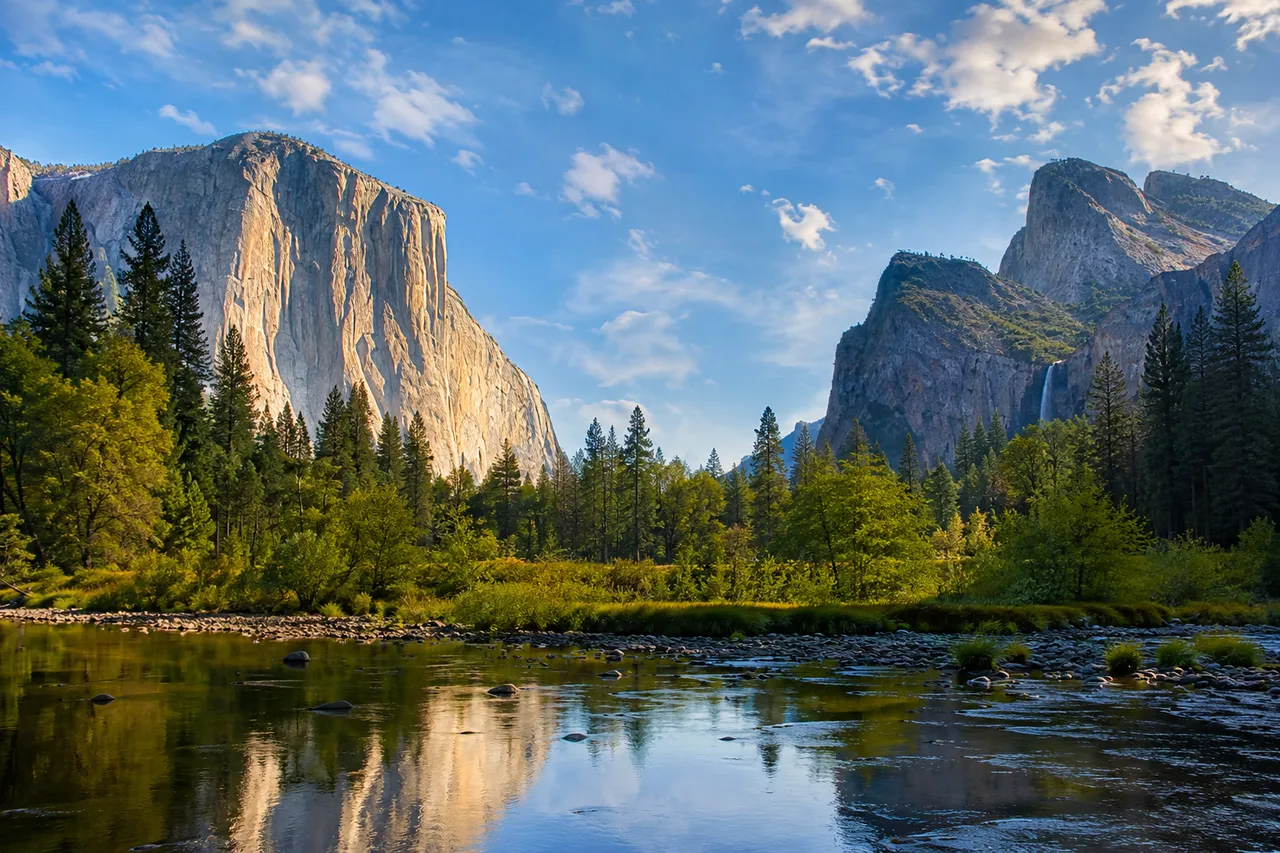
Generally, most travelers want to visit Yosemite in summer because the national park is easier to access then, but that attracts more visitors and increases rates for flights and accommodation.
In this article
Yosemite remains accessible throughout the year, but there can be seasonal disturbances. By that, I mean the winter months (December to March), when spells of snowfall can close certain areas of the park, like Tioga Pass.
Ultimately, the best time to visit Yosemite is going to be based on your priorities and what you want to get out of the trip. This article will help you make the right choice.
Quick Answer: When Is the Best Time to Visit Yosemite?
A few different months could count as the best time to visit Yosemite. If waterfalls are the priority, go in May. If you want more hiking trails open, go between June and September. If you want to dodge the big numbers of tourists, try September or early October; the weather is usually still fine then. If you want snow and skiing, winter is the one for you.
Find flights for this trip

The right choice comes down to what weather you can handle, what you want to do, and how much crowds bother you.
| Travel priority | Suggested time | Main reason |
|---|---|---|
| Waterfalls | May to early June | Strong snowmelt |
| Hiking and road access | June to September | More high-country routes are usually accessible |
| Lighter crowds | September to October | Demand often eases after summer |
| Snow scenery | December to February | Winter landscapes and seasonal activities |
| Balanced first visit | May or September | Good mix of scenery and manageable conditions |
Yosemite by Season
Spring: Best for Waterfalls and Fresh Scenery
Spring, between March and May, is when things are warming up in the region. The snow melts in the Sierra Nevada, and the waterfalls around Yosemite come alive, with the main runoff usually happening in May or June. Even though it is one of the best times to visit Yosemite overall, be aware that some roads at higher altitude may still be closed because the snow from winter hasn’t fully cleared yet.
For someone who wants to see Yosemite Falls and the main valley viewpoints, spring is a great time overall. However, if you’re a hiker with big peaks like Mount Dana on your list, you’ll want to see what the trails and roads are like in the lead-up to your visit.
Summer: Best for Hiking and Wider Park Access
For trekkers and mountain lovers, the summer months of June, July, and August beat other periods. It’s quite warm and dry, opening up those mighty high-elevation trails. The downside is that it gets very busy around then, which can make the Yosemite Valley quite unbearable with all the groups, as it takes away from its natural beauty. If you do settle on summer, try to come at the beginning when the waterfalls are better. Once it gets to August, they can be quite dry.
In summer, you have to be prepared for some early starts. It’s the only way you’ll beat the crowds unless you come midweek when things tend to be slightly slower than usual. Good planning will make all the difference.
Autumn: Best for Hiking with Fewer Visitors
Autumn is an underrated time for exploring Yosemite. In September, October, and November, the hiking is good, as many of the main trails are still open, and fewer people come since summer is over.
Fall isn’t without its flaws, though. The waterfalls lose their strength and snowfall starts in the upper parts of the park. It may not be the best time to visit Yosemite if either is in your plans.
I know some of you might be coming for the magnificent fall foliage as well. But that doesn’t mean it can be seen everywhere in the park. It usually depends on where you visit, what the weather is like on the day, and how high up you are. Cook’s Meadow is a standout spot for experiencing Yosemite’s fall colors.
Winter: Best for Snow and a Quieter Visit
Yosemite covered in snow is unlike anything else. The frosty mountain peaks dominate the landscape, while the lakes glisten. People are ice skating, and some are even hitting the slopes for skiing. It’s also much quieter, adding to the lovely atmosphere.
You’d better be ready for cold, though. It’s common for temperatures to drop to -2°C, and the snow can close some of the main routes like the one leading to Glacier Point. Cars are also required to have chains on their tires as a safety precaution. Those who don’t comply can be fined up to $5,000 (€4,333.40). Hefty, right? Be aware that you’ll only get a little under 10 hours of daylight as well.
The Best Month to Visit Yosemite for Different Priorities
For waterfalls
May or early June. At this time of year, the snow melts quickly, making the waterfalls more powerful.
For long hikes and high-country access
July and September. Trails like the Upper Yosemite Falls route are more accessible then. Just double-check the conditions before you head out, in case the weather causes disturbances.
For lighter crowds
September, October, or on weekdays in winter. Those are the times you’ll see the fewest people.
For snow photography
January or February. That’s when snowfall is at its heaviest. It’s your best chance to catch Yosemite in its winter glory.
For a first visit
May or September. The weather is more consistent then, and you’ll still be able to encounter the thundering waterfalls and explore the rest of the park.
For families
Early summer or September works well. Just check school schedules and think about which parts of the park you want to see so you’re able to prepare in advance.
One more thing. There’s no guarantee you’ll get perfect weather or waterfalls that match the photos you’ve seen online, even during the best times to visit Yosemite. Booking closer to your trip date can actually help, since you’ll have a better sense of what things are like right before you go.
Weather, Roads, and Crowds to Check Before Choosing Your Dates
Three things really shape a Yosemite trip: the weather, which roads are open, and how many people are around.
 Uncategorized
What is the best day to book flights?
There’s no universal “best day” to book flights, but Sundays often show slightly cheaper fares in Europe. Flight prices fluctuate constantly based on demand, seasonality, and route competition.Tuesdays and Wednesdays tend to be cheaper days to fly, not necessarily to book.
Read the guide
Uncategorized
What is the best day to book flights?
There’s no universal “best day” to book flights, but Sundays often show slightly cheaper fares in Europe. Flight prices fluctuate constantly based on demand, seasonality, and route competition.Tuesdays and Wednesdays tend to be cheaper days to fly, not necessarily to book.
Read the guideLet’s be real. The weather here can be unpredictable. You can come at the best times to visit Yosemite and still get caught in a downpour. Yosemite’s elevation ranges from 549 meters to over 3,900 meters, so temperatures also shift the higher you go. It might be warm down in the valley, but cold once you start climbing, even in summer.
If you’re renting a car, keep in mind that some roads close for winter. Tioga Road, Glacier Point Road, and Mariposa Grove Road are the main ones. They’re usually shut once November comes along.
From April to October, Yosemite gets busy. During that stretch, you won’t have much room to wing it. You’ll need to plan wake-up times, preferred trails, where you’re staying, and get your reservations sorted early. Even with data from previous years, you can’t really know how crowded it will be. All you can do is plan as well as you can.
The National Park Service’s Yosemite page can be helpful when organizing your trip. It’s great for monitoring alerts, figuring out what permits you need, and reviewing the state of the roads, safety info, and entry requirements. Don’t forget to have a look!
Planning Flights to Yosemite’s Gateway Airports
Despite what you might expect, Yosemite doesn’t have its own airport. The main options within driving distance of the park are Fresno Yosemite International Airport, Sacramento International Airport, and San Francisco International Airport. In theory, you could also drive from Harry Reid International Airport, but you’d have to spend a few days here to make it worth your while.
The best choice isn’t always just the airport with the cheapest ticket. Rental car costs, the time of year, driving time, and how you’ll reach the park are all things that you’ll have to pay for as well.
Kiwi can be very useful for researching good airports to fly into and exploring the most favorable times to travel. We have different ways to compare route combinations across a wide range of airlines, airports, and travel dates, helping you find deals during the best times to visit Yosemite. From awesome last-minute flight options to great bargains conventional searches often miss, our tools make finding affordable airfares easier.
When to Book Flights for a Yosemite Trip
There’s no magic ‘best day’ to book flights for Yosemite. Prices depend on demand, where you’re flying from, when you’re traveling, ticket availability, and how far ahead you book. That’s why you should check prices at every nearby airport. San Francisco flights might be cheaper on a Monday, while Sacramento flights might be a better deal on a Wednesday.
My advice for you is to try a couple of different route combinations. Use Kiwi’s calendar tool to compare prices across the various airports for each day of the week. Don’t just look at flight costs either. Factor in your transport once you land and your hotel too. That gives you the full picture.
Choose Your Yosemite Travel Dates and Start Comparing Routes
Once you’ve settled on Yosemite as your destination, it’s time to pick your dates.
By now you know the rundown. Spring brings dramatic waterfalls. More areas of the park are open in summer. Autumn is an underrated pick for hikers. The snow gives Yosemite a magical makeover in winter.
Remember, the National Park Service website will have the most current information, so you can avoid booking non-refundable flights or hotels and then getting stuck with rough weather.
From there, pick a California airport to fly into with Kiwi. You can browse hundreds of multi-airline routes with carrier combinations you might not expect, often unlocking cheaper fares. Sticking to a single airline usually costs more. Mixing carriers is typically where the real savings show up, letting you travel at the best times to visit Yosemite for a better price.
```html
Best Time to Visit Yosemite: What You Need to Know Before You Go
When are Yosemite’s waterfalls at their strongest?
Usually, Yosemite’s waterfalls are at their most powerful in May or June, when snowmelt from the mountains is at its peak. The exact timing can vary each year depending on the winter snowpack and temperatures.
What is the least crowded time to visit Yosemite?
Winter, from December to February, is generally the quietest time to visit because of heavy snow and seasonal closures. Autumn, particularly September through November on weekdays, can also offer fewer crowds. However, visitor numbers can vary significantly from day to day.
Is Yosemite worth visiting in winter?
Yes. Yosemite is beautiful in winter, with snowy scenery, quieter trails, and winter activities such as skiing at Badger Pass Ski Area. However, snow can cause road and trail closures. If you are driving, you may need tire chains, and failing to carry or use them when required can result in a fine.
How many days do you need in Yosemite?
Two to three days is usually enough to see major highlights such as Yosemite Valley, Glacier Point, and the waterfalls. If you have additional time, consider exploring lesser-known trails and other areas of the park.
When is Tioga Road usually open?
Tioga Road closes during winter and typically reopens in May or June, depending on snow conditions. The exact opening and closing dates vary each year, so check the National Park Service website for current road conditions and seasonal opening information before your trip.
Do you need a reservation to visit Yosemite?
As of 2026, the National Park Service does not require a vehicle reservation to enter Yosemite for regular visits. However, entry and reservation requirements can change, so check the official National Park Service website shortly before your trip for the latest rules and restrictions.
```