





For many travelers, the best time to visit Niagara Falls is September. That month often blends mild, comfortable weather with attractions that are still open and lighter crowds after the summer rush. Prefer warm days and every attraction running? June through August is the classic season, though it is the busiest and priciest. Want fewer people and snowy scenery? Winter is quieter. Official destination guidance treats summer as the main warm-weather season with full access to attractions, and notes that smaller crowds and lower hotel rates are more common outside summer. In short, there is no single perfect time. The right dates depend on what you value most.
In this article
Quick Answer: When Is the Best Time to Visit Niagara Falls?
September is the best all-round time to visit Niagara Falls. June through August offers the widest range of open attractions, mid to late October brings fall colors, and winter means the fewest visitors. Your best choice depends on weather, budget, crowds, and the activities you care about most. Peak color usually arrives around mid to late October, but it shifts each year.
Best time for good weather
For warm days and long sightseeing hours, aim for late June through early September. The weather is at its best and every viewpoint and boat tour is running. This is also the peak tourist season, so expect bigger crowds and higher hotel rates. Book early if warm weather is your top priority.
Best time for fewer crowds
For a quieter trip, pick weekdays in late spring or early fall. September, just after the main holiday period, often gives a better balance than peak summer. You still get pleasant weather and open attractions, but with shorter lines. Weekdays beat weekends for space.
Find flights for this trip

Best time for lower travel costs
Late fall and winter can bring lower hotel demand and quiet attractions. The trade-off is that some outdoor experiences run on reduced schedules or close for the season. Prices are only part of the story, so check live schedules before you book so a bargain does not come with closed doors.
Best time for fall foliage
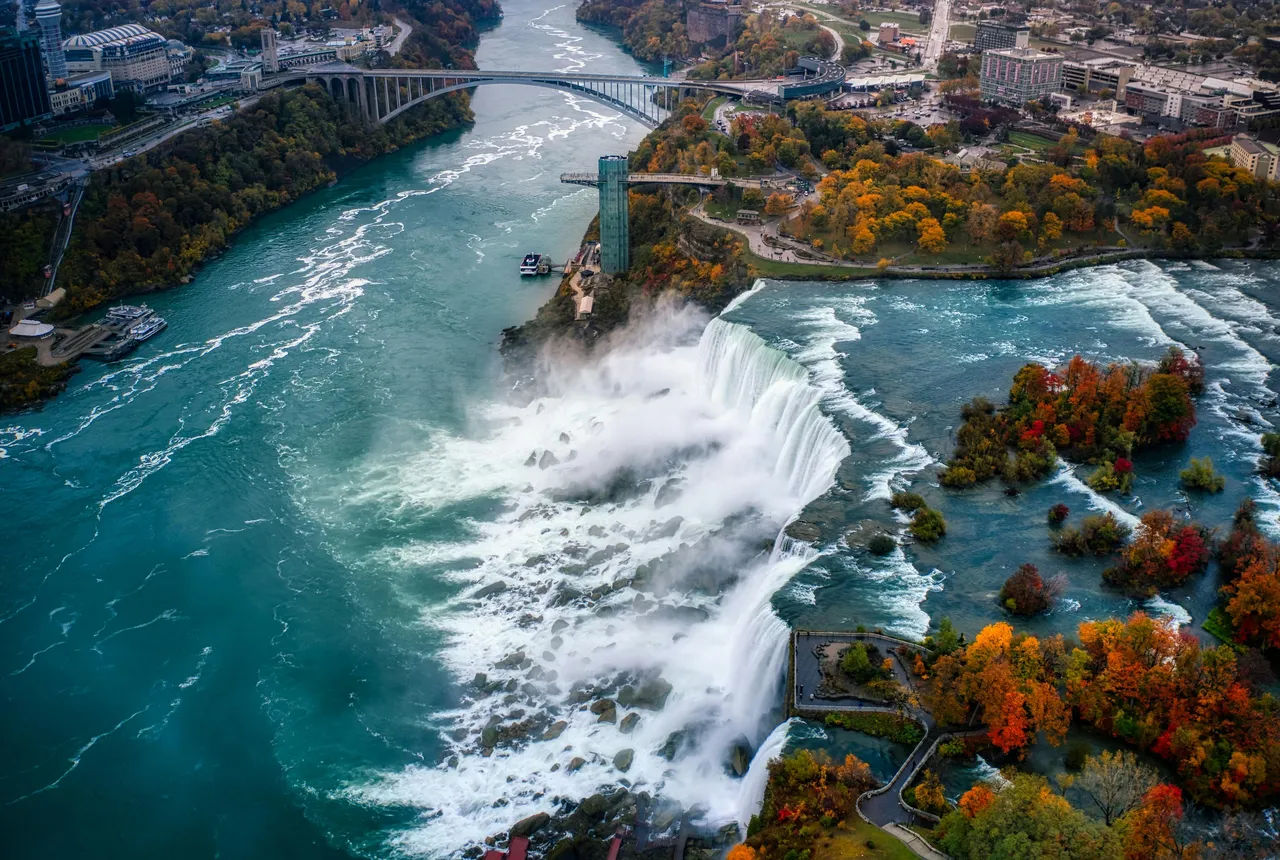
For autumn color, target October, especially from mid October onward. The Niagara Falls area and the wider Niagara River gorge turn gold and red. Exact timing depends on the year’s temperatures and weather, so check a current regional color report before you set your dates.
Niagara Falls by Season at a Glance
Use this table as a quick planning tool, not a guarantee of weather or prices. Ratings are simple: low, moderate or high.
| Season | Typical conditions | Crowds | Cost | Attraction access | Scenery | Best for |
|---|---|---|---|---|---|---|
| Spring (Mar to May) | Cool, changeable, milder late | Low to moderate | Low to moderate | Growing | Gardens, fresh greenery | Quieter sightseeing |
| Summer (Jun to Aug) | Warm to hot | High | High | Full | Mist, rainbows | First-timers, families |
| Fall (Sep to Nov) | Mild, cooling later | Moderate | Moderate | Full early, limited later | Fall foliage | Couples, value seekers |
| Winter (Dec to Feb) | Cold, snowy | Low | Low to moderate | Limited | Ice and frozen mist | Quiet, dramatic views |
Spring: Fewer visitors and changing conditions
March through May is a season of transition. You get fresh greenery, blooming gardens, milder temperatures late in the season and lighter demand than summer. Early Niagara Falls spring weather can swing fast from cool to mild, and some seasonal attractions may not be open yet. Pack layers and stay flexible.
Summer: Warm weather and full attraction access
June through August is the classic sightseeing season. Boat tours run, outdoor viewpoints are open, and the warm summer months bring long days and every activity. The trade-off is large crowds and high demand. Official Niagara Falls USA guidance recommends summer for warm conditions and confirms that the major seasonal attractions are open then.
Fall: Comfortable sightseeing and colorful scenery
September and October are a favorite time for many visitors. You get pleasant sightseeing weather and fewer people than in summer. September still has broad attraction access, while October brings stronger fall foliage. It is a great time for a balanced trip.
Winter: Icy views and a quieter atmosphere
December through February is cold, snowy and dramatic. Ice and frozen mist coat the trees, railings and rocks, which looks stunning. One myth to clear up: the falls do not fully freeze. Water keeps flowing all winter, even as ice forms around the landscape. Never count on specific ice conditions.
Best Months to Visit Niagara Falls by Travel Priority
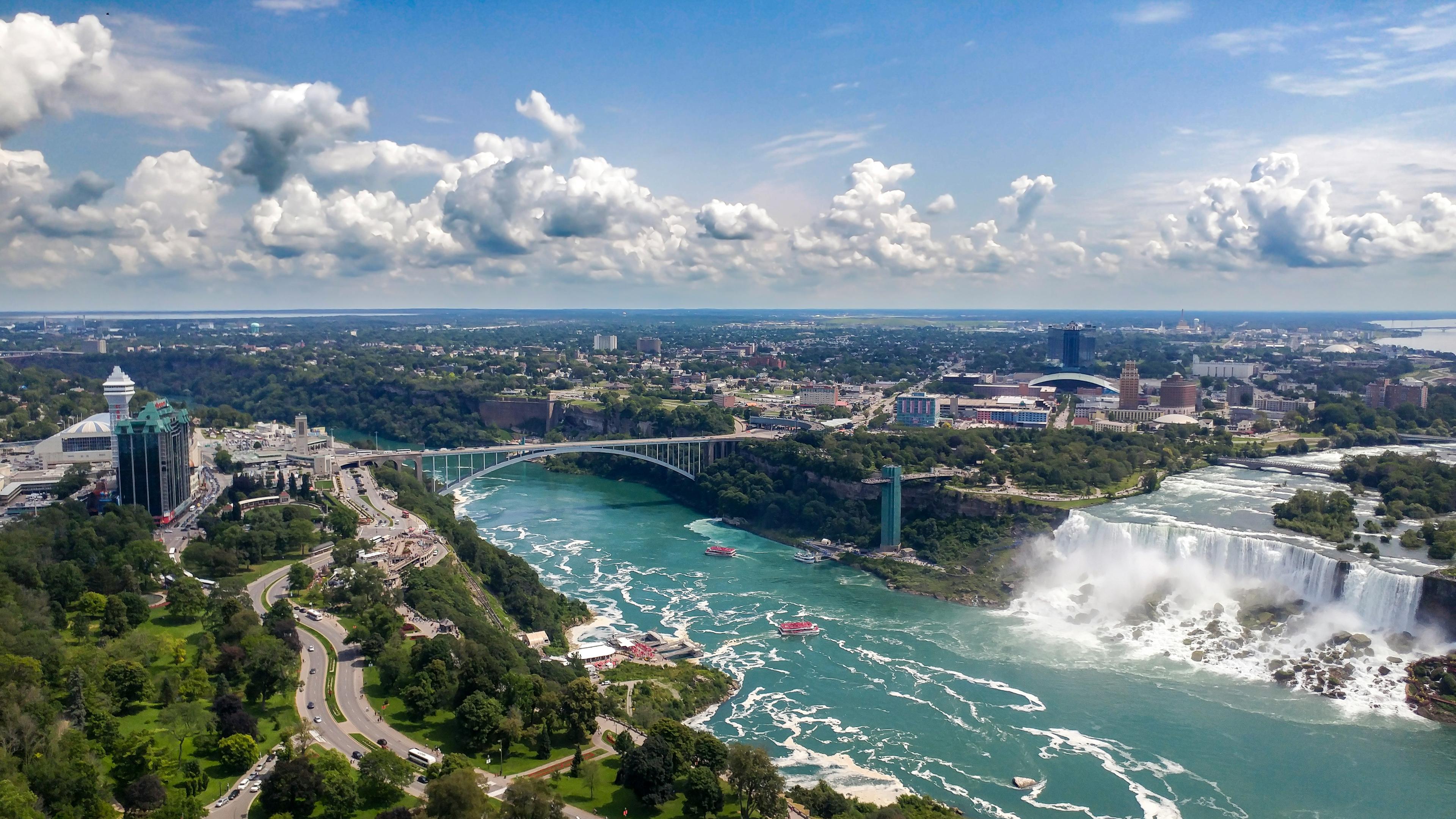
Instead of one universal pick, choose your dates around your main goal. Here is the best time to visit Niagara Falls for each type of traveler.
Best months for first-time visitors
Choose June, September or early October. These months give you strong sightseeing, open attractions and reliable weather, while covering different crowd and temperature preferences. June is warm and lively, September is balanced, and early October adds color. Recommendation: pick September for the best all-round first visit.
Best months for families
Summer suits families best. It lines up with school holidays, and the widest range of attractions is open. The catch is crowds, so arrive early, favor weekdays, and reserve high-demand experiences like boat tours ahead. Recommendation: visit in summer, but plan around the busy hours.
Best months for couples
September and October work well for couples. You get scenic walks along the Niagara River, cooler evenings, fall foliage and a calmer mood. Try a sunset stroll on Goat Island, a quiet viewpoint, or a short trip to nearby Niagara-on-the-Lake for wine. Recommendation: choose fall for a relaxed, scenic escape.
Best months for photographers
Every season offers something. Spring brings flowers in full bloom, summer delivers mist and rainbows, autumn paints the gorge, and winter adds ice. Light and mist shift through the day, so shoot at more than one viewing period. Recommendation: come in October for color, or winter for icy drama.
Best months for budget travelers
Late fall and winter can bring the lowest demand and quieter attractions. But compare the total trip cost, not just airfare, since fewer attractions may be open and weather can affect your plans. Start by comparing cheap flights across several dates. Recommendation: travel off-season, but confirm what is open first.
Month-by-Month Guide to Visiting Niagara Falls
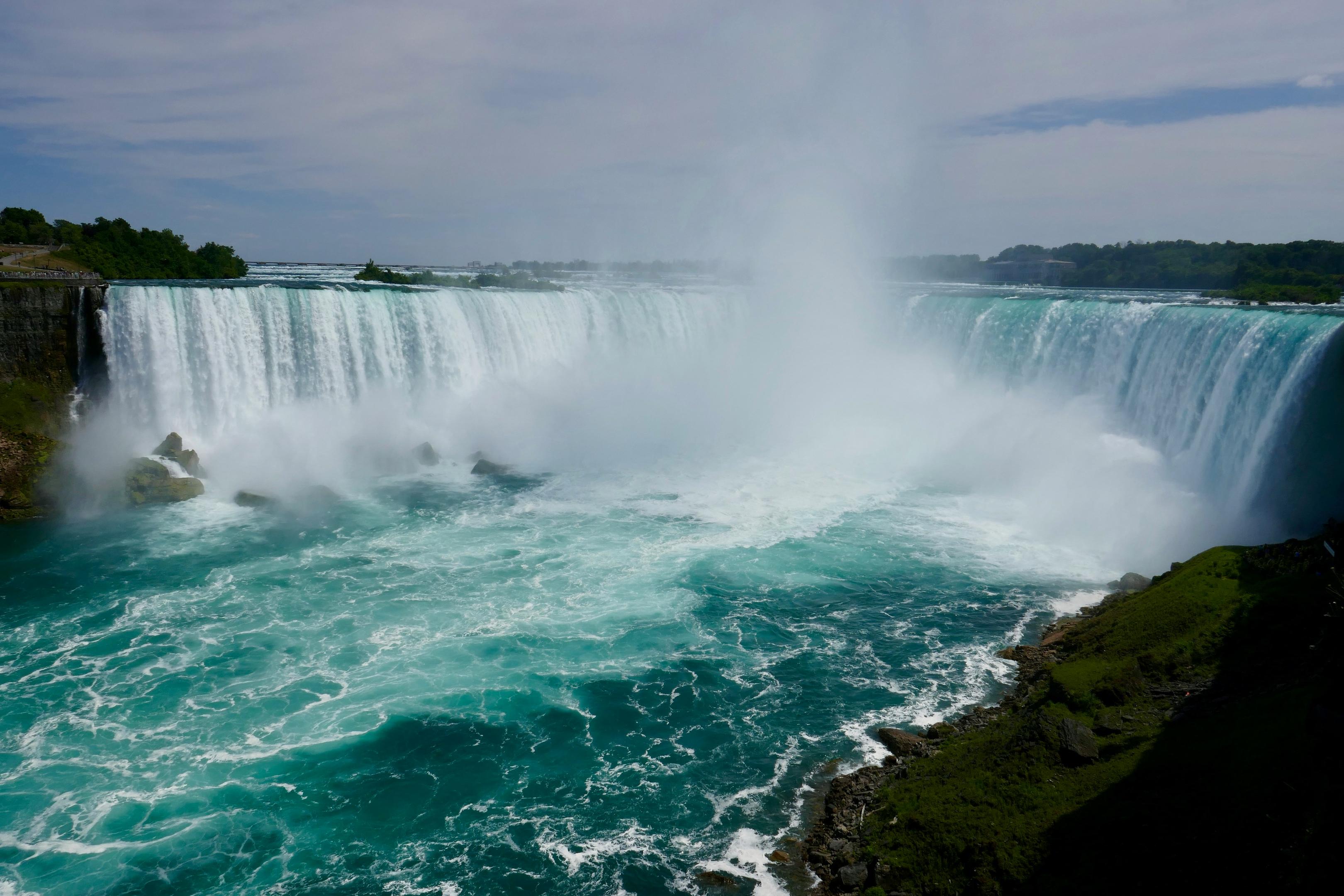
This table covers all 12 months. Temperatures and attraction schedules vary by year, so treat it as a guide and verify current dates before you book.
| Month | Weather | Crowds | Highlights | Limitations | Verdict |
|---|---|---|---|---|---|
| January | Cold, snowy | Low | Ice scenery, quiet views | Many attractions closed | Dramatic and calm |
| February | Cold, snowy | Low | Frozen mist, low prices | Short days, closures | Best for winter fans |
| March | Cold to cool | Low | Shoulder-season quiet | Unpredictable weather | Early and unsettled |
| April | Cool, wet | Low to moderate | Gardens waking up | Some attractions still shut | Fresh but variable |
| May | Mild | Moderate | Blooms, season opens (Victoria Day) | Weekends get busy | Great shoulder month |
| June | Warm | Moderate to high | Full access, long days | Rising demand | Excellent all-rounder |
| July | Warm to hot | High | Peak season, everything open | Crowds, higher prices | Busy but complete |
| August | Warm to hot | High | Warm water, full activity | Crowds, higher prices | Busy but complete |
| September | Mild | Moderate | Balance of access and calm | Some weekend demand | Best overall |
| October | Cool | Moderate | Peak fall foliage (mid to late) | Cooler, shorter days | Best for color |
| November | Cold, gray | Low | Off-season quiet, early lights | Attractions winding down | Quiet and cheap |
| December | Cold, snowy | Low to moderate | Holiday lights, ice | Cold, limited access | Festive and frosty |
January to March
These months are cold, with snow, ice scenery and the lowest visitor numbers. Days are short and many outdoor attractions run limited schedules or close. Pack warm, waterproof clothing and keep your plans flexible. This is the season for quiet views and winter photos.
April to June
This stretch moves from unpredictable early spring to warm, summer-like weather. Gardens bloom, more attractions open each week, and demand climbs as June nears. May is a strong shoulder month, and the Victoria Day holiday in late May often marks the start of the busy season on the Canadian side.
July to September
July and August are warm and busy, the height of peak season with everything open. If you want the same access with fewer people, September is the sweet spot. It keeps most summer attractions running while demand and prices ease. For many travelers, September is the best month of all.
October to December
October brings fall colors and cool, comfortable walking weather. As November arrives, temperatures drop and the area shifts into the off-season, with holiday displays appearing by December. Weather can disrupt travel, and attraction schedules get more limited later in the period, so check dates carefully.
When to Visit Niagara Falls for the Main Attractions
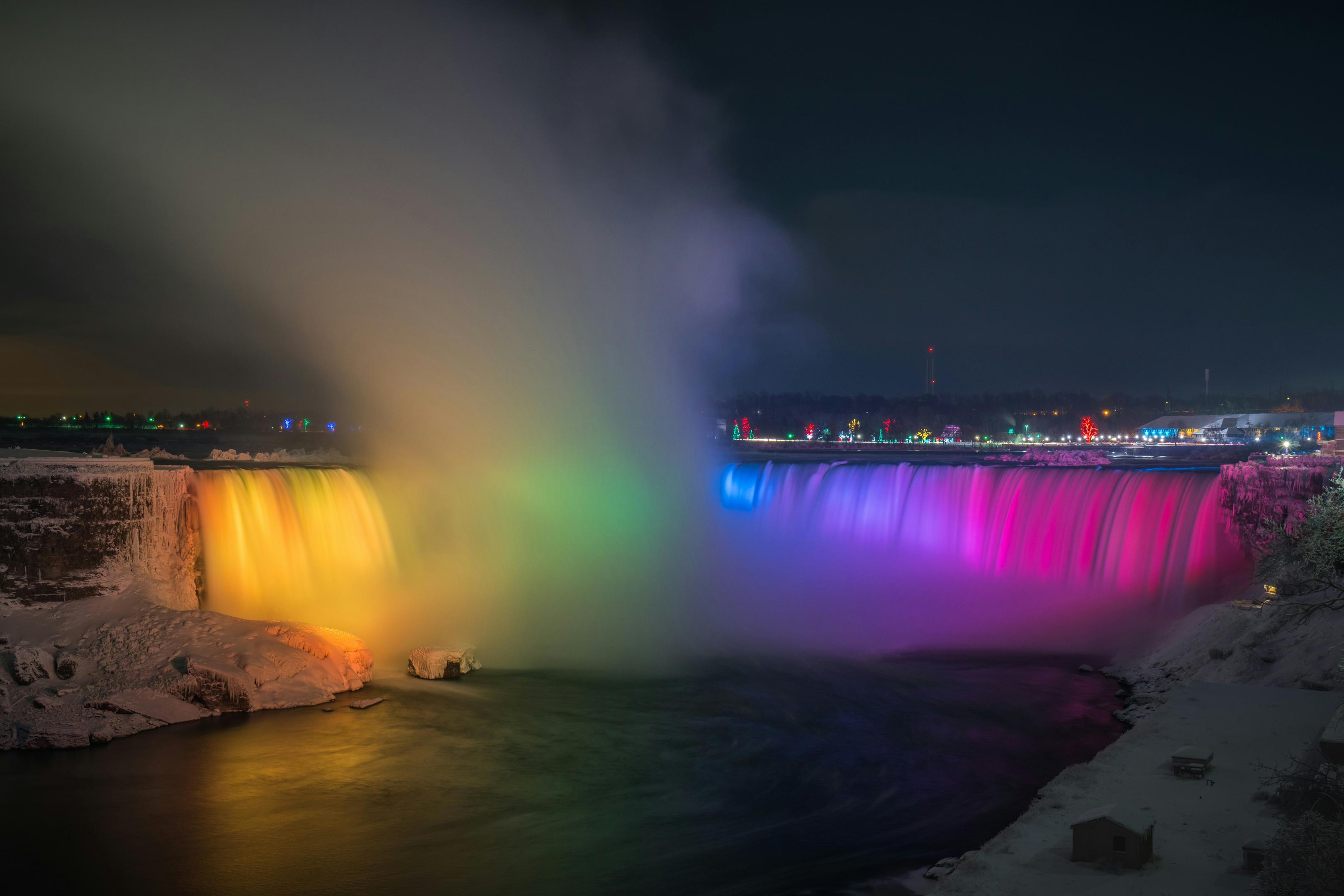
The waterfalls and Niagara Falls State Park can be viewed all year, and the park itself is open year round. But boat rides, outdoor experiences and any guided tour often run on seasonal schedules. Always verify current operating dates on the official websites before you plan around any single attraction.
Boat tours
Boat tours are seasonal and weather-dependent. The Maid of the Mist boat tour on the US side and the cruise on the Canadian side both run roughly from spring through fall, not in deep winter. Check the official operating calendars rather than relying on last year’s dates, since start and end times shift each season.
Cave of the Winds and outdoor viewpoints
Cave of the Winds and other outdoor viewpoints change with the season. In summer you walk close to the spray on the lower decks; in colder months the setup and access differ. Expect wet surfaces, heavy mist and cold conditions, and wear secure, non-slip footwear whatever the month.
Nightly illumination and fireworks
The falls are lit each evening, and fireworks run on a seasonal calendar rather than every single night. Schedules change by date and season, so verify the current illumination and fireworks calendar before you promise anyone a show. Summer and holiday periods tend to have the most events.
Hiking, gardens, and scenic drives
For outdoor adventures, compare late spring, summer and fall. Spring offers flowers and fresh greenery, summer suits long hikes and scenic drives, and fall is the star for foliage. Trails along the Niagara Gorge and gardens near the falls are rewarding across all three. Winter limits many outdoor activities.
 Uncategorized
What is the best day to book flights?
There’s no universal “best day” to book flights, but Sundays often show slightly cheaper fares in Europe. Flight prices fluctuate constantly based on demand, seasonality, and route competition.Tuesdays and Wednesdays tend to be cheaper days to fly, not necessarily to book.
Read the guide
Uncategorized
What is the best day to book flights?
There’s no universal “best day” to book flights, but Sundays often show slightly cheaper fares in Europe. Flight prices fluctuate constantly based on demand, seasonality, and route competition.Tuesdays and Wednesdays tend to be cheaper days to fly, not necessarily to book.
Read the guideHow Crowds and Prices Change Through the Year
In general, more visitors mean higher prices. Summer commonly brings the biggest crowds and the highest hotel costs, while other seasons are quieter and can be cheaper. None of this is fixed, though, so compare real dates rather than assuming a fixed saving.
Peak season
Peak season is summer, roughly late June through August. Weekends, public holidays and school breaks push queues, wait times and room demand even higher. If you visit then, start early in the day and reserve popular experiences well in advance. Midweek is calmer than the weekend.
Shoulder season
May, September and October are the shoulder season, and they are worth comparing closely. They often give a better balance of weather, crowds and price. Just remember that conditions and attraction access differ across these months, with fuller access early and more closures later.
Low season
Late fall and winter are the low season. You get quiet public spaces and possible savings, set against cold weather, short daylight and fewer seasonal activities. It is a fair trade if you love calm viewpoints and snowy scenery more than warm-weather access.
When to book flights
There is no single cheapest weekday to fly. Watch several travel dates and compare both Buffalo and Toronto routes, since fares depend on route, season, demand and booking conditions. For the reasoning behind timing, see our guide to the best days to book flights , then compare a range of dates.
How to Fly to Niagara Falls
You can reach Niagara Falls through airports on either side of the US and Canadian border. Compare the full journey, not just the airfare: ground transport, border requirements and where you are staying all matter. For a fuller breakdown, see our guide to the airports near Niagara falls .
Flying into Buffalo Niagara International Airport
Buffalo Niagara International Airport is the closest major US airport and is handy for the American side, and for some visitors continuing into Canada. It is a short drive to the falls. If you plan to cross the border, check your entry documents and transfer arrangements before you travel.
Flying into Toronto Pearson International Airport
Toronto Pearson may offer a wider range of flights for some international travelers, especially long-haul. The trade-off is a longer ground journey to the falls. Compare total travel time and cost, not just the ticket price, before you choose this route.
Comparing separate-airline routes
Sometimes the best route combines two airlines that do not sell one shared ticket. This can reveal options a standard single-airline search hides. If you book this way, check baggage rules, transfer time, any terminal changes and self-transfer requirements, so a tight connection does not catch you out.
What to Pack for Niagara Falls in Each Season
Whatever the month, pack waterproof layers and secure footwear. Mist from the falls can leave you wet even on a clear, sunny day. Check the forecast shortly before departure, since conditions change fast in this region.
Spring packing list
Bring layers, a waterproof outer layer, comfortable shoes and protection for your phone and camera. Spring temperatures swing a lot, and rain is common. A light hat and gloves are useful early in the season.
Summer packing list
Pack light clothing, sun protection, plenty of water and comfortable footwear. Add a waterproof layer or poncho for the mist-heavy attractions, since the spray is intense near the base of the falls. Sunglasses help on bright days.
Fall packing list
Bring layers for warm afternoons and cool evenings, plus rain protection. Choose walking shoes with good grip for damp, leaf-covered paths. A warmer jacket is smart for late October evenings.
Winter packing list
Pack insulated, waterproof boots, gloves, a warm coat and a hat. Choose footwear with good traction for ice and snow. Watch for icy surfaces and closed paths, and take extra care near wet railings and viewpoints.
Practical Tips for Choosing Your Travel Dates
Turn all this into a simple plan. Choose your priority first, check attraction calendars second, compare flights and hotels third, then review the forecast right before you leave.
Choose between the US and Canadian sides
Both sides are worth seeing and neither is universally better. The Canadian side is known for wide, face-on views of Horseshoe Falls, plus the Clifton Hill strip with its live music and the Niagara SkyWheel. The US side, in New York State, offers close-up viewpoints, Goat Island and Bridal Veil Falls. Weigh viewpoints, the Rainbow Bridge crossing, accommodation location and entry requirements.
Visit on weekdays where possible
Weekdays help you dodge some weekend demand, especially in summer and during fall foliage. Lines are shorter and rooms are easier to find. No day is ever empty at a landmark this famous, but midweek gives you more room to move.
Check attraction dates before buying flights
Confirm your must-do experiences will be open during your chosen dates before you book flights. Boat tours and other outdoor attractions follow seasonal and weather-dependent schedules, so a great fare is no bargain if your top activity is closed.
Leave room for changing weather
Keep your itinerary flexible, with a mix of indoor and outdoor options. Niagara weather can turn quickly. Check official alerts, forecasts and attraction notices shortly before travel, and have a backup plan for a rainy or stormy day.
Find an Affordable Way to Visit Niagara Falls
Once you have picked your season, the next step is reaching the falls without overspending. On Kiwi.com you can compare flexible dates, nearby airports like Buffalo and Toronto, and routes that mix different airlines to surface options other searches miss. It will not always find the very lowest fare, but comparing widely gives you the best shot at a good one. Before you book, review the baggage, transfer, entry and self-transfer conditions, and flexible travelers can also compare last minute flights when the dates line up. That way the best time to visit Niagara Falls also becomes an affordable one.
Best Time to Visit Niagara Falls FAQs
How many days do you need at Niagara Falls?
One day covers the main viewpoints and a boat tour. Two days let you see both sides, ride more attractions and slow down. Three days add nearby trips like the town of Niagara on the Lake or the wider region. There is no single right length, so match it to your pace and budget.
When is Niagara Falls least crowded?
The colder off-season months, roughly November through March, are quietest, along with shoulder-season weekdays in spring and fall. Even then, holidays, special events and a run of good weather can bring more visitors. For the calmest trip, choose a winter weekday.
What is the cheapest time of year to visit Niagara Falls?
Late fall and winter often have the lowest hotel demand, but total cost varies. Compare airfare, hotels, transfers and which attractions are open, since a cheap room means less if your priority experiences are closed. Weigh the whole trip, not one number.
Is Niagara Falls worth visiting in winter?
Yes, if you like icy scenery and small crowds. Frozen mist and snow make the landscape dramatic, and prices can be lower. Just prepare for the cold with warm, waterproof gear, and accept that several seasonal attractions and boat tours will be closed.
Does Niagara Falls freeze in winter?
Not completely. Ice and frozen mist can build up around the falls and make parts look frozen, but the water keeps flowing all winter. A full freeze is essentially a myth. You will still see powerful, moving water, framed by ice.
Is spring or fall better for Niagara Falls?
Both are good shoulder seasons. Spring brings flowers, fresh greenery and attractions reopening, while fall brings foliage and a slightly wider run of open attractions early on. For color and balance, most travelers prefer fall; for blooms and quiet, choose spring.
Is July too crowded for Niagara Falls?
July is peak season and can be busy, especially on weekends and holidays. It is still a great time for warm weather and full access. To manage the crowds, visit on weekdays, arrive early in the day, and book popular experiences like boat tours in advance.
Can you visit both sides of Niagara Falls in one trip?
Yes, many visitors see both the US and Canadian sides, crossing via the Rainbow Bridge. You need the correct border documents and enough time for the crossing, which can be slow at peak times. Check the current official border-entry requirements before you travel.