




Between June 1 and November 30, hotel and flight prices across the Caribbean drop by 20 to 40 percent. The deepest cuts land in August and September. That is not a marketing trick. It is the hurricane season discount, and it is the single best value window in tropical travel.
The catch is obvious. The same months that bring the bargains also bring the storms. The good news: the Caribbean is not one weather zone. Islands below roughly 12 degrees north latitude sit outside the main hurricane track and carry a historical storm risk under 2 percent. Aruba, Bonaire and Curaçao and the far southern Caribbean are the safest of all. The Dominican Republic and Jamaica sit in the storm path, but they answer with the biggest discounts and the emptiest beaches.
This guide sorts the region into three tiers of risk and reward, picks the best months inside the season, and shows how to protect the money you spend. Book smart and hurricane season stops being a gamble and starts being a strategy.
Quick answer: which island should I pick?
- Rock-solid safety, higher prices: Aruba, Bonaire and Curaçao. Direct hits are historically rare.
- Low risk, low prices: Trinidad and Tobago, Grenada, and Barbados. Tobago has seen one major storm in 60 years.
- Highest risk, biggest discounts: the Dominican Republic and Jamaica. Luxury all-inclusives at a fraction of winter rates.
The ABC islands: safety first
Aruba, Bonaire and Curaçao sit just off the coast of Venezuela, far south of the hurricane belt. Their climates are arid and desert-like, with cacti instead of rainforest. You get reliable sunshine and very little rain even in August and September. Direct hurricane hits here are historically rare, which is why these islands fill up with travellers who plan around the weather.
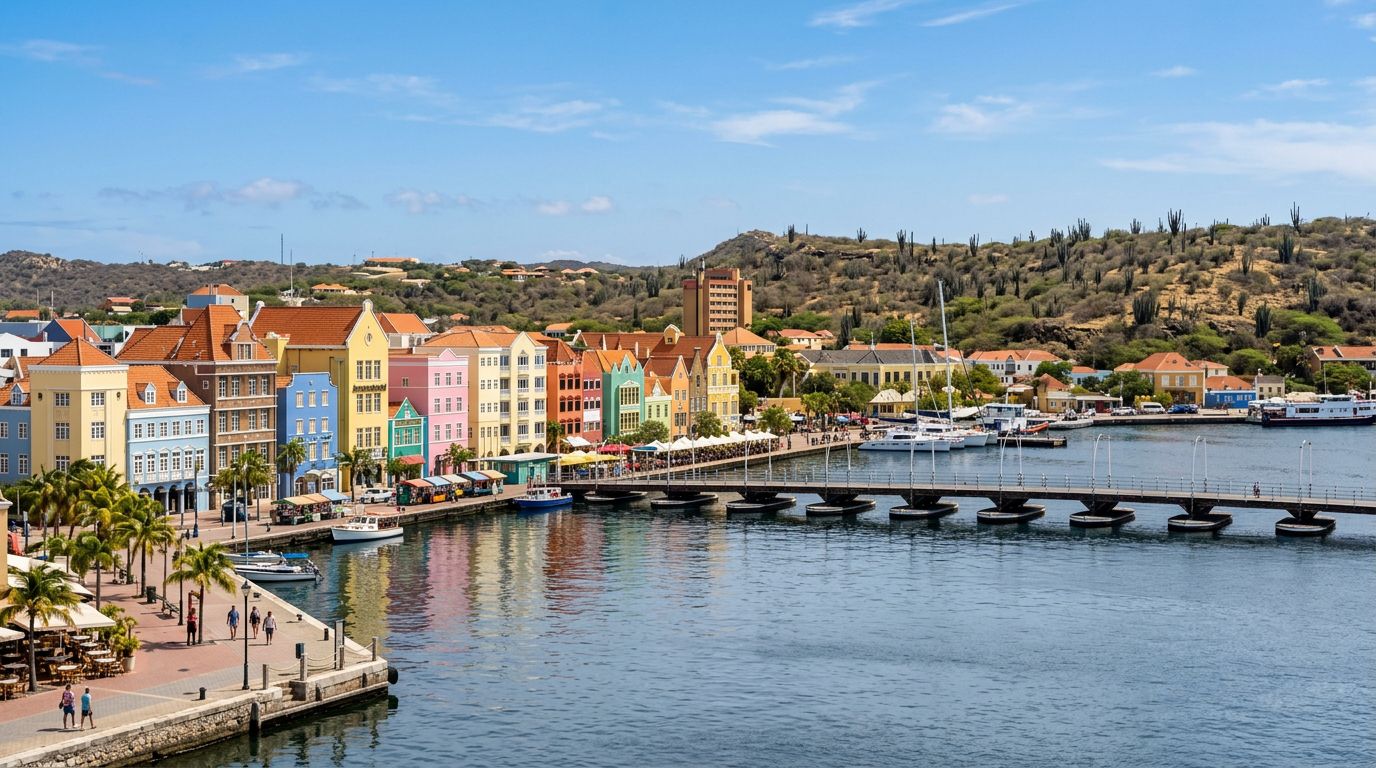
The trade-off is price. Because everyone knows these islands are safe, hotels do not need to slash rates to fill rooms in low season. Food is imported and expensive. Of the three, Curaçao is the most budget-friendly: you can rent a modest apartment, use local buses instead of a rental car, and stick to free public beaches. Start your search with flights to Willemstad , and arrive through Curaçao International Airport .
Aruba suits travellers using hotel reward points, since points rates hold steady when cash prices spike elsewhere. Bonaire is the quiet diver’s choice, with shore diving right off the coast. Arriving through Queen Beatrix International Airport on Aruba , or through Flamingo International Airport on Bonaire , you land in the driest corner of the Caribbean.
The far southern Caribbean: the middle ground
Trinidad and Tobago, Grenada and Barbados hug the southern fringe of the storm tracks. Hurricanes rarely wander this far south. Tobago has recorded one major storm in the last 60 years. Unlike the dry ABC islands, these islands are lush, green and properly tropical.
The budget case here is strong. Tobago and Grenada have small, locally owned guesthouses, apartments and eco-lodges that cost far less than mega-resorts. Street food is cheap and genuinely good: a filling lunch of doubles in Port of Spain or oil down in St George’s costs a few dollars.
Two honest downsides. First, these islands are greener because they have a real wet season, so expect heavy afternoon downpours. Second, flights take longer and can cost more than the quick hops to Jamaica or the Dominican Republic. You arrive through Piarco International Airport in Trinidad, ANR Robinson International Airport in Tobago , Maurice Bishop International Airport near St George’s in Grenada, or Grantley Adams International Airport in Bridgetown , on Barbados .
The Dominican Republic and Jamaica: the bargain tier
These are the big islands of the Greater Antilles, squarely inside the hurricane belt. That is exactly why the discounts are enormous. Tourism drops in the storm months, and prices plummet. You can book four and five star all-inclusive resorts in Punta Cana , flying into Punta Cana International Airport , or in Montego Bay , arriving at Sangster International Airport , for a fraction of their winter cost. Food, drinks and lodging come bundled, which keeps extra spending close to zero. Budget airlines fly to both frequently, which keeps fares low. Beaches and pools sit quiet and peaceful.
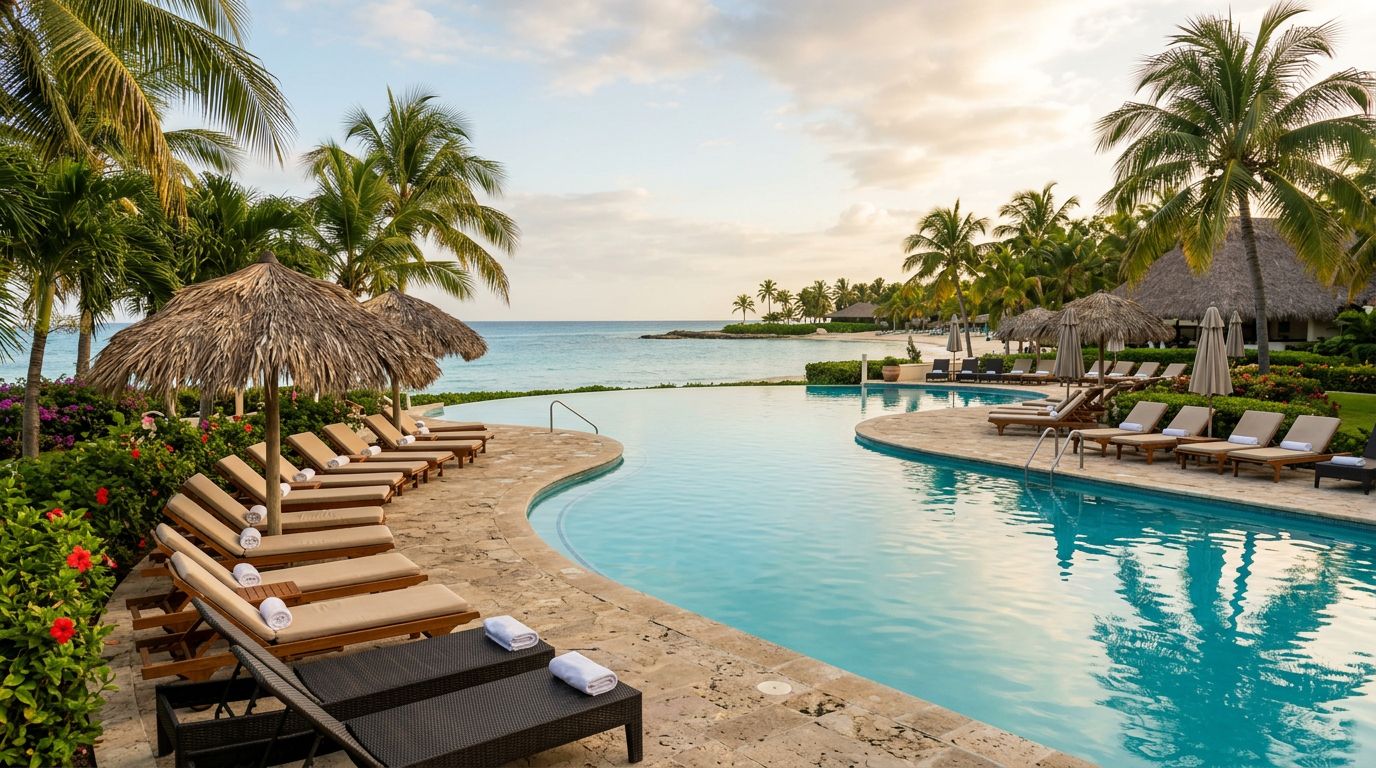
Be clear-eyed about the risk. These islands face a much higher statistical chance of a direct hit or a close brush, especially in August, September and October. Even without a hurricane, summer and fall bring high humidity and heavy tropical thunderstorms. Large islands absorb disruption better than small ones: the Dominican Republic and Jamaica have big resort inventories, solid infrastructure and quick recovery times. Santo Domingo, the region’s largest city, works as a city-break base with colonial architecture and cheap local food, reached through Las Américas International Airport .
Booked on this tier? Buy the right insurance. More on that below, because it is the one expense you should not skip.
Time the sweet-spot months
Not every month inside the season carries equal risk.
June and July are excellent value months. Tropical-storm risk is historically lower because ocean waters are still warming up. Prices have already softened, but the worst weather has not yet arrived.
Late October and November deliver low-season pricing right as storm activity drops off. The ocean is at its warmest and the crowds are gone. This is the window for travellers who want the discount without the peak-season gamble.
August and September offer the cheapest flights and the lowest hotel rates of the entire year. They also match the absolute peak of storm activity. Book these months only if your schedule is fully flexible.
One note on 2026: this season has been unusually quiet so far, with no Atlantic hurricane recorded as of September 14, an effect linked to an active El Niño. The National Hurricane Center still forecast 8 to 14 named storms for the season in May, including 1 to 3 major hurricanes. A quiet start does not guarantee a quiet finish, so treat the calendar, not the headlines, as your guide.
Protect your money: CFAR insurance explained
Standard travel insurance covers you only when a storm directly cancels your flight or forces a mandatory evacuation. It does nothing for the miserable outcome of a rain-heavy forecast with your money already spent. That gap is what Cancel for Any Reason (CFAR) insurance closes. CFAR is an optional upgrade that lets you cancel your trip for any reason at all and reclaim a partial cash refund.
The benefits are real:
- Total flexibility. You can cancel because you changed your mind, feel uneasy about the forecast, or had a work conflict.
- Peace of mind. It removes the anxiety of paying for an expensive trip months in advance.
- Coverage for the unlisted. Minor emergencies and scheduling conflicts that fail strict standard-policy definitions are covered.
The limits matter just as much:
- Partial refund only. Most plans return 50 to 75 percent of prepaid, non-refundable costs.
- Higher cost. CFAR typically adds 40 to 60 percent to the price of a basic policy.
- Strict purchase window. You must buy it within 14 to 21 days of your first trip deposit.
- Advance notice. You must cancel at least 48 hours before departure.
- All or nothing. You must insure 100 percent of your non-refundable trip costs. No picking and choosing.
For hurricane-season bookings in the Dominican Republic or Jamaica, CFAR belongs in your budget as a required line, not an optional extra.
More ways to keep the price down
- Track fares. Set price alerts so sub-300 dollar round-trip off-season fares land in your inbox the day they appear. Our cheap flights page is a good place to start browsing the low-season routes.
- Book refundable. Avoid non-refundable basic economy fares and strict prepaid hotel rates. Many hotels allow no-fee cancellation when severe weather threatens, so prioritise stays with free cancellation up to 24 to 48 hours before arrival.
- Pack for passing rain. Even on the safe islands, brief showers happen. Waterproof luggage, a good rain jacket and dry bags for your electronics cost little and save a lot.
Cruises: bundled or independent?
Hurricane season is the cheapest time to cruise the Caribbean. It is also when cruise logistics get stress-tested. There are two ways to book, and they carry very different risks.
Bundled with a major line means your flights, hotels and shore excursions come through the cruise company. Mega-ships have stabilizers and huge hulls that handle rough peripheral seas, and fleet operations centers track every storm in real time. When a storm forces a route change, the line refunds missed port fees and excursions automatically. Should the ship return late, your flights get rebooked for you.
Going independent means either a smaller boutique cruise line, or booking your own flights, pre-cruise hotels and shore excursions. The savings are real: hurricane-season fares are already low, and independent flights and local guides cut costs further. Flying into your departure port two or three days early also builds a buffer against storm delays. But the risks fall on you. An independent excursion that runs late means the ship will not wait. When the itinerary skips a port, the cruise line refunds its own excursions instantly, while an independent local operator may keep your money. And a storm-delayed return leaves bundled flyers rebooked by the line, while independent ticket holders pay change fees on their own.
For most hurricane-season cruises, the bundled route is the safer play. Independent booking suits travellers with deep flexibility and a tolerance for logistics risk.
| Feature | Major line, bundled | Fully independent |
|---|---|---|
| Port disruptions | Automatic refunds on missed ports and excursions | High risk of losing money on prepaid local tours |
| Onboard comfort | Stabilizers handle rough peripheral seas | Smaller ships roll far more in heavy swell |
| Travel delays | Line rebooks your flights if the ship returns late | You pay change fees and find your own way home |
The bottom line by traveller type
Pure bargain hunters should target the Dominican Republic and Jamaica. The discounts are the largest in the region and the all-inclusive model caps your spending. Buy CFAR insurance and accept the weather risk.
Risk-averse budget travellers should pick Tobago or Grenada. Guesthouses and street food keep costs low, and the odds of a storm ruining the trip are small. Accept slower, sometimes pricier flights.
Safety-first travellers with some budget should pick Curaçao, the most affordable of the ABC islands. You give up the hurricane-season discount, but you gain near-certainty of sunshine.
Whichever tier you pick, the same rule applies: the discount is real, the risk is manageable, and the difference between a great trip and a stressful one is mostly preparation.
Frequently asked questions
When is the Caribbean hurricane season?
The official season runs from June 1 to November 30. El Niño years can quiet the season, as in 2026, when no Atlantic hurricane had formed as of September 14, a record in the satellite era. The National Hurricane Center still forecast 8 to 14 named storms for the 2026 season in May, so late-season storms remain possible.
What is the best Caribbean destination during hurricane season on a strict budget?
Head for the Dominican Republic or Jamaica, for the deepest discounts. Pair the booking with CFAR insurance so a storm forecast does not strand your money. Accept the chance of a wet holiday.
What if I am on a strict budget but cannot risk a canceled holiday?
Tobago and Grenada. Locally owned guesthouses and street food keep the daily spend low, storms rarely reach that far south, and the only real catches are occasional heavy showers and longer flights.
What are the best budget tips for a hurricane-season Caribbean trip?
Buy CFAR insurance for the high-risk islands. Use fare alerts to catch off-season deals. Book refundable fares and hotels with free cancellation up to 24 to 48 hours before arrival. Pack rain gear. And keep your plans flexible, especially on cruises, where routes can shift to dodge a storm.
When is the best time to travel in the season?
June and July for lower storm risk with softened prices. Late October and November for low-season pricing as activity drops off. August and September for the year’s lowest prices, only if your dates are fully flexible.
Popular routes on Kiwi.com
- Cheap flights from London to Barcelona
- Cheap flights from London to New York
- Cheap flights from London to Asturias
- Cheap flights from London to Pattaya
- Cheap flights from London
- Cheap flights to Spain
- Cheap flights to Italy
- Cheap flights to Thailand
- Cheap flights to the United States
- Cheap flights to the United Kingdom
- Cheap flights from London Luton Airport
- Last minute flights
People Also Read