







From Airport To Old Town Without The Taxi Drama
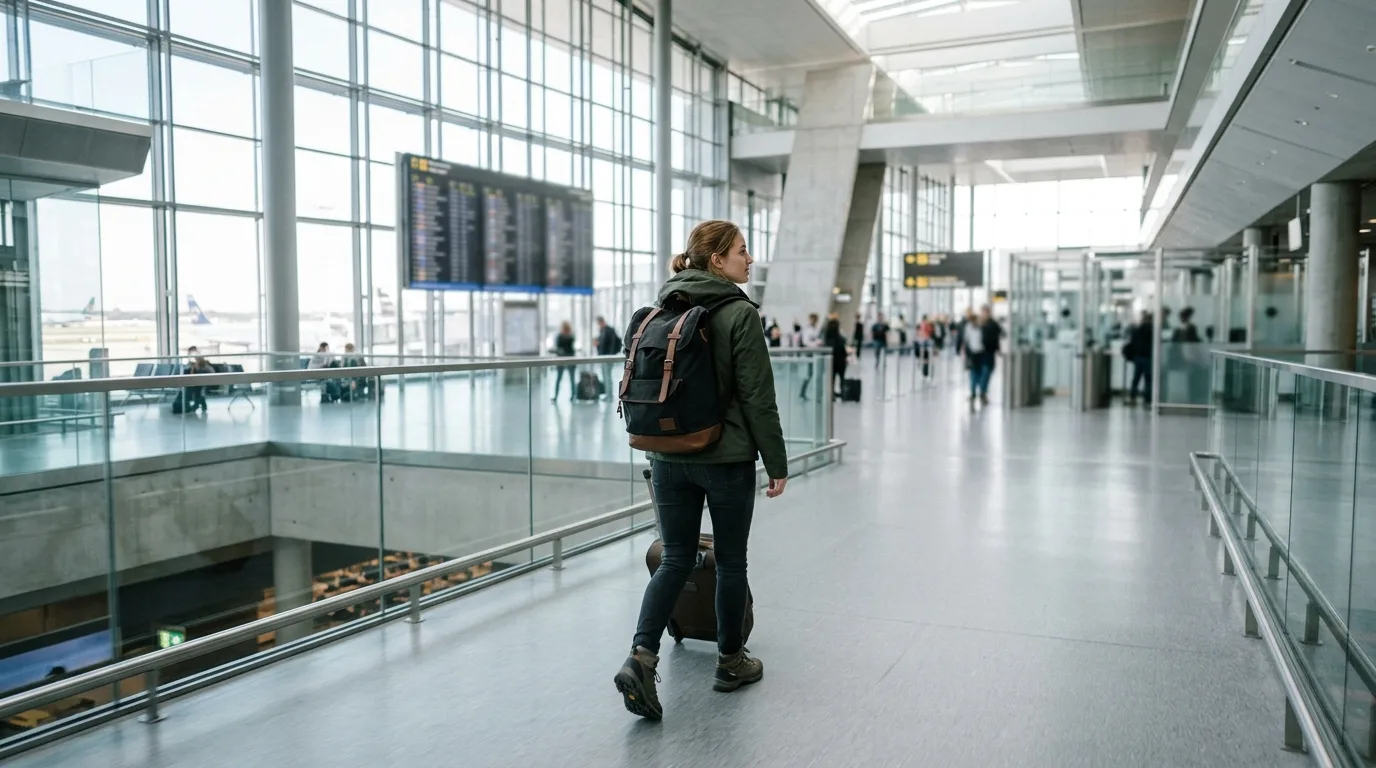
From Vilnius Airport , taxis or Ubers into the centre will cost you around €10–€15 — not terrible, but still avoidable. The smarter move is bus 88 or the train, which gets you into the city in about 10–15 minutes for around €1–€2.
It’s quick, easy, and one of those rare airport transfers that doesn’t feel like a scam.
How To Move Through Vilnius (Without Trying Too Hard)
Vilnius is made for walking . The Old Town is one of the largest in Europe, but also one of the most manageable. Everything flows into everything else.
Public transport (buses and trolleybuses) is cheap and reliable, with tickets around €1 and day passes for just a few euros. Tickets are usually bought via app or kiosks, and yes validation matters.
But honestly, you’ll probably walk most of it. And that’s the point.
From Old Town To Hidden Corners: Budget Transit Tricks
The real Vilnius move is simple: walk until you get lost, then keep going. The city rewards curiosity more than planning.
If you do need transport, use buses to reach further spots like Užupis or Verkiai Park but in the centre, your feet are enough.
Do Less, Enjoy More, Spend Nothing
Vilnius Old Town
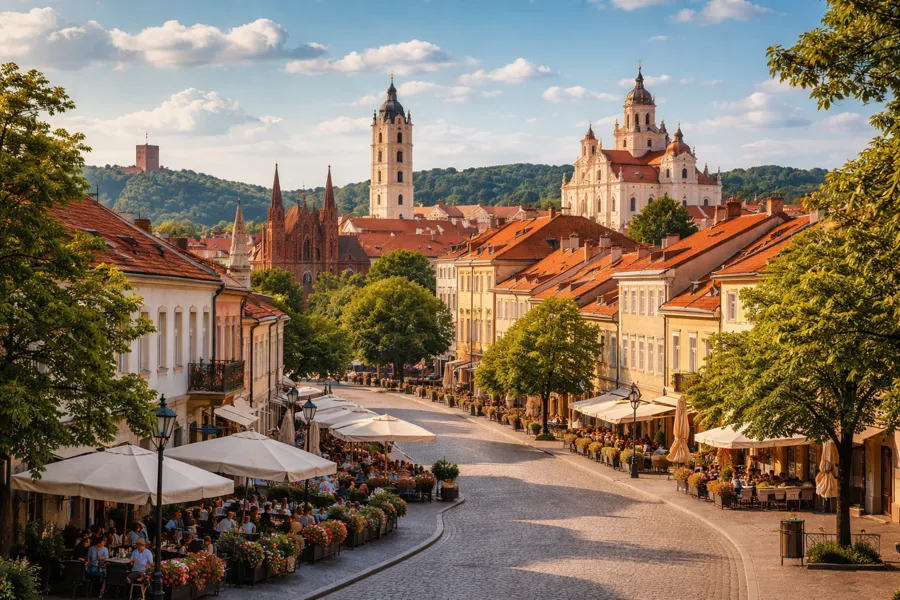
You don’t “visit” Old Town, you drift through it, and the slower you go, the better it gets. The streets twist just enough to make you curious, the courtyards open unexpectedly, and there’s always something slightly hidden just around the corner.
Start without a plan. That’s the whole strategy. Walk down the obvious streets first, then deliberately turn into the quieter ones. The smaller the street, the better the chance you’ll find something: a tucked-away café, a hidden courtyard, or a view that doesn’t look like it’s trying too hard.
And step into the churches. Not just one — a few. From the outside, they can look similar. Inside, they’re completely different. Some are minimal and quiet, others are dramatic and detailed, all of them free. It’s one of the easiest ways to “do culture” without spending anything or committing too much time.
Pause often. Sit in a square, watch people pass, then move again. That rhythm: slow, stop, wander. That is what makes Vilnius work.
It’s free, it’s beautiful, and it somehow gives you permission to not be in a hurry.
Gediminas Hill & Tower
For the best view in the city, head up Gediminas Hill but treat it as part of the experience, not just a viewpoint. The walk up is short but steep enough to feel like you’ve earned it, and the higher you go, the more the city starts to open up.
At the top, it’s not overwhelming, it’s balanced. Red rooftops, church towers, pockets of green, and the river cutting through it all. It feels calm, almost organised, which is rare for a capital.
Walk around the tower, don’t just stop at the first viewpoint. Each angle gives you something slightly different, and the quieter corners are usually the best ones.
Sunset is the moment. Not dramatic, not crowded — just soft light, long shadows, and the kind of view that doesn’t need to prove anything.
Užupis Republic
Yes, it calls itself a republic. No, no one is taking that too seriously. And that’s exactly why it works.
Užupis feels like a creative experiment that somehow became a neighbourhood. Walk across the bridge (there’s usually a small sign welcoming you), and everything shifts slightly: more art, more randomness, less structure.
Find the constitution on the wall and actually read a few lines. It’s strange, a bit philosophical, and very on-brand (“Everyone has the right to be happy” sounds simple until you think about it too long).
Keep walking without direction. Small galleries, sculptures, and odd details show up when you’re not looking for them.
It’s not about ticking anything off. It’s about staying just long enough to feel like you understand the mood.
Cathedral Square & Pilies Street
This is where everything comes together. Cathedral Square is wide, open, and always active. People meeting, waiting, passing through. It’s not chaotic, just constantly moving.
From here, Pilies Street pulls you into Old Town with a bit more energy. Shops, cafés, street life — it’s one of the few places where things feel slightly busy.
Walk it once during the day when everything is open and moving, then come back at night when it quiets down. The same street, completely different feeling.
It’s the easiest place to “reset” your orientation before getting lost again.
Bernardine Garden & River Walk
Right next to Old Town, Bernardine Garden is where the city softens. Clean paths, open space, and just enough structure to feel intentional without being formal.
Walk through slowly, then drift toward the river. The path along the water is simple, calm, and perfect for doing nothing in a way that feels productive.
Find a bench, sit down, and stay longer than you planned. No pressure, no noise, no urgency.
It’s one of those places that makes you forget you’re in a capital and reminds you why you came.
St. Peter & Paul Church (Don’t Skip This)
From the outside, it doesn’t prepare you for what’s inside. And that’s the point.
Walk in, look up, and give it a second. The entire interior is covered in white sculptures (thousands of them). They are detailed, layered, and slightly overwhelming in the best way.
Take your time moving through it. The details are everywhere, and the longer you look, the more you notice.
And it’s completely free. No ticket, no queue, no pressure. Just one of the most impressive interiors in the city, quietly existing.
Quietly Excellent Culture
Vilnius doesn’t push its culture at you. It lets you find it. And when you do, it’s usually worth it.
Pop into a gallery without overthinking it. Spend 20 minutes instead of two hours. The MO Museum is a good anchor, but smaller spaces around Old Town often feel more personal.
The key is low commitment. You don’t need a full “museum day” — just small, spontaneous stops that add something to your day without taking it over.
It’s easy, it’s affordable, and it makes the whole experience feel a bit more complete without ever feeling heavy.
Eat Like A Local, Pay Like It’s 2010
Coffee (Stay As Long As You Want)
Vilnius coffee culture is calm, not performative. Expect €2–€4 for a really good coffee, often in a space where no one is in a hurry. And no one expects you to leave quickly either.
Sit down, open a book or just stare out the window, and let time pass properly.
Lithuanian Comfort Food
Cepelinai (potato dumplings), soups, meat dishes — heavy, filling, and very affordable. Expect €5–€10 for a full meal.
It’s not light, but it is satisfying in a “you won’t need to eat again today” kind of way.
Lunch Menus (The Budget Hack)
Look for “dienos pietūs” (daily lunch menus) on weekdays. Many restaurants offer full meals for €5–€8.
This is the easiest way to eat well for very little without hunting for cheap spots.
Bakeries & Cafés
Pastries, cakes, sandwiches: €2–€5 and everywhere. Perfect for quick breakfasts or mid-day stops that turn into longer breaks.
Markets & Cheap Eats
Halės Market is a good spot for cheap local food, snacks, and a slightly more authentic feel than restaurants.
Walk around, pick something simple, and eat like you belong there.
Supermarket Picnics
Grab snacks, drinks, and something easy, then head to a park, riverbank, or square. Same experience as a café, just cheaper and more flexible.
Chill Nights, Low Prices
Bars & Craft Beer Spots
Vilnius nightlife isn’t chaotic — it’s relaxed. Bars are cosy, prices are reasonable (€3–€5 beers), and you can actually hear conversations.
It’s less “go hard” and more “stay longer than expected.”
Wine Bars & Hidden Spots
Small wine bars and tucked-away places in Old Town are perfect for low-key evenings. One drink, good atmosphere, no pressure to escalate the night.
Užupis Evenings
Come back here at night. It’s quieter, softer, and feels like a different place entirely.
River Walk Nights
Walk along the river in the evening. Lights reflecting, people strolling, low-key energy — it’s simple and exactly enough.
Hidden Gems That Feel Like Secrets
Three Crosses Hill
Another viewpoint, but quieter than Gediminas. A bit more effort to reach, but worth it for the calm and the view.
Verkiai Regional Park
Nature just outside the city. Forests, rivers, and space to breathe — all easily accessible and free.
Literatų Street
A small street covered in art dedicated to writers. Easy to miss, but worth finding.
Stotis District
A slightly grittier, more creative part of the city near the station. Less polished, more real, and full of small cafés, bars, and local life.
Free Walking Tours
Vilnius is easy to enjoy but even better when you understand it. Free walking tours (tip-based) give context, history, and stories that make everything click.
Trakai (Easy Day Trip)
About 30 minutes from Vilnius, Trakai looks like it belongs in a fairytale: a castle sitting on an island surrounded by lakes.
Cheap to reach by bus or train, and one of the best value day trips you can do.
Tips for travellers
Vilnius runs on euros, but it’s still noticeably cheaper than most Western European capitals.
Card payments are widely accepted. You’ll rarely need cash.
The pace is slower. No one is rushing, and neither should you.
Weather can shift, but nothing extreme. Just bring a light layer.
It’s very safe, even at night. Still, basic awareness always applies.
Weekdays are quieter, weekends bring more energy but still manageable crowds.
When To Go
Spring (Apr–Jun): Fresh, green, perfect for walking.
Summer (Jul–Aug): Warm, lively, outdoor cafés everywhere.
Autumn (Sep–Oct): Calm, golden, very photogenic.
Winter (Nov–Feb): Cold, snowy, Christmas markets, peak cosy atmosphere.
How Expensive Is Vilnius?
Food: bakery €2–5, meals €5–10, restaurant €10–15
Drinks: coffee €2–4, beer €3–5, cocktail €6–10
Transport: ticket ~€1, day pass a few euros
Accommodation: hostel €15–30/night, budget hotel €50–90
Where Your Vilnius Pace Slows Down (In A Good Way)
Vilnius doesn’t overwhelm you , it lets you settle into it. It’s calm, walkable, and full of small moments that don’t cost anything but somehow stay with you.
Between slow coffees, quiet streets, hidden art, and views that don’t try too hard, you can experience the city without ever thinking about your budget.
Bring time, not a checklist. The city will take care of the rest.