






It’s affordable, endlessly walkable in parts, and dangerously good at making you comfortable very quickly.
From Airport To The City Without Financial Trauma
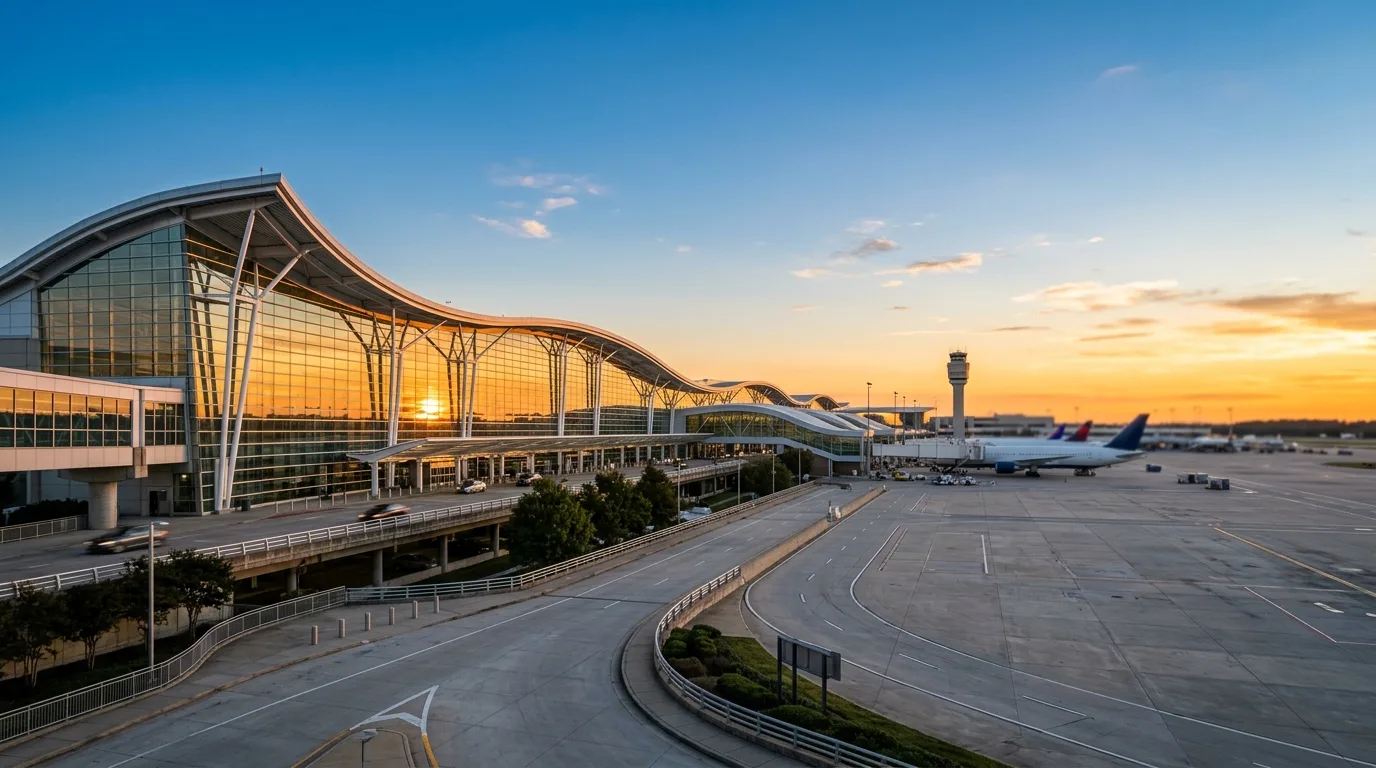
You can land at Chiang Mai International Airport and be eating mango sticky rice within 20 minutes if everything goes well. Which honestly feels like excellent urban planning.
Grab is the easiest option from the airport. Rides into the Old City or Nimman usually cost around 100–200 baht depending on traffic and timing. Airport taxis are also straightforward by Southeast Asian standards, which feels refreshing.
Tuk-tuks exist too, of course, but the pricing system sometimes appears based more on astrology than mathematics. Negotiate before getting in unless you enjoy surprise budgeting exercises.
Getting Around Without Accidentally Joining A Scooter Cult
Chiang Mai is much calmer than Bangkok , which means moving around is significantly less stressful.
The Old City is very walkable. You can spend hours wandering through little lanes filled with temples, cafés, smoothie spots, massage shops, and approximately 400 places selling elephant-print trousers.
For longer distances, Grab works brilliantly and stays cheap. Most short rides cost less than your coffee probably should.
Scooter rental is extremely popular and usually costs around 200–300 baht per day. Which sounds fun until you realise half the tourists in Chiang Mai are currently covered in bandages from “small scooter accidents.”
If you rent one, wear a helmet. Properly. Your future self will appreciate the effort.
Songthaews are another classic Chiang Mai experience. These red shared taxis roam around the city picking people up as they go. Sometimes they feel efficient. Sometimes they feel like public transport designed by improvisation.
Still cheap though.
Temples, Mountains & Markets: Cheap Things To Actually Do
Old City Temple Wandering
Chiang Mai’s Old City is basically an open-air collection of temples connected by cafés and noodle shops.
You don’t really need a strict plan here. Just walk.
You’ll accidentally find beautiful places every few minutes. Golden roofs, monks in orange robes, quiet courtyards, incense drifting through the air. It all feels strangely calming even when there are tourists everywhere trying to take photos respectfully but also dramatically.
Wat Chedi Luang is one of the biggest highlights. Ancient ruined temple, massive structure, genuinely atmospheric.
Wat Phra Singh is another classic. Elegant, peaceful, and excellent for escaping the afternoon heat briefly.
Most temples cost little or nothing to enter, which makes Chiang Mai one of the best cities for budget sightseeing.
Just dress respectfully. Temples are not the place for your aggressively beach-themed outfit.
Doi Suthep
If Chiang Mai has a main character mountain, it’s Wat Phra That Doi Suthep.
Sitting above the city on the mountainside, this temple gives you sweeping views across Chiang Mai plus enough gold decoration to briefly convince your brain you’ve entered a fantasy film.
Getting there is half the adventure. You can rent a scooter, hire a Grab, or take one of the shared red trucks heading uphill.
The staircase lined with serpent statues is iconic, although climbing it in tropical heat feels spiritually educational.
Go early morning if possible. Cooler weather, softer light, fewer crowds, and less chance of sweating through your soul.
Night Markets
Chiang Mai takes markets very seriously.
Chiang Mai Night Bazaar is the big famous one. Endless food, souvenirs, clothes, art, live music, and random objects nobody actually needs but suddenly desperately wants.
Then there’s the Sunday Walking Street, which basically transforms the city into one giant moving crowd. It’s busy, chaotic, and genuinely fun if you mentally prepare first.
Street food here is elite. Grilled meats, curries, coconut pancakes, mango sticky rice, smoothies, pad thai, fried bananas. Every five metres another smell tries convincing you to spend 40 baht.
Usually successfully.
Nimman
Nimmanhaemin, usually called Nimman, is Chiang Mai’s trendy café area.
This is where digital nomads, students, influencers, and suspiciously attractive people all seem to gather simultaneously.
The cafés are genuinely great though. Minimalist interiors, excellent coffee, air conditioning powerful enough to alter weather systems.
You can spend an entire afternoon café-hopping for relatively little money compared to Europe or North America.
Just be emotionally prepared to overhear at least one conversation about crypto or productivity systems.
Sticky Waterfalls
Bua Thong Sticky Waterfalls are one of the coolest cheap day trips near Chiang Mai.
The limestone surface lets you actually climb the waterfalls without slipping everywhere like a confused cartoon character.
It feels weirdly unreal the first time you do it.
Entry is free, although getting there requires transport. Best done with friends or as part of a cheap group trip.
Bring swimwear, water, and the understanding that your phone absolutely wants to fall into water today.
Doi Inthanon
Thailand’s highest mountain sounds dramatic because it is dramatic.
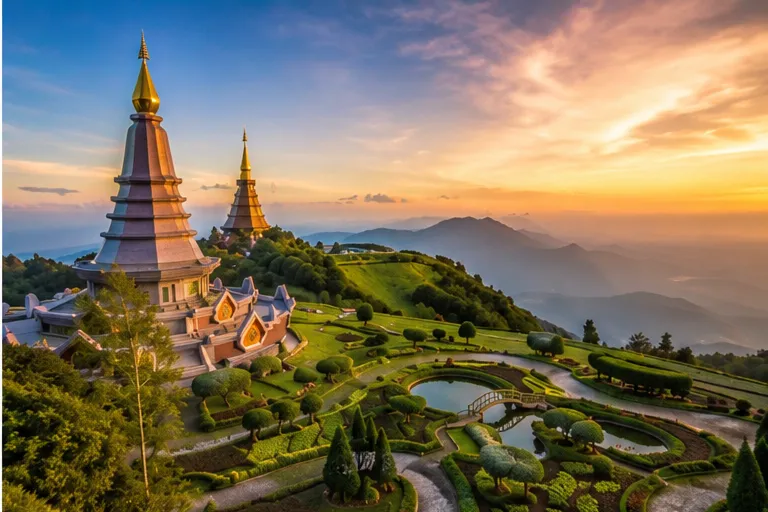
Doi Inthanon National Park gives you waterfalls, jungle trails, viewpoints above clouds, temples, and air noticeably cooler than the city below.
Tours are affordable by international standards and worth considering if you want a break from urban life.
The twin pagodas especially look like somewhere a fantasy game developer would design after being told to “make it peaceful but majestic.”
Cheap Eats That Will Permanently Raise Your Standards
Khao Soi
This is Chiang Mai’s signature dish and honestly one of the best noodle dishes on Earth.
Khao soi combines creamy coconut curry broth, noodles, crispy noodles on top, lime, pickled vegetables, and usually chicken or beef.
It’s rich, comforting, slightly spicy, and somehow costs around 50–100 baht in many places.
You will absolutely start ranking khao soi restaurants with inappropriate seriousness.
Street Food
Chiang Mai street food is not “cheap but acceptable.” It’s genuinely excellent.
You can eat incredibly well for a few pounds a day if you stick mostly to local spots and markets.
Pad kra pao, grilled pork skewers, fried rice, papaya salad, dumplings, noodle soups. Everything arrives quickly and usually tastes far better than it has any right to for the price.
Plastic stools are often a very good sign.
Smoothie Culture
Thailand’s fruit situation is unfairly good.
Mango smoothies, watermelon smoothies, pineapple smoothies, coconut smoothies. All cold enough to temporarily repair your emotional state after walking through afternoon heat.
Usually around 30–60 baht and available approximately every eight metres.
Café Hopping
Chiang Mai’s café scene is elite.
Jungle cafés, Japanese-inspired cafés, minimalist cafés, cafés with koi ponds, cafés with rice field views. The city genuinely competes for “most aesthetically committed coffee culture.”
And unlike London or Paris, you can sit for hours without spending the equivalent of your rent.
Northern Thai Food
Northern Thai cuisine deserves more international attention honestly.
Sai ua sausage, spicy dips, sticky rice, herbal flavours, smoky grilled meats. It’s different from the Thai food many people expect and absolutely worth exploring.
Just remember that “medium spicy” in Thailand can still become a life event.
Chiang Mai After Dark Without Destroying Your Budget
Night Markets Again
Yes, they deserve another section.
Chiang Mai markets at night become entire social ecosystems. Live music, tiny bars, endless food stalls, people browsing handmade goods while holding smoothies bigger than their heads.
Even if you buy nothing, the atmosphere alone is worth experiencing.
Rooftop Bars (Strategically)
Chiang Mai has some excellent rooftop bars overlooking the Old City and mountains.
The budget strategy is simple: one drink, enjoy the view, take your photos, then return to cheaper realities downstairs.
Live Music Bars
Small jazz bars and acoustic venues are everywhere around Chiang Mai.
Relaxed atmosphere, cheap beers, surprisingly talented musicians, and none of the exhausting energy of giant clubs.
Perfect if you want nightlife without feeling like you’re being attacked by bass.
Thai Massage
This is technically wellness, but honestly it also becomes a nightly ritual for many travellers.
A proper Thai massage for £5–£10 feels borderline illegal when you compare it to Western prices.
Sometimes relaxing. Sometimes your skeleton gets reorganised slightly. Either way, memorable.
Off The Tourist Path: Chiang Mai’s Low-Key Gems
Hidden Temples
The smaller unnamed temples around Chiang Mai are often the most peaceful.
Step inside almost any random temple courtyard and suddenly the traffic noise disappears completely.
Some places feel frozen in time despite sitting right next to busy roads.
Jing Jai Market
Jing Jai Market feels more local and relaxed than some of the bigger tourist markets.
Organic food, handmade crafts, good coffee, live music, and a calmer atmosphere overall.
Excellent for slow mornings.
Riverside Cafés
The Ping River area has some genuinely lovely cafés and restaurants where everything feels slower.
Perfect for escaping the heat slightly and pretending you’ve become a calm reflective person.
Monk Chats
Some temples offer informal “monk chat” programmes where travellers can speak with monks about Buddhism, life, Thai culture, or basically anything respectful.
Interesting, surprisingly wholesome, and often free.
Surviving Chiang Mai Like A Competent Traveller
Hydrate constantly. Thailand is not joking about heat.
Carry cash. Many smaller places still prefer it.
Respect temples and local customs properly. Chiang Mai feels more traditional than some Thai beach destinations.
Use sunscreen even when it looks cloudy. Tropical UV operates with confidence.
Do not pet random street dogs no matter how emotionally persuasive they appear.
Learn basic Thai greetings. Even small effort goes a long way.
Avoid elephant attractions that allow riding or obviously poor animal treatment. Ethical sanctuaries do exist, so research properly.
Don’t schedule too much every day. Chiang Mai works best at a slower pace.
When To Go
Cool Season (Nov–Feb)
Best weather overall. Cooler evenings, pleasant temperatures, peak travel season.
Hot Season (Mar–May)
Very hot. Like “why is the pavement angry at me” hot.
Also burning season can affect air quality significantly around March and April, so check conditions before booking.
Rainy Season (Jun–Oct)
Greener landscapes, fewer tourists, cheaper prices, dramatic afternoon rainstorms that usually pass quickly.
Honestly still very enjoyable if you don’t mind occasional rain.
How Expensive Is Chiang Mai?
Food: street meals 40–100 baht, khao soi around 60–120 baht, smoothies 30–60 baht
Drinks: Thai beer around 60–120 baht, coffee 50–120 baht
Transport: Grab rides often under 100 baht, scooter rental around 200–300/day
Accommodation: hostel £4–10/night, budget hotel £15–35
Massage: absurdly affordable compared to reality
Why Chiang Mai Gets Under Your Skin
Chiang Mai has a habit of making people slow down slightly without even noticing.
You wake up later. Sit longer in cafés. Wander without a plan. Eat better food. Stress less. Start considering whether you actually need twelve different productivity apps after all.
It’s affordable enough for budget travellers, comfortable enough for long stays, and interesting enough that boredom rarely becomes a problem.
Honestly, Chiang Mai doesn’t really try to impress you aggressively.
Which is exactly why so many people end up loving it.
Popular routes on Kiwi.com
- Cheap flights from London to Turkey
- Cheap flights from London to Barcelona
- Cheap flights from London to Japan
- Cheap flights from London to New York
- Cheap flights from New York to Paris
- Cheap flights to Spain
- Cheap flights to Italy
- Cheap flights to the United States
- Cheap flights to the United Kingdom
- Last minute flights
People Also Read

How to Travel Patagonia: A First-Timer's Guide to Chile & Argentina's Wild South


Where to stay in Palma de Mallorca: best areas for beaches, culture and nightlife