







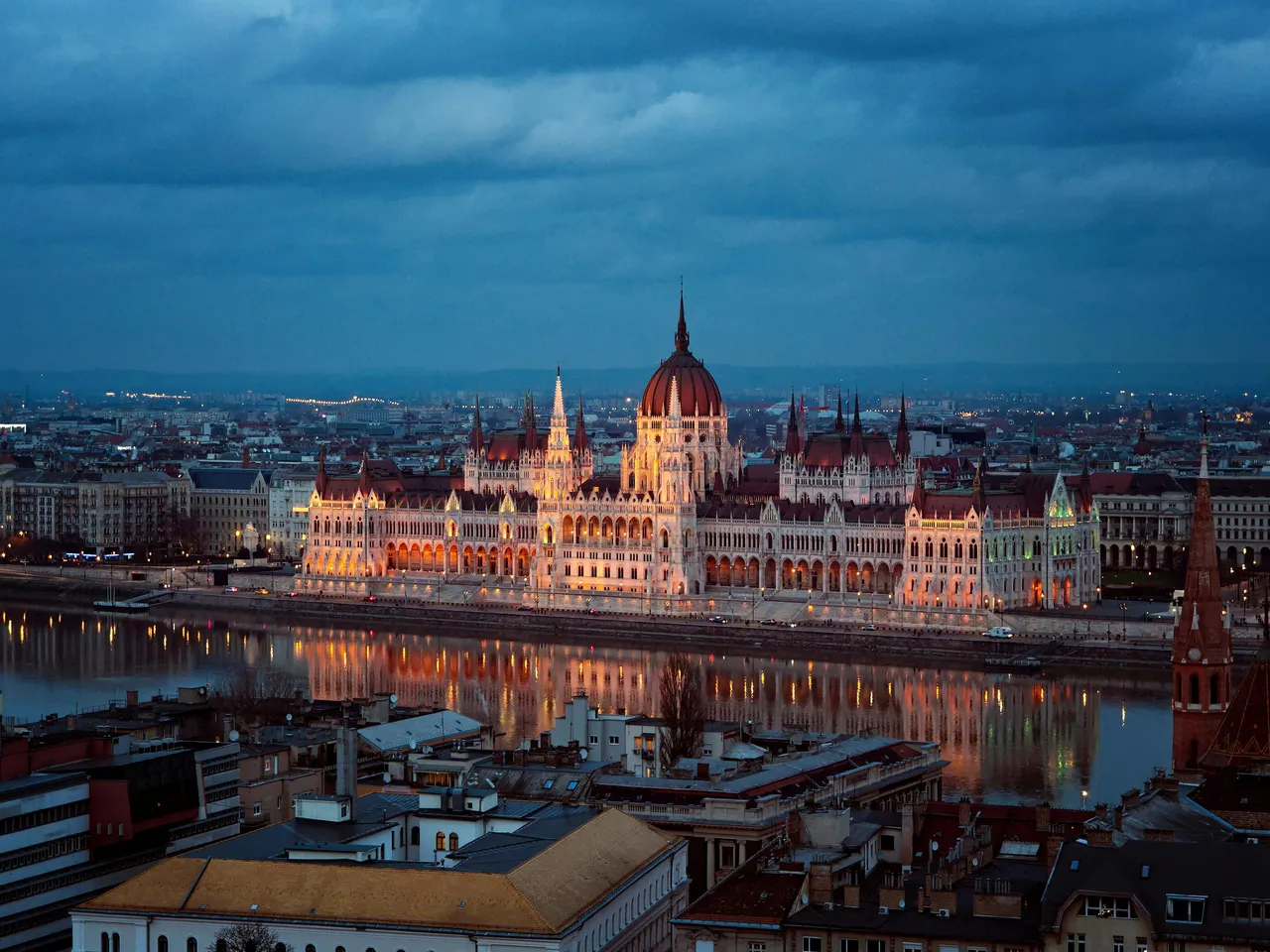
Few European capitals pack this much into a weekend. A Budapest city break gives you grand riverside architecture, centuries-old thermal baths, hearty food and one of the continent’s most original nightlife scenes, all split across two halves of a city divided by the Danube. Hilly, historic Buda sits on one bank, while flat, buzzing Pest spreads across the other.
In this article
You can see the headline sights in two or three days and still leave time to slow down in a bath or a café. If you want the case for why this city earns a place near the top of any European wish list, our feature on why Budapest is one of Europe’s greatest cities makes it well.
Quick Answer
Budapest works best as a two- or three-night city break. Spend one day exploring Pest (Parliament, St Stephen’s Basilica, the Jewish Quarter), one day around Buda (Castle Hill, Fisherman’s Bastion, Matthias Church), and keep the rest flexible for a thermal bath, a market or a museum. Comparing flexible flight dates on Kiwi.com helps you reach the city affordably.
A flexible weekend itinerary
- **Day 1 (Pest):**Parliament exterior and the Shoes on the Danube memorial, then St Stephen’s Basilica, lunch at the Central Market Hall, and an evening in the Jewish Quarter’s ruin bars.
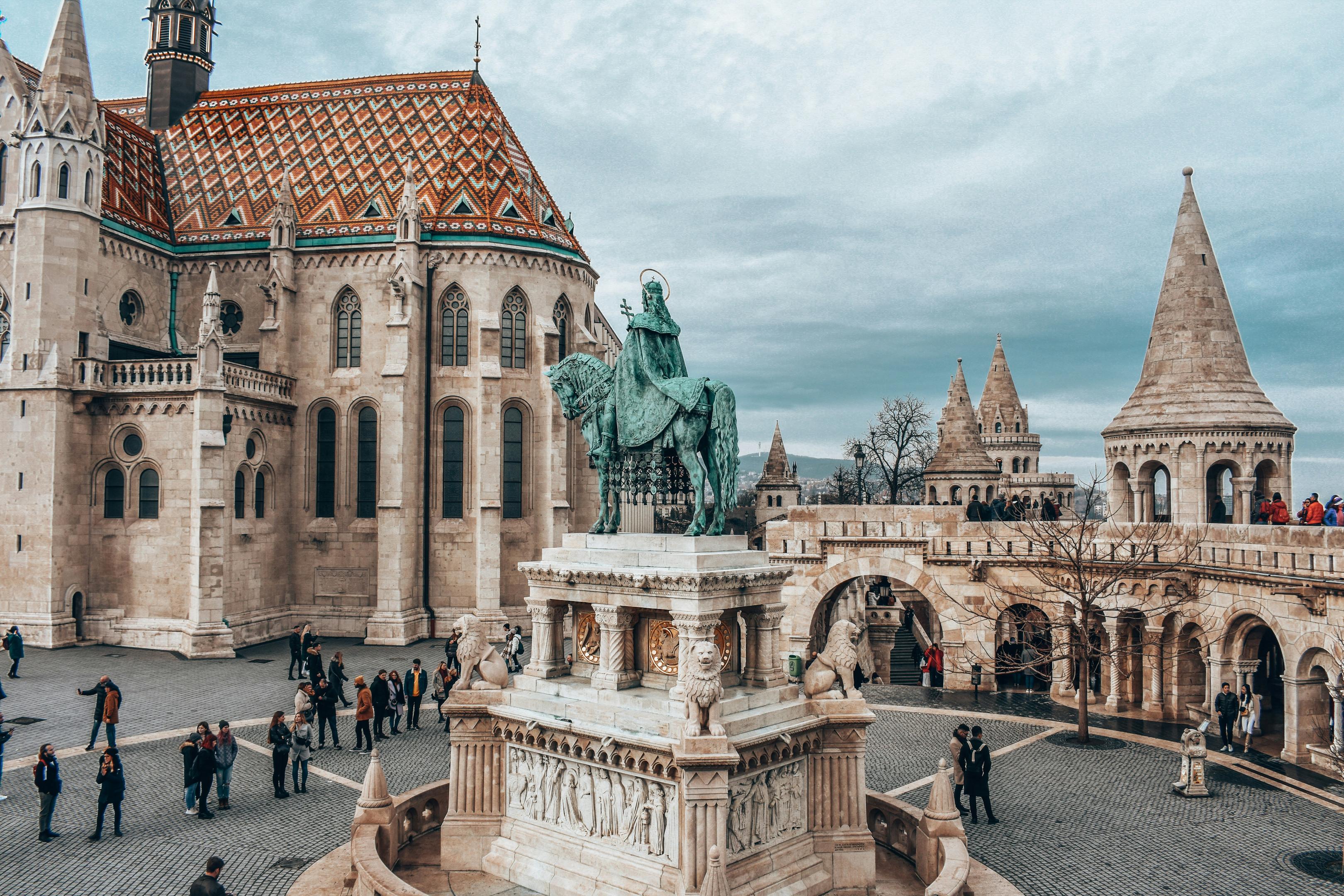
- **Day 2 (Buda):**Cross the Chain Bridge, walk Castle Hill, Fisherman’s Bastion and Matthias Church, then unwind in a thermal bath in the afternoon.
- **Day 3 (flexible):**An evening Danube cruise, Heroes’ Square and City Park, Margaret Island, or a museum, whatever suits your pace.
Group nearby sights on the same day to cut down on backtracking across the river.
Is Budapest Good for a City Break?
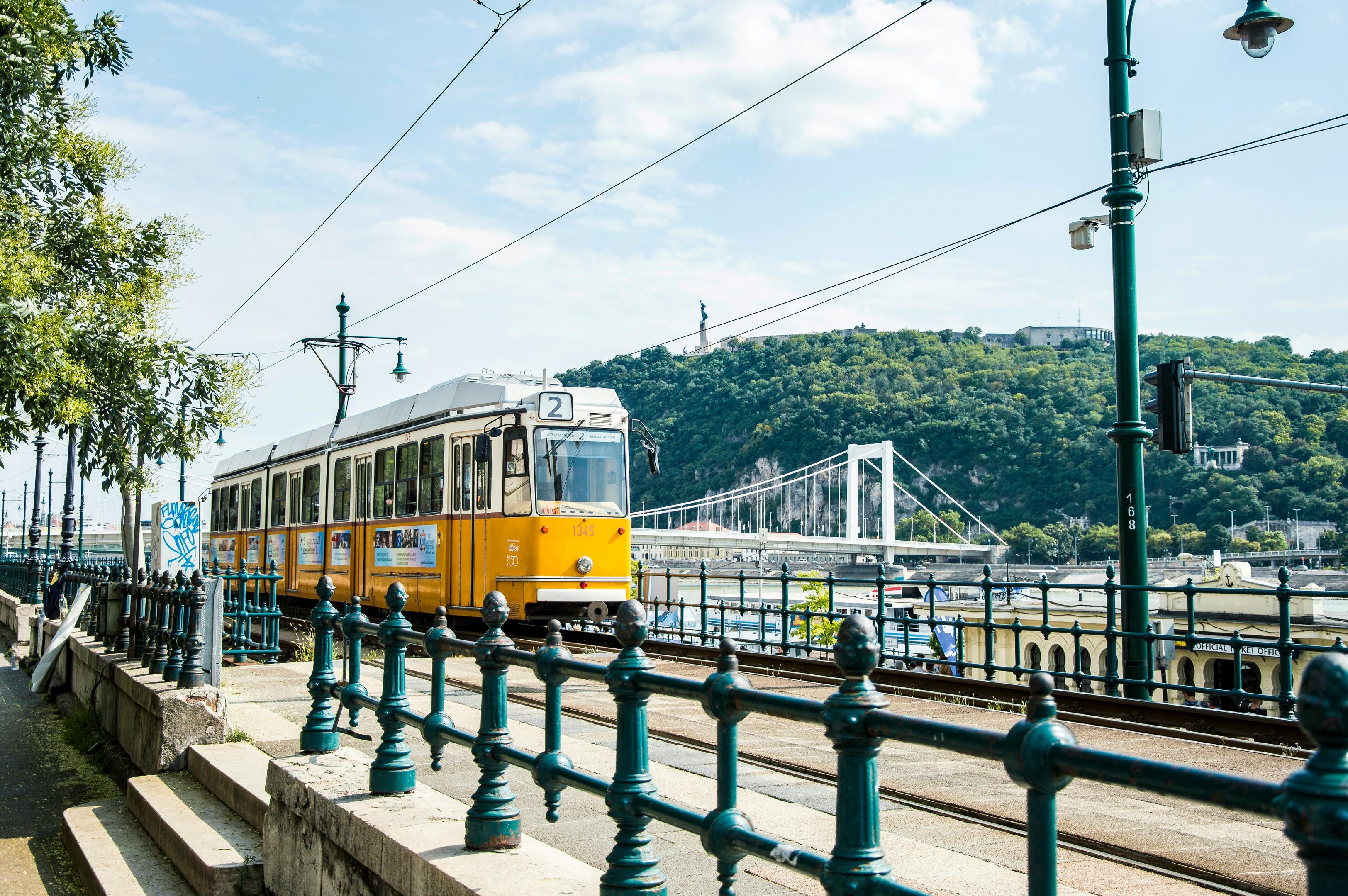
Yes, Budapest is a great city break location, and its layout is a big reason why. Most of what you’ll want to see clusters into a few central districts on either side of the Danube, so a lot of your sightseeing happens on foot. When distances stretch, an efficient metro, tram and bus network fills the gaps.
The mix of experiences also helps. You can pair paid highlights like a Parliament tour or a landmark bath with plenty of free ones: riverside walks, viewpoints over the two cities, and browsing markets and neighborhoods. Budget-focused Budapest guides regularly point to free viewpoints, public transport and market halls as easy ways to keep costs down.
On value, keep expectations realistic. Budapest is often cheaper than Western European capitals, but your actual spend depends on the season, the exchange rate and how you like to travel. It rewards planning rather than promising a fixed price.
How Many Days Do You Need in Budapest?
Two full days are enough for the principal landmarks, one for Pest and one for Buda. That covers Parliament, the basilica, Castle Hill and a bath without rushing too hard.
A third day changes the trip’s character. It buys you a slower pace and room for the things that get cut from a two-day dash: a museum such as the Hungarian National Gallery or the Budapest History Museum, a longer soak in a thermal bath, or a wander out to City Park and Heroes’ Square.
Who Is a Budapest Weekend Break Best For?
Almost everyone, which is part of the appeal. Couples get river views, historic streets and candlelit dinners. Groups get the ruin bars and the Danube nightlife. Solo travelers get a walkable, sociable city that’s easy to navigate.
It’s just as strong for culture-focused visitors drawn to grand architecture, opera and museums, and for budget-conscious travelers who lean on free sights and cheap eats. Budapest has a lively night scene, but it would be a mistake to treat it only as a party destination.
How to Find Affordable Flights to Budapest
Getting there cheaply is mostly about flexibility. Shifting your dates by a day or two, checking more than one departure airport near you, and staying open on routing can surface options a rigid search misses.
This is where combining airlines helps. Kiwi.com ’s Virtual Interlining technology builds itineraries from hundreds of carriers, including low-cost airlines that don’t normally connect with one another, so you can see route combinations that traditional searches hide. Start by comparing cheap flights across a range of dates. No single method guarantees the lowest fare every time, but comparing widely gives you the best shot at a good one.
Which Airport Do You Fly to for Budapest?
Budapest has one main airport: Budapest Ferenc Liszt International Airport, code BUD, around 16 km southeast of the centre. It handles almost all scheduled flights to the city, from full-service carriers to low-cost airlines.
From there you have a choice of public transport and taxis into town. Check the current transfer options, ticket types and journey times on the official airport and BKK (Budapest’s transport operator) pages before you travel, since services and fares change.
When Should You Book Flights to Budapest?
There’s no magic date. Airfare moves with demand, season, route and which airport you leave from, so a “cheapest day to book” rule rarely holds up in practice.
A better approach is to search flexible dates and compare fares across a window rather than fixating on one departure. If you want the reasoning behind the timing, our guide to the best days to book flights explains what actually moves the price.
Can You Book a Last-Minute Budapest Break?
Often, yes. Budapest is well connected across Europe, so a spontaneous weekend is realistic, especially if you can flex your departure time, airport or trip length to fit whatever’s available.
The catch is timing. Around public holidays, long weekends and major events, late bookings can cost more and sell out faster. If you’re chasing a deal on short notice, keep an eye on last minute flights and stay flexible on the details.
The Best Time for a Budapest City Break
There’s no single best month, because each season offers a different version of the city. Budapest sits in a continental climate, which means warm summers and properly cold winters, and the thermal baths feel especially good in the chillier months.
| Season | Weather & daylight | Crowds | Good for |
|---|---|---|---|
| Spring (Mar to May) | Mild, changeable, longer days | Moderate | Comfortable sightseeing, fewer summer crowds |
| Summer (Jun to Aug) | Hot, long evenings | High | Riverfront life, outdoor dining, festivals |
| Autumn (Sep to Nov) | Cool, crisp walking weather | Moderate | Culture, seasonal food, easy walking |
| Winter (Dec to Feb) | Cold, short days | Lower (peaks at markets) | Christmas markets, thermal baths, indoor sights |
Verify event dates and seasonal weather averages close to your trip, as both shift year to year.
Budapest in Spring
Spring is a sweet spot for sightseeing: milder temperatures, greener parks and generally thinner crowds than the peak of summer. Just pack for changeable weather, because a warm afternoon can turn into a cool, showery evening.
Budapest in Summer
Summer brings long days, packed riverside terraces and a full events calendar, along with the highest visitor numbers. Plan around the heat by carrying water, seeking shade in the middle of the day, and booking popular tours and restaurants ahead.
Budapest in Autumn
Autumn may be the most underrated time to visit. The walking weather is crisp and comfortable, the cultural season picks up, and seasonal Hungarian food is at its best. Fares depend on your specific dates, so treat prices individually rather than assuming autumn is automatically cheap.
Budapest in Winter
Winter leans festive and cosy: Christmas markets, warming food, museums and, best of all, steaming outdoor thermal baths against the cold air. Check holiday opening hours in advance, since some attractions run reduced schedules, and pack properly for freezing temperatures.
Where to Stay in Budapest for a Short Break
Your first decision is which side of the river to base yourself on. Broadly, Pest is flatter, busier and closer to most nightlife, dining and shopping, while Buda is quieter, hillier and rich in historic sights. For a short trip, choose by atmosphere, sightseeing access, noise and transport rather than chasing one specific hotel.
| Area | Side | Best for | Watch out for |
|---|---|---|---|
| District V (Belváros) | Pest | First-timers, central sights | Higher room rates |
| District VII (Jewish Quarter) | Pest | Nightlife, restaurants, ruin bars | Late-night street noise |
| Castle District | Buda | History, views, quiet | Hills; nightlife is across the river |
| District VI (Terézváros) | Pest | Cafés, culture, transport links | Availability varies by street |
District V for First-Time Visitors
District V, the central Belváros, is the easy choice for a first visit. It sits close to the Danube, Parliament, St Stephen’s Basilica and the Chain Bridge, so much of the city is walkable from your door. Convenience comes at a price, though, and rooms here tend to cost more than in outer districts.
District VII for Nightlife and Ruin Bars
District VII, the Jewish Quarter, is the heart of Budapest’s food and nightlife scene, home to the original ruin bars and a dense run of restaurants and cafés. It’s brilliant if you want to step out of your accommodation into the action. Be aware that some streets stay noisy well into the night, so light sleepers should check the exact location before booking.
The Castle District for History and Views
Over on the Buda side, the Castle District trades buzz for calm. You’re among cobbled lanes, historic architecture and some of the best viewpoints in the city, which is ideal if you value quiet and scenery. The trade-off is that much of the dining and nightlife sits across the river, so factor in a bridge crossing for evenings out.
District VI for Cafés, Culture and Transport
District VI, around the grand Andrássy Avenue, blends elegant café culture with strong transport links and cultural landmarks like the Opera House. It’s a comfortable base for museum-goers and anyone who wants easy metro access. Neighborhood feel varies street to street, so weigh the general atmosphere against the specific place you’re booking.
Best Things to Do on a Budapest City Break
You can’t do everything in a weekend, so here’s a focused shortlist that captures the city’s history, architecture, bathing culture and nightlife. Destination coverage of Budapest consistently features Parliament, Castle Hill, Fisherman’s Bastion, the thermal baths and the Jewish Quarter among its defining experiences. For a deeper, budget-minded rundown, see our guide to Budapest travels .
See the Hungarian Parliament Building
The Hungarian Parliament Building is the city’s signature landmark, a vast Gothic Revival palace on the Pest riverbank, and one of the largest parliament buildings in the world. It looks spectacular from the water and from the Buda side across the river, so build in time to admire it from both angles, ideally at dusk when it’s floodlit.
Interior visits run as guided tours and can sell out, with security and identification rules to follow. Book through the official visitor service and check current tour availability and ticket details before you go.
Walk Through the Buda Castle District
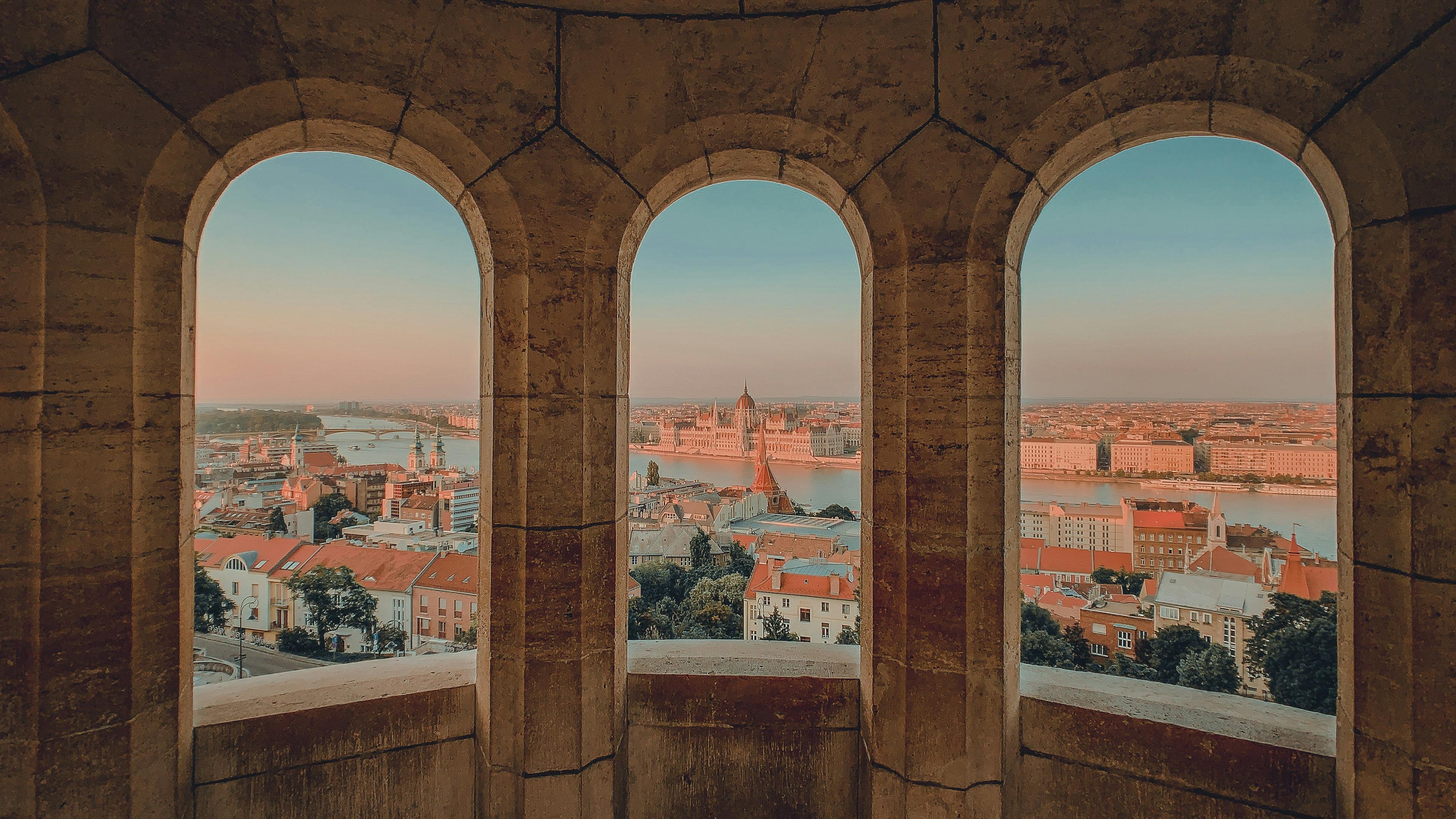
Castle Hill packs three of Buda’s headline sights into one easy walking route: Buda Castle (the former Royal Palace, now home to the Hungarian National Gallery and the Budapest History Museum), Fisherman’s Bastion with its fairytale turrets, and the colorful-roofed Matthias Church.
Do them as a loop rather than separate trips. Expect hills and steps (the funicular or a bus can save your legs on the way up), and allow a few hours to enjoy the viewpoints without rushing.
 Budget Guides
Romance, ruins and rebellion: why Budapest is one of Europe’s greatest cities
At once romantic and wild, highbrow and gritty, Budapest has an energy and a vibe that drags you in and won’t let you go until you’re utterly in love
Read the guide
Budget Guides
Romance, ruins and rebellion: why Budapest is one of Europe’s greatest cities
At once romantic and wild, highbrow and gritty, Budapest has an energy and a vibe that drags you in and won’t let you go until you’re utterly in love
Read the guideRelax in a Thermal Bath
Bathing is woven into daily life here, and it’s one of the most memorable things you can do on a short break. For the full spectacle, the grand Széchenyi baths in City Park offer huge outdoor pools; for something calmer and more historic, the Turkish-era Rudas or the Art Nouveau Gellért baths make a quieter alternative.
Bath etiquette and practical tips
Bring or rent a towel, and pack swimwear (many pools require it), flip-flops, and a swim cap only where specified. Lockers and cabins are available; some baths get busy at midday and weekends, and booking online ahead can save queuing. Check the current entry rules and prices on each bath’s official site before you visit.
Take an Evening Danube Cruise
Seeing the illuminated riverfront from the water is a Budapest classic. An evening cruise glides past the lit-up Parliament, Chain Bridge and Castle Hill, giving you a different perspective on the two cities. Compare operators on cruise length, seating, commentary and whether a drink or dinner is included, rather than picking on price alone.
Visit the Shoes on the Danube Bank Memorial
A short walk from Parliament, the Shoes on the Danube Bank Memorial is a row of sixty iron shoes fixed to the embankment. It commemorates the people, most of them Jews, who were shot here by the fascist Arrow Cross militia in 1944 and 1945 and fell into the river. This is a place of remembrance, so approach it quietly and respectfully, because it deserves more than a quick photo.
Explore Budapest’s Ruin Bars
Ruin bars are Budapest’s most distinctive night out. They began in the early 2000s when bars opened inside the abandoned buildings of the Jewish Quarter, filling crumbling courtyards with mismatched furniture and art. Szimpla Kert, which opened in 2002, is the original and most famous, and it’s worth seeing, though it draws crowds, so branch out to quieter neighbouring bars too.
Drink responsibly and remember these bars sit in a residential area, so keep the noise down on the streets late at night.
Browse the Central Market Hall
The Great Market Hall (Központi Vásárcsarnok) is a grand three-floor iron-and-glass hall near the river. Downstairs you’ll find fresh produce, meats and sacks of Hungarian paprika, while upstairs are food stalls serving lángos and other snacks, plus souvenir sellers. Prices on the tourist-facing upper floor can run higher, so compare with smaller local markets if you’re shopping for value.
What to Eat and Drink in Budapest
Hungarian food is rich, warming and generous, built for cold winters and big appetites. You’ll eat well across budgets, from market stalls to historic dining rooms, and there are more vegetarian and modern options than the classic meat-heavy menus suggest.
Hungarian Dishes to Try
Start with the classics and learn what they actually are. Goulash (gulyás) is a paprika-spiced beef soup, not the thick stew served abroad. Chicken paprikash is chicken in a creamy paprika sauce. Lángos is a deep-fried dough disc, usually topped with sour cream and cheese. Chimney cake (kürtőskalács) is a sweet, spit-roasted pastry.
Verify spellings on menus, and take “traditional” with a pinch of salt, because some restaurant versions are modern takes rather than exact representations of how locals cook at home.
Budapest’s Coffeehouse Culture
Budapest has a proud coffeehouse tradition, and its grand historic cafés are worth experiencing for the setting alone. The catch is that the most famous ones come with queues and premium prices. If you’d rather linger without the wait, a smaller neighborhood café often gives you the same relaxed ritual at a gentler cost.
Where to Eat on a Budget
Eating cheaply here is easy. Market halls, bakeries, weekday lunch menus (napi menü) and casual Hungarian restaurants all serve filling meals for modest sums. Rather than fixing a strict daily food budget, price things as you go, because recent, dated figures are the only reliable ones and menus change.
Getting Around Budapest
For a short stay, a mix of walking and public transport covers almost everything. The central districts are compact enough to explore on foot, and Budapest’s metro, trams and buses handle the longer hops and the trip in from the airport.
Fares, ticket types and validation rules change, so check the official BKK transport information for the latest before you buy.
Is Budapest Walkable?
Very, especially in the flat heart of Pest, where landmarks sit close together. That said, the Danube divides the city, Buda is hilly, and some sights are spread out, so public transport is genuinely useful for crossing the river or reaching City Park. Comfortable shoes make a real difference over a full day of sightseeing.
How Does Public Transport Work?
Budapest uses a single integrated system of metro, tram, bus and trolleybus, with single tickets, bundles and travel passes. Tickets generally need validating, and passes can be better value if you’ll ride often. Because the rules and prices are updated periodically, confirm the current system through BKK, the official operator, before your trip.
How Do You Get From Budapest Airport to the City Centre?
The main official options run from BUD into town. The 100E Airport Express bus links the airport directly with Deák Ferenc tér in the centre, around the clock, in roughly 40 minutes; it needs a dedicated airport shuttle ticket rather than a standard single. Licensed taxis are the door-to-door alternative.
| Option | Route | Notes |
|---|---|---|
| 100E Airport Express bus | BUD to Deák Ferenc tér (city centre) | 24/7; ~40 min; requires a special airport shuttle ticket |
| Local bus + metro | BUD to a metro line, then into the centre | Cheaper; more changes and longer |
| Licensed taxi | Door to door | Use the official airport taxi rank only |
Confirm current fares and timings on the official airport and BKK pages, and avoid unlicensed drivers who approach you in the terminal.
How to Plan a Budapest City Break on a Budget
Your highest costs are flights, accommodation, transport, attractions and meals. Manage those five and the trip stays affordable, without forcing you into the cheapest version of everything. Treat “budget” as a set of choices, not a rulebook.
Travel Outside Peak Dates
Midweek departures and flexible travel dates tend to open up more choice on both flights and accommodation. It won’t guarantee savings, but a Tuesday-to-Thursday trip usually gives you more to compare than a fixed summer-weekend search.
Mix Free Sights With Paid Attractions
Balance the budget by pairing free experiences with a couple of paid priorities. River walks, the city’s viewpoints, neighborhood wandering and memorials cost nothing, so save your spend for one or two standouts like a Parliament tour or a landmark bath. Note which of those need advance reservations, because the popular ones sell out.
Choose Accommodation Based on Total Trip Cost
A cheap room far from the center can end up costing more once you add daily transport and lost time. Compare places based on the total trip cost, not just the nightly rate, and factor in location, transport links, and cancellation terms before you book.
Avoid Common Tourist Costs
A few avoidable charges catch visitors out. Watch for poor exchange rates at some currency kiosks, decline dynamic currency conversion (always choose to pay in forints, not your home currency, when a card machine asks), skip unlicensed transport, and check restaurant bills for service charges. For current money advice, rely on official or banking sources rather than street vendors.
Practical Budapest Travel Tips
A little preparation removes most of the friction before you arrive. Here’s the essential ground to cover: money, language, safety, bath etiquette and what to pack. Hungary uses the forint (HUF); some tourist businesses may quote or accept euros, but check the exchange rate and terms before you agree to any transaction.
Money and Payments
The local currency is the Hungarian forint, and cards are widely accepted in visitor-facing businesses. Keep some cash for small purchases and markets, and be wary of unfavourable conversion offers. Not every business takes the same payment methods, so don’t assume card-only will always work.
Language and Basic Etiquette
Hungarian is famously tricky, but you’ll find English widely used in hotels, restaurants and tourist services, so communication is rarely a barrier. Learning a couple of words still goes a long way, and a friendly “szia” (hi) or “köszönöm” (thank you) is always appreciated.
Safety and Common Scams
Budapest is a generally safe city for visitors, and the usual big-city sense applies. Keep valuables secure in crowds and on busy transport, check your bill in bars and restaurants, use only licensed taxis, and buy tickets from official outlets rather than unofficial sellers. There’s no need to feel anxious, just stay aware.
What to Pack
Comfortable walking shoes (essential year-round), layers you can adjust, a rain jacket or small umbrella, swimwear for the thermal baths, and a reusable water bottle. Add sun protection in summer and a warm coat, hat and gloves in winter.
Start Planning Your Budapest City Break
Budapest is one of Europe’s most rewarding short breaks: big on history, baths and river views, and gentle on the budget when you plan well. The next step is simply getting there. On Kiwi.com you can compare flexible dates and routes into Budapest, and its Virtual Interlining technology can combine airlines that don’t normally connect, surfacing itineraries other searches miss. Try a few date combinations, weigh up your nearest departure airports, and build the weekend around the Budapest you want to see.
Budapest City Break FAQs
How many days are enough for a Budapest city break?
Two full days cover the major highlights, one for Pest and one for Buda, taking in Parliament, Castle Hill, a thermal bath and the Jewish Quarter. A third day adds a relaxed pace and room for extras like a museum, a longer soak or a neighborhood beyond the center.
Is Budapest expensive for a weekend break?
It’s often more affordable than Western European capitals, but the total depends on your flights, travel dates, accommodation and activities. You can control the cost by mixing free sights, such as viewpoints and river walks, with a couple of selected paid experiences rather than doing everything.
What is the best month to visit Budapest?
There’s no single best month. Spring and autumn offer comfortable sightseeing weather and lighter crowds, summer brings long days and outdoor life, and winter delivers Christmas markets and steamy thermal baths. Choose the season that matches the trip you want rather than one “perfect” date.
Do you need cash in Budapest?
Cards are accepted in most visitor-facing businesses, but some cash is still handy for markets, small cafés and tips. Carry Hungarian forints rather than relying on euros, and if a card machine offers to charge you in your home currency, decline and pay in forints for a fairer rate.
Are Budapest’s thermal baths worth visiting?
For most visitors, yes. The baths are central to the city’s culture, the historic architecture is beautiful, and a soak is a genuinely relaxing way to break up sightseeing. Weigh the crowds, entry price and your own preference for grand-and-busy versus small-and-quiet when choosing which bath to visit.
Can you visit Buda and Pest in one weekend?
Easily. A two-day plan works well if you dedicate one day to each side and group nearby attractions together. Cross the river by bridge, tram or metro, and manage your transport time so you’re not doubling back, because Buda’s Castle Hill and Pest’s central sights each fill a comfortable day.
Is Budapest suitable for couples?
It’s a strong choice for couples, with river views, historic streets, thermal baths, characterful restaurants and evening Danube cruises. There’s plenty of romance without the crowds of some bigger capitals, and it’s easy to balance active sightseeing with slow, relaxed time together.
What should you not miss on your first trip to Budapest?
Focus on a handful of essentials: the Parliament Building and the Danube riverfront, Castle Hill on the Buda side, a thermal bath, a proper Hungarian meal, and one evening experience such as a ruin bar or a river cruise. That shortlist captures the city’s character in a single weekend.