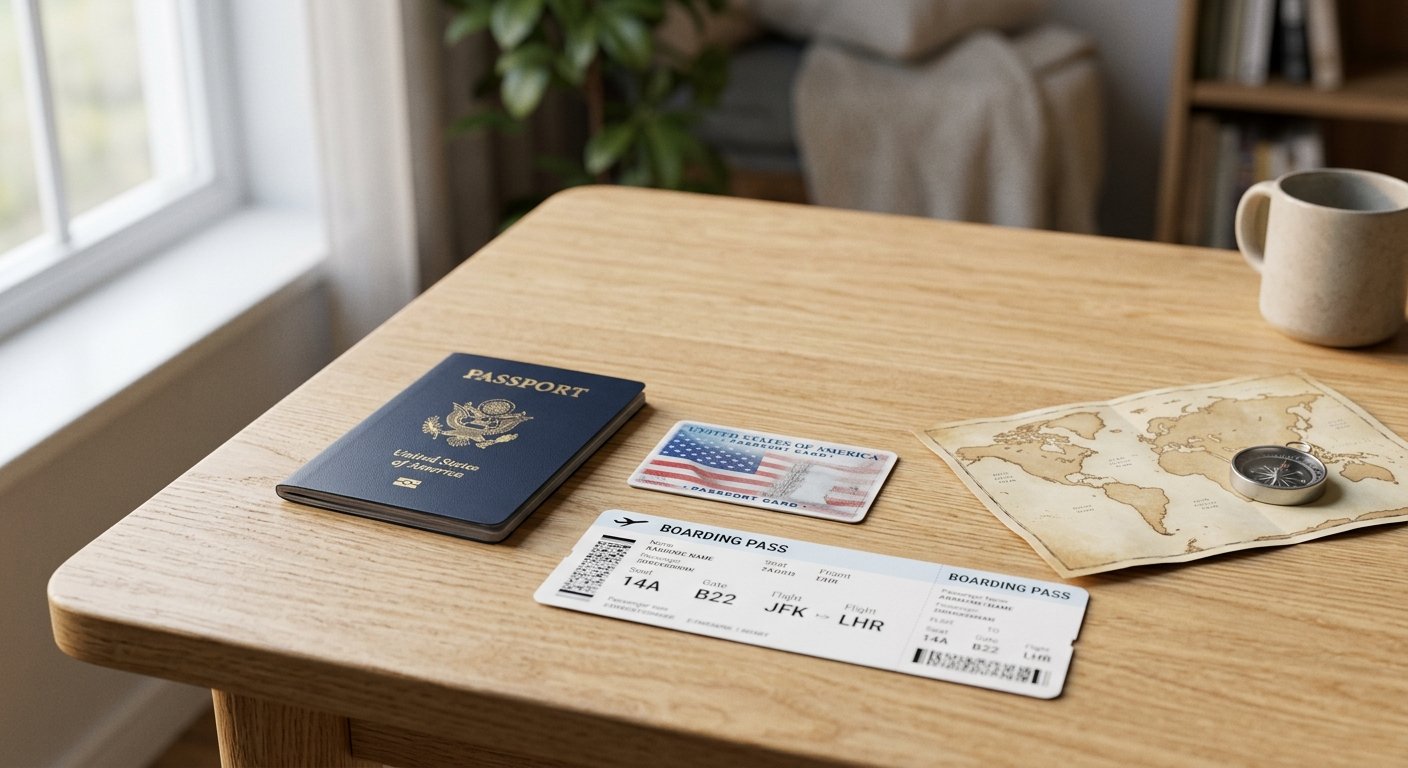








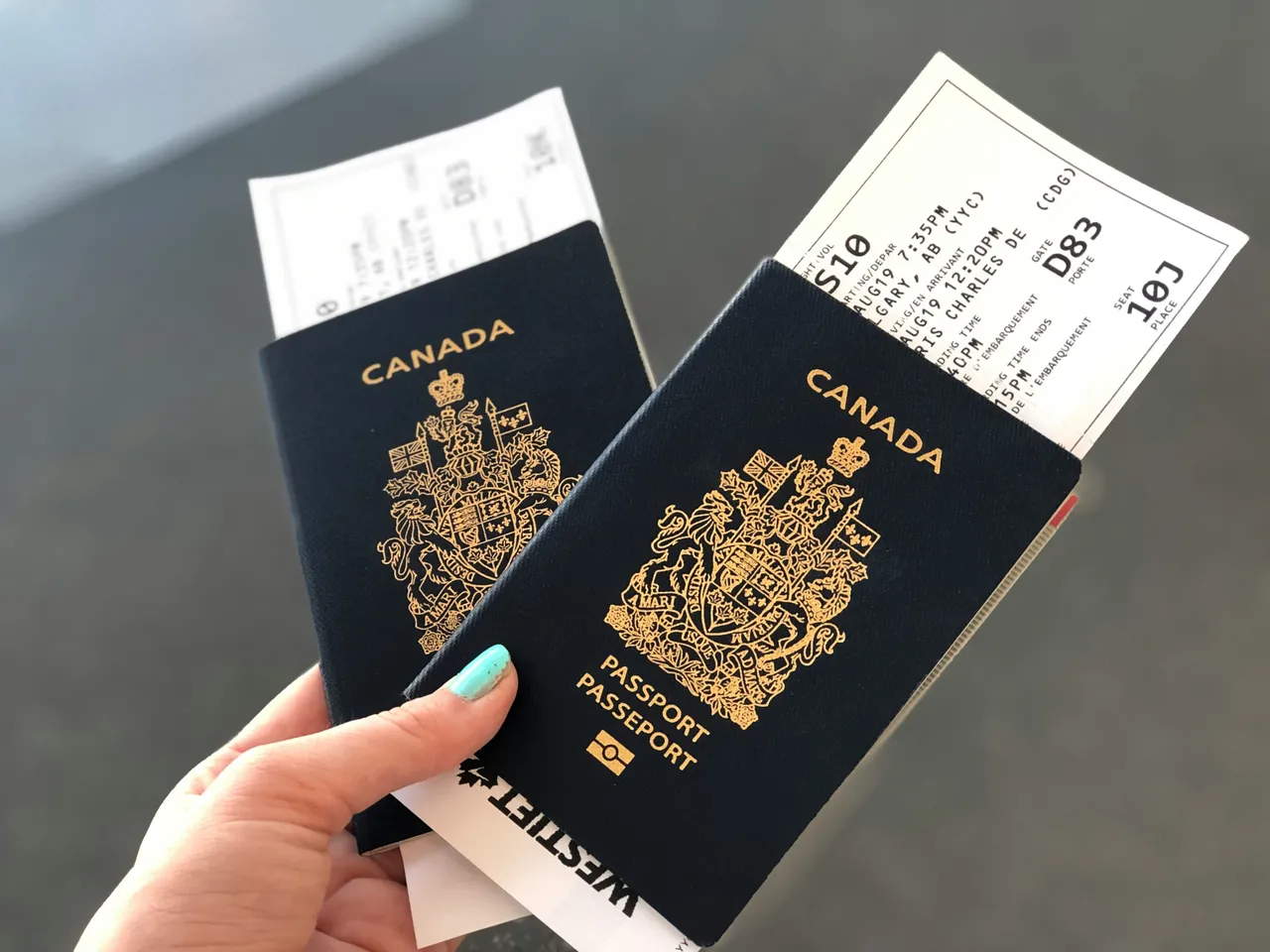
So, do you need a passport to go to Canada? Most of the time, yes, but Canada’s entry rules aren’t one-size-fits-all. What you need depends on your citizenship, how you’re travelling (air, land, or sea), and why you’re visiting. In practice, travellers may need a passport to Canada, plus either an eTA (electronic Travel Authorization), a visitor visa (Temporary Resident Visa/TRV), or specific documents that only work at land and sea borders. Canada’s own border agency also reminds travellers that airlines will check your documents before you board, and then a border services officer checks them again when you arrive.
In this article
This guide breaks it down in plain English with simple, country-by-country rules, plus a checklist at the end. And if you want one “safe” answer that works almost everywhere: a valid passport is the most widely accepted, least stressful option. (Your future self at the check-in desk will thank you.)
For the official government overview of acceptable travel documents, see the Canada Border Services Agency (CBSA) guidance: CBSA travel document guidance .
Quick answer – Canada’s passport, visa, and eTA rules
Here’s the quick version (the one you’d tell a friend while speed-walking through departures):
- A passport is needed for Canada in most cases, especially if you’re flying.
- If you’re from a visa-exempt country, you usually need a passport for Canada and an eTA to board a flight to Canada.
- If you’re from a country that isn’t visa-exempt, you’ll need a visitor visa (TRV) before you travel.
- Airlines check your documents before boarding, and then CBSA checks again on arrival, so the “I’ll sort it out when I land” strategy is… not an option.
If you’re already in trip-planning mode, you can start browsing flights (and yes, you’ll want your name to match your passport exactly).
How Canada checks your documents at the airport and border
Canada’s document checks happen in two main moments:
- Before you fly (airline checks): Airlines verify that you have the right documents to travel, like a valid passport, and (when required) an eTA or visa. CBSA explicitly notes that airlines check identification and travel documents before boarding, and that airline requirements can differ, but boarding doesn’t guarantee entry.
- When you arrive (CBSA inspection):
A border services officer checks your identity/citizenship and decides whether you’re admissible. Expect questions about:
- Purpose of travel (tourism, business, visiting family, etc.)
- Length of stay
- Where you’ll stay
- Proof of funds
- Onward/return travel
- Any admissibility issues (criminality, prior overstays, etc.)
If you’re shopping for routes, airlines, and dates, Kiwi’s cheap flights to Canada page is a handy jumping-off point. Just make sure your documents are sorted first, because the best fare in the world won’t help if you’re denied boarding.
Passport and ID rules for US citizens travelling to Canada
US travellers get one big advantage: you generally don’t need an eTA or a Canadian visitor visa if you travel with a valid US passport. But the document you use can change depending on whether you fly, drive, or cruise.
Flying from the US to Canada
Let’s answer the big one directly: Does a US citizen need a passport to go to Canada by air? Yes. For international flights, airlines expect a valid US passport book.
Also good news: US citizens with a valid US passport don’t need a Canadian visa or an eTA to enter Canada.
Important nuance: A US passport card is designed for limited international travel and is typically accepted for certain land/sea crossings, not as your go-to for international flights. If you’re flying, make sure to bring the passport book.
Driving or taking a bus/train from the US to Canada
Now the classic road-trip question: can you drive to Canada without a passport?
At the land border, there can be more flexibility. Depending on your situation, you may be able to enter using documents like:
- A passport book, or
- A passport card (limited-use), or
- Trusted traveller cards like NEXUS, or
- Certain Enhanced Driver’s Licences (EDLs) (where available).
That said, rules can be itinerary-specific and document-specific, and you’ll still need the right papers to get back into the US. US border rules under theWestern Hemisphere Travel Initiative (WHTI) are what drive many of these document options for returning by land/sea.
If you want the least drama at the border, a passport book remains the most universally understood option.
Special cases – children and cruises
Can I get into Canada without a passport if I’m travelling with kids or going on a cruise? Sometimes, but this is where details matter.
- Children/minors: Documentation can vary based on custody arrangements, whether one parent is travelling, and the border officer’s questions. Canada’s visitor guidance highlights that minors have special considerations, so plan ahead (especially for consent letters when a child travels with only one parent or another adult).
- Cruises: Cruise lines set their own document requirements based on itinerary (closed-loop vs. one-way, ports visited, etc.), and you still must meet Canada’s entry rules when you disembark. CBSA also reminds travellers that airline/carrier checks happen before you travel.
So, can I get into Canada without a passport? It’s occasionally “maybe” for specific land/sea situations, but for most travellers (and especially for flights), the practical answer is still: bring a passport.
Passport, eTA, and visa rules for UK travellers
For UK citizens, the common setup is:
- You’ll need a passport to visit Canada, valid for your stay.
- You usually don’t need a visitor visa, but you do need an eTA when flying.
- If you enter by land or sea, the eTA isn’t required, but you still need the right travel document (in practice: your passport).
So if you’re asking, do you need a passport for Canada, or do you need a passport to visit Canada from the UK? Yes, and if you’re flying, add an eTA to your pre-trip checklist.
Passport and eTA rules for Europe and Schengen travellers
Most EU/EEA and Schengen-area travellers are also visa-exempt for short visits, but that doesn’t mean you can ignore the rules.
Typical rule of thumb:
- You need a passport to visit Canada.
- If you’re flying, you usually need an eTA to board your flight.
- If you enter by land/sea, you generally don’t need an eTA, but you still need your passport.
If you’ve been hearing about Europe’s upcoming entry systems (EES/ETIAS), think of Canada’s eTA as a similar “permission-to-board” layer for visa-exempt flyers: it’s not a visa, but it’s required for many travellers arriving by air.
And if you’re wondering, can you travel to Canada without a passport as a European traveller? Realistically, no. For air travel, it’s a non-starter, and even for land/sea, your passport is the standard document.
Visa-exempt travellers from other countries
Canada’s visa-exempt list includes plenty of frequent flyers: Australia, New Zealand, Japan, South Korea, and others. For many of these travellers, the pattern is:
- Bring a passport to go to Canada
- If flying, get an eTA before you board
Because rules can change (and because edge cases exist, like specific passport types and special exemptions), the best move is to confirm with the official checker: Canada’s Check if you need a visa or eTA tool.
When you need a visitor visa for Canada
If your nationality isn’t visa-exempt, you’ll need a Temporary Resident Visa (TRV), which answers the big question: Do you need a visa to go to Canada? For many travellers, the answer is yes.
A few practical notes:
- A visitor visa must be approved before you travel.
- Applications typically require documents that show your identity, purpose of visit, and ties to your home country, plus any biometrics requirements where applicable.
- Processing times vary by country, season, and application volume. IRCC publishes a tool to check current processing times (not a guarantee, but a useful planning signal).
If you’re on a tight schedule, don’t gamble on a “maybe it’ll be fast” visa outcome. Book smarter once you know your approval timeline.
Special rules for Canadians, permanent residents, and dual citizens
If you’re Canadian (including dual citizenship situations), Canada gets a bit stricter, especially for flying.
- Dual Canadian citizens: If you’re a dual citizen, you generally need a valid Canadian passport to board a flight to Canada (even if you also hold another passport).
- Canadian permanent residents (PRs): PRs need a valid PR card (or a Permanent Resident TravelDocument if the card is expired/lost) to return to Canada on a commercial carrier, such as a plane, train, bus, or boat.
Yes, you git this right. The rules say that you either bring this card or you might not board. However, it’s better to learn it now than at the gate.
Can you go to Canada without a passport?
Let’s tackle the myth head-on: can I go to Canada without a passport? Here are the answers based on specific circumstances:
- If you’re flying: airlines generally require a passport for international travel, and CBSA notes carriers will check documents before boarding. For most travellers, this means they can’t enter Canada without a passport.
- If you’re a US citizen entering by land or sea: there can be alternative documents in some cases (passport card, NEXUS, some EDLs), but a passport book remains the most reliable option.
- Minors and special cases: rules can vary based on who the child is traveling with and what documents you can present; plan ahead.
So yes, there are narrow scenarios where someone might enter Canada without a passport, but if your goal is stress-free travel, the passport always wins.
Do you need a passport to fly within Canada?
Once you’re inside Canada, domestic flight ID rules are different from international entry rules.
Official guidance for air travel ID explains that you need proper identification for flights, and a passport is an accepted ID document (especially useful if you don’t have Canadian-issued ID).
For most foreign visitors, the practical answer to “Do I need a passport to fly within Canada?” is: you can sometimes use other government photo ID, but your passport is the easiest “always accepted” option, and remember, you still have to meet Canada’s entry requirements first.
How passport and visa rules affect booking your trip
When you book international travel, you’ll often be asked for passport details because airlines and booking platforms need to comply with border requirements. And here’s the painful part: if your documents don’t match what you booked (wrong name spelling, expired passport, missing eTA/visa), you can be denied boarding.
That’s why the question, “Do you need a passport to fly to Canada?” matters before you click “Pay.” If you’re missing something, it’s usually cheaper to fix it before you lock in your itinerary. You can start comparing options on cheap flights , but do the document check first.
Planning your Canada trip: documents, timing, and money-saving tips
A smooth Canada trip is basically three timelines running in parallel: documents, bookings, and budget.
1) Documents (do this first)
- Check your passport validity now (not the week before).
- If you need an eTA, apply early; many are approved quickly, but some take longer.
- If you need a visitor visa, build in real processing time, and check IRCC’s processing tool.
2) Booking strategy
- Be flexible with departure days and airports (Canada is huge; your wallet will notice).
- Consider routes that mix carriers. Kiwi.com is built to find low-cost combinations across airlines that don’t always “play together,” unlocking cheaper ways to get to Canada.
3) Budget hacks that don’t feel like suffering
- Travel shoulder season when possible (fewer crowds, friendlier prices).
- Bundle flexibility into your plan: it’s easier to grab deals when you aren’t locked into one exact date.
And yes: the passport to go to Canada part is non-negotiable for most travellers, so handle that early. (It’s the least fun checkbox, which is why it’s the one people forget.)
What if you need to go to Canada at the last minute?
Last-minute trips are exciting until you realize your passport is about to expire or your eTA hasn’t been approved yet.
Here’s the reality check:
- If your trip is urgent, confirm your passport is valid and matches your ticket name.
- If you require an eTA, remember that most approvals are fast, but some take days, so don’t assume instant.
- If you require a visa, timelines are rarely last-minute-friendly. Use IRCC’s processing time tool to set expectations.
If your documents are ready and you just need the fastest decent fare, browse last-minute flights , but don’t buy a non-refundable ticket until you’re sure you can actually board.
And because people ask it in a panic: can I get into Canada without a passport at the last minute? If you’re flying, almost certainly not.
Checklist: What you need to get into Canada
If you’re asking yourself, “What do I need to get into Canada?” here’s a quick checklist to get you through the boarding process without stress:
- Valid passport (check expiry and condition)
- eTA approval (if you’re visa-exempt and flying)
- Visitor visa (TRV) approval (if required for your nationality)
- Proof of purpose (hotel booking, invitation, itinerary)
- Proof of funds (enough money for your stay)
- Return/onward ticket (or clear plan to leave)
- Travel insurance (not required to enter, but very smart)
- Digital backups (passport photo page, approvals, bookings)
- Be ready for border questions: who/where/why/how long, etc.
Ready to book your trip to Canada?
Now you can answer do I need a passport to go to Canada with confidence: for most travellers, yes, and if you’re flying, you may also need an eTA or a visa depending on your nationality. Once your passport and permissions are sorted, the fun part starts: finding the route that fits your budget and your vibe.
Head to flights to compare airlines, mix and match routes, and explore flexible dates, then pack something warm, because Canada loves a dramatic weather plot twist.
(And if you’re still thinking “passport to Canada… do I have that handled?", please go check.)
Passport to Visit Canada FAQs
Passport to Visit Canada FAQs
Can a US citizen go to Canada without a passport?
Sometimes, by land or sea, a US citizen may be able to use alternative documents (like certain trusted traveller cards or a passport card), but the safest option is still a passport. For flying, a valid passport is the practical requirement because carriers verify travel documents before boarding.
Can you drive into Canada with just a driver’s license?
In general, don’t count on “just a driver’s license.” Some travellers may use specific Enhanced Driver’s Licences (EDLs) at land borders, but a standard license alone isn’t a reliable baseline document for international travel.
Can you fly in Canada with just a driver’s license?
For domestic flights within Canada, acceptable ID can include certain government-issued photo identification, and a passport is also accepted. Visitors often use their passports because they are universally recognized.
Can you visit Canada with an ID card instead of a passport?
For most international visitors, a passport is the standard travel document. Some limited land/sea exceptions exist (notably for certain US travellers with specific documents), but for air travel, a passport is the norm.
How long must my passport be valid to visit Canada?
Canada’s requirements can depend on your status and the officer’s assessment, but the practical travel rule (especially with airlines) is: your passport should be valid for your entire stay, and in good condition. Airlines check documents before boarding.
Do I need both a passport and a visa to visit Canada?
Not always. Some travellers only need a passport; many visa-exempt travellers need a passport plus an eTA when flying; others need a passport plus a visitor visa (TRV). Use the official Check if you need a visa or eTA tool for your nationality.
What happens if I arrive in Canada without the right documents?
There are two common outcomes. First, you may be denied boarding by the airline (because carriers verify documents before you fly). Second, if you do reach the border, a CBSA officer will assess admissibility, and missing/incorrect documents can lead to refusal of entry.
Can I use my US birth certificate to go to Canada?
A birth certificate may appear in some land/sea travel conversations, but it’s not the most reliable standalone document for Canada travel, and re-entry to the US is governed by WHTI land/sea document rules. For smooth travel, use a passport (especially if flying).