







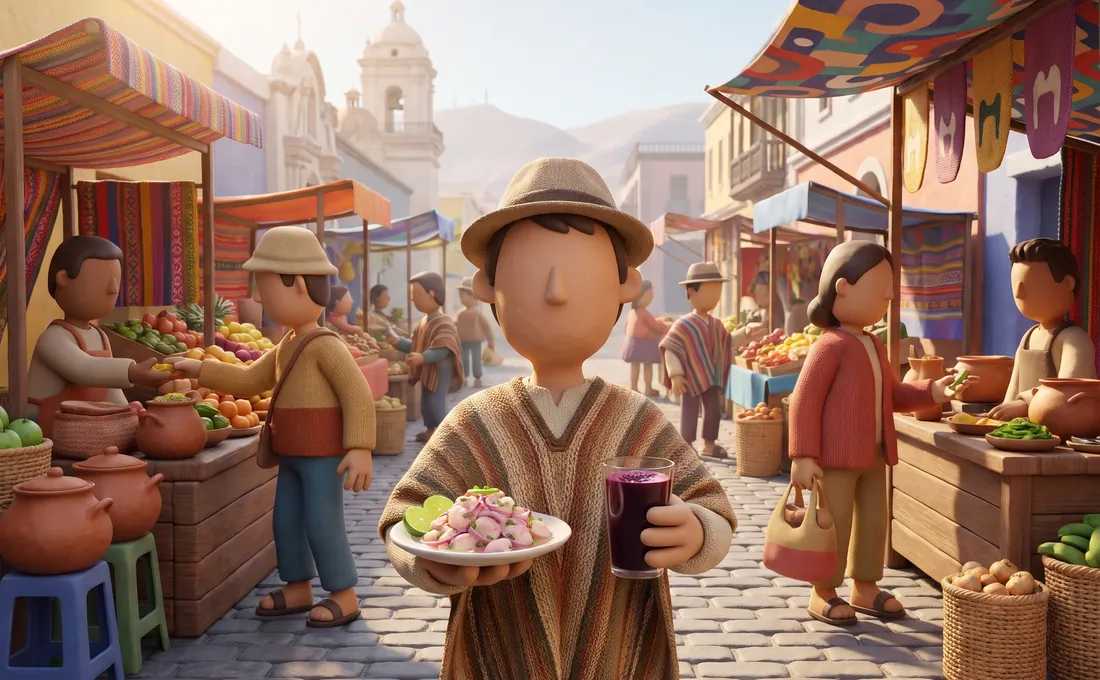
Lima has spent the last few decades building up a food scene that the rest of the world is starting to appreciate. In 2026, the city secured three spots on the World’s 50 Best Restaurants list, and it’s unlikely to stop there. Eating at these award-winning places isn’t cheap, though. They’re often out of reach for travellers watching their spending. But a small budget won’t stop you from eating well in Lima. It’s very doable, and this guide will show you how.
In this article
Key takeaways
Cheap classics to try: Dishes like ceviche, lomo saltado, ají de gallina, causa, anticuchos, and pollo a la brasa are among the most affordable to order.
Fusion food: Two other styles of cuisine you shouldn't miss in Lima are chifa (Chinese-Peruvian) and nikkei (Japanese-Peruvian).
Menú del día: This is the best value food option in the city. You usually get a starter, a main and often a drink for S/10–S/20 (€2.66–€5.32), served on weekdays from around 12 pm to 4 pm.
Where to eat: Surquillo Market, Barranco, Miraflores, Centro and Barrio Chino all have good, low-cost places to eat.
Ceviche timing: Eat ceviche at lunchtime, when the fish is freshest, ideally at places that stop serving it by mid-afternoon.
10 Dishes and Drinks to Try in Lima
- Ceviche: Citrus-cured raw fish
- Lomo saltado: Beef stir-fry with fries and rice
- Ají de gallina: Creamy chicken stew
- Causa: Cold layered potato dish
- Anticuchos: Grilled beef heart skewers
- Pollo a la brasa: Peruvian-style rotisserie chicken
- Tiradito: Raw fish sliced sashimi-style
- Pisco sour: Peru’s signature pisco cocktail
- Chicha morada: Cold purple corn beverage
- Inca Kola: Bright yellow Peruvian soda
The Best Cheap Eats in Lima
Ceviche
You can’t visit Peru and not try ceviche! It’s the country’s national dish and one of its biggest culinary claims to fame. The classic version uses raw fish, typically sea bass or snapper, though you’ll now find plenty of variations with shrimp and other seafood. And then it’s mixed with fresh lime and lemon juice, along with salt, chilli peppers, and crunchy onions, creating a balanced flavour profile.
Ceviche is a cold dish, and although the fish is raw at first, the acidity of the citrus marinade helps ‘cook’ it without heat. This flavourful marinade is called leche de tigre, meaning ’tiger’s milk.’
There’s an unwritten rule in Peru when it comes to eating ceviche: lunchtime is the time of day to have it. Since the fish is usually caught fresh that morning, the earlier you eat it, the better.
Lomo Saltado
If you’re looking for a filling meal that won’t break the bank, lomo saltado is hard to beat. A product of 19th-century Chinese immigration to Peru, this fusion favourite is eaten all over Lima’s neighbourhoods. Think juicy strips of sirloin beef, fresh tomatoes, onions and ají amarillo, all tossed together with a splash of soy sauce and vinegar. Everything is stir-fried in a roaring-hot wok and served alongside crispy French fries and a generous helping of white rice.
Ají de Gallina
Believe it or not, ají de gallina started as something much closer to a dessert! Its origins can be traced back to manjar blanco, a sweet Spanish preparation brought to Peru during the colonial period in the 16th century. As the recipe spread through Peru, people began adapting it to their tastes, eventually turning it into the savoury dish we know today.
Across Lima, you’ll find ají de gallina served as a comforting chicken stew, with shredded chicken smothered in a thick, creamy sauce with ingredients like ají amarillo, garlic, cheese and a blend of spices. The stew also comes with white rice, boiled potatoes and black olives.
Causa
Peru packs a big punch when it comes to cold dishes, and the layered potato starter, causa, is a perfect example. Not just any potatoes will do for causa. The key ingredient is papa amarilla, a smooth, yellow Peruvian potato that’s mashed and mixed with lime juice, oil, salt and ají amarillo paste, giving it its distinctive bright yellow colour. Between the layers of potato goes a filling, which can be anything from tuna salad to shredded chicken. It’s then finished with a few black olives on top.
Anticuchos
You’ll see the smoke and smell the marinade of anticuchos before you even spot them. A beloved street food found at roadside stalls throughout Lima, anticuchos are marinated beef hearts, chopped into bite-sized pieces, stuck onto skewers and grilled. They’re coated in a tasty marinade, which typically includes garlic, chilli, vinegar, salt and pepper, although every chef has their own way of doing things.
Anticuchos are believed to have originated in Afro-Peruvian communities during colonial times. While the upper classes tended to avoid organ meats, enslaved people had to make use of whatever ingredients were available to them. This led to the creation of anticuchos.
What’s interesting is that anticuchos don’t have a strong, offal-like flavour compared to other organ meats, as the smokiness from the grill helps mask it. So don’t be afraid to give them a shot, even if organs aren’t something you’d typically order.
Pollo a la Brasa
Whenever there’s a celebration in Lima, there’s almost always some pollo a la brasa (Peruvian-style rotisserie chicken) on the table. It’s juicy, charcoal-grilled, and so mouthwateringly delicious. The most appetising part is the marinade, usually made with dark beer, vinegar, rosemary, pepper, and salt. On the side, there will often be French fries or salad, along with a range of dips.
To try some for yourself, head to a pollería, which is a shop that specialises in chicken dishes. Each often has its own unique recipes that set it apart from others.
Chifa (Chinese-Peruvian)
No conversation about Peruvian food would be complete without mentioning chifa, the Chinese-Peruvian cuisine that has become such a big part of Lima’s food culture.
During the 19th century, a large wave of Chinese migrants arrived in Peru, particularly as the wealthy sought cheap labour after the abolition of slavery. This led to a massive number of Chinese eateries popping up across the country, bringing new ingredients like soy sauce and ginger, and cooking techniques such as using woks. One dish that brings these influences together particularly well is arroz chaufa, a wok-fried rice dish with eggs, scallions and sometimes chicken.
Nikkei (Japanese-Peruvian)
Nikkei is another cuisine you’ll come across in Lima. It’s Japanese-Peruvian food, linked to Japanese immigrants who began settling in Peru in the late 1800s. The idea is simple: Japanese techniques, Peruvian ingredients. Two dishes to try are tiradito, raw fish sliced like sashimi, and maki acevichado, rolls of raw tuna or salmon with avocado and tempura, finished with acevichado mayo.


 Budget Guides
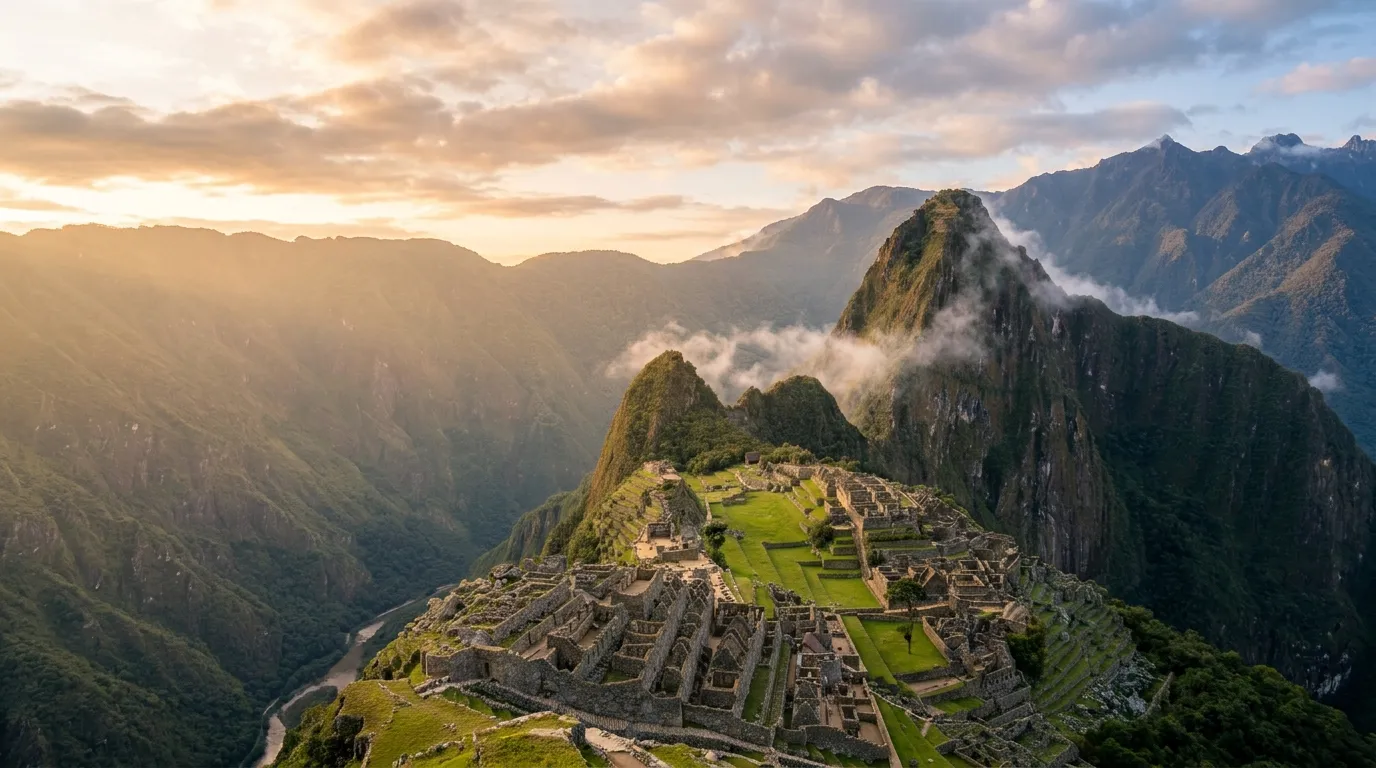
Machu Picchu Without the Tour Package: How to See Peru's Icon on Your Own (and for Less)
Plan Machu Picchu on your own: how tickets work, the cheapest ways to get there, what it costs in PEN and EUR, and the mistakes that ruin trips.
Read the guide
The Menú del Día: What Is It and How Do You Order?
Ah, the menú del día, every backpacker’s best friend. Local food. Local prices. And one big, hefty feed. What’s not to love? You usually get an entrada (starter) and a segundo (main course), often with a drink, and some places add a postre (dessert), so it’s perfect for filling up while out sightseeing.
Most local restaurants advertise it on a board inside or outside that literally says ‘menú del día.’ You’ll only ever really see them advertised at lunchtime during the week, between roughly 12 pm and 4 pm. Some places give you a choice of a few dishes, while many just serve set plates.
Expect to pay around S/10–S/20 (€2.66–€5.32) in Lima for a menú del día, although the exact price depends on the area you’re eating in. A menú in San Isidro will cost more than one in the more residential parts of town.
Where to Get Stuck Into Lima’s Food Scene
Surquillo Market
The first stop on your food tour of Lima should be Surquillo Market. It sits right next to Miraflores and is popular with locals who come for fruit and veg because prices are generally lower than at the big supermarkets. Fair warning, though: it gets busy and all the good stuff gets picked up early, so arrive early. The later in the day you go, the less fresh things will be.
You can also eat proper meals at some of the stalls. One section of the market has certain vendors serving plates, like ceviche, where they use fish caught that morning off the coast of Lima. It’s a great way to sample the local catch as well as other local specialities.
Barranco
Barranco is Lima’s quirky, bohemian district, with an artsy feel and a strong culinary identity. Stop by Juanito Barranco for local-style sandwiches from S/9 (€2.39) and a pisco sour, or grab some cheap international fare at Shawarmas Imperio Barranco, with wraps available from S/15 (€3.99). Late at night, Anticuchos Betty serves excellent grilled heart with sliced potatoes for next to nothing.
Find flights for this trip

Miraflores
Miraflores is the city’s main tourist hub, but you can still get very good food here without blowing your budget. Head to Spice Food and Drinks for a home-cooked plate of lomo saltado. Vegetarians are well looked after at Sabor y Vida, which makes veggie versions of Peruvian classics.
Centro
Lima’s UNESCO-listed historic centre gets most of its attention for its iconic colonial buildings, but it’s also a good place to eat, even for those watching their money. Restaurant Torres is a no-frills spot that does all the classics, including arroz chaufa, with prices between S/12 (€3.19) and S/18 (€4.79). If you want ceviche, La Barra 12 Cevichería is one of the better-priced options in the area.
Barrio Chino
For chifa, head to Barrio Chino, also known as Chinatown. It’s tucked away inside the historic centre, and Calle Capón is its main street, lined with places serving Chinese-Peruvian food. Bocaditos de la Casa de Sa Xian is loved for its wonton soup, and Master Kong Paruro is the go-to for dim sum.
What to Order at the Bar in Lima
Pisco Sour
Go to a bar anywhere in the world, and you’ll see the classic sours, like the whiskey sour and the amaretto sour. But Peru has its own, the pisco sour, and it’s everywhere. A punchy blend of pisco (a grape brandy), egg white, lime, sugar and bitters, shaken or blended, it’s so easy to drink that you’re almost guaranteed a headache the next morning.
Chicha Morada
If you’d rather skip the alcohol, chicha morada is Lima’s drink of choice. Featuring purple corn (maíz morado), pineapple, and spices, and best enjoyed chilled, it hails from the Andes and is a popular way to cool down on warm days.
Inca Kola
When you first hear the name, you’ll probably assume it’s a knock-off Coca-Cola, but Inca Kola is very much in a league of its own. It’s bright yellow and has a distinctive bubblegum-like taste, which comes from lemon verbena, a plant that grows in Peru. Every shop in Lima sells it; even fast food chains like McDonald’s have it in stock.
Tips for Eating in Lima
- Tipping: When you visit a restaurant in Lima, most people leave around 10% on top of the bill. At more casual places, they don’t expect tips.
- Water: Lima’s tap water isn’t safe to drink. Stick to bottled water, and eat at places that wash their produce properly.
- Ceviche: Order it at busy places with lots of regulars, where the fish turns over quickly.
- Carry cash: Places that serve menú del día or home-cooked plates are often cash only. Be sure to take out some Peruvian Sol before you go.
- Save big meals for lunch: Have your biggest meal of the day at a menú del día spot. You get several courses for a set price, which is far better value than other times of day.
What Eating in Lima Actually Costs
| Item | Price |
|---|---|
| Ceviche | From S/20 (€5.32) |
| Lomo saltado | From S/15 (€3.99) |
| Ají de gallina | From S/15 (€3.99) |
| Causa | From S/10 (€2.66) |
| Anticuchos | From S/8 (€2.13) |
| Pollo a la brasa | From S/21, quarter portion (€5.59) |
| Typical chifa plates | From S/18 (€4.79) |
| Nikkei specialties | From S/20, small plates (€5.32) |
Exchange rate: S/1 = €0.266. Prices checked on 23 November 2026.
Eat Everything in Lima
The proof is here: food in Lima doesn’t cost as much as you think. It’s easy to have three decent meals and still have money left at the end of the day. Stick to small local spots, time your meals right and don’t get too carried away in the tourist areas, and you’ll be good.
Before heading to Cusco to take on Machu Picchu , stop in the Peruvian capital and stuff your face; dig into ceviche, try cuisines like chifa and nikkei, and sip a few fine pisco sours. Search flights to Lima on Kiwi.com.