







There is no single, universal rule regarding what happens to your luggage during an international overnight layover. If you’re flying on a single ticket, your airline may hold it for you for the duration of the layover. However, some airlines have layover time limitations: United will hold your luggage no longer than 12 hours, American may store your bags for as long as 16 hours, while Delta generally through-checks bags on a single ticket. It is always best to verify with the airline for your specific itinerary.
What Happens to Checked Baggage on an International Overnight Layover
On an overnight layover, whether your checked baggage is automatically transferred to your final destination or needs to be collected and re-checked depends on the airline’s policy, the specific airport’s regulations, and the nature of your ticket (single vs. separate bookings). Unfortunately, there is no single universal rule.
Single vs. Separate Tickets
- Single Ticket (same airline or partners): In many cases, your bags are automatically tagged to your final destination and stored securely overnight by the airline, then transferred to your next flight.
- Separate Tickets (with different airlines): You will almost always need to collect your bags at the layover airport, exit the secure area, and re-check them the next day with the new airline.
Country and Customs Regulations
Entering the US and Canada
If you are arriving on an international flight and connecting to a domestic flight (or sometimes even another international flight) in the United States or Canada, you must collect your bags, clear immigration and customs, and then re-check them at a transfer desk or airline counter. This is a mandatory government regulation, regardless of airline or ticket type.
Other Countries
In many other international-to-international connections (e.g., in major European or Middle Eastern hubs like Dubai or Amsterdam ), you typically do not need to collect your bags if they are checked through, provided you meet immigration requirements.
Find flights for this trip

Airline Policy
Low-cost carriers such as Ryanair , easyJet , and other budget airlines generally do not hold baggage overnight because they don’t interline or transfer bags between flights. Many airlines have a maximum layover time limit: United and American hold bags no longer than 12 and 16 hours respectively while Delta usually checks bags through. Always verify with the airline for your specific itinerary.
What You Should Do
Ask at Check-in:
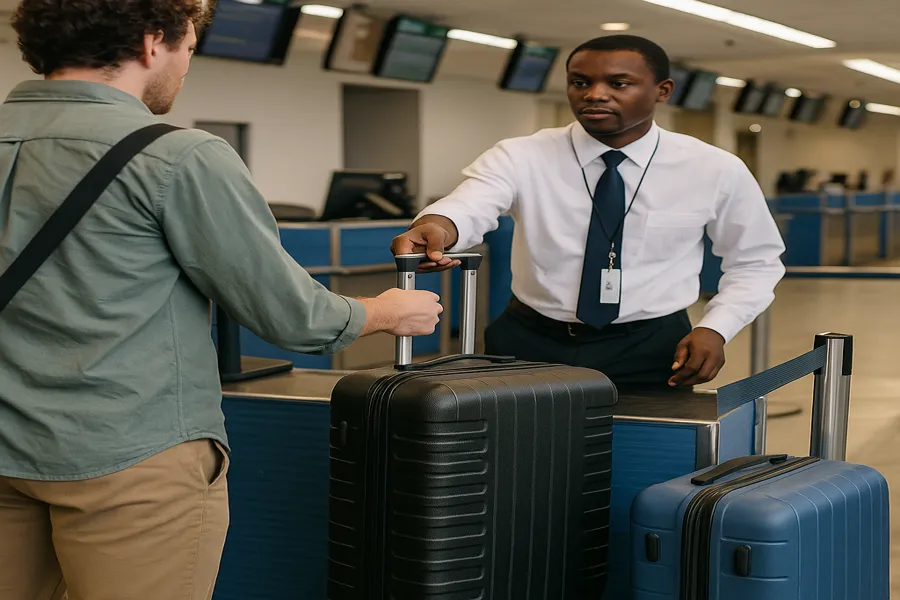
The most reliable way to confirm the process is to ask the agent when you first check in your baggage at your departure airport. They can tell you where the bags are tagged to (the layover city or the final destination) and where you should pick them up.
Check Your Baggage Tag:
Look at the destination code printed on the baggage receipt/tag you receive. It should indicate the airport where the airline intends for you to retrieve your bag.
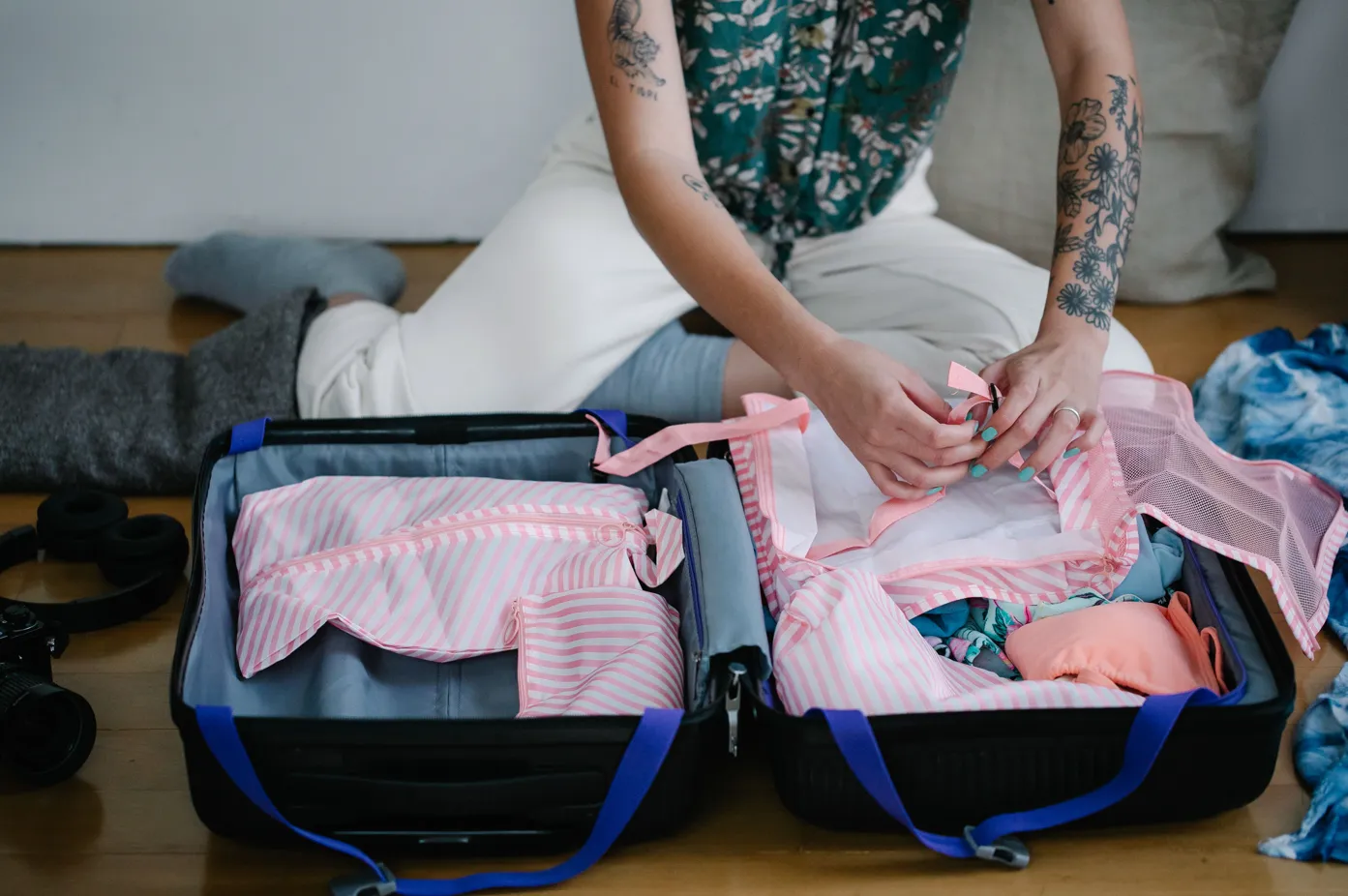
Pack an Overnight Carry-On:
Always pack essentials like a change of clothes, toiletries, medications, and valuables in your carry-on luggage, in case you need to retrieve your bags unexpectedly or they are delayed.
Allow Enough Time:
If you must collect and re-check your luggage, ensure you have enough time between flights to go through the entire arrival, customs, baggage claim, and check-in process again.
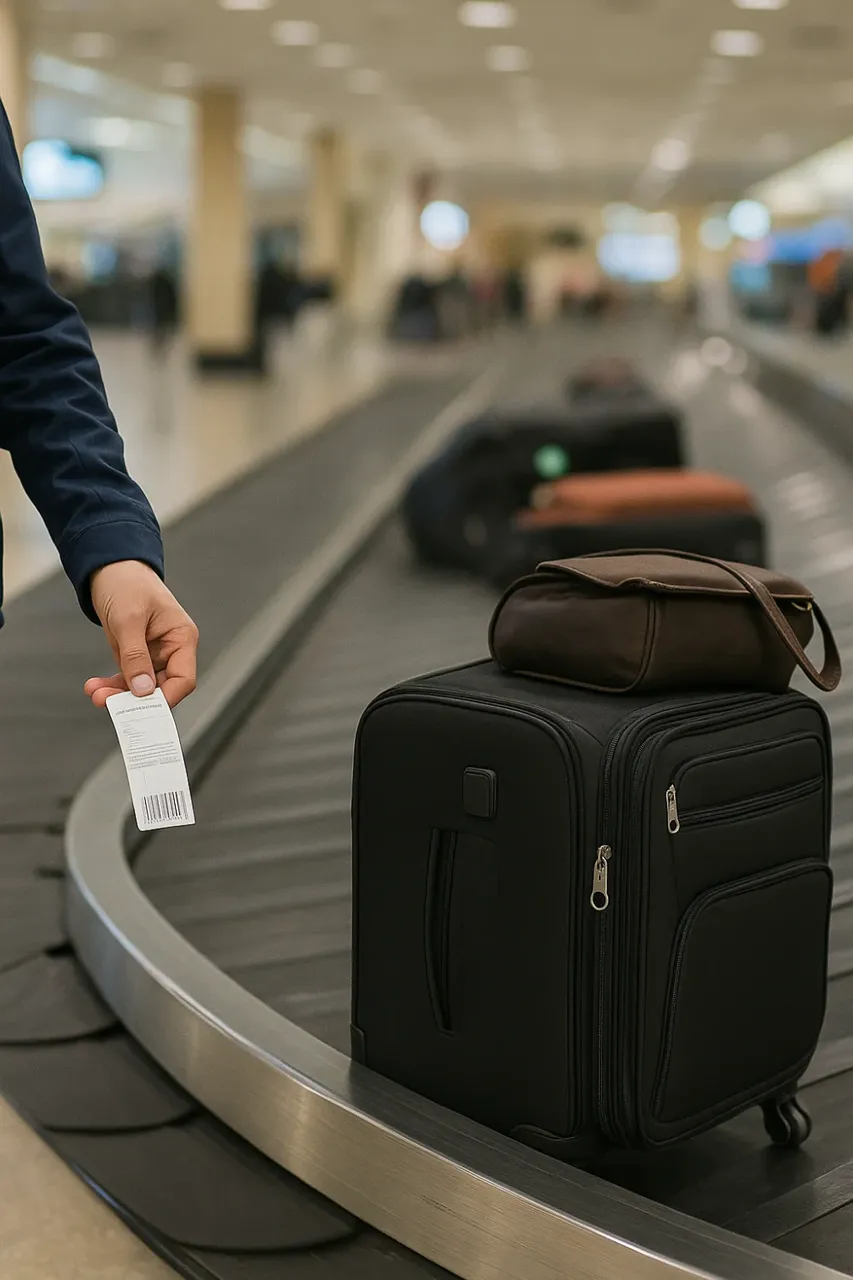
A reminder to confirm baggage handling at check-in, review your baggage tag, pack overnight essentials in a carry-on, and allow extra time when traveling with overnight layovers © Kiwi.com
Important Steps to Take
Verify at Check-in
The check-in agent at your origin airport is the best source of information and will confirm where your bags are tagged to (the layover city or the final destination).
Check Your Bag Tag
The destination airport code on your baggage receipt tag is the definitive indicator of where the bag is going.
Pack Essentials in Carry-on
Always keep essentials like medication, toiletries, and a change of clothes in your carry-on in case your bag is delayed or you need it overnight.
Plan Ahead
Decide in advance whether you will stay in an airport hotel (requiring entry) or attempt to stay airside, and plan accordingly. Ensure you have enough layover time for all procedures.
Transit and Hotel Rules for Rechecking Baggage
Baggage Access
Claiming your bag for the overnight period is often a benefit, as it gives you access to personal items and a change of clothes you may need at your hotel. Some airports allow you to request “short-term release” of baggage, but this must be arranged at check-in and is not guaranteed.
Leaving the Airport for a Hotel:
If customs requires you to collect bags, you’ll take them with you to the hotel and recheck them the next day. If bags are stored by the airline, you can leave the airport with just your carry-on.
Rechecking Process
After collecting your bags and clearing customs, you will typically find a dedicated baggage drop-off area for connecting flights, or you will proceed to the airline’s main check-in counter in the departures area.
Security
After rechecking your bag, you will need to go back through the security screening (TSA in the US) for your connecting flight the next day.
Hotel Transit
You can take your bags to your hotel for the night. The next day, you’ll return to the airport, go to your airline’s check-in counter, and drop off your bags as you would for any normal departure.
Customs and Immigration Considerations
Key Considerations
Entering the Country
The need to clear immigration and customs means you are officially entering the country. You must check the specific visa and entry requirements based on your nationality and the layover location.
Baggage
If you have checked luggage, you may need to collect it after clearing immigration and then re-check it with your airline the next day, which requires you to exit the secure area. However, if your entire journey is on a single ticket, your airline may transfer your bags automatically. If your flights are on separate tickets, you will always need to collect your bags and re-check them the next day, which necessitates passing through immigration and customs.
Airport Rules
Some airports prohibit overnight stays in the terminal and may require passengers to exit the secure area after the last flights of the day.
Country-Specific Examples
| Country/Region | Immigration during Layover | Notes |
|---|---|---|
| United States | Yes, always | All travelers must clear U.S. Customs and Border Protection at their first point of entry and re-check bags, even if connecting to another international flight. A transit visa (C-1) or ESTA may be required. |
| Schengen Area | Yes, at first entry | You clear immigration at your first entry point into the Schengen Area. Subsequent flights within the zone are treated like domestic travel. |
| Most Other Countries | Only if leaving transit area | Many major international hubs (e.g., Singapore, Dubai, London Heathrow ) have international transit areas where you can stay airside without going through immigration, provided the terminal doesn’t close overnight and your bags are checked through. |
What to Pack in Your Carry-On
Health and Hygiene Essentials
Staying fresh can make a significant difference in how you feel after a long flight and overnight stay.
Travel Toiletries Kit
Adhere to TSA liquid rules (containers must be 3.4 ounces/100ml or less and fit in one quart-sized clear bag).
- Toothbrush and Travel-Sized Toothpaste
- Face Wash or Cleansing Wipes: To refresh your face and remove travel grime.
- Deodorant
- Small Soap or Hand Sanitizer
- Moisturizer and Lip Balm: Airplane air is very drying.
Essential Medication
Bring enough prescription medications for the entire layover and a few extra days in case of delays. Include basic pain relievers (ibuprofen, acetaminophen).
Valuables and Documents
Never put irreplaceable items in your checked luggage. Keep them secure in your carry-on at all times.
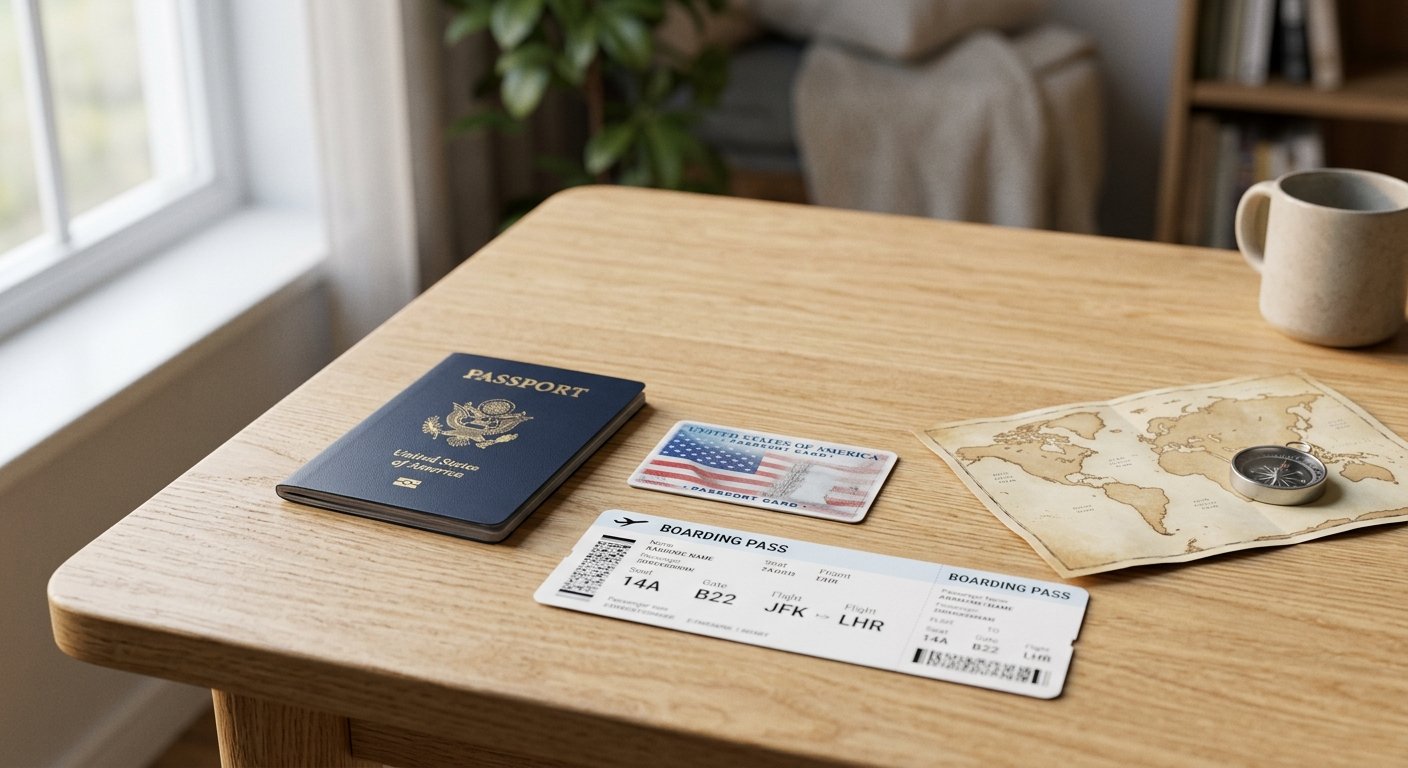
- Passport/Visa and Travel Documents: Ensure all necessary documents for entry into the layover country are easily accessible.
- Wallet: Credit cards, local currency (if acquired), and ID.
- Electronics and Chargers: Phone, laptop/tablet, headphones, and all corresponding chargers. A portable power bank is highly recommended as outlets may be scarce.
- All Keys
- Valuables : Jewelry, expensive cameras, etc.
Other Useful Items
- Reusable Water Bottle: Empty it before security and refill it afterward to stay hydrated.
- Snacks: Granola bars, nuts, or fruit can tide you over between meals or if shops are closed overnight.
- Entertainment: A book, e-reader, or pre-downloaded movies/podcasts to pass the time.
Airport Storage Options
Most major international airports offer baggage storage (often called “left luggage” or “cloakroom” services) for travelers with overnight layovers. These services allow you to safely store your bags so you can explore the city or rest at a hotel without carrying heavy luggage.
Types of Baggage Storage Options
Manned Storage Facilities (Left Luggage Offices)
These are secure, staffed counters within the airport terminal where you drop off your luggage and receive a receipt or token. They are typically under 24/7 surveillance and often more secure than self-service options.
Self-Service Lockers
Many airports provide automated lockers that you can access with a code. They are usually more affordable than manned facilities, but locker size can sometimes be a limitation.
Third-Party Services
Companies like Bounce Luggage Storage or LuggageHero partner with nearby hotels, cafes, and local shops to offer luggage storage locations near the airport. These often offer flexible booking options (hourly or daily rates) and may be more convenient or cost-effective depending on your needs.
Airport Hotels
Some airport hotels offer baggage storage services for both guests and non-guests, providing a convenient solution if you plan to stay nearby.
Key Considerations for Overnight Layovers
Location
Storage facilities are usually located in the public area of the terminal, often near the arrivals or departure halls (before security screening). This means you must clear customs and immigration to access them.
Operating Hours
While major international hubs often have 24/7 services, smaller airports or specific facilities might have limited hours. Always verify if the specific airport offers a “left luggage” or “baggage storage” service and note their exact location and hours of operation to ensure you can drop off and pick up your bags when needed.
Security
Ensure the service you choose has strong security protocols, such as surveillance cameras or staff oversight. Reputable services often include insurance for your belongings.
Pricing
Costs vary by airport, luggage size, and duration of storage, and can range from hourly rates to daily flat fees. Prices at the airport may be higher than those offered by third-party services nearby.
Booking
For peace of mind, consider booking your storage in advance, especially during peak travel times. Many services offer online booking.
The Hazards of Split-Leg Travel (Separate Tickets)
Primary Risks
Manual Baggage Transfer
On separate tickets, you almost always need to collect your checked bags after the first flight, clear customs, exit the secure area, and re-check them with the second airline. This manual process introduces several points where errors can occur, from the bag not arriving at the carousel on time to mishandling during the re-check process.
Missed Connections (The Domino Effect)
If your first flight is delayed and you miss the second flight, the second airline has no obligation to rebook you. This means you could be stranded and have to buy an expensive, last-minute ticket, and your bags might be stuck at the layover airport.
Airline Liability Limitations
When booking separate tickets, you have independent contracts with each airline. The first airline’s responsibility ends when the bag arrives at the first airport. If the bag is lost or delayed, you deal with the airline that last had it, but you are responsible for getting it to your final destination.
Increased Mishandling Probability
Statistically, baggage mishandling is most likely to occur during transfers between planes, especially with tight connection times or transfers between different airlines with potentially different handling systems.
Baggage Fee Complications
You may have to pay baggage fees twice (once for each airline), and the fees may differ. Sometimes, airlines might demand to see proof of onward travel or deny boarding for lacking it, further complicating logistics.
What You Can Do to Limit Risk
Travel Carry-On Only:
The simplest and most effective way to avoid lost luggage risk is to fly with only carry-on baggage. This bypasses the entire checked-luggage process.
Pack Essentials in Your Carry-On:
Always keep essential medications, a change of clothes, valuables, documents, and electronics in your carry-on in case your checked luggage is delayed.
Use Baggage Trackers:
Place a Bluetooth or GPS tracking device (like an Apple AirTag or Samsung SmartTag) inside your checked bag to monitor its location.
Confirm Baggage Policy:
Before your trip, contact the airlines to confirm their interline agreements and policies regarding baggage, but always plan on needing to collect and re-check your bags on separate tickets.
Purchase Comprehensive Travel Insurance:
Invest in travel insurance that specifically covers lost or delayed luggage and missed connections due to carrier delays.
Travel FAQs for Overnight Layovers
What is the rule about baggage during an overnight layover?
There is no universal rule. Whether your checked baggage is transferred automatically or must be collected depends on the airline, airport regulations, and whether your flights are on a single or separate ticket.
How will I know whether I have to re-check the bags or not?
Ask the agent when checking in at your departure airport. You can also check the airport code printed on your baggage tag. If it shows your final destination, bags are checked through. If it shows the layover airport, you must collect and re-check them.
When do bags stay with the airline on an overnight layover?
Bags typically stay with the airline if you are flying on a single ticket, meet immigration requirements, are connecting between two international flights without clearing customs, and your layover falls within the airline’s permitted time window. Confirm this at check-in.
When do I have to re-check my bags on an international overnight layover?
You must re-check if flying budget carriers like easyJet, if flying United or American with layovers over their time limits, if connecting from an international to a domestic flight in the United States or Canada, or if traveling on separate tickets.
Where is the best place to store my bags if I have to re-check them?
Airports often have staffed “left luggage” facilities or automated lockers. Third-party services like Bounce or LuggageHero also provide storage at nearby shops and hotels. Check the airport website for exact locations and hours.
What can I do to mitigate the risks of an overnight layover when traveling on separate tickets?
Travel with carry-on only if possible. Otherwise, keep essentials in your carry-on, place a tracking device inside your checked luggage, and purchase travel insurance that covers lost or delayed baggage.