


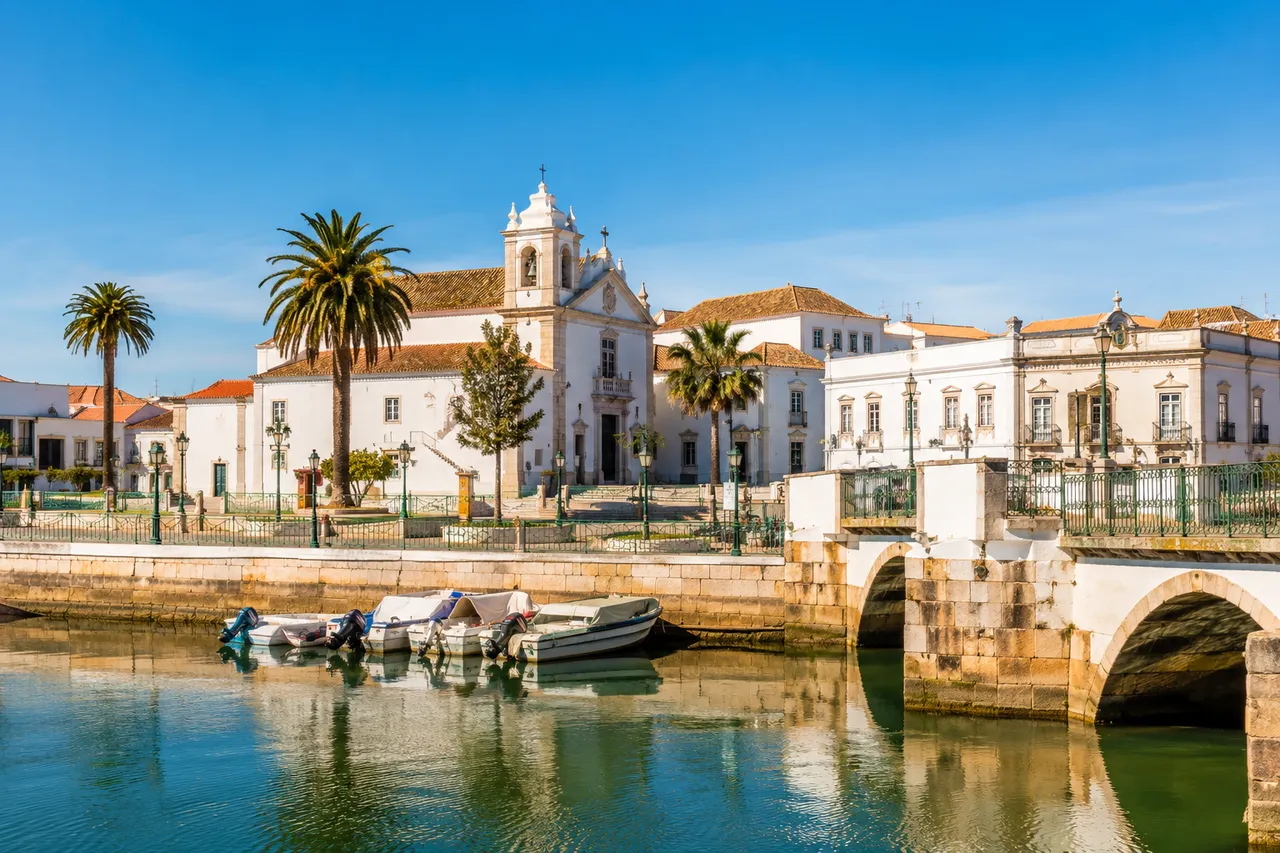
Because Faro quietly offers exactly what many travellers are looking for: sunshine, beautiful old streets, great food, beaches, affordable prices by Algarve standards, and significantly fewer crowds than many of its famous neighbours.
This is a city where storks build nests on church towers, locals drink coffee for less than a euro, and golden sunsets turn the entire old town into something that feels suspiciously cinematic.
And unlike some coastal destinations that seem determined to empty your wallet, Faro can still be enjoyed on a proper budget.
From Airport To The City Without Making Financial Mistakes
One of Faro’s greatest strengths is convenience. Faro Airport sits only a few kilometres from the city centre, meaning your holiday can begin almost immediately. The cheapest option is the local bus, which takes around 20 minutes and costs just a few euros.
Find flights for this trip

Uber, Bolt, and taxis are also surprisingly affordable because the journey is so short. Expect around €6–€12 depending on timing and demand.
This is one of those rare airports where the transfer often costs less than your airport sandwich.
Already a strong start.
Getting Around Without Renting A Car Immediately
Unlike much of the Algarve, Faro itself is refreshingly walkable. The old town, marina, shopping streets, restaurants, and many attractions sit within easy walking distance of one another. Most visitors barely need transport during their stay.
If you want to explore further afield, Portugal’s trains are surprisingly good. You can easily reach places like Lagos, Tavira, or Portimão without renting a car. Buses are cheap too, although sometimes they operate with a relaxed interpretation of punctuality.
Adopt local expectations and you’ll be fine.
Old Towns, Islands & Flamingos: Cheap Things To Actually Do
Wander The Old Town
The best thing about Faro is also completely free. Cidade Velha is the city’s historic old town, surrounded by ancient walls and filled with cobbled streets, churches, hidden squares, and enough photogenic corners to keep your camera busy all day.
Unlike parts of Lisbon that feel permanently crowded, Faro’s old town often remains surprisingly peaceful. You’ll find orange trees, tiled buildings, outdoor cafés, and random cats living their best lives.
The move here is simple.
Get lost.
Every good European old town rewards aimless wandering, and Faro is no exception.
Ria Formosa Natural Park
If Faro has a superpower, it’s Ria Formosa Natural Park. This huge protected lagoon system stretches along the Algarve coast and feels completely different from the crowded beach resorts nearby.
Expect winding waterways, tiny islands, salt marshes, birds everywhere, and scenery that somehow changes every few minutes. Flamingos live here too.
Actual flamingos.
Which feels unnecessarily impressive for a budget-friendly destination. Walking trails around the lagoon are free and offer some of the best views in the region.
Faro Marina
The marina is where Faro slows down. Fishing boats, yachts, cafés, street musicians, and locals sitting around watching absolutely nothing happen. Which is often a sign of a good place.
Grab a coffee, find a bench, and spend half an hour doing what Southern Europeans do best: existing. The sunset views here are particularly strong.
Igreja do Carmo
Igreja do Carmo looks beautiful from the outside. The reason most people visit, however, is the Chapel of Bones. Yes, it is exactly what it sounds like. A chapel decorated with thousands of human bones and skulls.
It’s fascinating, slightly unsettling, and definitely more memorable than another generic church interior.
Entry to the Chapel of Bones costs around €2, and the ticket usually includes access to the church as well. Honestly, it’s one of the best-value attractions in Faro.
Faro Municipal Museum
Located inside a former convent, Museu Municipal de Faro offers a surprisingly good introduction to the city’s history.
Roman mosaics, religious art, archaeology, and a lovely courtyard where you can briefly pretend you’re far more interested in history than you usually are.
Entry remains affordable and the building itself is worth seeing. Adult admission is typically €2, with discounted tickets around €1 for students and seniors.
Beaches Without The Resort Prices
Ilha de Faro
Praia de Faro is Faro’s main beach and one of its biggest advantages. Unlike many Algarve beaches hidden beneath dramatic cliffs, this one is easy to reach by bus.
The beach stretches for kilometres, the sand is excellent, and the Atlantic somehow manages to look inviting despite being significantly colder than it appears.
Beach days here cost exactly as much as your snacks.
Which is how beach days should work.
Ilha Deserta
If your ideal beach contains fewer people and more nature, catch the ferry to Ilha Deserta.
The name literally means “Deserted Island,” which feels refreshingly honest.
Long empty beaches, clear water, protected landscapes, and very little development.
Bring water, sunscreen, and realistic expectations about shade.
Ilha da Culatra
Ilha da Culatra feels like somewhere you’ve accidentally discovered rather than somewhere tourists visit.
A small fishing community, beautiful beaches, colourful boats, and a slower pace of life that makes mainland stress feel increasingly unnecessary.
The ferry ride alone is worth doing.
Cheap Eats That Make Portugal Dangerous
Pastel de Nata
At some point you will eat your first pastel de nata.
Shortly afterwards you will start calculating how many more you can reasonably consume without anyone becoming concerned.
These famous Portuguese custard tarts cost around €1–€2 and possess an alarming ability to disappear instantly. Crispy, flaky pastry on the outside, creamy custard in the middle, and usually a light dusting of cinnamon if you’re doing things properly.
The mistake many travellers make is treating them as a dessert. Locals eat them with coffee throughout the day, which means you can reasonably have one at breakfast, another at lunch, and perhaps a third because you’re walking a lot and therefore clearly deserve it.
This logic is rarely challenged in Portugal.
Seafood Lunches
Being in the Algarve means seafood appears everywhere. Grilled sardines, octopus salad, clams cooked in garlic and white wine, fish rice, cuttlefish, prawns, and fresh catches that were probably swimming that same morning.
The trick is avoiding restaurants directly facing the marina with multilingual menus and photos of every dish. Walk just five or ten minutes away and you’ll often find family-run restaurants serving fresher food for noticeably lower prices.
A simple grilled fish lunch with potatoes and salad can often cost €10–€15, while larger seafood dishes generally start around €15–€25.
Lunch is often the best value meal of the day. Many local restaurants offer menu deals that include a main course, drink, coffee, and sometimes dessert for less than you’d spend on a mediocre sandwich at an airport.
Prego Sandwiches
The Portuguese answer to a steak sandwich is simple, affordable, and excellent.
A proper prego usually consists of thin slices of beef served in fresh Portuguese bread, sometimes with mustard or garlic butter and often accompanied by fries.
No unnecessary complications.
Just meat, bread, and happiness.
You’ll find them everywhere from cafés to local snack bars, usually for €5–€10, making them one of the best-value lunches in Faro.
They’re also ideal when you’re hungry enough for a proper meal but don’t want to commit to a two-hour seafood lunch and a subsequent nap.
Local Bakeries
Portuguese bakeries are one of Europe’s most underrated travel hacks.
Coffee for around €1.
Pastries for around €1–€2.
Fresh sandwiches for €3–€6.
Entire breakfasts for less than the price of a cappuccino in many Western European capitals.
These bakeries aren’t tourist attractions. They’re where locals actually start their day. Construction workers, pensioners, office workers, students, everyone ends up standing at the counter drinking espresso and discussing life before work.
If you’re travelling on a budget, bakeries can easily solve breakfast and lunch without feeling like you’re compromising on quality.
Market Food
Mercado Municipal de Faro is worth visiting even if you aren’t shopping.
Inside you’ll find fresh fish, fruit, vegetables, cured meats, cheeses, olives, local honey, pastries, and enough picnic ingredients to make you feel like you’ve accidentally become a competent adult.
One of the best budget moves in Faro is building your own lunch.
Pick up fresh bread from a bakery, some local cheese, fruit, olives, and a drink from the market, then head to the marina or the Ria Formosa waterfront. For €5–€10, you’ll often end up with a meal that would cost three times as much in a restaurant with exactly the same view.
The market also offers a great glimpse into everyday life in Faro, especially in the morning when locals are doing their shopping and the seafood counters are at their busiest.
Faro After Dark Without Financial Damage
Marina Evenings
Faro becomes particularly pleasant after sunset. Temperatures cool down, restaurants fill up, and the waterfront takes on a relaxed atmosphere that never feels overly touristy.
A simple evening walk costs nothing and often becomes one of the nicest parts of the day.
Live Music Squares
Small performances regularly appear around the city centre during warmer months.
The atmosphere feels local rather than heavily commercialised, which only makes it better.
Beach Sunsets
A Faro sunset from the beach feels like somebody adjusted the saturation settings on reality.
Bring snacks, stay until the colours disappear, and enjoy one of the Algarve’s best free activities.
Off The Tourist Path: Faro’s Low-Key Gems
Lethes Theatre
Teatro Lethes is one of Portugal’s oldest theatres and remains surprisingly overlooked. Beautiful architecture and occasional performances without major tourist crowds.
Jardim Manuel Bivar
Jardim Manuel Bivar sits by the marina and provides prime people-watching opportunities. Order a coffee nearby and observe the world for a while.
A classic European pastime.
The Storks
This sounds ridiculous but stay with me. Faro has storks everywhere. Church towers, rooftops, chimneys, old buildings. Eventually you start spotting nests constantly and become weirdly invested in their daily activities.
Hidden Courtyards
Many of Faro’s nicest spots are hidden behind gates, old walls, and side streets. Slow down, wander, and keep looking around corners. The city rewards curiosity.
Tips For Surviving Faro Like A Competent Traveller
Visit outside peak summer if possible. Faro is lovely year-round and much cheaper in spring or autumn.
Bring sunscreen. The Algarve sun does not negotiate.
Walk whenever possible. The city is compact and rewarding to explore on foot.
Eat where locals eat. Menus translated into six languages are usually a warning sign.
Book island ferries early during summer.
Carry a reusable water bottle.
Don’t rush. Faro is a city that works best when you slow down slightly.
When To Go
Spring (Mar–May)
Probably the sweet spot.
Warm weather, fewer crowds, lower prices, and everything feels pleasantly relaxed.
Summer (Jun–Aug)
Hottest and busiest period.
Excellent beach weather but expect higher prices and more visitors.
Autumn (Sep–Nov)
Still warm enough for beaches while becoming noticeably quieter.
A favourite season for many repeat visitors.
Winter (Dec–Feb)
Mild compared to much of Europe.
Quieter, cheaper, and surprisingly sunny.
How Expensive Is Faro?
Food: pastries €1–2, casual meals €8–15, seafood dinners €15–25
Drinks: coffee around €1–2, beer €2–4, wine €3–6
Transport: airport transfer €2–12, local buses around €2
Accommodation: hostel €20–40/night, budget hotel €60–120
Sunsets: still free
Why Faro Might Be The Algarve’s Best-Kept Secret
Faro isn’t trying to compete with the Algarve’s flashier destinations. It doesn’t need to.
The city offers something many travellers end up appreciating more: authenticity, affordability, beautiful surroundings, and enough things to do without feeling overwhelmed.
You’ll come for the beaches and sunshine.
But there’s a good chance you’ll remember the old town streets, the lagoon sunsets, the lazy café mornings, and the feeling that you’ve somehow found a version of the Algarve that still belongs to itself.
Which is becoming increasingly rare.