







It’s intense, yes. But it’s also one of the easiest big cities to function in. Things work, transport makes sense, food is everywhere, and somehow the chaos feels organised.
In this article
You won’t relax here the same way you do elsewhere. But you will get a lot out of it.
From Airport To City Without Guessing
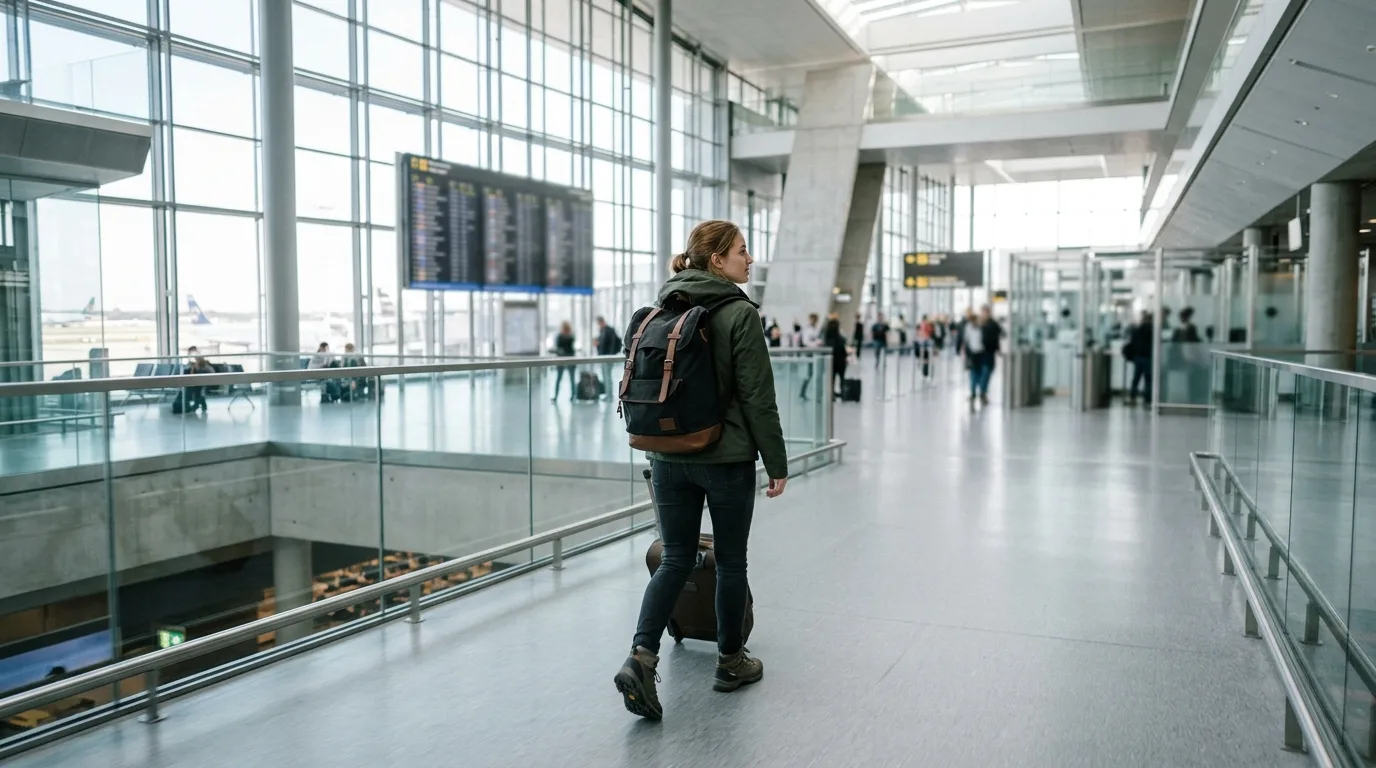
From Hong Kong International Airport , the Airport Express is the easiest move. Fast, clean, and gets you into Central in about 25 minutes for around HKD 110 (€13).
If you want cheaper, buses run into the city for a fraction of the price. Slower, but still reliable.
Taxis are efficient, but traffic can slow things down. The train just works.
Getting Around (Surprisingly Easy)
Hong Kong might look overwhelming, but moving through it is not.
The MTR is one of the best metro systems you’ll use. Fast, clean, clearly marked, and covers almost everywhere you need.
Get an Octopus card. It works on transport, in shops, cafés, even vending machines. One card, no thinking.
Walking works too but expect escalators, hills, and a lot of vertical movement.
Hong Kong Tram (The $1 City Tour)
Slow, slightly rattly, and one of the best deals in the city.
For just a few HKD, you can ride across Hong Kong Island and watch the city change in real time. From business districts to local neighbourhoods to something in between.
Sit upstairs, front row if you can. It’s basically a moving viewpoint for the price of a coffee you didn’t need.
Not fast, not efficient but that’s exactly why it works.
Star Ferry
One of the cheapest “attractions” in the city and one of the best.
A short ride between Central and Tsim Sha Tsui for just a few HKD, with skyline views that would cost €20 elsewhere and come with a guide you didn’t ask for.
Sit by the window, or better yet, stand outside if you can. Feel the breeze, take it slow, and don’t treat it like just transport.
Do it more than once. It’s still worth it.
The Budget Way to See Hong Kong
Victoria Peak
Yes, it’s touristy. Yes, you should still go.
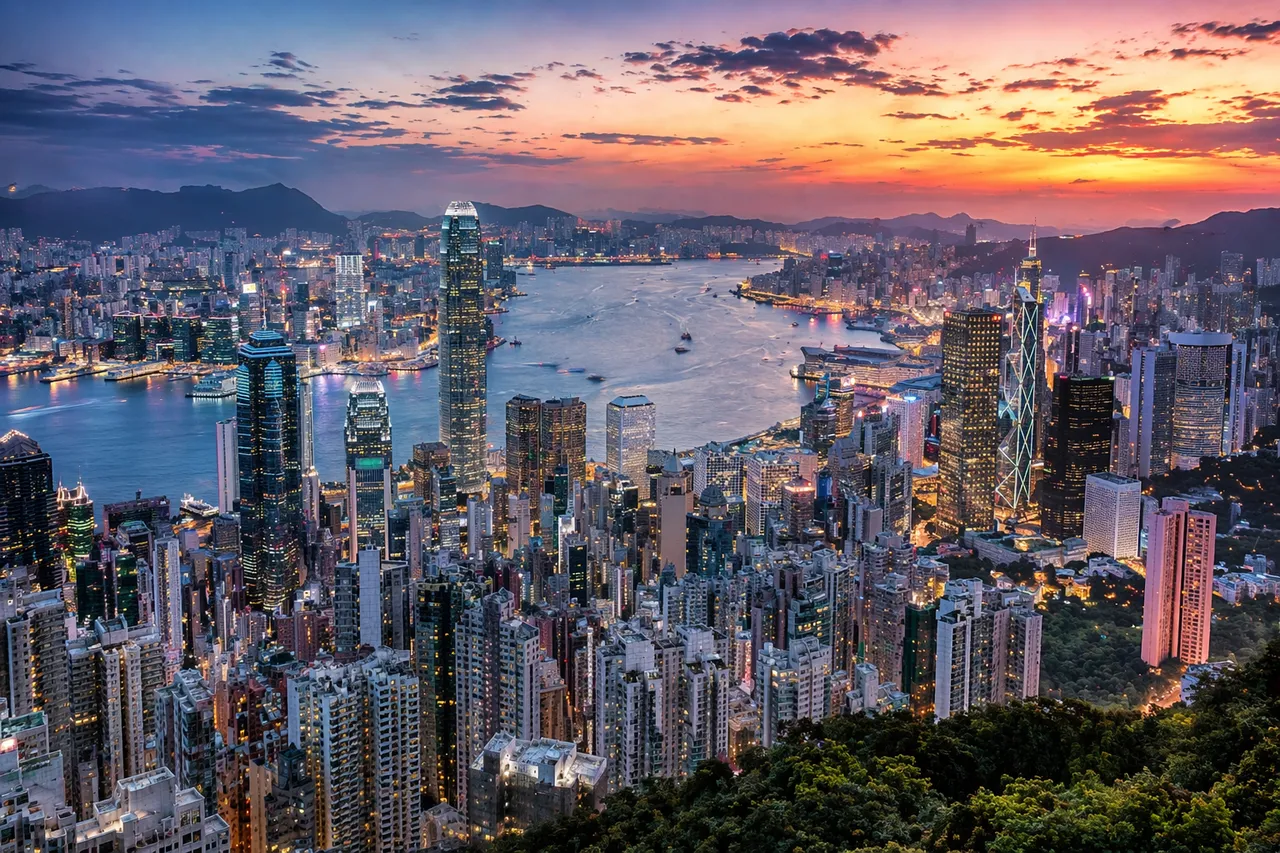
The view over the skyline is the one. Skyscrapers, harbour, mountains. Everything is stacked into one frame that somehow looks even better in real life.
Skip the expensive Peak Tram if the queue is long (it usually is). Buses are cheaper, less stressful, and often faster. If you’re feeling ambitious, you can even hike up. Just be prepared to earn that view.
Walk around once you’re up there. Don’t just stop at the first viewpoint: the slightly quieter corners are usually better.
Go late afternoon and stay for sunset into night. Watching the city shift from daylight to full neon is the whole experience.
Tsim Sha Tsui Promenade
Right by the water, facing Hong Kong Island.
Come for the skyline, stay for everything else. People walking, performers, photographers trying to get the “perfect shot”. It’s busy, but never overwhelming.
Walk the full stretch, not just the main section. It gets quieter the further you go, and the views don’t get worse.
At night, the city lights do most of the work. You don’t need to plan anything, just show up.
Central–Mid-Levels Escalator
The longest outdoor covered escalator system in the world — because Hong Kong refuses to do anything halfway.
Use it to move uphill without effort, but more importantly, use it to explore. Jump on, jump off, wander into side streets, find cafés, bars, and random spots you wouldn’t have planned.
It’s part transport, part accidental itinerary generator.
And yes, it’s free.
Shek O Beach
Yes, Hong Kong has beaches. Good ones.
Easy to reach, clean, and completely free.
Combine it with a hike (like Dragon’s Back), then end with a swim.
It’s one of those “this shouldn’t be part of this city” moments.
Markets (Pick One, Don’t Try All)
Hong Kong has a lot of markets. You do not need to see all of them.
Pick one, do it properly, and move on. They blur together if you try to do too many.
Temple Street Night Market
Loud, busy, slightly chaotic in a good way.
Food, clothes, random items, fortune tellers, and a constant buzz of activity. It’s less about shopping and more about the atmosphere.
Walk through slowly. Stop for food, watch what’s happening, maybe buy something small if you feel like it but don’t turn it into a mission.
Stay long enough to feel it, then leave before it gets repetitive.
Eat Like You’re Meant To
Dim Sum (Non-Negotiable)
You’re in Hong Kong. You’re eating dim sum.
Small dishes, shared plates, constant movement. It’s less a meal and more a rhythm. Steamed baskets arrive, disappear, get replaced. You don’t overthink it, you just keep ordering.
Go somewhere busy. That’s the rule. If there’s a queue, you’re probably in the right place. Sit down, pick a few things you recognise, a few you don’t, and see how it goes.
You won’t get it perfect on the first try. That’s fine. Order more. That’s kind of the system.
Cha Chaan Tengs (Local Diners)
Fast, slightly chaotic, and very local.
These are the everyday spots. Milk tea, noodles, rice dishes, toast with condensed milk. A mix that somehow works and makes sense once you’re in it.
Service is quick, sometimes blunt, always efficient. You sit, order, eat, and move. No small talk, no lingering, just a system that’s been running for decades.
It’s one of the easiest ways to eat like you actually belong there.
Street Food & Bakeries
Egg tarts, pineapple buns, skewers, waffles. It’s HKD 10–30 (€1–4) and everywhere.
Perfect for eating while moving, which you will be doing a lot. Grab something, take a few steps, finish it, repeat later.
You don’t need to plan snacks here. They just happen.
Food Courts & Malls
Not glamorous, but very reliable.
Huge variety, fast service, and prices that range from budget to “still reasonable.” Plus air conditioning, which becomes a major selling point at some point during the day.
It’s where you go when you don’t want to think too hard but still want options.
Noodle Shops
Small, focused menus, quick turnover, and strong flavours.
Sit, order, eat — done. No overcomplication.
Convenience Stores (Surprisingly Useful)
Quick drinks, snacks, even light meals.
Not exciting, but extremely practical when you just need something fast.
Rooftop Bars (Pick One)
They’re expensive, but worth it once.
Pick a good one, go up, order one drink, and take in the view. That’s all you need. You’re not here to spend the night. You’re here to see the city from above.
After that, go back down and return to normal-priced reality.
One drink, one view, done.
Hidden Escapes (Yes, They Exist)
Lamma Island
No cars, slower pace, seafood, and a completely different feel.
A short ferry ride away, and suddenly the intensity drops. Fewer people, more space, and a rhythm that feels almost disconnected from the city you just left.
Walk along the main path between villages, stop for food if you feel like it (you probably will), and don’t rush back. It’s less about “seeing things” and more about giving yourself a break from Hong Kong being… Hong Kong.
If the city starts to feel like too much, this is the reset button.
Dragon’s Back
One of the best hikes in the city and surprisingly accessible.
You don’t need to be a serious hiker. The trail is manageable, well-marked, and rewards you quickly with views that feel completely disconnected from the skyscrapers.
Rolling hills, open ridgelines, beaches in the distance. It looks like a different country.
Go in the morning or late afternoon to avoid the heat, bring water, and take your time. This isn’t about speed.
It’s one of the easiest ways to realise how much of Hong Kong isn’t actually urban.
Temples & Quiet Corners
Small temples are scattered everywhere, often right next to busy streets or hidden between buildings.
Step into one when you see it. No planning needed.
The shift is immediate: quieter, slower, more focused. Incense, low light, small details everywhere. You don’t need to stay long or understand everything to feel the contrast.
It’s a quick reset in the middle of the city, and one of the simplest ways to balance out the pace.
Tips for travellers
Get an Octopus card immediately.
Cash is still useful, but cards are widely accepted.
The city is safe, but busy. Stay aware.
Queues move fast. Stand on the right on escalators.
Air conditioning is everywhere. Bring a light layer.
When To Go
Autumn (Oct–Dec): Best weather, clear skies.
Spring (Mar–May): Warm, slightly humid.
Summer (Jun–Sep): Hot, humid, possible storms.
Winter (Jan–Feb): Mild, quieter.
How Expensive Is Hong Kong?
Food: Street food HKD 10–30, meals HKD 50–100 Drinks: Coffee HKD 25–50, beer HKD 40–80 Transport: MTR rides HKD 5–15 Accommodation: Hostel HKD 150–300/night, budget hotel HKD 400–800
Why Hong Kong Stays With You
Hong Kong isn’t calm. It’s not slow. It doesn’t simplify itself for you.
But it works.
Everything connects, everything moves, and once you find your rhythm, it becomes one of the easiest cities to exist in. Even if it doesn’t feel like it at first.
You don’t need to see everything. You just need to keep up.