




After a few busy days following our Bangkok guide , you’ll want to explore other parts of the country. Luckily, the capital is well-connected with domestic flight routes to all of Thailand’s best cities, from the mountains in Chiang Mai in the far north to the beaches in Phuket in the south.
If you want to get out and about to see more of what Thailand has to offer, this guide will show you how to fly within the Land of Smiles for cheap. Here are the airports you should consider!
Chiang Mai for the Mountains
Thailand’s northern gem , Chiang Mai, is all about the slower pace of life. Once the capital of the old Lanna Capital, this city is sure to leave a lasting impact on you with its rugged mountains like Doi Inthanon, ancient temples, Wat Phra That Doi Suthep , and unique cuisine with delicious dishes like Khao Soi taking center stage.
Chiang Mai International Airport is a 15-minute drive into the city center. The most straightforward way of getting there is by taking a taxi or a Bolt; ride prices start at around THB 80 (€2.08).
Wat Phra That Doi Suthep
The incredible Wat Phra That Doi Suthep towers over Chiang Mai to the west of the city. It’s an impressive temple that dates back to 1383 and holds a revered status nationwide for its religious significance and unique golden ornate design.
Doi Suthep is the mountain the temple is located on , so you will have to tackle the 306 steps to the top when you arrive, but the staircase is pretty cool in itself as it’s designed with distinctive seven-headed serpent statues.
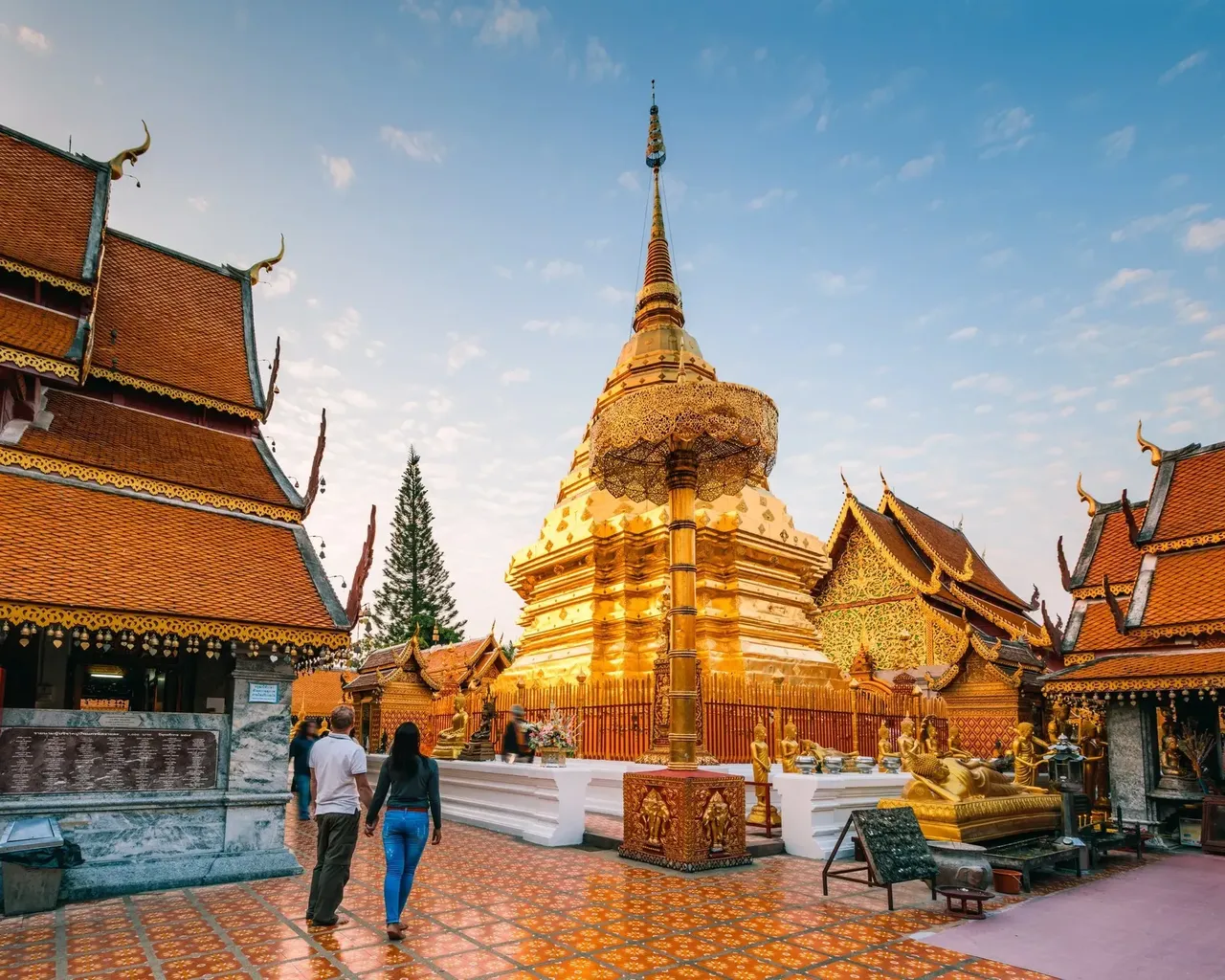
The golden Wat Phra That Doi Suthep, perched on a mountaintop. © Getty Images
From Chiang Mai Airport, you can take a 45-minute Bolt ride (rideshare) there for around THB 215 (€5.58) one way. It’s best to negotiate with your driver to wait and take you back down for a few extra THB, or you’ll be overcharged on the way back. Also, be mindful that there’s a THB 30 (€0.78) entrance fee for all visitors.
Chiang Mai Night Bazaar
Get a taste of northern Thai fare at the Chiang Mai Night Bazar in the heart of the city center.
Only a short THB 100 (€2.60) Bolt ride from the airport, this place should be on every foodie’s bucket list. You can try all the tastiest dishes from the region here, from spicy servings of Sai Oua to long sticks of Khao Lam. Dishes here typically go for between THB 30 (€0.78) and THB 100 (€2.60), but it depends on the vendor.
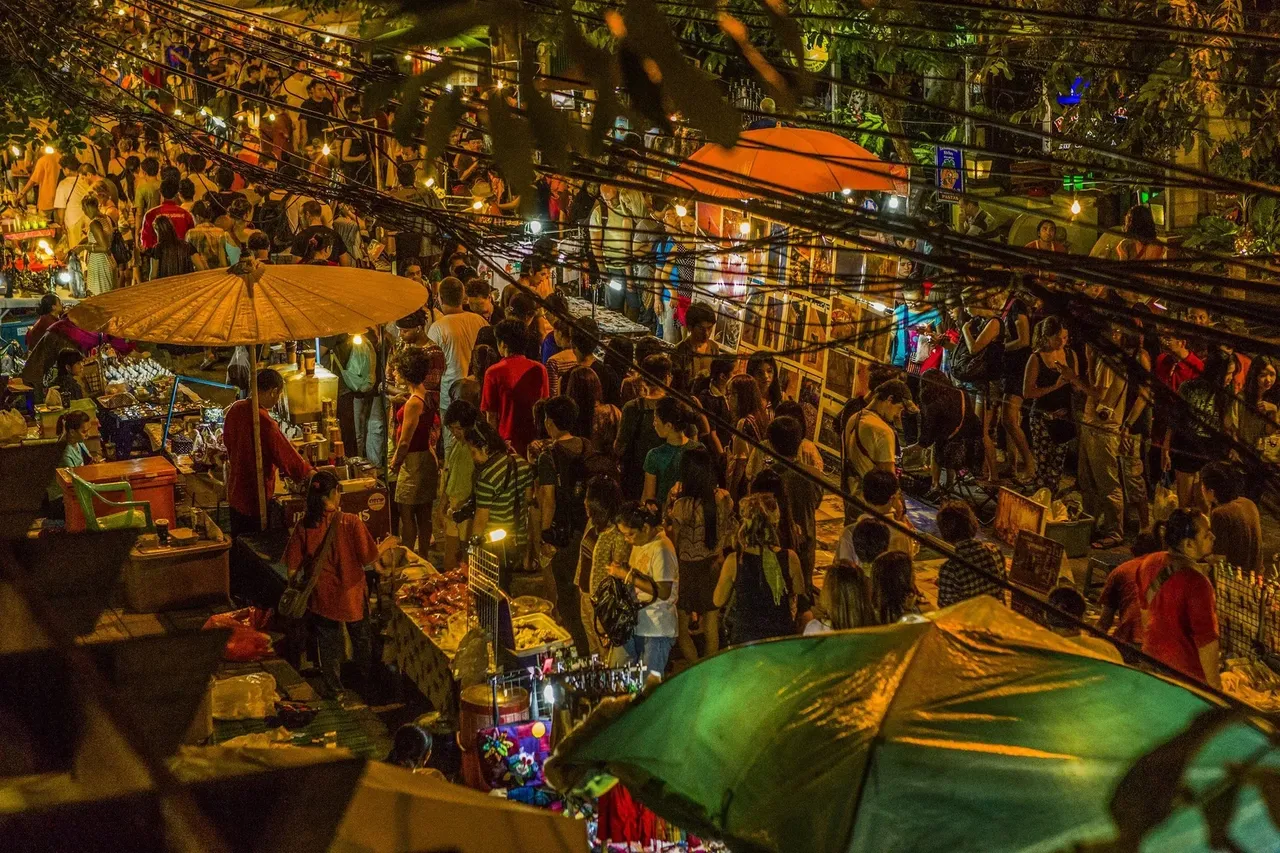
The lively and colorful Chiang Mai Night Bazaar, where locals and tourists enjoy shopping and street food © Getty Images
Food isn’t the only thing on offer at Chiang Mai Night Bazaar; there are also plenty of stalls where you can pick up souvenirs for around THB 50 (€1.30) to remember your time up north.
Phuket for the Beaches
Escape to Thailand’s famed island of the south, the gorgeous Phuket . It’s all about the pristine beaches here, like Kamala Beach and Nai Thon Beach, but that’s only the start. Uncover amazing sights like the Big Buddha, have fun in a Thai-inspired theme park like Phuket FantaSea, or get lost in Phuket Old Town.
Phuket International Airport is located in the north of the island, much quieter than the main tourist hubs in the south. Say you were to base in Phuket Old Town (which I totally recommend if you want a slice of the local way of life); it’s around a 1 hour and 25-minute bus ride, which costs THB 120 (€3.05).
Phuket FantaSea
Experience an elaborate display of Thai culture at the 30-acre Phuket FantaSea theme park; you can watch phenomenal dance performances, sample a traditional meal at a 4000-seater dining room, and feed some Mekong Catfish. Entrance tickets cost THB 1800 (€46.70), with a show viewing included, or you can upgrade to a buffet ticket for THB 2200 (€57.08).
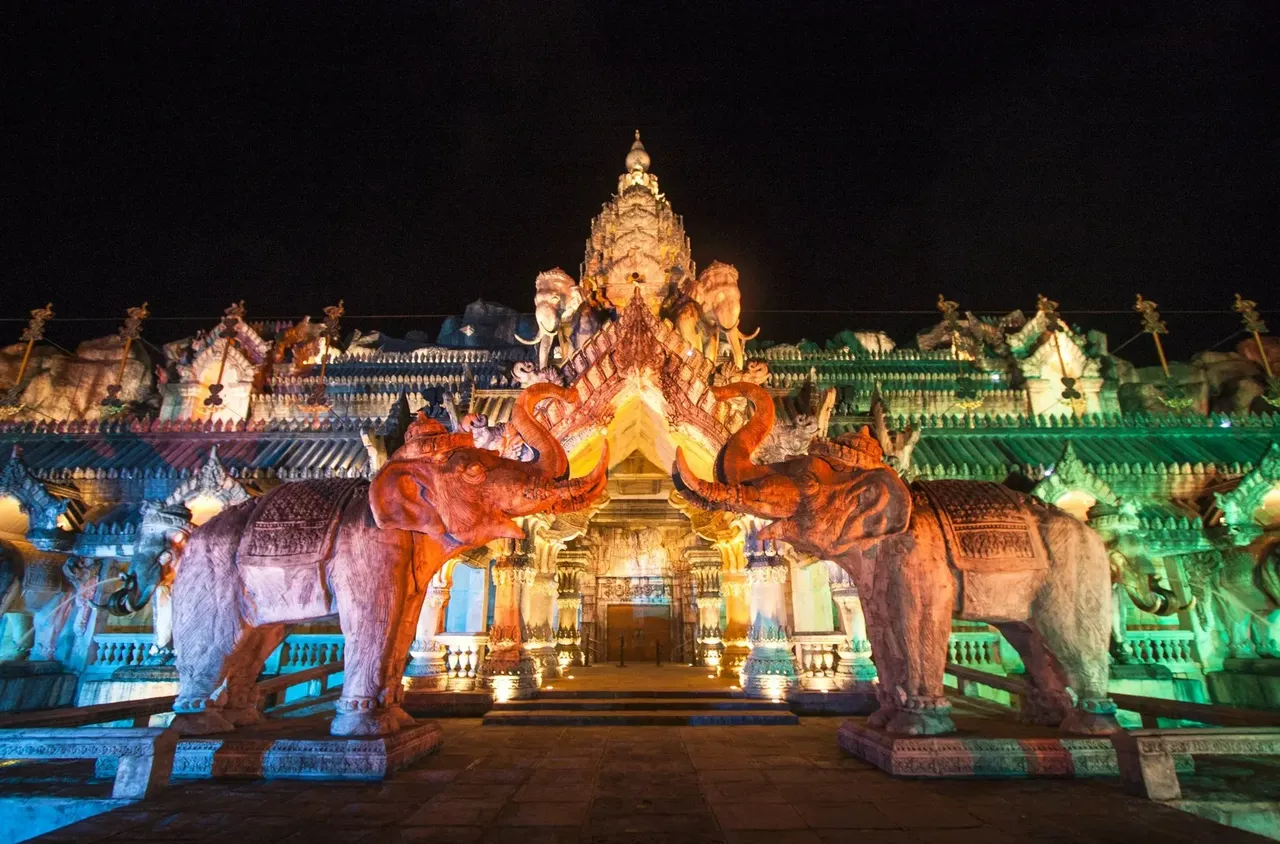
Phuket FantaSea comes alive at night with spectacular lights and elaborate shows © Getty Images
Nai Thon Beach
A quick THB 200 taxi ride from Phuket Airport , you’ll find the untouched Nai Thon Beach. If I were to sum up this secret stretch in one word, I would say paradise; between the golden sand and the pretty palm trees, it’s an idyllic sanctuary cut off from the rest of the island. Unlike many of the beaches in the south of the island, it has escaped much of the mass tourism that they’ve fallen victim to, so don’t expect mass crowds here.
Krabi for the Islands
Settled along Thailand’s southern-west coast is the town of Krabi . Characterized by limestone peaks towering out of dense jungles, secluded beaches , and faraway islands only accessible by boat, the chances are that the postcard your friend brought you back from Thailand probably had a picture of Krabi on it.
Krabi town is around a 20-minute drive from Krabi International Airport ; you can get there by taking a THB 160 taxi or hopping on the bus, which costs around THB 90 (€2.34).
Chicken Island (Ko Kai)
Chicken Island (Ko Kai) got its nickname from the obscure rock formation sticking out over the top of the island, but besides that, it’s a beauty of a spot off the coast of Krabi. It’s quite a small island with a little beach that may or may not be accessible depending on the tide on the day. However, that makes snorkeling more fun!
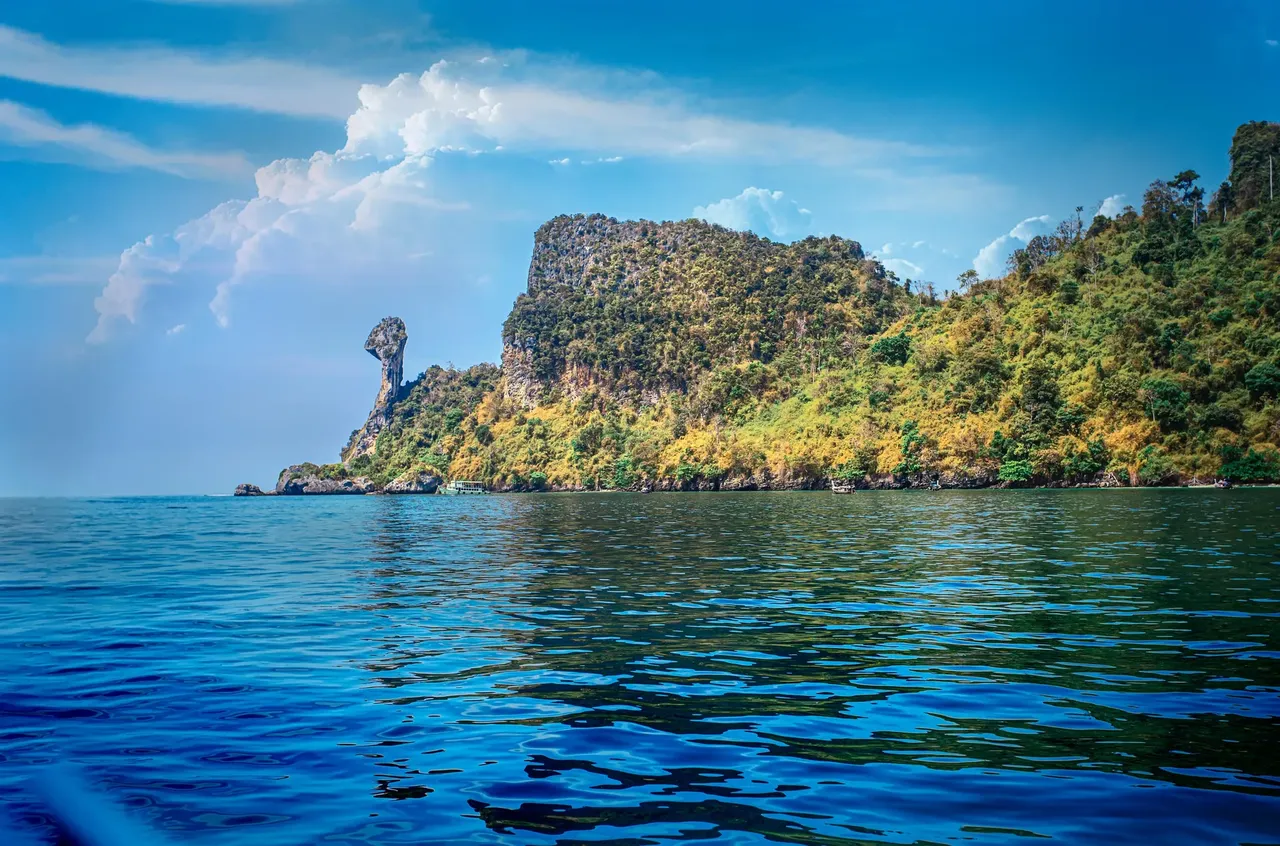
The unique rock formation of Chicken Island (Ko Kai) stands out against the clear turquoise waters © Pexels
Chicken Island is around a 25 km boat ride off the mainland and is usually visited on a full-day boat trip, which costs about THB 1380.61 (€35.80), with a few stops to other islands included, like Ko Ya Wa Sam and Ko Poda.
Railay Beach
My highlight in Krabi was, without a doubt, Railay Beach. Sure, it’s a bold statement, but you’ll agree with me on this one when you see the limestone rock formations rising above the aqua-colored sea as the waves crash up on the ice-white shores.
While Railay Beach is technically attached to the mainland, it’s only accessible by boat. There’s a set THB 100 fee each way from Ao Nang for a long-tail boat ride; you can’t negotiate a lower price, so don’t try it.
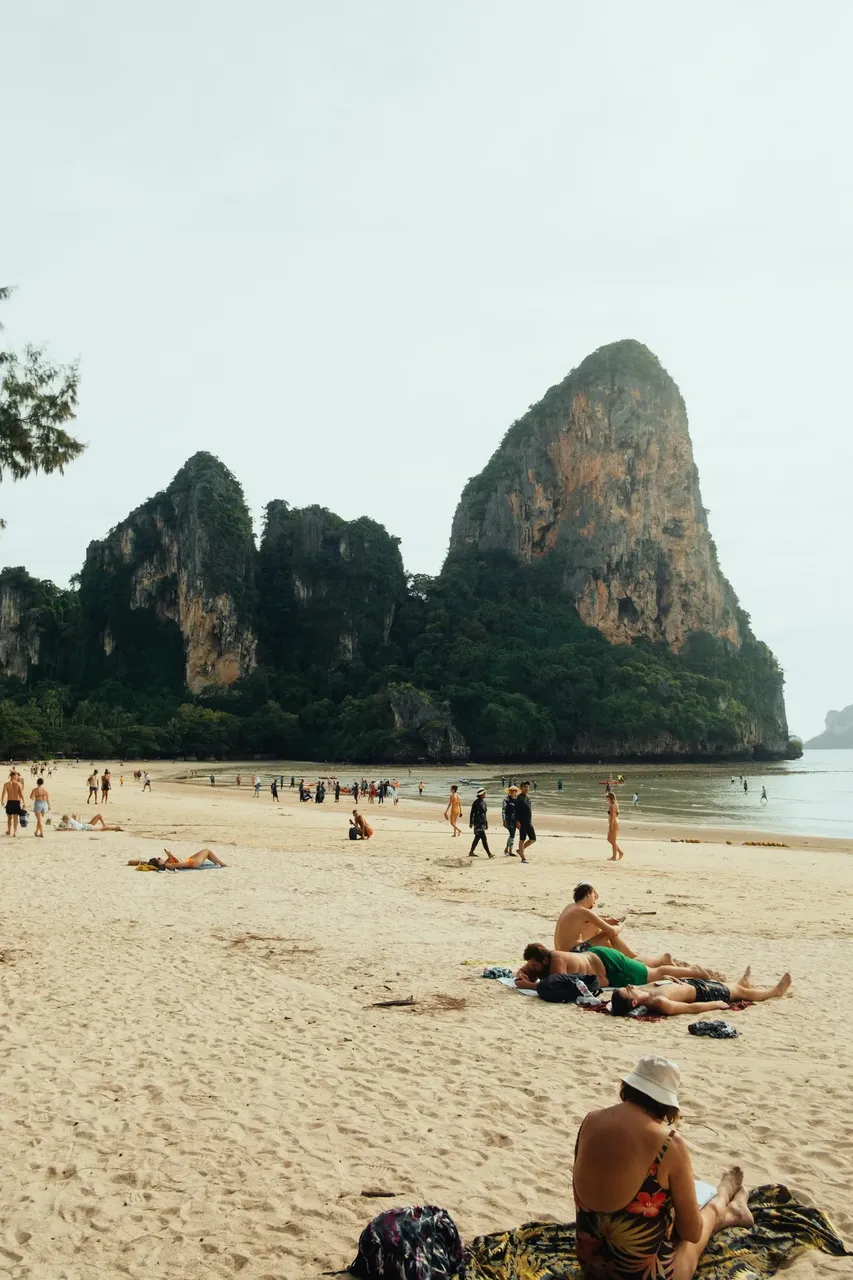
Railay Beach, a paradise with white sand and towering limestone cliffs © Pexels
Koh Samui for the Snorkeling
For this pick, we’re heading to Koh Samui on the east coast . This is one of the few islands in Thailand with an airport that you can fly to from Bangkok, but it still retains that genuine island allure since there’s no road leading out to it, unlike Phuket.
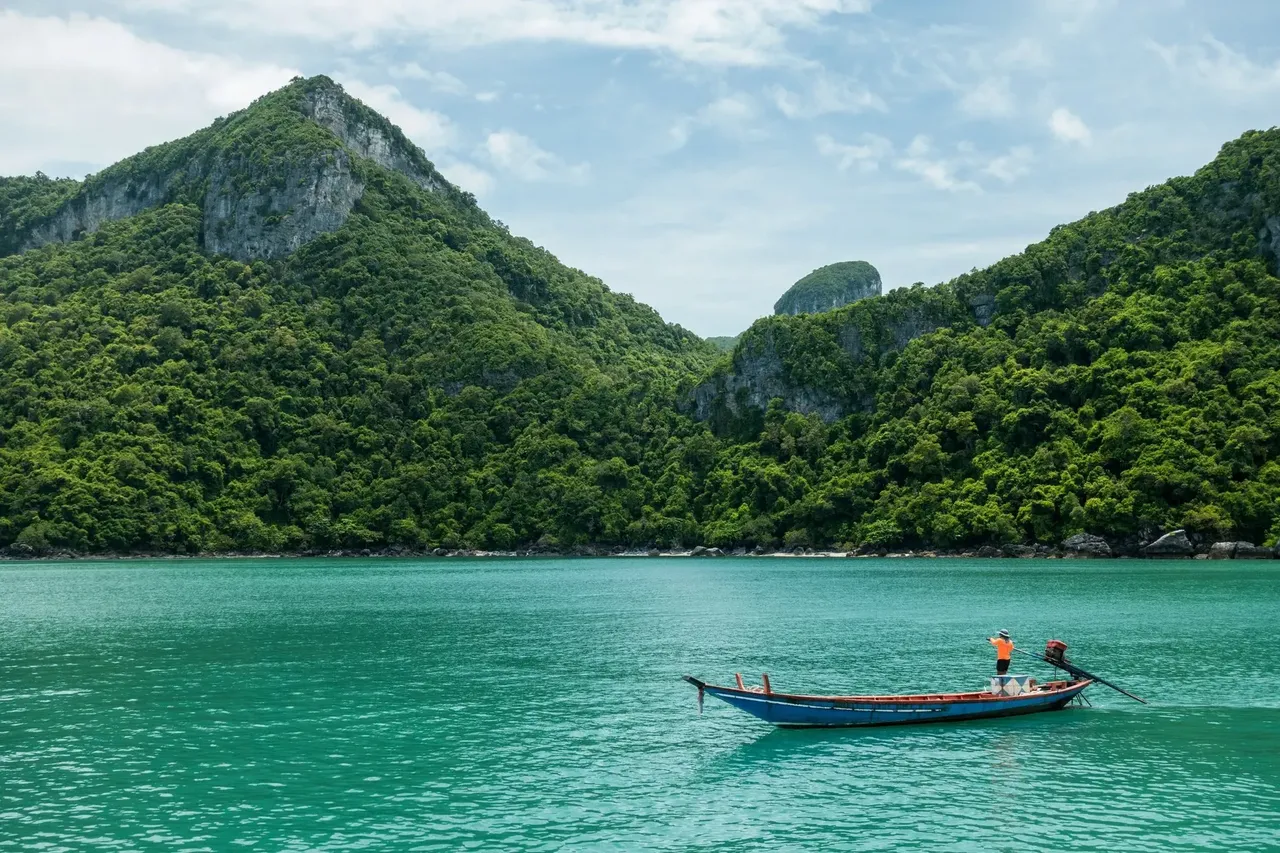
A serene moment as a boat glides past the lush mountains of Koh Samui © Getty Images
Travelers like Koh Samui for its snorkeling opportunities around Coral Cove, but this is a pretty big island. There’s a lot more than meets the eye; you’ll love the natural rock formations like the Grandfather and Grandmother Rocks and the impressive Mu Ko Ang Thong National Marine Park.
Chaweng Beach is a nice central base near Koh Samui Airport ; you can take an 18-minute shuttle there with Smack One for THB 130 (€3.37), one way.
Snorkeling at Coral Cove
Coral Cove is a popular snorkeling spot east of the island, about 25 minutes south of Koh Samui Airport. It’s a relatively tiny strip of sand, but the snorkeling here is world-class; you’ll be able to spot plenty of species of tropical fish and coral as long as the weather is on your side. On shore, there will be a few vendors offering snorkels for hire; the going rate is THB 100 (€2.60) for two hours.
Mu Ko Ang Thong National Marine Park
Made up of 42 islands, Mu Ko Ang Thong National Marine Park is a cracking trip you can take from Koh Samui for a day filled with kayaking, hiking, and swimming in sparkling clear waters. Many operators run excursions from Koh Samui; the average price is around THB 1300 (€33.73), and that includes breakfast, lunch, and drinks. However, be sure to check if the THB 300 (€7.78) national park entrance fee is included or you’ll have to pay that as well.
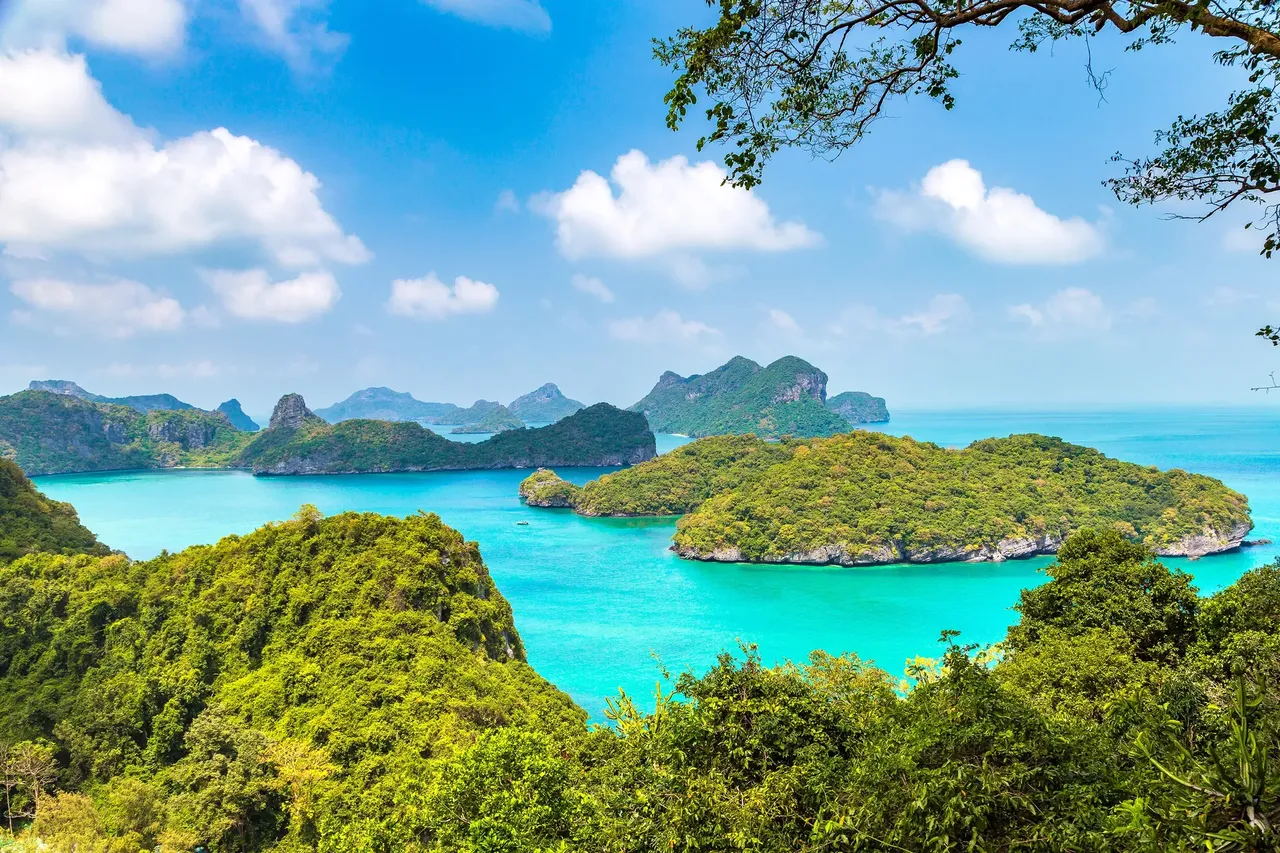
The stunning Mu Ko Ang Thong National Marine Park, a haven of unspoiled islands and crystal-clear waters © Getty Images
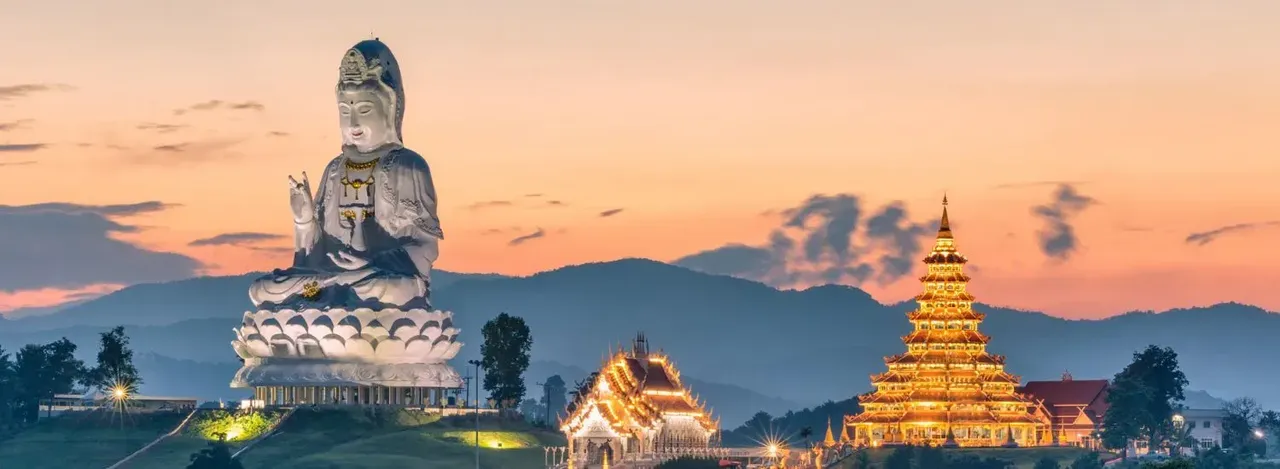
Chiang Rai for the Temples
Back to the north we go; the last airport pick we have for you is Chiang Mai’s little brother, the sleepy city of Chiang Rai . The calm you feel when you’re in Chiang Rai is unexplainable. It’s super laid-back, but there’s still quite a bit you can pack in over a few days. Chiang Rai is renowned for its temples , so you’ll want to put Wat Rong Khun and Wat Rong Suea Ten at the top of your to-do list.
After you touch down at Chiang Rai Airport , you can take a 30-minute ride into the city center on the CR bus. It’s an affordable method of transport as tickets only cost THB 28 (€0.73).
Wat Rong Khun
By the end of your Thailand trip, you might become immune to the beauty of some of the temples, but trust me, Wat Rong Kuhn is deserving of a visit.
What sets Wat Rong Khun apart from other temples is that the full exterior is completely white. It was designed by a Thai artist named Chalermchai Kosipipat; he wanted the temple to represent the Buddha’s purity while also being a structure that could be seen in the moonlight.
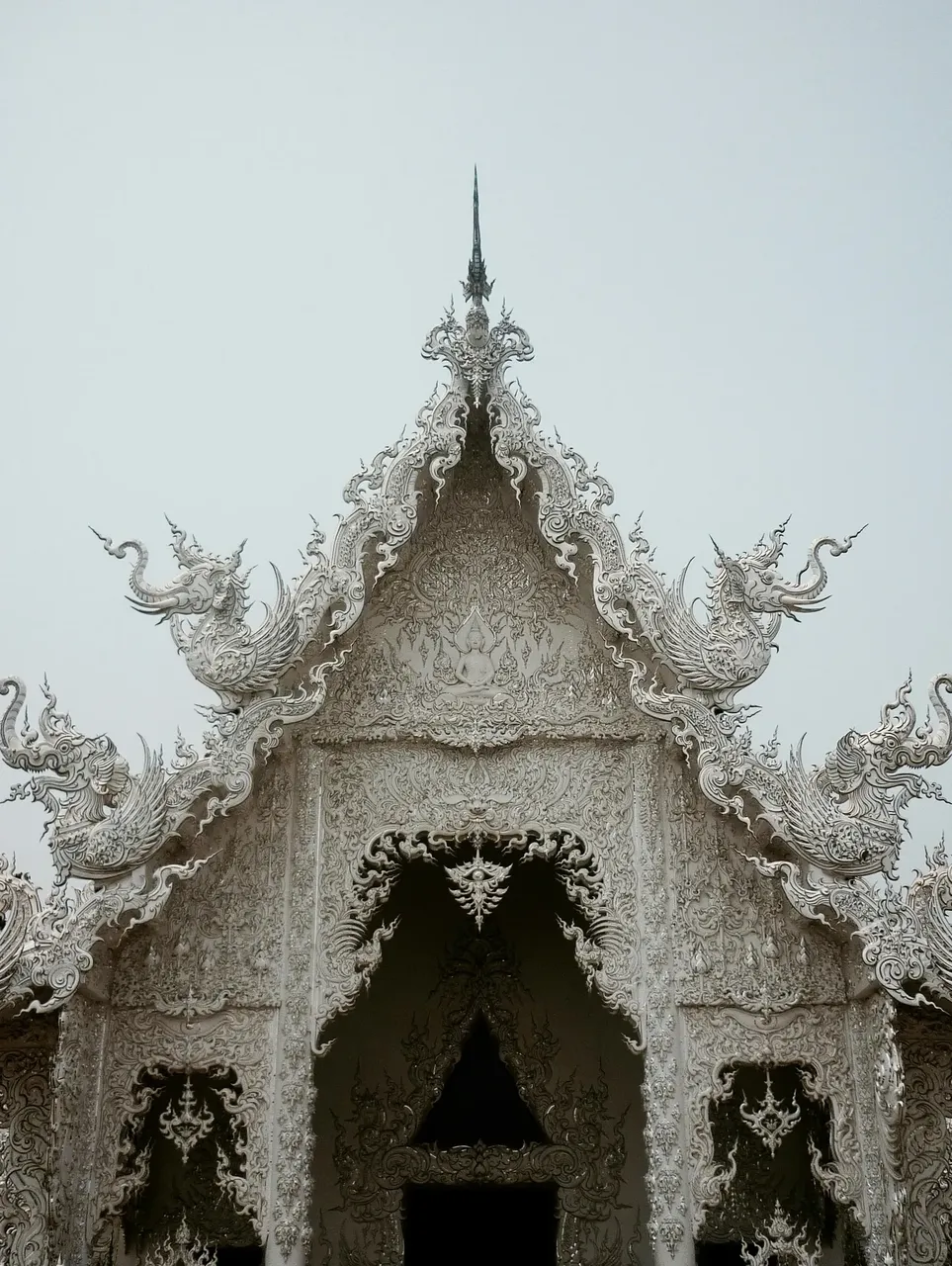
Wat Rong Khun, the White Temple, shines with its intricate design and ethereal beauty © Pexels
The entry fee for Wat Rong Kuhn is THB 100 (€2.60) per person, but be prepared to queue if you go in the afternoon.
Singha Park
See the true beauty of Chiang Rais countryside with an action-packed day out at Singha Park. This 3162-acre site is owned by a brewing company that produces Thailand’s popular beer, Singha, which is why they named the park after it.
You could spend a full day here exploring the expansive rice paddies, taking a local farm tour, and riding on a zip line. Entry is free for all visitors. However, you must pay for some of the attractions. For example, one round of rock climbing costs THB 150 (€3.90).
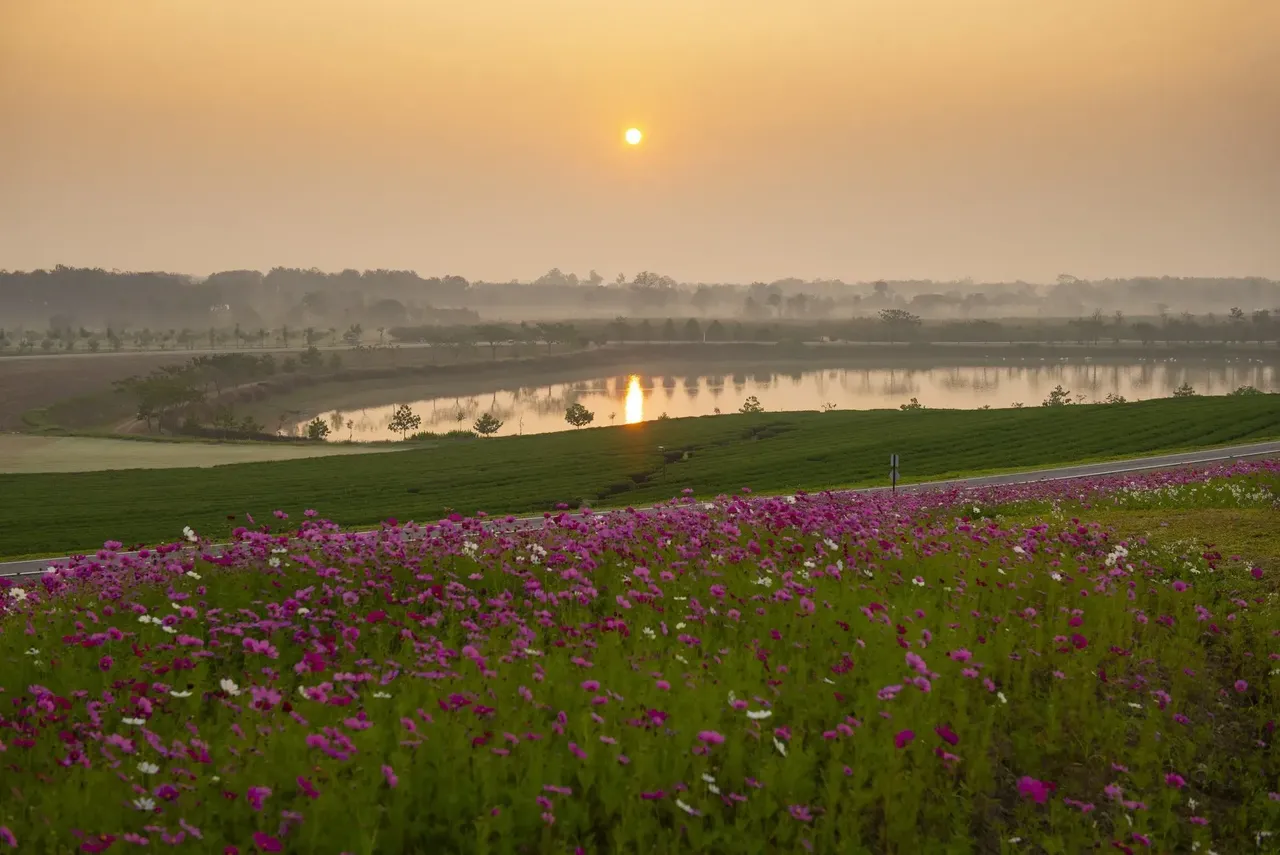
A peaceful sunset at Singha Park, casting a warm glow over tea plantations and a tranquil lake © Getty Images
Thailand for the First Timers
Visiting Thailand for the first time is one hell of an experience , but there are some things you should be aware of beforehand. Take note of some of these tips:
- Don’t drink the tap water, or you’ll get sick.
- Eating street food is totally safe and delicious.
- Wear insect repellent at night.
- Get your travel vaccines before you arrive.
- Be sure to check if you need to apply for a visa.
How Much Will a Thailand Trip Cost Per Day?
Besides its endless natural beauty and mouthwatering cuisine, one of Thailand’s biggest draws for travelers is its affordability. Most things here, whether it’s accommodation, food, or travel experiences, are cheaper than in the typical popular Western European hotspots.
When calculating your daily spending, it’s important to be aware that the general prices in one city may not be the same as in another. For example, a few days in Phuket is going to cost you more than Chiang Mai; it’s because the island gets so many tourists, so the price of everything is a little higher.
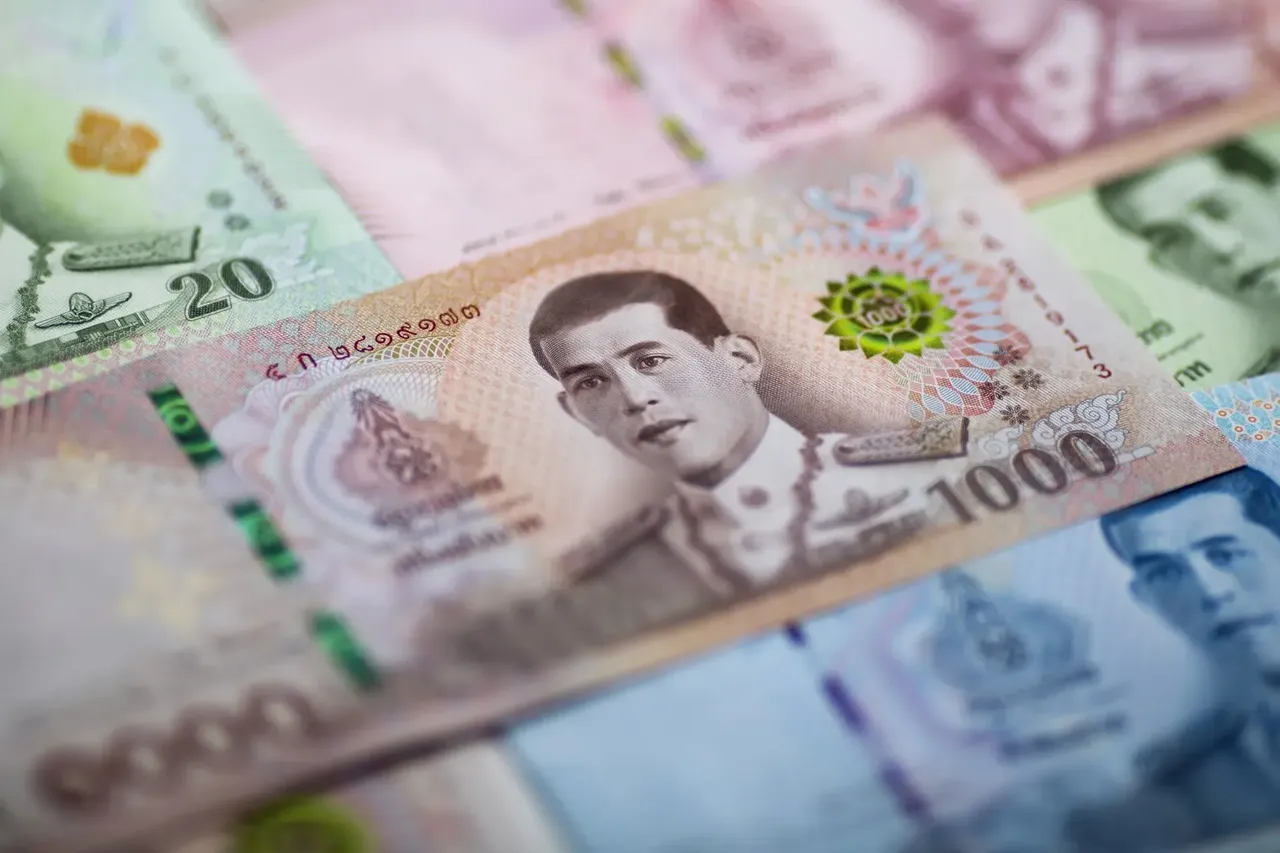
A close-up of Thai baht notes, showcasing their vibrant design and royal portrait © Getty Images
Here’s a rough breakdown of how much a Thailand trip will cost per day:
Local currency – Thai Baht (THB); €1 = THB 39
Dinner/lunch – Local lunch dish at a stall (e.g., Khao man gai) THB 30-80 (€0.78-€2.08) or a meal at a cheap restaurant THB 100-150 (€2.60-€3.90)
Coffee – Between THB 50-150 (€1.30-€3.90)
Beer – Prices for a small bottle of local beer in a bar start at THB 70 (€1.82), depending on the location
Wine – A small glass of wine in a bar typically starts at around THB 100 (€2.60)
Hostel dorm (6-bed) – Beds can be found as low as THB 192 (€5) per night in some cities
Cheap hotel/apartment – Low-cost private rooms in some places start at THB 346 (€9)
On average, you should expect to spend between THB 750-1000 (€19.49-€25.98) per day in Thailand, but you can easily exceed this budget if you prefer more comfort or eat more than the average person.
Best Time to Visit Thailand
People visit Thailand throughout the year , but some months are more favorable than others as the country experiences a dry season (November to April) and a rainy season (May to October).
Thailand’s dry season is its busiest tourism period; the picturesque coastline of the south is packed, and all of the national parks are open for business, including Hat Nappharat Thara-Mu Ko Phi Phi National Park . Temperatures throughout the country at this time of year depend on the region, but you can expect them to be between 18°C and 38°C. The north tends to be hotter and experiences the ‘‘smoky season’’ between January and March, where the air quality isn’t as favorable as the rest of the country. In the central and southern parts of Thailand, there’s more breeze because it’s close to the sea, so the temperatures tend to be a little lower.
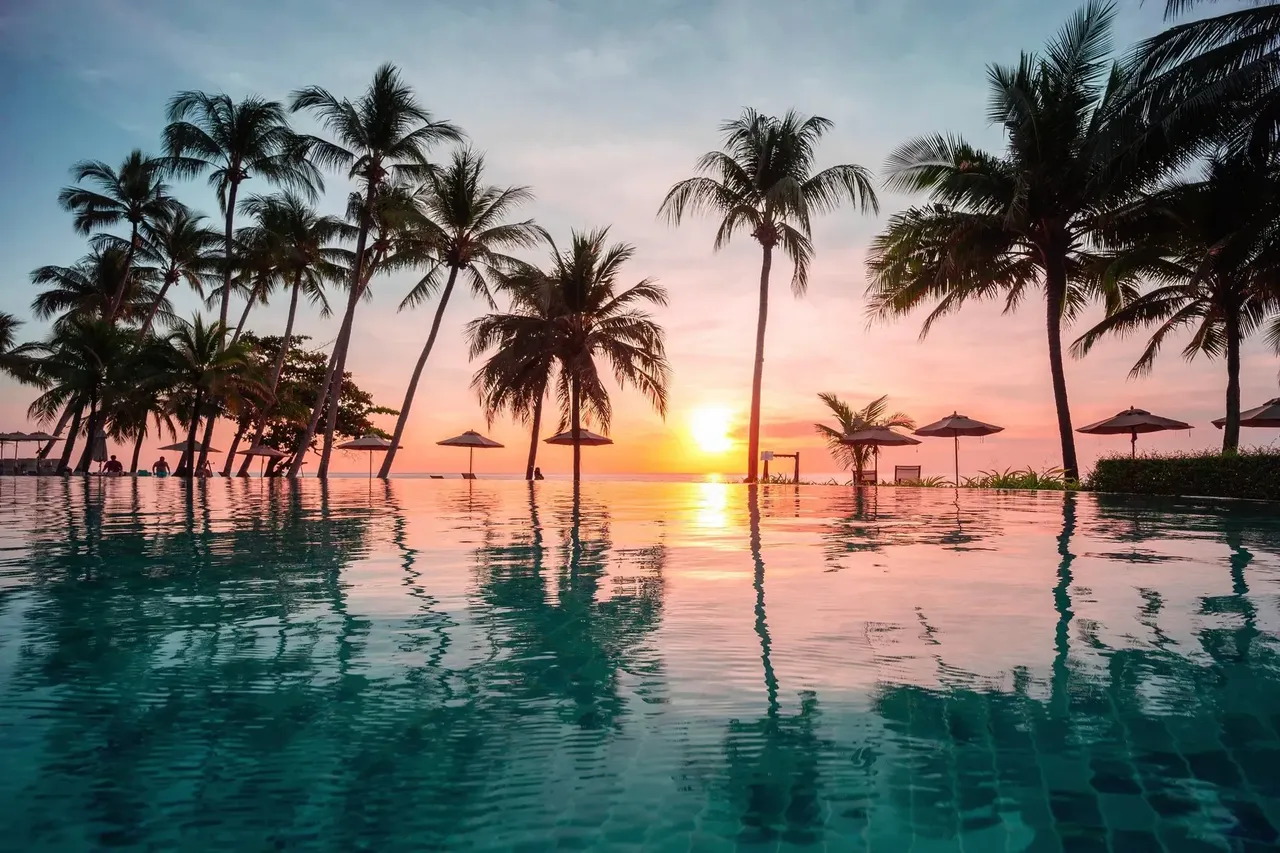
Relaxing by the infinity pool at a Thai resort, with the sky painted in sunset hues © Getty Images
Traditionally, the rainy season was always a no-go for many travelers coming to Thailand, but in recent times, it hasn’t been much of a deterrent. The average temperatures range between 28°C and 34°C, but the humidity levels are a lot higher with daily downpours, sometimes even on a few occasions every day, but they usually only last for around half an hour. Coming to Thailand during the rainy season does have its advantages, like lower prices for accommodation and flights , but it can impact your days if you want to do some outdoor activities like visiting Khun Korn Forest Park Waterfall in Chiang Rai .
Traveling Around Thailand Has Never Been Easier!
Bangkok is an excellent starting point for travelers coming to Thailand; it’s a convenient hub for reaching other parts of the country. Thanks to airlines like Air Asia, Thai Airways, and Bangkok Airways, you can easily fly to any of the cities in this article, either of Bangkok’s airports, for a relatively low price.
Popular routes on Kiwi.com
- Cheap flights from London to Turkey
- Cheap flights from London to Barcelona
- Cheap flights from London to Japan
- Cheap flights from London to New York
- Cheap flights from New York to Paris
- Cheap flights to Spain
- Cheap flights to Italy
- Cheap flights to the United States
- Cheap flights to the United Kingdom
- Last minute flights
People Also Read

How to Travel Patagonia: A First-Timer's Guide to Chile & Argentina's Wild South
Where to stay in Palma de Mallorca: best areas for beaches, culture and nightlife