






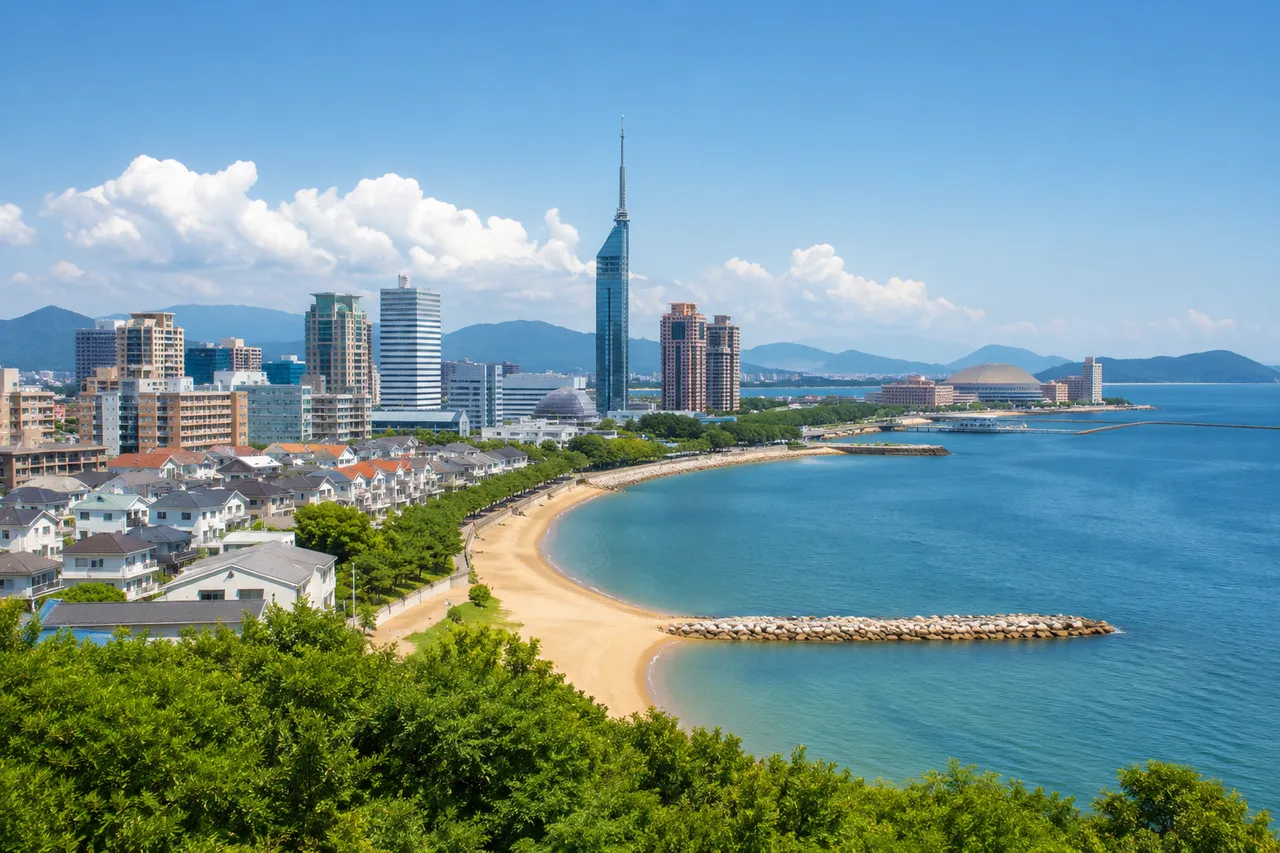
Kyoto’s reputation comes from its historical prestige, cultural branding, and global recognition as Japan’s “unchanging” heart of tradition. Fukuoka is growing in popularity because it is modern, livable, and easy to visit, with the airport only 10 minutes from its center. And while both cities are hot, Fukuoka’s coastal position tempers humidity and heat. Kyoto ’s inland basin traps warm air, with temperatures as high as 33-36 ° C in summer. For small-business etiquette and payment methods, always carry cash.
Why Kyoto Dominates Global Popularity
Kyoto is more popular than Fukuoka primarily because of its unmatched historical and cultural significance as Japan’s former imperial capital for over 1,000 years. While Fukuoka is a fast-growing, highly livable modern hub famous for its food scene, Kyoto represents the quintessential “traditional Japan” that international travelers look for.
Concentration of World Heritage Sites
Kyoto houses over 2,000 temples and shrines, including 17 UNESCO World Heritage sites like the Golden Pavilion (Kinkaku-ji) and Fushimi Inari-taisha. Fukuoka also has a rich history, but far fewer globally recognized landmarks.
Imperial Legacy
Kyoto served as Japan’s capital from 794 to 1868, shaping its architecture, religion, and aesthetics. This millennium of continuity created a deep cultural memory that still defines “authentic Japan.”
Brand Strategy of Timelessness
After losing its capital status, Kyoto rebranded itself as the “unchanging city.” It stopped competing for modern relevance and instead emphasized authenticity, refinement, and endurance, values that resonate globally.
Preserved Traditional Aesthetics
Because Kyoto was largely spared carpet bombing during World War II, its historic neighborhoods like Gion and Higashiyama remain intact. It is the epicenter of geisha culture, tea ceremonies, and kaiseki dining.
Global Marketing and Media
Kyoto is the default setting for western media, movies, and travel photography depicting classic Japan. Fukuoka has only recently gained international traction, primarily among foodies and repeat travelers.
Where Fukuoka Outperforms Kyoto
Despite Kyoto’s massive popularity, many travelers and expats actually prefer Fukuoka. This preference is driven by several distinct advantages:
No Overtourism
Kyoto suffers from severe tourist crowding, clogged public buses, and long lines. Fukuoka offers a relaxed, breathable atmosphere where you can experience genuine Japanese daily life without the crowds.
Superior Culinary Scene
Fukuoka is widely considered one of the top food capitals of Japan. It is the birthplace of Hakata Tonkotsu ramen and famous for its vibrant nighttime yatai (outdoor food stalls) along the river.
Lower Cost of Living
Hotels, dining, and shopping are significantly cheaper in Fukuoka than in tourist-inflated Kyoto.
Better Urban Geography
Fukuoka features a compact layout where the international airport is a mere 5-minute subway ride from the main bullet train station (Hakata). It also boasts urban beaches and a highly active startup and nightlife culture.
Why Fukuoka Wins in July
Fukuoka beats Kyoto in July for comfort, accessibility, and authentic summer spirit: you trade ornate floats for raw festival adrenaline and oppressive heat for ocean air.
Climate Advantage
While both cities are hot, Fukuoka’s coastal position tempers humidity and heat. Kyoto’s inland basin traps warm air, making afternoons stifling.
Festival Experience
The Hakata Gion Yamakasa is one of Japan’s most thrilling cultural events: teams race massive wooden floats through the streets at dawn, blending Shinto ritual and athletic spectacle. It’s shorter and more intense than Kyoto’s month-long Gion Matsuri, which can feel drawn-out in the heat.
Ease of Travel
Fukuoka Airport is only 10 minutes from downtown; Kyoto requires transfers from Osaka or Kansai Airport.
Local Vibe
Fukuoka balances tradition and modernity — ramen stalls (yatai), seaside promenades, and friendly Kyushu hospitality. Kyoto’s charm is undeniable but it is often overshadowed by crowds and high prices.
Outdoor Options
From Fukuoka, you can reach cool volcanic highlands (Aso, Kuju) or beaches on Itoshima within an hour, ideal for escaping the midday heat.
Fukuoka vs. Kyoto in July: A Comparison
| Feature | Fukuoka (Kyushu) | Kyoto (Honshu) |
|---|---|---|
| Average temperature | 26–33 °C, moderated by sea breezes | 33–35 °C, basin heat trap |
| Humidity | Medium (rainy season ends mid-July) | High (70–80 %), oppressive |
| Festival highlight | Hakata Gion Yamakasa — July 1–15, culminating July 15 @ 4:59 AM | Gion Matsuri — July 1–31, parades July 17 & 24 |
| Crowds | Moderate, mostly domestic visitors | Heavy, especially around Yasaka Shrine |
| Atmosphere | Energetic, coastal, modern yet traditional | Classical, elegant, but tourist-dense |
| Accessibility | Compact city, easy transport from airport to center | Complex navigation, long walks in heat |
| Nature escapes | Beaches, Mount Aso, Kuju Highlands nearby | Limited; urban and mountainous basin |
| Overall comfort | ★★★★☆ — vibrant yet breathable | ★★☆☆☆ — beautiful but exhausting |
The Many Attractions of Fukuoka
Why Fukuoga Is Rising in Popularity
Fukuoka is a compact, walkable city known for its food culture, historic shrines, seaside modernity around Momochi, and easy day trips to Dazaifu and Yanagawa. Fukuoka’s cultural attractions are deeply tied to the ancient trade port of Hakata. Rather than being sprawling tourist parks, these sites are living centers of spiritual life, craftsmanship, and community history.
Kushida Shrine (The Guardian of Hakata)
Widely known by locals as “Okushida-san,” this Shinto shrine was founded in 757. It acts as the spiritual heart of the city’s identity.
The Yamakasa Floats
Kushida is the home base for the Hakata Gion Yamakasa festival, an intense 700-year-old race where teams of men sprint through the city carrying massive wooden floats. A multi-story, vividly decorated kazari-yamakasa (decorative float) is kept on display in the courtyard year-round.
The Giant Otafuku Mask
If you visit during the Setsubun festival in late January or early February, the main entrance is covered by the largest theatrical Otafuku mask in Japan (over 5 meters tall). Walking through its wide-open mouth is said to bring good luck.
Tocho-ji Temple (The Oldest Shingon Temple)
Founded in 806 by Kobo Daishi (Kukai), one of Japan’s most revered historical religious figures, this temple is the oldest esoteric Buddhist center in the country.
The Fukuoka Great Buddha (Daibutsu)
On the second floor of the temple sits a stunning, 10.8-meter-tall wooden Buddha statue. Carved from a single piece of solid cypress, it is the largest seated wooden Buddha in Japan. Behind it rests a towering ring of light carved with thousands of miniature Buddhas.
The Pure Cypress Pagoda
In the center of the complex sits a striking, bright red five-story pagoda that beautifully offsets Fukuoka’s modern corporate skyline.
Shofuku-ji Temple (The Birthplace of Zen and Tea)
Founded in 1195 by the monk Eisai, Shofuku-ji holds a monumental place in national history as Japan’s very first Zen Buddhist temple.
The Origin of Japanese Green Tea
After spending years studying in China, Eisai returned to Fukuoka with Zen teachings and a handful of tea plant seeds. He planted Japan’s first domestic tea garden right here, effectively launching the entire nation’s tea culture.
Preserved Zen Architecture
The buildings follow a strict, classic Zen layout, aligning the Sanmon Gate, Buddha Hall, and Lecture Hall in a straight line. The grand Sanmon Gate proudly displays a wooden tablet written by Emperor Go-Toba declaring it the “First Zen Temple.”
Fukuoka Castle Ruins & Maizuru Park
Built in the early 1600s by Kuroda Nagamasa (the first feudal lord of the Fukuoka Domain), this was once the largest castle complex on Kyushu island.
The Samurai Footprint
While the main wooden keeps were torn down during the Meiji Restoration, the sprawling, jagged stone defensive walls, massive moats, and several original watchtowers (yagura) remain intact.
The Skyline View
You can climb up to the stone foundation where the grand main keep (Tenshudai) once stood. It now serves as a panoramic observation deck offering incredible views of Ohori Park and the modern city skyline.
Dazaifu Tenmangu Shrine (The Academic Sanctuary)
Located about 30 minutes south of downtown Fukuoka, this massive shrine complex is one of the most culturally vital day trips in Kyushu.
The Deity of Learning
The shrine is dedicated to Sugawara no Michizane, a 9th-century scholar and politician who was deified as the god of education (Tenjin). Millions of Japanese students and families travel here every year to pray for passing difficult school and university entrance exams.
The Flying Plum Tree
The courtyard features over 6,000 plum trees. The most famous is the Tobiuma (Flying Plum Tree) right next to the main hall. Legend says it loved Michizane so much that it uprooted itself from Kyoto and flew through the air to Fukuoka to be with him when he was exiled.
Leisure & Modern Attractions
Fukuoka Tower and Momochi Seaside
A 234-metre seaside tower with panoramic observation deck; good for sunset and bay views (observation fees apply).
Ohori Park and Fukuoka Art Museum
A large pond loop, Japanese garden, and an art collection of international and Japanese works—ideal for walking and museum visits.
Nature & Day Trips
Seaside Momochi
Beaches, waterfront cafés, and sunset views over Hakata Bay.
Nokonoshima Island Park
30 minutes away by ferry; flower fields and sea views.
Yanagawa River Punting
Tranquil canal rides through a historic town south of Fukuoka.
Mount Aso and Kuju Highlands
These volcanic landscapes are reachable within a few hours for hiking or cycling.
Fakuoka’s Exciting Food Scene
Fukuoka’s food scene is widely considered by locals and expats to be the best in Japan.
The Legendary Yatai Culture (Open-Air Food Stalls)
The defining feature of Fukuoka’s nightlife is its yatai—mobile, open-air wooden food stalls that park on the sidewalks every evening around 6:00 PM. Fukuoka is the last major city in Japan to preserve this historic street food culture.
The Atmosphere
Each yatai seats only about 8 to 12 people on tiny wooden stools, packed tightly around a central chef. It is highly social; strangers frequently chat with one another, toast drinks, and share food recommendations.
The Neighborhoods
- Nakasu Island: The most picturesque location. Stalls line the river, with neon lights reflecting off the water. It is highly popular with tourists.
- Tenjin: Located in the commercial district. These stalls cater more to local business professionals stopping by for a drink after work.
- Nagahama: The traditional birthplace of the city’s fish-market-style ramen, offering a slightly more old-school, rugged vibe.
The Food
While famous for ramen, yatai also serve yakitori (skewered chicken), oden (simmered winter comfort food), gyoza, and local sake.
Iconic Culinary Staples
Fukuoka’s regional cuisine is known across Japan as Hakata-meshi. The flavors are rich, hearty, and heavily reliant on pork, seafood, and spice.
Hakata Tonkotsu Ramen
The city’s crown jewel. It features a deeply savory, milky-white broth made by boiling pork bones for days. It is paired with thin, hard noodles and topped with pork belly slices (chashu). Fukuoka is the original home of global chains like Ichiran and Ippudo, but the city is packed with hundreds of independent, family-run ramen shops (ramen-ya).
Motsunabe (Intestine Hot Pot)
A popular local comfort food, especially on cooler nights. It is a hot pot filled with tender beef or pork intestines, heaps of cabbage, and garlic chives, all simmered in a rich soy sauce or miso broth.
Mizutaki (Chicken Hot Pot)
A more refined, historic hot pot using local Kyushu chicken. The chicken simmers slowly until the broth becomes creamy and white, bringing out a naturally sweet, pure flavor.
Mentaiko (Spicy Cod Roe)
The ultimate Fukuoka delicacy. This is pollock roe marinated in chili pepper and spices. It is eaten raw over hot white rice, stuffed inside grilled rice balls, or used as a rich sauce over pasta.
When to Visit Fukuoka and for How Long
When
The best times to visit Fukuoka are during the spring (March to May) and autumn (October to November**)**. During these months, the weather is exceptionally mild and comfortable, making it perfect for exploring the city’s parks, outdoor sights, and yatai food stalls . In autumn, vibrant foliage colors the region, especially in day-trip destinations like Dazaifu Tenmangu Shrine and Kamado Shrine.
For How Long
The ideal amount of time to spend in Fukuoka is 2 to 3 days, which allows you to experience the city’s famous food culture, historic temples, and modern shopping districts without feeling rushed. If you plan to use the city as a base for day trips to nearby attractions like Dazaifu or Yanagawa, extend your stay to 4 to 5 days.
Practical Tips
- Book early for July 15 — the climax of Hakata Gion Yamakasa draws thousands.
- Stay hydrated and wear light clothing; even Fukuoka’s milder heat can reach 33 °C.
- Consider a campervan or rental car if you plan to explore Kyushu’s mountains and coast.
- Timin g: yatai open in the evening; many museums and shrines close by late afternoon.
- Money and language: some yatai and small shops prefer cash; English can be limited, but pointing and simple phrases work. For small-business etiquette and payment methods, carry cash.
Need to Know Before Choosing Fukuoka Over Kyoto? Read These Essential FAQs
Why is Kyoto so much more popular than Fukuoka?
Kyoto is far more famous because it served as Japan’s imperial capital for more than 1,000 years and is home to over 2,000 temples and shrines, including 17 UNESCO World Heritage Sites. While Fukuoka has a rich history and vibrant culture, Kyoto remains the destination most international visitors associate with traditional Japan.
Why is Fukuoka a better place to visit than Kyoto?
Fukuoka offers a more relaxed and authentic experience with fewer crowds, easier transportation, and lower prices for hotels, dining, and shopping. It is famous for Hakata Tonkotsu ramen, riverside yatai food stalls, urban beaches, and a lively nightlife, making it an excellent alternative for travelers seeking a less touristy Japanese city.
How much time is ideal for a visit to Fukuoka?
Most travelers should spend 2 to 3 days in Fukuoka to enjoy its food scene, temples, shopping districts, and waterfront attractions. If you plan to take day trips around northern Kyushu, extending your stay to 4 or 5 days is recommended.
Does Fukuoka also have historical and religious sites like Kyoto?
Yes. Fukuoka is home to several important historical landmarks, including Kushida Shrine, founded in 757, Tocho-ji Temple, founded in 806, and Shofuku-ji Temple, established in 1195 as Japan’s first Zen Buddhist temple. These sites provide fascinating insights into the city’s spiritual and cultural heritage.
When is the best time to visit Fukuoka?
Spring (March to May) and autumn (October to November) offer the most pleasant weather for sightseeing. Summer is hot and humid but features the spectacular Hakata Gion Yamakasa festival, while winter is relatively mild and often offers lower hotel prices, making it ideal for budget-conscious travelers.
Popular routes on Kiwi.com
- Cheap flights from London to Turkey
- Cheap flights from London to Barcelona
- Cheap flights from London to Japan
- Cheap flights from London to New York
- Cheap flights from New York to Paris
- Cheap flights to Spain
- Cheap flights to Italy
- Cheap flights to the United States
- Cheap flights to the United Kingdom
- Last minute flights
People Also Read

How to Travel Patagonia: A First-Timer's Guide to Chile & Argentina's Wild South

Where to stay in Palma de Mallorca: best areas for beaches, culture and nightlife