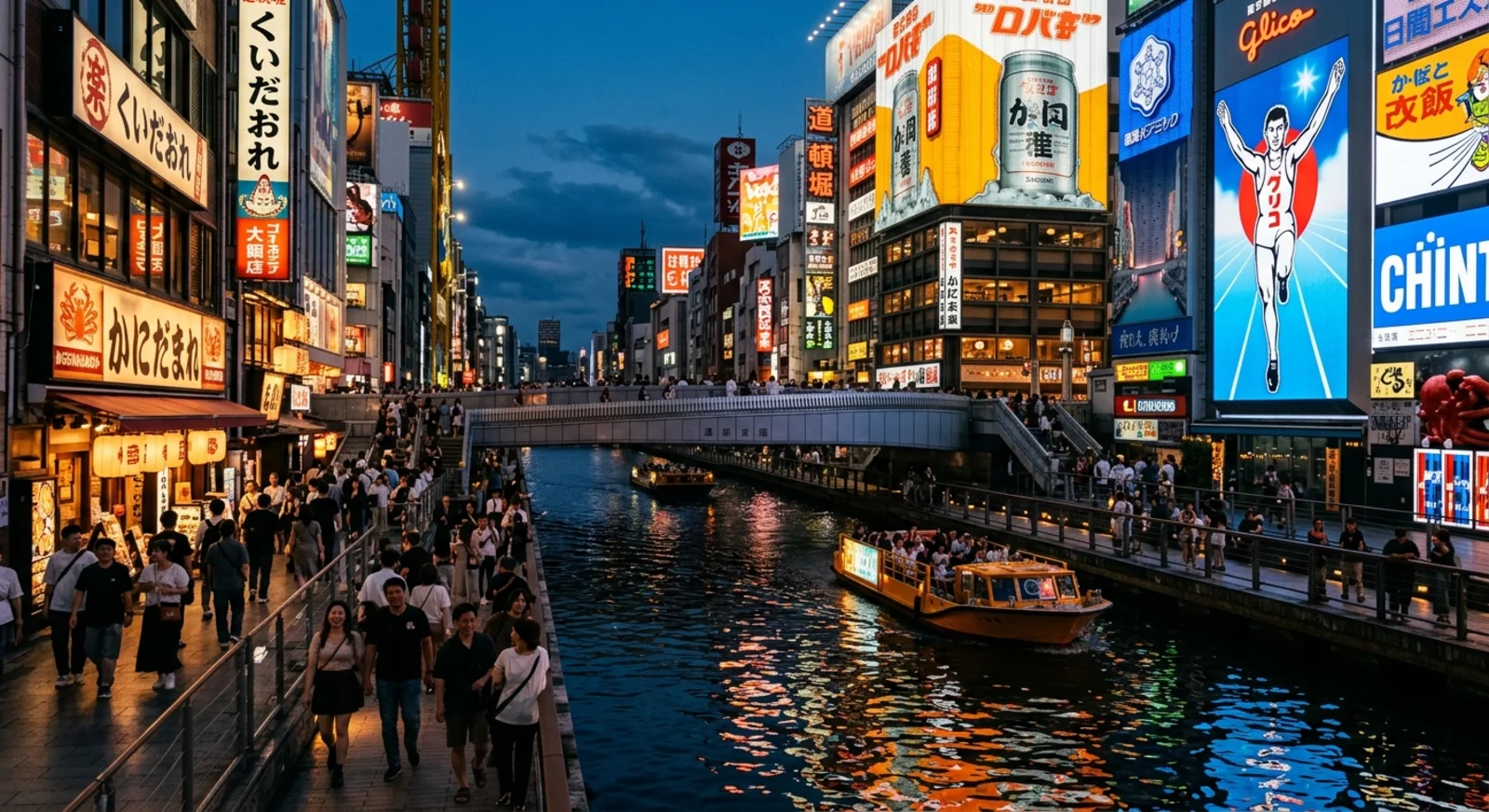






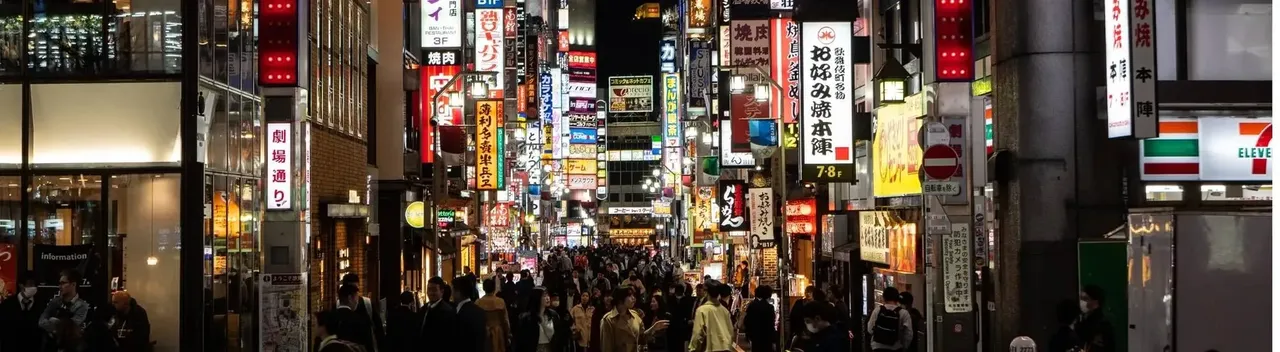
On October 11, after some very stringent Covid-preventative measures and a long two and a half years for those with the country on their bucket lists, Japan finally opened up again to individual international tourists. (Earlier this year, foreigners were once again permitted to enter the country for non-essential reasons, but only if they were on an organized tour.) 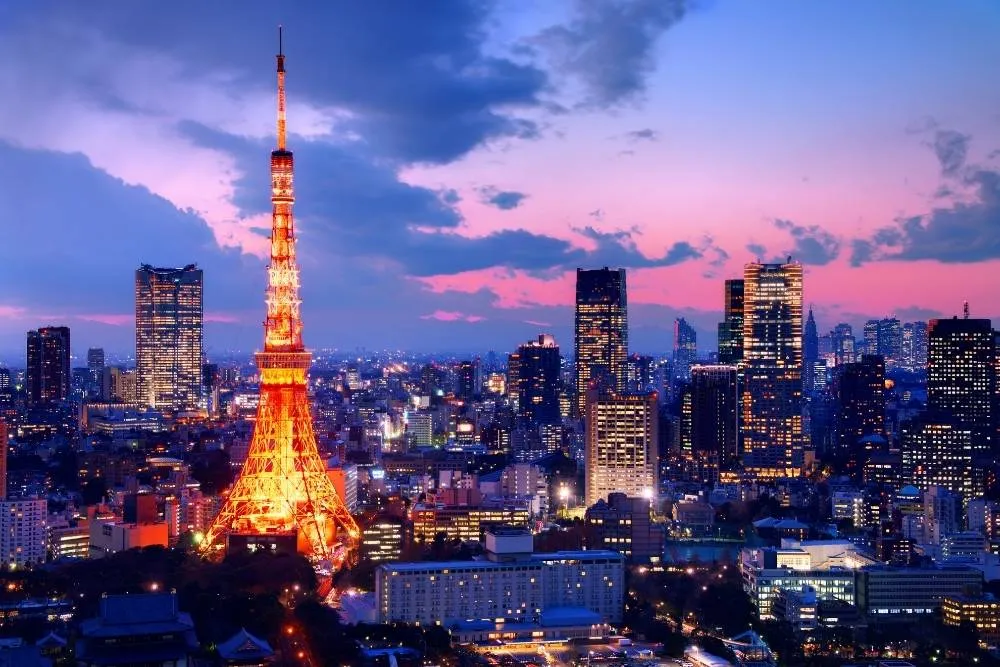 Tokyo isn’t a city, it’s a metropolis — Shutterstock
Just as well, because we want Tokyo to be the next hidden city that we hack ! Okay, Tokyo isn’t technically a city; the Japanese capital officially became a metropolis in 1943. Imagine Tokyo as a bunch of small cities — “special wards”, of which there are 23, Shinjuku and Shibuya being the most touristy ones. Then, each ward is broken up into districts. Yeah, Tokyo’s a big place. But don’t worry — we’re going to tell you all the things you need to know to get the most out of it. Read on to find out what to expect from Tokyo generally, and for some fun and unique things to do for very little money, from the must-sees to the hidden gems. But first, let’s get into some practical tips: traveling from the airport to the center, budgeting, and local customs.
Getting from the airport
So, you’ve just landed in Tokyo and you’re raring to go and take on this mother of all cities. But how do you get to the action?
Haneda Airport
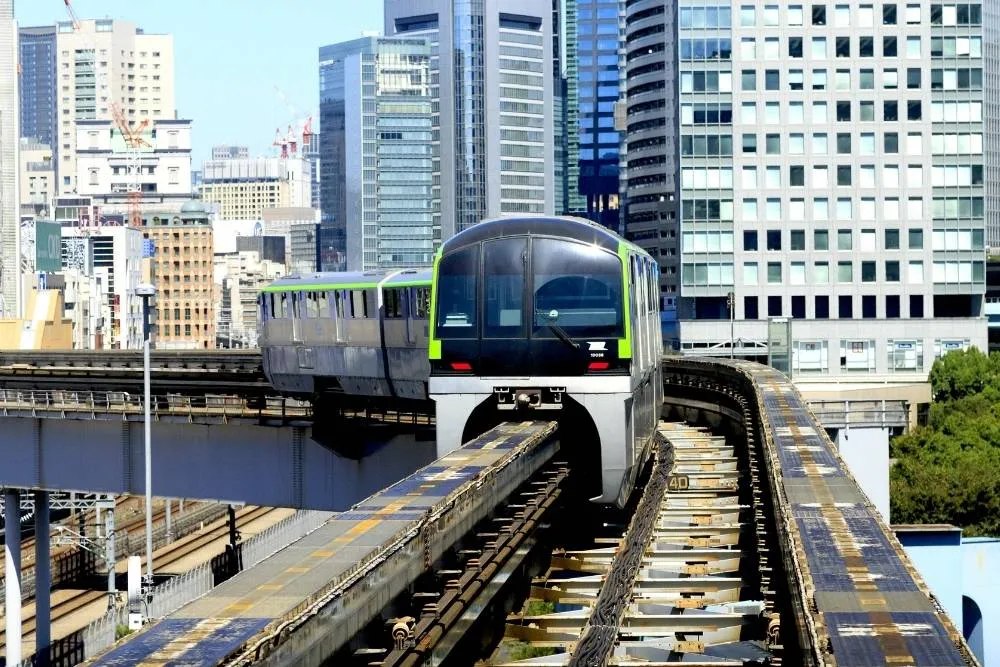 The monorail is the quickest means to get to Tokyo from Haneda Airport — Shutterstock The two most practical and cheapest ways to get from Haneda Airport to Central Tokyo are by train
and by monorail. Both the train (the Keikyu line) and the monorail depart from all three of Haneda Airport’s terminals at regular intervals, and they’ll both take you as far as Minato ward. This journey is about 25 minutes on the Keikyu line and can be as quick as 15 minutes on the monorail, depending on whether it’s an express, rapid, or local service.
The monorail is the quickest means to get to Tokyo from Haneda Airport — Shutterstock The two most practical and cheapest ways to get from Haneda Airport to Central Tokyo are by train
and by monorail. Both the train (the Keikyu line) and the monorail depart from all three of Haneda Airport’s terminals at regular intervals, and they’ll both take you as far as Minato ward. This journey is about 25 minutes on the Keikyu line and can be as quick as 15 minutes on the monorail, depending on whether it’s an express, rapid, or local service.
Narita Airport
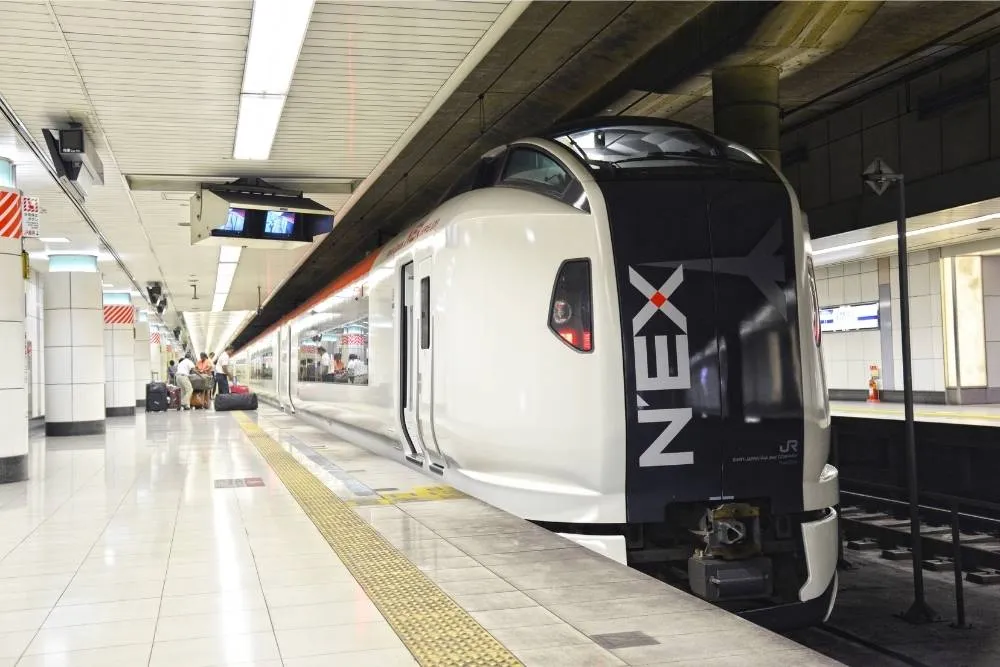 The N’EX is modern, comfortable and quick — Shutterstock Narita Airport is located further out from Central Tokyo than Haneda Airport. The quickest way to get to the city (in just under one hour) is by taking the Narita Express (N’EX) train from any of the airport terminals. An alternative, cheaper option is to take the Keisei line train as far as Arakawa ward or Taito ward, but this will likely take significantly longer.
Budget: the basics
How much do things cost in Tokyo? Less than you might have thought — we’ve got some budget tips and practical advice that’ll help make your money go further.
Money
The currency of Japan is the yen (¥). As of October 2022, €1 (euro) is worth about ¥142, and $1 (United States dollar) is approximately ¥145. Japan has a reputation for being a cash society. While some places (mainly small bars and eateries) still don’t take card payments, it’s become increasingly common for businesses to do so — especially in the capital — since the start of the pandemic. Wherever in the world you travel to, Revolut is an absolute godsend. Not only does it completely eliminate the need to carry large amounts of foreign cash around — it also lets you convert your money to any currency at no hidden extra cost. Find out more about how Revolut works .
Eating
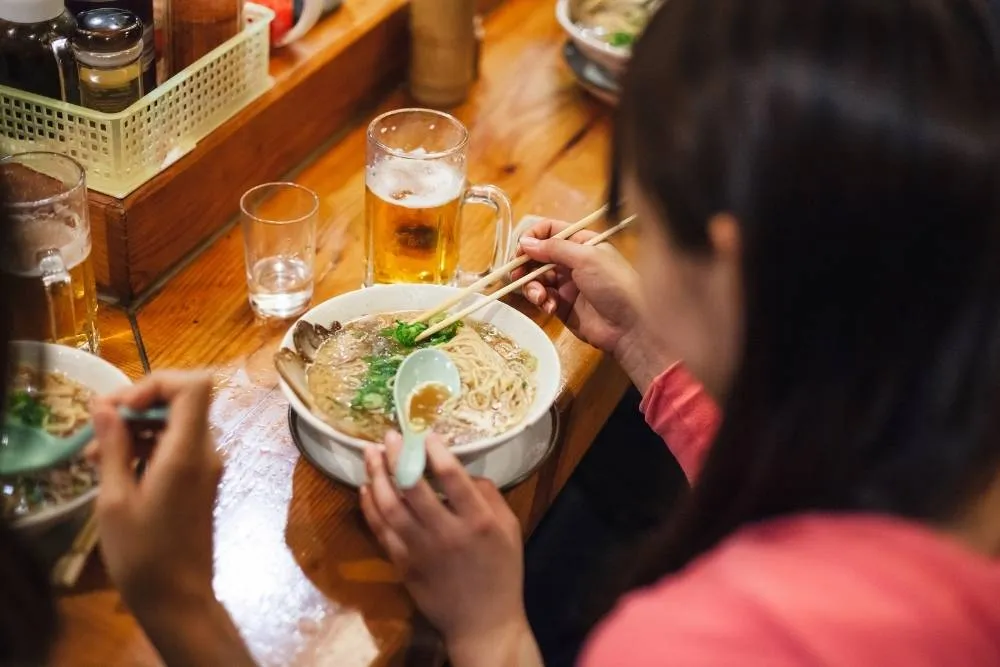 It’s surprisingly cheap to eat out in Tokyo — Shutterstock From convenience-store bentos
to Michelin-star dishes, dining options in Tokyo are plentiful, with a vast price range to match. The incredible cuisine is one of the things that keeps bringing visitors to Japan, and it’s not just about raw fish (though if you do like raw fish, this is the best place in the world to eat it). Luckily, eating out all across Japan can be done on the cheap very easily. Below are the average prices in Tokyo for some of the most popular (and inexpensive) meals.
It’s surprisingly cheap to eat out in Tokyo — Shutterstock From convenience-store bentos
to Michelin-star dishes, dining options in Tokyo are plentiful, with a vast price range to match. The incredible cuisine is one of the things that keeps bringing visitors to Japan, and it’s not just about raw fish (though if you do like raw fish, this is the best place in the world to eat it). Luckily, eating out all across Japan can be done on the cheap very easily. Below are the average prices in Tokyo for some of the most popular (and inexpensive) meals.
- Filled rice ball from a convenience store: ¥110
- Plate of sushi (usually two pieces) at a conveyor-belt chain: ¥110
- Bento (meat or fish, rice) from a convenience store: ¥500
- Topped rice bowl at a fast food restaurant: ¥500
- Set meal (meat or fish, rice, soup, pickles): ¥800
- Curry and rice from a fast food restaurant: ¥850
- Ramen bowl at a fast food restaurant: ¥1000
- All-you-can-eat at a yakinuku (grilled meat) restaurant: ¥2500
Drinking
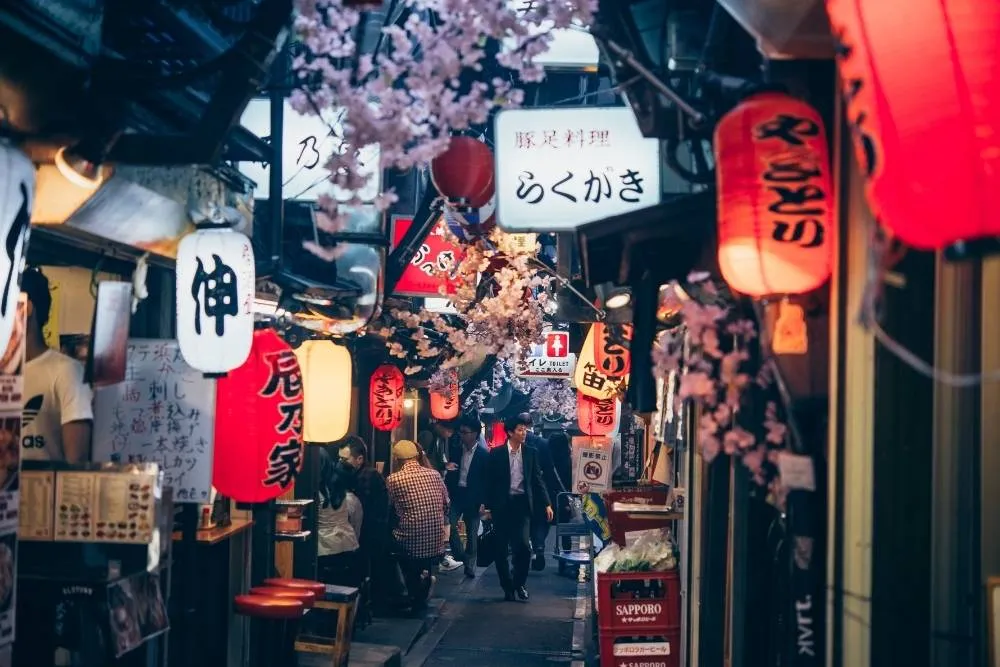 Omoide Yokocho — Shutterstock When you’re out and about, expect to pay around ¥100 for a bottle of water, juice, ice tea or soda. A cup of coffee costs about ¥300 in a coffee-house chain, or even less from a convenience store. If you’re partial to an alcohol-fulled night out — on a budget, no less — you’re in for a treat. The izakaya, a traditional Japanese bar, is an unmissable nightlife phenomenon both in Tokyo and throughout the rest of the country. You’ll be served beer, sake, umeshu (plum wine) and traditional cocktails to your heart’s content, especially because often, you’ll pay around ¥2000 for unlimited drinks within a given length of time, usually a few hours. Another great thing about izakayas is that they also do small plates of food, kind of like Japanese tapas, and it tends to be really tasty. Choose from fried chicken, grilled fish, fried rice, gyoza, edamame (salty soybeans), and much more goodness to soak up the alcohol. The most famous area for izakayas in Tokyo is Golden Gai in Shunjuku, but if you want to avoid the tourist crowds, head instead to Omoide Yokocho (also in Shunjuku) or Hoppy Dori (in Asakusa).
Transport
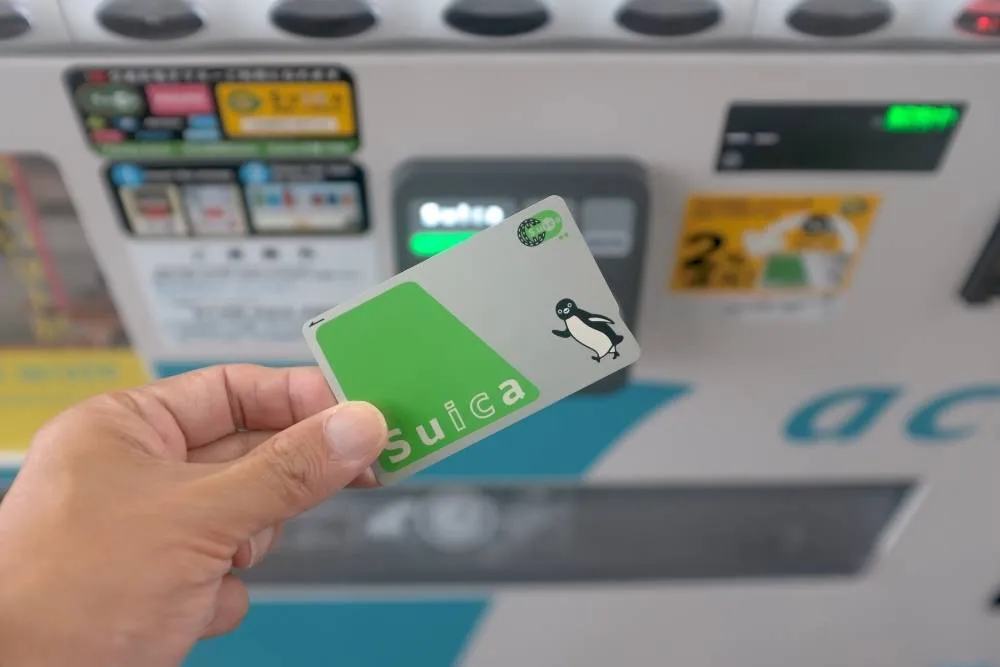 Make sure you get your Suica card — Shutterstock Public transport in Tokyo comprises two subway systems
, one overground system, and one big bus network. (There are a lot of lines.) Fortunately, there’s a prepaid card that’s valid for travel on anything, which will make your adventure so much easier. The card is called Suica and you can get it at any station, including the stations at the airports. The initial price of a Suica card consists of a ¥500 deposit, plus the amount that you wish to load onto it. Top up the card as you go, and right before you leave Japan, simply hand in the card to get your deposit back. The exact fare for a single journey depends on where you are and where you’re going, but you can expect to pay something between ¥150 and ¥300. Per day, you might spend around ¥1000 on transport.
Make sure you get your Suica card — Shutterstock Public transport in Tokyo comprises two subway systems
, one overground system, and one big bus network. (There are a lot of lines.) Fortunately, there’s a prepaid card that’s valid for travel on anything, which will make your adventure so much easier. The card is called Suica and you can get it at any station, including the stations at the airports. The initial price of a Suica card consists of a ¥500 deposit, plus the amount that you wish to load onto it. Top up the card as you go, and right before you leave Japan, simply hand in the card to get your deposit back. The exact fare for a single journey depends on where you are and where you’re going, but you can expect to pay something between ¥150 and ¥300. Per day, you might spend around ¥1000 on transport.
Accommodation
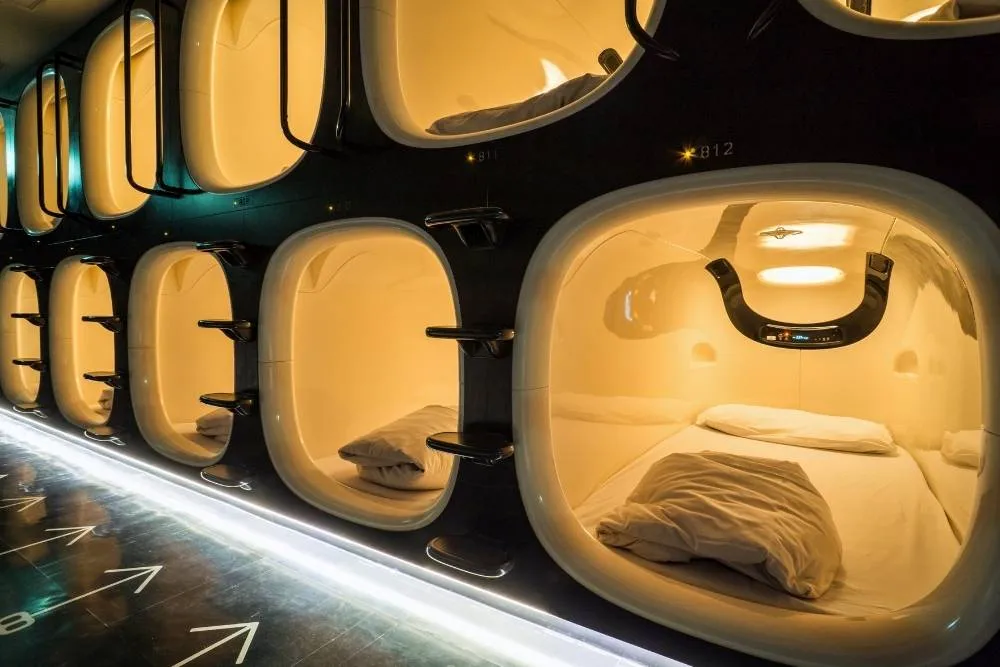 For a very Japanese experience on a budget, stay in a capsule hotel — Shutterstock As with eating out, accommodation options in Tokyo are copious and vary drastically in price. Here are some of the cheapest. Kanshuku, economy hotels, are similar to hostels in that bathrooms and dining areas are shared, only sleeping areas are private. The average price for one night’s stay is ¥4000. Western-style hostels will charge around ¥6000 per night. A manga kissa (manga café) will let you stay overnight in a private booth, which in most cases, won’t have a bed, but a comfortable chair or cozy bean bag-type setup. As the name suggests, you’ll have access to a whole library of manga, as well as showers and typically, unlimited non-alcoholic drinks. They might not be the most practical digs in the world, but it’s a cool experience that can only really be had in Japan, and it only costs about ¥1000 a night. And speaking of unique Japanese experiences, a stay in a capsule hotel will only cost you around ¥3000. If you can get over the fact that the stacks of capsule beds bear a likeness to a morgue, you can get a decent night’s sleep in private. Bathrooms and chill-out areas, meanwhile, are communal.
Local customs
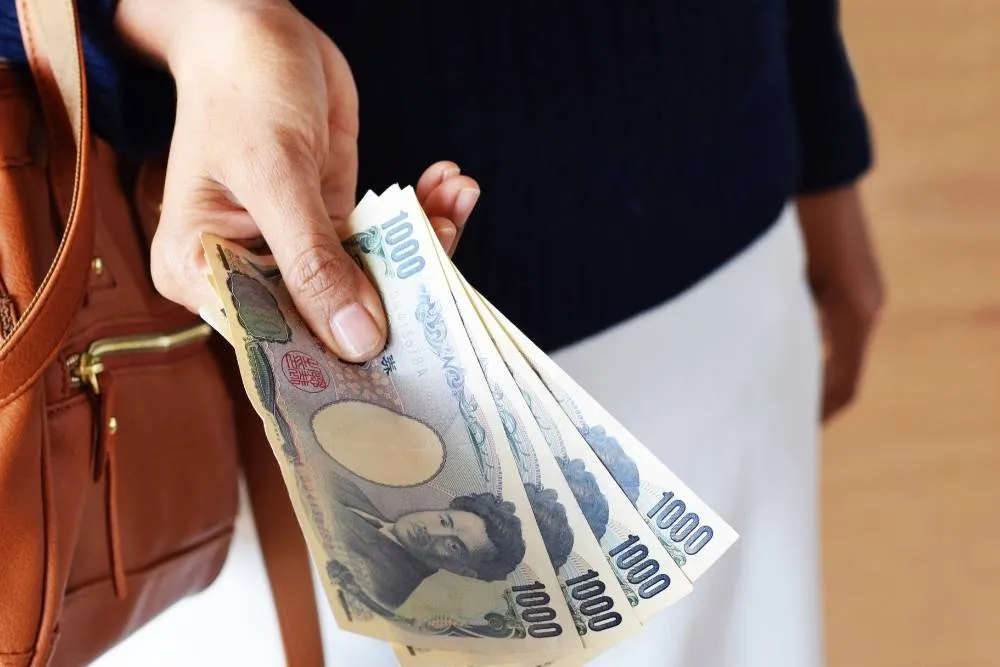 Don’t do this in Tokyo — Shutterstock Japan is finally welcoming international tourists after over two years, but the population remains mindful of Covid-19. As of October 2022, if you’re not triple-vaccinated, you need to show a negative PCR test result upon entering the country. There are no official restrictions in place regarding domestic travel, dining out or mass events, but the majority of people still wear masks in public spaces. That’s the Covid stuff covered; how can you make sure you stick to Japanese etiquette more generally? People in Tokyo will often give foreigners the benefit of the doubt if they’re not familiar with local manners, but here are some fun pointers that’ll certainly be appreciated.
- Don’t tip at a bar or restaurant. Tipping has never been commonplace in Japan, to the extent that it can even be insulting.
- Avoid talking loudly and blowing your nose in public.
- Try not to eat or drink on the go, especially on public transport.
- If you stay at any kind of traditional guest house, including a capsule hotel, you must take your shoes off at the entrance.
- Don’t stick your chopsticks into your food and leave them there upright, even if only briefly. This is what people do at funerals.
- Do, however, feel free to slurp when you eat! Slurping is considered a sign of appreciation for the food.
- Avoid strong public displays of affection.
- If you use a public bath, always shower thoroughly before you get in.
- Try to use two hands, rather than one, when giving or receiving something, including money. When you pay for something, put the cash down on the surface between you and the seller instead of into their hands.
What Tokyo’s all about
Now you’re all set to hack the hidden city, and what a good choice you’ve made! Before the pandemic, Tokyo was attracting around four million international tourists every year. Hoards of people come to experience the bright neon lights of the entertainment venues, electronics stores so colossal that they have an air of futuristic dreamscape
, and of course, all the sites dedicated to the pop culture that Japan has given the world. Foreigners just can’t get enough of places such as the Ghibli Museum
, the city’s five Pokémon Centers, and any number of themed attractions at Univeral Studios Japan
(think Hello Kitty, Godzilla, and Super Nintendo). It might be said that more than anything, Tokyo is about fun. Escapism? That too, perhaps. 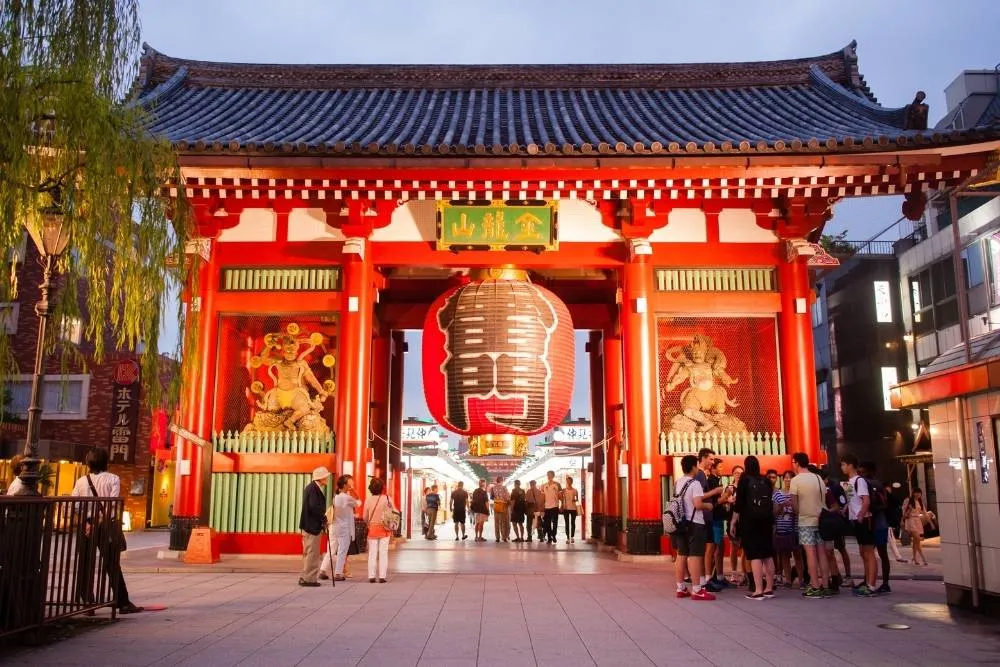 One of two huge gates that guard Senso-ji, a much-visited Tokyo attraction — Shutterstock But not everything is about the animated and the wacky. Japanese history
is just as fascinating, and there are several spots in Tokyo that take you back in time. There are characteristic temples and shrines such as Meiji jingu, and the really, really old Senso-ji and Yushima tenman-gu. There’s Shinjuku Gyoen, a huge park between Shinjuku and Shibuya, which used to be private samurai grounds during the rule of the Tokugawa shogunate between 1603 and 1868. And not to mention, there’s the Imperial Palace where the Tokugawa shogunate was established, and nowadays, where the emperor officially resides. If you want a real taste of what Tokyo was like under Tokugawa rule, check out the Edo-Tokyo Open-Air Architectural Museum
. Tokyo is famous for, first and foremost, being the biggest city in the world by area, and what an amazing playground it is. Between the new and the old, it’s the epicenter of all Japanese culture, and there’ll be something unique and exciting for you to explore around every corner. Let’s have a look at some more of the best things to do. And better yet, almost all of these are cheap to visit, if not completely free…
One of two huge gates that guard Senso-ji, a much-visited Tokyo attraction — Shutterstock But not everything is about the animated and the wacky. Japanese history
is just as fascinating, and there are several spots in Tokyo that take you back in time. There are characteristic temples and shrines such as Meiji jingu, and the really, really old Senso-ji and Yushima tenman-gu. There’s Shinjuku Gyoen, a huge park between Shinjuku and Shibuya, which used to be private samurai grounds during the rule of the Tokugawa shogunate between 1603 and 1868. And not to mention, there’s the Imperial Palace where the Tokugawa shogunate was established, and nowadays, where the emperor officially resides. If you want a real taste of what Tokyo was like under Tokugawa rule, check out the Edo-Tokyo Open-Air Architectural Museum
. Tokyo is famous for, first and foremost, being the biggest city in the world by area, and what an amazing playground it is. Between the new and the old, it’s the epicenter of all Japanese culture, and there’ll be something unique and exciting for you to explore around every corner. Let’s have a look at some more of the best things to do. And better yet, almost all of these are cheap to visit, if not completely free…
Must-sees
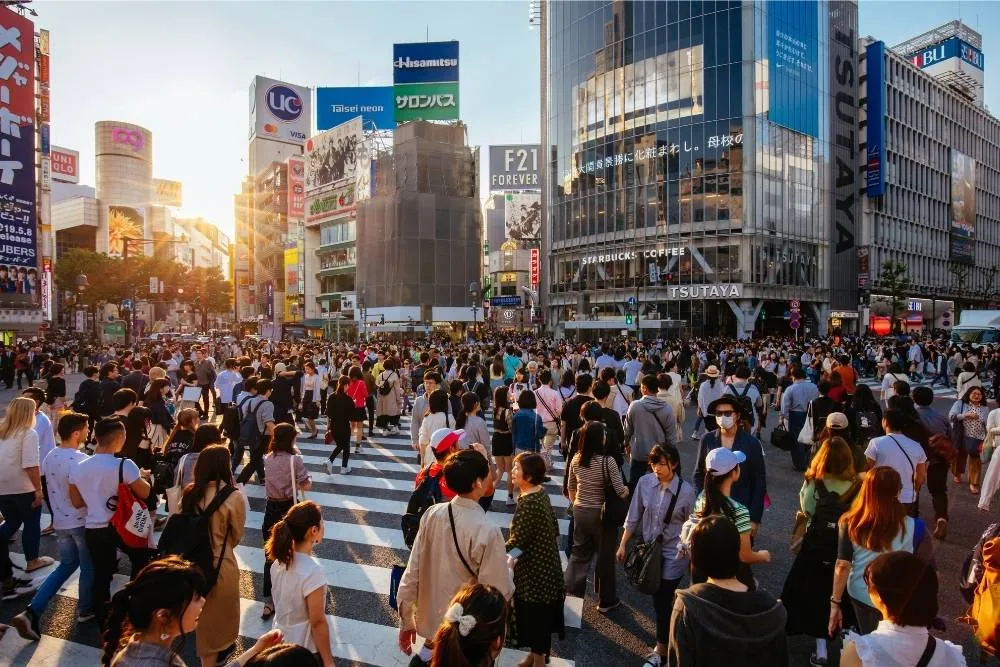 Shibuya Crossing is bustling 24/7 — Shutterstock
- Shibuya Crossing — the world’s busiest pedestrian crossing, located right in front of Shibuya Station and surrounded by shopping complexes dressed up in lights and billboards. Its image is one of Tokyo’s most iconic.
- Tokyo Tower — Tokyo’s Eiffel Tower-inspired landmark, the second-tallest structure in the country after the Tokyo Skytree .
- Shinjuku Ni-chome — an area of Shinjuku known for its queer nightlife , having the highest concentration of gay bars of anywhere in the world.
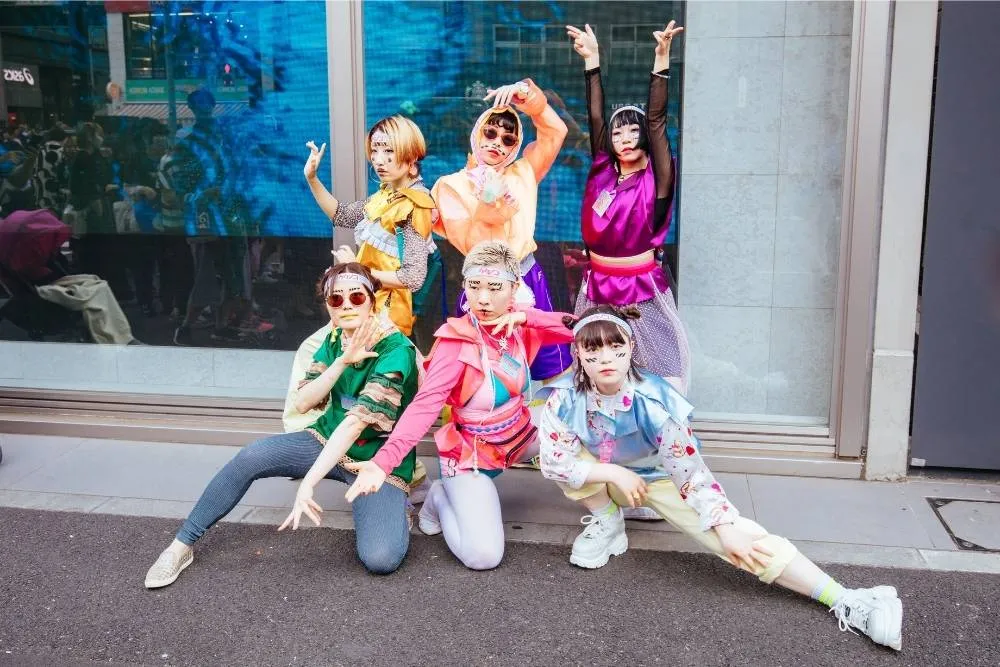 Self-expression is everything on Takeshita Street — Shutterstock
- Kabukicho — another area of Shinjuku, playfully called Nemuranai machi, “the town that doesn’t sleep”. It’s famous for its abundant bars, nightclubs, karaoke complexes, gimmicky venues, and love hotels .
- Rainbow Bridge — a long suspension bridge leading to the artificial island of Odaiba, which is illuminated in rainbow colors at night.
- Takeshita Street — the longstanding pioneer of Tokyo street fashion located in Harajuku, an area of Shibuya. The shops here sell unique, diverse clothes and accessories at reasonable prices.
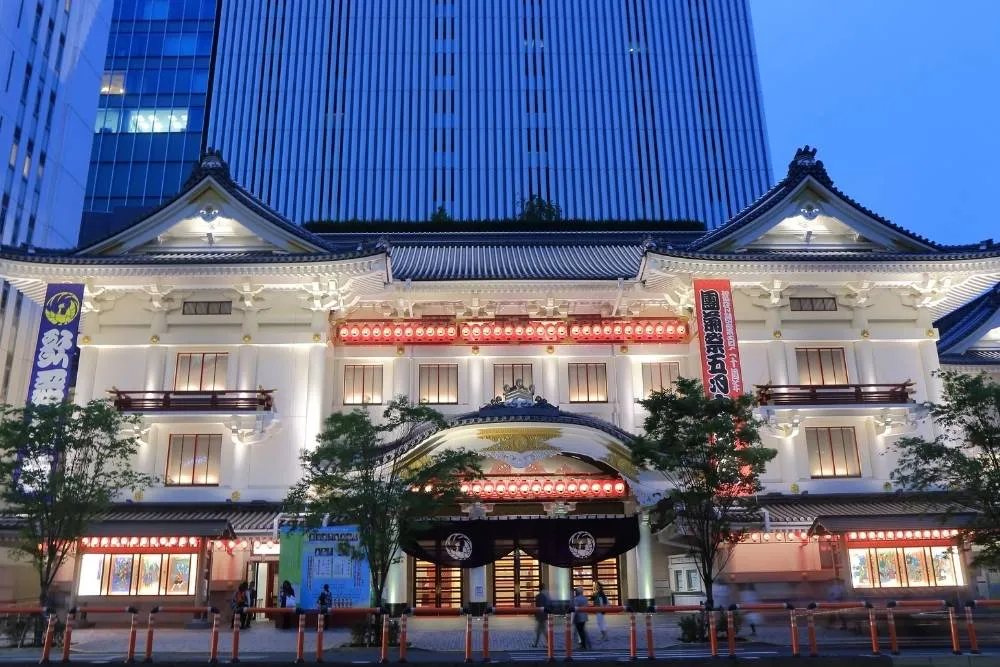 Kabukiza — Shutterstock
- Toyosu Market — the biggest fish market in the world, the successor of the famous Tsukiji Market, featuring fresh seafood restaurants.
- Kabukiza — the most prestigious kabuki (traditional dance and drama) theater in Japan, located in the area of Ginza. English subtitles are available for some of the performances.
Hidden gems and secret places
- Shimokitazawa — an old-worldly neighborhood with a bohemian vibe. Here, away from the limelight, you’ll find narrow lanes of independent thrift shops selling books, vintage clothes and vinyl records.
- Meguro Sky Garden — 7,000 square meters of sloping roof garden in the heart of the metropolis. It covers the intersection of two major highway roads, and affords a great view of Mount Fuji (Japan’s highest peak, over 150 kilometers away) on a clear day.
- Gotoku-ji — not just any Buddhist temple, but the one that’s said to be the origin of the maneki neko, the lucky beckoning cat. Lucky beckoning cat figurines have taken over this spiritual site located in Setagaya ward.
- Maison Able Cafe Ron Ron — an all-you-can-eat conveyor-belt dessert diner in Harajuku with twee, pastel pink decor and delicate-looking dishes to match. Sushi’s out, sweets are in.
- Jiyugaoka — an affluent neighborhood with a perpetual relaxed Sunday vibe, sometimes referred to as “Little Europe” because of its imitation Venetian and Parisian streets.
- Kamata Onsen — public baths of black mineral water located in Ota ward, very close to Haneda Airport. It might not look clean, but the water is supposed to be great for your skin, circulation, and easing aches and pains.
So, that’s our take on how to hack the hidden city (metropolis) of Tokyo. As ever, an adventure is what you make of it, but Tokyo in particular is a place with a certain addictiveness about it, where opportunities to try new things are positively endless. You can be sure that your trip here will be an unforgettable one, no matter how small your budget, and one that’ll make you want to come back again and again… and again.
Did you like this article? For more travel inspiration, visit Kiwi.com Stories .
Popular routes on Kiwi.com
- Cheap flights from London to Barcelona
- Cheap flights from London to New York
- Cheap flights from London to Asturias
- Cheap flights from London to Pattaya
- Cheap flights from London
- Cheap flights to Spain
- Cheap flights to Italy
- Cheap flights to Thailand
- Cheap flights to the United States
- Cheap flights to the United Kingdom
- Cheap flights from London Luton Airport
- Last minute flights
People Also Read