






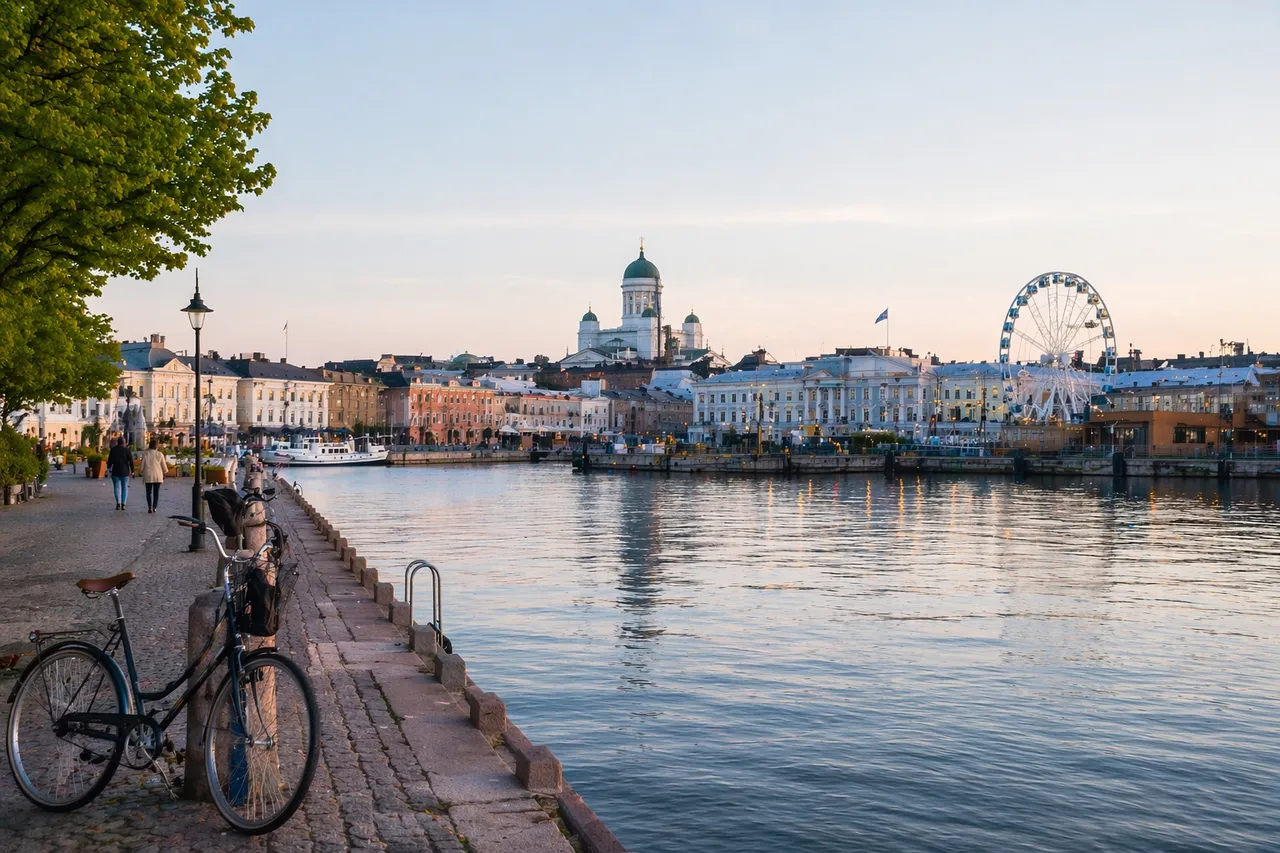
At first, it can feel almost too simple. No overwhelming landmarks, no constant noise, nothing pulling you in ten directions at once. But give it a few hours, and that simplicity starts to feel like the whole appeal.
In this article
You stop rushing. You stop checking what’s next. You start noticing things you’d normally miss.
And that’s where Helsinki wins — not by doing more, but by making less feel like enough.
From Airport To City Without Overpaying
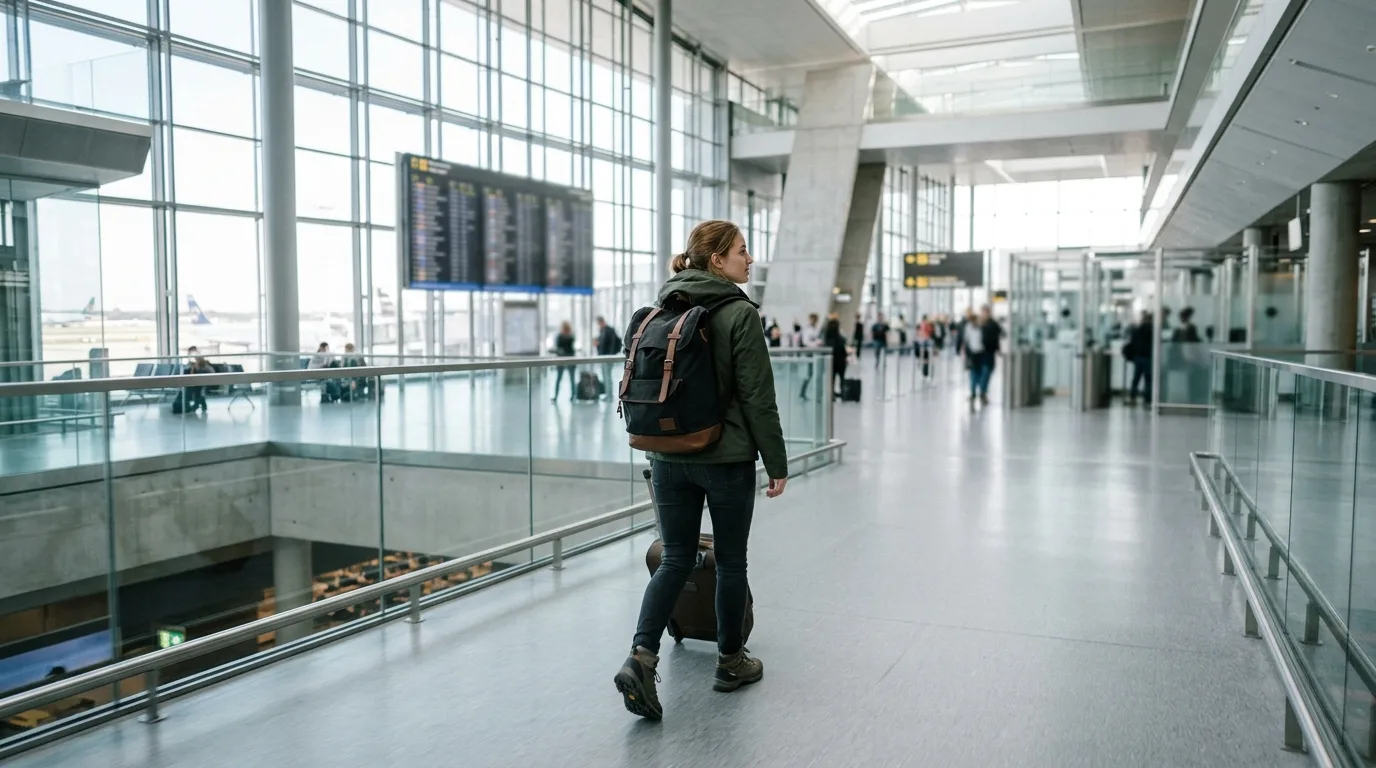
From Helsinki Airport , trains are the easiest move. The I and P lines run regularly and get you into the city centre in about 30 minutes for around €4–€5.
Buses exist, taxis are expensive, and rideshares don’t really solve that. The train just works.
It’s clean, simple, and very on-brand for Helsinki.
Getting Around Helsinki the Easy Way
Helsinki is built for walking, but with backup.
The centre is compact enough that you’ll naturally move on foot most of the time. Wide streets, clear layout, and nothing feels too far apart, so you rarely need to plan your routes too much.
When you do need transport, trams are the move. They’re frequent, easy to understand, and cover most of the city. A single ticket is around €3, but day passes quickly become better value if you’re moving around more.
Ferries are also part of the system and part of the experience. A short ride can take you from city streets to open sea and quiet islands without feeling like a separate trip.
The real trick is simple: use public transport like locals do, casually. Once you have a day pass, everything just connects: trams, buses, metro, ferries. And you stop thinking about tickets altogether.
That’s when Helsinki gets easier. You just move, and the city opens up as you go.
Less Plans, More Helsinki: Take It Slow, Keep It Free
Senate Square & Helsinki Cathedral
This is where Helsinki introduces itself.
Wide, open, almost perfectly balanced. The cathedral rises above everything, clean white against the sky, and the space around it feels intentionally minimal, like nothing extra was added on purpose.
Sit on the steps. Watch people pass. You’ll see locals meeting, tourists pausing, and a steady flow that never feels rushed.
Walk around the square once, then come back and sit. The second time is always better.
It’s less about “seeing” and more about settling into the city’s rhythm.
Market Square & Harbour Walk
Right by the water, always moving but never chaotic.
Walk along the harbour, check the stalls, maybe grab something small, then keep going. Ferries come and go, seagulls hover with intent, and there’s a constant low-level energy that never turns into noise.
Keep walking past the main square. The further you go, the quieter it gets, and the better it feels.
It’s a good place to start or reset when you need a break without stopping completely.
Suomenlinna Fortress
One of the easiest wins in Helsinki.
A short ferry ride (included in public transport tickets) takes you to a cluster of islands that feel like a different world. More space, more sky, less city.
Walk without a plan. Follow paths, take random turns, sit by the water, then move again. There’s history here, but you don’t need to chase it. It’s just part of the background.
Bring snacks, take your time, and don’t rush back. This is where Helsinki stretches out a bit.
It’s free, it’s calm, and it’s one of the best things you can do in the city.
Esplanadi Park
A long, green stretch through the centre where people slow down on purpose.
Walk through it once, then come back and stay. Sit on a bench, listen to street performers, or just watch the city pass by with a coffee in hand.
It’s simple, but it works every time.
Seaside Walks (Anywhere, Really)
Helsinki is always close to the water, and that’s one of its best features.
Pick a direction and walk. The coastline is clean, open, and never feels overcrowded. You’ll find quiet corners, small docks, and places to sit without needing a reason.
It’s one of the easiest ways to spend time without spending money. And one of the most “Helsinki” things you can do.
Free Spots Worth Your Time
Kaivopuisto Park
A slightly more local-feeling park by the sea. Open views, grassy areas, and space to just lie down and do nothing.
Töölönlahti Bay
An easy walking loop close to the centre. Popular with locals, especially in the evening, and a good way to see everyday Helsinki.
Seurasaari Island
Wooden houses, forest paths, and a quieter atmosphere. You don’t need to go into the museum part to enjoy the island itself.
Quietly Thoughtful Culture
Helsinki’s culture isn’t loud. It’s precise. Designed to be used, not just visited.
Oodi Library
Not just a library. It’s a public space done properly.
Free to enter, designed for people to stay, and full of small details that make it comfortable without being overdesigned. Sit, read, work, or just take a break from walking.
It’s one of the best examples of how the city thinks about shared space.
Temppeliaukio Church
Carved directly into rock, simple on the outside, striking inside.
It’s a quick visit, but memorable. The kind of place that doesn’t need much time or explanation to leave an impression.
Design District
Small shops, galleries, and cafés spread across a walkable area.
You don’t need to buy anything. Just walk through, look around, and notice the details: window displays, materials, layouts.
It’s less about shopping, more about seeing how Helsinki does design without trying too hard.
Eat Well Without Paying Helsinki Prices
Eating out in Helsinki can add up quickly, but eating well doesn’t have to. The trick is to keep it casual, mix in local habits, and not default to full-service restaurants every time you’re hungry.
Supermarket Meals (The Real Budget Hack)
Helsinki supermarkets are your best friend.
Ready-made meals, fresh salads, sandwiches, yoghurt bowls — usually €4–€8 and consistently good quality. You’ll find everything from simple snacks to proper hot meals.
Grab what you need, then eat in a park, by the water, or anywhere you feel like stopping. No pressure, no waiting, no extra cost for the setting.
Bigger stores often have the best selection, so it’s worth stepping into one when you see it.
Lunch Deals (Where Restaurants Make Sense)
Many restaurants offer weekday lunch menus (€10–€15), and this is where you get the most value from eating out.
Expect a proper meal, often with salad, bread, and sometimes even coffee included. It’s the easiest way to try Finnish dishes or something more “restaurant-level” without paying evening prices.
Go earlier rather than later. Popular spots fill up fast.
Bakeries & Coffee
Cinnamon buns, pastries, and genuinely good coffee are everywhere.
€3–€6 gets you something simple but done properly. Helsinki takes its coffee seriously, but without making a big deal about it.
Sit down, slow down, and stay longer than planned. No one’s rushing you out.
Food Halls (Variety Without Commitment)
Places like the Old Market Hall are perfect when you don’t know exactly what you want.
Multiple small vendors, different cuisines, and the freedom to mix things up without committing to one place. You can keep it light, try something new, or just sit with a coffee and watch the flow of people.
It’s flexible, and that’s the whole point.
Tap Water (Take Advantage)
It’s free, clean, and some of the best you’ll get anywhere.
Order it in restaurants, refill your bottle throughout the day, and don’t waste money on bottled water unless you really need to.
Evenings That Don’t Try Too Hard
Harbour & Sunset Walks
Long evenings, soft light, and a city that somehow slows down even more at night.
Walk along the harbour, follow the coastline, or just pick a direction and see where it takes you. The light lingers, especially in summer, and everything feels a bit quieter, a bit softer.
Find a place to sit: a bench, a rock by the water, even just the edge of a dock. Stay longer than you planned. People pass, ferries move in the distance, and nothing really demands your attention.
Walk, sit, repeat. That’s the rhythm.
Sauna Culture (If You Pick One Thing, Pick This)
If there’s one thing to actually plan for, it’s this.
Public saunas range from simple and affordable to more designed, but the core experience is always the same. Heat, step out, cool down (sometimes in the sea), then go back in.
You don’t need the most famous place to get it right. Smaller, less polished saunas often feel more relaxed and less like an “experience.”
Go in the evening if you can. It fits the pace of the city better. It’s slower, quieter, more about resetting than doing something impressive.
Heat, cold water, reset. It’s simple, and it works.
Low-Key Bars
Drinks in Helsinki can get expensive quickly, but they don’t have to.
The move is to keep it simple: one drink, maybe two, somewhere that feels comfortable rather than flashy. Small bars, local spots, places where people are talking rather than performing.
You’re not here for a big night out. You’re here for a good atmosphere that doesn’t ask much from you.
Sit down, have a drink, stay as long as it feels right, then head back out into the quiet city.
Tips for travellers
Helsinki uses euros and is mostly cashless.
Public transport is reliable. Use it.
The city is very safe, day and night.
Weather changes quickly. Layer up!
People are quiet but helpful.
When To Go
Summer (Jun–Aug): Long days, best atmosphere.
Spring (Apr–May): Fresh, quieter, still cool.
Autumn (Sep–Oct): Calm, slightly moody.
Winter (Nov–Mar): Cold, dark, but unique.
How Expensive Is Helsinki?
Food: Supermarket €4–8, lunch €10–15, restaurant €15–25 Drinks: Coffee €3–5, beer €6–9 Transport: Ticket ~€3, day pass ~€8–10 Accommodation: Hostel €25–50/night, budget hotel €80–150
The Helsinki Way Of Doing Things
Helsinki doesn’t reward rushing. It rewards noticing.
A good coffee, a quiet park, a walk by the sea, a place to sit without being moved on. That’s the experience.
You don’t need to see everything. You just need to be there long enough for it to make sense.