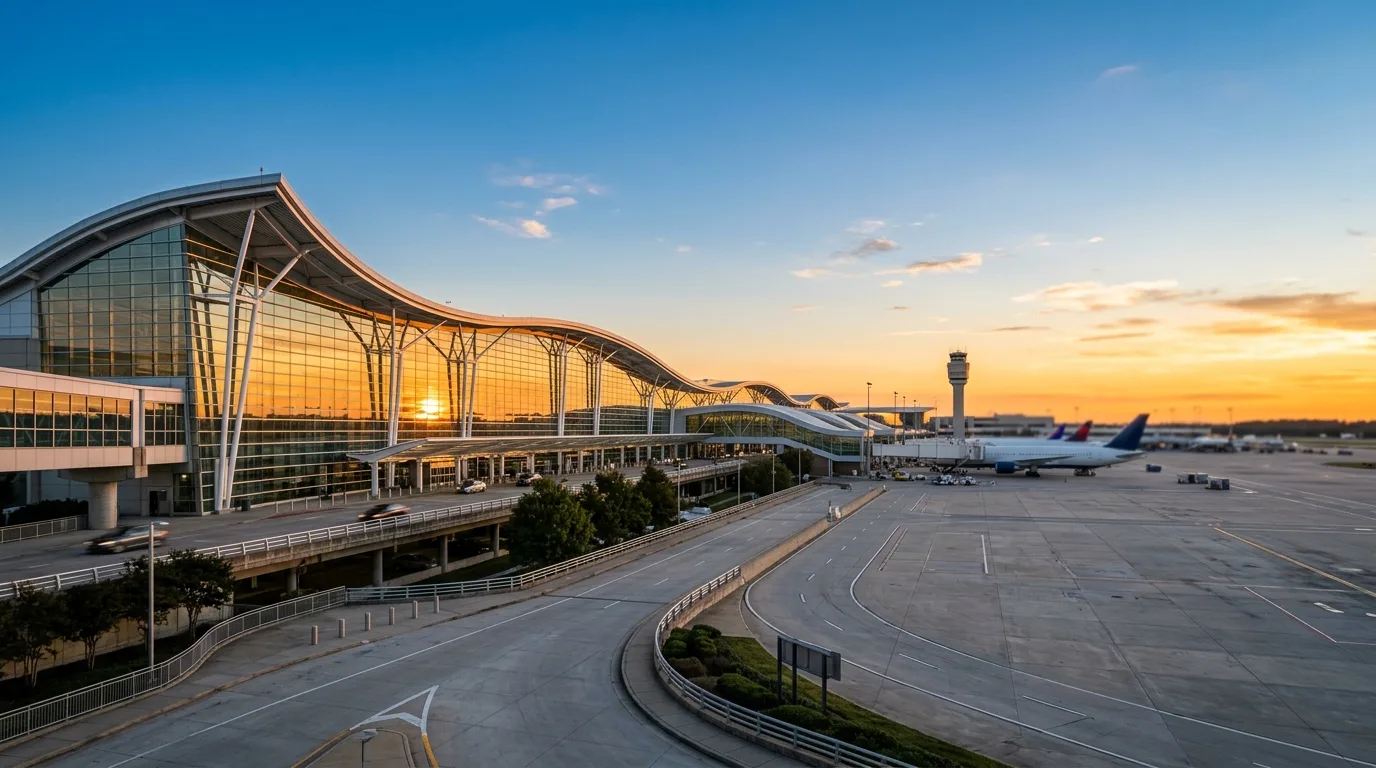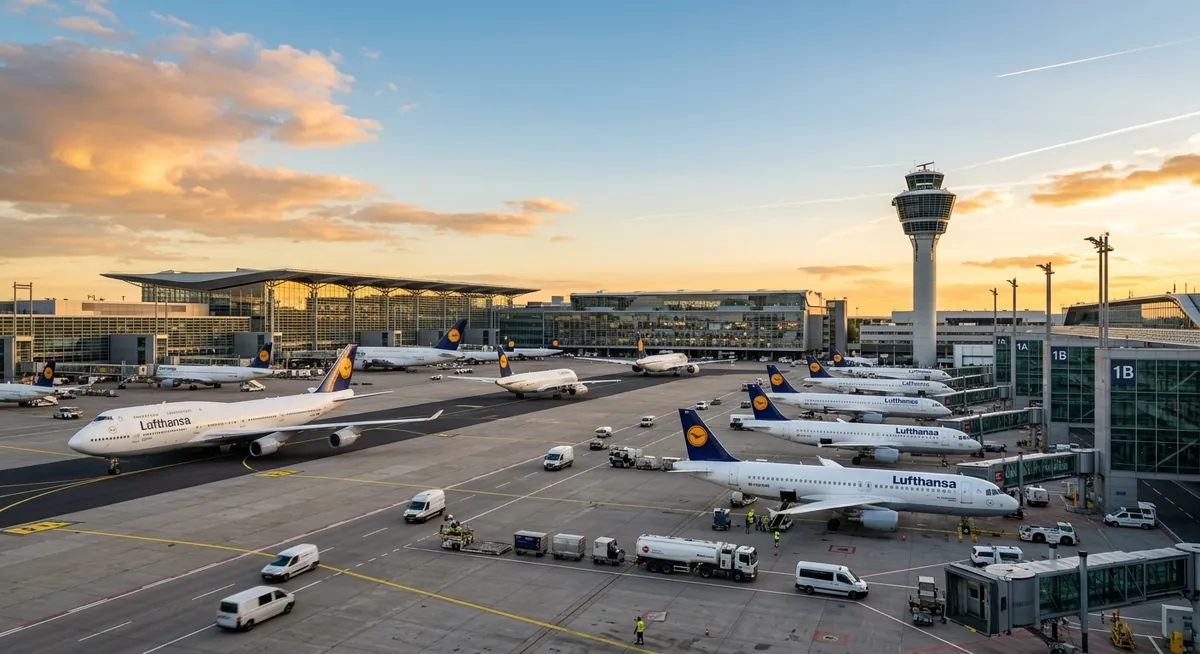








For domestic flights, arriving about two hours before departure is generally sufficient, while international travel often requires three hours due to added steps like immigration and more rigorous security. Factors such as airport size, travel time from your accommodation, mode of transport, and time of day can significantly affect how early you should arrive. Airlines like Ryanair and Emirates have specific baggage policies that may impact check-in time, so planning accordingly and using online check-in when possible can help you breeze through the airport with less stress.
Comparing Arrival Times: Domestic and International Travel
The most obvious thing to nail down first is whether your trip is domestic or international. Think of domestic travel as a walk in the park compared to international; there’s much less to it when you’re staying within a country’s borders. But once you go abroad, you have to jump through all the extra hoops that are time-consuming; yes, immigration, we’re referring to you.
Recommended Arrival Times for Domestic Flights
If you’ve ever taken a domestic flight, you’ll know it’s way less of an inconvenience than flying internationally. There’s no passport control, security isn’t as intense, and the terminals used for domestic flights are often smaller than those for international departures. That’s why most people will tell you that arriving two hours before your flight is more than enough time.
Recommended Arrival Times for International Flights
Ah, international travel, the thrill of stepping into a whole new country. As exciting as it is, there’s more involved than flying within your borders. You’ll have to face the ever-serious immigration officer, explain the purpose of your trip, and go through more rigorous security checks, which are often more than just a quick pat-down. With all that up against you, experts would say that you need at least three hours to get through it all. But that’s a broad estimate that doesn’t reflect every passenger’s individual circumstances.
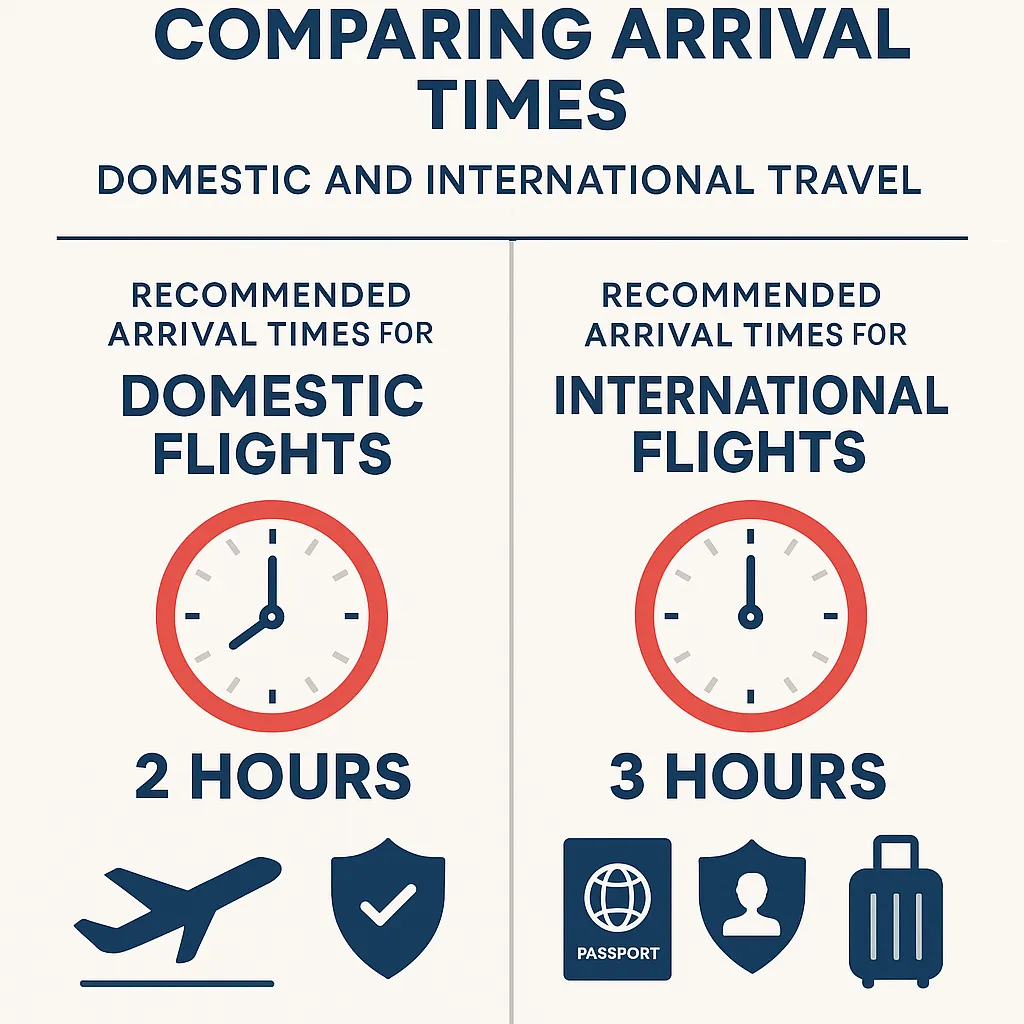
Know the key differences in arrival procedures between domestic and international travel to breeze through your next trip © Kiwi.com
Key Considerations for Timing Your Arrival
While we’ve shared the generic arrival advice you’ll find everywhere else on the web, the reality is that airports can be stressful. Things don’t always go to plan. Almost everything is out of your control, except how much time you give yourself. It’s always better to plan for the worst-case scenario than to end up with just five minutes to clear security.
Before you just go with the usual guidelines, here are a few things worth thinking about so you can make a choice that works for you.
The Location of Your Hotel and the Airport
The distance between your accommodation and the airport will dictate when you need to start making your way there. A quick 10-minute drive on the highway is far less risky than having to navigate a congested city center. Personally, I like to double the travel time Google Maps gives me, just in case something goes wrong. After all, traffic delays are unpredictable, but you can give yourself some time to play with.
This is a little strategy to follow.
Suggested Arrival Times by Location
- 20 minutes drive from the airport - leave 40 minutes before instead
- 30 minutes drive from the airport - leave 60 minutes before instead
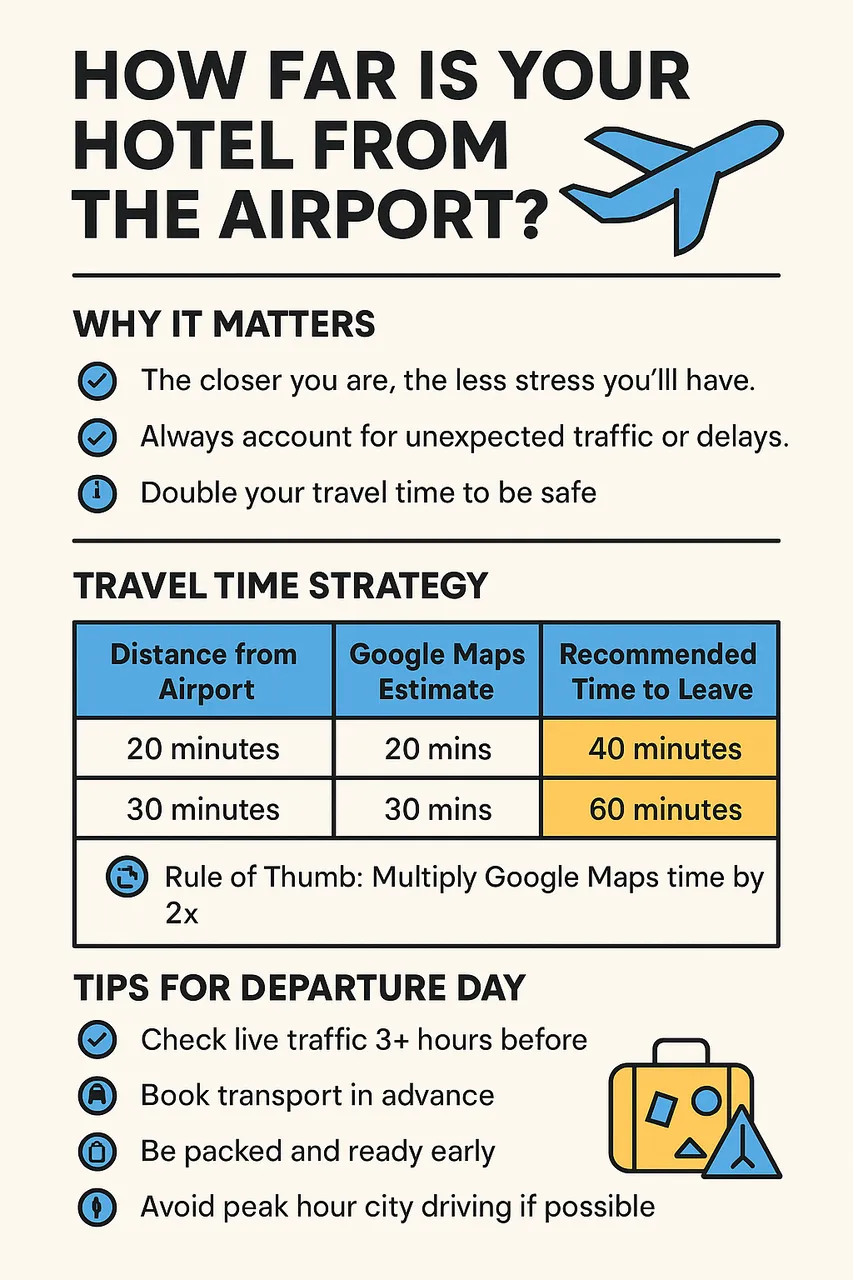
Discover how hotel distance from the airport impacts your travel time and convenience — plan ahead to choose the best stay for your trip! © Kiwi.com
Mode of Transport
Be smart with the mode of transportation you use to reach the airport. A taxi or ride-share service that picks you up directly from your doorstep is obviously convenient because you eliminate the need to have to walk to a station, but then you run the risk of getting stuck in traffic. Whereas when you take a train there, yeah, you might have to make the trip to the station, but at least you don’t have to subject yourself to being bogged down at a set of lights.
The Time of Day
The time you head to the airport can be the difference between a relaxed check-in and a sprint through the terminal. Periods like rush hour will result in more people being on the roads, increasing the likelihood of getting stuck in traffic. On the other hand, during the evenings, everyone is already at home unless it’s a Saturday night, so things quiet down after dark.
Besides the traffic, the same goes for the situation in the airport. The early hours are often when many budget airlines schedule their departures because it’s cheaper for them, while the full-service carriers tend to take up the slots later in the day. Therefore, since many of us travelers love a good bargain, this often means more crowds first thing in the morning. In contrast, as the day goes on, you’ll notice the lines start to die down.
Parts of the Day Where Delays Are More Likely
- First thing in the morning - 5 AM to 9 PM
- Rush hour - 4 PM to 6:30 PM
Check-in
You aren’t getting on a plane without checking in for a flight. While most airlines offering domestic services let you do this online, as soon as you travel internationally, more things need to be reviewed by a member of staff before you’re permitted to fly.
Let’s walk through the things you may need to do at the check-in counter that may hold you up.
Bag Drop
With short-haul flights, you can usually get away with just bringing a carry-on and skipping the bag drop process, though some airlines may still want to tag your bag. Long-haul flights are a different story, as there’s a much higher chance you’ll need to check a bag in, resulting in you having to present it at the counter and get it weighed. Plus, if you’re over the limit, you’ll have to go through the trouble of paying the overweight fee, keeping you there longer than you’d like.
Proof of Onward Travel
More and more countries are requiring visitors to show proof of onward travel to prevent overstaying or unauthorized immigration. This is especially common in parts of Southeast Asia, which are popular among backpackers who often travel for extended periods with flexible plans. Rather than showing this evidence to an immigration officer at passport control, it’s up to the airlines to ask for it. Our advice is to have it ready so you’re not held up. Those who forget about it entirely (there’s always one) will find themselves scrambling to book a flight on the spot, adding even more unnecessary stress.
Onward travel proof is a key entry requirement in many destinations, being prepared can save you from unexpected delays and added costs at the airport © Pexels
Terminal Size and Passenger Volume
Larger airports with bigger terminals often mean longer walks to your gate. Throw that in with a bunch of passengers all racing to their gate to snag a seat so they can be first to board the plane, and you’re going to get a buildup of people. To avoid this, do some prep by checking the terminal layout beforehand and thinking about what time you’ll be traveling; this can help you gauge how busy the airport might be.
Number of Terminals
Major international airports often have multiple terminals; take Los Angeles (LAX) or Paris Charles de Gaulle (CDG) , for example. Finding your way around them can feel like navigating a maze, and if you need to take a train between terminals, it only adds to the stress and makes the journey even longer.
Passport Control
Leaving a country requires passing through passport control. In some cases, like for EU citizens, it might just mean scanning your passport at an eGate. But more often than not, you’ll need to speak with an immigration officer who may ask questions about your trip, adding time to the process.
Personal Situations
Everyone has their own situation; some travel with young children, while others may be supporting a partner with a disability. Regardless, if you’re with someone who requires personal assistance, it’s going to take more time to get through the airport. Take kids, for example; they might need a sudden bathroom break or get hungry at the worst possible moment. Oh, and did you factor in the time it takes to get the stroller through?
Fortunately, travelers with disabilities are usually assigned a special assistance agent to help them when at the airport. In many cases, they’re allowed to skip the lines at check-in and security, giving them better access. However, don’t assume that every airport offers this. In less developed destinations, you may need to assist them, such as pushing the wheelchair while dragging all the luggage along, which can be quite a challenge.
How to Breeze Through the Airport Like a Pro
After our full breakdown of considerations, you might feel overwhelmed but don’t stress just yet. We’ve got a list of insider tips that will show you how to breeze through any airport in the world like it’s second nature.
Leave the Checked Luggage at Home
Checked bags mean one thing, and one thing only: you’ve to spend time queuing up to put them in the hold, adding unnecessary time when you could just squeeze everything into a carry-on bag.
For all the checked bag lovers out there, you better be prepared to live by the sword and die by the sword. In all seriousness, do your research on how much you’re able to take on board with you. It’s easy to assume that airlines just allow you to bring 7kg, and that’s it, but you’d be surprised at how much they let you away with if you took a closer look at your tickets.
A List of Some of the Major Airlines’ Carry-on Limits
| Airline | Carry-On Allowance | Weight Limit |
|---|---|---|
| Air Asia | 1 cabin bag + 1 small bag | 7 kg (total weight) |
| Air France | 1 cabin bag + 1 personal item | 12 kg (total weight) |
| British Airways | 1 cabin bag + 1 personal item | 23 kg |
| Delta | 1 cabin bag + 1 personal item | No weight limit, but you must be able to lift the bag |
| easyJet | 1 bag under your seat | 15 kg |
| Ethihad | 1 cabin bag | 7 kg |
| Emirates | 1 cabin bag | 7 kg |
| KLM | 1 cabin bag + 1 small bag | 12 kg (total weight) |
| Lufthansa | 1 cabin bag + 1 personal item | 8 kg |
| ITA | 1 cabin bag + 1 small bag | 8 kg |
| Qatar Airways | 1 cabin bag + 1 personal item | 7 kg |
| Ryanair | 1 small bag | No weight limit, but must fit under the seat |
| Turkish Airlines | 1 cabin bag + 1 personal item | 8 kg for the cabin bag, 4 kg for the personal item |
| Wizz Air | 1 small bag | 10 kg (must fit under the seat) |
Utilise Online Check-in if You’re Given the Option
Got no bags and eligible to check in online? Do it right away. You’ll easily save yourself 30 extra minutes at the airport. On top of that, seats are allocated to those who check in early, so you’ll know where you’re sitting ahead of time, giving you the chance to prepare (fingers crossed, it’s not a middle seat).
Prepare Your Bag With Security in Mind
Security is often the stage of the airport that takes the longest to get through, but it doesn’t have to be. Prepare your bag so that everything you may need to take out when you reach security is accessible. For items like liquids and electronics, place them at the top to avoid holding up the entire line.
Check Which Terminal Your Flight Departs From in Advance
Terminals can confuse even the most seasoned travelers. One might assume that the terminal they check in at is the same one they’ll depart from, but that’s not always the case. Sometimes, you may need to walk 10, 20, or even 30 minutes to reach your gate. Always do your research to find out which terminal your flight is departing from, and if you’re checking in at the desk, double-check to see if there have been any changes. Don’t forget to keep an eye on the departure boards for any further updates or amendments.
So, How Early Should You Go to the Airport?
Most travelers follow the standard guidance: arrive two hours early for domestic and three for international. But it doesn’t account for personal factors. Your timing depends on your situation.
To plan effectively, break your airport journey into key stages:
- Travel time to the airport
- Time spent checking in and dropping bags
- Time needed to clear security
- The walk to your departure gate
By giving each of these steps a rough time estimate, you’ll know how early you actually need to show up without cutting it too close.
Your Guide to Airport Arrival Timing
How early should I arrive for a domestic flight?
Arrive 2 hours before your domestic flight to allow time for check-in and security. Domestic flights usually have quicker processes, but busy airports or peak times may need extra time.
How early should I arrive for an international flight?
Arrive 3 hours before your international flight to handle immigration, security, and baggage drop. Large airports and extra document checks can add time, so plan accordingly.
How far in advance should I leave for the airport?
Double your estimated travel time to avoid delays. For a 20-minute trip, leave at least 40 minutes early. Traffic and transport mode affect timing, so always allow extra buffer.
What are common carry-on baggage limits?
Most airlines allow 1 cabin bag plus 1 personal item, with weight limits from 7 to 23 kg. Check your airline’s policy to avoid fees or hassles at the airport.
Does online check-in save time?
Yes. Online check-in can save about 30 minutes by skipping counters if you only have carry-on bags. Check your airline’s rules—some international flights still require in-person check-in.
Popular routes on Kiwi.com
- Cheap flights from London to Barcelona
- Cheap flights from London to New York
- Cheap flights from London to Asturias
- Cheap flights from London to Pattaya
- Cheap flights from London
- Cheap flights to Spain
- Cheap flights to Italy
- Cheap flights to Thailand
- Cheap flights to the United States
- Cheap flights to the United Kingdom
- Cheap flights from London Luton Airport
- Last minute flights
People Also Read