


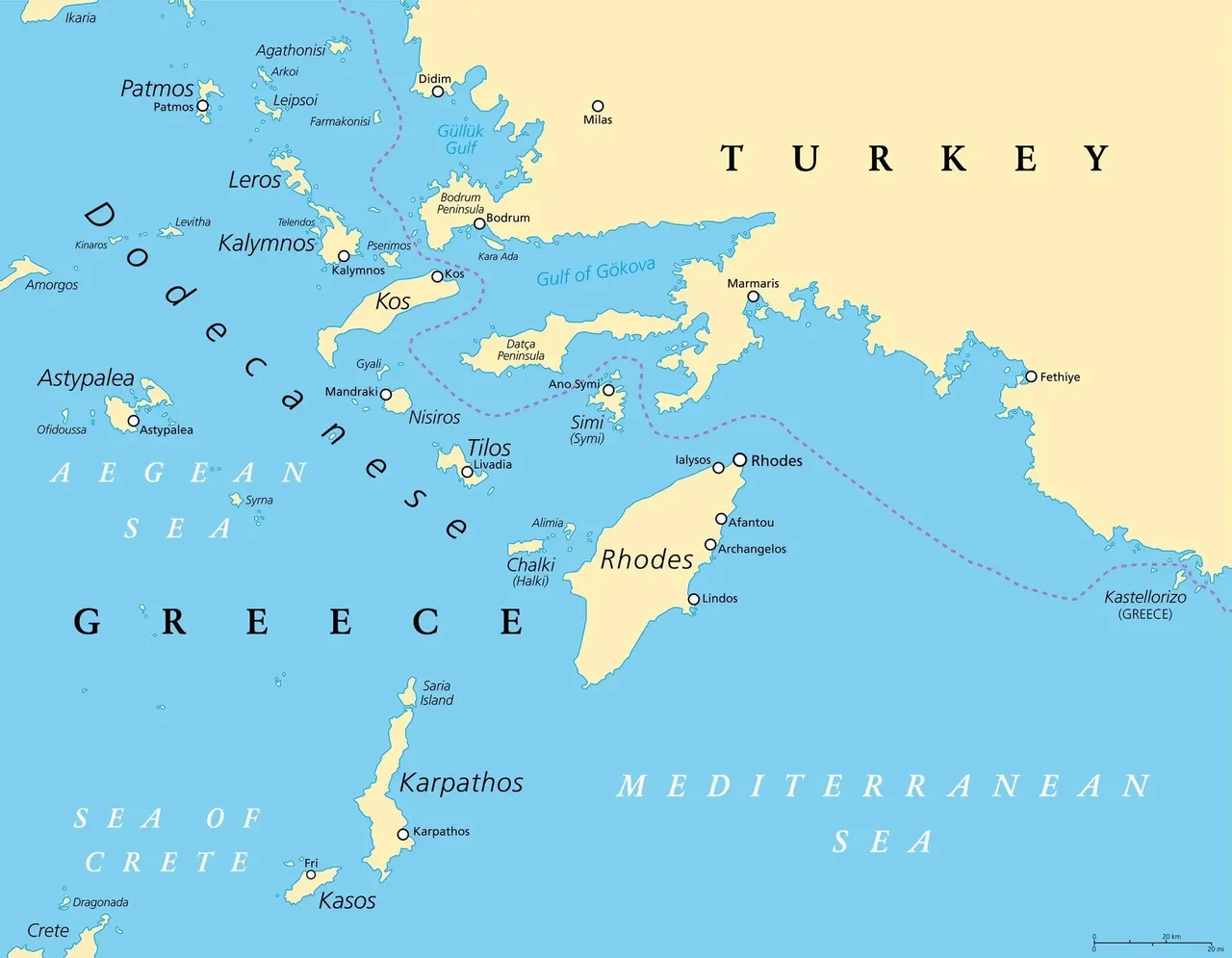
A map outlining the Dodecanese islands, highlighting key islands like Rhodes, Kos, and Tilos within the Aegean Sea © Getty Images
According to the Hellenic Military Service, the exact number of Greek islands is 29,372. That’s a lot of islands. Most of them are just big rocks that happen to stick out of the water – only 446 of them have an area greater than 0.1 square kilometers, or just a little bigger than Buckingham Palace. The Hellenic Military Service counted every single rock as its own because Greece has historically been in a dispute with Turkey about which country owns which rock.
Of those 446 non-rock islands, only 119 are inhabited, and of those only 54 have a population over 1,000; 40 of them have a population of under 100. All this is important data because it means that if you’re planning to spend the rest of your life on a Greek island, you won’t have to choose from 29,372 of them. And I can reduce your options even more. Because there is a chain of six islands in the southern Aegean that offers everything that is available in the other 29,366: historical sites, pebble beaches and beaches of sand, quiet, noise, dancing in the streets or in a club, ghost towns and cities. And there’s even a volcano.
Between Rhodes and Kos
The islands are part of the Dodecanese Archipelago, a group of 150 small and 15 larger islands in the southeastern Aegean. The six islands I’m talking about are bordered by, and include, the large islands of Rhodes to the south and Kos to the north . In between, more or less from south to north, lie the much smaller islands of Halki, Simi, Tilos and Nisyros. Each of these islands is very different from the others and offers a choice of the type of Greek island holiday you want to enjoy.
Getting There
Until about 20 years ago, the smaller islands were largely unknown and well off the beaten tourist path, so ferry service was spotty, so spotty that when the only ferry available for five days broke down, as I’d sometimes did, you had to pay a local fisherman to take you to Rhodes, the island with the big international airport.
Fortunately, though these islands are still not on most tourists’ bucket list, they have become popular enough to warrant regular ferry service, including the availability of small catamarans for day trips to, for example, the ever-smoking volcano on Nisyros (though I’ve heard that it is trying to quit), the crater of which you can actually walk across.
Travel Tips
The good news is that, while you’ll need to mix & match travel modes - plane and ferry – there’s a wealth of choices of how to actually get there. (1) Fly to Rhodes , take the most convenient ferry; (2) fly to Kos, ditto; or (3) fly to Athens , spend a few days in the city (or not), then take a ferry from Piraeus for about 15 hours, which would give you the chance to check out other islands en route.
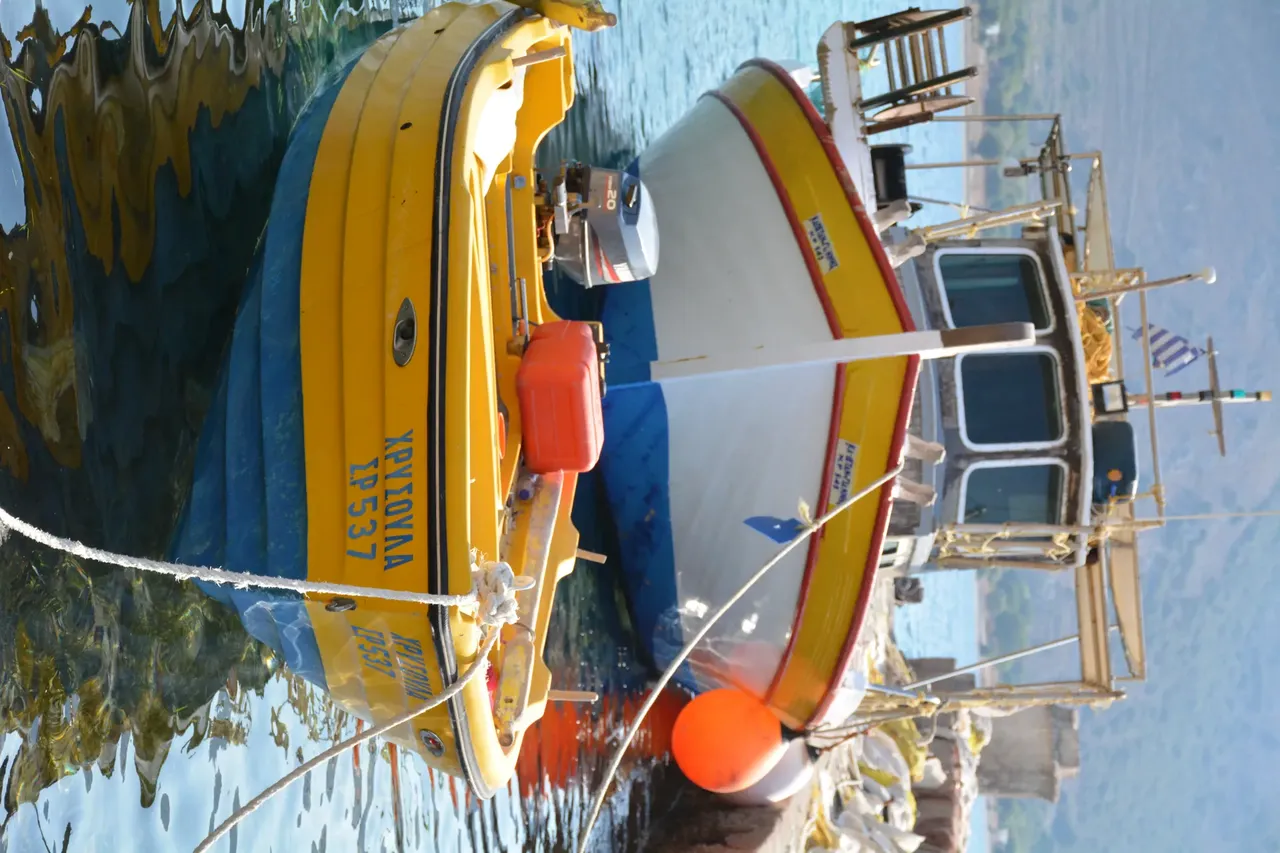
Tranquil harbor scene in Tilos, Greece, with two boats gently floating on crystal-clear waters © Siegfried Mortkowitz
If you want to dig your toes into the sand as soon as possible, take the plane to Rhodes and try to arrive in time to catch that day’s ferry to your destination, if you’re moving on. Here is the link for ferries from Rhodes to Tilos (or any other islands you want to go to or from).
But just to make sure, email the manager of the place you will be staying in and ask about the scheduled ferries on the day you want to arrive. The days are gone when you could, in summer, just fly to Rhodes , say, ask at a travel agency about boats and then get to some island and find a vacancy. Off-season has been reduced to late October to mid-May. Yes, it’s the journey that matters, not the arrival. But sometimes you just want to get there, get into your swimsuit and jump into the Aegean. That’s a journey too.
NB: If you want to travel there in the off-season, you have to fly to Athens and take the ferry from Piraeus!
Why Tilos is My Top Choice
I am going to concentrate on the middle island, Tilos, because it is the place where I would spend the rest of my life if I wanted to spend the rest of my life on a small Greek island. And because it has more of what you want from a small Greek island than the others do.
It looks unimpressive from the boat, primarily because the port, Livadia, was not built until the 1960s, and so it has none of the postcard blue-and-white look synonymous with Greece. Think of Tilos as an unattractive child with a beautiful soul.
You’ll find blue-and-white houses in the island’s ‘capital’, Megalo Chorio (which means, not ironically, ‘big town”), located in the center of the island, on the slope of a mountain, because of the pirates that ravaged the islands centuries ago.
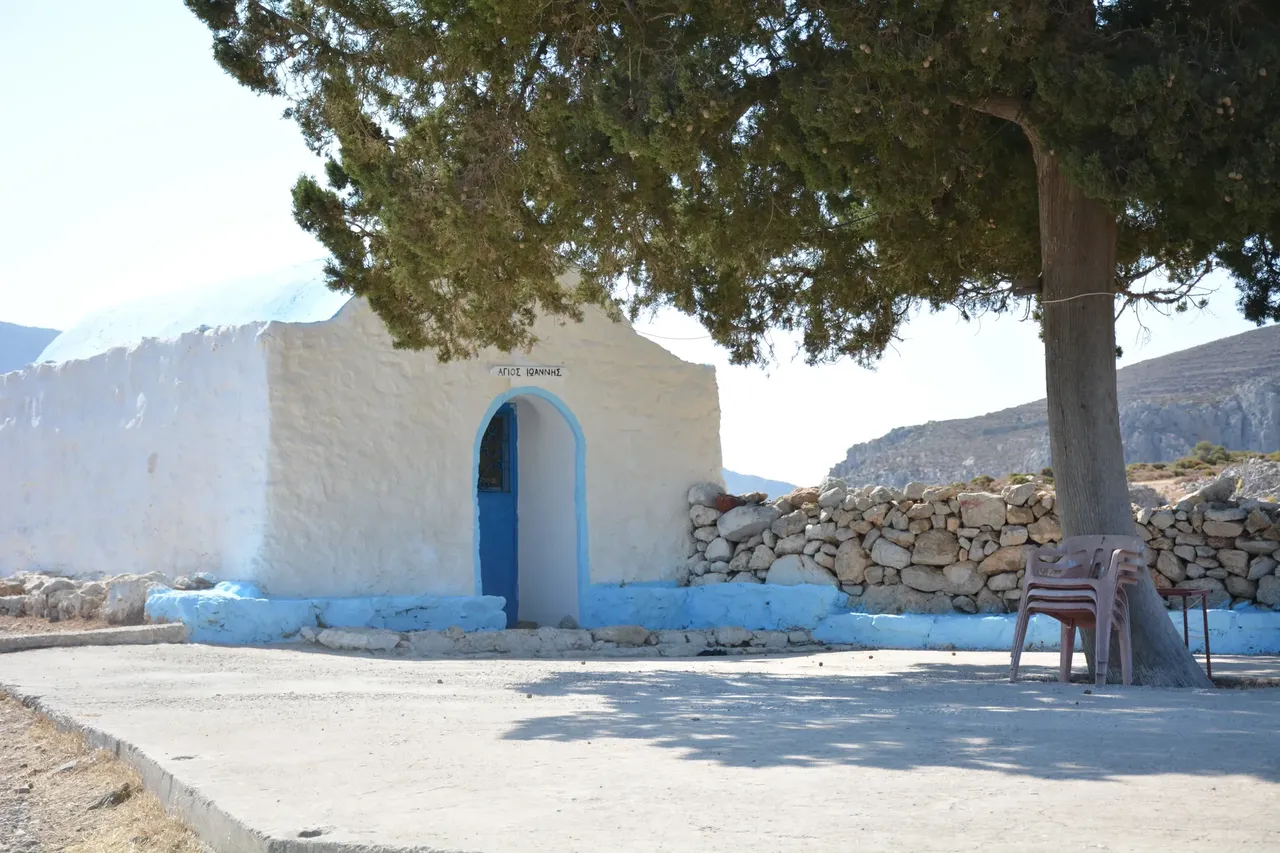
Charming traditional Greek architecture in Tilos, featuring a white house with iconic blue accents © Siegfried Mortkowitz
Activities and Attractions
Tilos has so many walking paths and so many beaches and other places to walk to that, even if I live to be 110, I will never be bored there. It is the island with the most accessible beaches, if by accessible you accept a two-hour walk over rocky terrain and/or down steep and narrow goat paths.
To get the most out of Tilos – out of any Greek island! – you have to like to walk. These long walks will take you to pebble beaches (and a monastery, a castle or just a great view) where you’ll often find yourself completely alone, just you, your partner and a half-dozen curious goats. Be sure to bring your own shade. Occasionally, you’ll find a small, ramshackle, jerry-rigged shelter made of sticks and planks – but don’t count on it.
If you’re not up for a long walk, you can pay for a boat trip to some of these beaches, with lunch and drinks included in the price. If so, ask to be taken to Limenari beach, which is (almost) inaccessible on foot. There is no marked trail and the terrain is very difficult. But the beach is marvelous, with astonishingly clear waters and round pebbles to lie on.
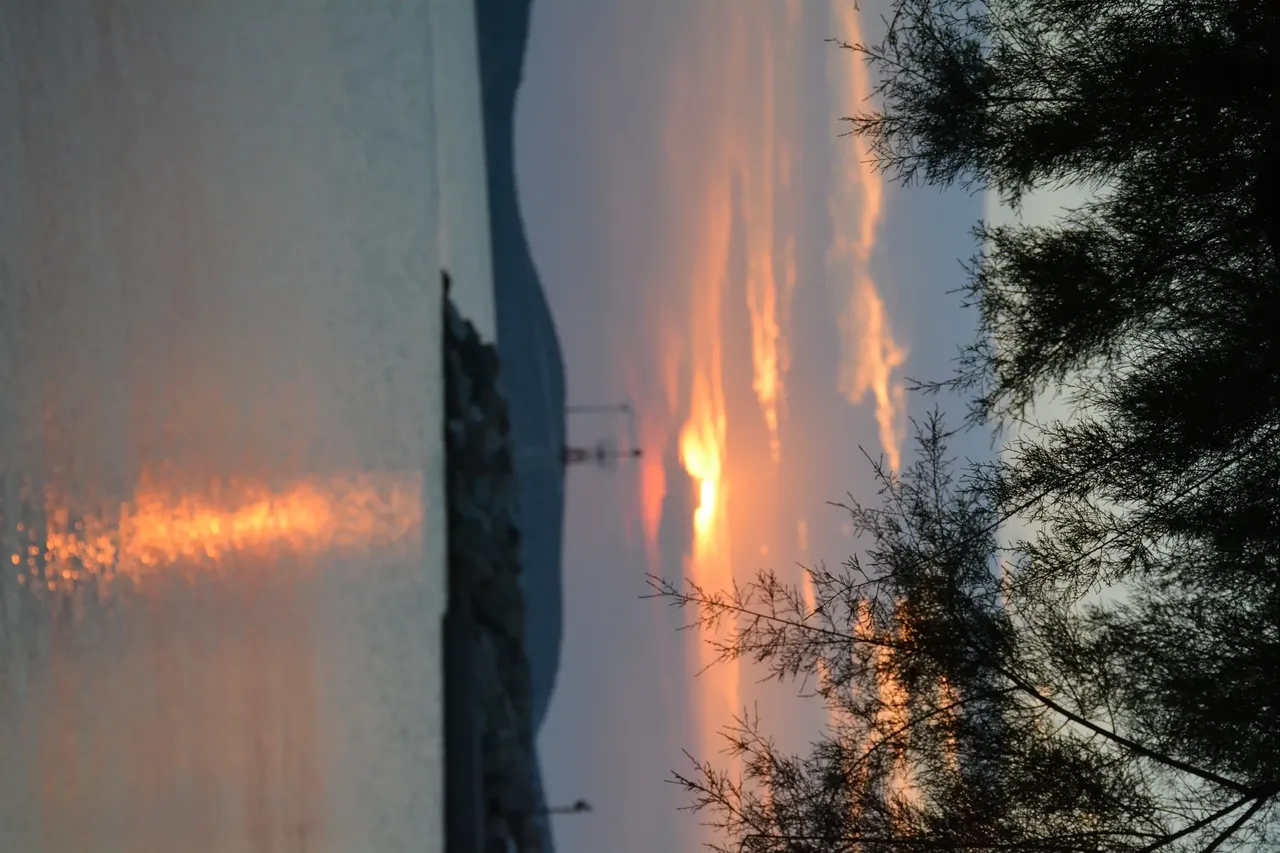
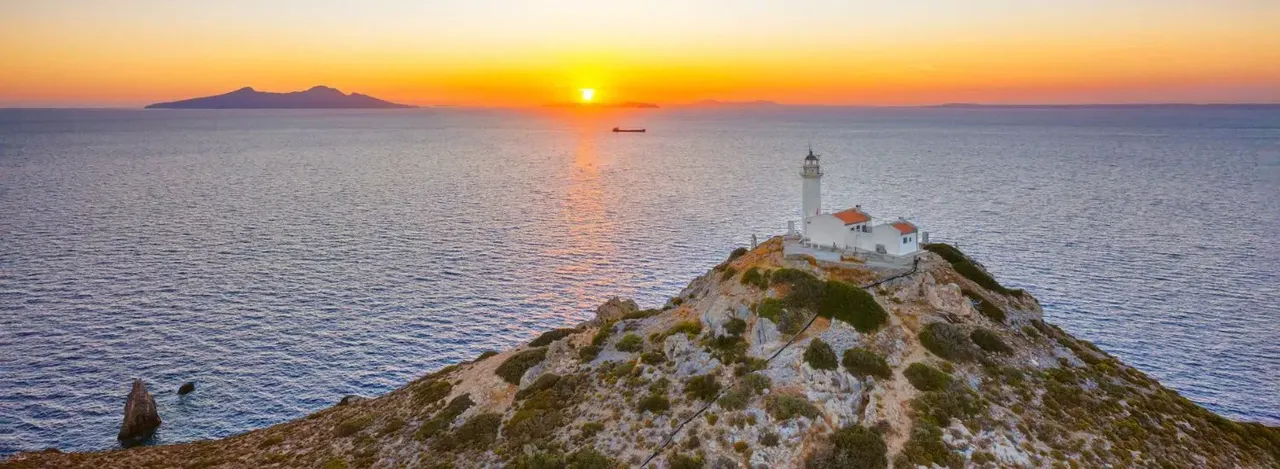
Golden hues paint the sky as the sun sets over the serene island of Tilos © Siegfried Mortkowitz
If you don’t like to walk, the port of Livadia has its own long, pleasant pebble beach. Or stay at or near Eristos. Almost all of the island’s beaches are of pebbles, so bring or buy on-site a sturdy mat. But there is a sand beach on the island, Eristos, that is accessible by bus – 15 minutes from Livadia; five from Megalo Chorio. You can also pitch your tent there, free of charge, for as long as you want. It is located in a lovely bay and has plenty of trees for shade. Visitor advisory: part of the beach is nudist.
Where to Stay
Livadia has by far the most places to stay and eat. The best place for the money is the Faros Hotel , which is located at the southeastern tip of Livadia Bay, a 15-minute walk from the port’s hub (which is half of a hubbub) and at the foot of the mountain you will climb to get to some of the isolated beaches or just for a beautiful trek. Its nine rooms are basic but air-conditioned, clean and comfortable, and most of them face the sea, which is literally a stone’s throw away. The Faros also has its own small beach with sun beds and parasols and it has a pier from which you can fish and swim.
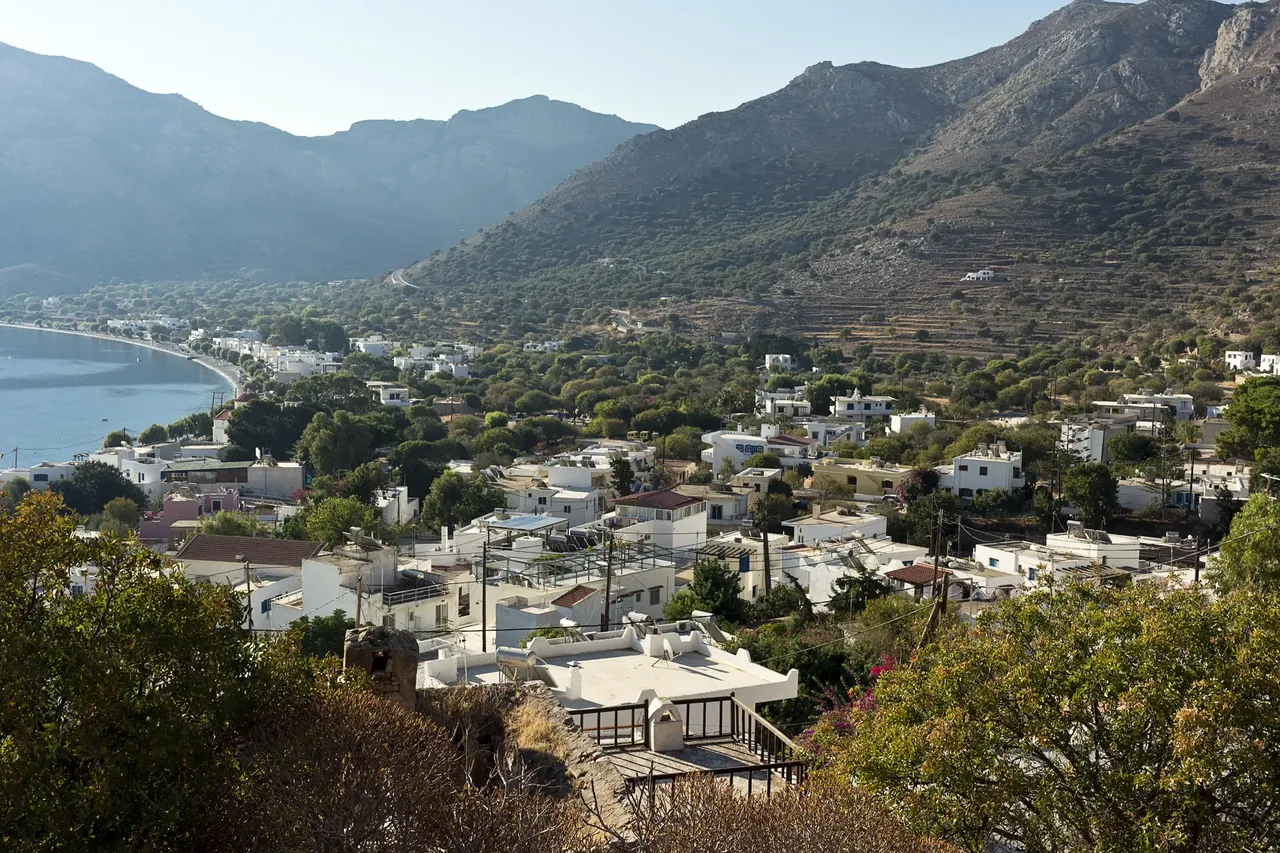
Panoramic views from a Tilos viewpoint, showcasing the island’s natural beauty and the vast Aegean Sea © Getty Images
If you don’t want to stay in Livadia, try Nitsa’s Apartments , a five-minute walk from Eristos Beach. It has 9 comfortable apartments, all of which are equipped with a small kitchen. But you won’t have to cook every day – or ever – because an added benefit of both Nitsa’s and the Faros is that they both have excellent restaurants serving traditional no-frills Greek dishes at decent prices.
Dining on Tilos
Just sayin’: I love traditional Greek food. There are a few new restaurants on the island that serve contemporary Greek dishes that are more expensive.
Breakfast**:** Breakfast is usually not included in the price. But almost all accommodations have small refrigerators in the room that you can stock with Greek yoghurt, juices, etc., bought at local supermarkets. There is also a farm on the island, near Eristos, with wonderful tomatoes and watermelons, which are often sold from a truck that makes the rounds.

Vibrant farmers market in Tilos, offering fresh produce and local delicacies © Pexels
Lunch/Dinner**:** At the Faros, three meals a day are served on a large patio with a breathtaking view of the bay and the mountains beyond the port. Many years ago, drawn by its reputation, the King and Queen of Belgium dined there. I heard that they ate spaghetti. (Not recommended. If you want to eat pasta, go to Naples and have spaghetti with Vesuvius tomatoes.) If you’re not staying at the Faros, the restaurant is worth the walk from Livadia and back, if only for the view. Be sure to reserve.
The En Plo restaurant attached to Nitsa’s is shaded by a roof of grape vines and leaves and is popular with long-time visitors, those camping at Eristos and anyone with good taste. So call and reserve. If you’re staying in Livadia, you can take the bus there and back. Every hotel and rooming house should have the schedule.
A Tip**:** The Grill House Kiriakos in the center of Livadia, across from the bakery (recommended for beach takeaways), serves inexpensive but excellent gyros and related Mediterranean street food. It is always full, so definitely reserve (or camp out overnight). Great people-watching from its outdoor tables.

Juicy, roasted meat sizzling on a spit, ready to be served as savory gyros © Pexels
Dinner**:** To (pronounced toe) Delfini, a family-run restaurant located at Agios Antonis, at the other end of the island from Livadia, is a wonderful place for dinner. Take the bus. Its tables are set under tamarisk trees at the edge of the small fishing harbor from which you can see the sun set into the sea if you get there in time. They used to have fresh fish most of the time, but the family patriarch, and head fisherman, fell ill a few years ago, so ask when reserving. But they have a great goat stew, an island delicacy.
If To Delfini doesn’t have fish, try the Elpida just down the road and also right on the sea. What the heck, try them both. Agios Antonis is just a nice place to spend a few evening hours stuffing your face and drinking retsina, the Greek resin wine that is an acquired taste. I acquired it with the first sip.
A fishy situation
One reason to travel to the Greek islands is to eat freshly caught fish. It is my favorite food and was one of my greatest pleasures when I first traveled there in 1990. But at that time there were still plenty of fish in the Aegean and they were still affordable for a budget traveler like me. This is no longer true. Illegal fishing techniques, such as the use of dynamite and nets with tiny mesh that hauled up everything, including the small fry, as well as huge fishing boats from as far away as Japan, have led to a scarcity of fish, which has driven up the prices.
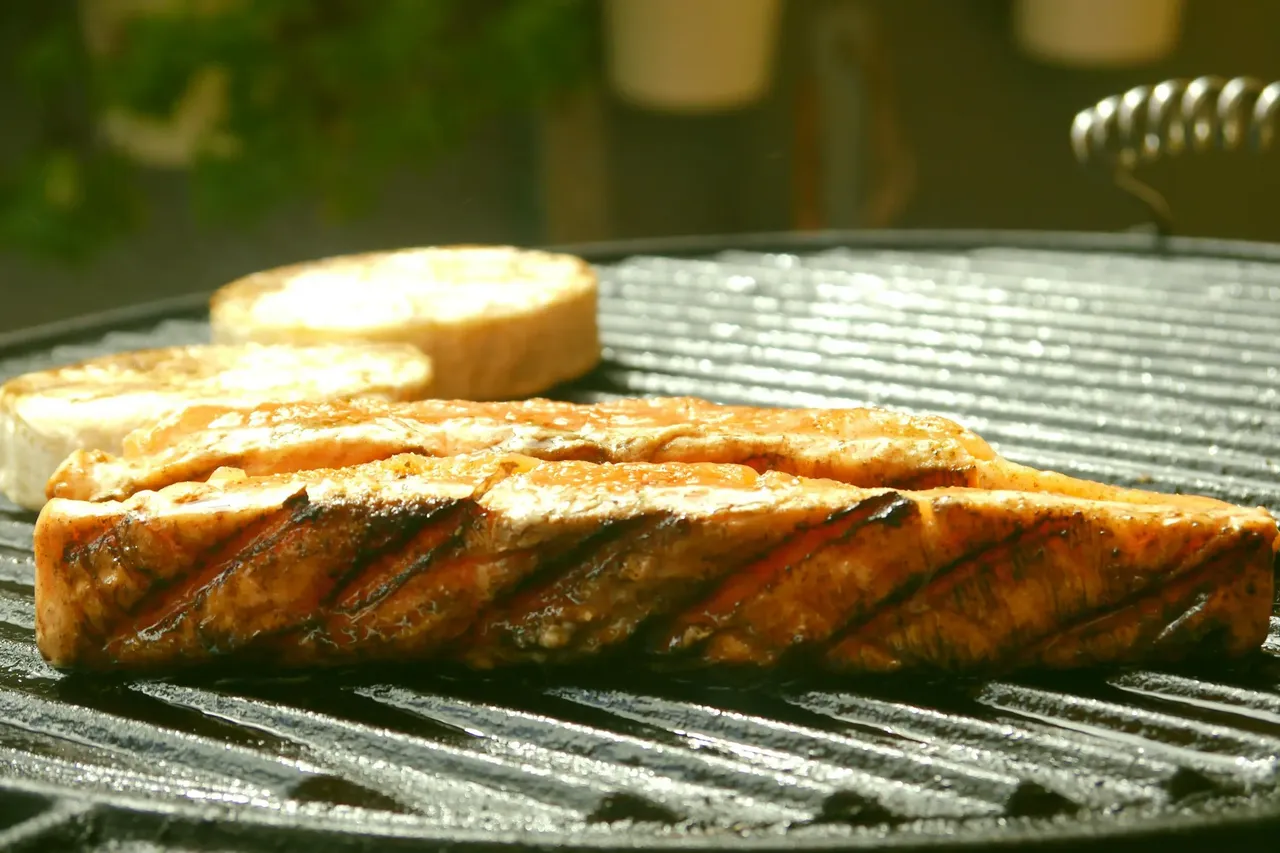
A perfectly grilled fish, a staple of Greek cuisine, served fresh and flavorful © Pexels
The most desirable fish, such as red mullet (barbounia), go for about 60 euros a kilo. Other, less in-demand but still delicious fish go for as low as 30 or 40 euros per kilo. Because fishing today is pretty much a hit or miss proposition, fish may not be available on the day you dine. So ask when you reserve – and if fish is available, reserve the fish too. The Faros, To Delfini and Elpita serve fish whenever they can; En Plo never does.
Before You Go
Tilos has a Facebook group of people who love the island and post lots of photos of isolated beaches and winding mountain paths. And of cats! The island is a paradise for cat lovers. Join the group, check out the posts and ask practical questions, if you have any. Everybody is friendly and eager to help.
That is simply an extension of the islanders themselves, who are special. Tilos is the only island in the Mediterranean that is energy self-sufficient and the only island in the world to have a Zero Waste City certificate. Also, the former head of the island, now deceased, carried out the first gay wedding in Greece, which was quickly annulled by the central government. The island also welcomed migrants during the Balkan wars in the 1990s and during Syria’s civil war, often given them jobs and/or training them for work.
The island also has a very efficient travel service, Tilos Travel (aka Stefanakis Travel), through which you can book all your boats and day trips.
THE OTHER ISLANDS
Colossal Rhodes
Rhodes is the largest of the Dodecanese islands and the ninth biggest island in the Mediterranean. But don’t let that put you off. Rhodes City (population 56,000) is a fascinating place, especially its old town, which is dotted with excavations of ancient sites, boasts nearly 4 km of medieval walls and offers museums, grand palaces and Byzantine-era mosques.
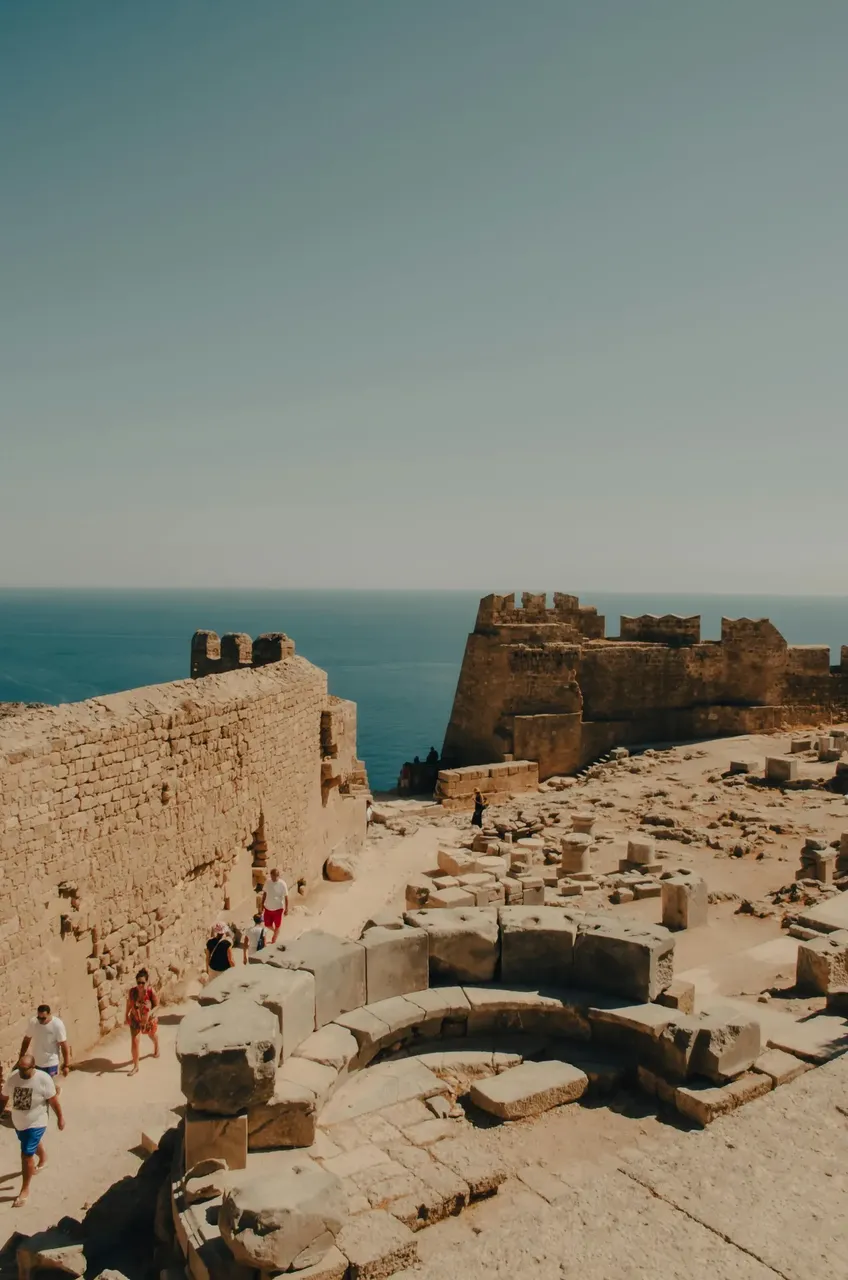
The historic Rhodes castle stands tall, reflecting the island’s rich medieval heritage © Pexels
You can also have a look at the site of one of the Seven Wonders of the World, the Colossus of Rhodes. Supposedly it stood near the entrance to Mandraki Harbor, which you’ll recognize by the statues of two deer that now stand there. From Mandraki, you’ll have a great view of the Palace of the Grand Master of the Knights of Rhodes.
Shopping: Socrates Street is the most popular shopping area for tourists, with shops offering leather products, furs and jewelry, among other wares. It gets really crowded in summer, but if you wander down one of the side streets, away from the sea, and let yourself get lost, you might find a decent and inexpensive restaurant with vacant tables and find something to buy or explore that you weren’t looking for.
A Hotel: If you want to stay on the island for a day or two, or more, try the Hermes Hotel , which is basic but located near enough to the main pier (called the Rhodes Port) and the old town. If you reserve early enough and ask for it, you might get a front room with a sea view. It’s also a short walk from the Hermes to a row of outdoor cafés, set in a sidewalk arcade on the wide street running along the seafront. They are fine places to have breakfast, if you don’t mind the traffic.
A Tip**:** If you have the time, rent a car and drive down the island to Lindos, a lovely town with some lovely ancient ruins and a lovely beach. Really!
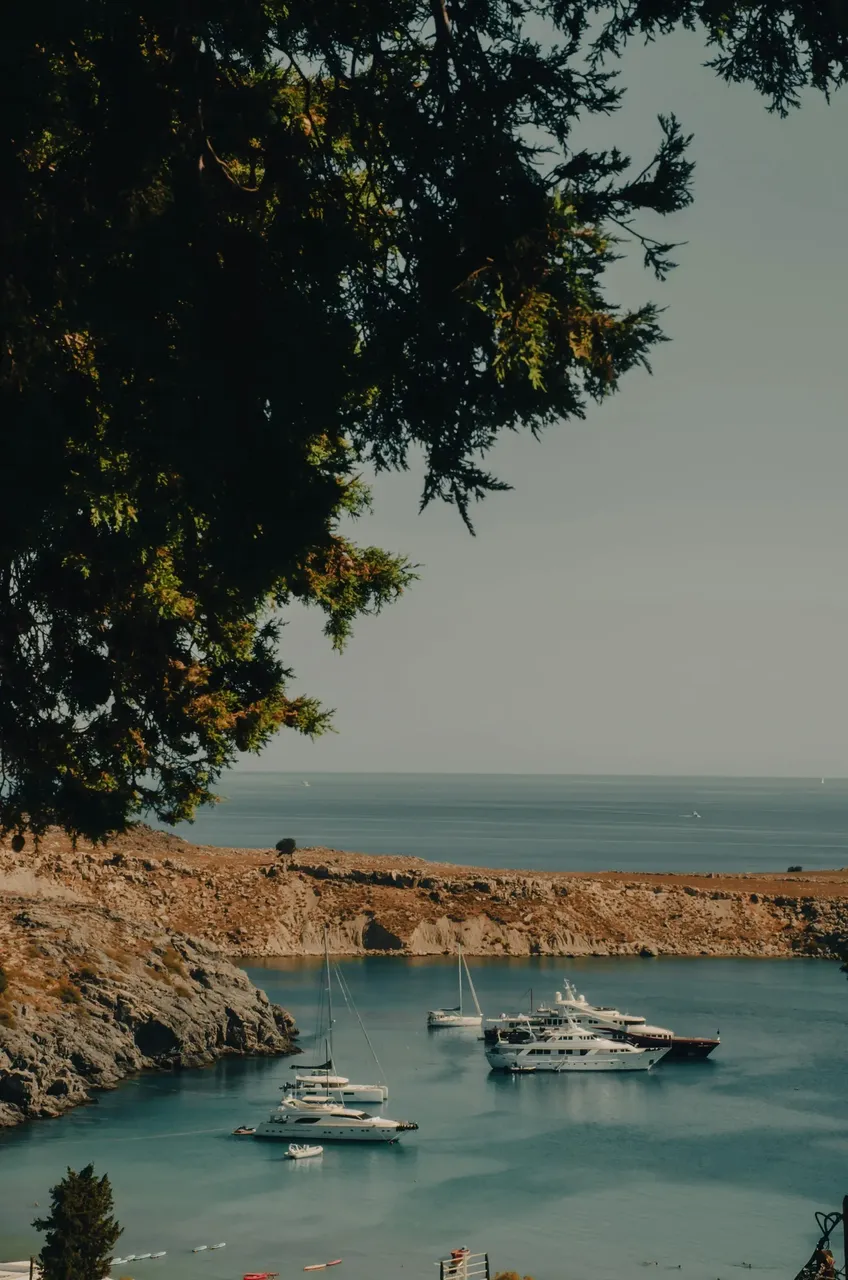
Idyllic view of Rhodes bay, with turquoise waters and boats dotting the shoreline © Pexels
Gorgeous Simi
Like all the islands listed below, day trips can be made to Simi from any island on one of the regularly scheduled ferries traveling between Rhodes and Kos. Make sure you know the schedule.
Simi is the most beautiful of these islands, at least from the boat. With its marvelously painted houses and doors, it looks like a picture postcard. It has a number of beaches within reasonable walking distance of Simi Town, and more are accessible by boat or car. Some of the beaches have sun beds and tavernas.
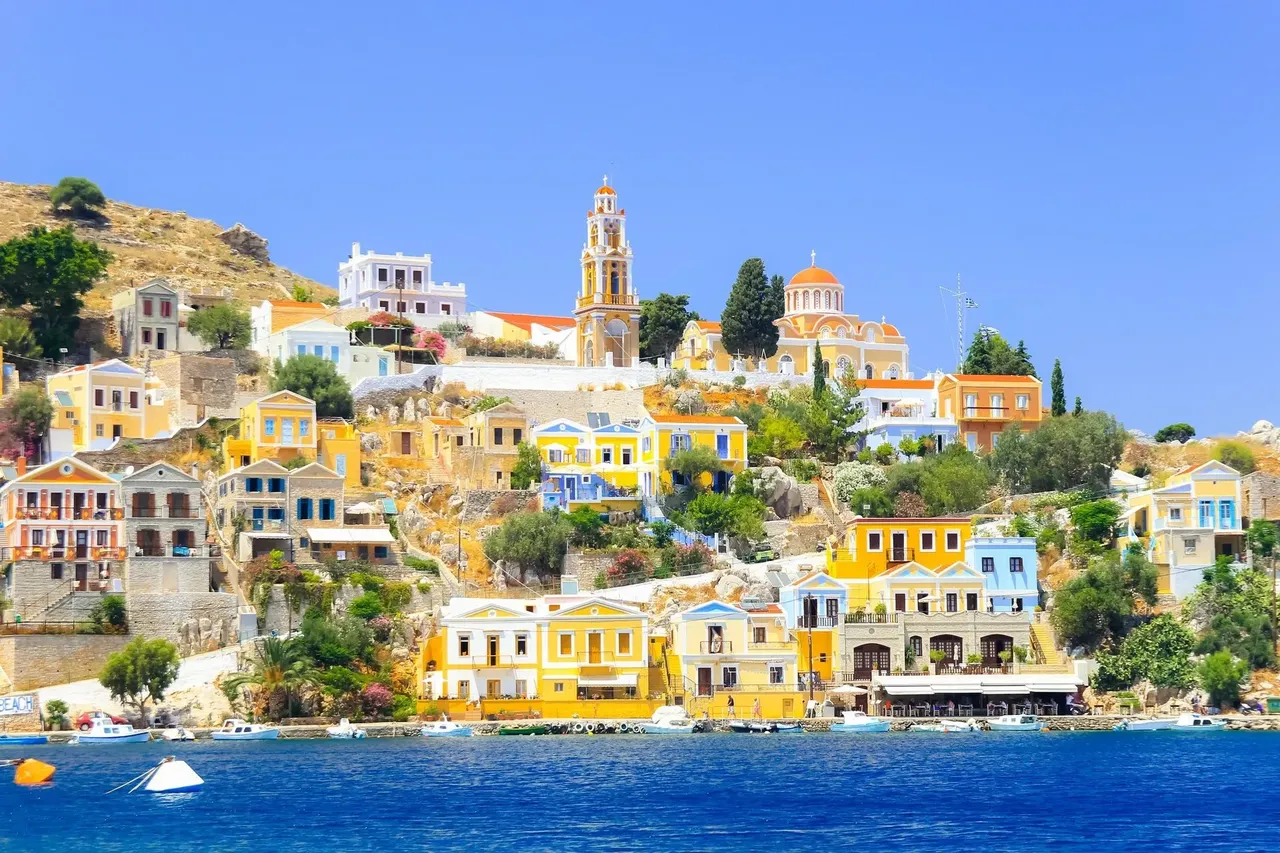
Colorful houses of Simi Island as seen from the water, offering a picturesque coastal view © Getty Images
Tiny Halki
Thirty years ago Halki was a mess. Most of the houses in the port were ruins and there were only a handful of eateries and rooming houses open. But after a massive renovation, the island looks great and is well prepared for tourists. It has two beaches that are a kilometer or two from the port. It’s a small island, and therefore quiet. For inexpensive rooms, try Kiki&Nina (great sea views) or Rosalia Apartments . (Halki also has an FB page .)
Volcanic Nisyros
You visit Nisyros to see the volcano and walk across the crater (it’s a trip worth the trip) – and, if you have the time, to have a look at the beautiful mountaintop village of Nikia. The capital and port is Mandraki, a typical blue-and-white Greek town right on the sea. If you’re going to stay a night or two, check out the Romantzo , a small hotel just 50 meters from the port and therefore, logically, with views of the sea.
Expensive Kos
I don’t know Kos very well, having been there only once. I remember crowds and lots of overpriced t-shirts on racks. But the island is known for its many long pebble and sand beaches, Greek and Roman landmarks and the 15th-century Neratzia Castle, which dominates Kos Town. Because it draws lots of tourists and is much smaller than Rhodes, I assume that you would feel the tourist press more there. I certainly did. And good luck finding an affordable place to stay. If you really must go there, try the Veroniki Hotel in Kos Town. But why would you? If you want to visit a big island, Rhodes offers much more for much less.
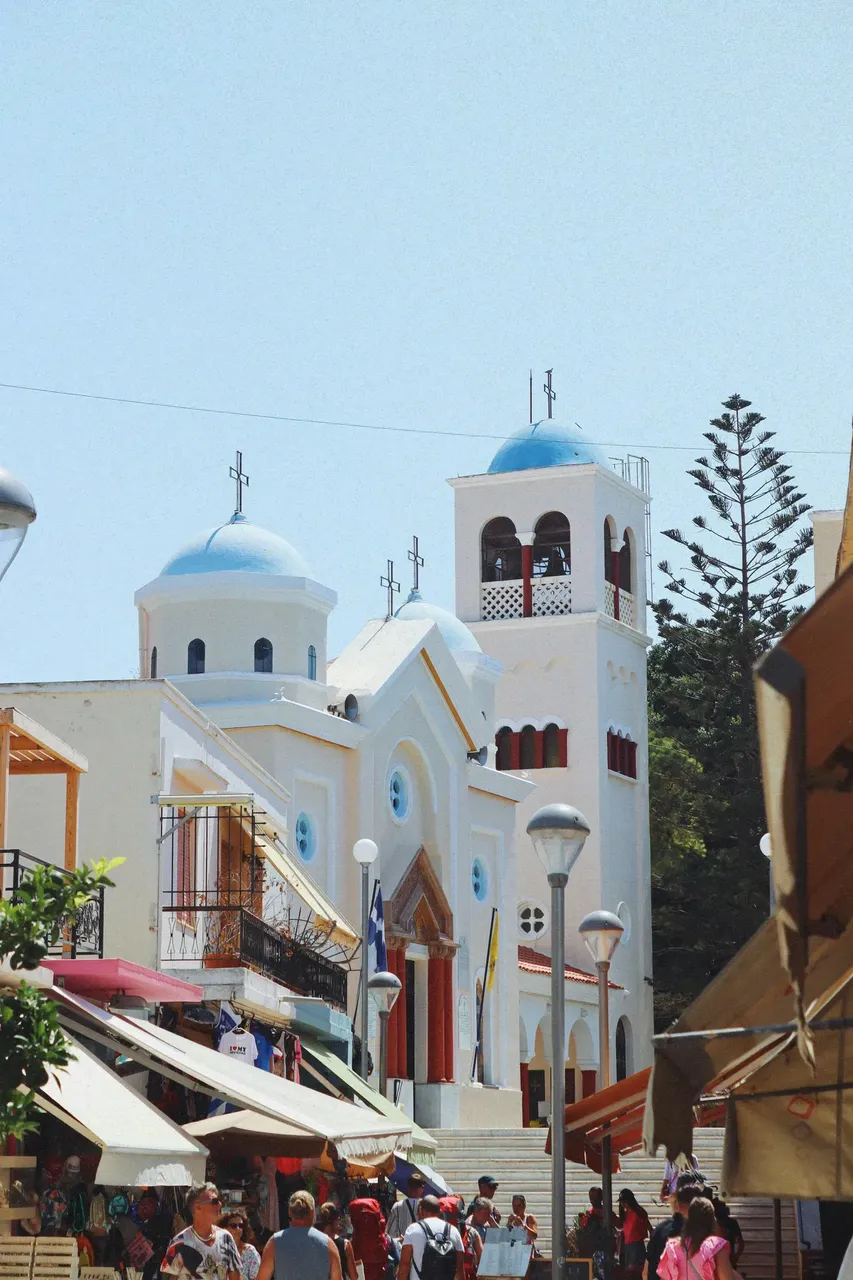
Classic white and blue architecture in Kos © Pexels
Conclusion
The great pleasure of returning to Tilos again and again is that there is always something new to discover, a new beach, a new dish, a new festival and a new Greek dance to learn. But even more gratifying is that you will eventually feel embraced - by the people, by the sea, by the vast blue sky. Though the relationships with the Tiliots are unavoidably commercial - tourism is a business, after all, and a source of income to the locals - they will eventually treat you like an old friend. Greeks are usually like that, but island Greeks, maybe because of their historic isolation, are much more like that. Eventually you will feel at home there. I know no other place in the world as well as I know Tilos - because it’s small but also because the islanders love their island and are eager to reveal its delights. And when they see you come back again and again, they know that you share their love of the island, which makes you (almost) one of them.