







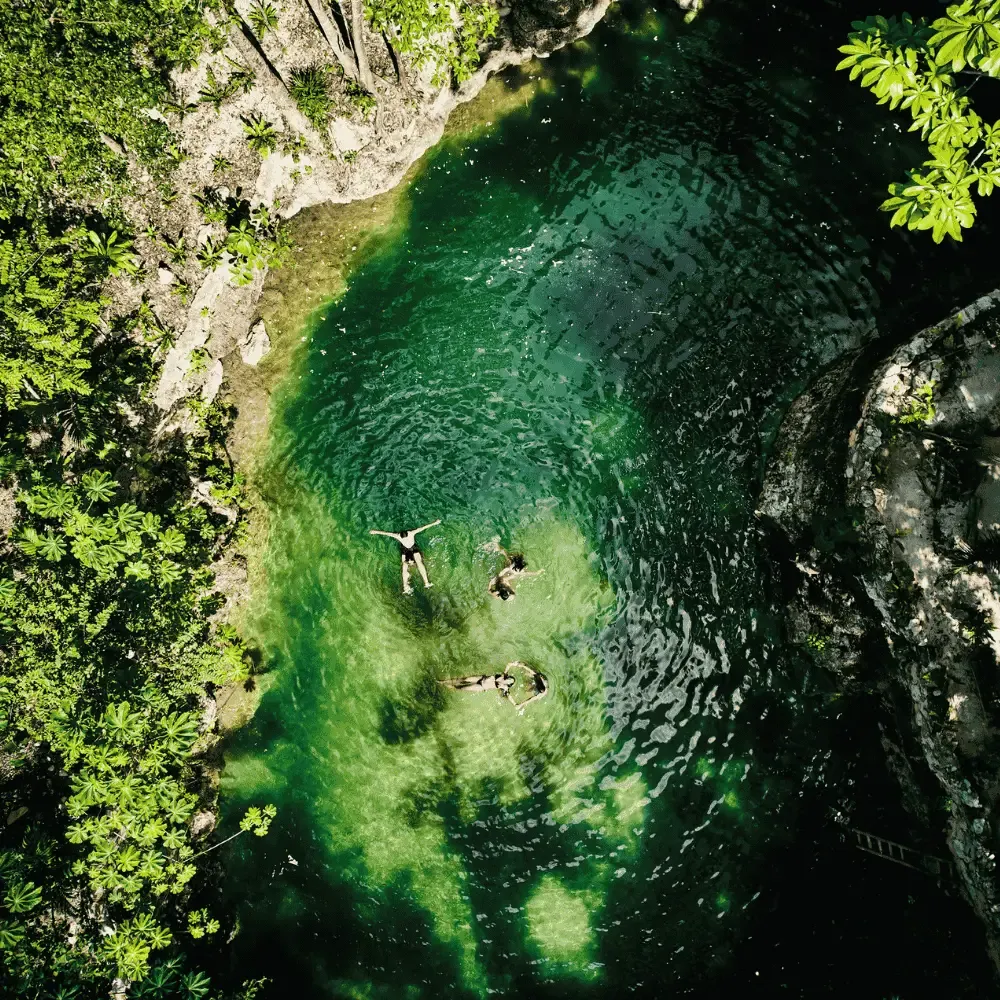
Picking a sustainable location for an upcoming trip requires some additional research. You’ve got to know things like the key traits of an eco-friendly location and how to measure its efforts so you can be sure it’s going above and beyond to benefit our little planet. If you’re lost in all the mixed advice, don’t worry. We’ll help you cut through it and find a destination that’s actually sustainable.
What Makes a Destination Truly Eco-Friendly?
An eco-friendly destination makes a strong effort to do more beneficial things for the environment and cut back on the stuff that negatively impacts it. Some places might claim they do all sorts of wonderful things for Mother Nature, but if they’re engaging in just as many harmful practices, is it really making a difference? Look, we live in a complex world; nowhere is perfect, but it’s about doing more good than bad.
For a destination to be truly eco-friendly, it needs to have some of the following features.
- Pollution reduction: Reducing the use of vehicles, setting up systems for people to recycle, and swapping our single-use plastics for better alternatives.
- Making a conscious effort to combat over-tourism: Cutting back on the number of visitors allowed to visit a place and focusing on attracting tourists that contribute more.
- Protecting the environment: Safeguarding the ecosystem, the people and wildlife who live there.
- Providing value to communities that call the destination home: Offering job opportunities and encouraging startups through grants. Moreover, barriers should also be put in place to combat the rise of prices for those not involved in the tourism industry.
- Offering sustainable tourism opportunities: Giving tourists the chance to participate in eco homestays, spend a day at marine conservation centers, or join a cycling tour.
Top Eco-Friendly Destinations to Visit in 2025
New Zealand
The Pacific island nation of New Zealand has long been a prized escape for the adventurous , thanks to its lush outdoors. But with all this nature on their doorstep, Kiwis really go the extra mile to make sure it’s preserved. One example of this is that the New Zealand Tourism Sustainability Commitment has put plans in place with the hope that all companies operating in the tourism industry will promise to take their green efforts seriously by this year (2025). There has been a huge push throughout the country to accomplish this goal, from introducing experiences where tourists can engage with the local community and culture with sustainability in mind to planting native trees in places that tour groups visit.

New Zealand is leading the way in sustainable tourism, aiming for all travel companies to commit to eco-friendly practices by 2025, with initiatives like native tree planting and community-focused experiences © Getty Images
Bhutan
Nowhere on Earth takes sustainability more seriously than Bhutan. With high fees imposed on tourists to ensure the environment and culture are preserved, Bhutan focuses more on attracting high-value visitors who are genuinely interested in experiencing Bhutan than on those who want to jump in and out on the cheap for an Instagram shot.
People in Bhutan respect everything they’ve been gifted within the country; they believe everything is linked, whether it’s nature or wildlife, which is where their sustainable focus stems from. Activities like fishing are heavily regulated, mountaineering is banned, and 60% of the country must always remain under forest cover. This has made Bhutan one of the world’s only carbon-negative countries.
Iceland
Sitting solo in the North Atlantic Ocean, Iceland’s isolated location has led them to make the environment a huge focus without tourists having to sacrifice too much. Many flock to the thundering volcanoes, cascading waterfalls, and majestic glaciers, but these natural formations can’t survive forever without being taken care of. Icelanders are well aware of this, so they’ve implemented a strategy to ensure what they’ve been gifted with remains. One ambitious initiative is their goal to generate all of their electricity with the assistance of hydropower and geothermal energy by 2040, as well as becoming carbon neutral by then.

Iceland is committed to protecting its stunning natural landscapes, aiming for 100% renewable energy and carbon neutrality by 2040 through hydropower and geothermal innovation © Getty Images
Some other great efforts you’ll notice when you’re there include electric buses and Vakinn certifications, which have been awarded to companies that have gone the eco-friendly route.
Singapore
Of all the countries I’ve been to, Singapore stands out for its serious commitment to environmental practices . Located in Southeast Asia, Singapore experiences a heavy monsoon season, which increases the likelihood of flash floods, putting them at high risk of extreme weather events. However, they’re actively tackling these challenges with efforts like the Singapore Green Plan 2030 , which focuses on sustainable development. This ambitious plan aims to achieve net zero emissions by 2050 through various strategies, such as planting up to 1 million trees, making 20% of schools carbon neutral by 2030, and ensuring that all newly made cars are energy-efficient models by 2030.
Galapagos Islands, Ecuador
You could say that the Galapagos Islands are one of the most revered wildlife destinations in the world. But with this status comes the added responsibility of taking care of all these incredible species, and Ecuador does just that. Many strict regulations have been placed on visitors, including limiting the numbers that enter the Galapagos National Park, and everyone must be in the company of a licensed guide. In addition, nothing is allowed to be brought into the country that could impact biodiversity, such as food.

The Galapagos Islands protect their unique wildlife through strict visitor regulations, including limited entry, mandatory licensed guides, and tight controls on what can be brought in © Getty Images
When it comes to wildlife, there are also strict rules in place to prevent any damage. All visitors must stay on the outlined paths and away from the animals, and under no circumstances should they be fed.
How to Assess a Destination’s Sustainability Efforts
For the average person, it can be tricky to determine how much work a country or local government puts into its environmental efforts. That’s where sustainable tourism indicators come into play. These are charts developed to help places assess how their sustainability efforts are progressing, based on 17 different factors such as poverty levels, climate action, etc.
Now, for a traveler like yourself, you’re not going to be able to know the ins and outs of what goes on. All you can do is assess things based on what’s available to you, whether through life on the ground or information published online.
Here are some simple ways to evaluate a location’s commitment to sustainability:
- Confirm with your tour providers that they make contributions to the local community. Don’t be afraid to ask for proof!
- Look at the available transport options and see if there are any alternatives to motorized vehicles like E-bikes.
- Try to spot some signs outlining how visitors should act, such as putting rubbish in the bins and fining people for breaking the rules.
- Determine whether restaurants get their ingredients from local businesses rather than importing them.

To find out if a restaurant sources ingredients locally, look for seasonal menus, partnerships with nearby farms or markets, and certifications like “farm-to-table” or “locally sourced” © Getty Images
- Check if the destination or tourist attraction has been awarded certificates. A great example of this is the Blue Flag for beaches.
- Verify whether the location has any protected zones, such as a national park.
Eco-Conscious Travel: Why It Matters for the Planet
It’s all too easy to overlook how your travels affect a place. You just get on a plane, have fun, and head back home without thinking much about it. I’m not one for pointing fingers or making people feel bad about themselves because, let’s face it, none of us have the right to get all high and mighty about our actions. We’re all doing some sort of harm in different areas of our lives, whether it’s buying cheap clothes from a company known for its fast-fashion policy or preaching about animal rights while supporting practices that clearly put them in danger.
If we all just made some effort to be a little more conscious on the road, we could sleep easy knowing we are doing some good for the planet. Look at all the amazing experiences you have on your travels: the mountains you climb in Nepal , the wildlife you see in South Africa , and the tribes you encounter in Ethiopia . These are all essential parts of our planet, but if you’re not approaching them with an eco-friendly mindset, you’re going to ruin the one thing that gave you joy for generations to come when you could, instead, preserve them. This goes for the way you travel, too; taking a bunch of flights every year isn’t exactly healthy for our planet Earth, but trying your hardest to fly with airlines that offset their emissions can reduce the negative impact you’re leaving behind.

Traveling with an eco-conscious mindset helps protect the natural wonders and cultures we cherish, from minimizing flights to choosing airlines that offset carbon emissions and supporting sustainable tourism practices © Getty Images
How to Travel Responsibly: Tips for Minimizing Your Environmental Impact
Okay, you’ve finally huddled up the motivation to travel more responsibly, but where do you begin? Here are some great tips for minimizing your environmental impact:
Look Out for Direct Flights
Flying directly to your destination means you only have to make one journey over and back. Fewer trips = fewer emissions, so your carbon footprint is significantly lower than if you had to do two or three stopovers. I know the cheaper routes are tempting, but try to make a difference whenever possible.
Pack a Reusable Water Bottle
Hydration is key, but it sometimes results in you buying a big dirty plastic 2-litre bottle of water that you’ll chuck away whenever it’s empty. Single-use plastic isn’t good for anyone, so rather than resisting your temptations whenever you need a gulp because the humidity is getting too much, go out and spend the extra few quid on a reusable water bottle.

Cut down on single-use plastic by investing in a reusable water bottle, a simple switch that keeps you hydrated while helping protect the environment © Getty Images
Nowadays, plenty of public spaces, hotels, and guesthouses have refillable water stations. That way, you can just crack out the bottle every time you want a sip. Beforehand, make sure to find out whether the water is drinkable because, in certain parts of the world, it may not be.
Eat Local
Foodies already know that the grub at the side of the street is a hundred times nicer than the stuff you get in McDonalds. But besides the delight it can bring to your palate, it also injects money back into the local community, giving the vendor a fair wage and their supplier more business in the future.
Stick to Carry On Luggage Only
Do you really need a heavy 20 kg suitcase filled with stuff you probably won’t even use? Didn’t think so. Leave it behind and take a 10 kg carry-on with you instead. This will reduce the weight the plane has to drag along, which helps cut down on carbon emissions. Plus, you skip past everyone waiting around for their bags to arrive at the belt whenever you land.
Stay In Sustainable Accommodation
Opting to stay in sustainable accommodation can make all the difference. Small features like using renewable energy do much more good for the planet than places solely focused on profits. Usually, an accommodation will have it plastered all over their listing, so they’re fairly easy to spot.

Choosing sustainable accommodation—often powered by renewable energy and eco-friendly practices—supports businesses that prioritize the planet over profits and are usually clearly marked in listings © Getty Images
Travel During the Off-Season
Everyone wants to travel during the high season; maybe it’s because of the weather or because it might be the only opportunity they have to get off work. However, saving your holiday for the low season ensures businesses are making some money even when the tourism numbers are low. Additionally, you’ll be able to pick up some fantastic deals because demand isn’t as high; it’s a win-win.
Go Green on Your Next Trip!
The world is much more accessible than it was 30 to 40 years ago. People in certain parts of the world have more disposable income, which allows them to travel to far-flung locations. But with this comes an increase in the flow of travelers, and the environmental ramifications are greater than anything we’ve experienced in the past.
By traveling to an eco-friendly destination, you can rest easy knowing that your tourism dollars are going to the right place and that your behavior is supporting the planet rather than wrecking it.
Popular routes on Kiwi.com
- Cheap flights from London to Turkey
- Cheap flights from London to Barcelona
- Cheap flights from London to Japan
- Cheap flights from London to New York
- Cheap flights from New York to Paris
- Cheap flights to Spain
- Cheap flights to Italy
- Cheap flights to the United States
- Cheap flights to the United Kingdom
- Last minute flights
People Also Read


How to Travel Patagonia: A First-Timer's Guide to Chile & Argentina's Wild South


Where to stay in Palma de Mallorca: best areas for beaches, culture and nightlife