








We have all been there. You find the perfect flight to a sun-drenched beach or a neon-lit city, but the price makes you wince. You wait a day, hoping it drops, only to watch it climb higher. It feels like a losing game of musical chairs where the music is controlled by a chaotic algorithm.
The good news is that you do not have to spend your life hitting the refresh button. I am going to show you exactly how to get alerts for cheap flights and cheap holiday flights so the deals come to you. By using smart tracking strategies and simple tools, you can receive notifications the second fares drop. This guide covers the core benefits of saving money and booking at the perfect moment without the stress.
Table of Contents
- Quick Answer: How Do You Set Up Flight Price Alerts?
- What Are Flight Price Alerts and How Do They Work?
- Why You Should Set Up Flight Price Alerts Before Booking
- Step-by-Step: How to Set Up Flight Price Alerts
- Tips to Get the Most Accurate Cheap Flight Alerts
- Common Mistakes to Avoid When Using Flight Alerts
- Ready to Track Cheap Flights Like a Pro?
- How to Get Alerts for Cheap Flights FAQs
Quick Answer: How Do You Set Up Flight Price Alerts?
Setting up price alerts is the fastest way to hack your travel budget. First, search for your desired route and dates on a platform like Kiwi.com . Once the results appear, look for the “Price Alert” bell icon or toggle and activate it. You can then choose your preferred notification method, such as email or push notifications on the app. Monitor the updates as they arrive in your inbox and book immediately when the price hits your target. It is a simple way to setup flight price alerts now and stop overpaying.
What Are Flight Price Alerts and How Do They Work?
At their core, price alerts for flights are digital watchdogs. They are automated tools that monitor specific routes and dates for you. Instead of you manually checking a website every morning, an algorithm does the heavy lifting. These tools track fare changes in real time across hundreds of airlines.
I remember tracking a flight from London to Tokyo a few years back. The price stayed stubbornly high for weeks. One Tuesday afternoon, I got a ping on my phone while I was making coffee. The fare had plummeted by €280 for a 24-hour window. I booked it right there in my kitchen.
Do flight alerts work? Absolutely. Airlines use dynamic pricing, which means fares fluctuate based on demand, season, and even the time of day. Alerts capture these “dips” that the average traveler might miss. While some people are skeptical about whether these tools are reliable, they are actually based on the same live data that travel agents use. They are essentially your personal early-warning system for flight alerts for cheap flights. For a deeper look into the mechanics, you can read more about if do flight alerts work when prices are moving fast.
Why You Should Set Up Flight Price Alerts Before Booking
The biggest mistake travelers make is booking the first decent price they see. Airfare volatility is a real thing. According to historical airfare trend data, prices for international trips can fluctuate by dozens of percentage points in a single week. When you set up flight price alerts, you gain the upper hand.
Here is why you need them:
- Avoid Overpaying: You see the “normal” price versus the “deal” price over time.
- Track Multiple Dates: If you are flexible, you can see if flying on a Thursday is €90 cheaper than a Friday.
- Surface Hidden Deals: Sometimes a price drop happens on a route involving two different airlines that don’t usually partner up.
I once helped a friend track a flight from NYC to Paris. We set the alert three months early. For two weeks, nothing happened. Then, a random “unbundled” fare appeared through a low-cost carrier we hadn’t considered. Because she had a set price alerts for flights , she grabbed a round trip for nearly half the usual cost. It takes the guesswork out of the process and builds a level of trust that you are getting the best possible deal.

Step-by-Step: How to Set Up Flight Price Alerts
Setting this up is easier than ordering a pizza. I use the Kiwi.com flight finder because it searches everywhere, even between airlines that do not officially “talk” to each other.
Step 1 – Search for Your Route
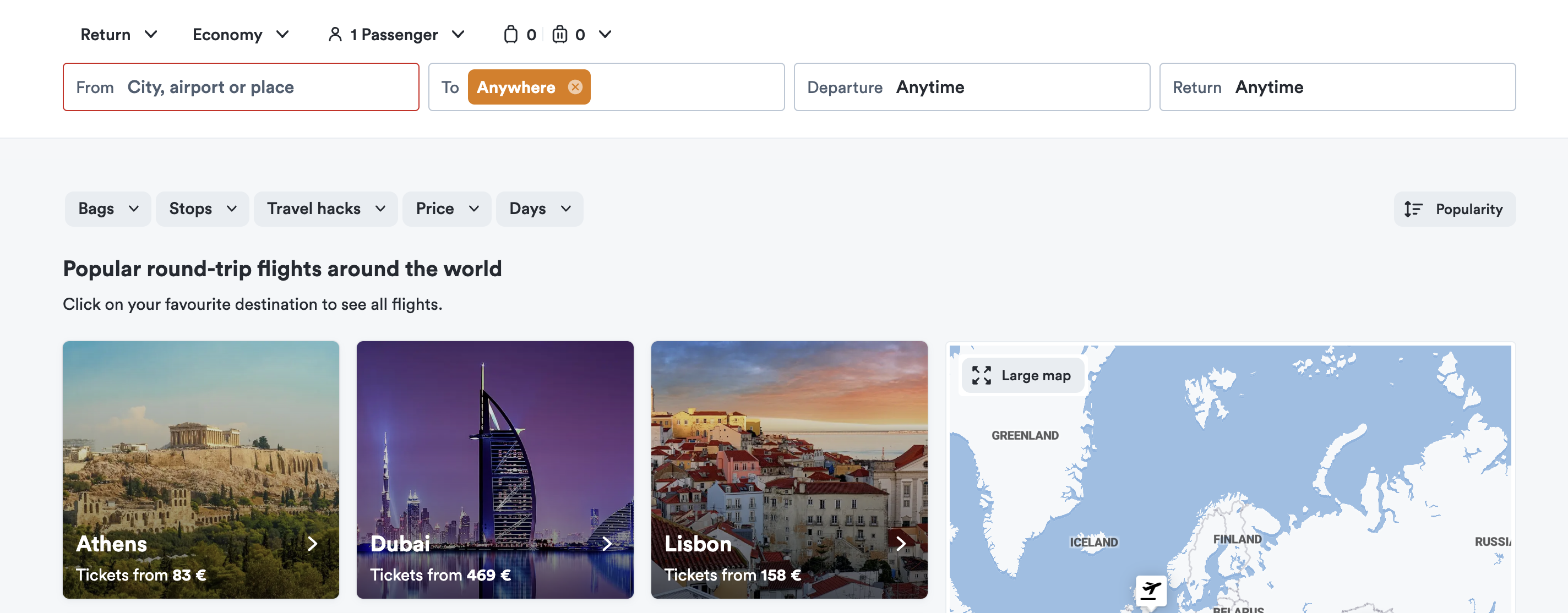
Open the search engine and enter your departure city and your destination. If you are feeling adventurous, you can even book flights to anywhere to see where the cheapest alerts are currently popping up.
Step 2 – Select Dates and Filter Results
Choose your preferred travel window. I suggest being a little flexible here. Adjusting your dates by just a day or two can drastically change the baseline price. If you want the most accurate data, set up flight price alerts for a few different date ranges.
Step 3 – Activate the Price Alert Feature
Look for the “Create price alert” button. On the Kiwi.com app, it is usually a bell icon. Once you click it, you can choose how you want to be notified. I personally prefer how to get email alerts for cheap flights because I can see the price history clearly on my laptop, but app notifications are better for instant booking.
Step 4 – Monitor Notifications and Book at the Right Time
When the price drops, you will get a notification. Don’t overthink it. If the price hits your “buy” zone, act fast. These low fares often disappear within hours. This is especially true for last minute flights where seats are being cleared out.
Tips to Get the Most Accurate Cheap Flight Alerts
To really master flight alerts for cheap flights, you need to think like a travel hacker. Simple alerts are great, but these pro tips will save you even more.
- Track Multiple Airports: If you live in London, track Gatwick, Heathrow, and Stansted. The price difference can be massive.
- Monitor Shoulder Seasons: Set alerts for late September or early May. These periods often see the most dramatic price drops as airlines try to fill seats outside of peak summer.
- One-Way vs. Round-Trip: Sometimes booking two one-way tickets on different airlines is cheaper than a return ticket. Kiwi’s virtual interlining does this automatically, which is a massive advantage.
- Set Alerts Early: The “sweet spot” for international flights is often 3 to 6 months out. Start tracking then.
I once saved €180 by tracking an airport two hours away from my house. The bus ticket to get there was only €12. That is the kind of trade-off that makes budget travel possible.
Common Mistakes to Avoid When Using Flight Alerts
Even with the best tools, it is easy to trip up. One common mistake is waiting too long for a “perfect” price that might never come. If you see a significant drop that fits your budget, take it. Airfare pricing studies show that once a flight starts filling up, those “glitch” or “sale” prices rarely return.
Another pitfall is ignoring the baggage rules or long layovers. A €35 flight looks amazing until you realize it has a 12-hour layover in an airport with no free Wi-Fi and charges €55 for a carry-on bag. Always check what is included before you hit that “Book” button. Transparency is key here. A cheap alert is only a deal if the total cost of the trip stays low.
Ready to Track Cheap Flights Like a Pro?
There is a certain thrill in knowing you paid less than the person sitting in the seat next to you. By using price alerts, you turn the tables on the airlines. You no longer have to be the one searching; you just have to be the one ready to act. It is a risk-free, simple way to ensure your next adventure doesn’t break the bank. Go ahead and setup flight price alerts now and see where the world takes you.
How to Get Alerts for Cheap Flights FAQs
Flight Price Alerts FAQ
How do I set up price alerts for flights?
Simply search for a route on Kiwi.com, find the “Price Alert” bell icon, and toggle it on. You will be prompted to sign in or provide an email address to receive notifications.
Do flight alerts really help you find cheaper tickets?
Yes. They allow you to see the volatility of a route. By tracking over time, you can identify when a price is genuinely low versus just “average” for that season.
How early should I set up flight price alerts before my trip?
For domestic flights, 1 to 3 months is ideal. For international journeys, start tracking 4 to 6 months in advance to catch the widest range of fare changes.
Can I get email alerts for cheap flights instead of app notifications?
Most platforms, including Kiwi.com, offer both. Email is great for a paper trail of price history, while the app is better for “flash sales” that require immediate action.
Are flight price alerts accurate when prices change quickly?
They are highly accurate, but because airline systems update so fast, the price can sometimes change between the time the alert is sent and when you open the link. This is why acting quickly is vital.
Can I track multiple destinations at the same time?
You certainly can. In fact, tracking 3 or 4 different destinations is a great way to let the price decide where your next vacation will be.