









Searching for flights with flexible dates is one of the simplest ways to pay less for the same trip. Prices shift constantly based on demand, day of the week, and season. Moving your departure by even two or three days can save you a meaningful chunk of money.
In this article
I’ve done it myself, and the results are almost always worth the small adjustment to my travel plans. Let me share what I learned below.
Quick Answer: How to Find Flights with Flexible Dates
Use a flexible date search tool to compare fares across several days or an entire month at once. Shift your departure or return dates by a few days, check nearby airports, and avoid peak travel seasons. Searching flights with flexible dates consistently turns up lower fares than locking in exact dates from the start.
Why Flexible Dates Help You Find Cheaper Flights
Airlines price seats dynamically, not like a supermarket pricing milk. Demand, day of week, and season all push flight prices up or down. The same route can cost dramatically different amounts depending on when you fly.
Find flights for this trip

I flew from London to New York last autumn. The fare on a Friday was nearly double what I found for the following Tuesday on the same airline. Same route, same airline ticket, very different cost. That gap is common, and most travelers miss it because they only search their preferred dates.
A few key factors drive this variation:
- Weekends attract higher demand from leisure travelers, pushing fares up on Fridays and Sundays.
- Holidays spike prices further, especially to popular destination cities.
- Off-peak months like January and February consistently offer lower fares after the holiday rush.
Understanding this logic is the first step. The second is using tools that show it at a glance, rather than searching one date at a time.
Best Ways to Search for Flexible Flight Dates
There is no single magic button that guarantees the lowest price. That said, a few specific strategies consistently surface better deals. Here are the ones I rely on most.
Use Flexible Date Search Tools
Flexible date search tools show you a spread of fares across multiple days or a whole month, so you can instantly spot the cheaper windows without manually checking each date.
On Kiwi.com , the process is straightforward:
- Enter your departure city and destination in the search bar.
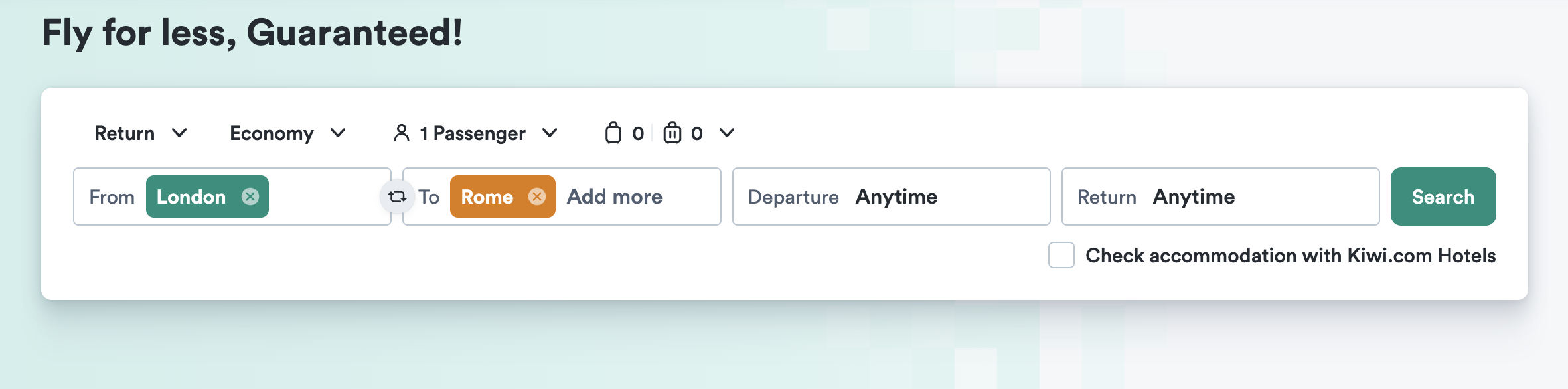
- Switch to flexible search mode instead of selecting exact dates.
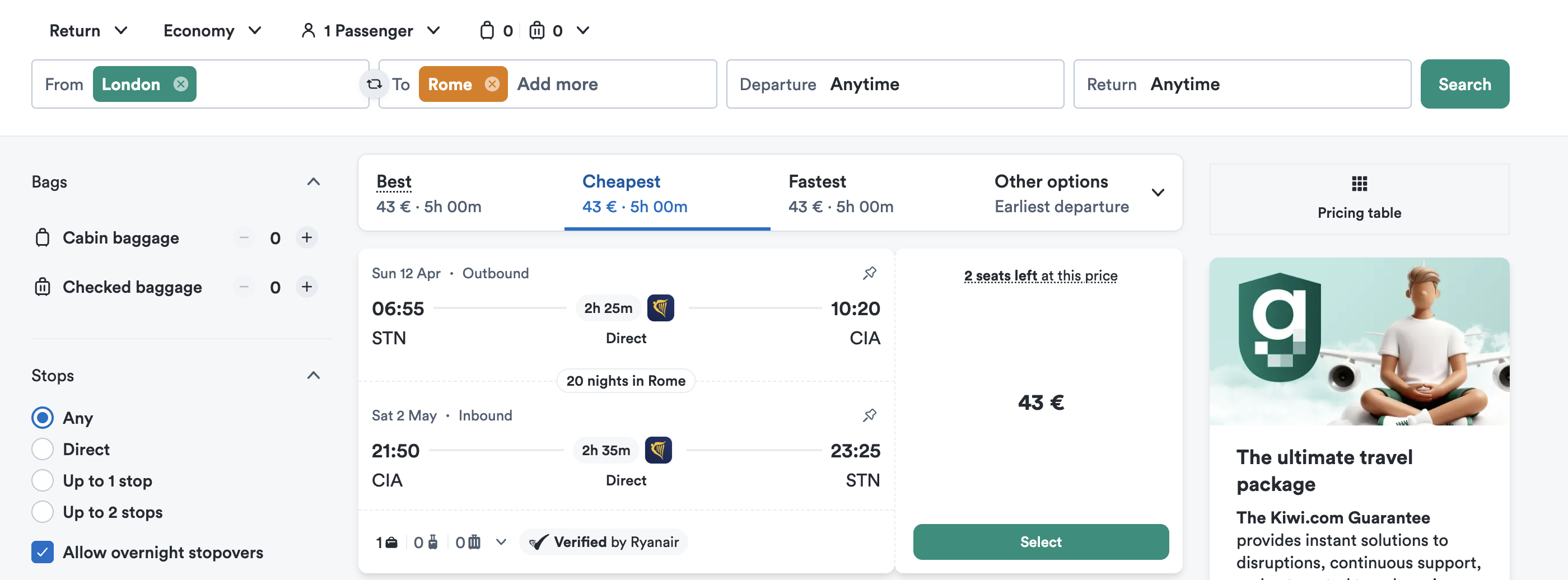
- Browse the calendar or grid view, where the cheapest days stand out immediately.
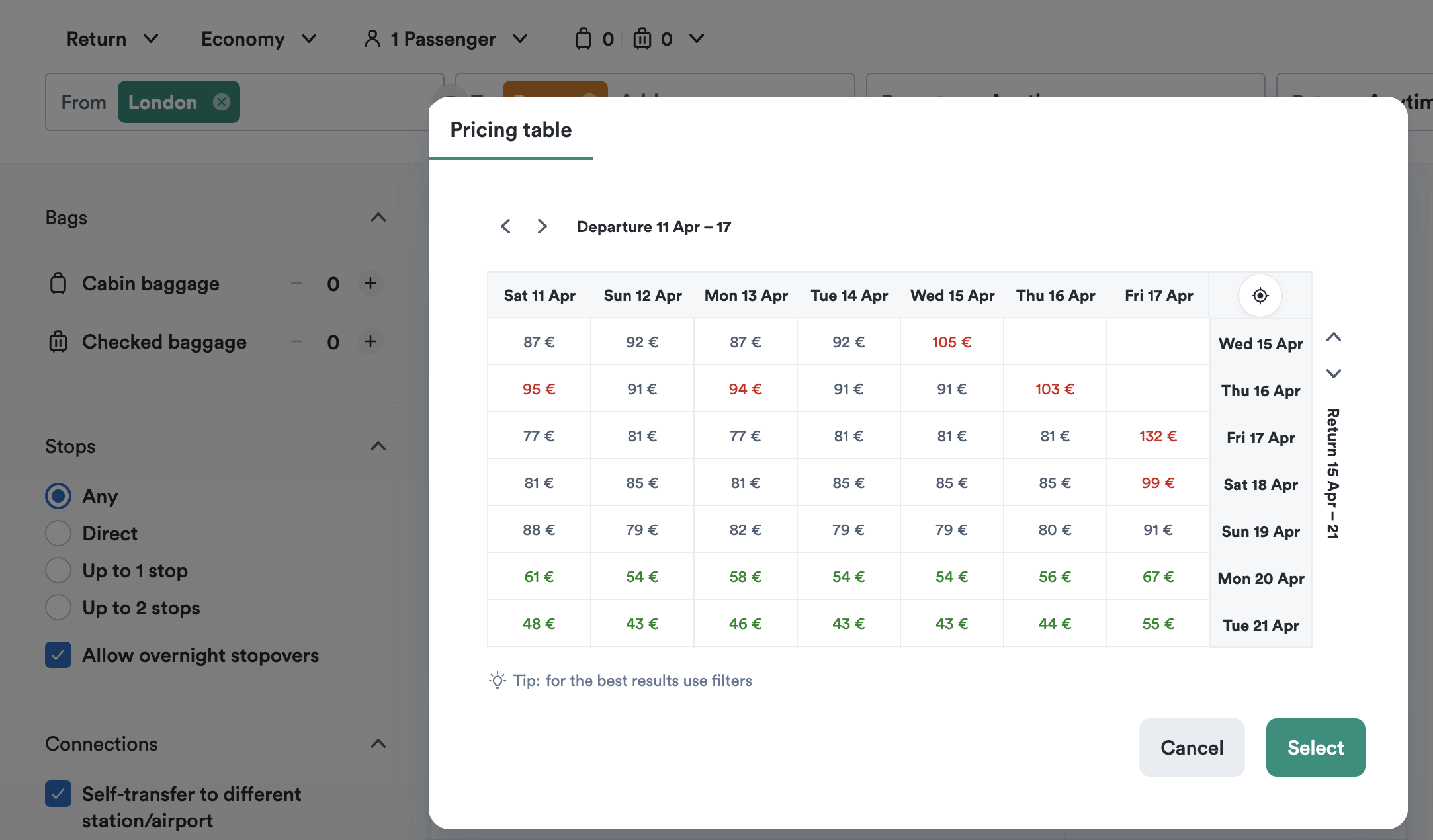
- Pick your preferred window and book.
I used this before a trip to Lisbon and found that flying out on a Wednesday instead of a Saturday saved me a significant amount. The trip was identical. The cost was not. From there, you can explore cheap flights across hundreds of airlines, including carriers that do not appear on standard search engines.
Compare Prices Across a Full Week or Month
Expanding your search window from a single date to a full week or month is one of the most effective habits you can build. Most flexible search tools offer a date grid or price graph that makes this quick.
When I was planning a trip to Madrid, I knew I wanted about ten days away, but had no fixed dates. The grid showed me that a Tuesday departure with a Thursday return the following week was far cheaper than any weekend combination. I adjusted, booked, and spent the savings on food instead.
The key is treating the whole month as a range of possibilities rather than anchoring to your first-choice dates. That mindset shift is really what knowing how to search for flexible flight dates is all about.
Check Nearby Airports for More Options
Most travelers only search their home airport. That is often a mistake. If you live within a reasonable distance of a second airport, the savings can be worth the extra journey.
For example, flying from the New York area means three options: JFK, Newark, and LaGuardia. Prices between them on the same route can vary noticeably. The same applies in London, where Heathrow, Gatwick, Stansted, and Luton each offer different fare structures.
On the destination side, flying into a secondary city and taking a short train can also open up cheaper options, particularly across Europe. Combining searching flights with flexible dates and a flexible departure airport gives you the broadest possible range of results.

Tips to Maximize Savings with Flexible Travel Dates
Being flexible with dates is the foundation. These tips sharpen your results further.
Travel Midweek Instead of Weekends
Tuesday and Wednesday are almost always cheaper than Friday or Sunday. The reason is simple: most leisure travelers cluster around weekend departures, and airlines price accordingly.
 Travel hacks
How to Find Cheap Family Flights for Holiday
To find cheap family flights, you must book early, compare flexible dates, mix airlines, and check nearby airports. Follow our guide to secure the best family flight deals.
Read the guide
Travel hacks
How to Find Cheap Family Flights for Holiday
To find cheap family flights, you must book early, compare flexible dates, mix airlines, and check nearby airports. Follow our guide to secure the best family flight deals.
Read the guideWhen searching flights with flexible dates, compare midweek departures against weekend ones. On most routes, domestic flights included, the difference is noticeable. I rarely book a Friday departure unless the fare is genuinely competitive, because it so rarely is.
Book in Advance but Stay Flexible
The sweet spot for booking timing varies by route, but a rough guide is:
- International flights: Start monitoring six to ten weeks out.
- Domestic flights: Four to six weeks is usually the best window.
Knowing how to search for flexible flight dates means you can set fare alerts and catch price dips that last only a day or two. If your plans are more spontaneous, last-minute flights can sometimes deliver real savings when airlines push fares down to fill remaining seats.
Avoid Peak Travel Seasons
The most expensive times to fly are predictable: Christmas, summer school holidays, and major public holidays. If you can travel slightly outside these peaks, the savings are often dramatic.
Flying to Barcelona in late May or early October instead of August will almost always cost less. Similarly, searching flights with flexible dates during the shoulder season consistently surfaces better fares.
If you must travel during a busy period, shifting by even a day or two, such as flying on Christmas Day rather than the 23rd, can still make a difference. For inspiration on when to go, it is worth browsing cheap holiday flight deals to find routes that hold competitive prices even in busier windows.

Who Benefits Most from Flexible Flight Searches
Almost every traveler benefits from flexible searching. However, some groups gain more than others.
Families Planning Budget Trips
Families need multiple seats on the same flights, so a small per-person fare difference quickly adds up. A fifty-euro saving per person becomes two hundred euros for a family of four.
Families who save the most tend to share one habit: they plan around the cheapest available window rather than the most convenient one. Knowing how to search for flexible flight dates is often the difference between an affordable trip and an expensive one. For more practical strategies, the guide to affordable family flights is worth a read.
Students and Young Travelers
Students and backpackers are natural candidates for flexible searching. Most do not have fixed return dates, and many are open to visiting multiple cities on the same trip. That freedom translates directly into savings.
I spent one summer booking short-haul flights on a rolling basis, choosing departure dates based purely on the cheapest option available. Searching flights with flexible dates works especially well with a loose itinerary: fly into whichever city offers the cheapest entry point and build from there. Students can also find targeted tips in the guide to affordable flights for students .
Common Mistakes When Searching Flexible Flights
Even travelers who understand flexible searching often undermine themselves with a few common errors. Here is what to avoid when figuring out how to search for flexible flight dates:
- Locking in dates too early. Always check the date grid before committing. Your preferred dates might be the most expensive of the week.
- Ignoring nearby airports. If you live near multiple airports, check all of them. The extra travel time to a cheaper airport often pays for itself several times over.
- Not comparing enough dates. Checking one or two alternatives is not enough. Use the full month view if your schedule allows it.
- Booking the first good price you see. Use filters to narrow results by price, stops, or travel time. A slightly slower search often reveals better options buried beneath the defaults.
- Forgetting about change fees. Some airline tickets carry high fees for changes. If you plan to stay flexible, look for fares with low or no change fees. The gap between a rigid and flexible fare is often smaller than the fee itself.
- Dismissing historical data. Some tools show estimates based on past pricing trends. That data helps you judge whether a price is genuinely good or simply average for that route.
Ready to Find the Best Flight Deals?
Before you book your next trip, take thirty extra seconds to open the search with flexible dates. Check the date grid. Widen your window. Look at the whole month if you can. I have saved money on nearly every trip this way, whether it was flights to Las Vegas, short hops across Europe, or long-haul routes to Asia.
Kiwi.com is built for exactly this kind of searching. The platform pulls together routes and fares from hundreds of carriers, including combinations that other search engines cannot piece together. You can search flexible date flights, compare an entire month at once, check nearby airports, and book knowing that protection is included if something goes wrong. Start with an open mind about your dates, and the fares will often surprise you.
How to Search for Flexible Flight Dates FAQs
Frequently Asked Questions
What does flexible flight dates mean?
Flexible flight dates mean you are open to departing or returning on different dates based on where fares are lowest. Instead of searching on one specific day, you compare prices across a range and choose the most affordable option.
How many days should I be flexible to get cheaper flights?
Even two or three days of flexibility can make a real difference. However, the wider your window, the better your chances. Searching across a full week or an entire month gives you the most options and the best shot at a low fare.
Are flights cheaper on certain days of the week?
Yes. Tuesdays and Wednesdays are typically the cheapest days to fly on most routes. Fridays and Sundays are usually the most expensive due to weekend leisure travel demand.
Can flexible dates really save money on flights?
Consistently, yes. The price gap between the cheapest and most expensive day on the same route can range from a small percentage to nearly double the fare. Flexible date searching is one of the most reliable ways to find lower prices without needing a discount code.
What tools help with searching flights with flexible dates?
Kiwi.com offers a flexible date search mode with a date grid and calendar view. Google Flights has a similar price graph feature. Third-party platforms like Kiwi typically cover more routes, including combinations from multiple carriers that airline websites cannot show.
Is it better to book early or last minute with flexible dates?
For busy routes and peak seasons, booking four to eight weeks out usually offers the best balance of price and availability. For quieter routes or off-peak travel, last-minute fares can occasionally be lower as airlines fill remaining seats. Monitoring fares over time gives you the most control.