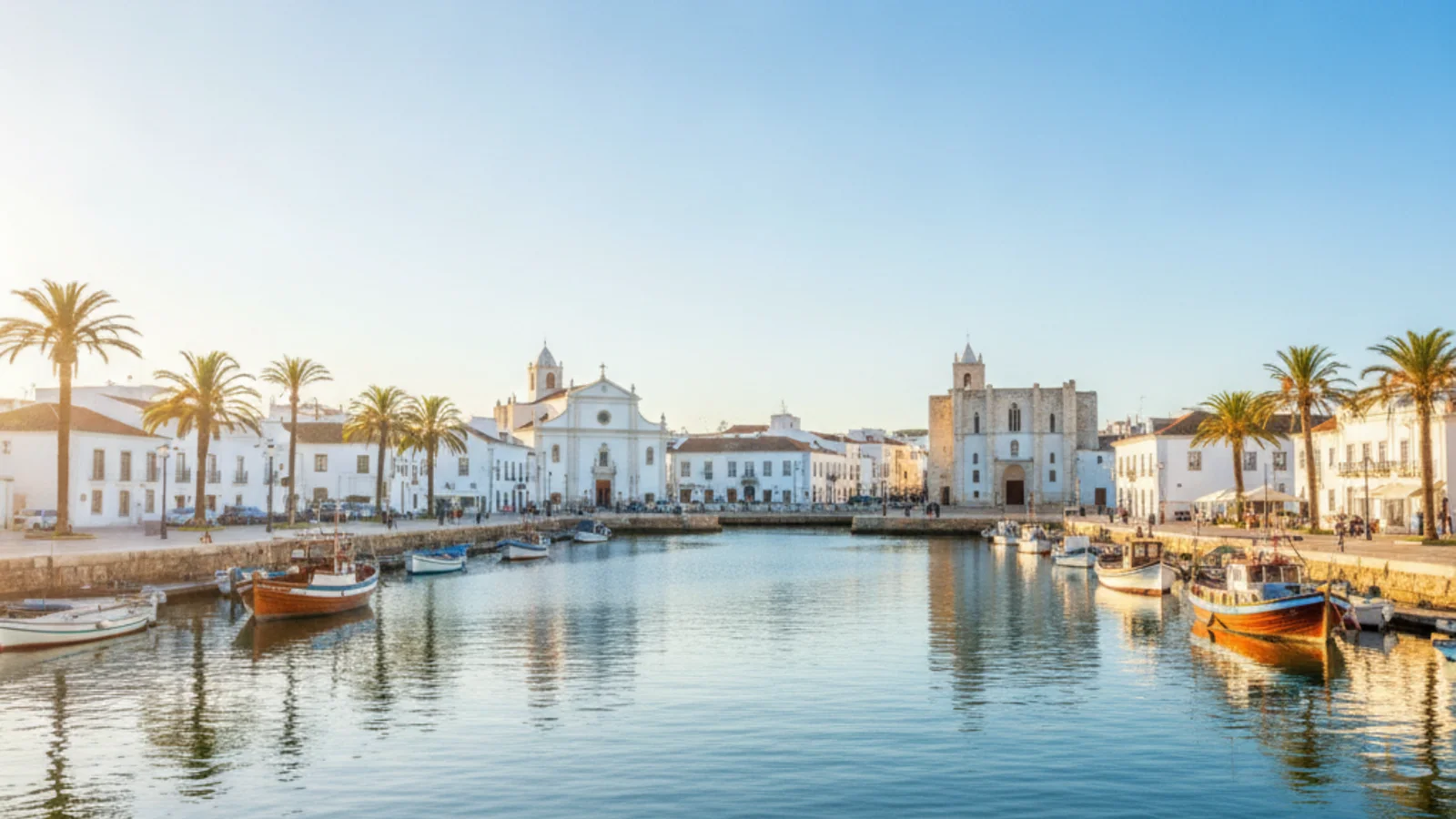







Instead of heading straight to the obvious place, more travelers are choosing to arrive somewhere nearby, somewhere quieter, and often somewhere cheaper. They’re flying into secondary cities, smaller airports, and lesser-known regions, then building their trip from there.
This is detour travel. It’s clear that more people are experimenting with it . Sometimes intentionally, sometimes because the route simply made more sense.
Platforms like ours at Kiwi.com have made this kind of planning easier than it used to be. But the experience itself is still very much hands-on.
A Different Starting Point in the Booking Process
Detour travel begins with a small shift in mindset. Instead of asking, “What’s the fastest way to get there?”, you ask, “What’s the smartest way in?”
That might mean showing your boarding pass and landing in a city you hadn’t originally considered. A wellness trip to Florence could start in Pisa. A visit to Paris might begin in Lille. The final destination doesn’t necessarily change. But the route becomes part of the experience rather than just a means to an end. Booking process hack unlocked? Check.
This approach often emerges naturally when searching for flights. Routes that look slightly unconventional tend to be cheaper, less crowded, or simply more available. And once you accept that first “detour,” the rest of the trip starts to open up.
Why More Travelers Are Booking Cheap Flights
Part of it comes down to fatigue. The most popular destinations are busier than ever, and the friction is noticeable. Long queues, long flight time, fully booked hotels, and rising prices all add up to a travel experience that feels more stressful than it used to.
Detour destinations offer a way around that without requiring a completely different kind of trip. You still get the same region, the same culture, the same food, but with more space to enjoy it and the next trip.
Cost is another factor. Round trip flights into major hubs are often priced at a premium, especially during peak seasons. Secondary airports, by contrast, can offer significantly better deals. When you combine that with lower accommodation costs, the overall difference becomes hard to ignore.
There’s also a growing appetite for trips that feel less predictable. Many travelers have already seen the headline destinations. The appeal now lies in discovering somewhere adjacent. Somewhere that isn’t already saturated with flight tickets loaded with identical itineraries.
What Kiwi.com Reviews Tend to Highlight
Reading through Kiwi.com reviews, a pattern starts to emerge. The people who get the most out of this style of travel are the ones who lean into it when booking your airline tickets.
They talk about finding routes they wouldn’t have considered otherwise. About landing in a smaller city and realizing it was the highlight of the trip. About saving money not just on all the flights, but across the entire journey.
There’s also a recurring sense of ownership. When you build a trip that doesn’t follow the standard path, it feels more personal. Less like something copied from a guidebook, more like something you put together yourself. Same flights, a more exciting experience to write home about.
What It Actually Feels Like on the Road
In practice, detour travel changes the rhythm of a trip. Canceled flight not included.
You tend to move more consciously. You pay more attention to how places connect. You’re slightly more aware of time, of logistics, of what comes next. But you’re also more open to what’s in front of you, because you’re not following a rigid, pre-defined route.
Arriving in a smaller city often feels like stepping into a different version of the same country—one that isn’t built entirely around visitors. Restaurants are easier to get into. Streets are less crowded. The experience feels less curated.
And then there’s the unexpected part. The café you didn’t plan to visit. The neighborhood you wandered into because you had a few extra hours. These moments tend to happen more often when the trip itself isn’t overly structured with travel plans.
Where a Connecting Flight Works (and Where It Doesn’t)
This approach tends to suit travelers who are comfortable with a bit of ambiguity. If you’re happy to adapt, to adjust plans slightly, and to see the route as part of the experience, detour travel can be incredibly rewarding.
It’s particularly effective on longer trips or international/alternative flights, where an extra leg or two doesn’t feel like a burden to your travel plans. It also works well for people who have already visited the major destinations and are looking for something that feels different without being unfamiliar.
On the other hand, if your trip is short, tightly scheduled, or centered around a specific event, the added complexity may not be worth it. In those cases, the simplicity of a direct route still has real value.
So, Is It the Smartest Way to Travel?
We strongly advise that detour travel isn’t a universal upgrade. It’s a different way of approaching the same journey.
For some, it unlocks better prices, more interesting routes, and experiences that feel less crowded and more personal. For others, it introduces a level of planning and unpredictability that outweighs those benefits when refund requests become a priority.
What Kiwi.com reviews suggest is that the outcome depends less on the platform and more on the mindset you bring to it. If you’re willing to trade a bit of convenience for a more flexible, open-ended trip, detour travel can feel like a smarter way to move through the world.
If not, the direct route is still there for all the flights…exactly as it’s always been.
Popular routes on Kiwi.com
- Cheap flights from London to Barcelona
- Cheap flights from London to New York
- Cheap flights from London to Asturias
- Cheap flights from London to Pattaya
- Cheap flights from London
- Cheap flights to Spain
- Cheap flights to Italy
- Cheap flights to Thailand
- Cheap flights to the United States
- Cheap flights to the United Kingdom
- Cheap flights from London Luton Airport
- Last minute flights
People Also Read


How to Travel Patagonia: A First-Timer's Guide to Chile & Argentina's Wild South


Where to stay in Palma de Mallorca: best areas for beaches, culture and nightlife