France is the most visited country in the world with about 100 million people visiting the country every year, or about 20 million more than actually live in the country. So many paths have been beaten in France that it makes it difficult to find a place that is off the beaten path. Fortunately, most tourists go to see the places that most tourists have already gone to see: Paris , Marseille , the Bordeaux and Burgundy wine regions, Provence, Brittany or Normandy.
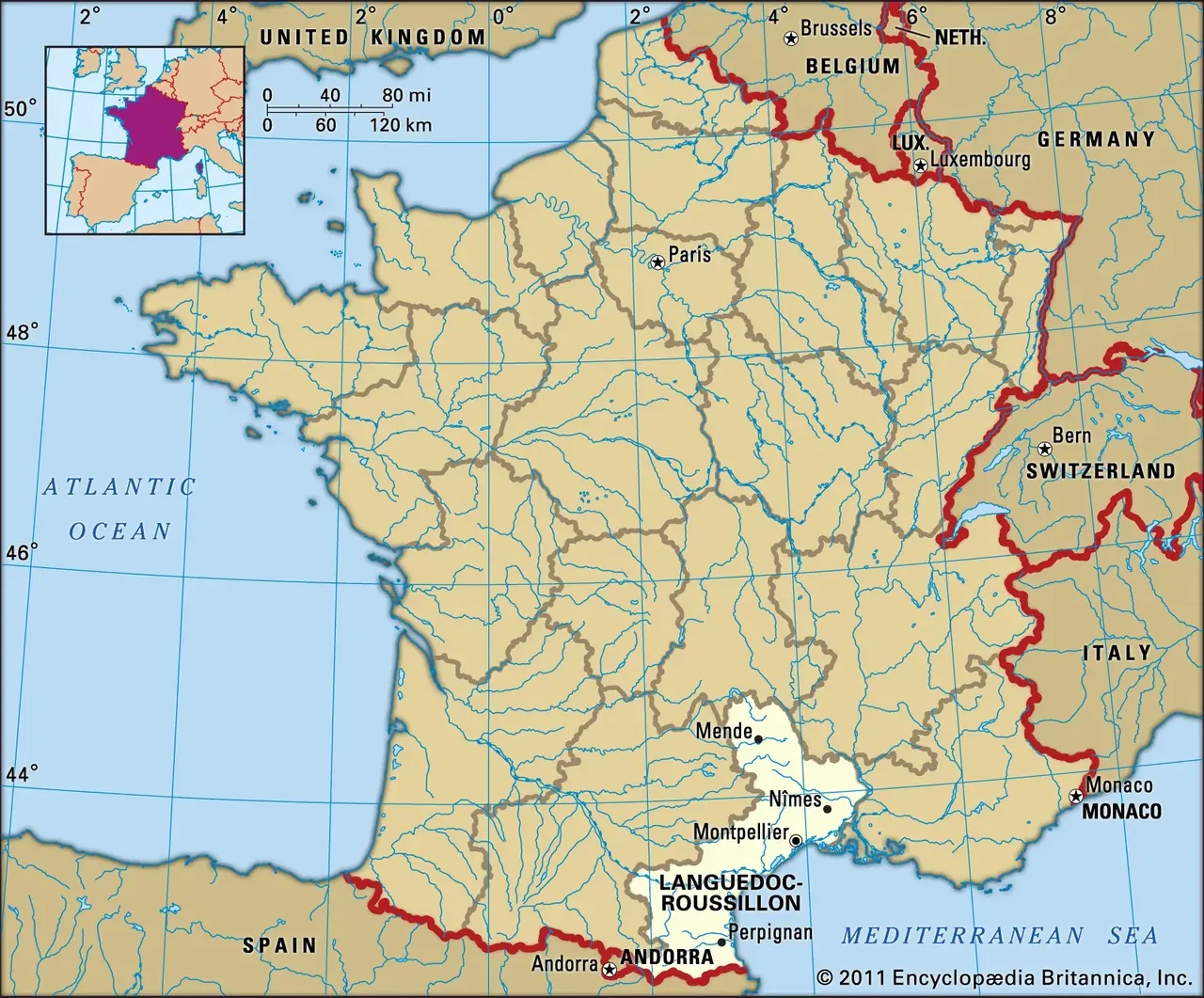
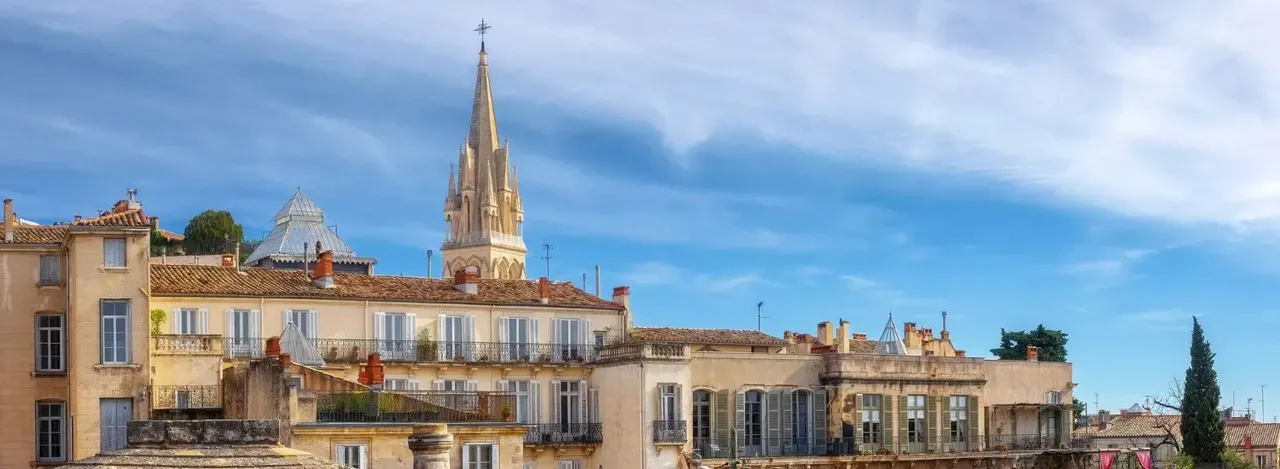
Spotlight on Languedoc: The heart of French charm and tradition! © Brittanica
But the Languedoc (see map) seems to have been more or less ignored by the tourist hordes, who prefer the reputation and picture-perfect loveliness of adjoining Provence. Everybody knows Provence: books have been written and films made about its many splendors. But nobody writes about poor old Languedoc. If you’re going in the summer, keep in mind that it can get hot: up to 40°C, or 104°F. Hot!
But if you don’t mind the heat, or even love it, the Languedoc has a long Mediterranean shoreline, with lots of beaches and lots of sand into which you can dig your toes. But the average monthly temperature in Montpellier is 29°C in July, 28° in August and 25° in September. Nice.
Montpellier: The Heartbeat of Languedoc
I took Montpellier as the standard because that’s where you’ll be flying to since it’s on the sea and is the coolest city in the South of France. It has a large college population and so also has lots of places students love to go to. Plus, you’re right there, in the beating heart of Languedoc, just a bus or train ride away from Sommières, Sète , Nîmes or even Perpignan at the foot of the Pyrenees. But the best way to see the Languedoc is by car.
On the other hand, a train ticket to Perpignan is only 16 euros, and only 10 euros on Fridays from the SNCF . So consider taking the train there, if you decide to go. You might also want to check out the medieval city of Carcassonne, 2 hours by car or 15-18 euros by train (on certain weekdays) from Montpellier.
The Wine of Languedoc
Another reason you’ll want to see the Languedoc is because of the wines. It has a clayey soil that gives the wines an earthy taste that is irresistible and specific to the region. Plus, they’re still affordable. The guy who runs the store where I buy my wines (he is French) told me that the best place to buy wine in the south are at the cooperatives, where wine growers of a region pool their grapes to produce good and inexpensive wines. He said that they usually let you taste the wines before you buy (so maybe you shouldn’t be the designated driver on that outing). The Cevennes are beautiful and rugged. If you go, check out this site and visit this cooperative . Anyway, looking for great wine is a wonderful pretext to do some impromptu sightseeing, my favorite kind because accidental discoveries are often the best. Here is a site that lists the cooperatives in the region.
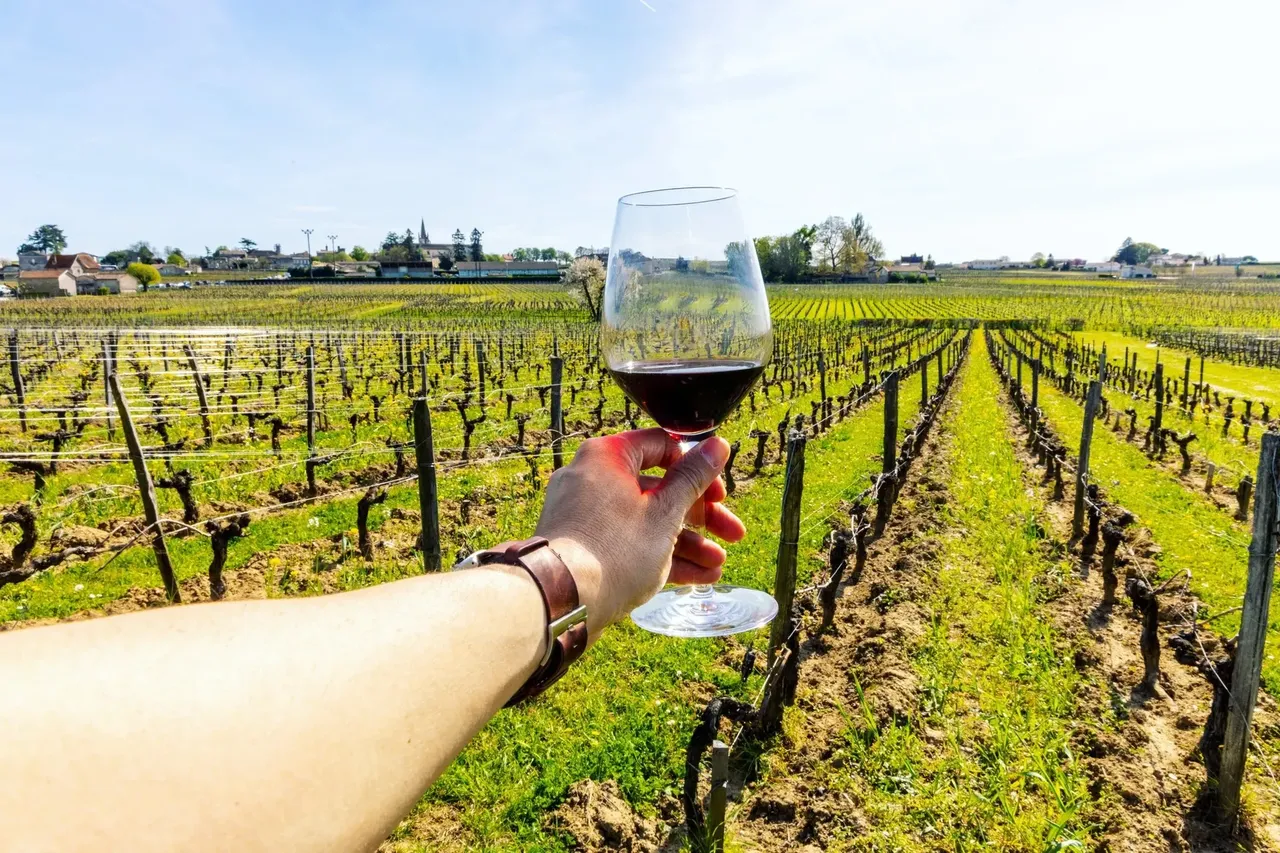
Cheers to vineyard views and vin-tastic adventures! © Getty Images
If you love French wines I recommend shelling out €17.95 for a digital Hachette guide (Le Guide Hachette des Vins). If you don’t read French, the guide provides an easily understood rating system. And if you know French wines, you will also know the important descriptors. If not, maybe your love of wines will motivate you to learn a little French. Though many more French people speak some English today than, say, 20 years ago, they are always very grateful if you give it a try.
Exploring the Charming Towns
I love the names of the towns in the region– Bessèges, Alès, Le Vigan, Uzès – which are well off the beaten tourist path (the path is beaten, not the tourist 😊). So do a lot of local site-seeing and then maybe drive down to Nîmes, where there is an old Roman amphitheater and, every Thursday in July and August, street markets with music.
From Nîmes, you can easily double back to Montpellier or check out a corner of Provence, with Avignon just a hop and a skip away. No need to decide now. Maybe you’ll never have to decide. Sometimes the best way to get where you need to be is just to let yourself be carried by the gentle tides of life. Because you’re in France, wherever the tides take you, there will be great food and wine and probably music.
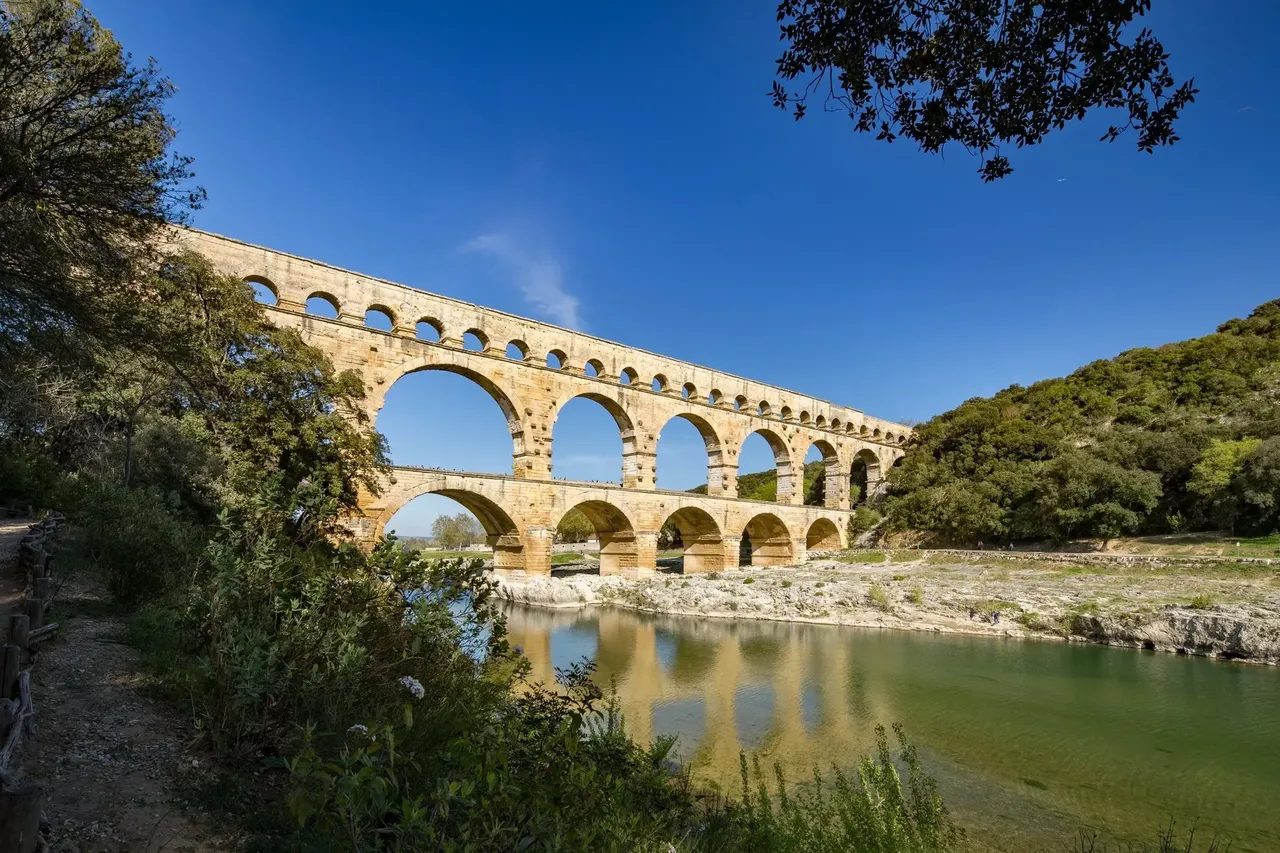
Bridging history in Nîmes, one picturesque step at a time © Getty Images
How to manger in France on a Budget
France and great food are, of course, synonymous. And it would be a shame to kill your tight budget by splurging on la bouffe, the food. So, if, as you absolutely must, do as I did in Paris. I did not eat breakfast or lunch in a place known for its gastronomy. I had several alternate strategies.
Breakfast
Find a decent boulangerie, bakery, which you can judge by their baguettes. If they offer the tradi, for traditionelle, which really means better flour and more careful baking, buy a baguette, or a few croissants or pains au chocolats or whatever looks good to you. If they have coffee to go, order that as well, and take it all to a nearby bench or, better, a park. Or look for a café that allows you to bring croissants and just order your coffee there. The French are generally generous that way – and will also let you stay as long as you like if you’ve ordered something.
Lunch
Find a supermarket that sells decent cheese, then get your baguette at the bakery and follow my instructions for breakfast. If there’s a market in the town you’re in, pounce. Often, they will be selling their own cheeses at very affordable prices. You can also pick up some fruits or melons or whatever you want your lunch menu to be. Almost every town has at least one market a week. But it’s always good to ask. The French word is marché, pronounced mar-shay. Repeat after me: Où et quand est le marché? (where and when is the market?)
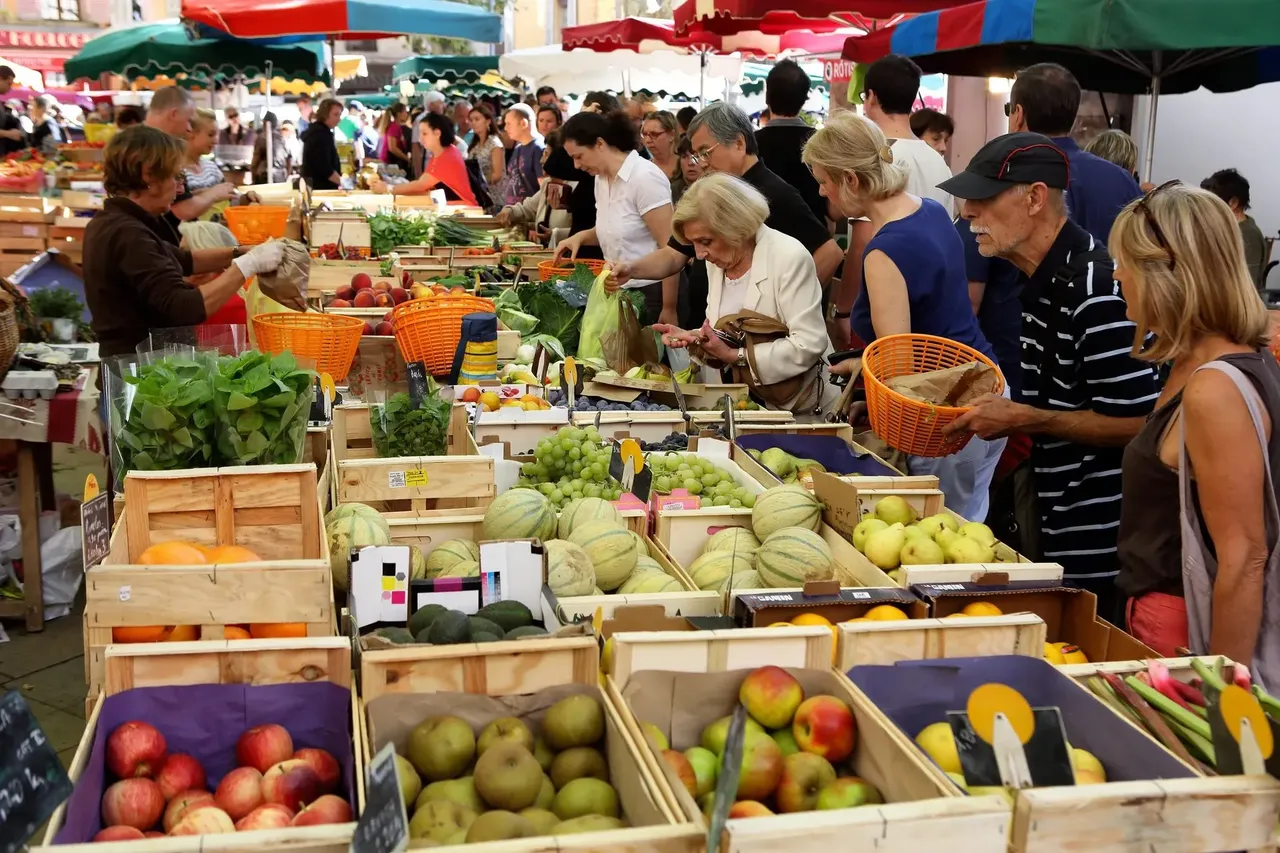
Farmers market magic: Where fresh meets fabulous in France © Getty Images
In Paris, I sometimes just have pizza for lunch. French pizza is only so-so, but it’s not disgusting and it’s usually cheap. And there is so much to-go food in France, much of it North African (think kebabs and falafel) as well as filled crêpes . Or splurge now and then and have a croque monsieur or madame (a croque monsieur with a fried egg, for some reason). Markets will have lots of vendors offering all kinds of street food. If you must have wine, find a friendly cave, or wine merchant, and ask for a decent but inexpensive wine. If it’s hot, try a rosé (pronounced row-say). If you want a restaurant lunch, look for places that offer affordable two- or three-course menus that are changed daily. The chances are that they are using fresh ingredients and care.
Dinner
Dinner in France should be an event, if you can afford it. There are plenty of restaurants in small, off-the-beaten-path towns that will offer a decent meal that won’t break the bank. In Sète, try Café Lulu . In Alès, have a look at Le 420. Here is their menu . If you go to Sommières, bring your own food, as I plan to. It’s a beautiful but expensive place to eat and stay. But there are a few affordable pizza places, like La Pizzeria la Pimenta, where a grande pizza goes for €9-11, which is alright.
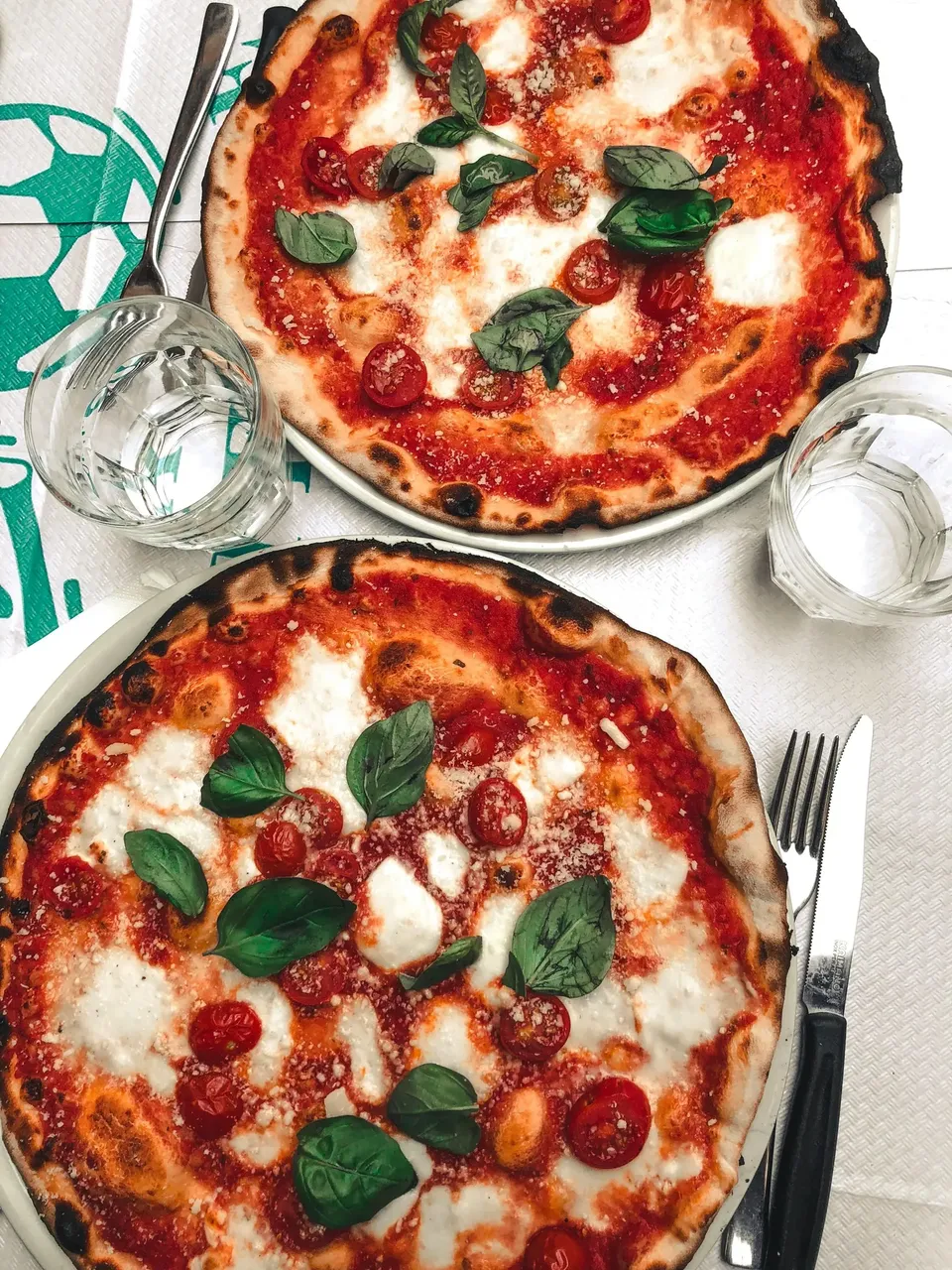
Pizza perfection in Montpellier—Italy called, but we’re not sharing © Pexels
In Montpellier, check out the Tartine et sac à dos (Sandwich and backpack), the Curry Masala (if you want to eat Indian in France – the menu is here ) or for a tight budget Chez Alex . They have a large menu of inexpensive dishes, for example these . For vegans (I am not), you will have a hard time finding appropriate food outside of the cities. In Montpellier, the Green Gorilla seems to be the most popular and the most affordable. Menu is here.
Choosing a restaurant in France
Having said all that, I recommend – anywhere, anytime - that you look at a restaurant’s menu (if it’s posted outside – if it isn’t, either give it a pass or google it), then try to see who’s eating there or coming out of it. If the diners include both the old and the young, if everyone (including the servers) is smiling, go in and smell. If you smell herbs and spices, take a chance.
I do sometimes follow some guide, but I have always enjoyed discovering a place that is cheap and knocks my socks off. (Of course, then I have to find a place that sells cheap socks.) I found some of the best eateries because I needed to get out of the rain and it was the nearest establishment. Life is often like that, fortunately.
It’s hard to find a really bad restaurant in France, but it’s possible (they are usually empty or filled with tourists). Sniffing out (literally!) a place that will please you is a skill, like mountain climbing (but less dangerous). It’s also a learning process. Once you make a mistake, you have become that much wiser. And, hey, don’t be afraid to ask. Try someone in your age group. They are more likely to speak English and be attuned to your tastes.
Clubs and bars in Montpellier
As already mentioned, Montpellier is a college town, meaning lots of students, meaning lots of places to boogie in. Google clubs and bars to find what you like or ask someone that looks like they share your tastes for fun. Entry usually costs about 10 euros, but that info is available on the websites. You can be sure that you will boogie with boogiers that speak English and will be happy to share info on anything you need or want to know about the city and environs.
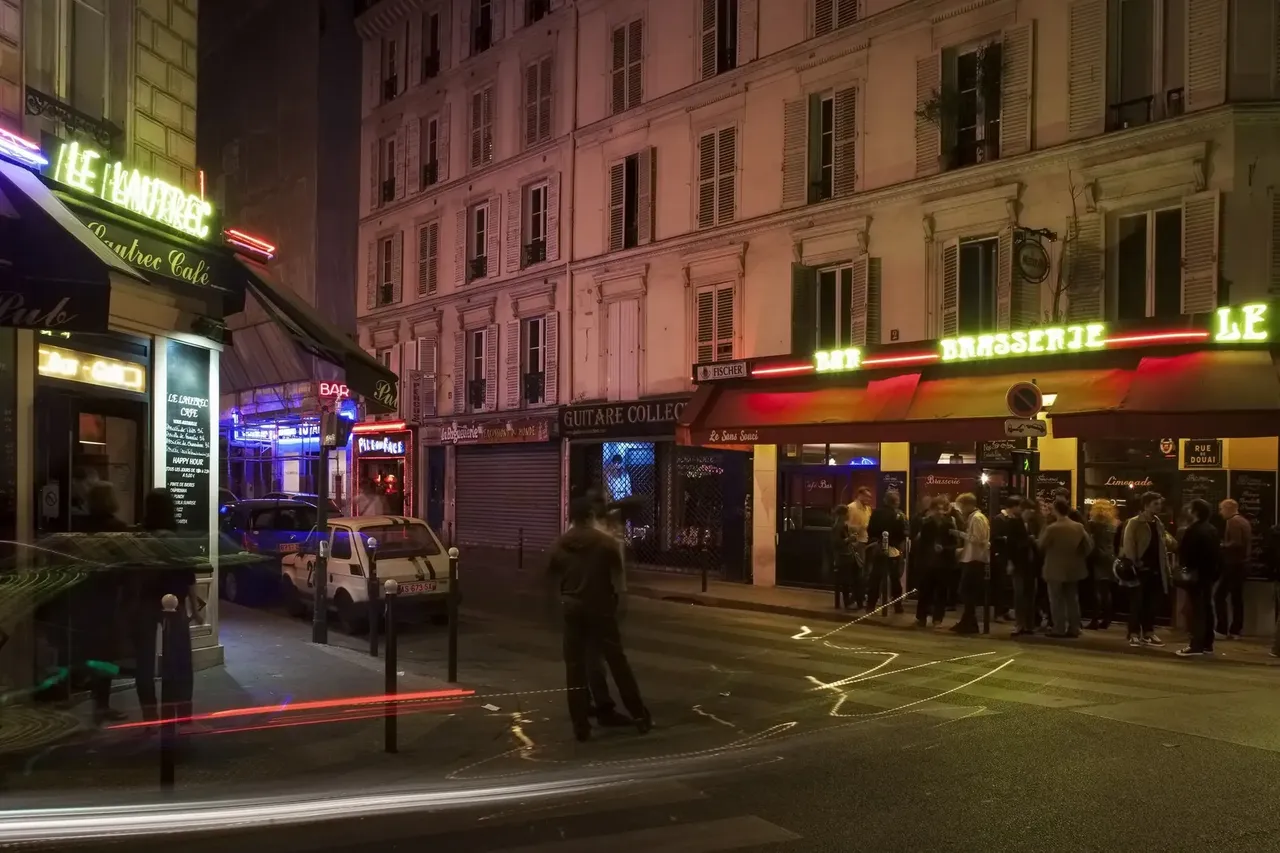
Montpellier after dark: The city’s heartbeat shines brightest at night © Getty Images
Where to stay
In Montpellier
I like hotels that are cheap, comfortable and, if possible, unique. So I jumped up and punched the air when I found the Halt Hotel. The price of a double room, breakfast not included, for one week goes from €631.20 to €789**,** which includes VA. Yes, its comforts are basic, but the hotel is surrounded by greenery, which means that it’s quiet.
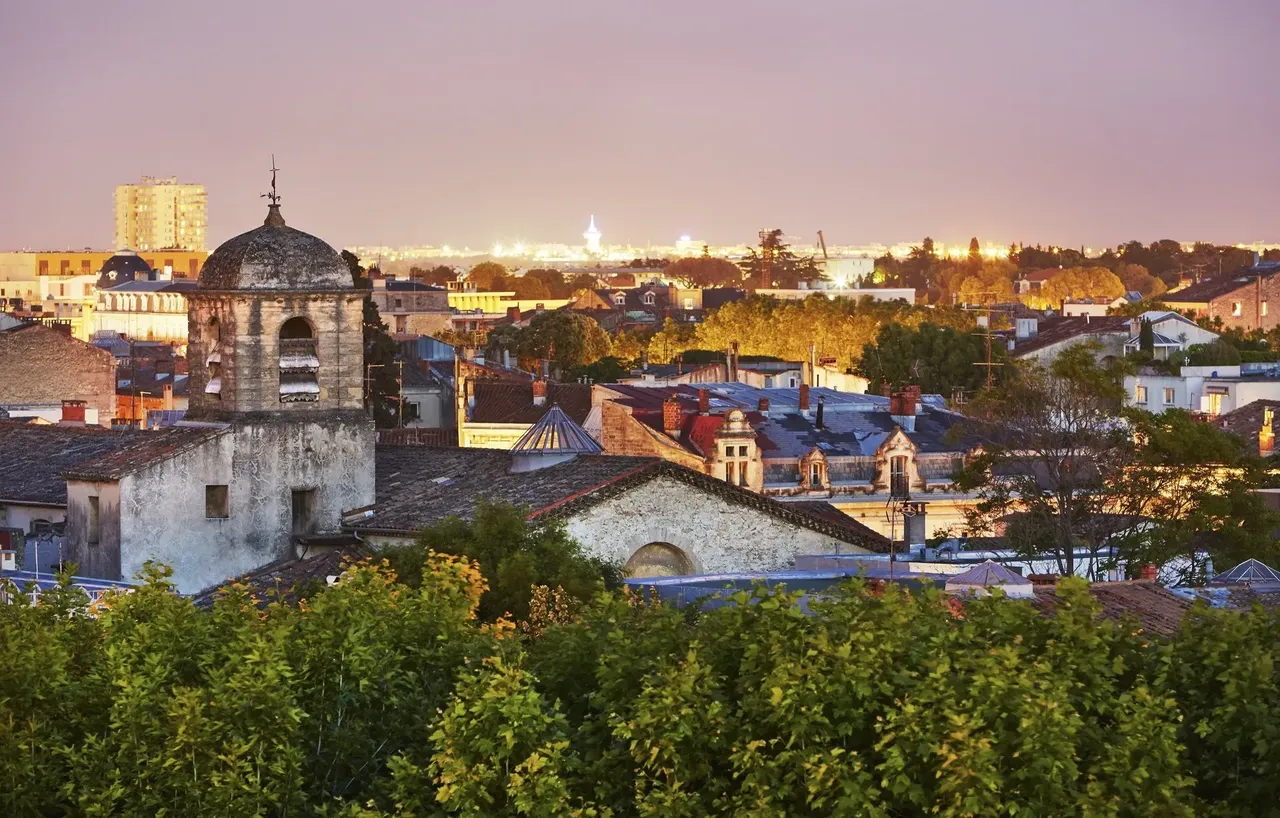
Montpellier at sunset: When the city’s skyline turns into a masterpiece © Getty Images
The other advantage is its location, almost squarely in the middle between the beaches (11 minutes by car) and Montpellier center (45 minutes by tram; 10 minutes by car). And then there’s this, on its website : “For people sensitive to the energy of places, we carry out an energy cleaning of the entire establishment twice a year. For that, we use a Tibetan bowl, a shamanic drum and the energy of Reiki.”
A shamanic cleaning? You can’t get more unique than that. Maybe it’s too unique for some people. I was surprised to find affordable rooms still available a month from now. Maybe most people want to commit themselves to either the city or beach. If you’re one of those, here are two affordable beach options:
On the beach
Try Le Grand Large Bord de Mer, family-owned hotel, in Palavas, or the Hotel de la Plage, also in Palavas, (but beware of added service fees for balcony, sheets, pillow cases and rug so bring your own). In Montpellier, the Eklo Montpellier is the place to stay, if you want to save your money for food and/or clubs. it won’t be the Hilton, but that’s not why you are going to the Languedoc.
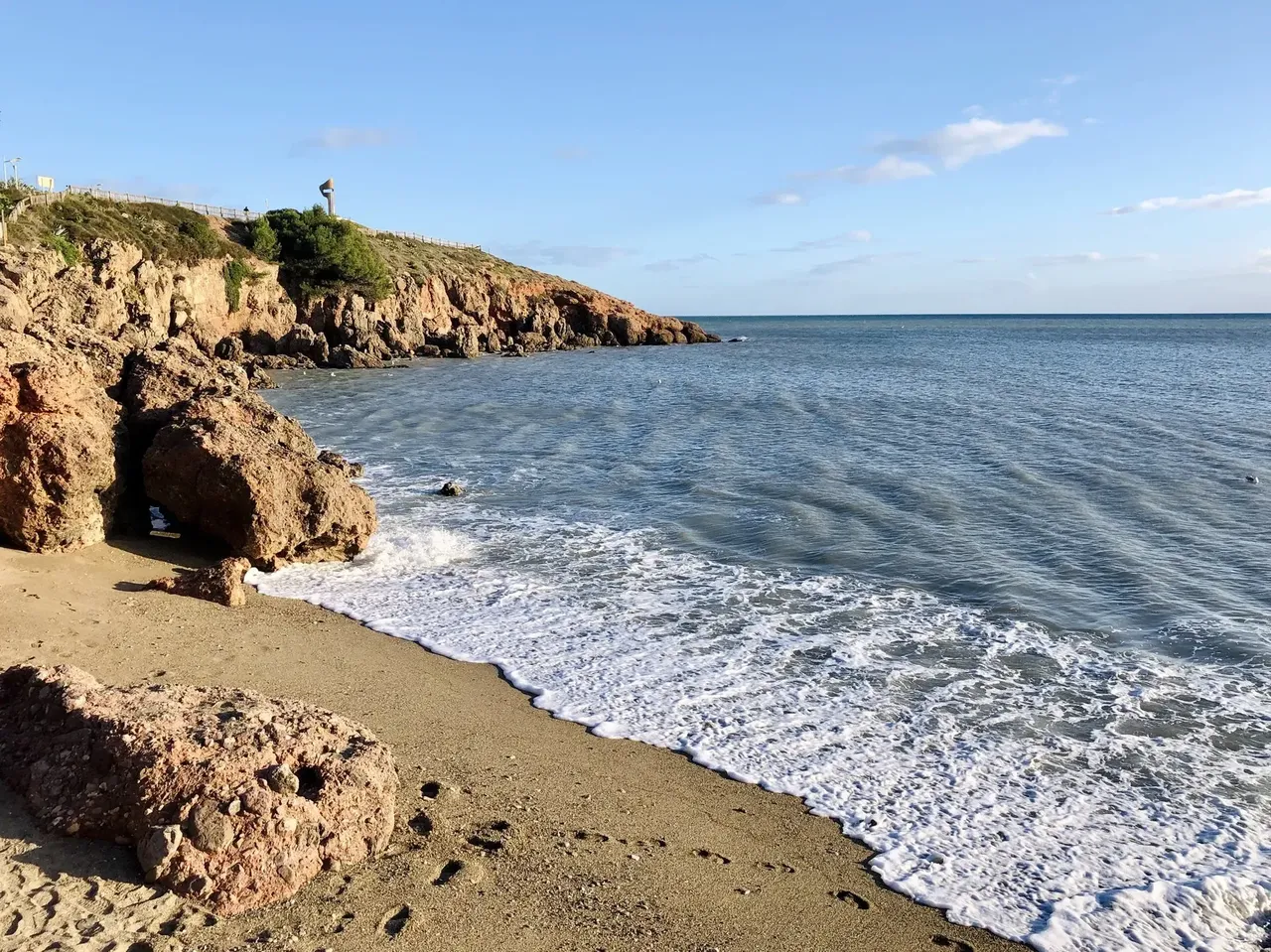
Beach bliss in Montpellier: Sandy toes and sunny smiles © Getty Images
Note: Whenever possible, I reserve through the hotel itself. Because it’s cheaper. I know that many hoteliers prefer it too. Many hotels in Languedoc even tell you how much you will save compared to booking with booking sites. I have nothing against them , except that they are more expensive and the hotelier is also deprived of a bit of profit.
Another note: If you’re pressed for a place to stay, try to get a room at a hotel of the Ibis chain. From what I’ve read, they are almost always clean, comfortable and inexpensive.
Outside Montpellier
Hotels in the smaller towns are inexpensive. For example, a double room for a week in August at the three-star Campaniles Alès Centre Cévennes goes for €500, breakfast included. At the Logis Hôtel le Mas de la Prairie in Le Vigan, the tariff for a double room for a week in August is €525.
Conclusion
The Languedoc offers not a typical French holiday , which is certainly a big reason to go. It has a unique ambiance and very distinctive flavors, in the food and the wine. Another reason to visit is the people. They are very conservative, but also friendly, generous and proud of their terroir. If you want a genuine French experience but without the cliches, allez-y!