
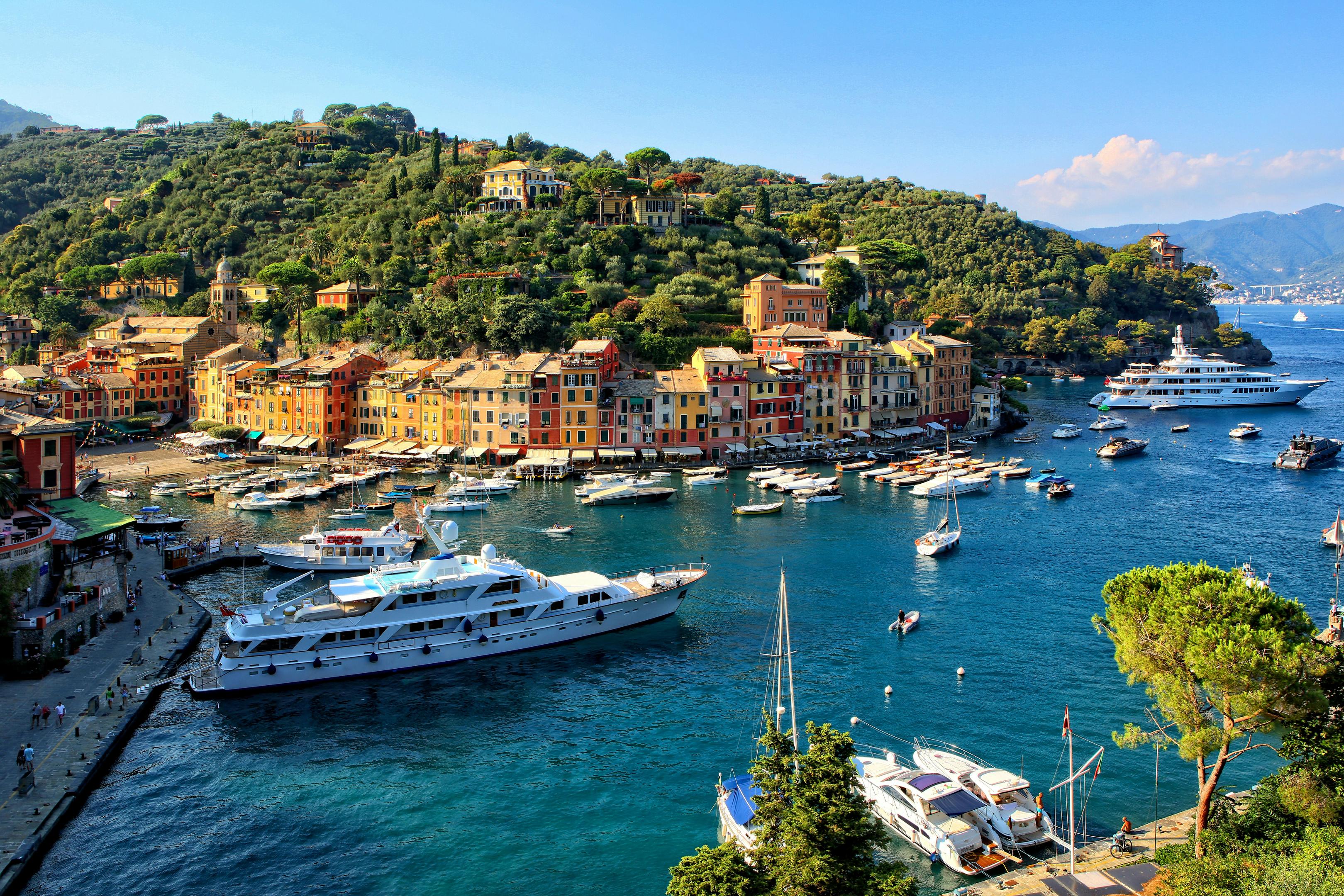
I have chased warm water around this region for a decade, and every spring I get the same question: where should we actually go? The best Mediterranean holiday destinations are not one list but several. A food trip through Sicily and a week of beach hopping in Cyprus are not the same holiday. The region covers beach breaks, ancient history, island hopping, family weeks, couples’ escapes, and some of the cheapest summer travel left in Europe. I have grouped it all below by what you want from the trip, so start with cheap flights once something clicks.
Find flights for this trip

Quick Answer: What Are the Best Mediterranean Holiday Destinations?
Mallorca for easy beaches. Santorini for views. Crete for the best all-round island week. Malta for history plus swimming. Sicily for food and culture. Croatia for island hopping. Albania for value. Turkey’s Antalya coast for a simple resort base. The right pick depends on your budget, your dates, your nearest airport, and whether you want beaches, cities, islands, or a road trip. Booking late? Compare last-minute flights first, because flights usually decide which Mediterranean destination is realistic.
How to Choose the Right Mediterranean Destination
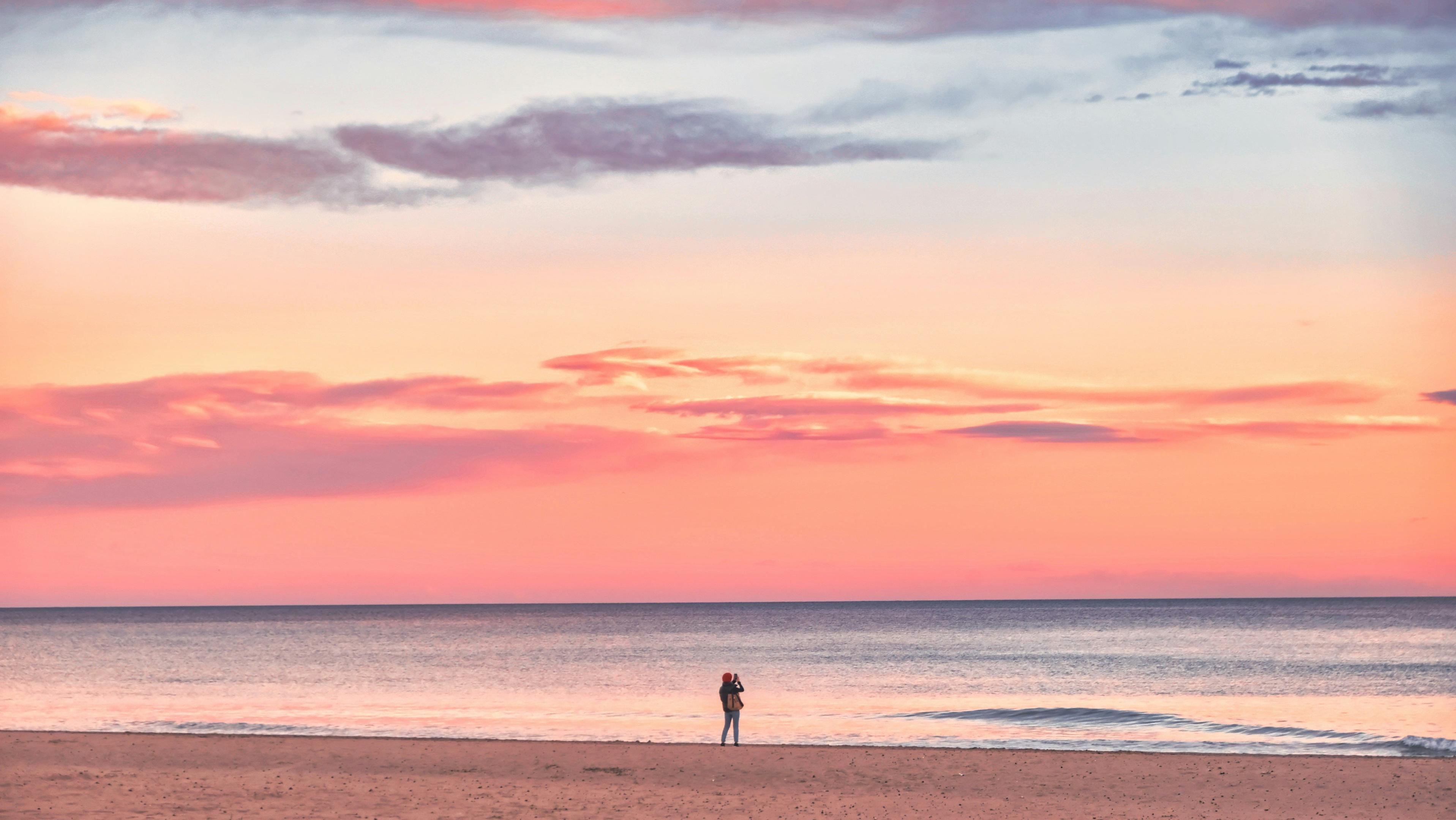
Eight things decide this: budget, season, beach style, flight access, crowds, local transport, nightlife, and pace. Start with flight access, because a cheap hotel two ferries from an airport is not cheap. July and August are peak everywhere. May, June, September, and October offer more for less, with warm weather and softer light. Most of the top Mediterranean destinations shine in shoulder season.
Best for beaches
Spain, Greece, Cyprus, Malta, Albania, and Turkey are the strongest beach countries. The real split is sand versus stone. Spain, Cyprus, and Turkey have long sandy stretches with shallow entries, which matters enormously with small kids. Malta and much of Croatia have rocky beaches and swimming platforms: cleaner, quieter, but bring water shoes. Albania sits in between, with pebble bays under crystal-clear waters.
Best for culture and food
Italy, Spain, Greece, Malta, Croatia, and southern France. Palermo’s markets, Valencia’s Mercado Central, Split’s fish market at eight in the morning. Roman archaeological sites, walkable old quarters, cobbled streets that ruin good shoes, delicious food at every price point. Add a wine region: Etna’s slopes, Puglia’s Primitivo, the Provençal end of the French Riviera.
Best for lower-cost trips
Albania, Montenegro, parts of Greece, Sicily, Malta outside peak months, and Turkey. Time Out’s 2026 round-up of Europe’s cheapest beach destinations put Durrës first, then Neum, Larnaca, and Heraklion. That matches what I see on the ground: in Larnaca and Heraklion you can eat well for under 20 EUR a head, and in Sarandë for less.
Spain: Mallorca, Costa Brava, Valencia, and Andalusia
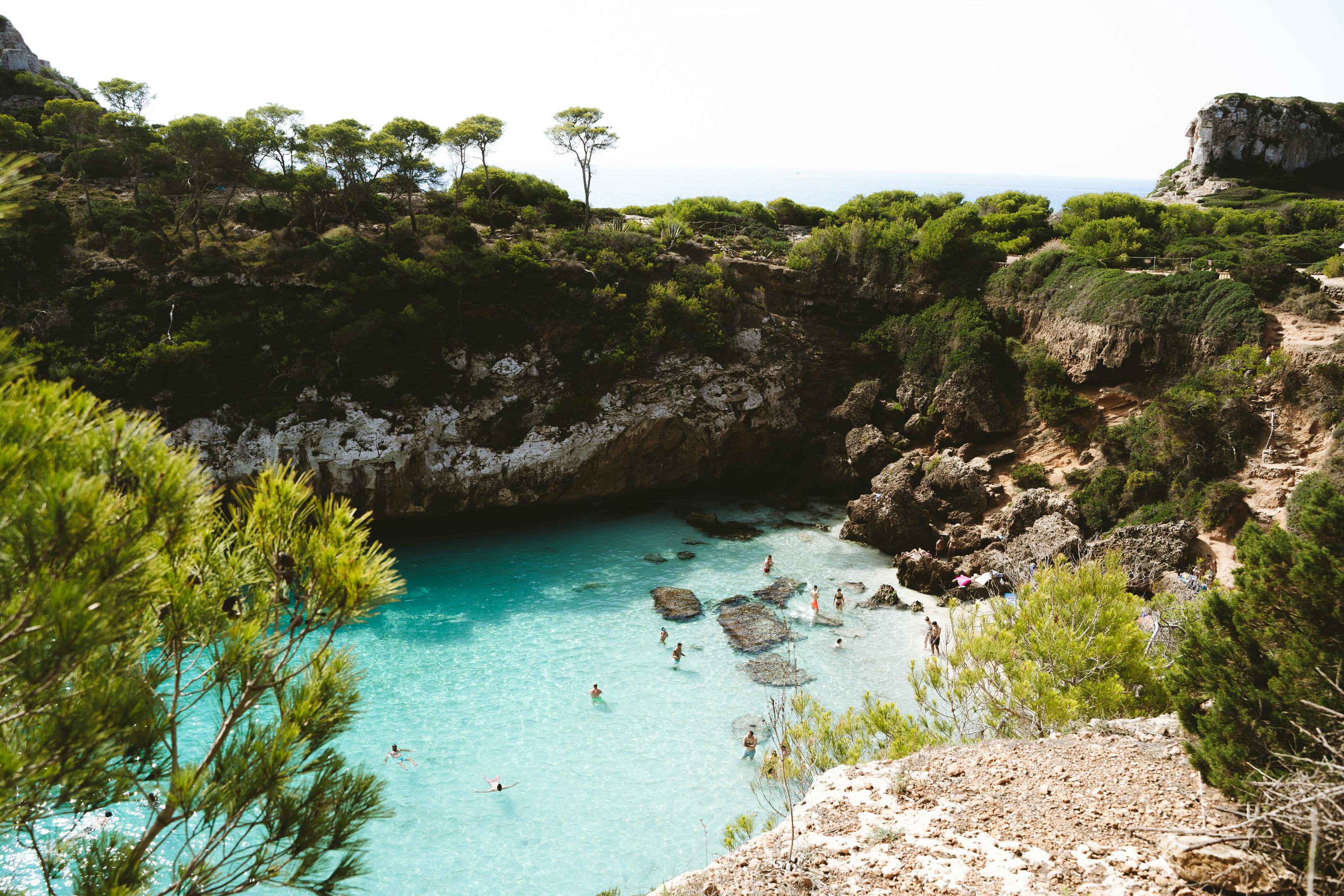
Spain is the easiest entry point: frequent flights, a varied coastline, and cities where you can have a beach day and a museum afternoon without changing hotels. Mallorca for coves, Valencia for food, Costa Brava for charming towns like Cadaqués, Andalusia for culture with beach access attached. Of all the gateways into Spain, Barcelona has the widest choice of onward flights and ferries. Start with our guide to cheap flights to Spain .
Mallorca for classic island beaches
Mallorca is the all-rounder of the Balearic Islands. Palma is a proper city: a Gothic cathedral, tapas bars, and a marina. Twenty minutes away sits the Serra de Tramuntana, a UNESCO World Heritage site of terraced hillsides, olive groves, and charming villages like Deià. The north and east coast hide dozens of secluded coves. Go in May or October and it feels twice as big. Neighboring Ibiza is the party island here, though Ibiza Town is prettier than its reputation. If a nightlife trip is the actual goal, our guide to the best party holiday destinations covers it properly. Traveling with a bigger crew instead? See the best group holiday destinations .
Valencia for city, beach, and food
Valencia is my pick for anyone who wants a city break and a beach holiday in one booking. Paella was invented here, and the version at a beachfront restaurant in El Palmar is worth the taxi. The old riverbed is now a nine-kilometer park you can cycle end to end, and the metro reaches Malvarrosa beach in twenty minutes.
Andalusia for beaches with culture
Málaga has reinvented itself as a gallery city with a working beach. Nerja, an hour east, has a cliff-top balcony over the sea and caves full of stalactites. Cádiz is one of Europe’s oldest continuously inhabited cities, and inland you’ll find white villages and rolling hills. Recent coverage has pushed Nerja and Villajoyosa as sunny options with low-cost access from major European cities. See more best places to visit in Spain .
Italy: Sicily, Sardinia, Amalfi Coast, and Puglia
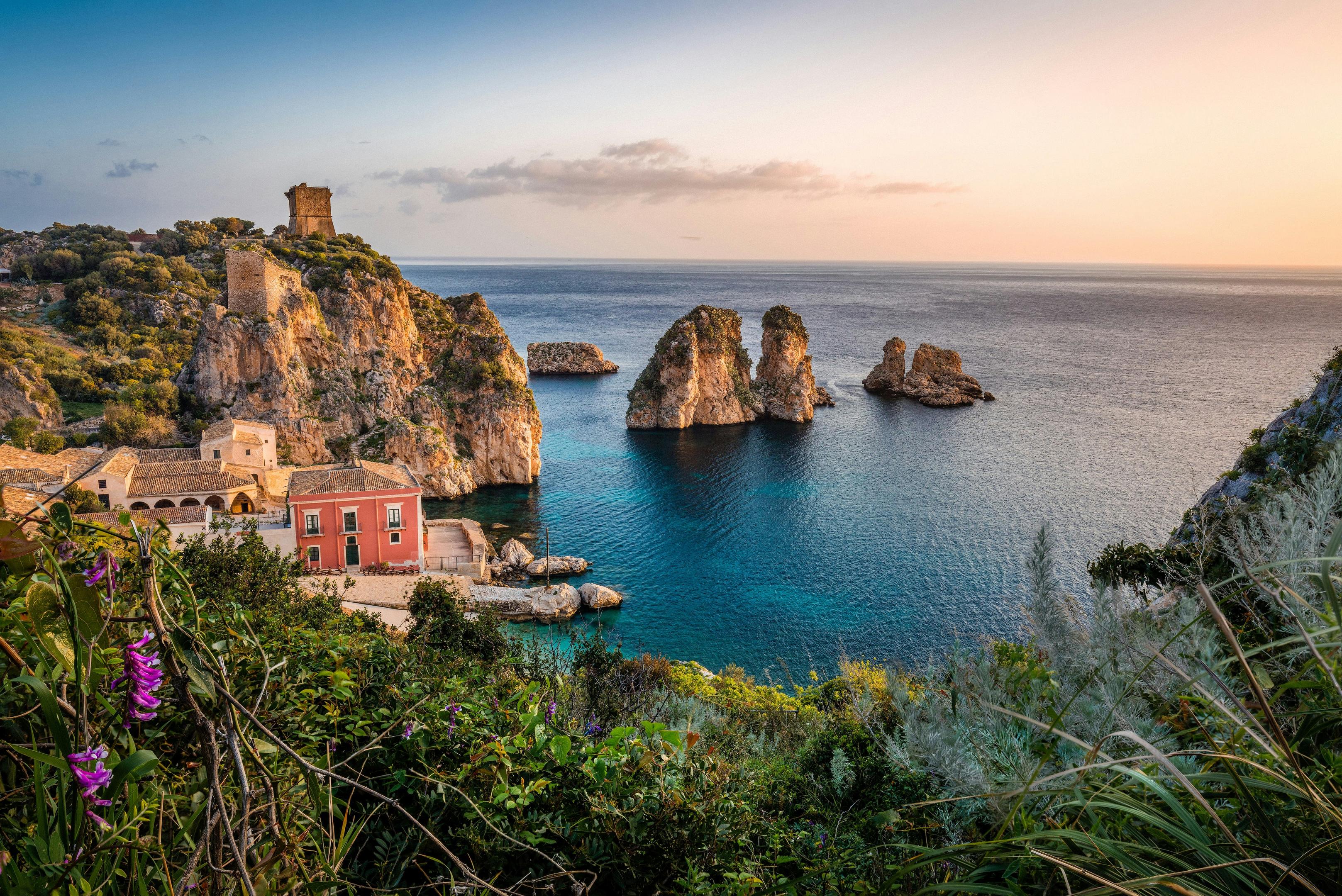
Italy is where beaches, food, history, and drama overlap most completely, and where prices swing hardest, so the region matters more than the country. Our guide to finding cheap flights to Italy covers the airport combinations that make southern Italy affordable.
Sicily for beaches, street food, and history
Sicily is the largest island in the Mediterranean Sea, and it rewards two full weeks. Palermo for street food and faded baroque, Catania for markets and Mount Etna, Taormina for the Greek theatre, Cefalù for a sandy town beach. Agrigento’s Valley of the Temples is as complete a piece of the ancient world as you will find outside Greece, and Palermo doubles as a beach base thanks to Mondello. From the north coast you can reach the Aeolian Islands, volcanic islands where Stromboli still erupts on schedule.
Sardinia for clear water and wild coastlines
Sardinia has the best water in Italy: turquoise waters, granite headlands, and gorgeous beaches like La Pelosa and Cala Goloritzé. It suits road trippers, because the good stuff is spread out and public transport is thin. The Costa Smeralda in August is one of Europe’s priciest corners, while the same island in late September is calm and reasonable.
Puglia for slower coastal travel
Puglia is the heel, and it moves at a different speed. Bari as the arrival airport, Polignano a Mare on its cliff, Lecce’s baroque stone, and the Salento coast with hidden coves on both sides. Lemon groves, whitewashed towns, and some of the best simple cooking in the country. Calmer than Italy’s famous coastal regions, and cheaper: see affordable trips to Italy .
Amalfi Coast for once-in-a-lifetime views
The Amalfi Coast deserves its reputation: Positano stacked above the water, Ravello’s ceramic dome, and crashing waves below the coastal road. It is also expensive and, in high season, genuinely difficult, with one road and a lot of coaches on it. Base yourself in Salerno or Naples, take the ferries, and treat Amalfi as a day trip. You will spend half the money and see more.
Greece: Santorini, Crete, Rhodes, Corfu, and the Cyclades
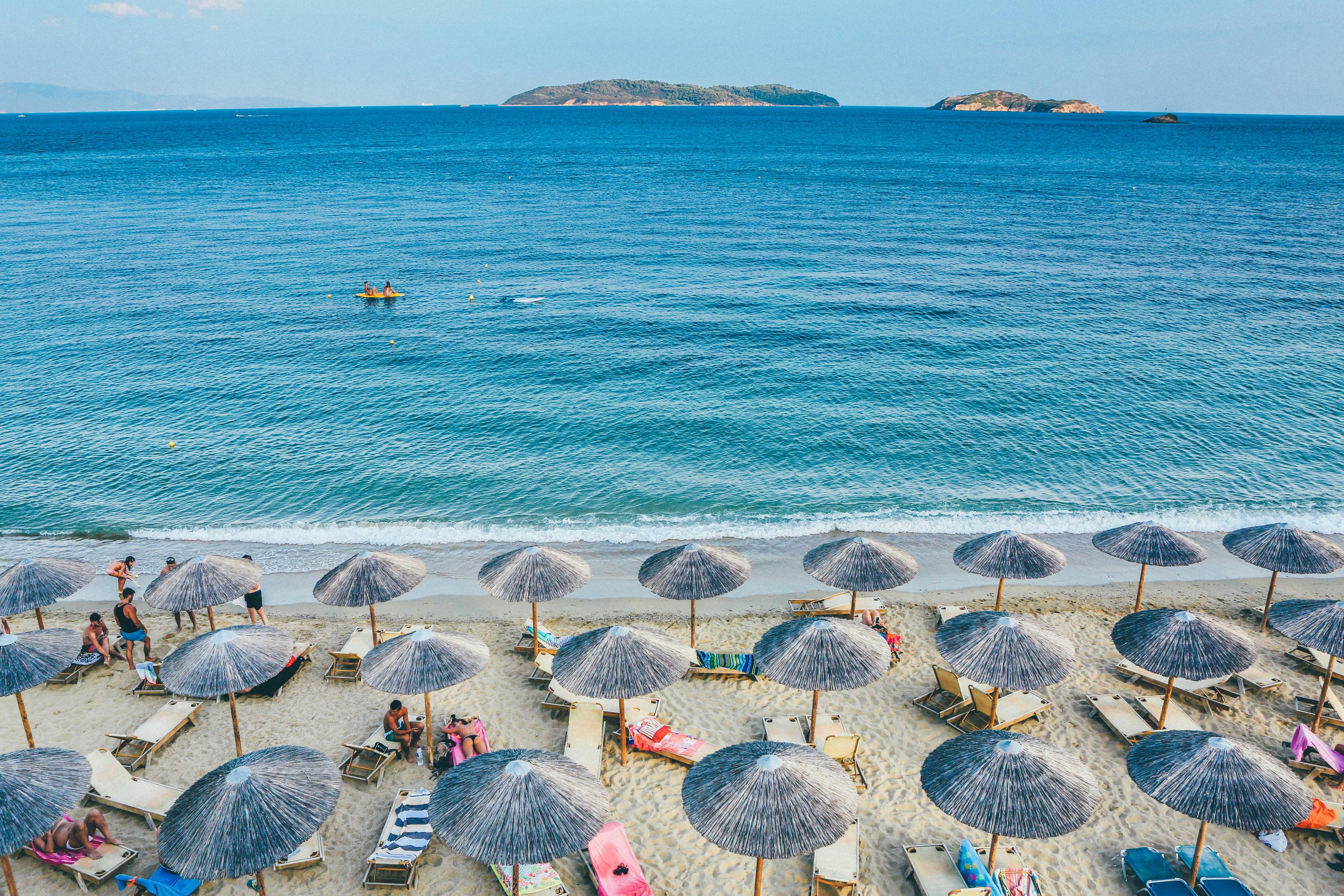
The Greek islands are the most iconic choice here and the most varied. Two islands an hour apart in the Aegean Sea can feel like different countries. Choose on budget, flight access, ferry time, nightlife, and how much ruin-hunting you want.
Santorini for views and romance
Santorini is best for caldera views, boutique hotels, and trips that mark an occasion. The incredible sunsets from Oia are worth the crowd once. It is not the cheapest Greek island and not the best for beaches: the volcanic sand at Perissa gets very hot. Two or three nights, then move on.
Crete for the best all-round Greek island trip
If I had to pick one perfect Mediterranean island for a fortnight, it would be Crete. Chania’s Venetian harbor. Heraklion for Knossos and one of Greece’s most fascinating museums. Elafonissi and Balos for pink sand. The Samaria Gorge for hiking trails. It is a mountainous island, so distances take longer than the map suggests. Rent a car and split your stay between west and east.
Rhodes and Corfu for families and easy holidays
Rhodes is the sunnier, drier option: a walled medieval town that is a heritage site in its own right, with big resorts along the east coast and reliable weather into October. Corfu is greener, with cypress hills, picturesque villages inland, and small bays that suit relaxed family trips. Its natural beauty is the draw. Rhodes for sun and history, Corfu for slow days.
Smaller Greek islands for quieter escapes
Naxos has the most beautiful beaches and the best food in the Cyclades. Paros is the sociable middle option. Milos has Greece’s strangest coastline: all white rock and secluded spots reachable only by boat. Sifnos is a food island, Syros a working one with a grand nineteenth-century capital.
Malta and Cyprus: Small Islands with Big Holiday Value
These two are the practical picks. Both are English-speaking, both have short internal distances, and both stretch the season further than anywhere on the northern shore. You can fit a city, a ruin, and a swim into one day. See the best places to stay in Malta .
 Travel hacks
How to Find Cheap Flights to Spain: Step-by-Step Guide (2026)
To find cheap flights to Spain, compare flexible dates, check multiple airports, and book during low season. Read our guide to find out more.
Read the guide
Travel hacks
How to Find Cheap Flights to Spain: Step-by-Step Guide (2026)
To find cheap flights to Spain, compare flexible dates, check multiple airports, and book during low season. Read our guide to find out more.
Read the guideMalta for history, swimming spots, and short stays
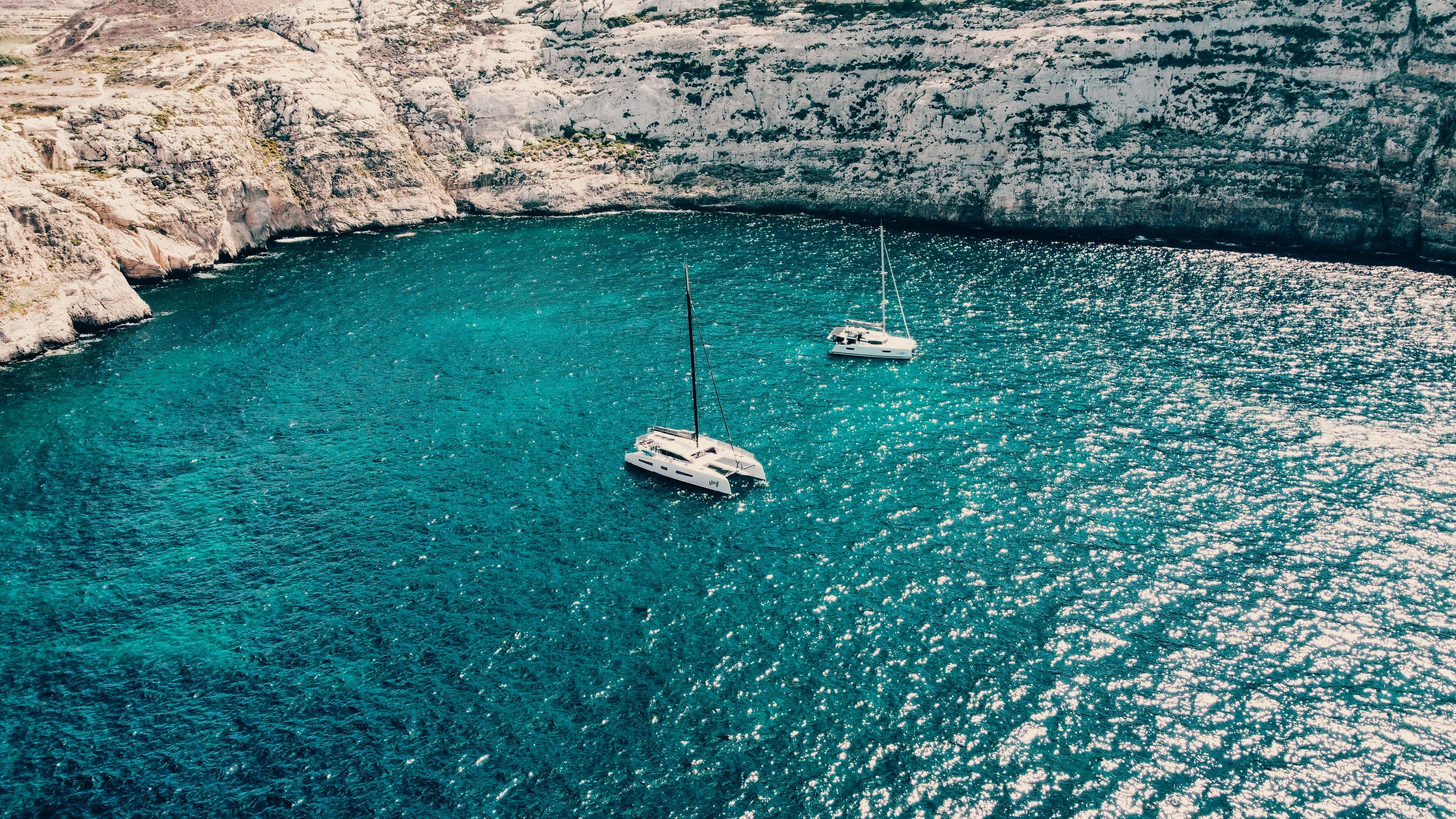
Malta packs a lot into 316 square kilometers, making it the smallest Mediterranean country where you can still fill a week. Valletta, the country’s capital, is a fortified baroque city with honey-coloured city walls and a Caravaggio in its cathedral. Sliema and St. Julian’s hold the hotels and the vibrant nightlife. Gozo is slower and greener, and Comino’s Blue Lagoon is best seen before ten. Malta suits travelers who want architectural wonders and swimming platforms more than long sand.
Cyprus for beaches, ruins, and year-round sun
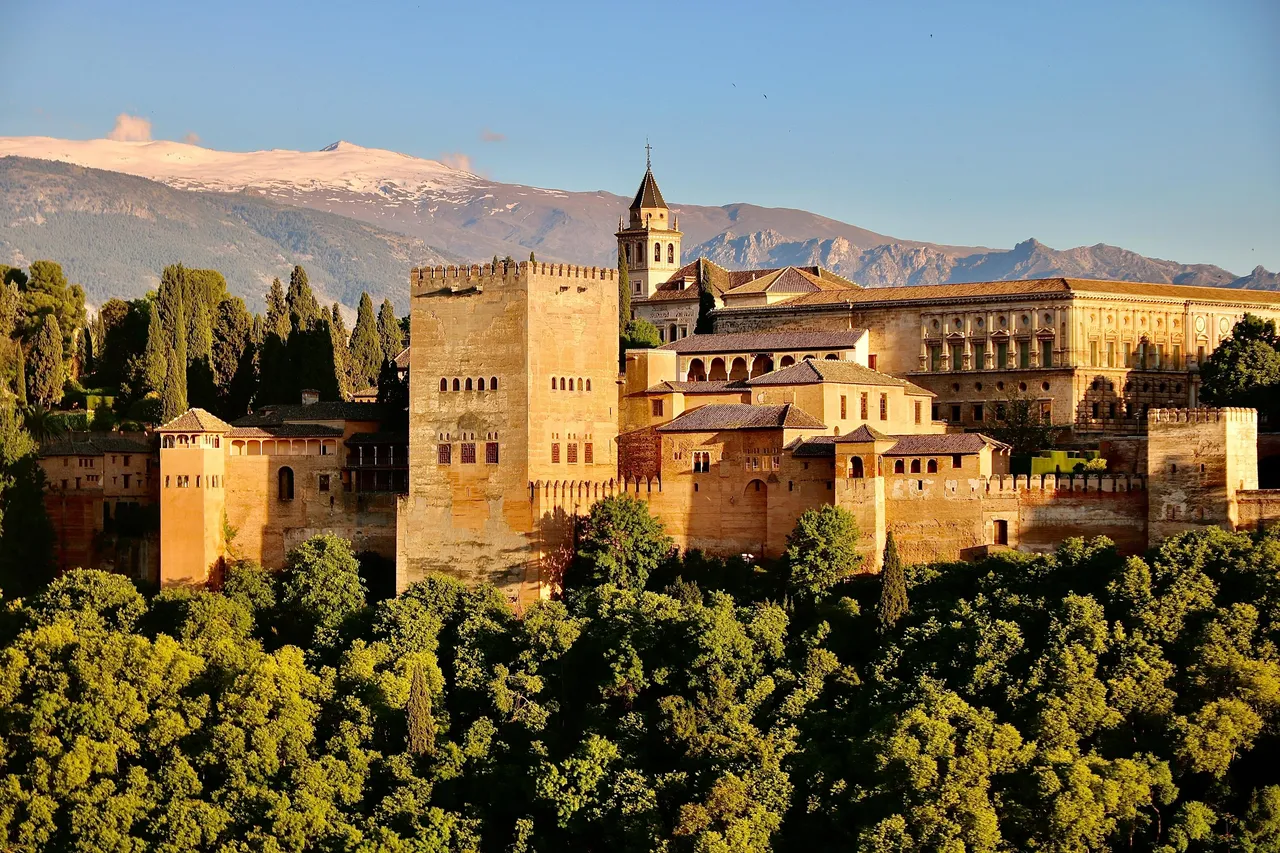
Cyprus is the warmest option in the eastern basin, close enough to the Middle East to have absorbed a bit of everything. Larnaca is the cheapest base and has the main airport. Paphos has mosaics, tombs, and a UNESCO-listed park. Limassol has the best restaurants; Ayia Napa has the beaches and clubs. The Troodos Mountains are ten degrees cooler in August. The rich cultural heritage here is layered: Greek, Roman, Byzantine, Venetian, Ottoman, British.
Croatia, Montenegro, and Albania: Adriatic Coast Gems
The Adriatic Sea is the best place in the region for island hopping, old towns, and clear water, and it still beats the western basin on price. Croatia is the established one. Montenegro and Albania are where your money goes furthest.
Croatia for island hopping and historic towns
Dubrovnik’s city walls are the most photographed thing on this coast, and walking them at opening time is worth the early alarm. Split is the better base: a Roman palace you can live inside, plus the main ferry port. Jadrolinija and Krilo catamarans reach Hvar for nightlife, Korčula for wine, and Vis for quiet. Three of these historic towns in ten days is a comfortable pace.
Montenegro for dramatic bays and mountain views
Kotor Bay looks like a fjord and behaves like a lake. The old town sits under a mountain wall, with a fortress path above it that takes half a day if you stop for photos, which you will. Perast is a single row of stone palaces with two island churches offshore. Recent coverage keeps naming Kotor among Europe’s most scenic and affordable coastal towns, and the breathtaking scenery backs that up.
Albania for budget-friendly beaches
The Albanian Riviera has changed fast and is still the cheapest coastline in the region. Sarandë is the transport hub, twenty-five minutes by ferry from Corfu. Ksamil has stunning beaches and the famous islets, though Himarë and Dhërmi have more remarkable beaches: pebble bays, hillside villages, and beach clubs that haven’t lost the plot. Butrint’s ruins are a UNESCO site worth a morning.
Turkey and the Eastern Mediterranean
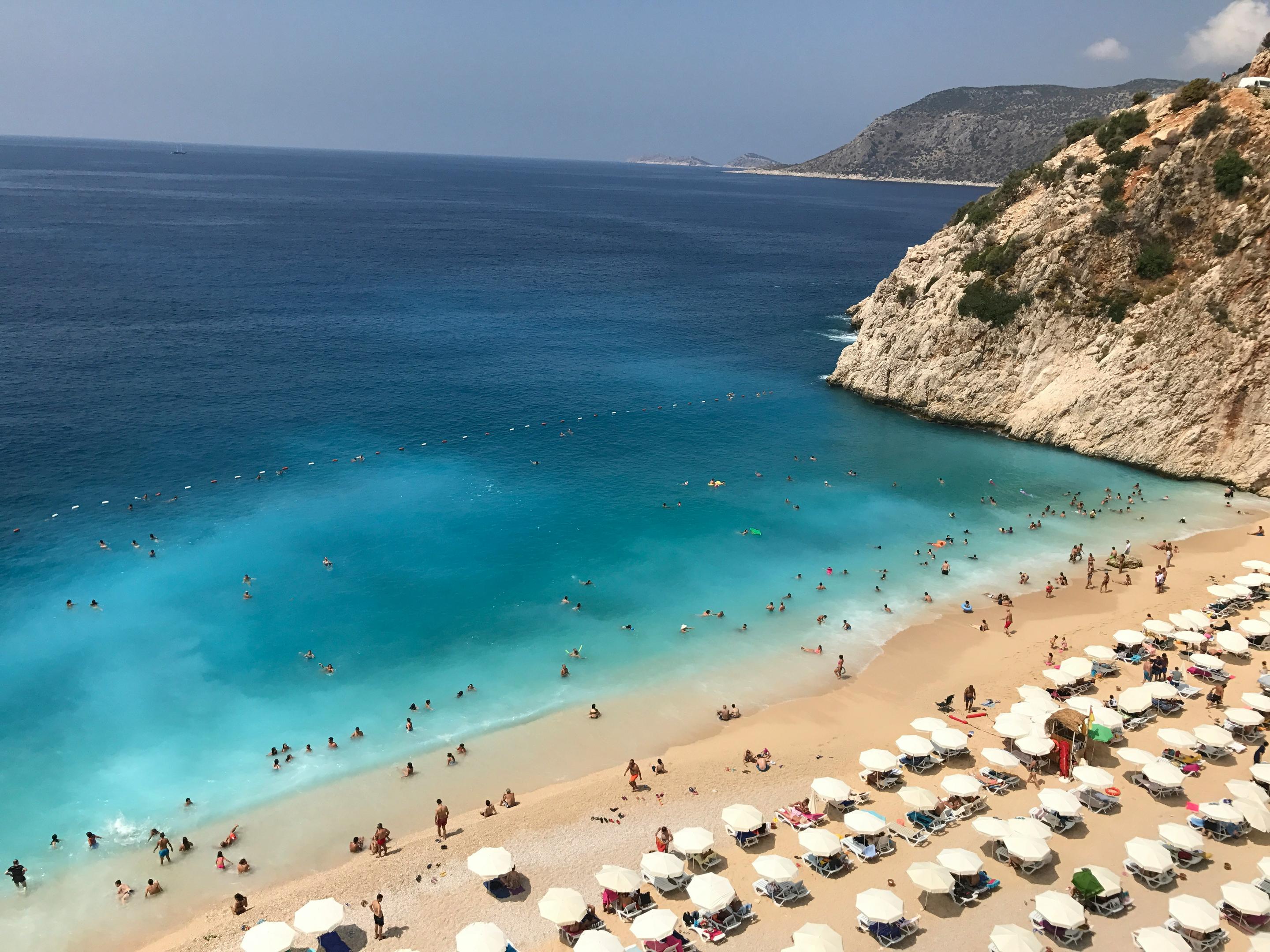
Turkey’s south coast offers the best resort value in the region, warm sea into November, ruins that rival Greece’s, and incredible food. Distances are long, so pick one base.
Antalya for resorts, beaches, and easy access
Antalya is the simplest big holiday base here. The airport takes direct flights from most of Europe, transfers are short, and mid-range hotel standards are high. Lara Beach has the sand and the resorts; Kaleiçi has the cobbled lanes and the harbor. Boat trips run daily along the cliffs, and Perge, Aspendos, and Termessos are within an hour.
Bodrum and the Turquoise Coast for style and sailing
Bodrum is the stylish one: a crusader castle, a marina, a peninsula of small bays. Further east, Fethiye is the base for gulet sailing and Ölüdeniz has the lagoon and the paragliders. This stretch is absolutely stunning by boat and slightly frustrating by road, which tells you how to travel it.
Best Mediterranean Destinations by Trip Type
Still deciding? Use this. Short version, by need.
Best for families
Mallorca, Crete, Cyprus, Malta, Costa Brava, and Antalya. All six have plenty of flights, short transfers, easy-entry swimming, and enough food variety to satisfy a fussy eater. Crete and Cyprus add ruins for older children.
Best for couples
Santorini, the Amalfi Coast, Sicily, Dubrovnik, Sardinia, and Bodrum. Views, boutique stays, long dinners, old towns with unique charm. Sicily and Sardinia give you the most for the money; Santorini and Amalfi give you the photographs.
Best for budget travelers
Albania, Montenegro, western Sicily, Malta in shoulder season, Crete, and Turkey. Worth repeating: flight price, timing, and airport choice usually matter more than the hotel. A Tuesday departure to a secondary airport can save more than a week of cheaper dinners. See our roundup of cheap beach holidays .
Best for island hopping
Greece, Croatia, Malta and Gozo, Sicily with the Aeolians, and the Balearics. Ferries do most of the work, but the smart move is to fly into one island and out of another. Before you island hop, check whether the boat to the other islands runs daily or twice a week. That detail sets the whole itinerary.
When Is the Best Time to Visit the Mediterranean?
May and June bring warm air, fewer crowds, and green landscapes. July and August are hottest, busiest, and priciest. September is my favorite almost everywhere: the sea has had all summer to warm up, crowds thin after the first week, and the light is better. October still works in Cyprus, Malta, southern Spain, Sicily, and Turkey. For timing, see the best days to book flights .
Best months for beach holidays
June to September. Sea temperatures climb all summer, so early June water is noticeably cooler than mid-September water, especially in the western basin. If swimming is the priority, later is better. If price and space matter more, June beats August every time.
Best months for cheaper trips
May, early June, late September, and October. Shoulder season means the same beaches with fewer people, hotels discounting to fill rooms, and flights that don’t compete with school holidays. You trade a little sea warmth for a much better price.
Best months for sightseeing
April, May, October, and early November. Ruins, gorges, and food trips are all easier at 22°C than at 38°C. Any history buff will get more out of Agrigento, Knossos, or Ephesus in spring, and hikes that punish you in August are pleasant in October. The same goes for the region’s edges, from North Africa to the Levant.
How to Plan a Multi-Destination Mediterranean Trip
The Mediterranean is built for open-jaw routes. Countries are close, ferries are frequent, and trains and buses fill the gaps. The catch is that the airlines serving these routes often do not sell tickets together. That is what Kiwi.com ’s Virtual Interlining solves: it combines carriers that do not normally cooperate into one itinerary, with the Kiwi.com Guarantee covering you if a connection is disrupted.
Combine nearby countries or regions
Keep it simple. Spain plus the Balearics. Southern Italy plus Malta. Croatia plus Montenegro overland. Greece plus Cyprus. Turkey plus a Greek island where routes allow, since several Dodecanese islands sit in sight of the Turkish coast. Two countries in ten days is comfortable; three is a logistics project.
Use flexible airports to lower costs
Flying into one city and out of another usually saves time and money. Barcelona in, Palma out. Naples in, Catania out. Athens in, Heraklion out. Dubrovnik in, Kotor by road, home from Tivat. If you are moving a group or a lot of luggage, private transportation for one leg can cost less than four separate transfers.
Compare flights before locking in hotels
The order that saves the most money is boring and it works: check flights first, fix your dates around the cheapest useful pair, then book stays. Doing it the other way round is how people pay peak fares to fit a hotel booking. Flights are the volatile part of the budget; hotels are not.
Ready to Plan Your Mediterranean Holiday?
Whether you have settled on one of the beautiful Mediterranean islands or you are still weighing four options, the next step is the same: see what the flights cost. Kiwi.com searches hundreds of airlines at once, including low-cost carriers most sites will not combine, and builds routes across two or more airlines when that is the cheaper way to reach an island or a small regional airport. Search a range of dates, try a second nearby airport, and let the price tell you where you are going.