
But not all ideal destinations are created equal, especially if you’re on a budget and/or you’d rather avoid crowded beaches or long lines in front of that must-see museum or dance club. Great places are always and eventually discovered by mass tourism, which invariably raises prices e and spoils the experience for those who prefer not being part of a gawking mob.
So it’s great that there are still destinations that have all of the above (in paragraph 1) attractions, are still cheap and still ‘undiscovered’, like Montenegro. This small country between Bosnia and Herzegovina on the north and Albania on the south has lovely beaches on its Adriatic coast, stunning landscapes, historical sites, interesting cities (but definitely not the capital, Podgorica), excellent hiking and even white-water rafting, if that’s your thing. Plus which, it’s easy and inexpensive to get to if you’re coming from Europe, and inexpensive to travel in and enjoy, still. And the euro is currency there, so no messy exchange rates to worry about.
How to Get There
Fly. Return flights from European cities to Podgorica Airport cost between about €60 and €145, give or take. The capital, Podgorica, is almost fascinating in its dreariness, so you should have an efficient exit strategy, the location of the bus or train station and a first post-Podgorica destination on your to-do list.
I don’t mean to say that spending a night in the city will harm you, but it won’t thrill you either. Fortunately, there are three cities near the capital that are far more worthy of your time and energy: Kotor, Budva and Cetinje (see below).
When to Go There
The best time to visit Montenegro is generally from May to October, with the months of May, June and September offering pleasant weather and fewer crowds than the peak summer months of July and August, which are great for beaches but can be crowded and are pricier. So if you’re going for the beaches and are on a budget, try mid-May to the end of June and September.
For those looking to avoid the summer heat and crowds, September and October are great months to travel there. You can hike until early November; autumn is also great for cyclists and kayakers.
How to get Around
To travel around Montenegro, you might consider using a combination of public buses, which are affordable, comfortable and efficient, and taxis or rental cars for local travel and exploring remote areas. Buses will get you to all the larger towns and cities and rental cars make it easier to visit national parks and scenic routes.
If you take a taxi to a nearby site or within a city, make sure the car has a meter or the driver agrees on the fare beforehand. Uber is available in larger towns and cities.
Montenegro is bike-friendly so take a bike to explore towns and cities or to coastal areas. There are also mountain-bike trails in some of the national parks. Ask around.
Three Cities That Aren’t Podgorica
Kotor
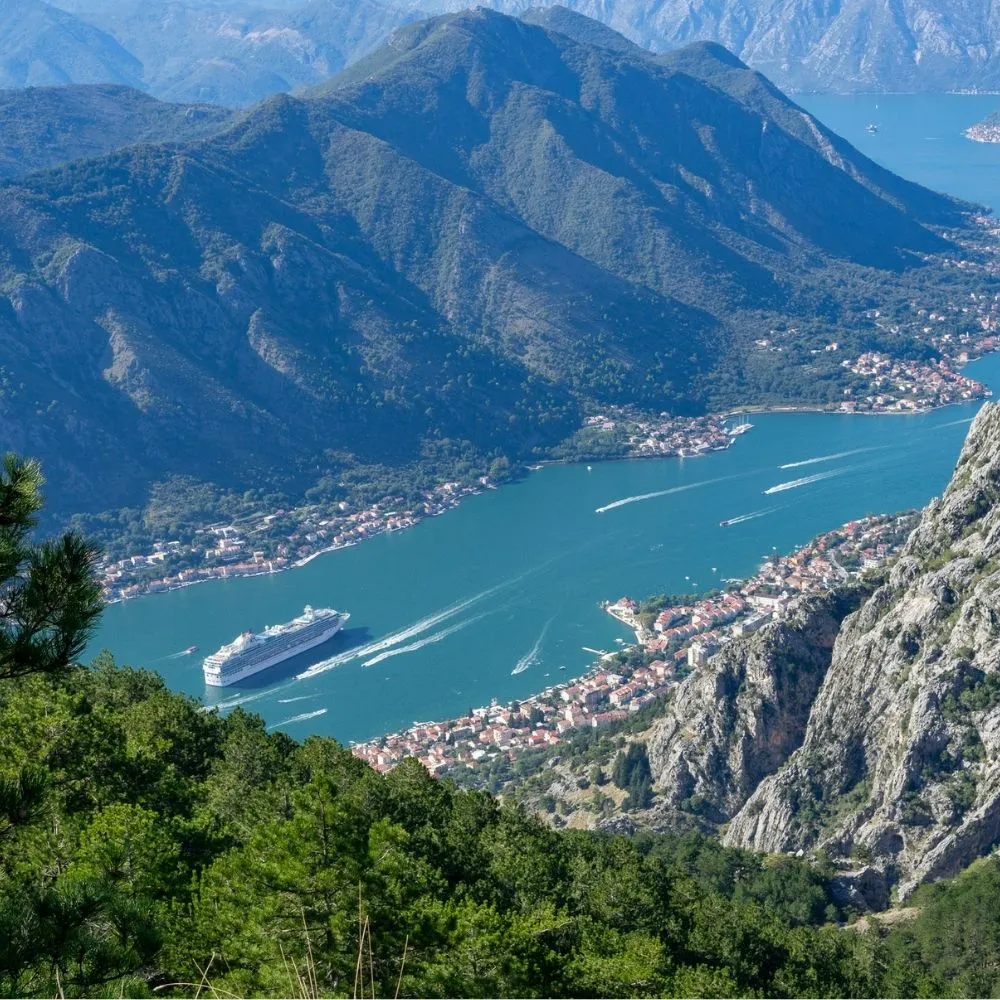
Kotor is a UNESCO World Heritage site with stunning medieval architecture and the beautiful Bay of Kotor. It is a city for lovers of architecture, history, cats and taking it easy because the pleasures of Kotor are best enjoyed at a slow pace.

Wander through Kotor’s medieval streets and discover a city where history lingers around every corner © Pexels
First of all, the Old Town is a delight, with narrow cobblestone streets, lovely churches, beautiful palaces and atmosphere you can slice with a fingernail. It’s a great place to flâner, French for wandering aimlessly because you have all the time in the world and you are enjoying the place you are wandering through. Stop whenever you want for coffee or a glass of wine. Relax, sip, resume.
Check out the city’s medieval walls, St. Tryphon’s Cathedral, t_he Church of Saint Nicholas_ and the Church of St. Luke (a tiny gem). Then, if you’re fit and feel like a hike, walk up the hill to the Kotor Fortress . It’s quite a hike but the view of the city and the bay you get from up there is stunning.
If your budget allows, take a boat tour of the bay. It’s fun and it’s a great bay, with lots to see. If you’re not there during peak season, you can book it on-site. If you’re a cat person, you’ll be delighted by the number of cats you’ll come across in cat-friendly Kotor, and there’s even the Cats [Ana: spelling is ok] Museum. It displays books, medals, postcards, coins and other objects from the 16th to the late 20th century that feature our beloved furry purr machines.
Budva
If you’re going in June, July or August for the beaches, then Budva is a place you will want to see. It is the beating heart of the Budva Riviera and one of the chic hotspots of the Balkans.
Montenegro’s great Adriatic beaches stretch down the coast from Budva, but it’s also a great town to visit for its own attractions, with a fascinating Old Town like Kotor. And you can walk along its old city walls for views of the town and the Adriatic coast. The Sea Dance Festival at the end of the August is the rowdy musical send-off for summer and one of the great European parties.
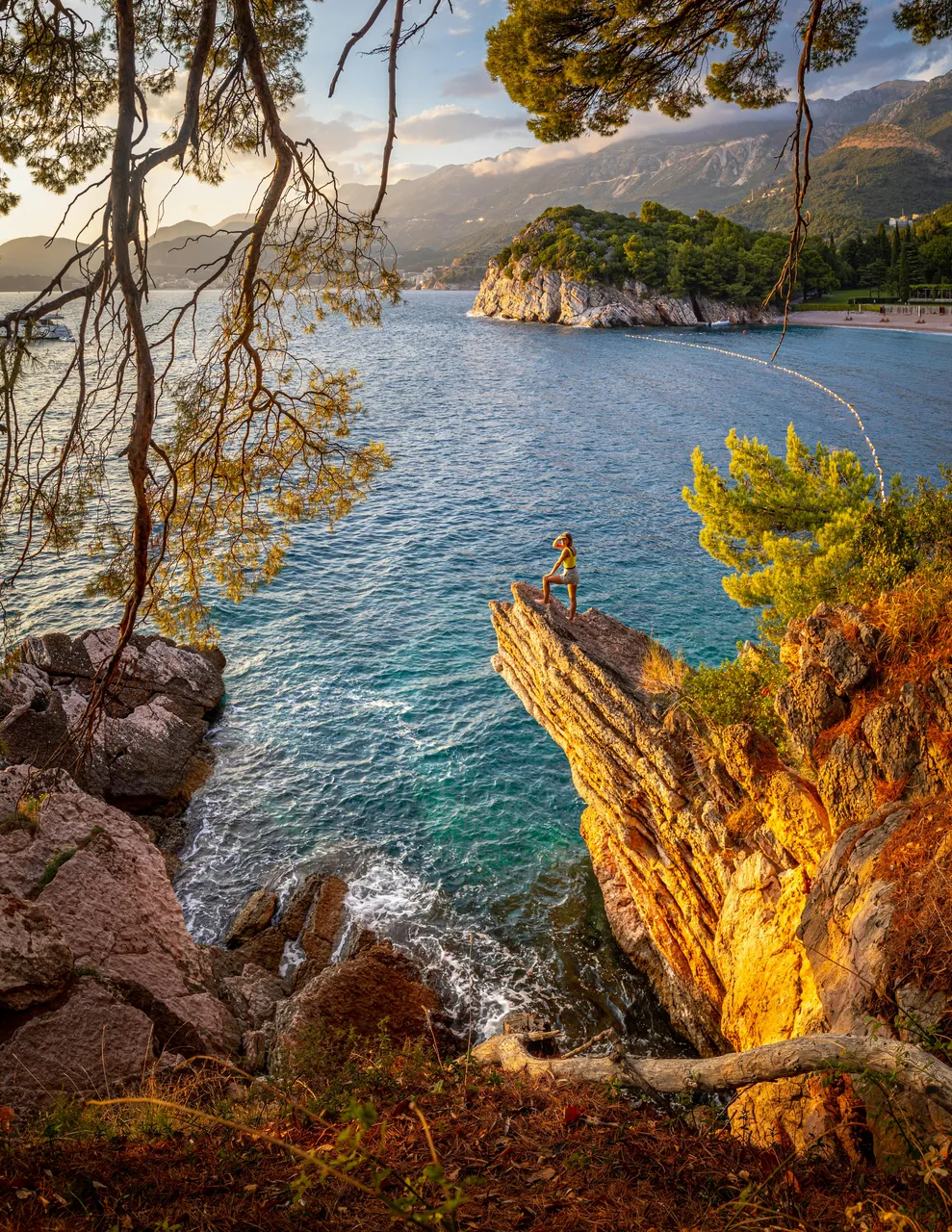
Chic, sun-soaked and full of energy, Budva is Montenegro’s summer hotspot on the Adriatic © Pexels
But if you’re allergic to crowds and a vibrant nightlife is not what you’re looking for, then pass on it and perhaps check it out at the beginning of June or in autumn. In summer, cruise ships anchor in its harbor and release swarms of sight-seers and swimmers.
Cetinje
Cetinje is the former royal capital of Montenegro and the official residence of the president of Montenegro. With a population of a little more than 10,000, it’s a peaceful and inexpensive town, with loads of charm, that could serve as your base for further exploration in the area. It’s only about 30 kilometers from Kotor , but prices are significantly lower.
Cetinje is Montenegro ’s historical and cultural center and contains the Historical Museum , which will fill you in about the country’s history. King Nikola’s Museum provides insights into the life of the country’s dominant ruling family and includes the royal library and a copy of the first book printed in Cetinje . Across the way is the gorgeous Ethnographic Museum, which focuses on the cultures and traditions of the Montenegrins.
The Cetinje Monastery is home to some essential Christian relics, including what is purported to be the right hand of St. John the Baptist. From there head up the hill behind the monastery to the tomb of Danilo I, the founder of the dynasty that ruled the country until the early 20th century. The spectacular views are well worth the climb.
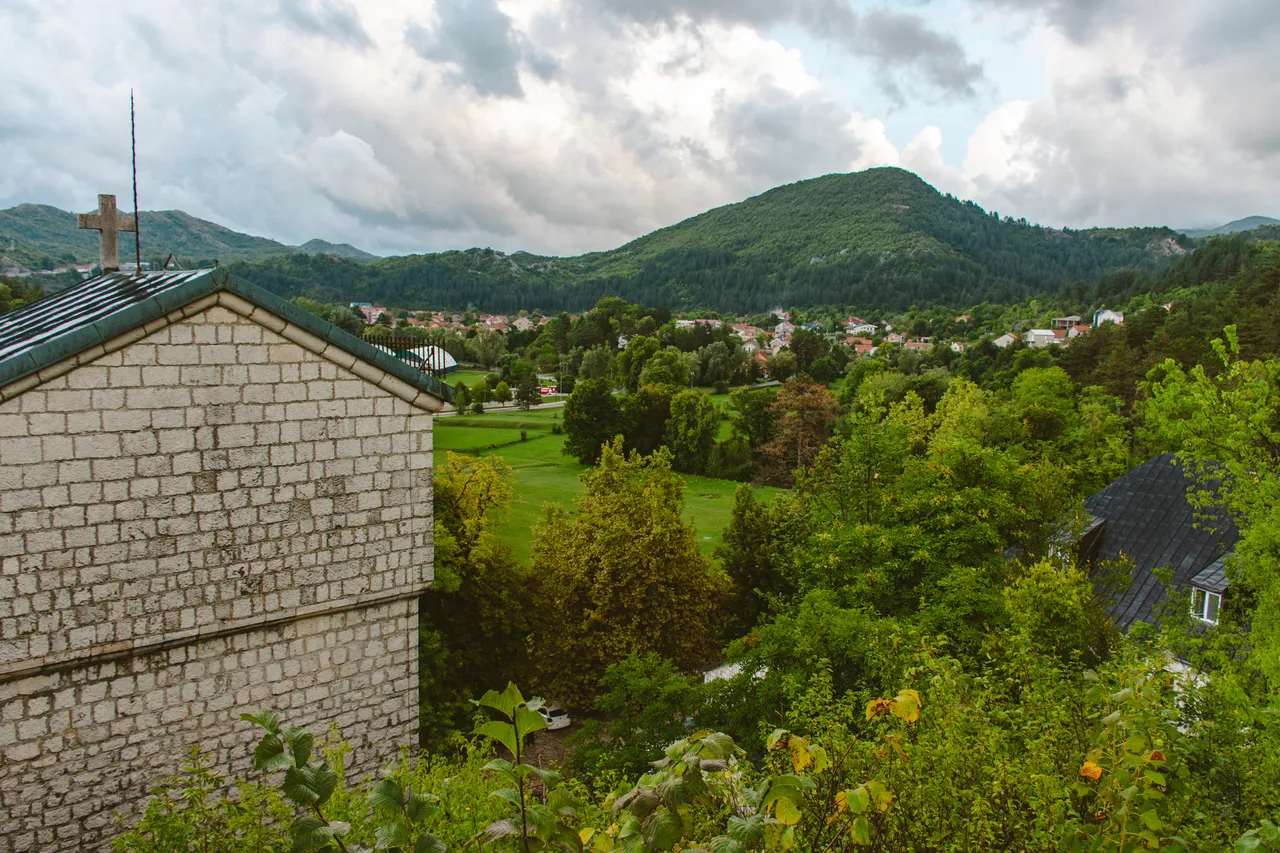
Visit Cetinje Monastery to see sacred relics, then climb to Danilo I’s tomb for panoramic views over Montenegro © Getty Images
Take a Hike
From Cetinje it’s a 20-kilometer bike ride or a €10-15 taxi trip (confirm price before getting in) to the wonderful Lovćen National Park , which has many hiking and mountain bike trails. Inform yourself of the hazards, if any, beforehand. An easy 3-hour hike starts and ends at the Hotel Ivanov Konak .

Cycle or taxi from Cetinje to Lovćen National Park for forest trails, fresh air and an easy 3-hour hike that starts at Hotel Ivanov Konak © Pexels
On the other hand, you can climb the hundreds of steps to the top of the Jezerski Vrh mountain to have a look at the Mausoleum of Petar II Petrović-Njego (the ruler who lived in the palace that contains the King Nikola’s Museum ) and gape at some amazing panoramic views. Just watch your step. There are no barriers on either side and it’s a long way down.
Biogradska Gora is one of Europe’s most beautiful national parks and is one of only three preserved rainforests on the continent. It is a mix of ecosystems, including ancient forests and glacial lakes and so is home to a great diversity and amount of wildlife. There are a number of tall mountains around it, including three that are over 2,000 meters high.
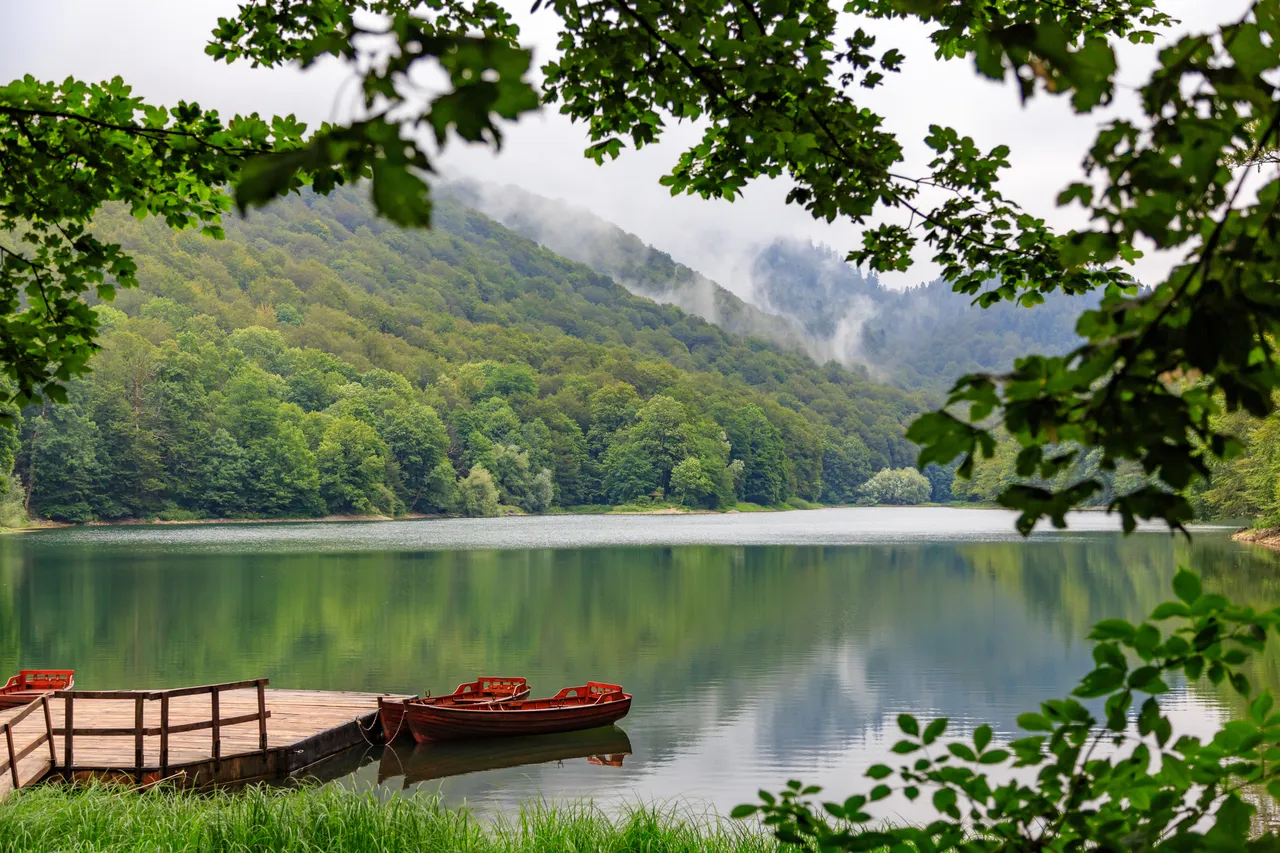
Biogradska Gora is a wild mix of ancient rainforest, glacial lakes and mountain peaks, making it one of Europe’s most stunning and biodiverse parks © Getty Images
Mount Bendovac is not one of them, but it has a great trail that leads up from the beautiful Biogradsko Jezero lake. Count on about 5 hours for the round trip. The reward at the top is the view of those mountains and a whole lot more.
More difficult is the ascent of the country’s tallest mountain, Bobotov Kuk (2,522 meters). It is located in the Durmitor National Park, which has dramatic landscapes left and right, including gorgeous lakes, gorgeous gorges and dramatic forests.
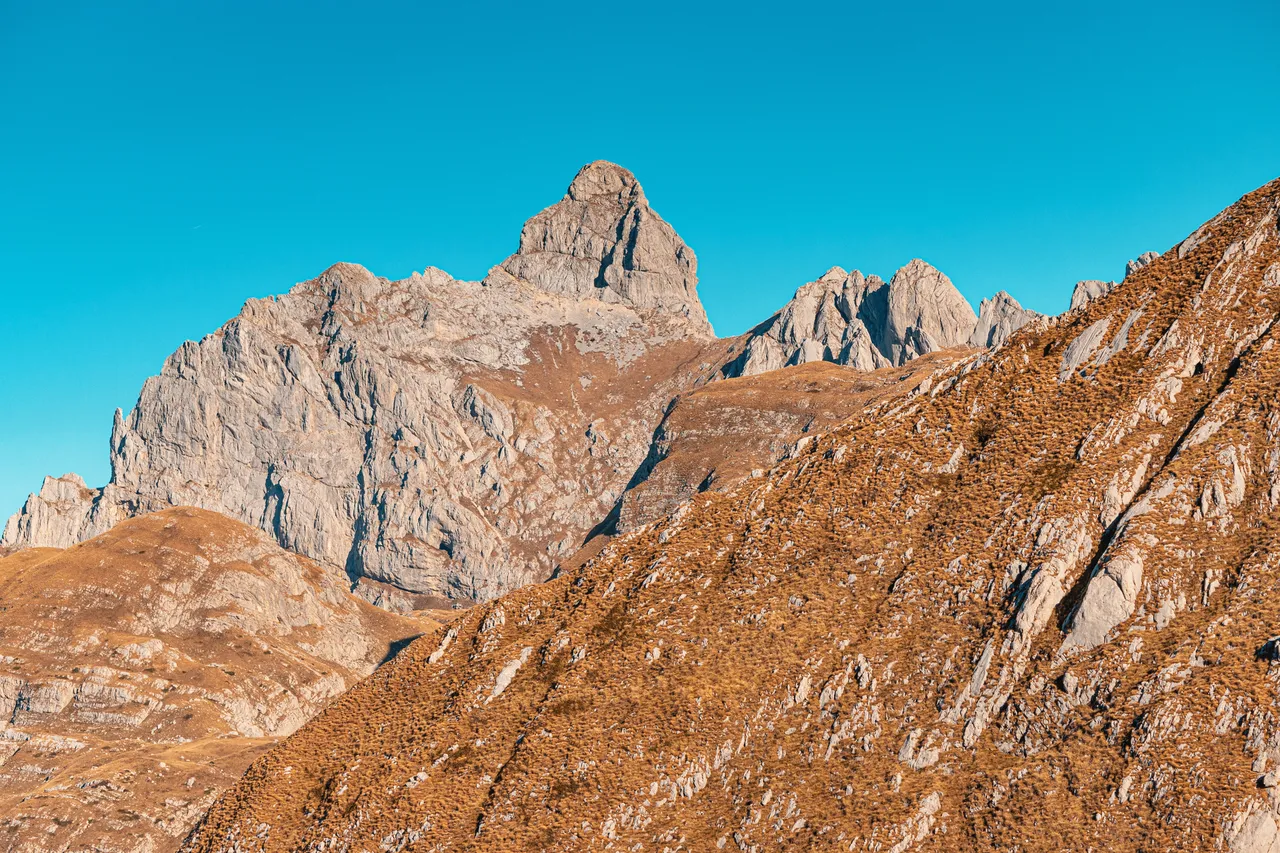
Climbing Bobotov Kuk is a challenge, but Durmitor National Park rewards you with epic peaks, deep gorges and alpine lakes all around © Getty Images
Up and back down takes about 4 to 6 hours depending how you go. There are two paths you can take that begin and/or end in the villages of Sedlo and Zabljak, if you want a change of scenery on the way down. If you want the shortest route, start and end in Sedlo. The hike is moderately challenging, but you will be rewarded with a jaw-dropping panoramic view of several countries.
The word-to-the-wise part: Don’t expect lots of infrastructure on these hikes, so come with all your hiking needs, including first-aid kits – though the trails have been clearly and conscientiously marked. Ask locals about potential hazards, including snakes and bears.
There are lots of other trails in these wonderful parks. Ask people who have been there, in-the-know locals and/or consult guidebooks and other available information.
Herceg Novi and the Blue Cave
I almost never recommend tours because they tend to strain a budget and because I have this irresistible need to see and experience things on my own. But sometimes there’s no other way to experience a place except by tour, and the Blue Lake, located along the western coast of the Luštica Peninsula, is one of those – especially since I have a weakness for sea caves.
The closest major town to the cave is Herceg Novi , which probably offers the least costly tours. But tours are also available from a number of other cities, including Kotor and Budva. Fortunately, Herceg Novi is a charming town with lots to do and see, such as the climb up to Kanli Kula, an old Spanish fortress featuring an amphitheater and great panoramic views over the town and the Bay of Kotor.
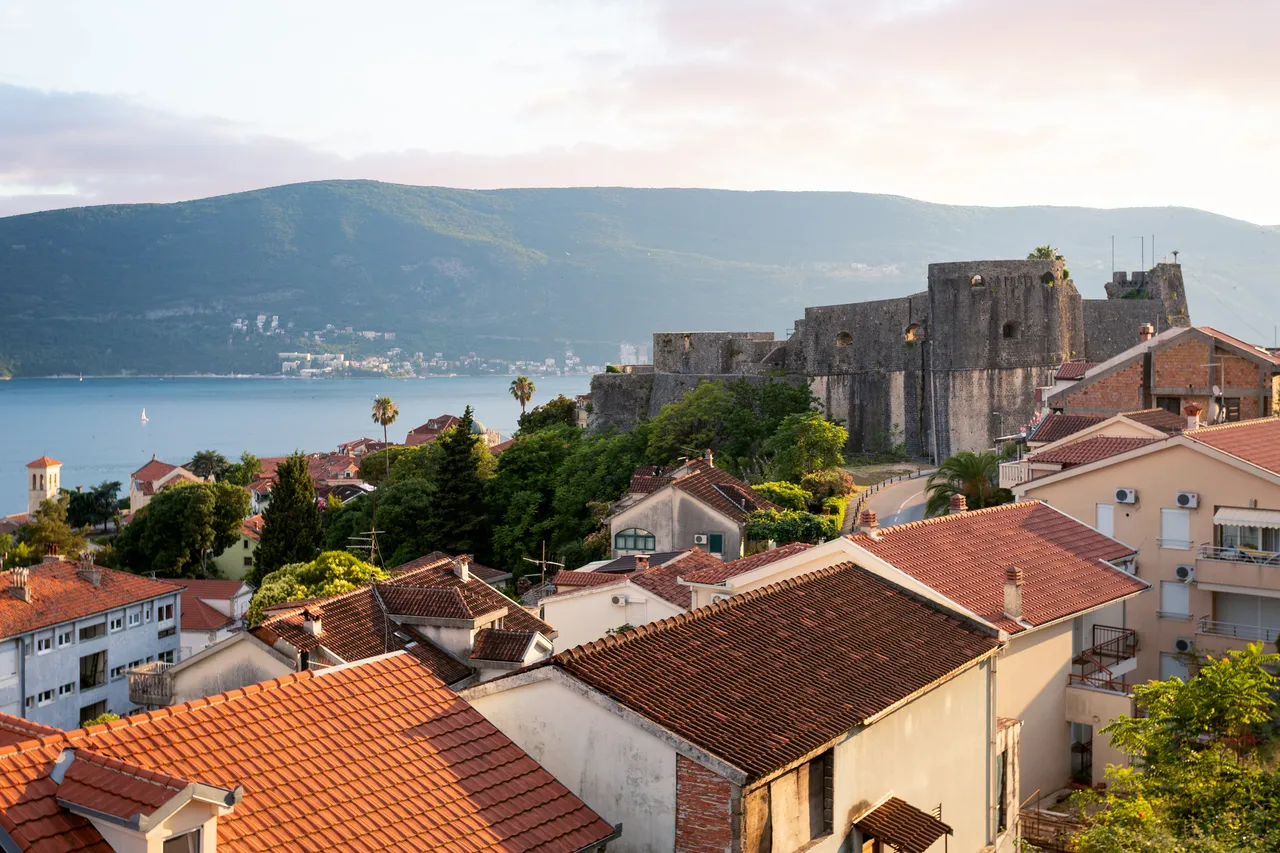
Herceg Novi is the gateway to cave tours and a charming coastal town in its own right, with highlights like the hilltop Kanli Kula fortress and views over the Bay of Kotor © Getty Images
The Blue Cave can be reached only by boat, so unless you have a Montenegrin pal with a boat. . . . Because the cave really is worth a visit. It gets its name from the blue light that reflects off the walls and water as a result of sunlight filtering into the cave through an underwater opening and bouncing off the limestone walls. It is also a great place for a swim and/or snorkel.
If you decide to visit and take a tour, do your homework and find the best one for the money.
Last and Probably Least
You’re in luck. You have the chance to explore this beautiful little under-the-radar country before it is discovered by the masses. And it surely will be, as big investors have discovered the potential of the country’s neighbor to the south, Albania. Jared Kushner (yes, that Jared Kushner) and his investment companies, Affinity Partners and Atlantic Incubation Partners LLC, are investing billions (with a b) of dollars in large-scale tourism projects there.
The masses that will inevitably invade Albania as a result of all this investment – and Kushner is certainly not the only one who regards the entire Adriatic coast as an unexplored goldmine – will no doubt eventually discover lovely Montenegro and some of them will check it out, leading to more investment. So go now, while it is still horde-free (except in summer) and enjoy its beauty at your leisure. (And you might as well visit Albania too before it is swallowed by all that money. )
Popular routes on Kiwi.com
- Cheap flights from London to Barcelona
- Cheap flights from London to New York
- Cheap flights from London to Asturias
- Cheap flights from London to Pattaya
- Cheap flights from London
- Cheap flights to Spain
- Cheap flights to Italy
- Cheap flights to Thailand
- Cheap flights to the United States
- Cheap flights to the United Kingdom
- Cheap flights from London Luton Airport
- Last minute flights
People Also Read


How to Travel Patagonia: A First-Timer's Guide to Chile & Argentina's Wild South