







How to get from the Rome airport(s) on the cheap
There are two main airports in Rome, Ciampino Airport and Leonardo da Vinci - Fiumicino Airport . Here’s how to reach the city center from both:
Ciampino Airport
Bus
From Ciampino Airport , you can take the 520 bus to Cinecittà metro station and transfer to the 118 bus, or take the 720 bus and get off at the Laurentina bus stop. Laurentina is both a bus stop and a metro station, making it a convenient place to switch to the 30 bus. Both routes cost around €1.50 and take about an hour and a half to reach central Rome, offering a budget-friendly travel option. Be sure to validate your ticket to avoid fines.
Train
You can take the Trenitalia regional train (“Regionale”) from Ciampino Train Station directly to Roma Termini. The journey takes about 40-50 minutes and costs approximately €5-6, offering a quick and affordable way to reach the heart of Rome. You can easily purchase tickets at the station from ticket machines or counters. However, if you prefer the convenience of having your ticket in advance, you can also buy it online .
Taxi
To take a taxi from Ciampino Airport to the city center, simply head to the taxi stand outside the terminal for a direct 30-minute ride into Rome, costing anywhere from €30-40.
Warning - Be warned that if you are flying in the middle of the night, there will be no way of getting from the train station to Ciampino airport. With NO public transport running to the airport and NO taxis in sight, I had to rely on the kindness of Italian strangers to give me a lift to the airport as by car it was only 5 mins. Do not make the same mistake I did !
Leonardo da Vinci - Fiumicino Airport
Bus
From Leonardo da Vinci - Fiumicino Airport , you have a couple of convenient bus options. The Flixbus connects the airport to various central Rome destinations in about 40 minutes, costing between €5-10. Alternatively, the SIT shuttle bus offers a direct route to Rome’s Circonvallazione Aurelia, with a travel time of around 45 minutes and a ticket price of €5-6.
Train
The fastest way to travel from Leonardo da Vinci - Fiumicino Airport to central Rome is by taking the direct Leonardo Express train to Roma Termini. The journey takes about 30 minutes, costs €14, and trains run every 15 minutes. The earliest train departs at 5:38 a.m. and arrives in central Rome just after 6:00 a.m. Tickets can be purchased at the airport or online for a swift and convenient transfer.
Taxi
Taking a taxi to central Rome is the most expensive option, with a fixed fare of €50. The ride takes approximately 30-40 minutes, providing a direct and convenient transfer to the city center. Taxis can be easily found at the airport’s taxi stand.
The Perfect Foodie Day
It’s time to start off the day, filled with delicious food and iconic sights that will give you a true taste of Rome:
Breakfast: Start the Day Like a Roman
Start your morning heading to the Pantheon, one of the oldest structures in the city, about 1,900 years old. You’d have to be just as old to imagine people walking on these very same streets during the Roman Empire of yore. From the Pantheon, walk over to Piazza Navona, where you’ll find Baroque fountains and a street or two lined with entertainers.
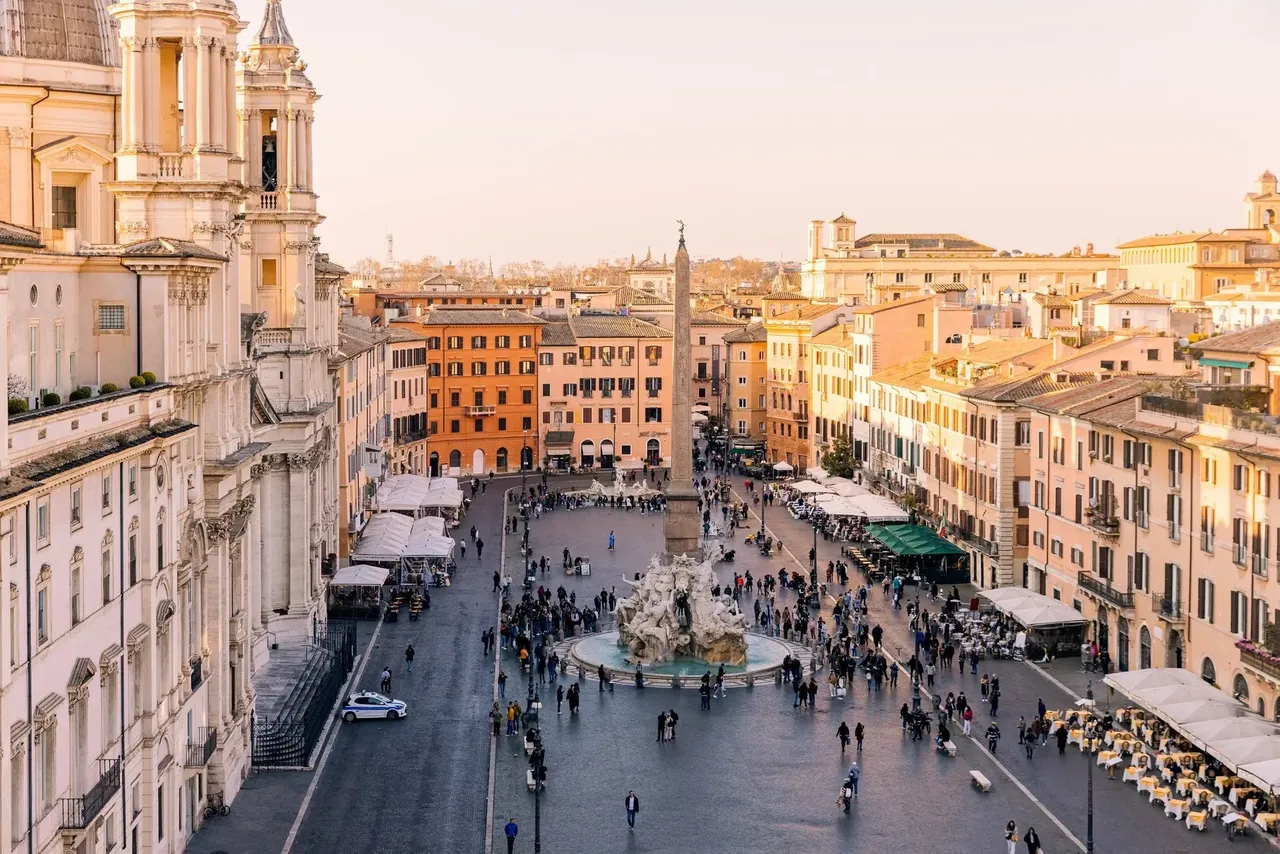
The lively Piazza Navona, a perfect spot to soak in Rome’s vibrant atmosphere © Getty Images
Breakfast in Rome is a matter of saving time and taste. Most residents have an espresso or a cappuccino for as little as €0.80, sipped together with a cornetto – a light and flaky pastry that can be filled with jam or chocolate for around €1-€2 . For a genuine Roman breakfast, stop at Caffè Sant’Eustachio , where they have been serving some of the best coffee in the city since the 1930s, just a few steps from the Pantheon.
Take a post-coffee stroll through the narrow streets of the Campo de’ Fiori, winding around the Pantheon and the Piazza Navona, a great way to ease into the day and absorb some of the oddly ancient-meets-modern feel of the city. Get some photos, maybe find a quiet corner to sip your coffee and just absorb the place before it fully kicks into high gear.
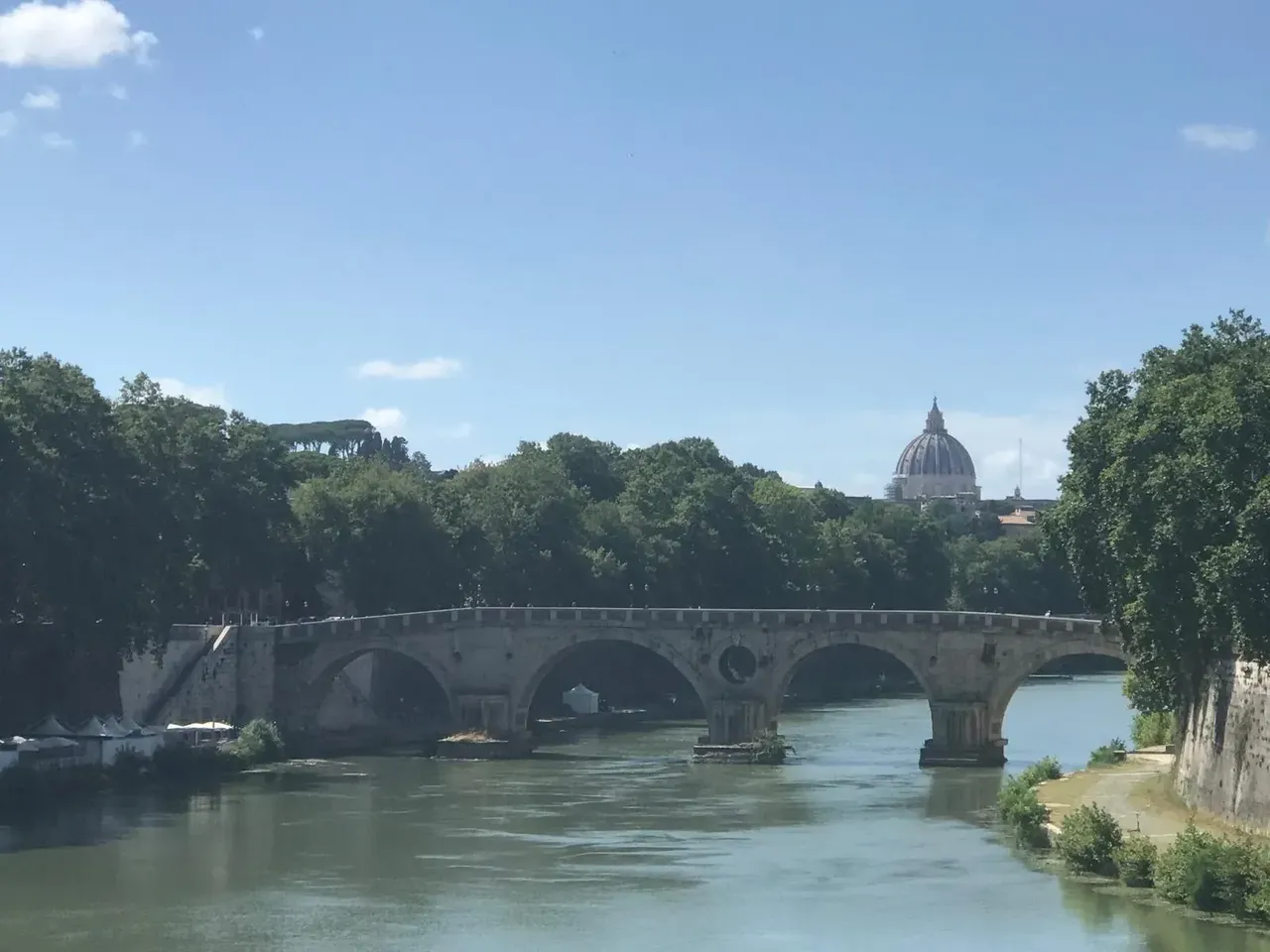
A picturesque view of the Tiber River with the Pantheon in the distance, capturing the timeless beauty of Rome © Ana Matos
Mid-Morning Snack: Pastries and Gelato
By this point, perhaps by late morning, it’s a good time to see a bit more of the city’s ancient past. Take the Roman Forum or Capitoline Hill, both of which allow you to walk among the ruins for an hour or so, and gain an idea of what ancient Rome was like. The Roman Forum was the heart of ancient Rome, serving as the central hub for public speeches, criminal trials, and gladiatorial matches, as well as the site of important temples and government buildings; the view from Capitoline Hill is stunning, as is the opportunity to see the city’s ancient center.
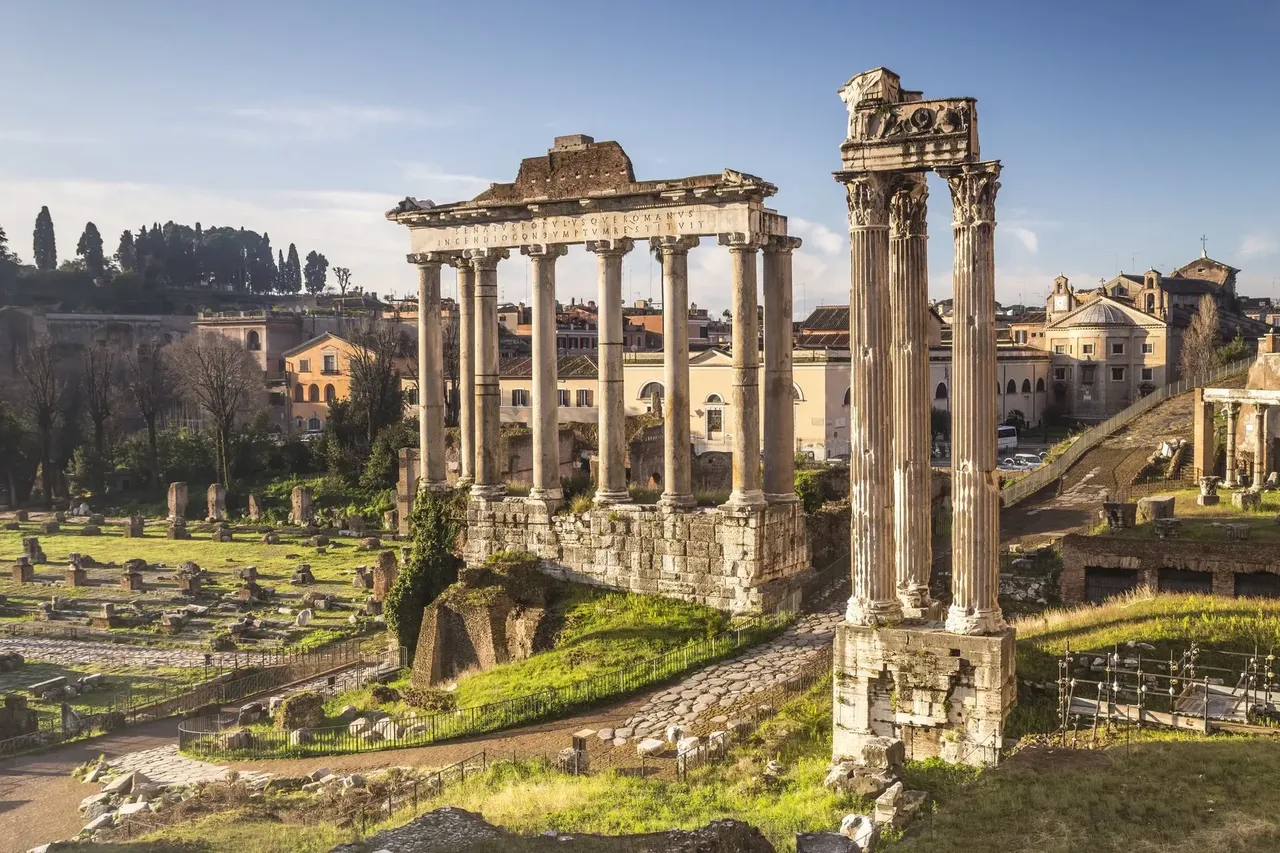
The ancient Roman Forum, where history comes alive among the ruins © Getty Images
And if you are hungry, why not treat yourself to a pastry or an ice cream while you are here? For pastries, try Pasticceria Regoli , which does lovely maritozzi, a sweet bun stuffed with whipped cream for €4. For ice cream, go to get creamy, thick gelato in classic flavors or more inventive combinations at Giolitti for €2.50.
Lunch: Indulge in Roman Specialties
Work up an appetite by heading to the Colosseum or Palatine Hill for a look at some of Rome’s most iconic historic sites, including the ancient amphitheater at the Colosseum and the ruins of Augustus’ palace on Palatine Hill, the hill where many of Rome’s first emperors made their homes.
When you’re ready to eat, dig into Roman food. Go to Trattoria Da Enzo al 29 in the Trastevere district for simple, time-honored dishes such as pasta alla carbonara and cacio e pepe for €11 , or venture into Roscioli , which is half-trattoria/pizzeria and half-gourmet deli, but the plates of saltimbocca and fresh pasta are both delicious. Both places have complete menus of hearty, robust food that typify Roman eating.
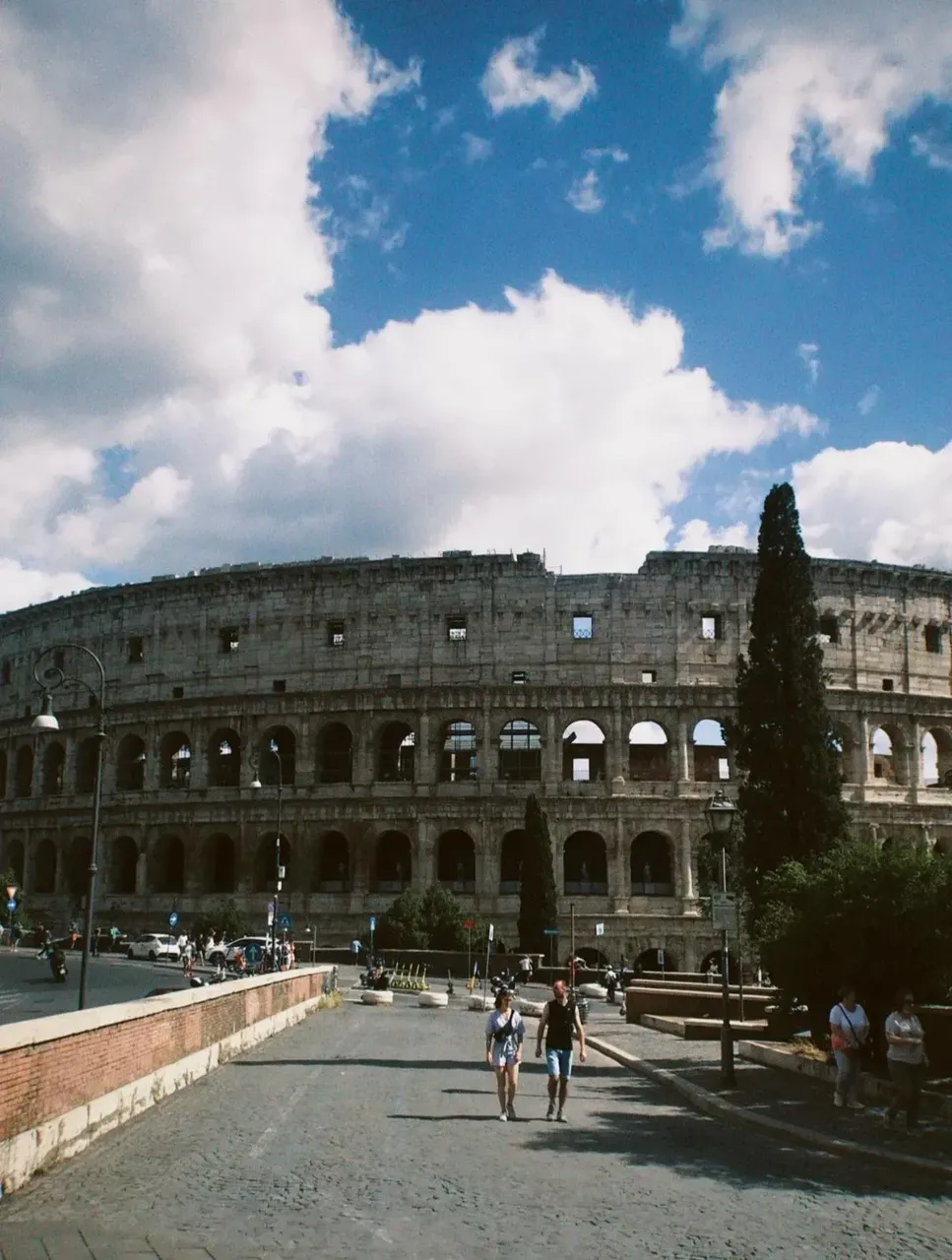
The majestic Colosseum, standing tall against the Rome skyline © Ana Matos
Afternoon Aperitivo: A Roman Tradition
If you’re staying out until the afternoon, you can visit the Vatican or Castel Sant’Angelo. The Vatican museums and St Peter’s Basilica are the best place to immerse yourself in Rome’s religious and artistic heritage. Alternatively, Castel Sant’Angelo was a mausoleum constructed by the emperor Hadrian for his family and was later used as a fortress. It has splendid views across the city and a fascinating history.
Make time for the Roman tradition of aperitivo, a pre-dinner ritual of sipping a drink and nibbling some light food in the late afternoon. The best place for this is Freni e Frizioni in Trastevere, a packed bar with great cocktails and a friendly vibe, where you’ll be served free snacks with your drink – olives, bruschetta and so on. Or head to Bar del Fico , a classic bar with classic cocktails for €10 and a cozy ambience.

Enjoying a refreshing Aperol Spritz in Rome© Pexels
Perhaps you prefer to savor your aperitivo with a view of the Tiber River as the sun sets at a café. Maybe you’d rather take in the sounds and energy of the neighborhood as you wander around Trastevere. Either way, this is not just a time to wind down from your day’s adventures, but a chance to take stock and prepare for an evening in Rome.
Dinner: Savoring Roman Cuisine by Night
In the evening, take in the ambience of the Spanish Steps or the Trevi Fountain– two of Rome’s most iconic places to experience the city by night. The Spanish Steps, adorned with lights, is the ideal place to unwind and catch some people-watching. The Trevi Fountain, meanwhile, is lit up by moonlight and is the perfect place to toss a coin into its waters and make a wish.
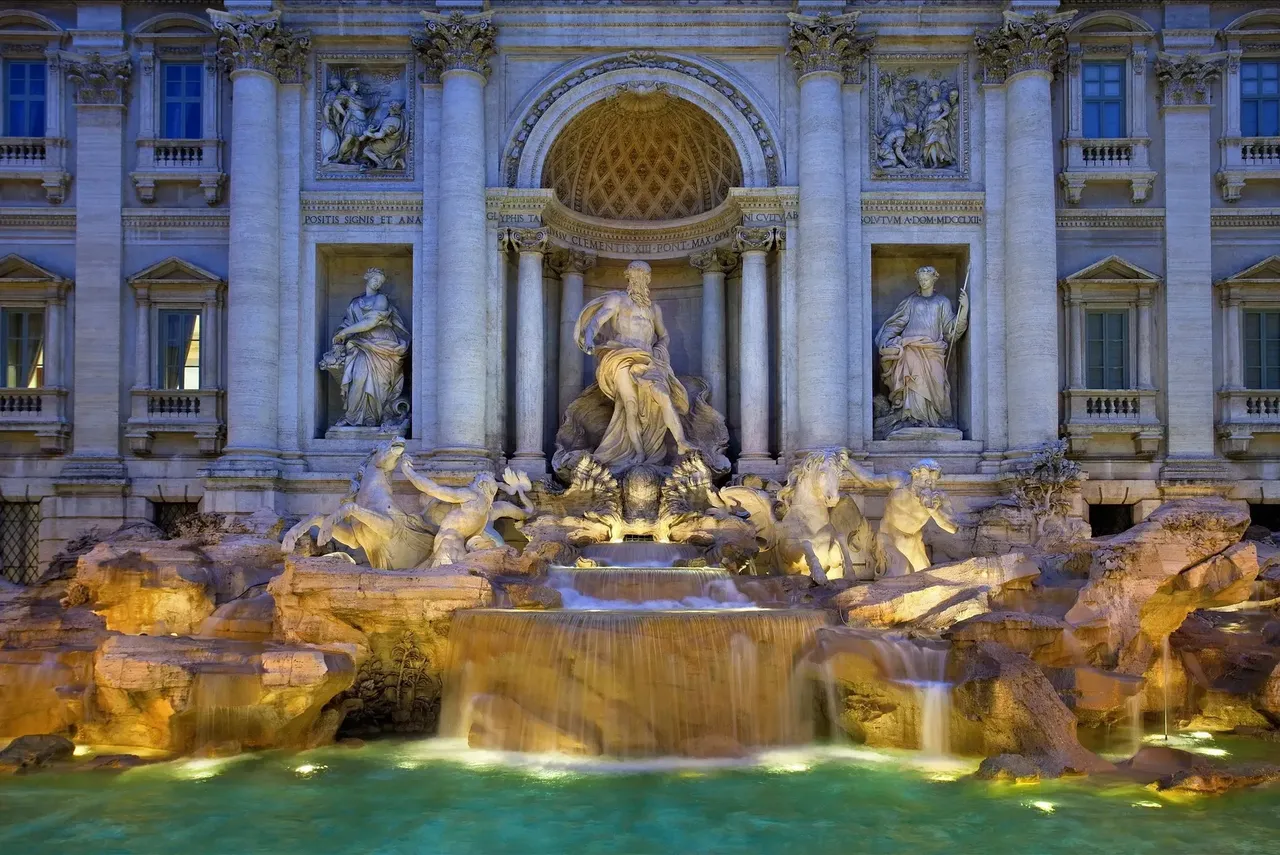
The enchanting Trevi Fountain, glowing under the night sky © Getty Images
The day is perfect for a long, lazy dinner, and the best place to get a flavor of Roman food is any of the city’s great restaurants. Try Da Felice a Testaccio , known for traditional Roman dishes such as saltimbocca and amatriciana, or Antica Pesa in Trastevere, whose modern takes on old-school flavors include roast lamb and handmade pasta. For dinner, both are great choices for an evening meal.
Dessert: The Sweet End to a Roman Day
Meanwhile, as the night falls, make sure to visit some of Rome’s most charming night-time haunts. The Colosseum stands out majestically against the night sky. It is a dramatic and quiet backdrop, as is a stroll through Piazza del Popolo with its fountains and historical structures.
And to finish your evening, partake of a Roman dessert. Pompi , which has multiple locations around the city, is the place to go for creamy, rich tiramisù, the Italian classic. If you’re looking for gelato, Fatamorgana offers more inventive and flavorful options than the ubiquitous two-piston gelato shops around the city. Its artisanal gelato, with more distinctive flavors such as rosemary and honey (an acquired taste) or pistachio, makes for a sweet end to your day.

Indulging in a classic tiramisu at a cozy Roman cafe © Pexels
Best time to visit Rome
The best months to visit Rome are spring (April until June) and fall (September until October). The weather is pleasant and mild, with temperatures between 15°C and 25°C (59°F to 77°F). This is also the time the crowds are lesser than in the high season – July and August – and there is plenty to do in town. You can comfortably enjoy outdoor sightseeing and you will be able to experience the local events, festivals and markets that characterise this lively period. Springtime is filled with flowers and outdoor activities while fall is harvest season with lots of food festivals and cultural events.
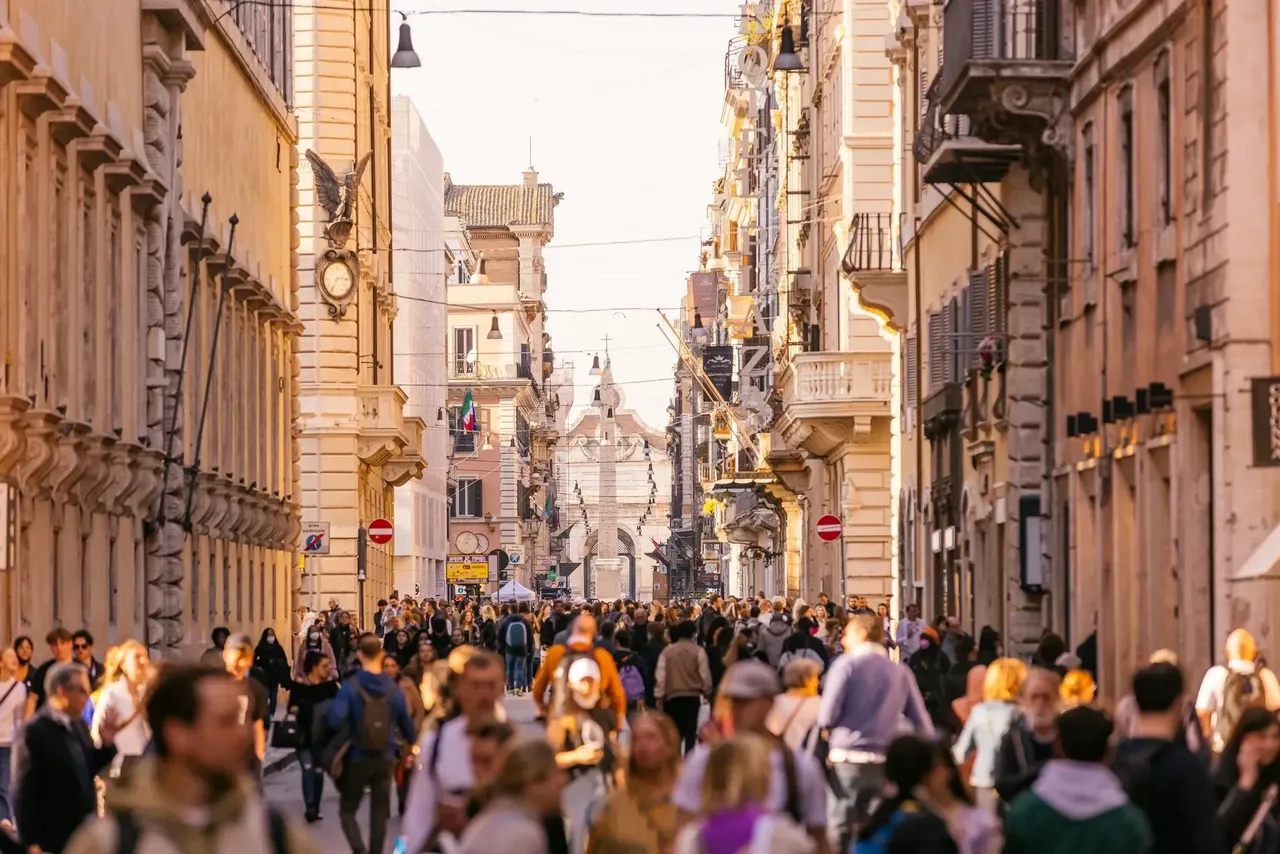
A bustling crowd of tourists experiencing the summer magic of Rome © Getty Images
Where to Stay
Here are my top recommendations for the best places to stay in Rome, personally selected to help you experience the city at its very best:
Centro Storico (Historic Center):
If your focus is on the story of Rome, Centro Storico is the best address for you. It puts you within easy walking distance of the Colosseum, Roman Forum, Pantheon and Trevi Fountain. The area features picturesque piazzas, historic churches and classical architecture, with easy access to shops and cafés. Centro Storico is a winning combination of culture and convenience. You can easily visit Rome’s most famous sights on your own feet, dipping into the ancient atmosphere at every turn.
Trastevere:
If you want a more authentic Roman experience, with a lot more local colour, then Trastevere is a great alternative. This district, on the left bank of the river Tiber, has narrow cobbled streets, pretty pastel houses, and some good nightlife. It’s a good option if you want to eat traditional Roman dishes in small, family-run trattorias and drink with locals inés. Trastevere is also a good base from which to visit the Vatican, and only a short walk across the river Tiber to the historic centre.
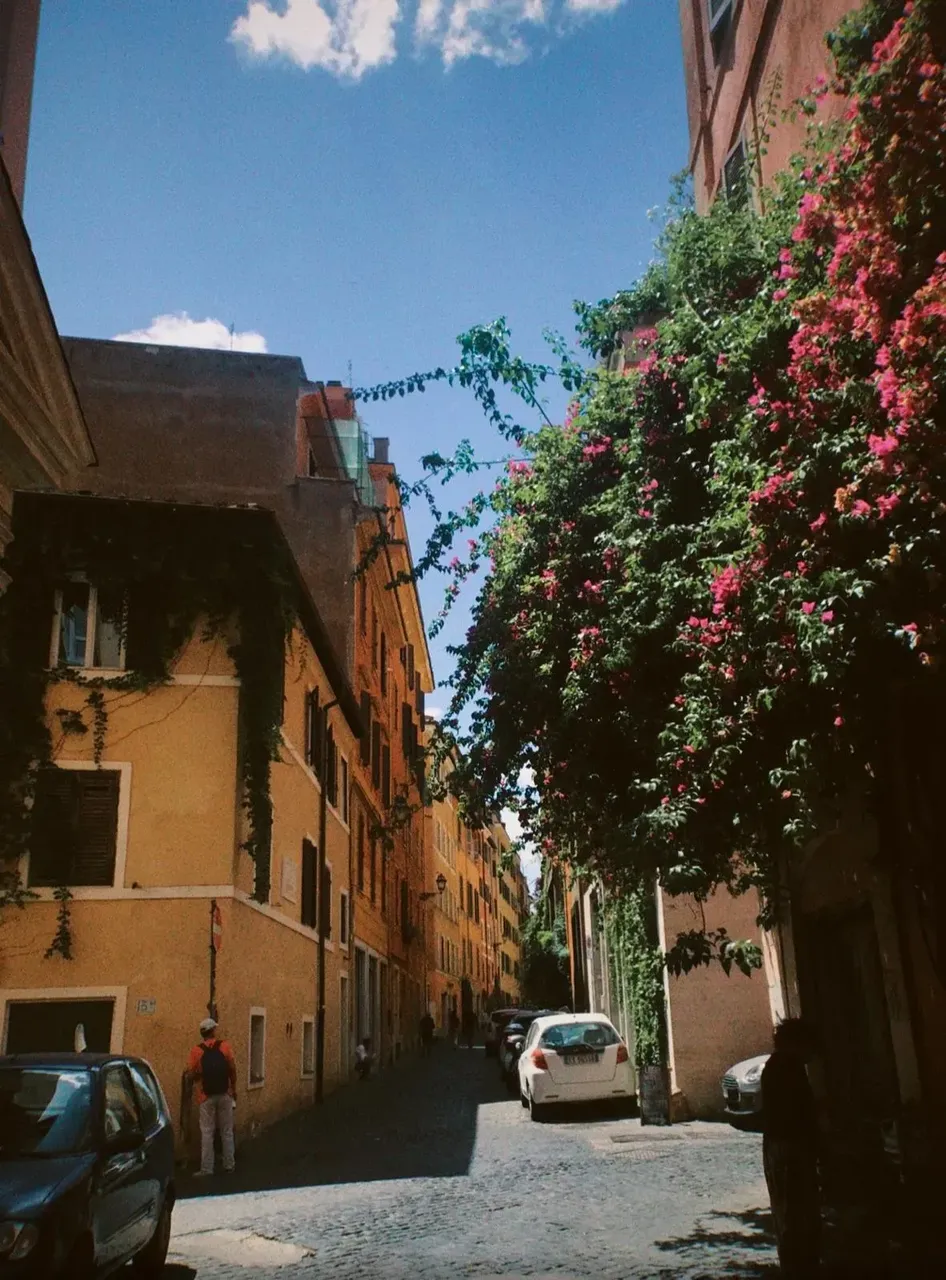
The charming streets of Trastevere, where every corner tells a story © Ana Matos
Monti:
For a hip, chic feel that mixes old and new, Monti is Rome’s hipster haven. This neighbourhood is full of boutique shops, vintage stores and quirky cafés, and despite being located next to the Colosseum and Roman Forum, it feels like a genuine local area, largely untouched by tourism. Monti’s strong street life, artistic vibe and mix of old and new offers a great base for those who want to experience contemporary Rome alongside its ancient heritage.
How expensive is Rome?
Here’s a budget for one person:
Currency: Euro (€)
Food
- Lunch: €10-€20
- Dinner: €20-€40
Drinks
- Coffee: €1.50-€3
- Beer/Wine: €3-€6
Accommodation
- Hostel: €20-€50 per night
- Reasonable Hotels: €80-€150 per night
As your day in Rome comes to a close , you’ve experienced a perfect blend of the city’s rich history and vibrant culinary scene. From the early morning coffee near the Pantheon to a leisurely afternoon aperitivo by the Tiber, and finally savoring a delicious dinner followed by a sweet treat, you’ve immersed yourself in the best that Rome has to offer. This was easily one of my favorite days I spent in Rome, I hope you get out of it as much as I did!
Popular routes on Kiwi.com
- Cheap flights from London to Barcelona
- Cheap flights from London to New York
- Cheap flights from London to Asturias
- Cheap flights from London to Pattaya
- Cheap flights from London
- Cheap flights to Spain
- Cheap flights to Italy
- Cheap flights to Thailand
- Cheap flights to the United States
- Cheap flights to the United Kingdom
- Cheap flights from London Luton Airport
- Last minute flights
People Also Read



How to Travel Patagonia: A First-Timer's Guide to Chile & Argentina's Wild South