






From midnight markets to mountaintop temples, this is how to experience South Korea’s capital without maxing your credit card and maybe find a bit of soul in the process.
In this article
From Incheon To Insanity: Getting Downtown Without Losing ₩
You’ll probably land at Incheon International Airport , which is cleaner than your last apartment and twice as efficient. A taxi to downtown Seoul costs ₩55,000–75,000 ($40–55), depending on traffic, and takes about an hour. Worth it if you’re jet-lagged, but there’s a smarter move.
Hop on the AREX train instead. The express version (₩9,500, 43 min) goes straight to Seoul Station; the all-stop train (₩4,150, 56 min) is slower but practically free. Both are spotless, silent, and blessedly air-conditioned. From Seoul Station, the subway or bus will get you anywhere for under ₩1,500.
Pro tip: grab a T-money card at any convenience store. It’s your golden ticket for subways, buses, and even vending machines that sell canned coffee.
How To Outsmart Traffic, Translate Signs, and Look Like a Local
Seoul’s subway is a marvel of engineering and signage. It runs until midnight, covers 20+ lines, and costs ₩1,250–1,550 per ride. Transfers are free if you tap with T-money, and Wi-Fi works even underground — because of course it does.
Buses are colour-coded:
Blue = long distance across the city
Green = local routes
Yellow = circular routes around districts
Red = suburban lines for commuters (and you, if you miss your stop)
Download the app KakaoMetro or Naver Map to survive, because Google Maps here is basically decorative.
Walking is lovely in spring and autumn, slightly dangerous in summer (humidity) and winter (ice). For short scenic rides, rent an electric scooter (Kickgoing or Beam) for ₩1,000 unlock + ₩180/min. Just don’t try it in Gangnam rush hour unless you enjoy chaos.
Palaces, Parks, and Pure Free Fun
Budget Bliss: Seoul For Next To Nothing
Seoul is the rare capital that looks expensive but isn’t. As long as you know where to wander, what to eat standing up, and when to pretend you’re in a historical drama. From palaces older than your family tree to street stages livelier than your Spotify playlist, here’s how to get the full Seoul experience for little more than pocket change.
Gyeongbokgung Palace
Built in 1395, torched by invaders, resurrected by dynasties, and now kept immaculate by guards who never blink. Gyeongbokgung Palace is the beating historical heart of Seoul. It’s a sweeping complex of courtyards, gates, pavilions, and ornate roofs that seem to hover between mountains and sky.
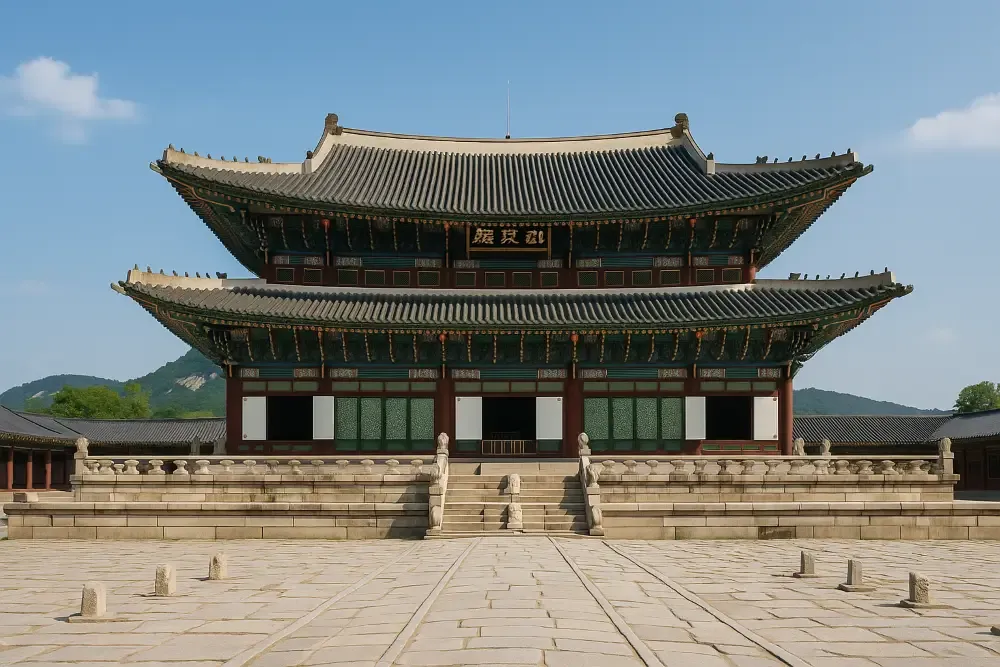
Gyeongbokgung Palace, the heart of Seoul’s royal heritage, beautifully preserves Korea’s architectural artistry and cultural history © Kiwi.com
Entry costs ₩3,000, but there’s a hack too pretty to ignore: if you show up wearing a hanbok, the flowing traditional Korean outfit you can rent from any of the 50+ shops around the gates, you waltz in for free. You’ll instantly look like you wandered out of a Joseon dynasty K-drama, and yes, strangers will ask for photos.
The palace grounds are enormous, so give yourself at least two hours. Don’t miss:
Gwanghwamun Gate, where the guards stand motionless with spears and velvet hats that defy gravity.
Geunjeongjeon Hall, once the royal throne room, now an Instagram hotspot with zero bad angles.
Gyeonghoeru Pavilion, floating over a lotus pond that’s pure tranquillity (until someone drops a selfie stick).
Time your visit for the Changing of the Guard Ceremony at 10:00 a.m. or 2:00 p.m. It’s free, loud, full of colour, and makes you wish you were half as coordinated as these guys in heavy armour under 30°C sun.
Pro tip: if you buy the combined palace ticket (₩10,000), you can visit all five major royal palaces over three months — basically a royal bargain.
Bukchon Hanok Village
Walk north from Gyeongbokgung and you’ll stumble into Bukchon Hanok Village , where 21st-century Seoul suddenly time-travels backward. Cobbled alleys wind up the hill between hundreds of hanok — traditional wooden houses with curved tiled roofs, paper windows, and tiny courtyards that smell faintly of pine.
It’s free to explore, but it’s also real life for the residents, so keep your voice down and skip the K-pop dance covers in the street. (Nothing says “tourist” like filming a TikTok while someone’s grandma is hanging laundry behind you.)
The best route? Start near Anguk Station, wander the scenic “Eight Views of Bukchon” trail, and stop at every viewpoint. You’ll see the contrast that defines Seoul — sleek glass towers glinting beyond centuries-old rooftops.
Along the way, duck into a teahouse or craft café. Try injeolmi toast (honey-coated rice-cake sandwich) or a red bean bun so soft it might emotionally heal you.
Namsan Park & The N Seoul Tower View
The N Seoul Tower might dominate postcards, but locals know the secret: the best view isn’t from inside it. It’s from the hill that holds it up.
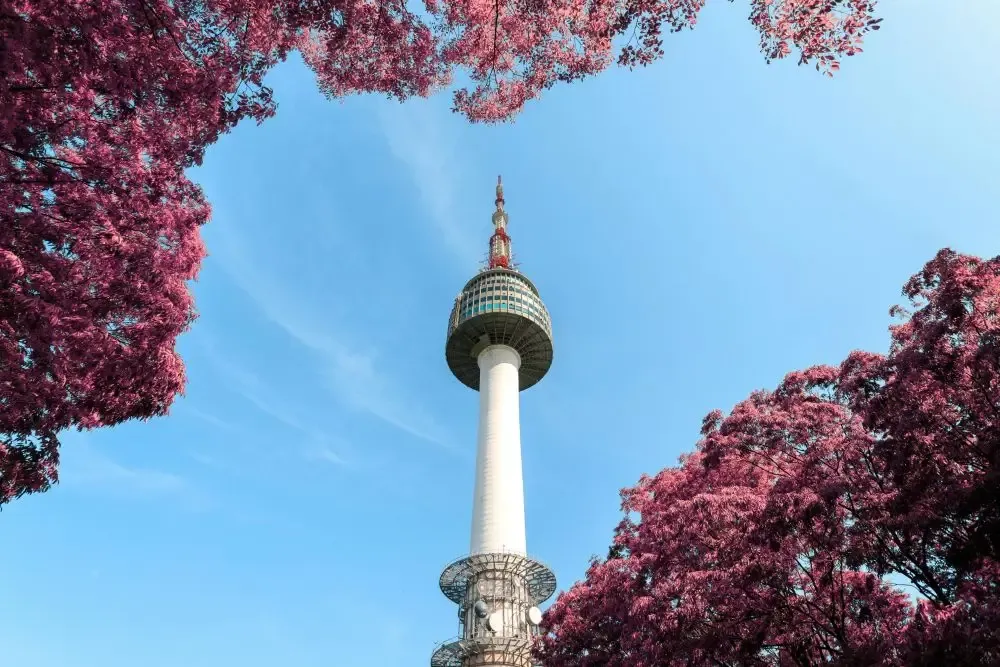
N Seoul Tower stands as a symbol of modern Seoul, offering panoramic views that blend urban brilliance with natural beauty © Pexels
Skip the ₩16,000 elevator ticket and hike up through Namsan Park instead. The trails are shaded, paved, and full of bird song and elderly hikers who will overtake you effortlessly. Expect gentle slopes, wooden stairways, and the occasional squirrel that stares like it knows you skipped leg day.
About halfway up, you’ll hit pavilions, lookout decks, and love-lock fences dripping with heart-shaped padlocks that couples have been attaching for years (some since before Wi-Fi). At the top, reward yourself with a ₩2,000 convenience-store coffee and panoramic views that stretch from the Han River to the mountains.
Sunset is prime time — the city flickers to life below you like circuitry warming up. Stay until the tower lights up, turning the skyline into one massive moodboard.
Pro tip: take the Namsan cable car up (₩9,500 return) and walk down at night. It’s all downhill, lined with twinkling trees and food stalls that smell like fried heaven.
Cheonggyecheon Stream
Once a forgotten highway overpass, now a 10-kilometre ribbon of peace slicing through downtown Seoul. The Cheonggyecheon Stream is the city’s favourite escape — calm, breezy, and utterly free.
Descend the stone steps from bustling Jongno, and suddenly the noise fades. You’re walking beside gently running water, paper lanterns, and tiled walls painted with historical murals. It’s a date spot, a walking trail, and an open-air AC system all in one.
Come at night for glowing light installations that reflect in the water, or visit during festivals like the Lantern Festival (Nov), when hundreds of glowing figures float downstream. Grab triangle kimbap and banana milk from a nearby CU, find a spot on the edge, and call it dinner with a view.
Hongdae Street Performers
Welcome to Hongdae , the beating, glittering, caffeine-fuelled heart of Seoul’s youth culture. By day, it’s thrift shops, cafés, and art walls; by night, it transforms into a free concert venue powered by dreams, LED lights, and battery-operated speakers.
From 6 p.m. onward, the pedestrian zone outside Hongik University becomes a stage. Expect dancers performing impossibly sharp routines, R&B singers belting heartbreak ballads, and magicians who could easily join a K-pop group if they wanted to.
Everything is free — though tossing ₩1,000–2,000 into a performer’s box earns you a grateful bow and a front-row smile. Stay a while, soak up the electric atmosphere, and remember: these are the same streets where many K-pop idols got their start.
Pro tip: grab street snacks while you watch — corn dogs, tornado potatoes, or so-tteok-so-tteok (sausage and rice-cake skewers glazed in sweet chilli sauce). Cheap, messy, and absolutely essential.
Noodles, Night Markets, and Budget Bibimbap
Street Food Paradise
Korea invented comfort food for people on a budget. Hit Gwangjang Market for tteokbokki (spicy rice cakes, ₩3,000), hotteok (sweet syrup-filled pancakes, ₩2,000), and mandu dumplings big enough to double as pillows. The stall owners yell, smile, and occasionally feed you samples that redefine generosity.
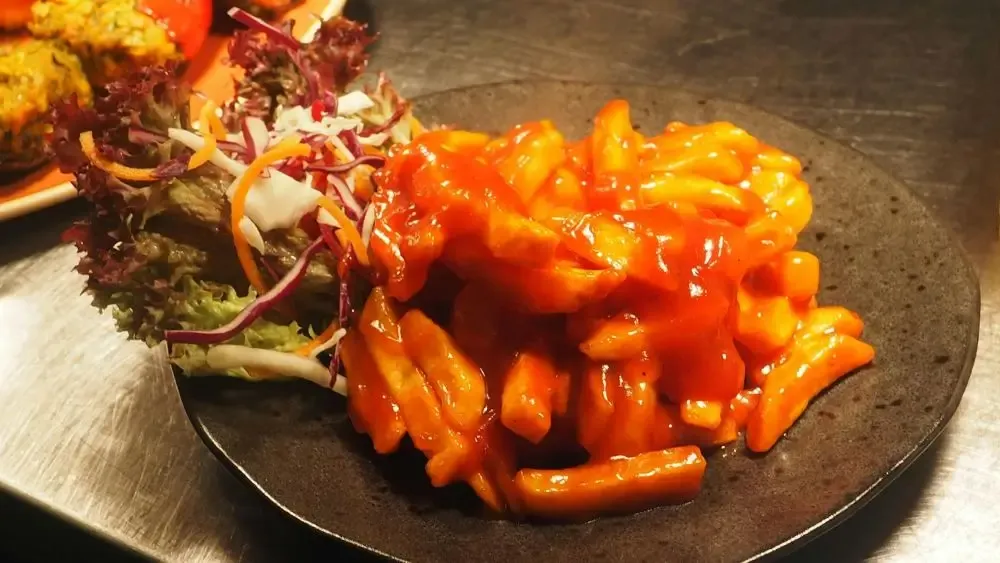
Tteokbokki, Korea’s beloved street food, blends chewy rice cakes with a rich, spicy-sweet sauce for an unforgettable bite © Pexels
Convenience Store Heaven
CU, GS25, 7-Eleven, these aren’t pit stops; they’re full dining experiences. Instant ramen bar? Check. Table, microwave, free chopsticks? Check. Triangle kimbap (₩1,500) and banana milk (₩1,300) can be a meal or a lifestyle.
Local Favourites
Bibimbap – rice bowl perfection with veggies, beef, and gochujang heat (₩6,000–8,000)
Kimbap – Korea’s sushi-adjacent cousin, ₩3,000 a roll, ideal for picnics
Samgyeopsal – DIY pork BBQ, ₩12,000–15,000 per person, comes with enough side dishes to feed a small army
Soju – ₩1,800 a bottle and pairs with bad decisions
Eat anywhere that’s busy with locals and has steam on the windows — it’s the universal sign of good food.
After Dark, Under Budget: Seoul’s Nightlife for Less
Han River Hangouts
At sunset, the Han River turns into Seoul’s living room. Locals rent bikes, order fried chicken straight to the park, and drink convenience-store beer while watching bridges light up. Everything about it is free, except the willpower to leave.
Noryangjin Fish Market
Open 24/7, this seafood megamarket is part theatre, part biology lesson. Walk around for free, or spend ₩10,000 on a fresh scallop that’ll be grilled for you on the spot. The shouting auctioneers alone are worth the visit.
Free K-Culture
Check COEX Mall’s Starfield Library — a multi-storey temple of books and selfies or Dongdaemun Design Plaza, where futuristic curves host free exhibitions and fashion shows. Both are perfect for pretending you’re cultured while digesting street food.
The Seoul Side Quests You Didn’t Know You Needed
Ihwa Mural Village
Colourful art climbs the hillside here: walls, stairs, doors, all covered in murals painted by local artists. Free to wander, perfect for Instagram, and a great excuse to stop for iced Americano every ten minutes.
Seoul Forest
Think Central Park with deer. Yes, actual deer. Free entry, wide cycling paths, and cherry blossoms in spring that make you forget to blink.
Oil Tank Culture Park
A former oil depot turned eco-culture space, now filled with galleries, cafés, and occasional concerts. Industrial chic meets sustainability — free, photogenic, and rarely crowded.
When To Go
Spring (Apr–Jun): Cherry blossoms, perfect weather, 10/10 Instagram potential. Summer (Jul–Aug): Hot, humid, monsoon — good time for museums and cold noodles. Autumn (Sep–Nov): Red maples, clear skies, pure perfection. Winter (Dec–Feb): Crisp air, street food steam, and fewer tourists — just pack five layers.
How Expensive Is Seoul?
| Category | Typical Cost |
|---|---|
| Food | ₩3,000 street snack, ₩8,000 bibimbap, ₩12,000 BBQ set |
| Drinks | ₩1,800 soju, ₩5,000 beer, ₩6,000 café latte |
| Transport | ₩1,250 subway, ₩4,150 airport train |
| Accommodation | Hostel ₩25,000–40,000 / Budget hotel ₩70,000–110,000 per night |
Good Vibes, Full Belly, ₩ell Spent
Seoul will keep you moving. Between palaces and pop-ups, alleys and skyscrapers, tradition and tomorrow. It’s a city that hums at 3 a.m., feeds you until you can’t move, and makes you believe in the healing power of street food. You’ll sweat, you’ll get lost, you’ll fall in love with a random café playlist, and you’ll leave promising to come back.
Because Seoul isn’t just a place. It’s an attitude. And luckily for your wallet, attitude’s still free.