






Seoul is for:
- night owls and early risers (yes, both)
- food lovers with stamina
- travellers who thrive in fast cities
- people who like tradition next to technology
- anyone prepared to eat at 2 a.m. without apology
This is not a sleepy capital. This is a high-definition city.
From Airport to City: Welcome to Efficiency
Incheon International Airport feels like a preview of Seoul’s personality: clean, sleek, and suspiciously organised.
The AREX Airport Railroad costs around ₩4,000–9,500 (€3–7) depending on whether you take the all-stop or express train, and gets you into the city in 45–60 minutes. It’s fast, comfortable, and extremely civilised.
Taxis run ₩50,000–70,000 (€35–50), which is convenient but unnecessary unless you’re hauling luggage or emotional baggage.
Public transport in Seoul is elite. Buy a T-money card, tap in, tap out, feel powerful.
Getting Around Without Breaking a Sweat (Much)
Seoul’s metro is one of the best in the world. Clean, bilingual signage, colour-coded lines, predictable timing. Fares usually sit around ₩1,400–2,500 (€1–2).
You will walk a lot, but Seoul walking is strategic walking. Wide pavements. Clear crossings. Occasional steep neighbourhood hills that humble you.
Taxis are affordable by global standards and shockingly efficient late at night. This city does not shut down early.
Budget Bliss: Seoul Is Expensive-ish, But You Can Work It
The trick in Seoul isn’t avoiding spending. It’s spending smart. The city rewards locals’ habits. Follow them and you win.
Gyeongbokgung Palace (Time Travel, But Make It Photogenic)
For around ₩3,000 (€2), Gyeongbokgung delivers cinematic scale at a suspiciously reasonable price. Wide stone courtyards stretch out in front of mountain backdrops, wooden halls glow in layered greens and reds, and everything feels balanced in that distinctly Korean way. It’s symmetrical but soft.
Go early if you can. The light is gentler, the crowds thinner, and the atmosphere feels almost meditative before the tour groups fully wake up. Catch the changing of the guard for full historical theatre. Then wander slowly. Look at roof details. Listen to your footsteps on gravel. It genuinely feels like you’ve slipped into another era just with better air quality and fewer invasions.
Bukchon Hanok Village (Traditional Meets Instagram)
Bukchon is where old Seoul and new Seoul sit awkwardly close to each other. Traditional wooden hanok houses line narrow, winding streets, while modern skyscrapers loom quietly in the background like they’re pretending not to interrupt.
It’s stunning: tiled roofs, curved lines, soft wood tones. But it’s also a living neighbourhood. People actually reside here. So walk gently. Keep noise low. Admire without turning it into a full photoshoot production. The contrast is what makes it magical: centuries-old architecture coexisting with one of the most technologically advanced cities in the world.
Free, atmospheric, slightly surreal.
Hongdae (Youthful Chaos Energy)
Hongdae is Seoul unplugged and fully charged at the same time. It’s student-heavy, creative, restless. Street performers gather at night: K-pop dance covers, indie bands, solo singers with impressive confidence. Cafés stay open late. Shops glow. Skincare stores multiply.
Even on a random Tuesday, it feels alive. Loud, yes, but joyful loud. This is where you wander without a plan, snack constantly, maybe buy something you didn’t need, and let the city’s younger energy pull you along.
It’s not polished. It’s kinetic.
Han River (Where the City Breathes)
When Seoul feels intense, the Han River is the reset button. Wide paths stretch along the water. Cyclists glide past. Couples sit side-by-side watching the skyline shift from daylight to neon.
The move is simple: stop at a convenience store, buy instant ramen, cook it at one of the riverside machines, grab a canned drink, and sit on the grass. It’s affordable, local, and oddly perfect. The skyline glows, bridges light up, and suddenly the mega-city energy feels calm instead of overwhelming.
Cheap. Iconic. Genuinely satisfying.
Seoul may not be ultra-budget, but it gives you value: in atmosphere, in efficiency, in experiences that feel far more expensive than they are.
Comfort Food at Full Volume
Seoul does not approach food casually. Meals aren’t just sustenance. They’re social events, stress relief, celebration, and sometimes a competitive sport. Portions are generous, flavours are bold, and everything arrives with side dishes you didn’t order but are absolutely expected to finish.
This is a city that feeds you properly.
Korean BBQ (Commitment Required)
Expect to pay around ₩15,000–25,000 (€10–18) per person, and understand that this is not a quick bite. This is a sit-down, roll-up-your-sleeves experience.
You’ll be handed raw cuts of pork or beef, a grill built into your table, metal chopsticks, and a growing sense of responsibility. You cook the meat yourself, flip it with focus, wrap it in lettuce leaves with garlic, ssamjang (a spicy-savoury paste), maybe kimchi, maybe pickles, maybe everything at once.
It’s loud. It’s smoky. It’s interactive. Conversations happen between sizzling sounds. You’ll leave smelling like barbecue and accomplishment. And you will not be hungry.
Tteokbokki (Spicy Rice Cake Chaos)
For ₩3,000–5,000 (€2–4), you get bright-red rice cakes coated in a glossy, spicy-sweet sauce that looks mildly threatening and absolutely is.
The texture is chewy in a way that surprises you the first time. The sauce creeps up slowly. It’st sweet at first, then heat building steadily. It’s comfort food, but it has attitude. You’ll see it everywhere: street carts, markets, casual eateries. It’s fast, affordable, and deeply addictive once you accept that spice is part of the contract.
Kimbap (Budget Hero)
At ₩2,000–4,000 (€1.50–3), kimbap is Seoul’s most reliable ally. Slices of seaweed-wrapped rice filled with vegetables, egg, tuna, or meat. It’s neat, portable, and perfect for subway rides or park picnics.
It’s not dramatic. It’s dependable. The kind of food you grab without thinking and appreciate every single time. Cheap, efficient, and quietly excellent.
Convenience Store Culture
Korean convenience stores are not an afterthought. They are institutions. Brightly lit, impeccably stocked, and open late (sometimes 24/7), they offer everything from instant ramen to fried chicken, ice cream, alcohol, and surprisingly decent ready-made meals.
You can buy a cup of ramen and cook it on the spot at a self-serve hot water machine. You can grab a cold beer and sit outside at the little plastic tables while the city hums past you. It’s affordable, casual, and part of everyday life.
In Seoul, even your late-night snack feels intentional.
Seoul Doesn’t Sleep (Neither Will You)
Seoul does not believe in “one last drink.” Seoul believes in phases of the night. Dinner becomes drinks. Drinks become street food. Street food becomes 3 a.m. reflection. And somehow the subway opens again and you’re still out.
The city runs late. Very late. And unlike many capitals, you don’t have to be a VIP or financially reckless to enjoy it.
Itaewon
Itaewon is Seoul’s global neighbourhood. The crowd is international, the music varies wildly, and you can move from rooftop cocktails to basement dance floors within minutes. It’s lively but not intimidating, good for easing yourself into Seoul’s after-dark personality.
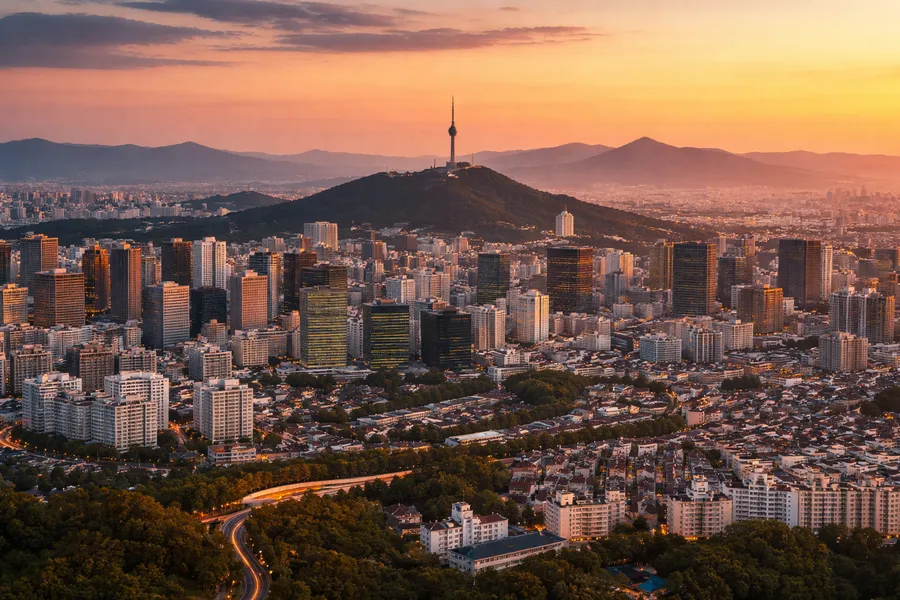
Rooftop bars here are especially fun because Seoul’s skyline at night feels futuristic. Neon signs glow, apartment towers flicker, and suddenly you’re in a city that looks like it belongs in a sci-fi film. Drinks aren’t dirt cheap, but they’re reasonable by global standards. You can have a full evening without financial regret, which already feels like a win.
Hongdae Clubs
Hongdae is where Seoul’s student energy explodes. It’s louder, younger, and more chaotic in a joyful way. Think packed dance floors, K-pop remixes, hip-hop, flashing lights, and people who absolutely came to move.
Entry usually sits around ₩10,000–20,000 (€7–15), often including a drink. Inside, it’s high energy but surprisingly friendly. People dance hard. People stay late. The night doesn’t peak at midnight. It peaks whenever you decide to leave.
If you want full Seoul nightlife intensity, this is where you find it.
Pocha (Street Tents)
And then there are pocha: the iconic orange street tents that appear after dark like edible lanterns. Plastic tables. Metal stools. Steam rising into cool night air. Bottles of soju clinking.
This is the most unpolished and arguably most fun way to spend an evening. You order fried chicken, tteokbokki, seafood pancakes, whatever looks good. You pour soju for each other. You talk loudly. You laugh more than you planned to.
It’s casual, slightly chaotic, and deeply local. No dress code. No pretence. Just food, drinks, and the comforting knowledge that in Seoul, the night is nowhere near finished.
Seoul doesn’t close early. It stretches time. And if you let it, you’ll stretch right along with it.
Off-the-Map Seoul (Soft Neon Energy)
When Seoul starts to feel high-speed and hyper-polished, these are the places where it softens. The lights are still there. The skyline still hums. But the pace shifts just enough for you to breathe.
Ikseon-dong
Ikseon-dong feels like someone hid a secret neighbourhood inside the city and then forgot to tell everyone — except now everyone kind of knows, but it still somehow works.
Tucked behind narrow alleyways near Jongno, this district is filled with restored hanok houses that have been transformed into tiny cafés, dessert spots, wine bars, and boutique shops. Traditional wooden beams and curved tiled roofs sit next to neon signs and carefully plated tiramisu. It’s trendy, yes, but still intimate.
You’ll wander down passageways barely wide enough for two people, turn a corner, and suddenly find a courtyard café glowing softly in the evening. It’s the kind of place where you order something you didn’t plan on ordering, sit longer than expected, and briefly imagine you live in a beautifully renovated traditional house with impeccable taste.
Come at dusk. The lights flick on, the alleys glow, and the whole area feels like a low-budget indie film with excellent set design.
Seoul Forest
If Hongdae and Myeongdong are Seoul at full volume, Seoul Forest is the exhale.
Located east of the centre, this sprawling green space feels almost suspiciously calm. Wide walking paths wind through trees, open lawns stretch out for picnics, and locals cycle, stroll, or sit quietly with iced coffee like it’s a competitive sport.
There’s a small deer enclosure, art installations tucked into corners, and enough space to make you forget you’re in one of the most wired cities in the world. It’s not dramatic like some palace courtyard. It’s balanced. Functional. Peaceful.
Come in spring for cherry blossoms. Come in autumn for golden leaves. Or come anytime you need a reset without leaving the city grid.
Naksan Park
Naksan Park requires a little effort, which makes it better.
You’ll climb uphill through residential streets, past murals and small staircases, following sections of the old Seoul City Wall. It’s not a brutal hike, but it’s enough to earn the view.
And the view delivers.
From the top, rooftops ripple outward in waves, neon signs blink on as the sky fades, and the city shifts into night mode. It’s less polished than a skyscraper observation deck, more human. You see how people actually live — apartment blocks stacked close, alleyways winding through neighbourhoods, life happening at ground level.
Go at sunset. Stay until the city lights settle in. It’s slightly cinematic, slightly romantic, and exactly the kind of place that makes you feel like you’ve discovered something — even though Seoul has been there all along.
Travel Hacks: Seoul Edition
Get a T-money card immediately.
Learn a few Korean phrases.
Bring comfortable shoes.
Eat where it’s busy.
Stay out late at least once.
How Expensive Is Seoul?
Street food: €2–5 Restaurant meal: €8–20 Metro ride: €1–2 Hostel: €15–30 Hotel: €70–150
Manageable if you’re strategic.
So… Seoul Happened
Seoul doesn’t try to win you over. It simply keeps moving — and if you keep up, it rewards you.
Somewhere between late-night street food, palace courtyards, neon alleyways, and subway rides that run like clockwork, you realise you’ve adjusted. You cross streets confidently. You order food without hesitation. You stay out later than planned. You walk faster. Think sharper.
You don’t leave Seoul feeling calm. You leave feeling capable.