



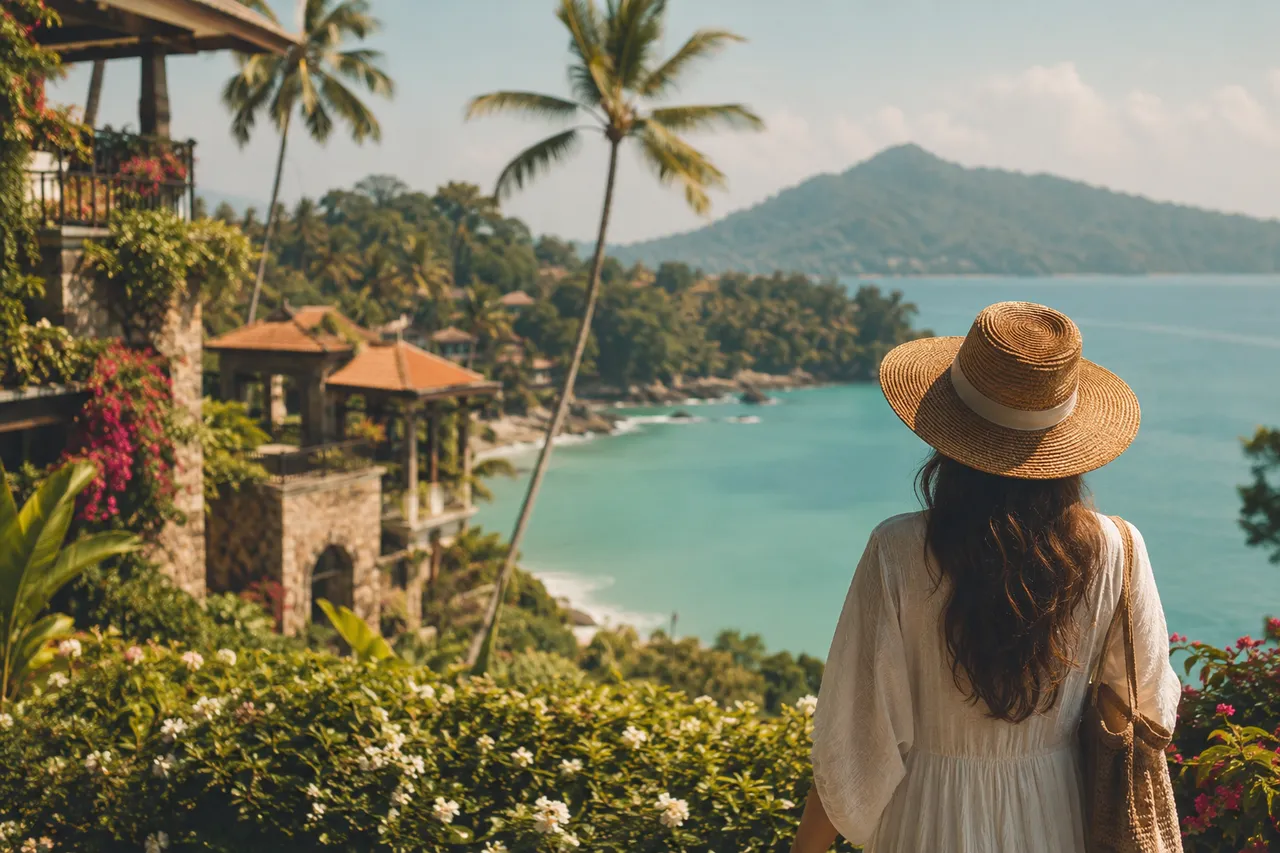
Viewers discover these destinations through streaming, then go straight to booking platforms and short-form social content for logistics and inspiration. Hotels and local operators create have responded to this increased interest with curated experiences that include holiday packages, “as-seen-on-TV” promotions, and influencer partnerships to capture demand.
In this article
The fear of missing out (FOMO) is one reason people are moved to book visits to locations featured on certain TV shows. Immersive visual storytelling sparks online sharing and makes the featured destination feel culturally relevant and a “must-visit.” Also, the high production values showcase hotels, beaches, and restaurants in ways that travel photos rarely match. According to industry reports, nearly 30% of travelers now let on-screen content influence their travel decisions more than traditional media. Check official hotel channels for packages and explore nearby towns to avoid crowds.
Why TV Shows Move the Needle on Bookings
The explosion of global streaming platforms like Netflix, HBO, and Amazon Prime has made set-jetting one of the fastest-growing sectors in tourism. Millions of viewers now use their favorite shows as inspiration to book vacations immediately after binge-watching a series. According to industry reports from companies like Expedia, nearly 30% of travelers now note that on-screen content influences their travel decisions more than traditional media.
Why the “White Lotus Effect” Works
Aspirational Escapism
The show highlights ultra-luxury resorts, gorgeous coastlines, and local culture, letting viewers mentally escape into a fantasy lifestyle.
High-End Product Placement
Associating a real hospitality brand (like the Four Seasons in Maui, Sicily, or Thailand) directly with prestige television acts as a multi-million-dollar marketing tool.
FOMO and Social Proof
Immersive visual storytelling sparks instant sharing online, making the featured destination feel culturally relevant and a “must-visit” right now.
Emotional Storytelling
Characters and plotlines create emotional associations with places; viewers want to “live” the story.
High Production Values
Cinematic images showcase hotels, beaches, and restaurants in aspirational ways that standard travel photos rarely match.
Mass, Repeat Exposure
Bingeing and social-media clips keep locations top of mind, turning curiosity into intent.
Social Amplification
Clips, reels, and travel threads increase reach and provide practical tips that shorten the path to booking.
Concrete Effects on Travel Demand and Bookings
Search and Listing Spikes
Destinations featured on popular shows typically see immediate increases in Google searches, OTA (online travel agency) views, and Airbnb inquiries. Some properties report double-digit increases in direct booking interest after an episode airs.
Short-term Overtourism Risk
Small communities and boutique properties can be overwhelmed by sudden visitor surges, prompting local restrictions or temporary closures.
Longer Booking Windows for Premium Stays
Luxury properties featured on prestige TV often fill months in advance as viewers plan “White Lotus–style” trips.
How Travel Businesses Are Adapting
Productization of On-Screen Moments
Hotels sell “as-seen-on-TV” packages (room + dinner at the show’s restaurant + guided photo spots).
Dynamic Pricing and Inventory Controls
Revenue teams monitor media mentions and adjust rates or minimum stays to manage demand.
Local Stakeholder Coordination
Destinations work with tourism boards to manage visitor flows, add signage, and create official visitor guidance.
Influencer and User-Generated Content Strategies
Brands amplify authentic guest content and influencers to translate screen desire into bookings.
The Realities and Challenges
While set-jetting can significantly boost local economies, it also presents unique challenges.
The Reality Gap
On-screen destinations are highly idealized, color-graded, and edited. Travelers sometimes experience culture shock or disappointment (such as “Paris Syndrome”) when they find real locations are crowded, noisy, or filled with everyday urban elements like trash and traffic.
Overtourism
Small towns or fragile historical sites (like Hallstatt, Austria, or Dubrovnik, Croatia) can become overwhelmed by sudden influxes of tourists, forcing local governments to implement visitor caps and strict regulations.
Tips for Responsible Set-Jetting
If you want to plan a film-inspired trip, travel experts recommend a few best practices.
Book Early for Featured Luxury Stays
Expect limited availability and higher rates; check official hotel channels for packages.
Travel Off-Season
Visit during the shoulder months to avoid massive crowds and get better deals on lodging.
Look Beyond the Set
Many shows film across regions; exploring nearby towns avoids crowds and gives a richer experience.
Use Multiple Sources
Combine episode timestamps, social clips, and official tourism pages to identify exact locations and legitimate tours.
Look for Official Packages
Some hotels created “as-seen-on-TV” offers or curated experiences; these are often sold through the hotel’s direct channels.
Book Production Tours Early
Popular spots—like Platform 9¾ in London or the Hobbiton Movie Set—require booking weeks or months in advance.
Respect the Locals
Remember that many filming locations are residential neighborhoods or protected environments. Keep noise levels down and adhere to local ordinances.
Support the True Community
Blend your film sightseeing with authentic local dining, shopping, and historical tours to ensure your travel dollars support the local economy rather than just corporate movie entities.
What This Means for the Travel Industry Going Forward
Media-Driven Demand Will Be a Permanent Channel
Streaming platforms and social clips are now core discovery tools for travel brands.
Experience Design Matters More Than Ever
Properties that can translate a fleeting on-screen moment into a safe, bookable, and authentic guest experience will capture the most value.
Sustainable Destination Management Becomes Essential
To avoid backlash and preserve authenticity, destinations must plan for episodic surges and long-term growth.
The White Lotus Filming Locations and Booking Spikes
Below are listed the main on-screen locations from The White Lotus (seasons 1 and 2) as well as documented search and booking data for each place.
Key Locations and Observed Booking/Search Spikes
| Location | On-screen role | Reported booking/search impact |
|---|---|---|
| Four Seasons Resort Maui at Wailea, Hawaii | Primary resort for Season 1 (Hawaii). | Immediate spikes in searches and inquiries reported after the show aired; resort saw increased interest in direct bookings and social media mentions. |
| Four Seasons Resort Lanai, Hawaii | Some scenes and local shoots around Maui/Lanai region. | Local tourism boards and OTAs recorded higher pageviews for Maui/Lanai experiences; smaller operators reported more booking questions. |
| San Domenico Palace, Taormina, Sicily | Main hotel setting for Season 2. | Significant uplift in searches and bookings for Taormina hotels and the San Domenico Palace specifically; some properties reported higher occupancy and advance bookings. |
| Noto and Ragusa area, Sicily | Village and day-trip locations featured in Season 2. | Local tour operators reported increased interest in day trips and private tours to Noto, Ragusa, and nearby filming towns. |
| Syracuse and other Sicilian towns (coastal scenes) | Supporting locations and excursions. | Searches for Sicily itineraries and “White Lotus tours” rose on OTAs and social platforms; some small businesses saw one-off surges. |
Other TV Shows That Drove Real Tourism Spikes
Below are notable TV shows that produced measurable increases in searches, visits, or bookings for the places they featured, with a short explanation of the effect and a citation for the claim.
| Show | Where | Typical effect |
|---|---|---|
| Game of Thrones | Dubrovnik, Croatia | Massive tourism lift in Dubrovnik and other filming regions; guided tours, themed experiences, and higher hotel demand followed the series’ global popularity. |
| Sex and the City | New York City (Manhattan) | Long-running boost to NYC shopping, restaurant and walking-tour demand tied to iconic locations; travel operators created dedicated SATC tours. |
| Outlande r | Scottish Highlands (Culross, Doune, Inverness area) | Sustained interest in Scottish heritage travel and “Outlander” tours; visitor numbers to featured castles and towns rose, prompting tour-operator growth. |
| Breaking Bad | Albuquerque, New Mexico | Noticeable uptick in visitors seeking filming locations and themed tours; local businesses and tour operators capitalized on the show’s cult following. |
| Bridgerton | Bath and various UK stately homes | Increased searches and bookings for Bath and filming sites after the show’s release; heritage sites reported higher visitation and interest in Regency-era experiences. |
| Downton Abbey | Highclere Castle (Hampshire, UK) | Spike in visitors to Highclere Castle and related tours; the estate expanded visitor services to accommodate demand. |
| The Lord of the Rings | Matamata, New Zealand | Built a permanent tourism economy around the Hobbiton Movie Set . |
| Emily in Paris | Paris neighborhoods, cafés | Short-term boosts in searches for Parisian cafés, fashion shopping, and “Emily”-style experiences; some local businesses saw increased social-media traffic. |
| Twin Peaks | North Bend and Snoqualmie, Washington | Cult tourism to filming towns; local tourism boards and businesses promoted Twin Peaks–themed trails and events. |
A Proposed Itinerary Inspired by Season 1 of The White Lotus
Below is a practical seven-day itinerary for Maui/Lanai based on season 1 of The White Lotus, with booking tips, timing, and alternatives to avoid crowds. Also included are daily plans, recommended experiences, and tips for sustainability.
Overview
- Base: Four Seasons Resort Maui at Wailea (primary on-screen resort).
- Add-on: Day trip or overnight to Lanai for island scenes and secluded beaches.
- Pace: Relaxed luxury + one active day (snorkel or Haleakalā sunrise).
Day 1 — Arrival and Settle
- Arrive Kahului (OGG); transfer to Wailea (35–45 min).
- Check in, unwind by the pool, dinner at resort restaurant.
Day 2 — Resort Day and Photos
- Morning: resort beach and spa.
- Afternoon: walk Wailea boardwalk; golden-hour photos at the resort’s beachfront (iconic on-screen vistas).
- Evening: sunset cocktail at a beachfront bar.
Day 3 — Maui Coastal Drive and Local Culture
- Drive the south coast and visit Makena Beach (Big Beach) for dramatic shoreline shots.
- Stop at a local farmers’ market for Hawaiian food and crafts.
Day 4 — Haleakalā Sunrise or Snorkeling
- Option A: Haleakalā sunrise (book a guided tour; dress warm).
- Option B: Molokini snorkel trip (half-day) for marine life.
Day 5 — Lanai Day Trip or Overnight
- Ferry from Lahaina to Lanai (book in advance).
- Visit Hulopoe Bay and explore Lanai City; optional stay at Four Seasons Resort Lanai for a true on-screen feel.
Day 6 — Leisure and Wellness
- Spa morning; poolside reading; optional golf or yoga.
- Evening: dinner at a highly rated local restaurant in Wailea or nearby Kihei.
Day 7 — Departure or Extend
- Last beach walk; check out and transfer to airport.
Booking & Practical tips (Maui)
- Reserve Four Seasons rooms months ahead; check the hotel’s direct site for any “as-seen-on-TV” packages.
- Ferry and Lanai transfers sell out, so book early.
- Car rental recommended for island exploration; reserve in advance.
- Respect private property—many scenic shots are on resort grounds or private beaches.
Set-Jetting FAQs: What Travelers Need to Know Before Booking
What exactly is set-jetting?
Set-jetting is the travel trend of visiting real-world destinations featured in movies, TV shows, and streaming series. The term is a playful spin on “jet-setting.” Instead of traveling for traditional reasons, set-jetters plan entire getaways or specific itineraries around iconic filming locations to step into the world of their favorite characters.
Why is set-jetting trending now?
The popularity of global streaming platforms like Netflix, HBO, and Amazon Prime has made set-jetting an increasingly influential travel trend. Rather than relying only on traditional travel brochures, viewers now use their favorite shows as inspiration to book vacations after watching a series. According to industry reports from companies like Expedia, nearly 30% of travelers say on-screen content influences their travel decisions more than traditional media.
What are some famous examples of set-jetting destinations?
Popular set-jetting destinations include Maui and Taormina, Sicily, from The White Lotus; Dubrovnik from Game of Thrones; Manhattan from Sex and the City; Albuquerque , New Mexico, from Breaking Bad; Highclere Castle in Hampshire, UK, from Downton Abbey; and Matamata, New Zealand, from The Lord of the Rings.
How can I get the most out of my set-jet holiday?
Visit during the shoulder months to avoid massive crowds and potentially find better lodging deals. Book months in advance for stays that recreate the show’s experience and look for “as-seen-on-TV” package offers. Production tours should also be booked early because popular attractions like Platform 9¾ in London and the Hobbiton Movie Set can require reservations weeks or months ahead. Explore nearby towns to avoid crowds and have a richer experience. Keep noise levels down, follow local ordinances, and support local restaurants, shops, and historical tours so your travel spending benefits the local economy.