
And, this person might have added, it’s really cheap, especially when you consider how much you’re getting. And you’re getting a lot, all year round, because Slovenia offers a plethora of water sports when the weather is right – and the weather is right from mid-May to the end of September at the beaches of Bele Skale, Moon Bay and Svetilnik, to name just a few – and there is also plenty of great skiing in Slovenia in the winter, if that’s your thing (it’s not mine).
In this article
The skiing at Kranjska Gora, Bled and Bohinj is great (or so my skiing friends tell me) and much less expensive than the Austrian or French Alps. But since I like good weather (which means, for me, sunshine rather than powder snow), this blog will be about fair-weather activities.
It’s also a great cycling country , thanks to two of the best professional cyclists in the world: Tadej Pogačar and Primož Roglič. In fact, the 26-year-old Pogačar has already won the greatest bike race in the world, the Tour de France, three times and is widely considered the sport’s GOAT (Greatest of All Time).
And there is plenty of culture too. The country borders on Italy, Austria, Hungary and Croatia, so it is a kind of crossroads of European history and cultures, which is definitely reflected in its own culture – and in its ‘look’.
One of the great advantages of Slovenia for Europeans is that the euro is the currency, so no time wasted on finding the best place for the most advantages exchanges, and it’s not far away so it’s cheap to get to. Unfortunately, it’s not as straightforward as it might be.
How to Get There
If you live in, say, Germany, Italy or the Czech Republic , and you’re on a budget, you might want to drive, take a ride share or take the bus. Flixbus is incredibly cheap, €28 from Munich, and takes about 6 hours. Driving from Munich takes about 4h30min.
If you’re coming from Paris or Madrid, say, you might consider flying into Venice and taking a Flixbus from there; it will be considerably cheaper. Londoners can take the plane; it’s your quickest and cheapest option.
But no matter where you’re coming from, please do the research and consider all possibilities. In any case, if you insist on flying into the capital Ljubljana , it will not take more than 5 hours and never involve more than one stopover; and it will rarely cost much more than about €200, give or take €20.
When to Go
It depends on what you want to do. In autumn, you can hike through the gorgeous, and gorgeously colored, landscapes, taste the new wines (Slovenia is a great wine country) and eat newly harvested produce at local restaurants or at the unique osmica farms, which are usually open twice a year, in autumn and spring, for 10 days, which offers you the opportunity to try local specialties and wines at decent prices.
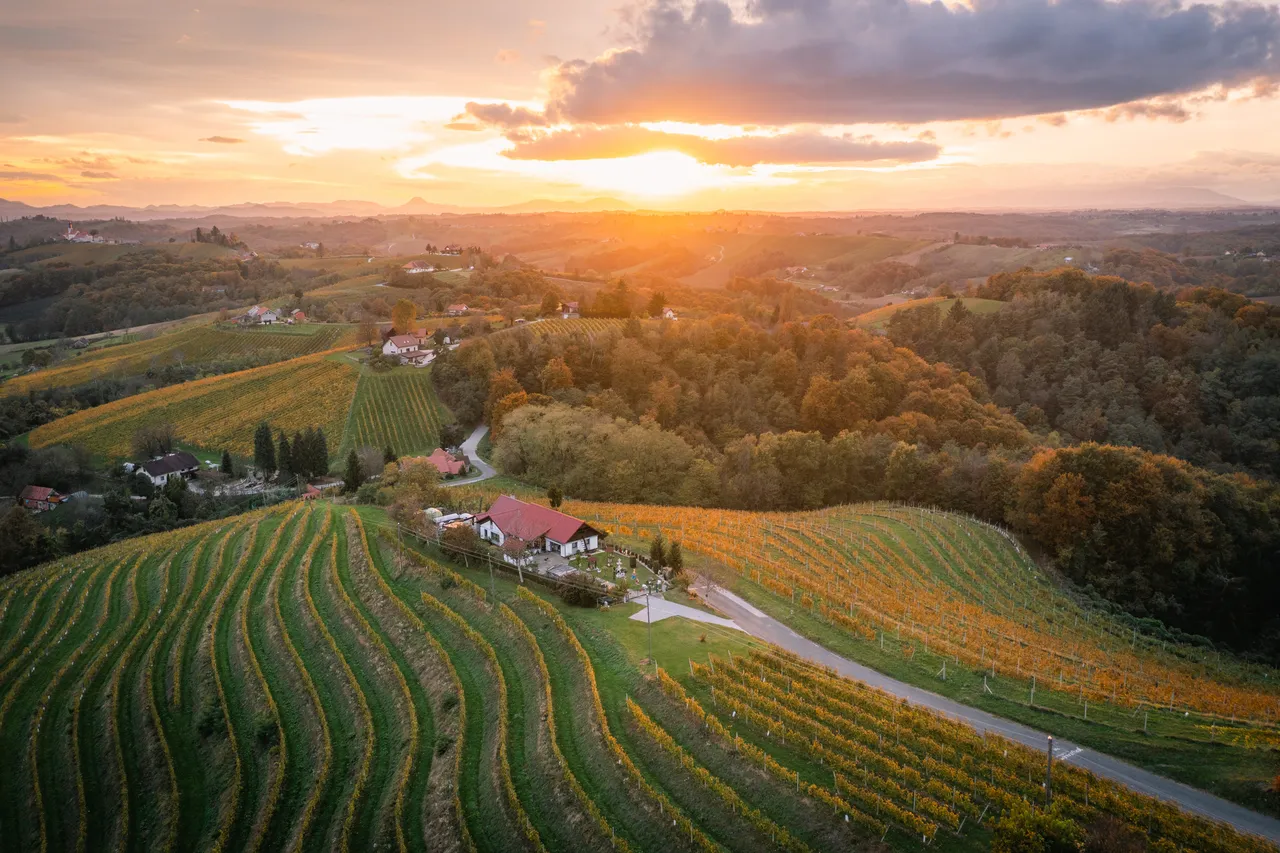
Autumn in Slovenia offers stunning hikes, fresh wines, and seasonal delicacies at local restaurants and traditional osmica farms © Getty Images
I consider eating local foods to be one of the most important reasons to travel. Yes, see the sights (though I don’t like sight-seeing very much; I like doing, walking, swimming, eating and talking), do the museums, hit the bars and dance the nights away, but take the time to investigate and taste the local food, whether you buy it in the street or at a three-star restaurant. It’s a great way to get to know a place.
In the spring, you go for the flowers in the parks and botanical gardens as well as the mountains that turn white with daffodils and green with new grass. So you can basically go year-round, but I mentioned spring and autumn because the most budget-friendly times to visit Slovenia are from January to May and September to December. Flights and hotels/hostels will be cheaper and there’ll be fewer crowds. Your call.
Ljubljana
The capital of Slovenia is one cool city , both medieval and modern, traditional and hip. It’s not too big and not too small, just the right size to explore without a map. It has been compared to Prague because both cities have a castle on a hill and the great Slovenian architect Jože Plečnik designed some important sites in both capitals.
How to Get Around
Walk : The medieval Old Town is a big pedestrian zone. And if the weather is pleasant, it’s a great city to explore on foot because it’s a lovely and very green.
By bike: Because you’re still outside in the sun, see more in less time and the first hour of the local bike-rental system is free. It’s also a bike-friendly city, with about 300 kilometers of tip-top cycling paths.
By electricity: The kavalir EVs seat five and offer free rides around town. They run from 8 a.m. to 8 p.m. Just wave at one and get in.
By train : An ‘eco’ electric train stops at 10 tourist sights. All-day tickets cost €10.
By bus : Take the bus when you need to travel longer distances.
What to See
The Old Town, of course. It is built around Prešernov trg Square and includes three of the city’s most iconic sites: the pink facade of the Franciscan Church , the monument to the poet France Prešeren, and Plečnik`s Triple Bridge .
Cross the Triple Bridge and you get to my favorite part of the city, the Central Market, which was also designed by Plečnik. (More about this place in the Where to Eat section, below.) The must-see Dragon Bridge (Zmajski most) is near the Central Market. It’s a more elaborate, more modern and more secular version of Prague’s Charles Bridge, i.e., the bridge you have to cross and photograph.
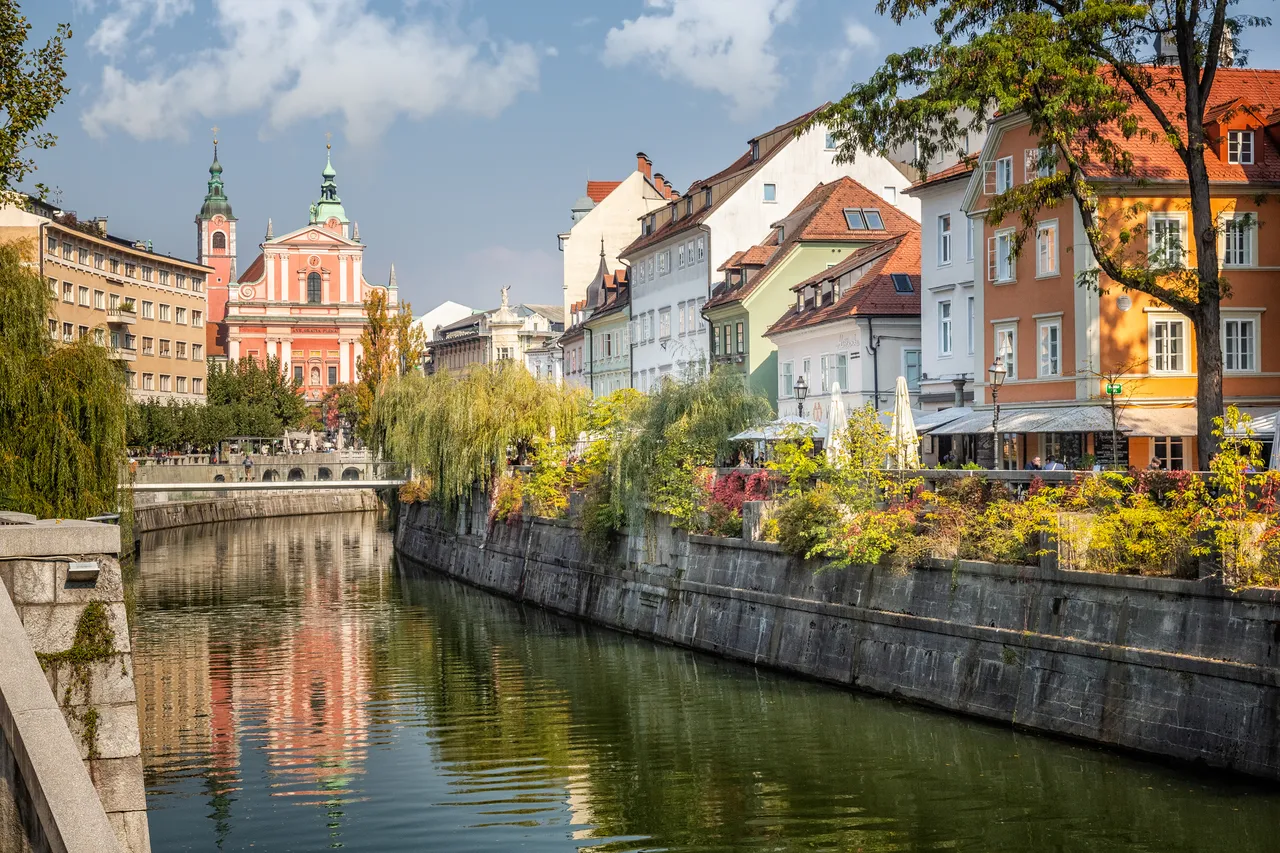
The Old Town is the heart of Ljubljana, home to Prešernov trg Square, the iconic Triple Bridge, and the legendary Dragon Bridge, all rich in history and charm © Getty Images
You can climb up to Ljubljana Castle along well-maintained footpaths or ride the funicular. Check out the great views of the city from its lookout tower and walls.
The city’s coolest street, Trubarjeva Cesta , is splattered with graffiti and other street art. There are lots of hip bars and cafés as well as inexpensive alternative eats, such as Middle Eastern and Korean.
Architecture
Designed in 1921, the Vurnik House is decorated in Slovenia’s national colors. It’s now a bank.
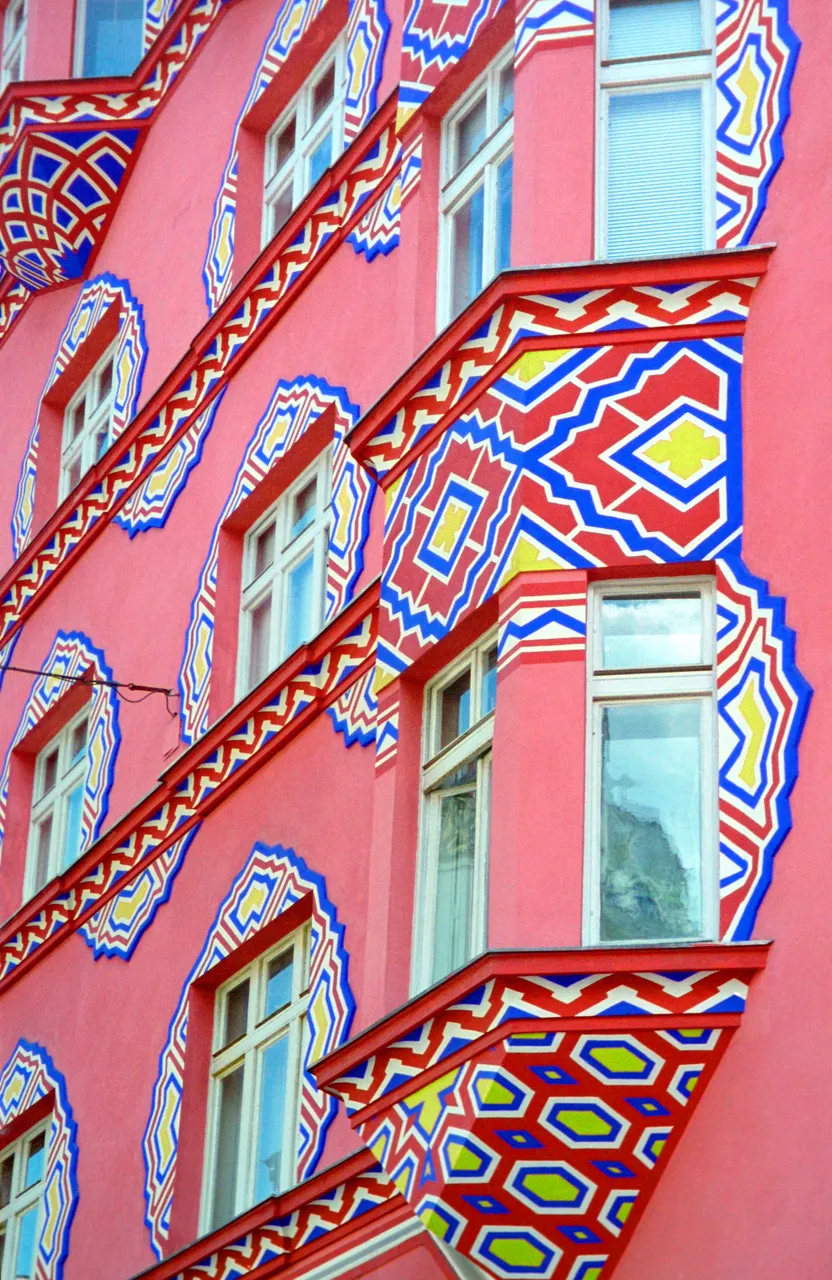
Vurnik House, a vibrant masterpiece from 1921, blends bold Slovenian national colors with stunning architecture in an unexpected setting—a working bank © Getty Images
I love the Art Nouveau Hauptmann House on Prešeren Square because it reminds me of my favorite New York City structure, the Flatiron Building – though it’s colorful (rather than grey) and imaginative (rather than down-to-earth).
If you’re into Art Nouveau buildings, also check out the nearby Municipal Savings Bank (Mestna hranilnica) on Čopova Street, the coral-red Cooperative Bank building and the Grand Hotel Union , especially its stunning interior.
If you feel like spending some time indoors, the Plečnik House is just a 15-minute walk from the Old Town and definitely worth a visit. The exhibition in the former residence of one of the great European architects of the 20th century focuses on his work in Ljubljana (though he was also responsible for major works in Vienna and Prague), so you can go out afterwards and see the works in the flesh, so to speak.
Where to Eat
At the Central Market , which is both great for food shopping (if you have cooking facilities where you’re staying) and to watch locals get together and schmooze. It consists of an open-air market, situated on two squares, a covered market and a bunch of small food shops along the river Ljubljanica, which are located in a colonnade designed by Plečnik.
Every Friday from mid-March until the end of October, weather permitting, there is an amazing food market at the Central Market, on Pogačarjev trg, called the Open Kitchen. Slovenian chefs from all over the country show off their specialties. Don’t miss it!
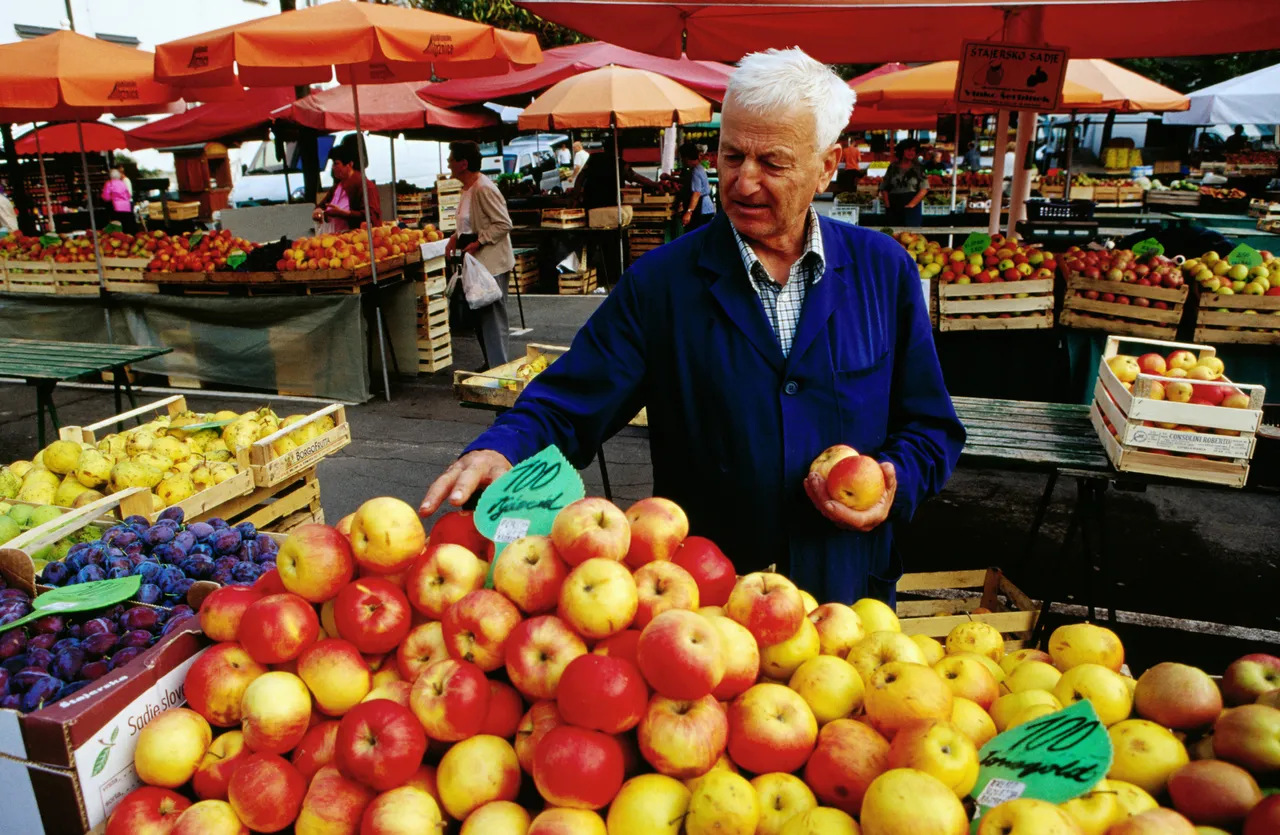
The Central Market is a lively mix of fresh produce, local culture, and Plečnik’s architecture © Getty Images
Ljubljana also has classic street food vendors, where you can grab a cheap bite at any time. There are several places just a short walk from the Central Market.
If you go to the Klobasarna, you can taste the classic Slovenian kranjska klobasa (Carniolan sausage) that former astronaut Sunita Williams, who has Slovenian roots, took with her to space.
You can even get fresh fish as a street food from a food truck at the Central Market called Ribice Vinko Privileggio . The sardines are delicious.
Bled & its Great Lake
Bled is a nice enough town and it lies on the shores of one of the most beautiful lakes in all Europe. Take the bus from Ljubljana; it takes a little more than an hour and is very cheap.
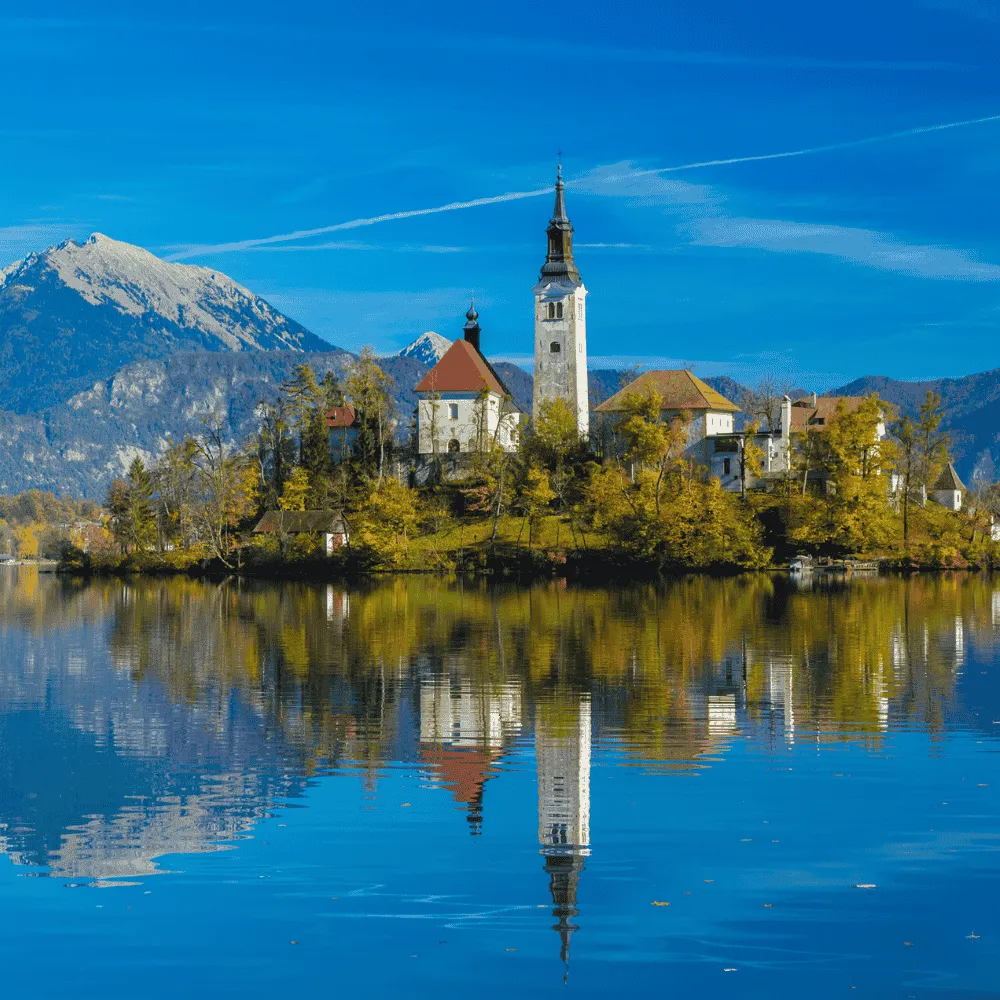
If I were to design the perfect lake, it would look a lot like Lake Bled: deep blue waters that glow in sunshine, with views of picture-postcard snow-capped mountains and (gotta have at least one) a small island accessible by paddleboat. If anything, it’s too perfect to be true . . . but there it really is!
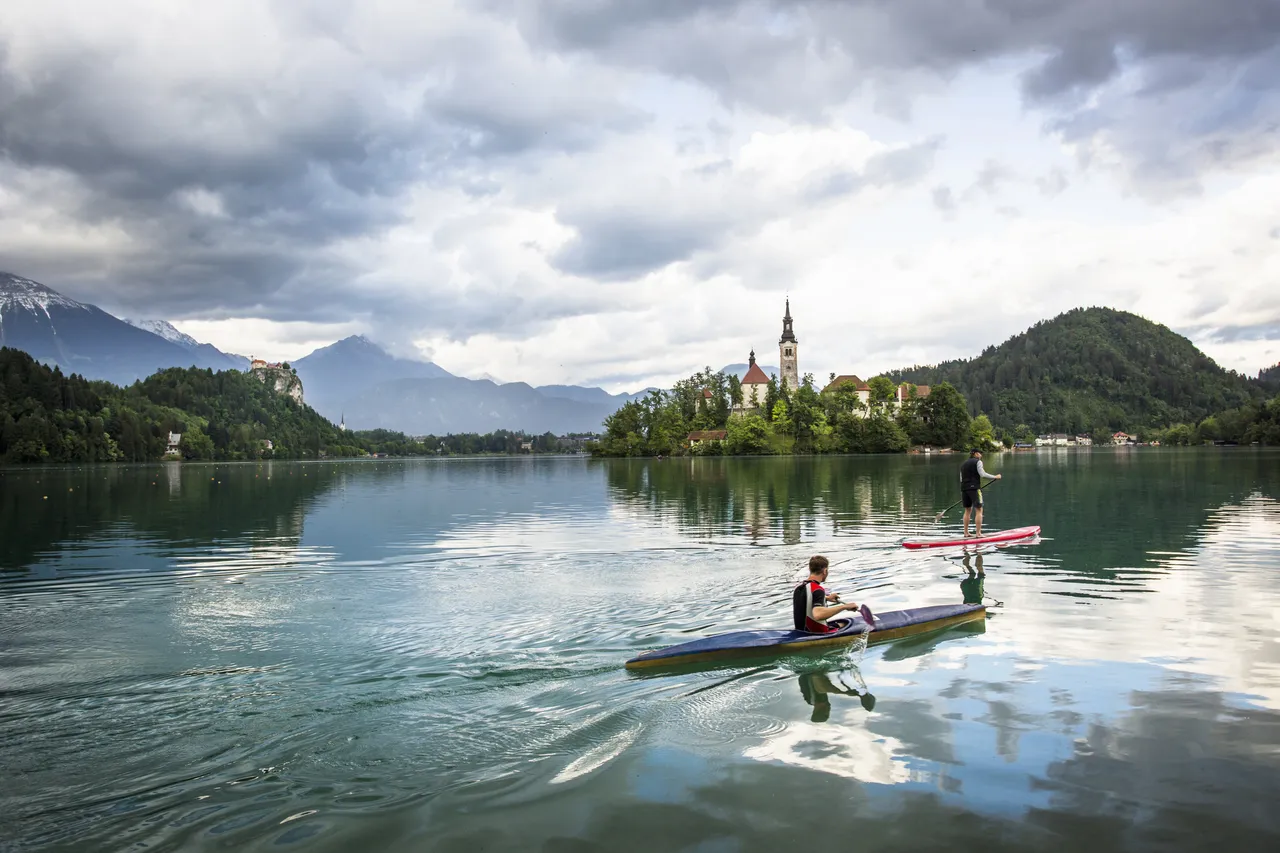
Lake Bled feels almost too perfect to be real, with its deep blue waters, mountain views, and a charming island reachable by paddleboat—just an easy bus ride from Ljubljana © Getty Images
The best time to visit is off-season, April-June or September-October, because it gets much too crowded in the summer, which is the only time you can swim in the lake since its waters are a little colder than other Slovenian swimming venues.
The swimming season begins in June and ends in September. In fact, up to mid-June the water may still be a little cool, but the lake warms up quickly. However, there are thermal springs near the eastern shore of the lake where you can swim all year round.
Or, if you’re staying in Ljubljana for a week or so, take a day trip or two to the lake in summer and brace yourself for the crowds.
Other Things to Do There (Besides Ogling the Lake and Saying ‘Wow!’)
Climb Ojstrica. It takes about takes about 20 minutes and will give you a marvelous bird’s eye view of the lake and the surrounding landscape.
See Bled Castle , which dates back to the year 1004. Yes, one thousand four. So, of course it’s Slovenia’s oldest castle. Among the tourist-friendly offerings, there is a museum in the upper courtyard, where you can learn about the lake’s distant past and the history of the castle.
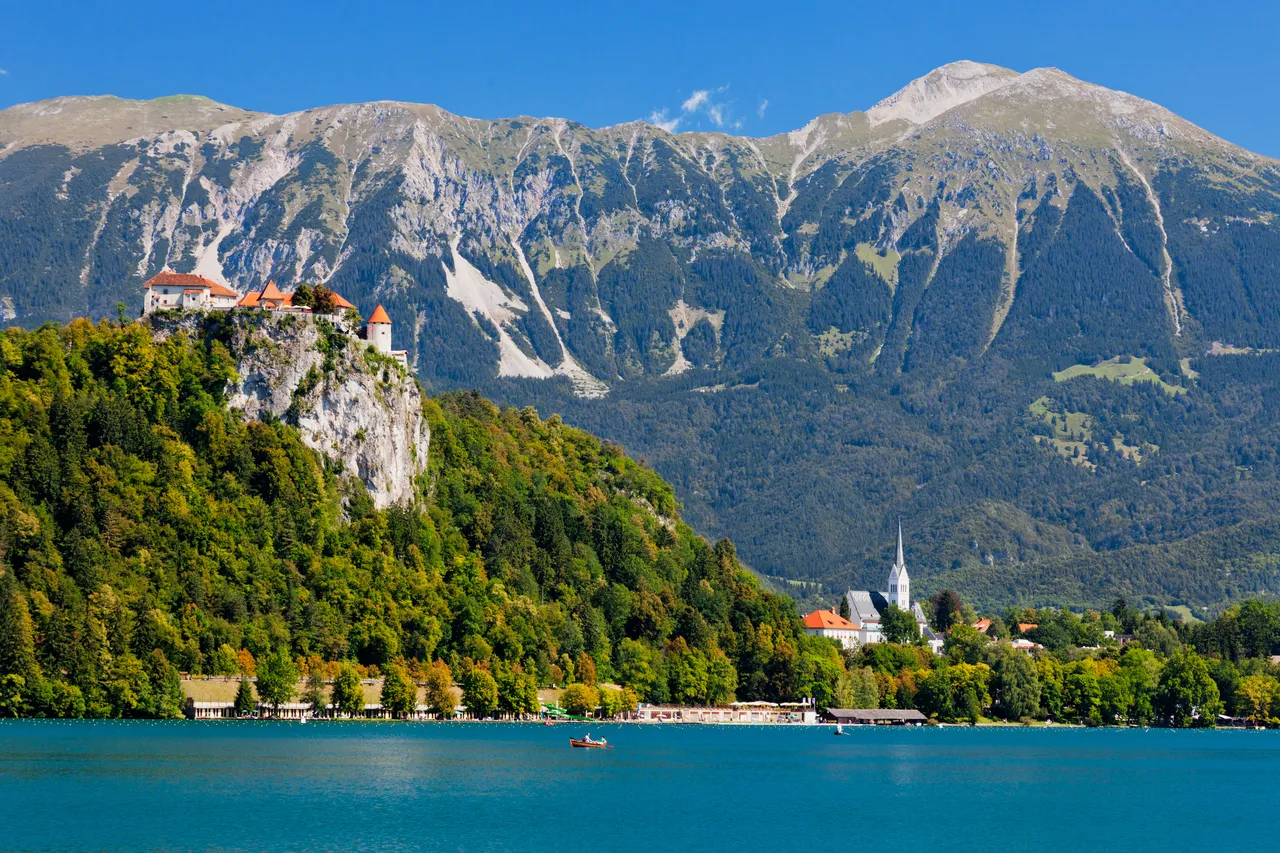
Climb Ojstrica for a breathtaking view of Lake Bled, then visit Bled Castle, Slovenia’s oldest fortress, where history and stunning panoramas await © Getty Images
Take a walk or a bike ride to Vintgar Gorge, which is about 4 kilometers from Bled. The gorgeous gorge is about 1.5 kilometers long and its river, the Radovna, has waterfalls and rapids.
The gorge ends at a lively waterfall and presents the nearest access point from Bled to the Triglav National Park, which you may as well check out since you’re already there.
There’s also an awesome cave near Bled, the Jama pod Babjim Zobom Cave. It’s located under a high rock wall and has two tunnels and a lot of stalactites and crystals. Your call.
The small town of Bled (pop. 5,000) is basically a large hotel and restaurant for tourists. It’s a little more expensive than the rest of the country, but if you look you’ll be able to find places that won’t bust your budget, such as the Market by the Lake.
Maribor
Slovenia’s second city, Maribor, is a must-visit for lovers of fine wine and food as well as those who enjoy outdoor activities. Located in the northeast of the country, near the Austrian border, it is also the country’s largest skiing center, as it is located just a hop and a skip from the beautiful Pohorje Hills.
Maribor is a pleasant city with cool cafés and good restaurants, but its greatest attractions are its beautiful surroundings, its regional wines and a grapevine, the world’s oldest grapevine still bearing grapes, in fact.
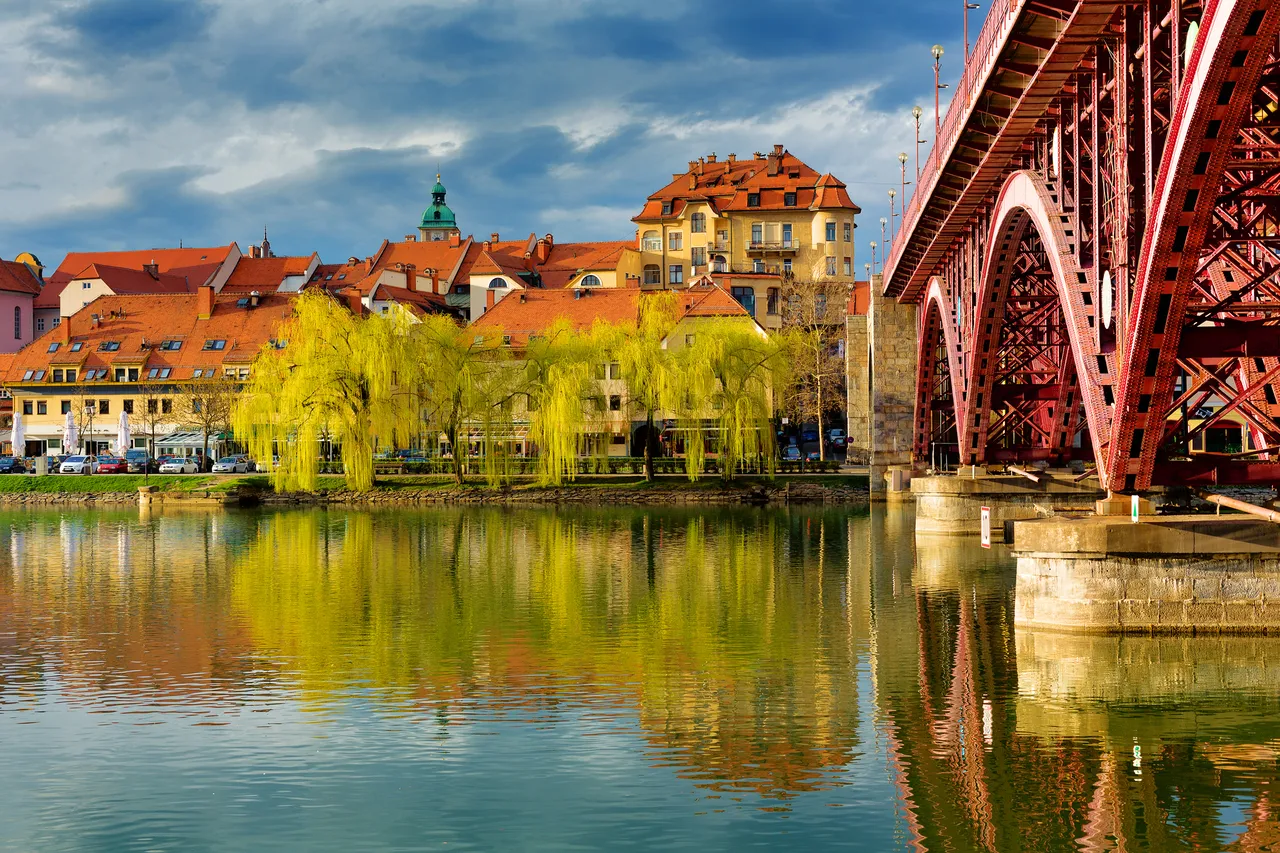
Maribor blends charming city life with fine wine, great food, and outdoor adventures © Getty Images
You can see it for yourself at the Old Vine House (Stara Trta). It was planted over 400 years ago and survived an Ottoman invasion. If you’re a wine lover, stop by and learn about local winemaking and taste some excellent wines – but none made from the Guinness Book of Records celebrity. Such wine exists, but you and I can’t afford it.
Cycling
As I’ve already said, Slovenia is a great cycling country and Maribor is a great place to cycle from. There’s a route dedicated to the Oldest Grapevine that takes you through nearby towns and villages to the Dveri-Pax wine cellar, where you can taste some excellent local wines. The region produces sme of the best wines in the country and has a wine making tradition that goes back at least 800 years.
There are more than a dozen cycling routes that take you through the beautiful countryside. For example, you can bike the Drava Cycling Trail to the beautiful town of Ptuj, the oldest Slovenian city. It’s only 27 kilometers from Maribor and is even worth an overnight stay, if you have the time.
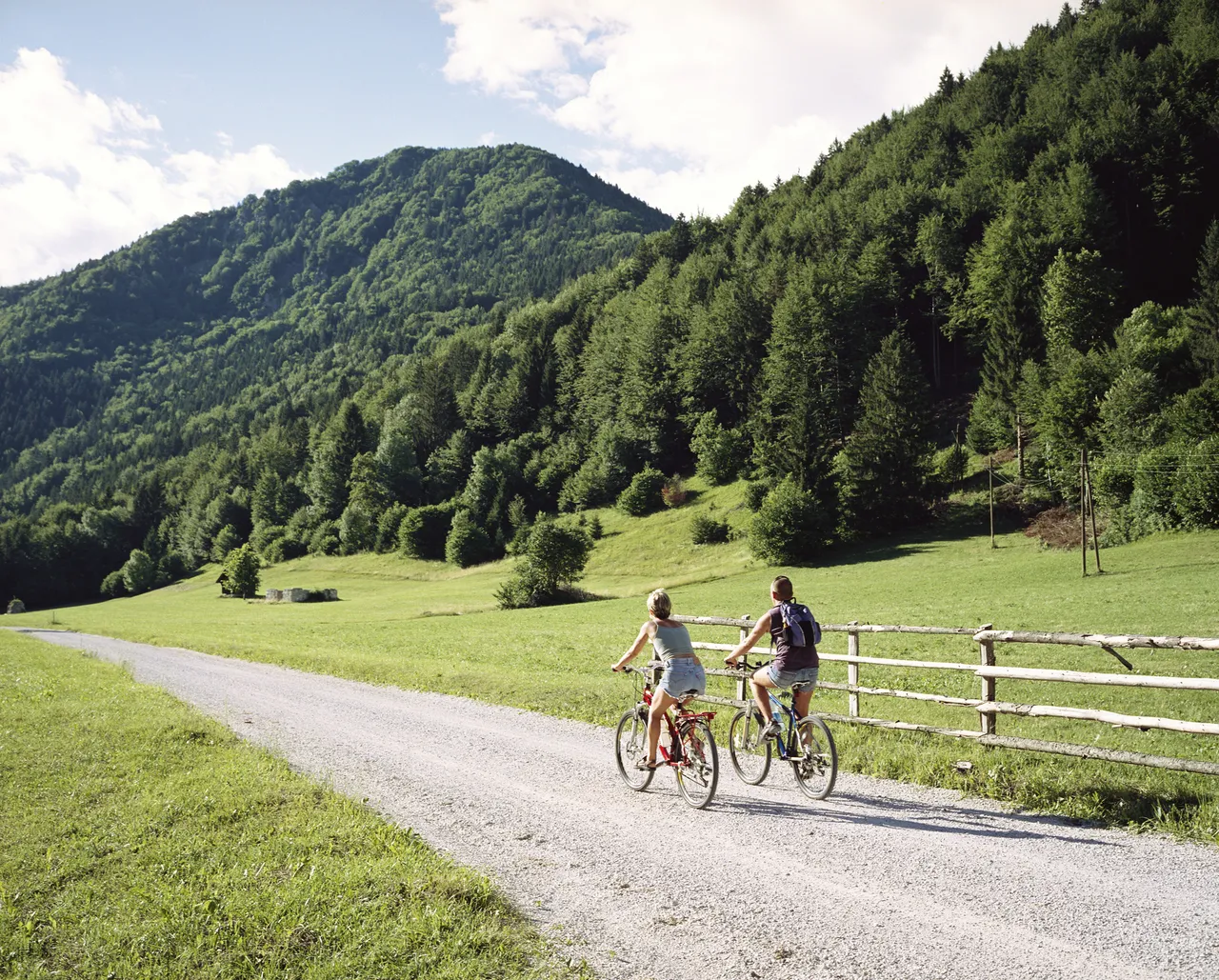
Maribor is a perfect base for cycling adventures, from the Oldest Grapevine route to the Drava Cycling Trail, leading to Ptuj, Slovenia’s oldest city, and top-tier local wineries © Getty Images
Like Maribor, it is (surprisingly) off the tourist mainstream, lovely to walk through, with charming streets and restaurants serving excellent food and wines.
There are also the Ptuj Castle , one of the most beautiful castles in Slovenia, which houses exhibitions of musical instruments, weapons, paintings and traditional carnival masks; a 13th-century Gothic and Baroque Dominican monastery; and the 12th-century Church of St. George, one of the most beautiful churches in the country interior.
Hiking
Where there’s great skiing, there is also great hiking – and that applies in spades to the region around Maribor. You can hike to, through and over forests, lakes, mountains, waterfalls and wonderful panoramic views.
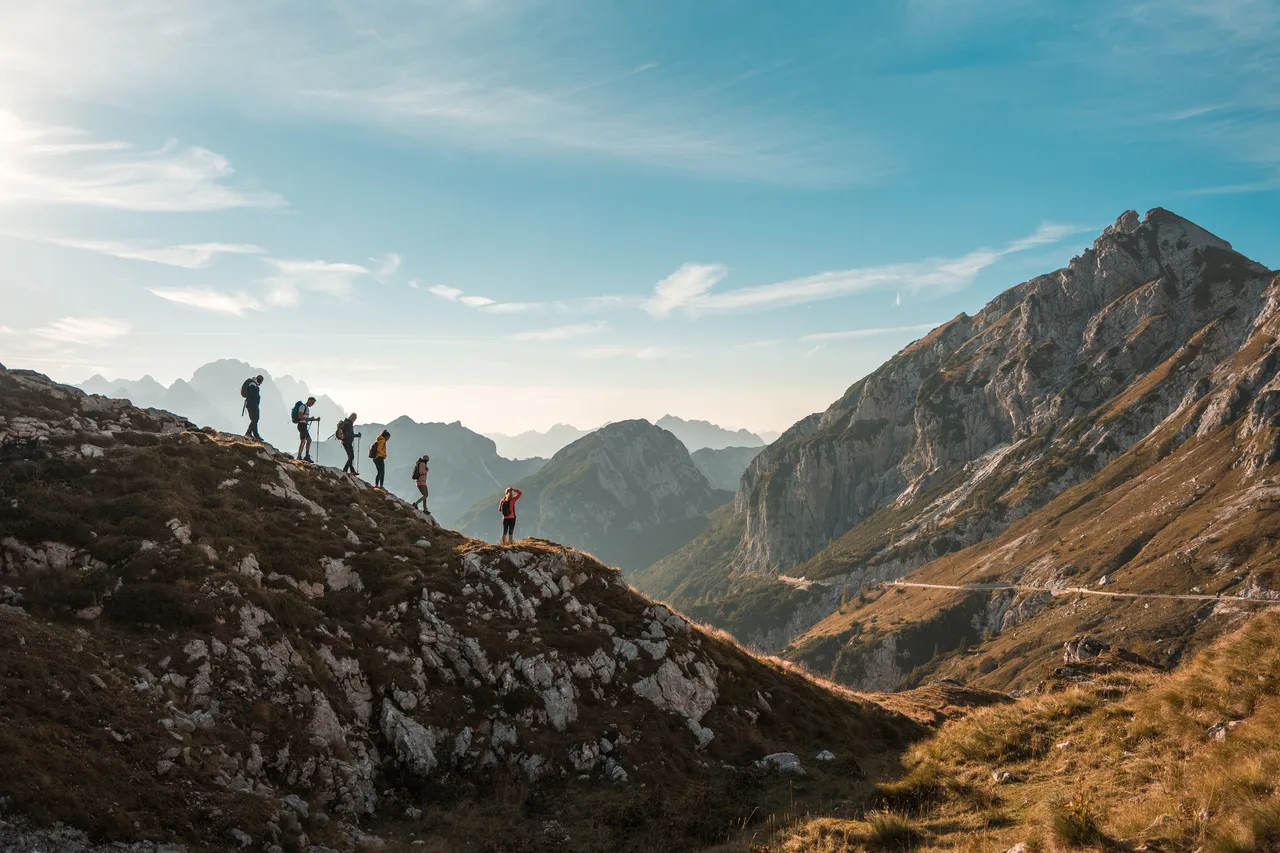
Maribor’s stunning surroundings offer endless hiking opportunities, from dense forests to panoramic peaks, making it a year-round haven for outdoor enthusiasts © Getty Images
For example, the Bistrica stream in the Slovenska Bistrica section of the Pohorje Hills boasts a gorge with rapids and waterfalls. There is also a Roman marble quarry where the gorge begins.
Or ask for directions to the unspoilt Šumik forest, a so-called primeval forest located above the Lobnica stream. There are also two wonderful waterfalls, the Veliki Šumik (big Šumik ) and the nearby Mali Šumik (small Šumik). NB: Always inform yourself of the difficulty of the trails. For example, the path between the two Šumik falls is regarded as very difficult.
Last words
Slovenia is rapidly becoming a favorite destination for many tourists , especially as they get to know the country better. Ljubljana and Lake Bled are the great attractions, but the country contains so many quiet pleasures – by which I mean they don’t shout to get your attention, but seduce you with a wink and a smile – that it is gradually becoming the holiday of choice for many Europeans, especially those that love outdoor activities and, yes, wine.
Go and explore it. The people are both serious and warm, a rare combination that comes from the country’s proximity to both Austria and Italy, and it’s landscapes somehow make you feel at home, even if you’re there for the first time.