



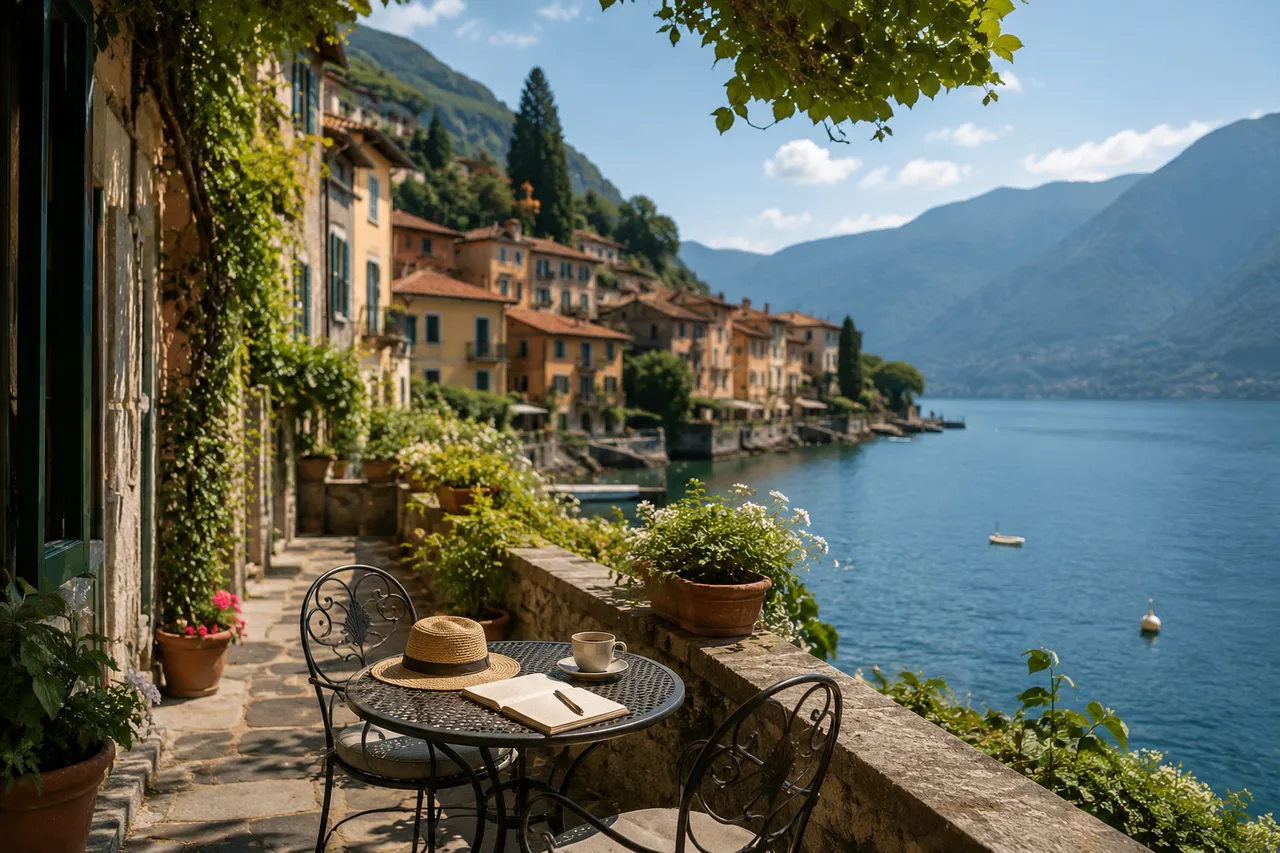
Instead of spending your vacation packing suitcases, checking out by 11:00 a.m., and rushing to train stations, you unpack exactly once. You become a regular at the local café, the market vendors start recognizing you, and you experience the actual rhythm of Italian life.
In this article
To make a single base work for 30 days, your town must be large enough to have a central train station with direct connections to cities and hilltop villages alike. Using a single base eliminates transit fatigue and allows you to experience the local lifestyle like a resident rather than a tourist. Booking a single accommodation for 28+ days unlocks deep monthly discounts, as much as 30% to 50% off, on platforms like Airbnb or Vrbo. Pick the best central hub based on your interests.
Italy: The Slow Travel Paradise
Italy is the ideal country for slow travel because its entire culture is fundamentally rooted in slowing down and appreciating the present moment.
Culturally Geared for Slowing Down
Food Is an Event
Meals are meant to last for hours. Waiters will never rush you or bring the bill until you explicitly ask for it (“Il conto, per favore”).
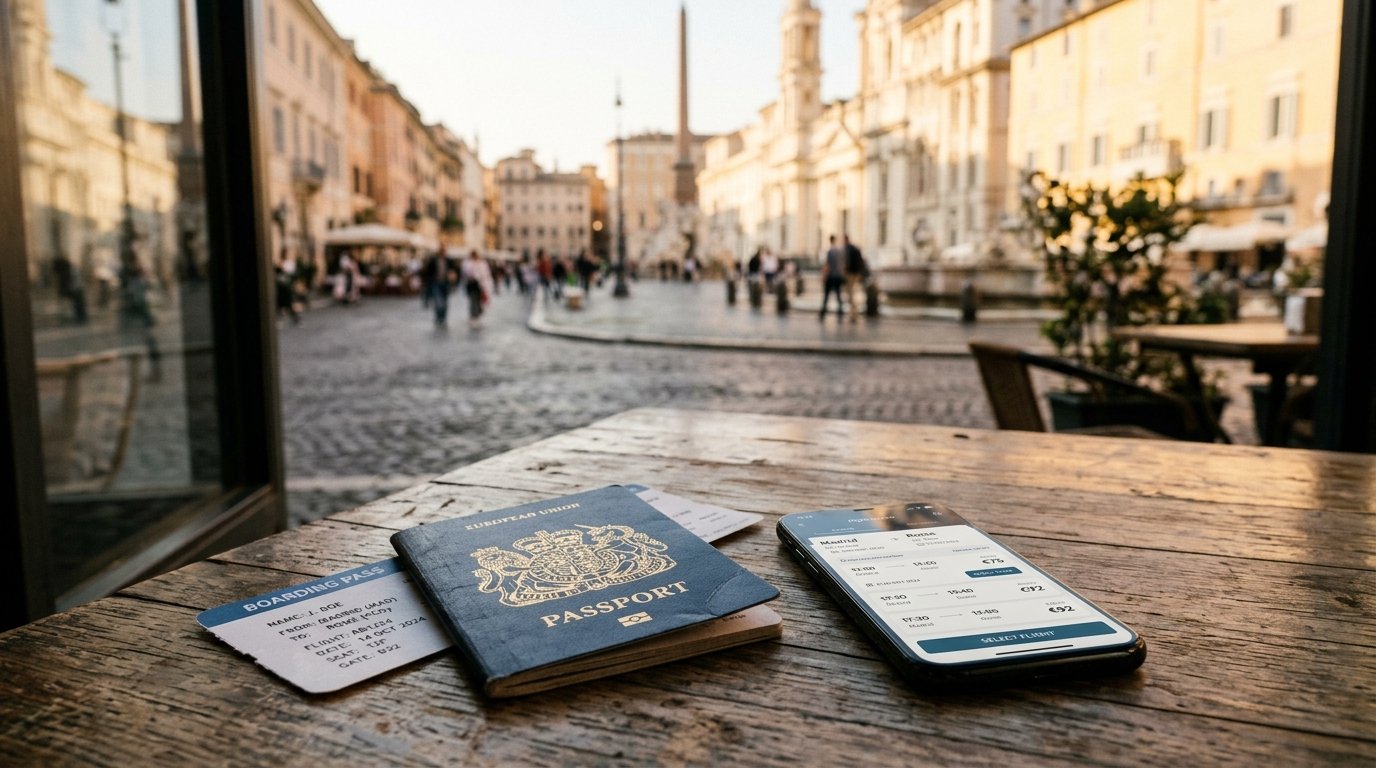
Find flights for this trip

The Riposo Lifestyle
Stores and businesses close between 1:00 and 4:00 p.m.. This forces you to head home, rest, and escape the midday heat.
The Passeggiata Ritual
Every evening, locals dress up and take a slow, aimless stroll through the town square to socialize before dinner.
The “Dolce Far Niente” Mindset
The literal translation is “the sweetness of doing nothing.” It is a celebrated cultural philosophy of enjoying idle time without guilt.
Built-In Infrastructure for Slow Exploration
Micro-regional Diversity
Italy was a collection of independent city-states until 1861. Because of this, moving just 20 kilometers down the road completely changes the dialect, architecture, and local pasta shapes.
Hyper-local Food Systems
The “Slow Food” movement was founded in Italy. Grocery stores and restaurants prioritize ingredients grown within a few miles, meaning you learn the true flavors of a specific square mile.
Dense Regional Train Network
You do not need a car to explore the countryside. Inexpensive regional trains (Regionale) stop at tiny, historic stations that tourist buses completely bypass.
An Abundance of Borghi
Italy is covered in thousands of borghi (fortified medieval villages). These towns are small enough to learn by heart in a single week.
Advantages of Slow Travel in Italy
Transit Sanity
Italy’s high-speed rail networks (Trenitalia and Italo) connect major hubs effortlessly. You can do day trips without packing bags.
Deep Cultural Immersion
You build relationships with the local barista, learn the neighborhood market days, and master the regional cadence of il dolce far niente (the sweetness of doing nothing).
Luggage Liberation
You only unpack once. You avoid dragging heavy bags through cobblestone streets, train stations, and historic stairwells every few days.
Flexible Pace
If it rains or you feel tired, you can take a guilt-free rest day without feeling like you “wasted” your only day in a specific city.
It’s Cheaper
Booking accommodation and cooking your own meals for one month can save you thousands of euros. In addition, you learn where the frugal locals shop for food and clothes, eat and drink.
The 3 Best Bases for a One-Month Stay
Choosing the right hub dictates your entire month. Pick the best place based on your interests. Here are three strategically perfect Italian towns that offer deep local culture and excellent radial transit links.
1. Bologna (The Culinary Hub)
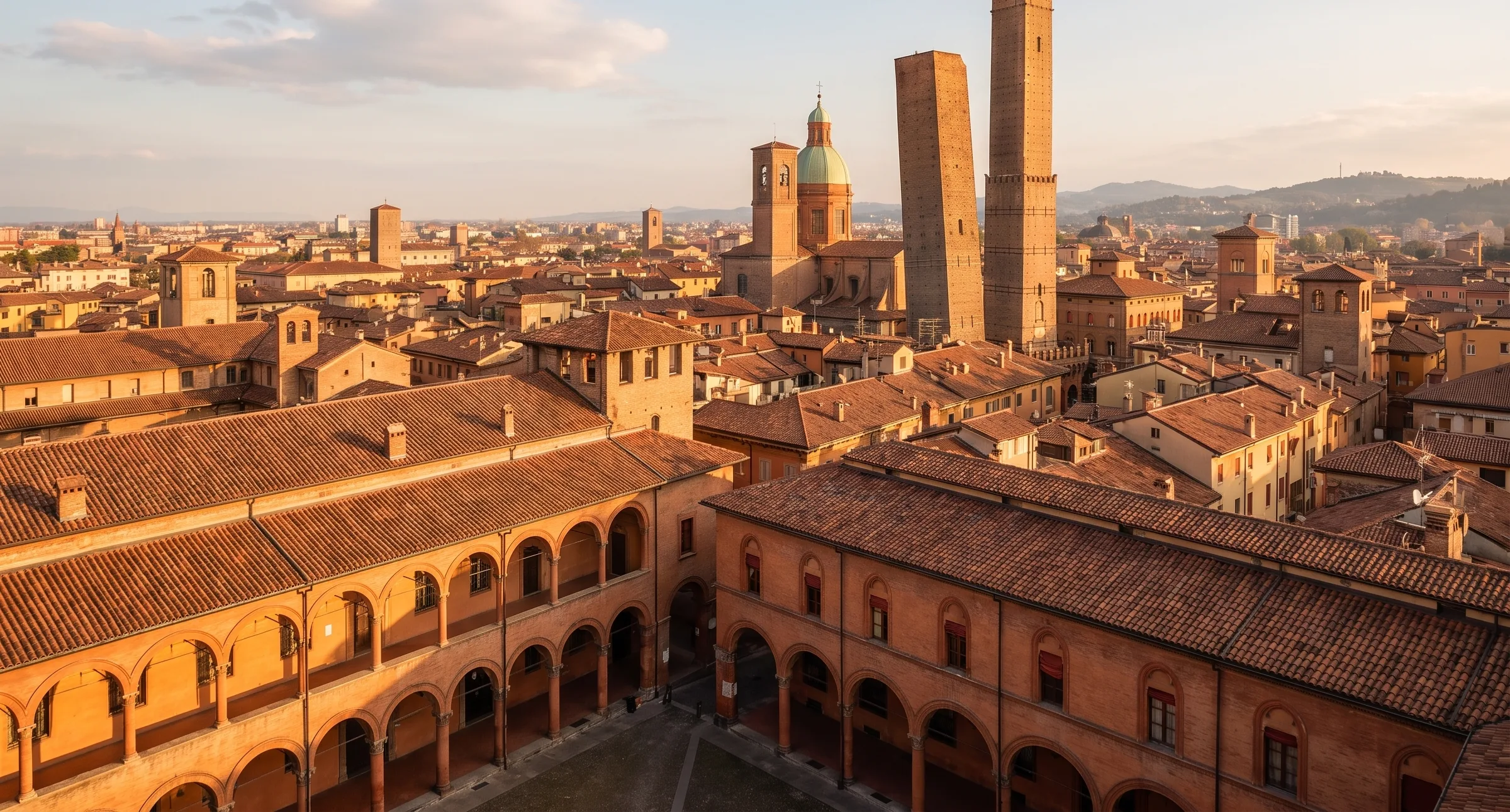
If you want food, culture, and unbeatable rail access, Bologna is the gold standard. Because it is Italy’s central railway transit knot, you can get almost anywhere in the northern half of the country in under two hours.
The Vibe
Vibrant, historic, and hyper-local. It has the world’s oldest university, miles of covered porticoes, and probably the best food scene in Italy.
Easy Day Trips by Train
- Florence (35 mins)
- Venice (1.5 hours)
- Parma (50 mins)
- Modena (20 mins)
- Ravenna (1 hour)
- Ferrara (30 mins).
2. Lucca (The Tuscan Sweet Spot)
Florence is often too crowded and expensive for a month-long base, while remote Tuscan villages require renting a car. Lucca solves both problems. Enclosed by massive Renaissance stone walls, it is entirely flat, mostly pedestrianized, and highly livable.
The Vibe
Peaceful, elegant, and romantic. You can rent a bicycle as your primary mode of transportation and ride along the top of the city walls every evening.
Easy Day Trips by Train
Must-see sites, such as Florence (1 hour 20 mins), Pisa (25 mins), Viareggio/The Coast (25 mins), and the wild mountains of the Garfagnana region (40 mins).
3. Orvieto (The Umbrian Escape)
Orvieto is for those who want the dramatic cliffside drama of central Italy without being stranded. It sits majestically on a volcanic rock plug, but a funicular railway connects the historic hilltop center directly to the train station below, which is on the main Rome -Florence line.
The Vibe
Dramatic, slow-paced, and medieval. It serves as a perfect bridge between the golden hills of Tuscany and the green heart of Umbria.
Easy Day Trips by Train
Rome (1 hour), Florence (2 hours), Assisi (1.5 hours with a quick transfer), and Lake Bolsena (via a short local bus ride).
How to Structure Your Month: The “3-2-2” Rule
The biggest trap of staying in one place for a month is either burning out from traveling every single day or getting bored by spending too much time in the apartment. To maintain a perfect balance, use a weekly rhythm:
3 “Home” Days
Stay in your base town. Go to the morning market, cook lunch at home, take a proper afternoon riposo (nap/rest), read in the park, and do your evening passeggiata (community stroll).
2 “Big” Day Trips
Take the train to a major cultural hub (like heading into Florence or Venice) for heavy sightseeing, museums, and monuments.
2 “Small” Day Trips
Take a regional train or a local bus to a tiny, quiet village or a natural landmark nearby just to wander, hike, and eat a long lunch.
Accommodation Tip
Do not book a standard hotel room for a month. Look for an appartamento (apartment) or a managed residence with a full kitchen and a washing machine. Staying in a residential neighborhood rather than the immediate tourist center will save you thousands of euros and provide a much more authentic community experience.
A Four-Week Itinerary with Bologna as Base
Basing yourself in Bologna for four weeks is one of the smartest slow-travel decisions you can make. Known as La Grassa (the fat), La Dotta (the learned), and La Rossa (the red), Bologna sits squarely at the high-speed rail crossroads of Italy.
This four-week itinerary balances deep immersion in Bologna’s vibrant, student-fueled local culture with easy, stress-free day trips, most of which require less than an hour on a train.
By dedicating 3 days to Bologna, 2 days to short, regional hops (under 45 minutes away), and 2 days to longer, regional/inter-regional excursions (over an hour away or requiring high-speed rail), you get a perfect balance of deep local immersion and grand Italian sightseeing every single week.
Week 1: Food & Art
3 Days in Home Base (Bologna)
Get your bearings. Walk the UNESCO-listed porticoes, explore the ancient food stalls of the Quadrilatero, and climb the clock tower at Piazza Maggiore for a panoramic view of your new home.
2 Days Short Trips (Modena & Parma)
- Modena (20 mins by train): Taste authentic, aged Aceto Balsamico Tradizionale and visit the historic Mercato Albinelli.
- Parma (50 mins by train): A dedicated foodie pilgrimage to see the production of Parmigiano-Reggiano and Prosciutto di Parma.
2 Days Long Trip (Florence)
- Florence (35 mins by high-speed rail): Though fast, it’s a major shift into Tuscany. Spend 48 hours (or two distinct full days) diving deep into Renaissance art at the Uffizi, walking the Boboli Gardens, and exploring the artisan workshops of the quieter Oltrarno neighborhood.
Week 2: Renaissance Splendor & Glittering Mosaics
3 Days in Home Base (Bologna)
Live like a local. Grab a morning espresso at Caffè Terzi, wander the historic University Quarter (the oldest in the Western world), and tackle the 3.8-km covered walk up to the Santuario di San Luca.
2 Days Short Trips (Ferrara & Imola)
- Ferrara (30 mins by train): A deeply atmospheric, bicycle-friendly Renaissance city. Explore the massive, moated Castello Estense right in the center of town.
- Imola (20 mins by train): Visit the historic fortress (Rocca Sforzesca) or walk around the famous Enzo e Dino Ferrari racetrack.
2 Days Long Trip (Ravenna & The Coast)
- Ravenna (1 hour 15 mins by train): Head east to witness the jaw-dropping, 1,500-year-old glittering Byzantine mosaics at the Basilica di San Vitale, then head out to the coastal town of Cesenatico to see the historic canal harbor designed by Leonardo da Vinci.
Week 3: Romantic Architecture & Hidden Valleys
3 Days in Home Base (Bologna)
Dig into the hidden gems. Visit the Archiginnasio to see the stunning 17th-century anatomical theater carved from wood. Hunt down the Finestrella (the secret window on Via Piella looking onto hidden canals), and take a half-day cooking class to learn how to fold tortellini.
2 Days Short Trips (Reggio Emilia & Brisighella)
- Reggio Emilia (25 mins by high-speed or 45 mins regional): Taste incredible local wines and visit the Sala del Tricolore, where the Italian flag was born.
- Brisighella (1 hour 10 mins by train via Faenza): A gorgeous, colorful medieval village nestled in the foothills of the Apennine mountains, completely untouched by mass tourism.
2 Days Long Trip (Verona & Lake Garda)
- Verona (1 hour by high-speed train): Walk across the ancient Roman stone bridge (Ponte Pietra) and drink a glass of bold Valpolicella wine. Use the second day to take a quick local bus or train up to the shores of stunning Lake Garda (Sirmione or Peschiera).
Week 4: Grand Finales & Waterways
3 Days in Home Base (Bologna)
The farewell days. Revisit your favorite haunts, spend an evening catching an archival film restoration at the gorgeous Cinema Modernissimo, and pack a suitcase full of vacuum-sealed cheeses and cured meats from the local markets.
2 Days Short Trips (San Lazzaro & Dozza)
- Grotte del Farneto / San Lazzaro (15 mins by local bus/train): Explore the spectacular prehistoric caves just on the outskirts of the city.
- Dozza (40 mins via train to Imola + short bus): A magical hilltop village known as an open-air art museum, where the walls of the houses are completely covered in vibrant murals.
2 Days Long Trip (Venice)
Venice (1 hour 30 mins by high-speed rail): Dedicate a full two-day block to the floating city. Arrive early to beat the crowds, skip the main tourist tracks, and lose yourself in the quiet, residential neighborhoods of Cannaregio and Dorsoduro.
Pacing Tip
Because Bologna’s central station (Bologna Centrale) separates regional trains from underground high-speed tracks, your 2 “short trip” days will feel incredibly effortless—often just walking onto a local train with a €5 ticket. Save your energy and pre-booked ticket savings for the 2 “long trip” high-speed legs.
Other Top Regional Bases for 1 Month
| Region | Ideal Base Town | Best For | Day Trip Highlights |
|---|---|---|---|
| Tuscany | Siena | Renaissance art, rolling hills, world-class wine | Florence, San Gimignano, Pisa |
| Umbria | Perugia or Assisi | Quiet medieval towns, green landscapes, fewer crowds | Orvieto, Lake Trasimeno, Spello |
| Puglia | Lecce or Polignano a Mare | Stunning coastlines, unique architecture, olive groves | Alberobello, Ostuni, Matera |
| Piedmont | Alba or Turin | Foodies, heavy red wines, alpine views | Barolo wine region, Asti, Lake Maggiore |
Essential Slow Travel Strategies
Master Regional Train Travel
Use the Trenitalia Website to book regional trains. They are affordable, require no advance booking, and connect small towns.
Shop at Local Markets
Buy fresh ingredients at the neighborhood mercato. Cook your own meals to save money and learn about local food culture. You can even take a cooking class given in English.
Adopt the Local Rhythm
Embrace the afternoon riposo (shutting down businesses from 1:00 to 4:00 p.m.). Enjoy a late-afternoon passeggiata (leisurely stroll).
Learn Basic Italian
Master simple phrases like Che bel tempo (What lovely weather) or Dove l’hai comprato? (Where did you buy that?) Local residents deeply appreciate the effort. If you can afford it, find a local student who gives language lessons.
FAQs
Why is Italy such a good place for slow travel?
Italy is one of the world’s best destinations for slow travel because its culture naturally encourages a relaxed pace of life. Long meals, leisurely afternoons, vibrant local markets, and traditions like the Slow Food movement celebrate quality over speed. Instead of rushing between attractions, travelers can enjoy authentic neighborhoods, seasonal cuisine, and meaningful connections with local communities.
What is the best strategy to slow travel in Italy?
The most effective approach is to choose one town as your home base for the entire month. Follow a balanced weekly routine with three days spent enjoying your local neighborhood, two day trips to major cities such as Florence, and two shorter excursions to nearby villages or natural areas. Embrace Italian traditions like the afternoon riposo and evening passeggiata, shop at local markets, cook some meals, learn a few Italian phrases, and use Trenitalia’s regional trains to explore without constantly changing accommodations.
What are the best places to use as a base for a month in Italy?
Choose a town that offers authentic local life while providing excellent rail connections. Popular options include Bologna for food lovers, Lucca for historic architecture, Orvieto for dramatic scenery, Perugia for a quieter medieval atmosphere, Lecce for easy access to the coast, and Alba for wine enthusiasts. The ideal base depends on your travel interests and the experiences you want throughout your stay.
What type of accommodation is best for a month-long stay?
Skip a traditional hotel room and book an apartment or serviced residence with a full kitchen and washing machine. Staying in a residential neighborhood instead of the busiest tourist district usually costs significantly less while providing a more authentic experience. Many Airbnb and Vrbo hosts also offer substantial discounts for monthly stays.
Should I learn Italian before slow traveling in Italy?
Yes. Even a basic knowledge of Italian makes everyday interactions more enjoyable and is appreciated by locals. Learning simple greetings, restaurant phrases, and shopping vocabulary can enrich your experience, while taking lessons during your stay offers an even deeper understanding of Italian culture and daily life.