







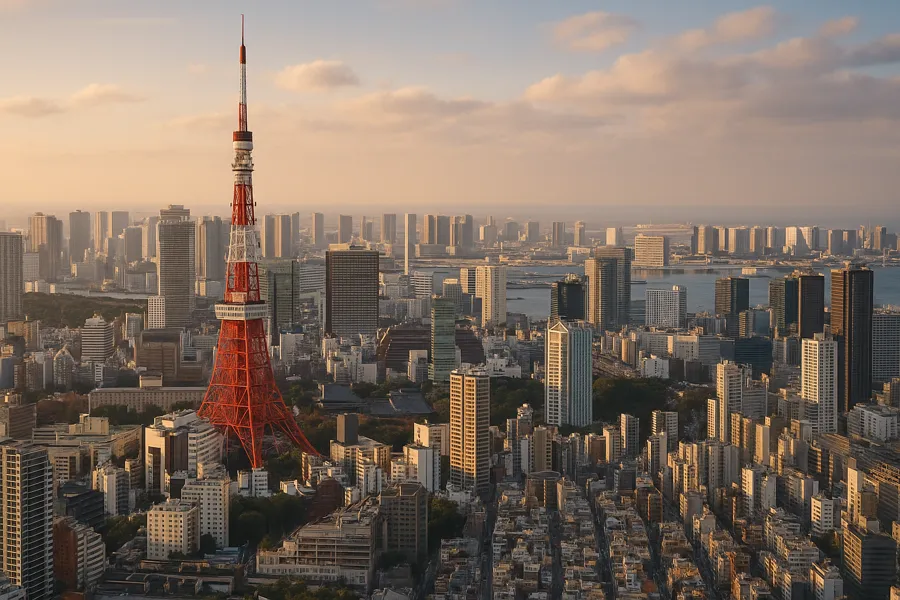
From Airport To Shibuya Without Crying
First rule of Tokyo : avoid taxis from Narita unless you enjoy watching money evaporate. A ride into central Tokyo runs €170+ and the meter climbs faster than a bullet train.
Far better: the Airport Limousine Bus. €20–€25, comfortable seats, ideal for a strategic nap while pretending to admire the skyline.
But the real MVP is the Keisei Skyliner to Ueno or Nippori. Around €20, roughly 40 minutes, and sleek enough that you’ll feel like you’ve landed in a futuristic train commercial.
Flying into Haneda? Even easier. The Keikyu Line or Tokyo Monorail gets you into the city for €3–€4 — cheap, fast, and impeccably civilised. Exactly what you came to Japan for.
Mastering The Metro Without Losing Your Soul
Tokyo’s transport map looks like a plate of spaghetti drew itself after three espressos. It’s overwhelming at first glance — but perfectly navigable once you know a few basics.
Start by getting a prepaid IC card: Suica or Pasmo. They’re essentially identical (the only major difference is which animal mascot is silently judging your spending). There’s a small refundable deposit, and then it’s just tap in, tap out — no calculations, no ticket machines, no panic.
Most metro rides cost €1.10–€3, which adds up quickly, but it’s still the fastest way to get almost anywhere. Trains are spotless, frequent, and run so precisely that delays are treated like a national crisis.
A few survival tips:
Avoid rush hour (around 8:00–9:30 am and 17:00–19:00). Being politely squeezed by two million commuters is a cultural experience… but once is enough.
Lines operated by JR are covered by some passes, while subway lines are run by two different companies — Tokyo Metro and Toei Subway. Transfers are easy, but the fares can vary slightly.
Look for station exits on the maps before you set off. Choosing the wrong one can add ten minutes to your walk and, in Shinjuku’s case, possibly the rest of your life.
And remember: walking is free, and the backstreets are where Tokyo hides its best surprises — tiny shrines, retro arcades, sleepy cats, and the ramen shop you’ll think about for years.
Tokyo Adventures That Don’t Drain Your Yen
Shibuya Crossing
10–20 minutes (and 87 photos) Stand on the world’s busiest scramble crossing and pretend you’re starring in your own J-pop music video. For the classic overhead shot, head to the Starbucks above the crossing — you’ll need to buy a drink to snag a window seat, but even a basic coffee buys you front-row viewing of organised chaos. Pro tip: Go after dark or when it’s raining; neon reflections make everything look cinematic.
Meiji Shrine
40–60 minutes Step through the towering wooden torii gate and suddenly you’re in a tranquil forest that somehow exists right next to Harajuku’s fashion madness. The gravel paths, gentle chanting, and occasional wedding procession make this one of Tokyo’s most soul-soothing spots. Donate ¥5 for good luck — cheap insurance for the rest of your trip.
Ueno Park
2–3 hours This is Tokyo’s backyard: cherry blossoms in spring, buskers and food stalls in summer, golden leaves in autumn. Pop into a free gallery or simply stroll past the temples and ponds. If you time it right, you can hear amateur shamisen players practising under the trees — a soundtrack you won’t find on Spotify.
Senso-ji Temple
1–2 hours Tokyo’s oldest Buddhist temple comes with giant lanterns, incense clouds, and a shopping street full of dangerously affordable snacks. Try melonpan or freshly-grilled senbei crackers on Nakamise Street — but be warned, this is where financial discipline goes to die. Visit at sunset to watch the temple glow as lanterns flicker to life.
TeamLab Planets
1–1.5 hours Not technically free, but if you’re going to spend on one immersive experience, make it this one. Barefoot walks through water, digital koi swirling under your feet, rooms made of infinite mirrors — it’s like stepping into a screensaver designed by aliens with excellent taste. Book ahead; slots fill fast.
Tokyo Metropolitan Government Building Observation Decks
45–60 minutes Free views from the 45th floor of a skyscraper in Shinjuku. On clear days you can spot Mt. Fuji casually photobombing the skyline. Photos cost nothing, bragging rights included.
Harajuku Takeshita Street
30–60 minutes Brace yourself: rainbow crêpes, giant cotton candy, teens in full anime armour, and fashion that would give Paris a panic attack. Window shopping is free; impulse-buying cat-eared accessories is not.
Yoyogi Park
1–2 hours Right next to Meiji Shrine, it’s picnic heaven — and on weekends, an open-air talent show. Expect roller-dancing rockabilly groups, amateur K-pop routines, bubble artists, and dogs in outfits more expensive than yours.
Cheap Eats, Classic Treats: How To Dine Like A Broke Yet Happy Weeb
Ramen
€5–€9 in tiny shops with vending-machine ticket systems Ramen is Tokyo’s ultimate comfort food — rich broth, springy noodles, toppings that spark joy. The ordering machine is your friend: choose a picture, put in coins, hand the ticket to the chef, and wait for happiness in a steaming bowl. Try:
Ichiran (solo booths for introverts)
Ippudo (creamy tonkotsu magic)
Local mom-and-pop shops (no English menus, best noodles of your life)
If you’re slurping loudly, congratulations: you’re doing it right.
Onigiri
€1–€2 from any konbini Perfect for breakfast, snacks, or emotional support during jet lag. Fillings include:
Salmon (classic)
Tuna mayonnaise (crowd-pleaser)
Pickled plum (for the brave)
“Mystery flavour” (for the adventurous brave)
If you master opening the plastic wrapping without destroying the seaweed, you’ve reached Level 1 Japanese residency.
Conveyor-Belt Sushi
€1–€1.50 per plate at Kura Sushi or Sushiro Sit down, watch sushi glide by on a conveyor belt like a delicious fashion runway, and grab whatever sparks joy. Many chains now use high-speed delivery tracks summoned via tablet — it feels like dinner in a video game. The plates stack up, and so does the dawning realisation that you may have lost control. It’s fine. Everyone does.
Takoyaki (Octopus Balls)
€3–€6 for 6–8 pieces Soft batter, chewy octopus, umami sauce, dancing bonito flakes — a street-food classic. Warning: they are approximately the temperature of molten lava fresh out of the sun. Act accordingly.
Donburi Bowls
€3–€5 at Sukiya, Matsuya, or Yoshinoya A big warm bowl of rice topped with beef, pork, or chicken. Quick, cheap, satisfying. Add a soft-boiled egg for peak comfort. This meal will make you ponder why anyone pays €15 for a salad.
Tempura-on-a-Budget
€5–€8 at Tendon chains (Tenya is the winner) Crispy prawns and veggies over rice with sweet soy sauce. You’ll swear it should cost triple.
Katsudon
€4–€7 Breaded pork cutlet + egg + sauce + rice. If ramen is a warm hug, katsudon is the friend who shows up with snacks and tells you everything will be okay.
Gyoza
€2–€4 for 6 dumplings Pan-fried pockets of joy. Often found as a cheap add-on to ramen or donburi sets. You will order them. Always.
Convenience Store Desserts
€1–€3 The world’s best pudding lives in a plastic cup at 7-Eleven. Fight me.
Survival Tips for the Broke Foodie
Avoid restaurants with plastic food displays in tourist zones — you’re paying for the electricity of the lights, not the cuisine
Standing sushi bars = cheaper than seated ones
“Drink bars” in casual restaurants mean unlimited soft drinks for a few euros
Breakfast is optional in Japan — konbini solve everything
Pro tip: Michelin-star dreams can wait for your rich era. Street food, family-run joints, and konbini feasts are where Tokyo’s real flavour lives.
Tokyo After Dark Without Financial Regret
Tokyo nightlife is incredible — and very expensive if you follow the neon. Instead:
Standing Bars (Tachinomi)
Beer: €2–€4 You stand → you don’t stay too long → your wallet survives.
Karaoke “Free Time” Deals
Late-night packages = €8–€12 Sing like no one is listening. They are. They’re laughing. It’s fine.
Golden Gai (Just One Drink!)
Every bar a shoebox full of chaos. Beers €4–€8 Cover charges exist — choose places with signs that say NO COVER.
Konbini Beers By The River
€1–€2 and all the vibes. Pick: Meguro River or Sumida River Same moon as the rich clubs — €0 extra.
Off The Map: Unusual Adventures You’ll Brag About
Gotokuji Temple — Cat Heaven
1–1.5 hours This unassuming neighbourhood temple claims to be the origin of the maneki-neko — the lucky waving cat statue you’ll see all over Japan. Thousands of these white cats are neatly lined up around shrines, shelves, and steps, creating a surreal feline army that’s both adorable and mildly cultlike. Entry is free, but you can buy a cat figurine to leave behind or take home. You’ll tell yourself you only need one. You will leave with at least three.
Best time: weekday mornings Bonus: a peaceful cemetery and pagoda nearby for quiet wandering
Retro Gaming Arcades of Akihabara
1–2 hours (longer if nostalgia hits hard) Akihabara is a chaotic wonderland of flashing lights, anime billboards, and rows of maid cafés inviting you in with unsettling enthusiasm. Amid it all: retro arcades tucked into basements and upper floors where the classics live on. You’ll find:
Street Fighter cabinets still going strong
Rhythm games that require actual athleticism
UFO catchers that exist solely to mock you
Many machines run on ¥10–¥50 coins, making this the cheapest trip back to your childhood you’ll ever take. If you beat a local, they’ll graciously pretend not to notice. Honour preserved for all.
Odaiba Beach + Rainbow Bridge Views
1–3 hours Odaiba is Tokyo’s artificial island of futuristic oddities — giant Gundam statue, robot cafés, mall after mall after mall. But its hidden gem is a small urban beach perfect for sunset strolls. It’s not for swimming, but the skyline views across the water toward Tokyo Tower and Rainbow Bridge are unbeatable.
Getting there is half the fun: ride the driverless Yurikamome Line as it glides above Tokyo Bay like a sci-fi monorail. Sit in the front for maximum “piloting the future” vibes.
Best for: golden hour photos, calm breaks from city chaos
Yanaka Ginza — Old Tokyo Preserved
1–2 hours A short walk from Ueno, this nostalgic shopping street survived the 1923 earthquake and WWII bombings — meaning it still feels like Tokyo from decades ago. Wooden snack stalls sell:
Menchi-katsu (breaded meat croquette) for €1–€2
Taiyaki (fish-shaped sweet pastries)
Freshly grilled skewers
Stray cats and cat-themed souvenirs are everywhere: signs, shop windows, even drain covers. It’s like the neighbourhood collectively agreed on its brand and everyone committed.
Top tip: Visit in late afternoon when lanterns start glowing and locals shop for dinner.
When To Go
Spring (Mar–May): Cherry blossoms + allergies Summer (Jun–Aug): Festivals + melting into a puddle Autumn (Sep–Nov): Best weather + fiery leaves Winter (Dec–Feb): Illuminations + heated toilet seats appreciated
How Expensive Is Tokyo?
| Category | Price |
|---|---|
| Food | €1–€8 per meal |
| Transport | €1.10–€3 per ride |
| Beer | €1 (konbini) – €6 (bar) |
| Accommodation | Hostels €20–€35, Budget hotels €50–€90 |
You can live well on €30–€50/day if you play it smart. Anime merch budget not included. (That’s €400 minimum. Sorry.)
A city too weird and wonderful to fit in one lifetime
Tokyo isn’t meant to be understood ; it’s meant to be experienced. One moment you’re in a silent temple courtyard listening to leaves fall, the next you’re being serenaded by a talking robot while choosing an ice cream flavour that definitely didn’t exist yesterday.
You’ll lose track of time in neon-lit streets, you’ll eat something extraordinary from a place so tiny it barely exists, and you’ll learn that joy often comes wrapped in seaweed and costs €1.50 from a convenience store.
Go with curiosity, a sense of humour, and shoes that can handle 20,000 steps a day. Spend less, see more, and let the city surprise you. Tokyo has a way of giving you stories you’ll tell for years—whether or not anyone believes them.