




That has been the image of this French Polynesian island at least since the second half of the 18th century, when Captain James Cook traveled to Tahiti to observe the transit of Venus on June 3, 1769. He made two more trips to the island, spent months interacting with the indigenous population and came back with tales of a natural paradise.
In this article
Tahiti’s paradisical reputation got a boost more than one century later, when the French Impressionist painter Paul Gauguin ran away from civilization (and his family) and eventually ended in Tahiti, where he produced many fine paintings. And, of course, Hollywood has played a big part in adding to the island’s reputation, with such films as Mutiny on the Bounty, How to Stuff a Wild Bikini and Paradise Found.
Long story shorter, though it’s no longer what it was even 20 years ago, Tahiti pretty much lives up to its reputation. It has towering volcanoes, magnificent waterfalls, majestic mountains and gorgeous beaches of white and black sand.
There’s only one hiccup: Since it’s French, an island and a very popular tourist destination, it can get pricey. On the other hand, it’s cheaper than the other popular Polynesian islands, such as Bora Bora, and it can actually be budget-friendly if you play your cards right.
But first things first . . .
How to Get There
The fastest and cheapest way to get to Tahiti from Europe is to book a flight from the Orly Airport in Paris and then find a cheap way to get to the French capital. The other advantage of this strategy is that you have only one stopover on both journeys.
On the other hand, mysteriously, this is not the fastest return trip. From Paris, both flights take about 60 hours. From other European cities, such as London , there are two stopovers each way, but they take between 51 and 55 hours. And from Frankfurt , there is only one stopover each way, but the cheapest option takes 61 hours.
In any case, from Paris the price for a return ticket is more than €300 cheaper than from other European cities. So do the research and calculations. . .
When to Go There
If you’re budget conscious, the best time to go is the long off-season, from April to November. While this period has more rain and higher humidity, it also means lower hotel rates, fewer crowds and even lower prices on tours. Specifically, December, January, and February are the cheapest months.
This is the rainy season and there is also the possibility of cyclones. Check your trusted weather apps and local forecasts before heading out, but be prepared for sudden changes. To benefit from both less rain and cheaper prices, visit during the months of April and November.
Where to Stay & How to Get Around
I suggest finding a decent and budget-friendly place in Tahiti-iti, aka Tahiti-Est, because it’s less developed and therefore closer to the paradisical image of the island than the main part of the island. There are several hostels in the area that won’t strain your budget. The drawback is that you will need to rent a car to get around.
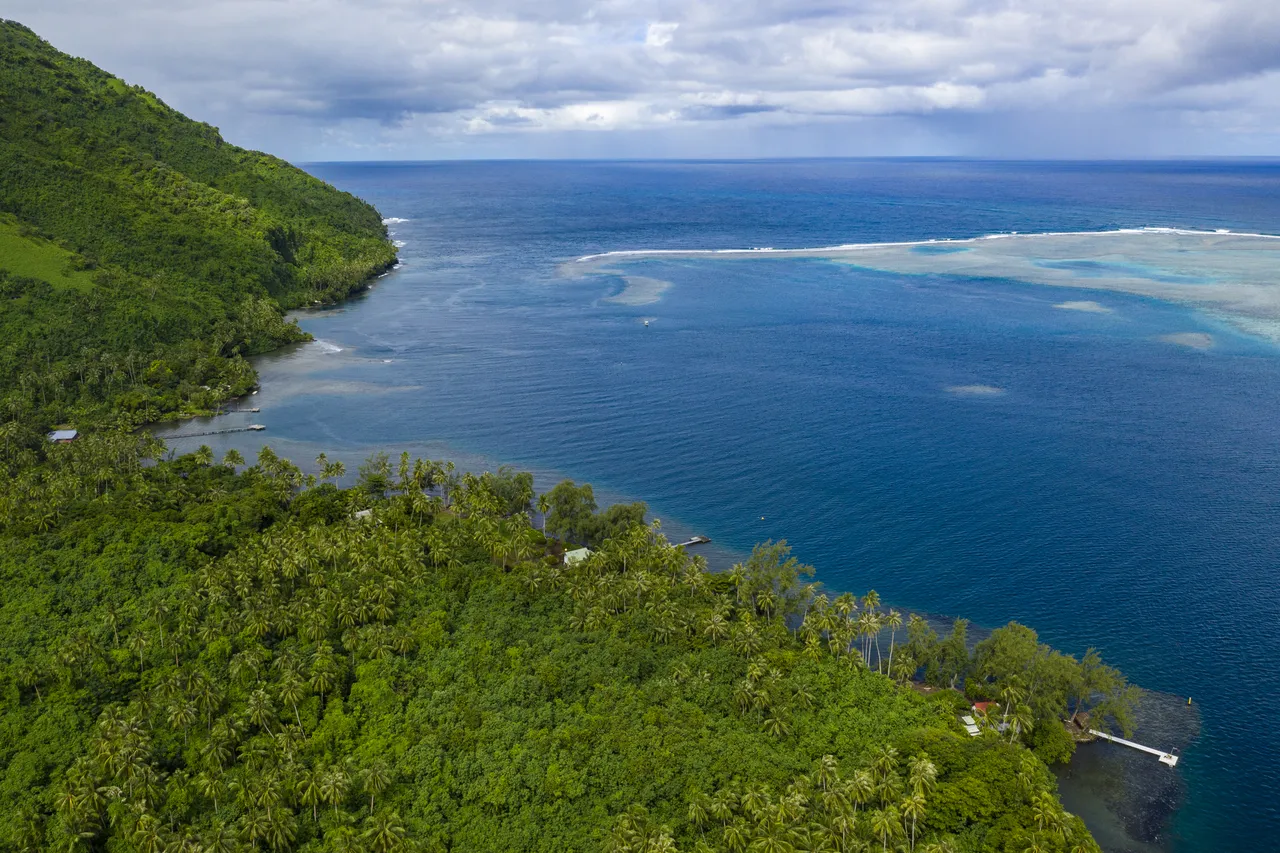
Tahiti-iti is easier on your budget and heavier on the paradise just make sure you’re cool with swapping public transport for a rental car and some scenic driving © Getty Images
But you might want to do that anyway because bus schedules are either sketchy or nonexistent and the service covers only a limited area. Do the research and compare prices and online reviews before booking. Having a car not only saves you time, but also enables you to explore remote areas.
If you’re not pressed for time, are on a tight budget, don’t have to see all of the island and want to get a real taste of daily life in Tahiti, take the bus, aka “Le Truck.” But, as already noted, schedules can’t be trusted and routes are limited. The schedules (such as they are) are available at bus stops, hotels and online. And remember that they do not run frequently, if at all, on weekends and holidays.
Taxis and ride-sharing services like Tahiti Nui , Apetahi Express or Vaeara’I are good options for late-evening rides and short distances. Make sure to agree on the cost before you get in.
Money
The currency used in Tahiti and French Polynesia is the French Pacific Franc (CFP Franc), which is exclusive to the region. Currency exchange in Tahiti is fairly seamless. For example, there are several exchange counters at Tahiti’s Faa’a International Airport . Most hotels and resorts also offer currency exchange services, though the rates will no doubt vary.
You can also use ATMs, which are numerous throughout the main towns and tourist areas. Before your trip, tell your bank where you’re going to avoid any issues when using your credit or debit card overseas.
Visa and Mastercard are widely accepted in Tahiti, especially at places frequented by tourists. But, as always, have some cash for street vendors and when you are somewhere not frequented by many tourists. And, of course, some places may add some kind of service charge for transactions using credit or debit cards. To avoid unpleasant surprises, ask before you buy something – and then decide whether that something is still worth buying.
What to See
The capital, Papeete, is interesting enough to spend at least a day there, especially for the Municipal Market . You can buy fruit, vegetables, fish, pareos (beach wraps or sarongs), jewelry, handicrafts and art from every corner of French Polynesia, as well as all the different exotic fruits available in French Polynesia, such as guava, papaya, passion fruit and limes, to name just a few.
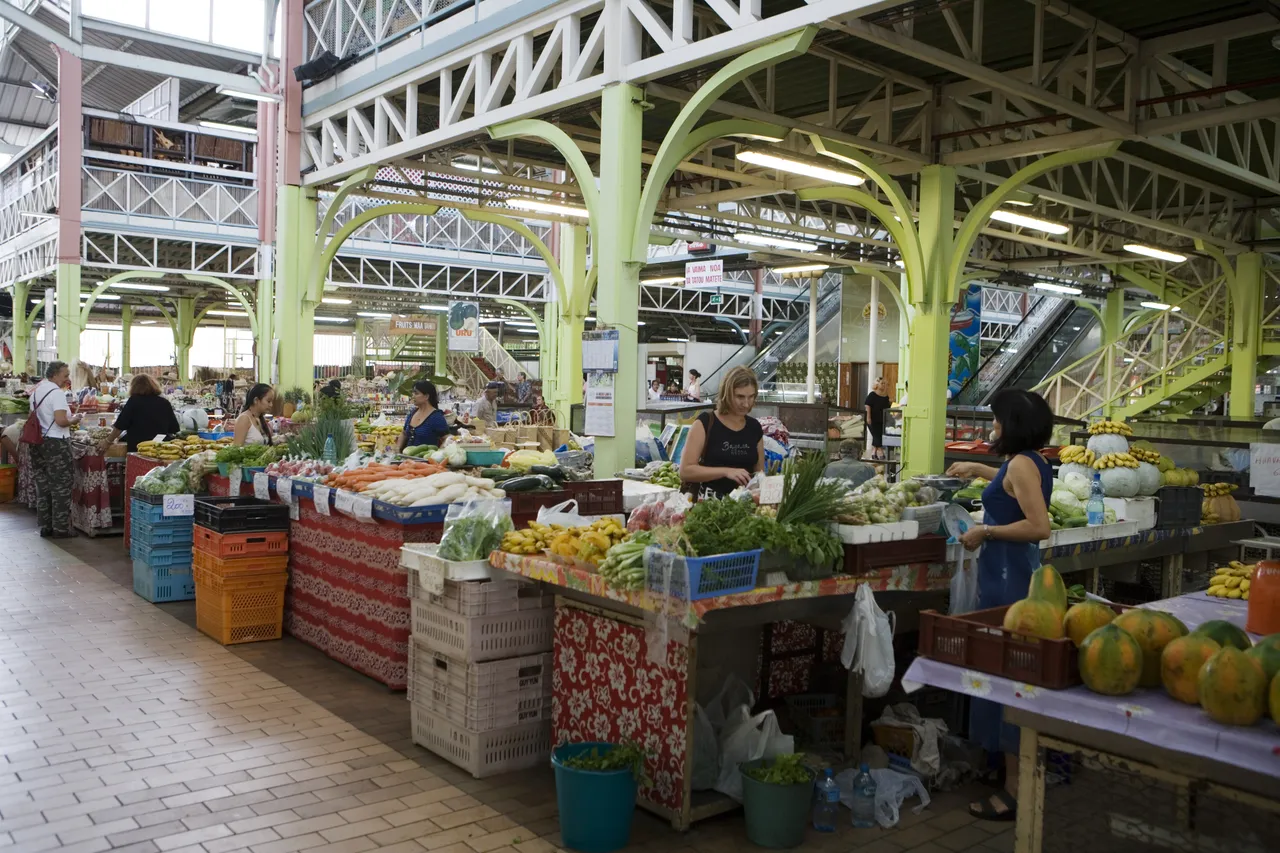
Papeete might not be love at first sight but give it a day and a trip to the market and you’ll leave with full bags sticky fingers and a new appreciation for tropical fruit and handwoven souvenirs © Getty Images
It takes two or three hours to see the two floors of this large and very lively market; there are snack bars on the upper floor where you can have a bite and a cuppa coffee. In the vicinity of the market there are small shops and boutiques selling everything from high fashion to traditional Chinese medicine.
The market is open Monday to Friday from 5:30 a.m. to 4 p.m., and closes at 1 p.m. on Saturday. Sunday mornings are especially exciting because locals flock there to buy dishes and the makings of their traditional Sunday ma’a Tahiti brunch, which is usually cooked in an earth oven (see below).
Take a stroll along by the waterfront to Paofai Park . It is a showcase of typical French Polynesian flora, such as the fern of Huahine (another island) and the vanilla pods of the Leeward islands. It’s a cool (and shady] place to have a picnic, with waterfalls and games for adults and children.
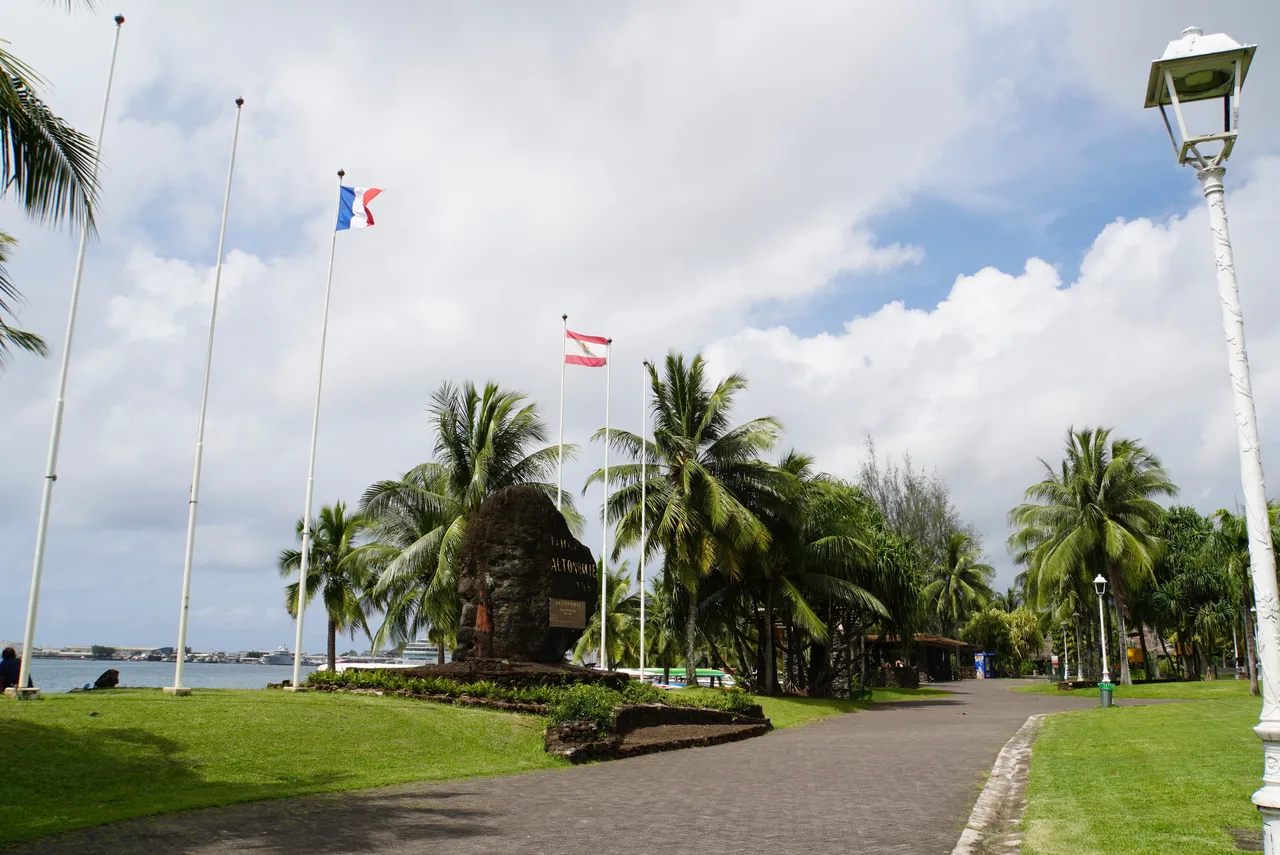
Paofai Park is where Tahiti takes a deep breath with shady trees island plants and picnic spots so nice you might forget you’re still in the capital © Getty Images
Check out the nearby Protestant Temple of Paofai , which was built on the spot the city’s founder, a missionary pastor named William Pascoe Crook, built the first Protestant church in Papeete, a tiny bamboo chapel. The modern version can hold more than 1,500 worshipers. For a truly mind-blowing experience, dress in white and attend a Sunday mass. You’ll never forget it.
Then, if you have the time, either take a tour or a rental car to see the waterfalls in the nearby Fautaua Valley. If you’re not on a tour, ask for directions for the hike, then walk through the valley to the amazing waterfalls created by the Fautaua River, which cascades more than 300 meters down a mountainside into a shallow bathing pool called Loti Bain. In a word: Wow!
But whatever you do in the city, walk through it. It’s full of surprises, such as a a presentation of traditional dancing, a street orchestra of ukulele players and some fascinating street art.
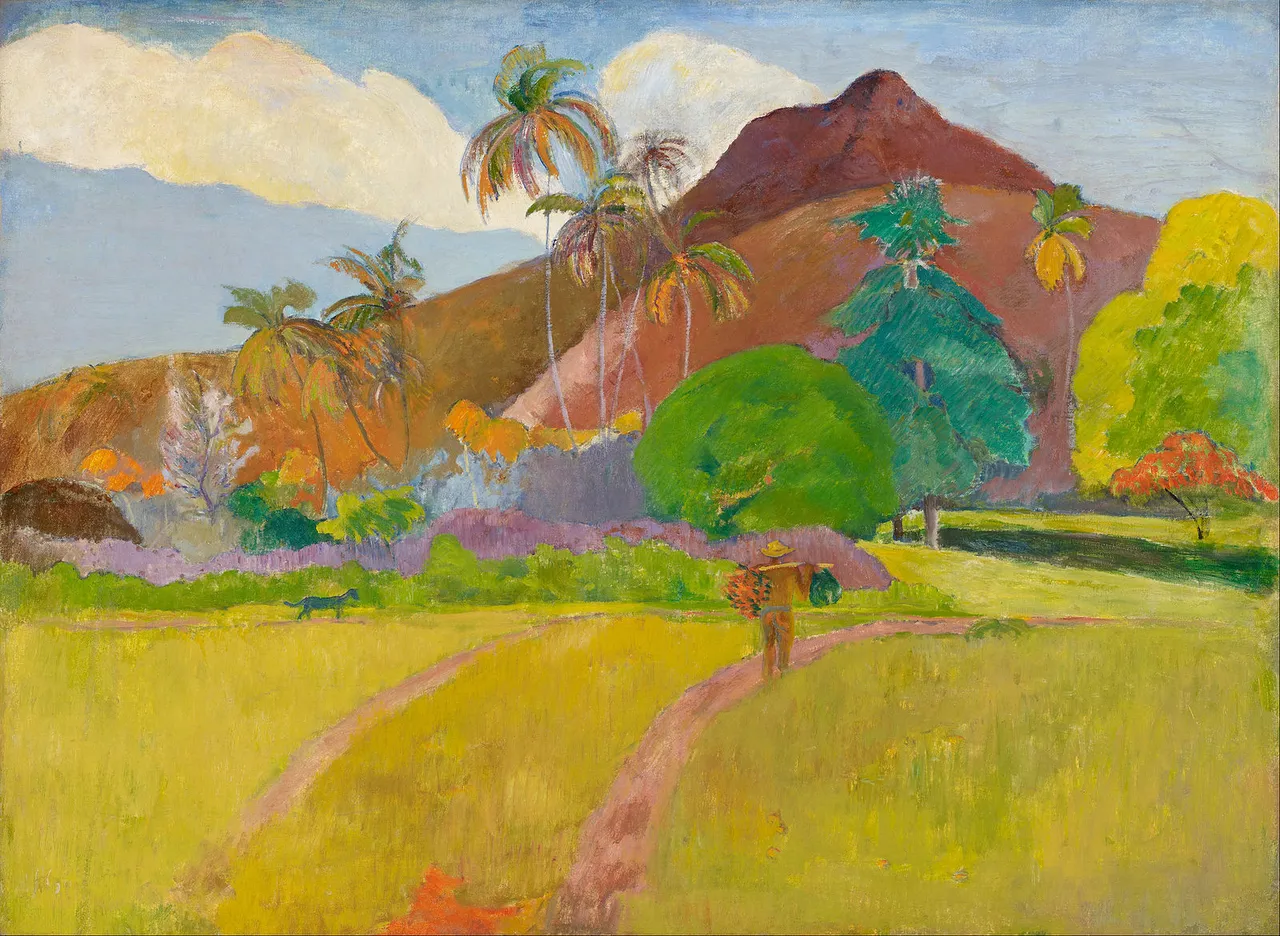
Paul Gauguin came to Tahiti chasing paradise and left behind a canvas full of bold colors and even bolder life choices his paintings might be romanticized but the island’s wild beauty is very real © Paul Gauguin, Public domain, Wikimedia Commons
The Beaches
Tahiti has some very nice beaches – of course! On the east coast, Lafayette Beach has brilliant clear water, black sand and a beautiful view of the island of Moorea.
Vaiava Beach (aka PK18) in Punaauia has soft white sand and clear, calm waters, so it’s great for swimming, snorkeling, picnics, beach volleyball, paddleboarding and kayaking.
Papeno’o Beach is just a few kilometers northwest of Papeete and is also near the Papeno’o Valley, which has some impressive waterfalls and is also a great place to hike through.
The popular Maui Beach on the west coast of Tahiti-iti is great for relaxing and getting into the Polynesian way of life – except on weekends, when everybody goes there. There’s a calm lagoon to swim in and you can take a walk through the rainforest to the Caverna de Maui.
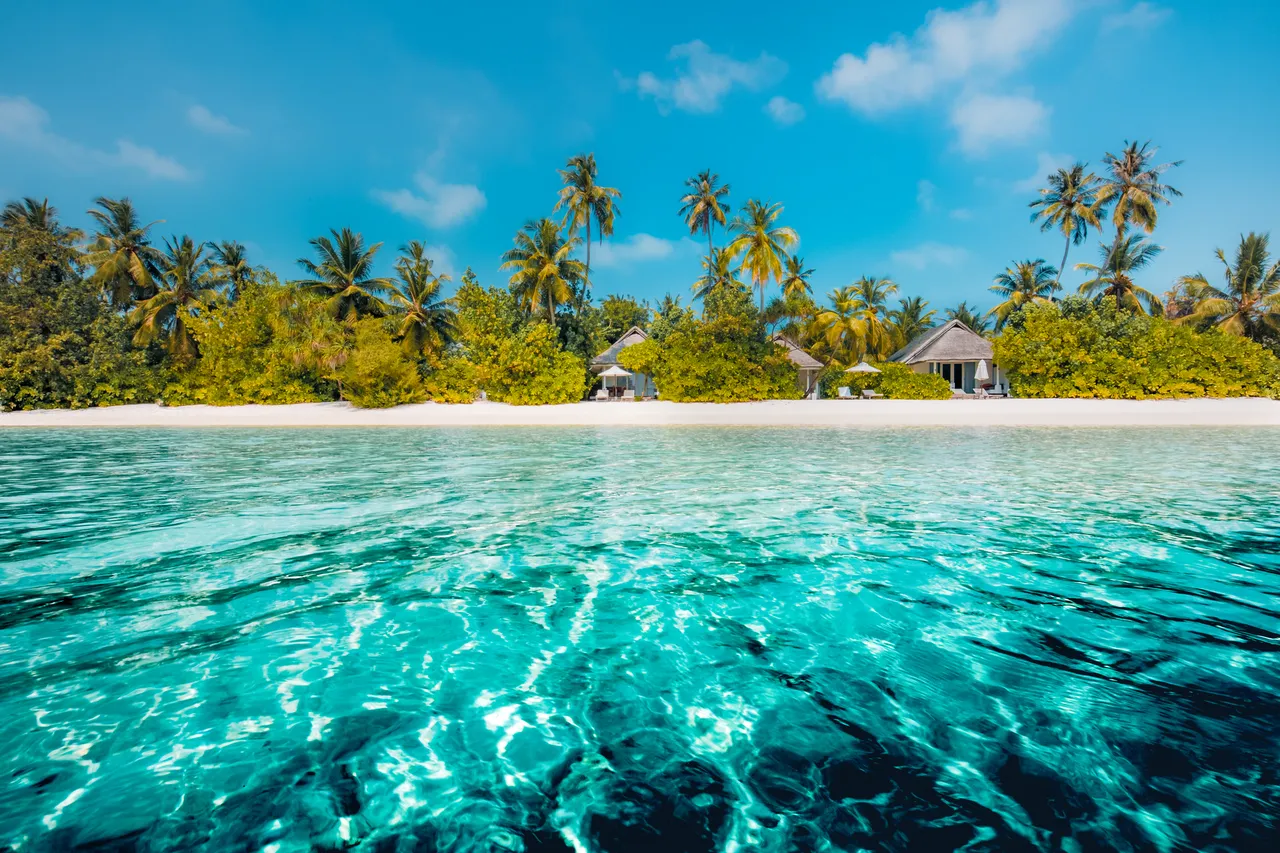
Maui Beach is laid back and lovely during the week but come the weekend it turns into a local favorite © Getty Images
Also visit Point Venus , where Captain Cook first went ashore in 1769 (so it gets lots of visitors). There’s a lighthouse and a black sandy beach, which is great for timid surfing. You can also bust your budget at the fare des artisans (craft huts) between the beach and the car park.
And, finally, Tahiti has lots of fascinating caves, the best of which is probably the Mara’a Grotto, on the island’s west coast. It’s a cool labyrinth to explore, the highlight being a freshwater pool hidden in its heart. This is a great place to cool off in after your spelunking exertions.
A word to the wise: It’s generally safe to swim and snorkel in French Polynesia, but it’s important to know before you dip your toes in the water that the beaches, lagoons and other swimming venues are not prone to dangerous currents and strong tides. If you’re not sure, ask. This is especially true if you go snorkeling or diving.

The water in French Polynesia looks like a dream but don’t let the postcard fool you always ask before diving in just to make sure the only thing sweeping you away is the view © Pexels
Tahitian Street (& other) Food
Papeete is the capital of Tahitian street food, which combines influences from French, Chinese and other Pacific cuisines with local ingredients and traditional practices. The best street food can be purchased at roulottes (food trucks), which offer typical local dishes, such as poisson cru, chow mein, steak with fries, pizza, crêpes and hamburgers, to name a few.
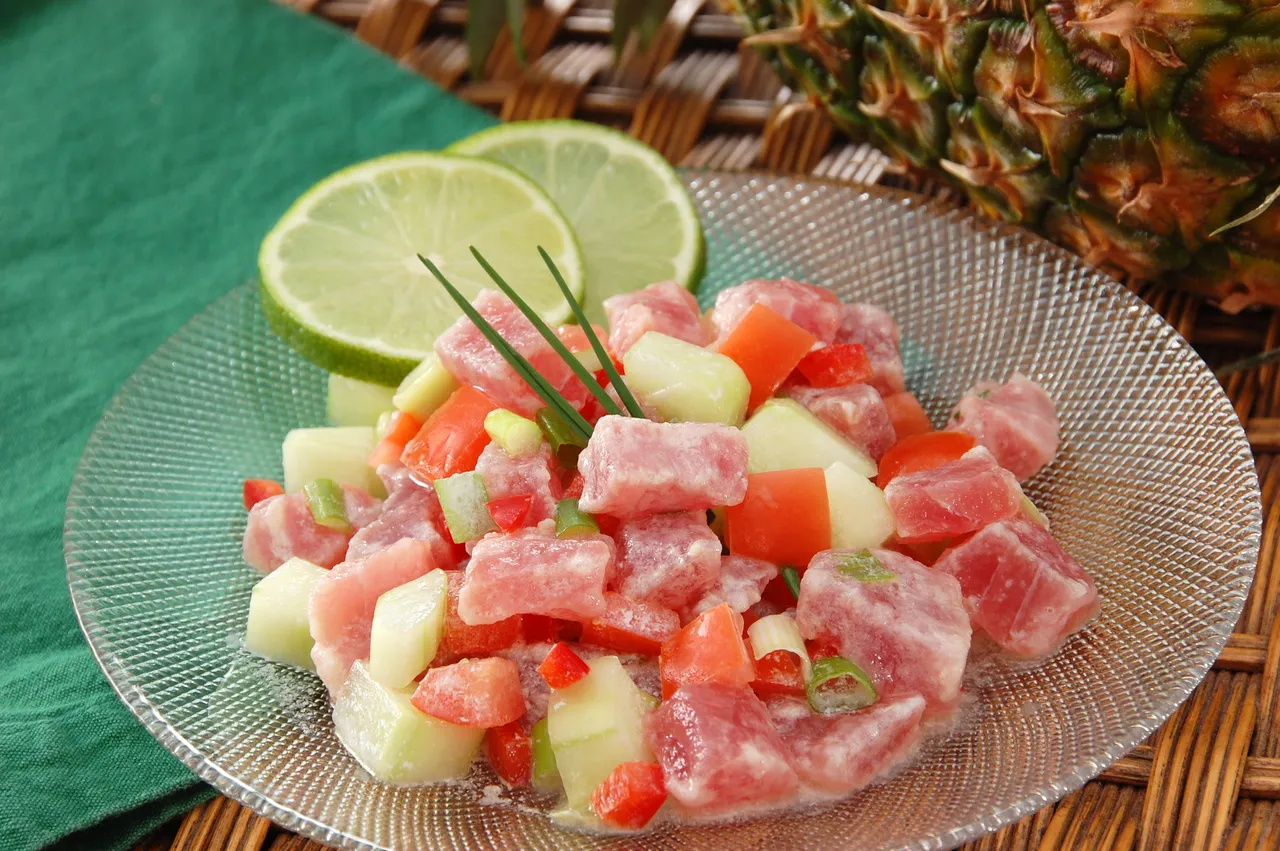
Poisson cru is Tahiti’s answer to ceviche raw tuna marinated in lime and coconut milk it’s the kind of dish that makes you wonder why you ever bothered cooking fish in the first place © Getty Images
Look for the roulottes at the Place Vai’ete, then walk along the waterfront and follow your nose and the locals. Try to frequent the roulottes that are most popular with locals and don’t hesitate to ask them what they recommend. It would help if you or someone traveling with you spoke some French, which is Tahiti’s official language.
But to really get into Tahitian cuisine, try to take part in the traditional communal feasts called Tama’ara’a. These are often organized around specific events or celebrations, and can be held at any time of the year, especially on Sundays – like the ma’a Tahiti.
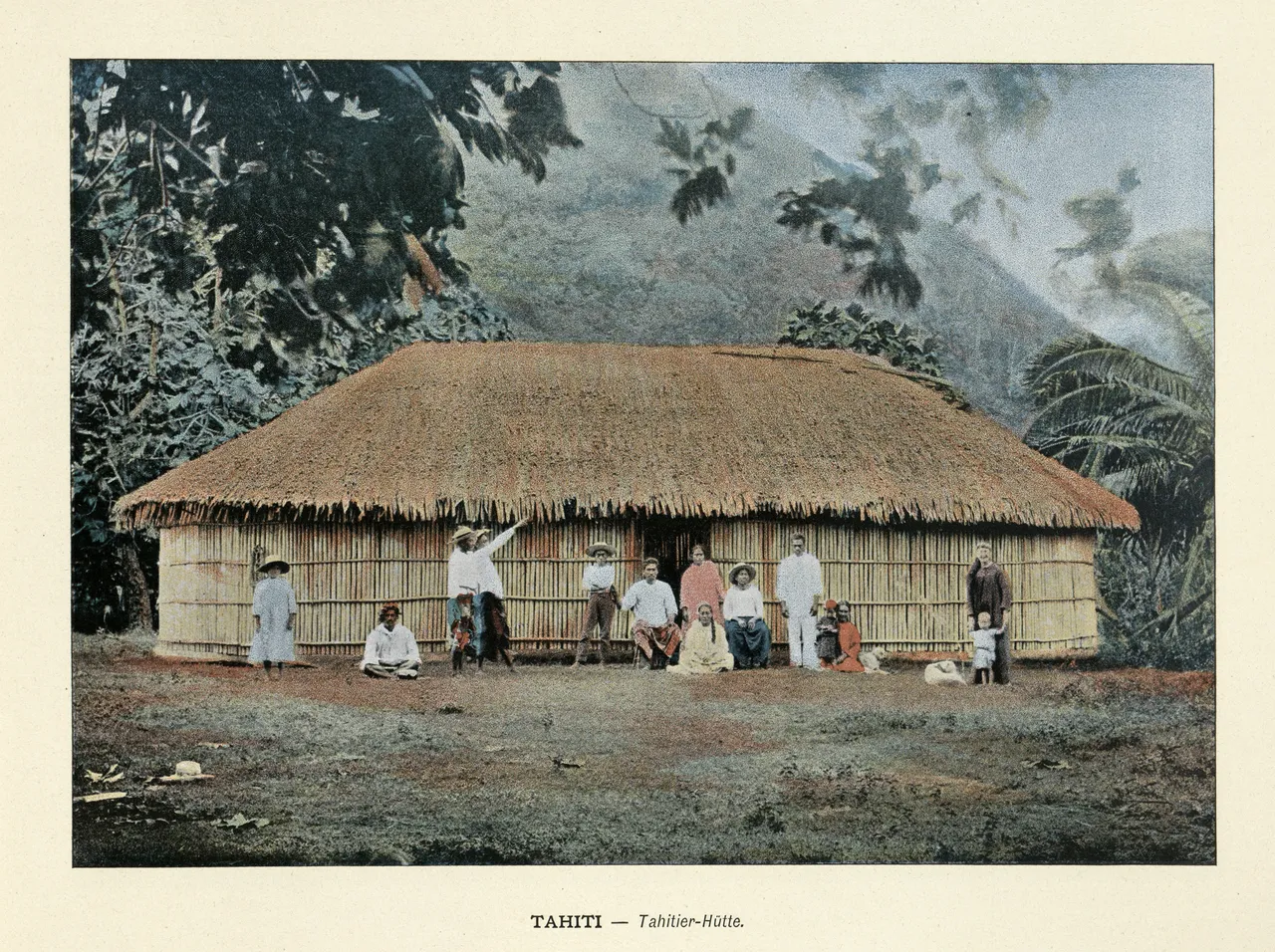
A Sunday tama’ara’a is more than just a meal; it’s a slow cooked celebration of Tahitian culture where dishes like ma’a Tahiti are pulled from underground ovens and everyone eats like family © Getty Images
The traditional ma’a Tahiti consists of, for example, ei’a (fresh fish from the ocean) and pua oviri (wild pig), which is often accompanied by ‘uru (breadfruit), taro, fé’i bananas and fāfā (spinach). The dessert is usually po’e, a very sweet pudding made with papaya or fe’i bananas and cassava flour and served with coconut milk.
Poisson cru consists of raw fish marinated in lime and coconut milk and is often also made with a mix of cucumbers, carrots and even papaya. This is the most popular dish on the island and is a must-try.
The pleasures of breadfruit and taro shouldn’t be underestimated. Breadfruit is often boiled, baked, or roasted and goes well with fish. Taro is a root vegetable with a slightly nutty taste and comes mashed or fried.
For breakfast with coffee or for a shot of sugar during the day, try the Firi Firi, a doughnut-like pastry, banana crêpes or Chinese pastries. Or just indulge in the many delicious tropical fruits available just about everywhere.
How to Be Kind to Your Budget
- Go during the rainy season, between April and November. The months of April and November are excellent compromises.
- Stay at guesthouses, hostels or smaller hotels and reserve early. Or travel in a small group to share the cost of accommodation.
- Eat at local restaurants or roulottes.
- Do as much free stuff as possible, which means swimming, hiking, sightseeing, reading, talking to the locals.
Finally . . .
Sometimes reality sort of lives up to the hype, and Tahiti is (sort of) a tropical paradise – but with tourists, traffic and (sometimes) bad weather. But if you want sun, a culture that continues to flourish in its authentic form, lovely beaches, warm and welcoming locals and really good indigenous food, then Tahiti is the place for you. And if you speak a little to fluent French, your experience will be all the better for it.
After a week or so spent on Tahiti , you may want to see more of French Polynesia. Fortunately, the island is a great jumping-off place for a visit to some of the many islands that belong to this collectivity – such as Bora Bora, which has magnificent beaches and relatively high prices, or the less crowded islands, such as Huahine or Rurutu, which are a little closer to that extinct animal, an ‘authentic’ Polynesian experience.