







In total, Texas has two official national parks: Big Bend and Guadalupe Mountains. However, that figure doesn’t include other National Park Service sites, such as Padre Island National Seashore.
In this article
If you’re planning a trip around golden sands, rugged peaks, and fascinating wildlife, this guide is for you. We’ll break down each park, explain how to get there, and share lots of other tips along the way!
Quick Answer
There are only two national parks in Texas, the first being Big Bend, with its remote deserts, dramatic river canyons, and the 20-mile-long Chisos Mountains. The second is Guadalupe Mountains National Park, home to several peaks over 2,500 meters and a nice mix of exciting yet intense treks. It’s also known for its fossil-reef geology.
For those seeking alternatives, Padre Island National Seashore, overlooking the Gulf of Mexico, may not be an NP, but it’s every bit as beautiful as the two official ones.
Texas National Parks at a Glance
| Park | Defining landscape | Best experience | Ideal visitor | Suggested stay | Practical gateway |
|---|---|---|---|---|---|
| Big Bend National Park | Rio Grande, Chihuahuan Desert, and Chisos Mountains | Exploring the Chihuahuan Desert | Hikers and birdwatchers | 3 to 5 days | Midland–Odessa or San Antonio International Airport |
| Guadalupe Mountains National Park | Guadalupe Peak, El Capitan Viewpoint, and McKittrick Canyon | Hiking Guadalupe Peak | Hikers and lovers of dramatic scenery | 1 to 3 days | El Paso International Airport |
How Many National Parks Are in Texas?
When doing your research on Texas’s national parks, you’ll discover that there are only two locations that have received the official status. This doesn’t include the other sites protected by the National Park Service. These make up a much bigger collection of monuments, historic sites, trails, recreation areas, national seashores, and preserves throughout Texas. It’s easy to get confused when many other websites refer to these sites as official national parks, but that isn’t actually the case.
Big Bend National Park
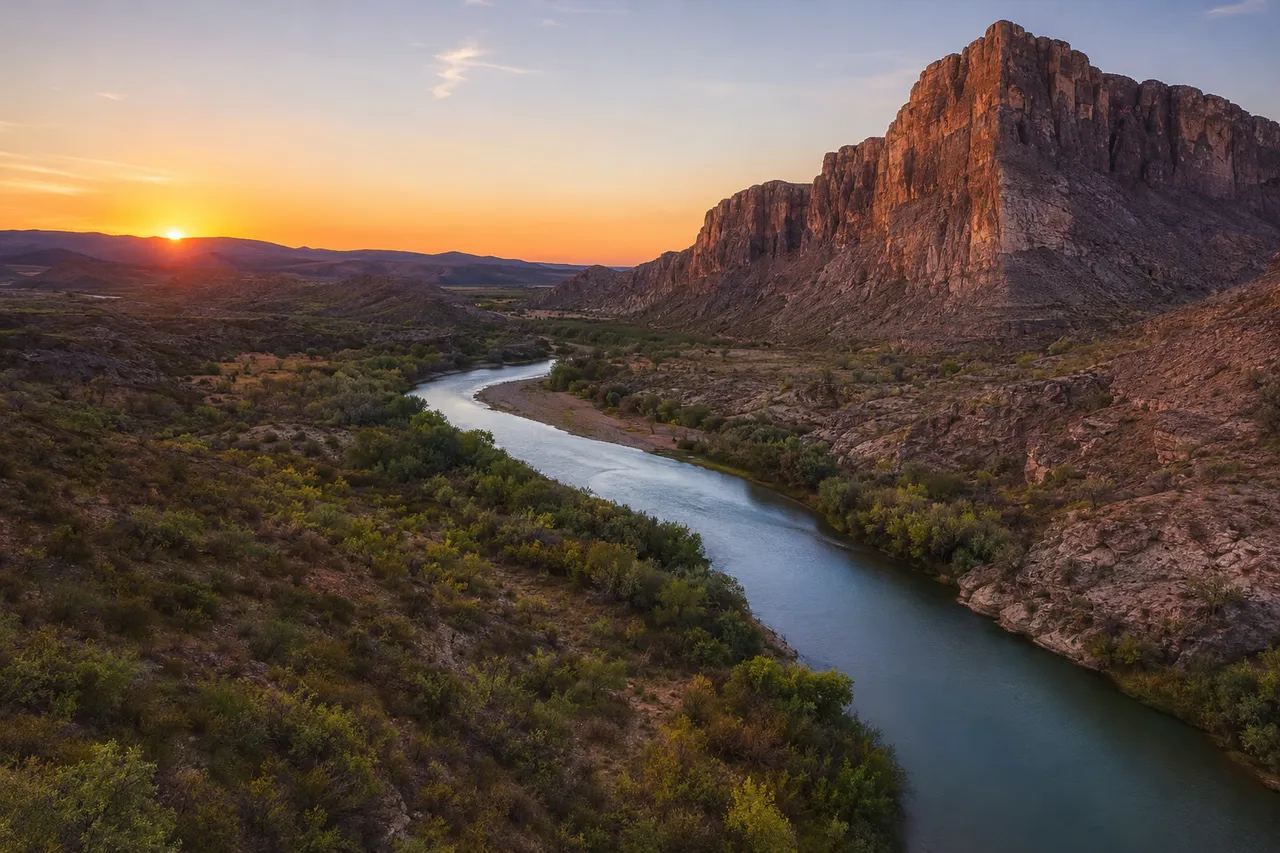
Tucked away in the far west of the state, on the border with Mexico, Big Bend is a Texas national park that feels totally isolated from the rest of the United States. Spanning 801,163 acres, some of its most notable highlights include the mighty Rio Grande, the desert landscapes of the Chihuahuan Desert, and the striking Chisos Mountains.
If you’re a fan of hiking or birdwatching, Big Bend National Park will be right up your street. With around 450 bird species and exciting treks such as the Lost Mine Trail, there’s plenty to do. While the sheer size of the park may seem intimidating at first, once you plan your route, getting around will be much easier.
What to See and Do in Big Bend
- Santa Elena Canyon: With two towering cliff walls rising nearly 1,500 feet above the Rio Grande, SE Canyon is a lovely half-day trip for those looking to get out into nature. Just note, there have been reports that the canyon is currently closed, so be sure to check with park rangers before setting out.
- The Chisos Basin: Surrounded by the Chisos Mountains, Chisos Basin is a popular hiking area in Big Bend National Park, with the Chisos Basin Loop Trail among its most popular routes. Nearby campsites are open year-round, including the Chisos Basin Campground, but reservations are required.
- Scenic desert drive: Stretching for more than 200,000 square miles, the Chihuahuan Desert is the perfect place for a scenic drive around the dunes. If you’re driving through this Texas national park, be sure to fill up your car with gas before entering, just in case you don’t come across a fuel station while on the road.
How to Get to Big Bend
Big Bend National Park in Texas doesn’t have any public transportation, so the only realistic way to get there is to hire a car. Fair warning, though: the journey from major cities such as San Antonio, Austin, and Houston is long.
Most people either fly into Midland–Odessa (MAF) or San Antonio International Airport (SAT) and then drive from there. Midland–Odessa is closer but has fewer connections, while San Antonio is bigger and offers more flight options, but it is around a 7-hour drive from Big Bend.
Before making your decision, see which airport offers decent cheap flight deals and which itinerary works best for you. If you can find route combinations with multiple airlines, this can help reduce costs and make your trip a little more affordable.
Guadalupe Mountains National Park
Guadalupe Mountains National Park stands out for its vast desert terrain and high-elevation summits, including four of this state’s highest peaks. The Texas national park has more than 128 km of trails for visitors to enjoy, while the Frijole Ranch Museum is a great place to learn about the area’s history.
One interesting aspect of Guadalupe Mountains National Park that has long fascinated geologists is its Permian fossil reef . This ancient reef complex can be explored along the Permian Reef Geology Trail, where you’ll be able to see the remains of some geological features that date back to the Permian Period.
What to See and Do in Guadalupe Mountains
Get yourself a decent pair of hiking boots for this Texas national park, because you’ll be spending quite a bit of your time on the trails. Many of the attractions here require some level of exploring on foot, so you’ll want to keep an eye on the weather forecast and daylight hours for the days you plan to visit. Also, factor in your level of fitness before settling on your attractions, and don’t forget to bring water, as staying hydrated in the Texas heat is essential.
- Guadalupe Peak: A challenging 13.5-kilometer hike leads to Guadalupe Peak, often called the ‘Top of Texas’ and the highest point in the state. The hike takes between six and eight hours to complete. Be sure to pack accordingly and don’t forget sunscreen.
- El Capitan Viewpoint: El Capitan Viewpoint is a spectacular lookout you can drive to, giving some visitors the chance to enjoy impressive views without dedicating half a day to hiking. If you need somewhere to eat while you’re here, there are a handful of covered picnic tables.
- McKittrick Canyon: Wander through McKittrick Canyon along the McKittrick Canyon Trail, taking in the lush plant life and watching for mule deer. Visit in October or November to catch the canyon’s spectacular fall colors.
How to Get to Guadalupe Mountains
The most straightforward airport option for reaching Guadalupe Mountains National Park is El Paso International Airport (ELP), which is around an hour and 40 minutes away by road. Of course, if you find some cheap last-minute flights , you could also consider larger hubs, such as San Antonio International Airport, to reach the Texas national park. It’s worth comparing your options.
Given how remote Guadalupe Mountains National Park is, you can probably already guess that there is no public transportation. This means you’ll need to hire a vehicle to get there. If you do, I’d also recommend filling up your car with fuel beforehand and checking your route to see where the main gas stations are along the way. Stocking up on food will also come in handy.
 Uncategorized
What is the best day to book flights?
There’s no universal “best day” to book flights, but Sundays often show slightly cheaper fares in Europe. Flight prices fluctuate constantly based on demand, seasonality, and route competition.Tuesdays and Wednesdays tend to be cheaper days to fly, not necessarily to book.
Read the guide
Uncategorized
What is the best day to book flights?
There’s no universal “best day” to book flights, but Sundays often show slightly cheaper fares in Europe. Flight prices fluctuate constantly based on demand, seasonality, and route competition.Tuesdays and Wednesdays tend to be cheaper days to fly, not necessarily to book.
Read the guideIf you’re staying near the park, don’t forget to book your accommodation well in advance, as options are limited and can sell out months ahead.
Other National Park Service Sites Worth Visiting in Texas
After you’ve ticked off the two main Texas national parks from your list, there are a few more National Park Service sites you can mix into your wider itinerary. Sunny shores, culture, history, or wetlands. Whatever you like, there’s something here for everyone.
Padre Island National Seashore
Padre Island National Seashore is nothing like what you’ll find out in the West Texas national parks. Think golden sandy shores stretching for around 105 km, plenty of opportunities to fish in the Gulf, and interesting bird species, including songbirds that can be spotted in the grasslands. You can do all that while soaking up the scenery of this beautiful barrier island. To fly in, Corpus Christi International Airport is the best option.
Big Thicket and San Antonio Missions
If you’re looking for alternatives to Texas’s national parks, Big Thicket National Preserve and San Antonio Missions are both worth considering.
Established to safeguard some of Texas’s Piney Woods, Big Thicket National Preserve is celebrated for its incredible ecological diversity. The grounds are teeming with plant and animal life, including water moccasin snakes that you may encounter while wandering around. Visitors can spend their time getting lost in the forests or canoeing along the waterways, and you can also camp if you’re up for spending a night in Texas’s great outdoors.
For the UNESCO counters out there, you’ll likely have already heard of the San Antonio Missions, as it’s the sole UNESCO World Heritage Site in Texas. The main reason these missions were established was to convert the state’s population to Christianity. Four of them remain in the area, including Mission Concepción, Mission Espada, Mission San Juan, and Mission San José.
When Is the Best Time to Visit Texas National Parks?
The best time to visit Texas’s national parks varies by season. For example, the park’s desert areas are best avoided in the summer because temperatures can get quite high; however, some people don’t mind the heat and still go for it. If you head to coastal protected areas like Padre Island National Seashore, you’ll have the fresh sea breeze to help you cope with temperatures that often go above 35°C. Consider visiting Big Bend in winter, when conditions are typically mild and sunny.
Even if you choose the perfect season to travel to Texas, the weather can still disrupt your plans. For this reason, you should monitor park notices ahead of your visit, just in case seasonal hazards, such as heavy flooding, close the trails you want to do.
Choosing Dates Around Weather, Crowds, and Flight Prices
Keep weather, crowd levels, and flights in mind when booking a Texas national park trip.
Weather conditions can have a big impact on visitor numbers. If locals see it’s sunny outside, they are more likely to visit, increasing the number of people in the park. On the flip side, if it’s raining and you don’t mind a few drops while outdoors, it can be a good time to go since it will be less busy.
When it comes to flights, the main strategy for getting the price you want is to compare prices across a few dates rather than settle on one. Contrary to what many people say, there is no single best day to book flights ; rather, some days can offer better fares than others. This is where being flexible can be helpful and pay off.
Find an Affordable Route to Your Texas National Park Adventure
Ready to organize your Texas national park trip? The tricky part is usually finding decent airfares to airports near the main parks. But with Kiwi.com, we offer plenty of tools to compare routes to Midland–Odessa International Airport (MAF), San Antonio International Airport (SAT), and El Paso International Airport (ELP). You’d be surprised at how low the fares can be when you include a few legs operated by different carriers. Sticking to a single carrier limits your options and often comes with a higher price tag.
Think beyond just the flight price. Baggage allowances, how long it will take to reach the park by road, any airport transfers you might need, and the rules around driving can all add up, making the trip more of a hassle than it’s worth.