





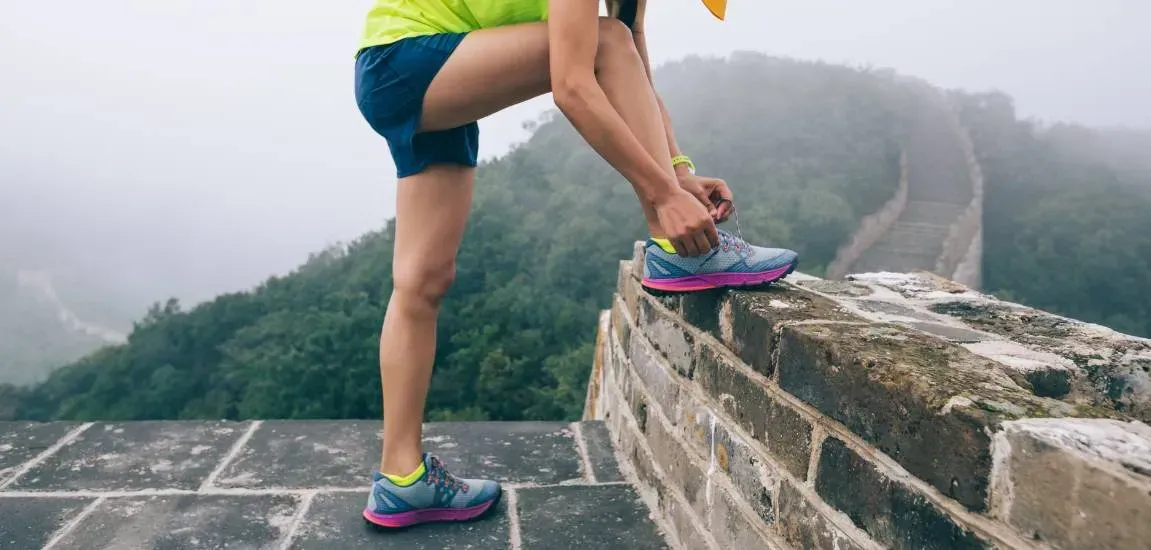
When it comes to marathon running, there are a number of city marathons that people love to do: London, New York, Berlin , Boston, Tokyo and the like. Running past some of the most famous sites in the world’s greatest cities is a way to get inspired and push yourself further. But what if that’s not enough? What if you also need some brutal terrain to get yourself going? Well, look no further than this lot…
The Great Wall Marathon, China
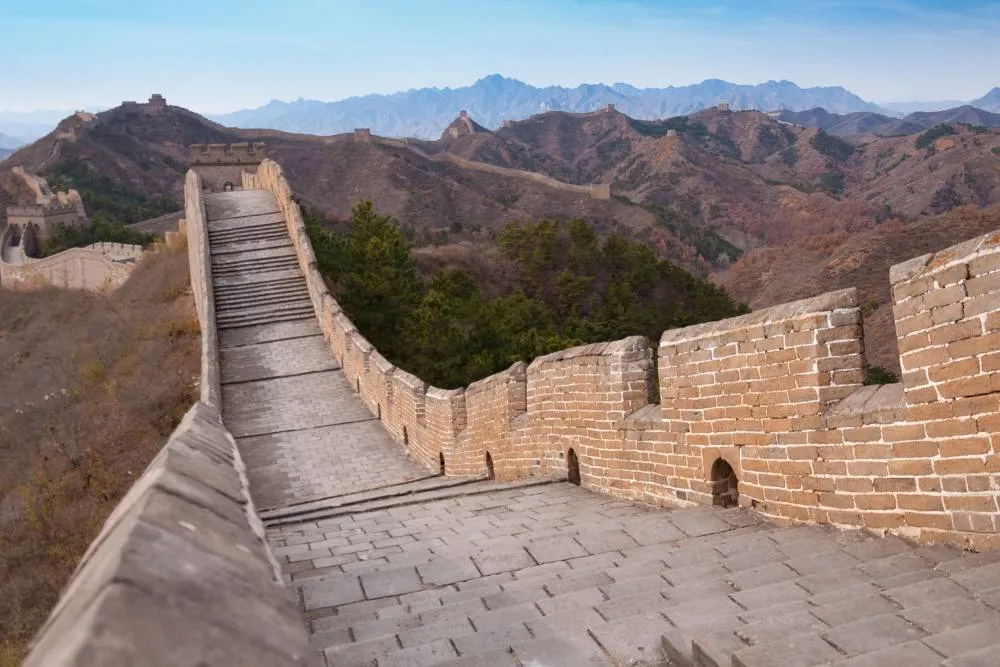 This marathon certainly has its ups and downs — Getty Images Speaking of the most famous sites in the world,
here’s one right now. The Great Wall Marathon sees competitors traverse 42.2 kilometers of the Huangyaguan section of the wall, and it’s almost as much a climb as it is a run. Runners are constantly heading either up or down, with 5,164 steps to climb, slippery rocks and towers to deal with, and temperatures in the mid-30s °C. It’s one hell of a challenge.
This marathon certainly has its ups and downs — Getty Images Speaking of the most famous sites in the world,
here’s one right now. The Great Wall Marathon sees competitors traverse 42.2 kilometers of the Huangyaguan section of the wall, and it’s almost as much a climb as it is a run. Runners are constantly heading either up or down, with 5,164 steps to climb, slippery rocks and towers to deal with, and temperatures in the mid-30s °C. It’s one hell of a challenge.
Pikes Peak Marathon, US
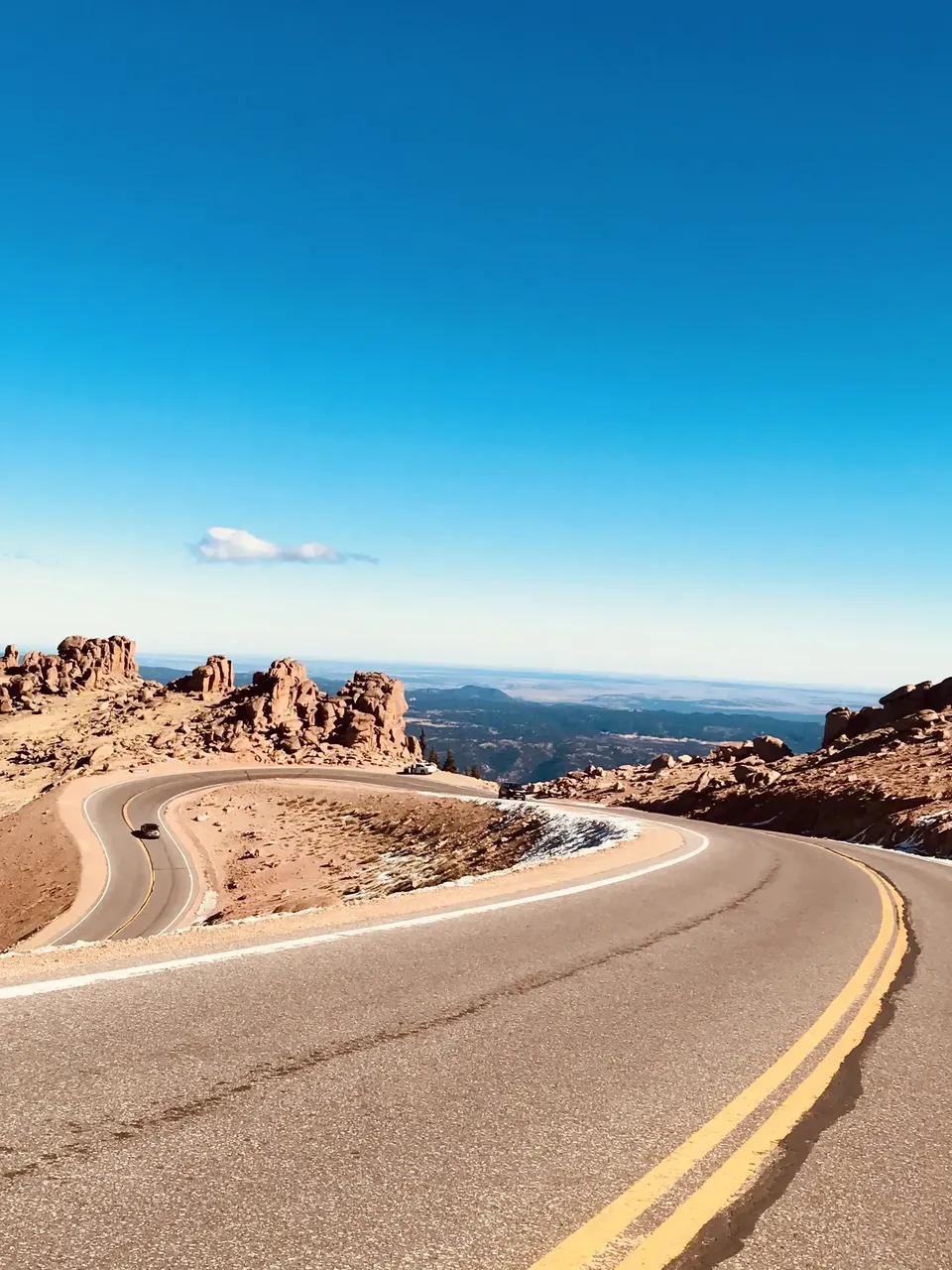 The scenery around Pikes Peak is a small reward for taking on “America’s ultimate challenge” — Getty Images
With entry capped at 800 competitors and a qualification event that needs to be completed first, the 7,800-foot climb to 14,115 feet above sea level of Pikes Peak in Colorado lives up to its name of “America’s ultimate challenge”. Runners need to be prepared for desert heat at the outset, dropping to temperatures that mean the peak is often covered in snow, in thin, mountain air. Oh, and then you have to run back down again.
Tenzing Hillary Everest Marathon, Nepal
Marathon + Everest = an insane challenge, right? Spot on. Not only will you have to complete a marathon three and a half miles above sea level, but you also have to trek for 11 days just to reach the start line. Most runners take between 10 and 15 hours to complete the course, which begins at Everest Base Camp and ends in the Nepalese mountain town of Namche Bazaar.
Sahara Marathon, Morocco
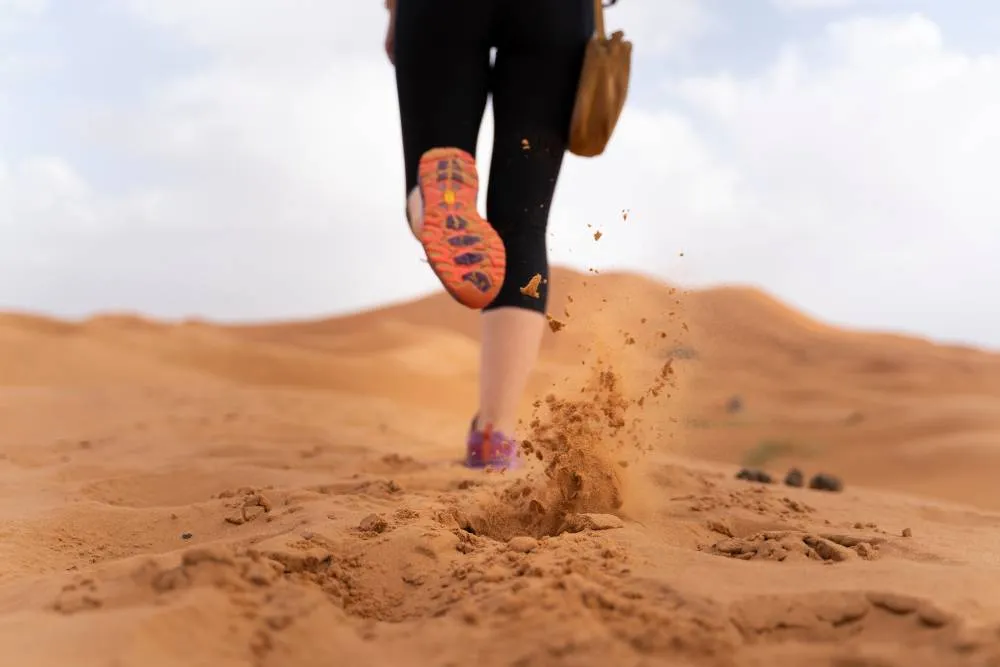 The change in terrain is the most difficult thing about this marathon — Getty Images On the other end of the temperature extremes list is the Sahara Marathon. Not the most challenging in terms of elevation; what will get you is the surface. Soft sand in some places and jagged rock in others
, with temperatures that can reach 50°C means that there are both four-wheel-drive medical vehicles at many points, and water stations every three kilometers along the course. It also offers other distances: half-marathon, 10k and 5k, so if you don’t want to go too crazy, you can start small. Starting small is all relative though, we suppose!
The change in terrain is the most difficult thing about this marathon — Getty Images On the other end of the temperature extremes list is the Sahara Marathon. Not the most challenging in terms of elevation; what will get you is the surface. Soft sand in some places and jagged rock in others
, with temperatures that can reach 50°C means that there are both four-wheel-drive medical vehicles at many points, and water stations every three kilometers along the course. It also offers other distances: half-marathon, 10k and 5k, so if you don’t want to go too crazy, you can start small. Starting small is all relative though, we suppose!
The Big Five Marathon, South Africa
Find flights for this trip

Not as extreme as some on this list but still a challenge, the Big Five Marathon takes place in the Entabeni Safari Conservancy in South Africa ’s Limpopo region. As well as steep terrain and a rocky surface, runners have nothing to separate them from the animals in the wildlife reserve, so if you need a bit of a hurry-up, there’s nothing like a lion!
 Travel hacks
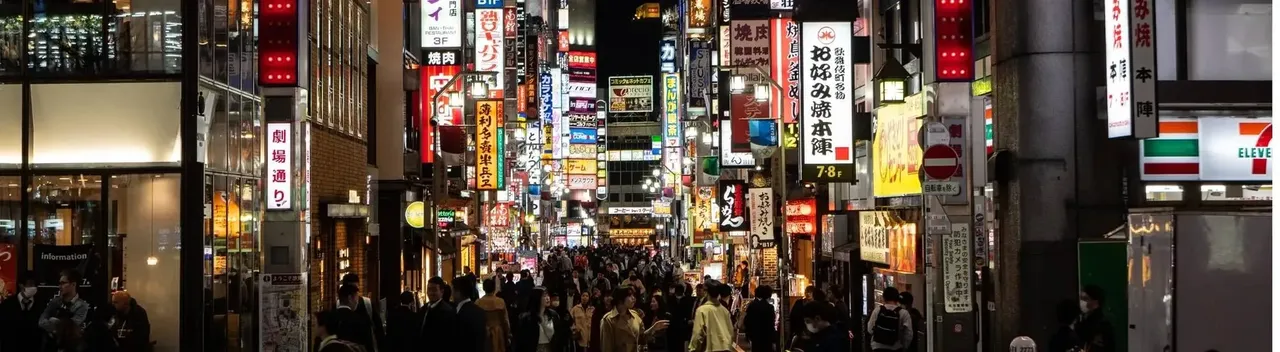
Hack the Hidden City: Top tips for Tokyo
Japan has finally reopened! This is our guide to Tokyo on a budget: practical tips, tourist spots, and hidden gems
Read the guide
Travel hacks
Hack the Hidden City: Top tips for Tokyo
Japan has finally reopened! This is our guide to Tokyo on a budget: practical tips, tourist spots, and hidden gems
Read the guideJungfrau Marathon, Switzerland
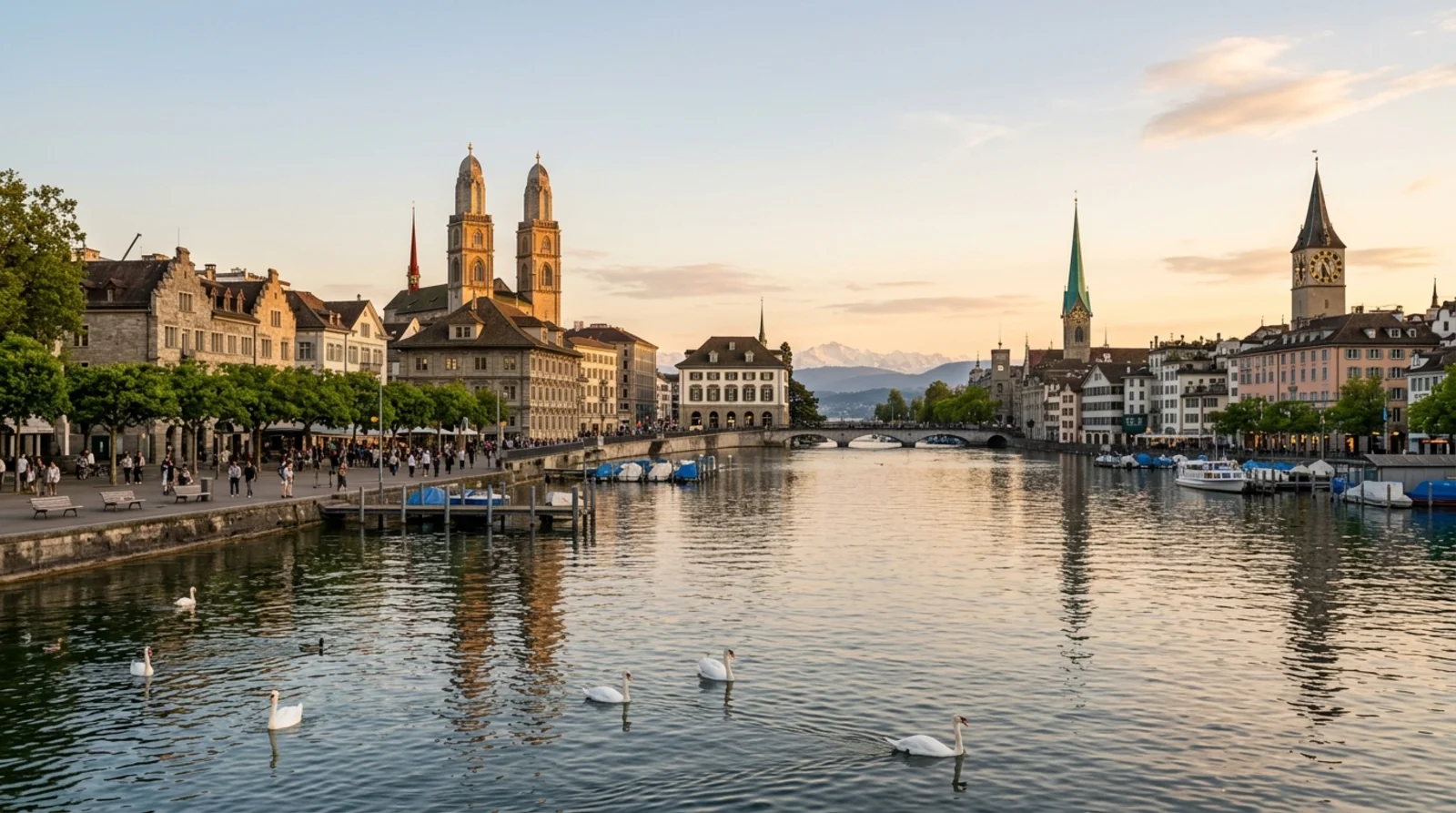
One of the most popular marathons on this list with around 3,500 competitors signing up each year, it’s also one of the most scenic, taking in views of the Monch, Eiger and Jungfrau mountains in the Swiss Alps . Runners begin at the mountain resort town of Interlaken before tackling around 6,000 feet of climb throughout the race and ending at the Eigergletscher, a glacier on the northwest side of the Eiger. It’s a wonderful place to admire the scenery and finally catch your breath.
San Francisco Marathon
Of all the city marathons in the world, this is “the race even marathoners fear”, at least according to the Wall Street Journal . The obvious reason is the hills; ‘Frisco is famously precipitous, and you’re forever heading either up or down. One thing this does mean is you’ll never get bored, neither of the terrain nor the sights, especially at around six miles as you run towards one end of the Golden Gate Bridge, before doubling back for twenty miles more punishment.
Antarctic Ice Marathon, Antarctica
This is, fairly obviously, the southernmost race on this list, and you’ll need to be both hardy and wealthy to complete it. Not only will you have to withstand wind chills of -20°C, an altitude of 2,296 feet, and snow that’s like fine sand; you’ll also have to get there in the first place. The only way is by private plane from Punta Arenas in Chile, and the total cost of entry is just a touch under $18,000. No wonder the average entry list each year consists of only 50 people!
Inca Trail Marathon, Peru
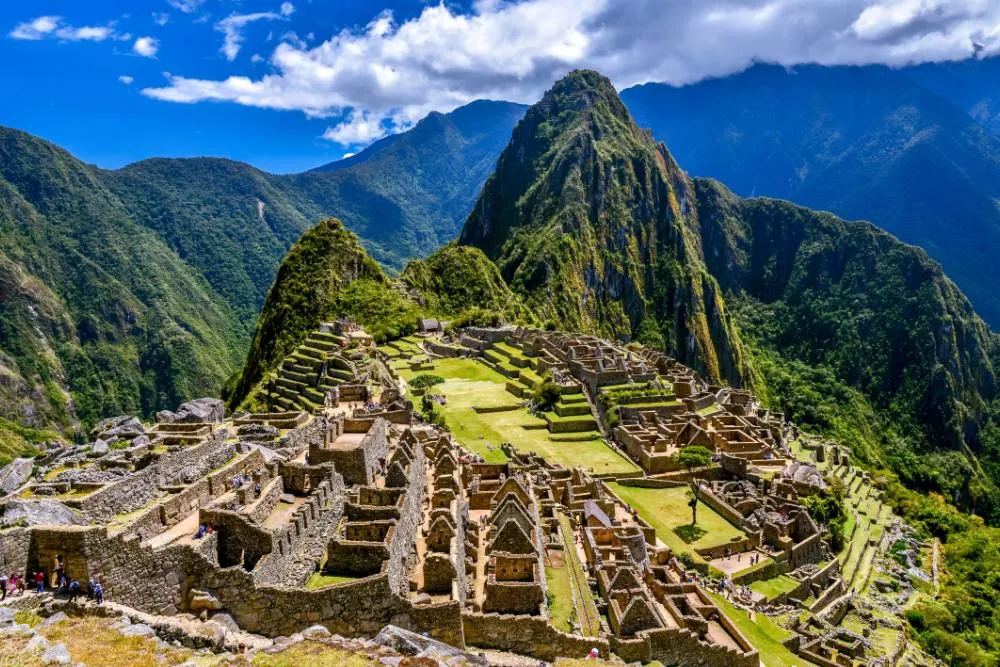 If you get to run the Inca Trail Marathon, you’re very lucky indeed — Getty Images Another event that has a very limited capacity is the Inca Trail Marathon. It makes sense, really — the 500-year-old cobbled path, climbing more than 11,000 feet through the Machu Picchu National Park
, is only four feet wide in places. What’s more, the organizer, Erik’s Adventures
, knows that maintaining this historic site is of paramount importance. Besides, if you’re one of the 50 people who take part each year, you’ll know you’ve done something seriously special.
If you get to run the Inca Trail Marathon, you’re very lucky indeed — Getty Images Another event that has a very limited capacity is the Inca Trail Marathon. It makes sense, really — the 500-year-old cobbled path, climbing more than 11,000 feet through the Machu Picchu National Park
, is only four feet wide in places. What’s more, the organizer, Erik’s Adventures
, knows that maintaining this historic site is of paramount importance. Besides, if you’re one of the 50 people who take part each year, you’ll know you’ve done something seriously special.
Big Sur International Marathon, US
Along the rugged coastline of California and through the redwood forests, this race takes participants through some of the most stunning scenery the US has to offer. It’s also a toughie due to both steep hills and strong headwinds, but there’s live entertainment en route to help keep runners motivated. If all this wasn’t enough, some runners do this in tandem with the Boston Marathon — two races in six days on two opposite coasts. For more travel inspiration, visit Kiwi.com Stories .