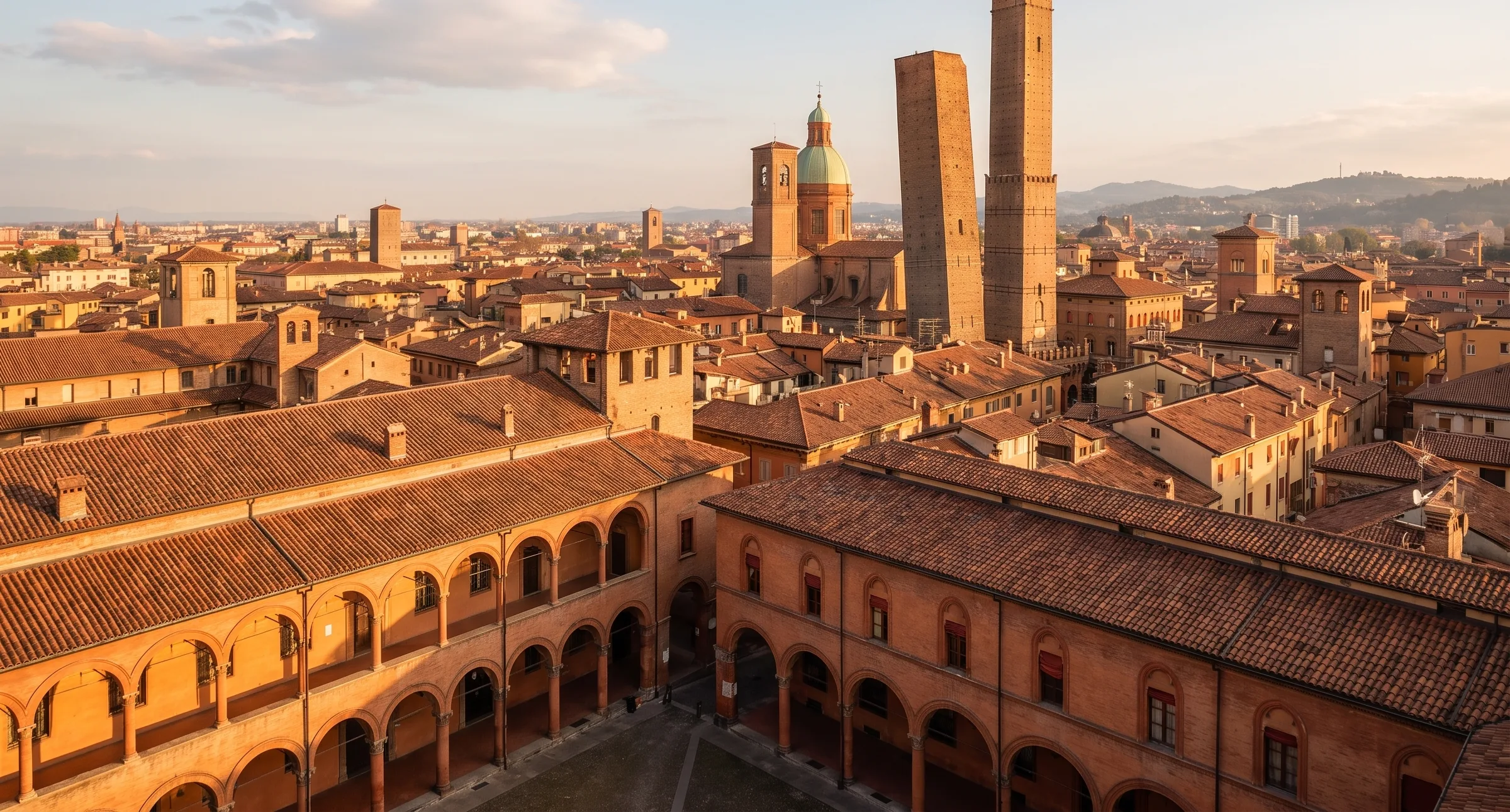







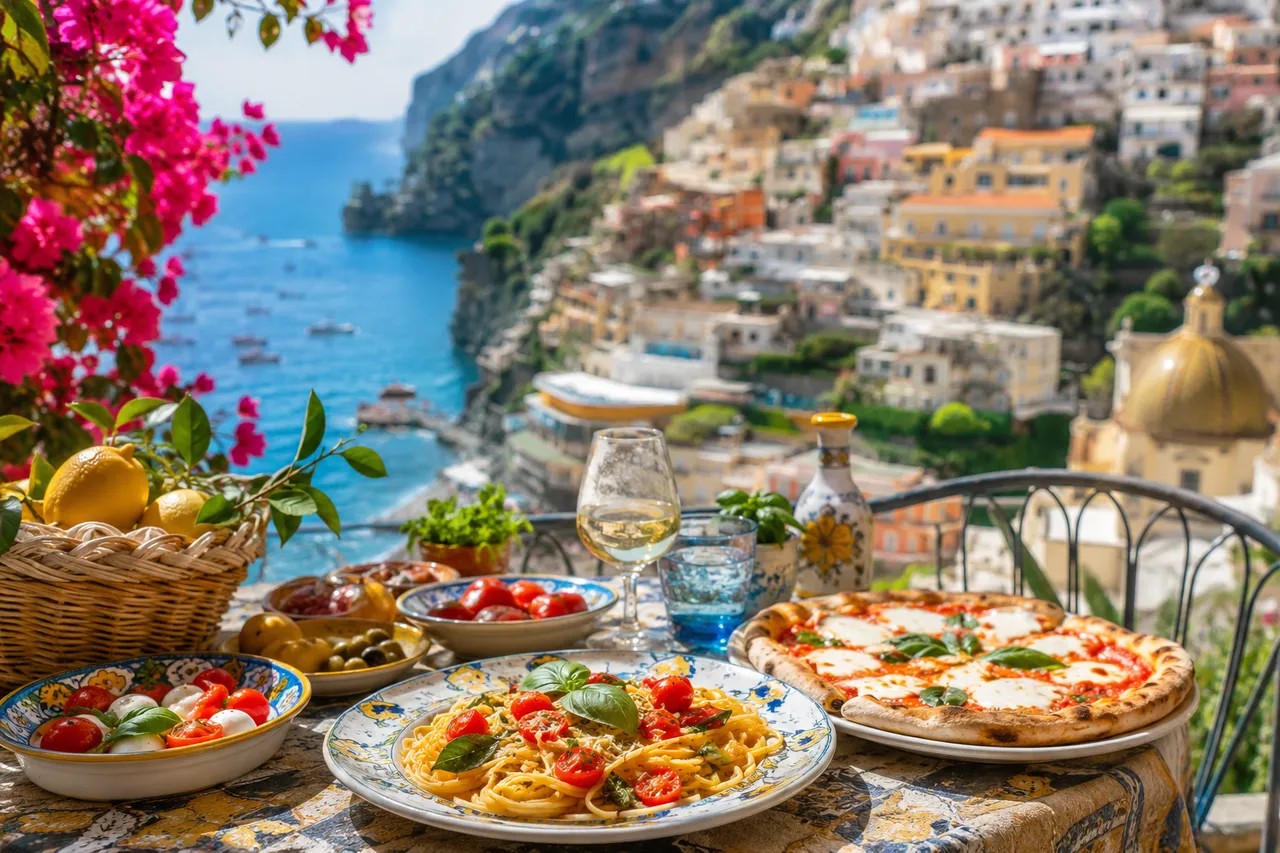
Lima is famed for its many unique ingredients, including more than 4,000 varieties of potatoes and 300+ varieties of chili peppers, while Tokyo attracts food lovers with its methods of curing and aging local seafood. Bangkok offers sublime cheap street food and fine dining, just as Mexico City ’s fine dining and street food are on elite level. San Sebastian has the best bar food in the world. Seoul ’s method of fermentation and bold flavors attract international gourmets. For elite restaurants, make sure to reserve months ahead.
Tokyo: The Global Benchmark for Food Culture
Why
Tokyo has more Michelin stars than any city on Earth. The incredible range of its cuisine includes ramen counters, sushi temples, izakayas, kaiseki as well as experimental dining. Its precision, seasonality, and ingredient quality are unmatched, while Japan’s “craft obsession” elevates even cheap meals into elite experiences.
What to Eat
Edomae _(_traditional) Sushi
Edomae-style honors centuries-old practices of curing, marinating, and aging local Tokyo Bay seafood. Chefs utilize masterful knife work and precise temperatures to unlock rich umami before the fish reaches your palate.
Tsukemen & Shoyu Ramen
Tokyo is constantly refining its noodle game. Tsukemen allows you to dip thick, chewy noodles into an intensely concentrated, rich broth. Meanwhile, classic shoyu (soy sauce) broths have evolved to feature complex dashi made with ingredients like dried sea bream or artisanal kelp.
Wagyu (Teppanyaki or Yakiniku)
Japanese Wagyu (beef) is globally celebrated as a premium luxury meat and is unmatched in its rich fat marbling and melt-in-your-mouth texture. Tokyo’s top grill masters balance the extreme richness of the meat with precise cooking temperatures and light seasonings.
Best Places to Eat
Shinjuku Sushi Hatsume
Elite omakase without the impossible reservations.
Sushi no Midori
One of the best value sushi experiences in Tokyo.
Jikasei MENSHO
Modern ramen perfection.
Fūunji Shinjuku
Legendary tsukemen.
L’Effervescence
One of the world’s most influential modern Japanese fine-dining restaurants.
Tapas Molecular Bar
Theatrical molecular dining with Japanese precision.
Seasonal Market Street Food
Experiencing street food at Tokyo’s famous outer markets allows you to engage with the city’s lively, everyday culinary culture. Navigate the stalls at the Tsukiji Outer Market for ultra-fresh seafood bowls, tamagoyaki (sweet rolled omelets), and grilled skewers
Bangkok: The Street Food Capital of the World
Why
Bangkok has mastered both cheap street food and world-class fine dining while Thai cuisine is currently one of the most globally influential food cultures and is known for incredible flavor intensity and value. Michelin recognition now even includes many street stalls
What
Southern Crab Curry (Kaeng Pu)
Southern Thai food is having a major culinary moment in Bangkok. Traditional recipes combine fiery red curry paste, turmeric, and fresh blue swimming crab with rich coconut milk to create a perfect balance of heat, fragrance, and creamy umami.
Wok-Fired Crab Omelette (Khai Jiao Pu)
This dish showcases the peak of Bangkok’s world-famous street food precision. Huge, sweet chunks of premium crab meat are enveloped in a fluffy, tube-shaped egg roll that is deep-fried over high fire to lock in a smoky wok aroma without feeling heavy.
Premium Wagyu Boat Noodles (Kuaitiao Ruea)
Traditional boat noodles—historically served from canal-side boats—use a complex, dark broth seasoned with aromatic Thai spices and herbs. Modern Bangkok kitchens have elevated this comforting classic by substituting standard beef slices with ultra-premium marbled Wagyu that melts straight into the soup.
Dry Tom Yum Pork Noodles
While soup-based Tom Yum is world-famous, locals flock to the “dry” variation. These rice noodles are tossed in lime juice, fish sauce, chili flakes, and a heavy coating of crushed peanuts, creating an intense explosion of sweet, savory, and tangy street food flavor.
Where
Cheaper & Better Street Food
Classic Bangkok-style eating with bold flavors.
The Island Bangkok
Modern Thai dining and nightlife energy
Jay Fai
This legendary Michelin-starred street stall remains the gold standard for crab omelet.
Sorn
Southern Thai cuisine elevated to elite fine dining.
Gaggan
Avant-garde Indian-inspired tasting menus.
Rung Rueang Pork Noodle
A legendary Bib Gourmand spot for pork noodles.
Lima: The Most Exciting Fine Dining City in Latin America
Why
The cold Humboldt Current delivers some of the world’s freshest, most diverse seafood directly to Lima ’s coast daily, while the nearby Andes and Amazon provide chefs with thousands of unique varieties of potatoes, corn, chilies (ajíes), and exotic fruits found nowhere else on Earth. And Nikkei (Japanese-Peruvian) and Chifa (Chinese-Peruvian) cuisines seamlessly blend Asian techniques like precision knife-work and stir-frying with bold Peruvian ingredients like lime, cilantro, and chili paste.
What
Classic Ceviche & Tiradito
Lima’s sea-to-table pipeline is unparalleled. Local chefs cure raw white fish (like corvina or sole) for mere minutes in leche de tigre (lime juice, red onion, chili, and cilantro), striking a perfect balance of sharp acidity and fresh ocean flavor. Tiradito cuts the fish into delicate, sashimi-style ribbons, representing the elegant bridge between Peruvian flavor and Japanese technique.
Nikkei Tasting Menus
Nikkei cuisine—the century-old fusion of Peruvian ingredients and Japanese culinary discipline—currently rules the global fine dining conversation. It pairs local elements like fiery ají amarillo chilis with delicate soy glazes, dashi, and pristine coastal seafood.
Anticuchos
These flash-grilled beef heart skewers are a masterclass in texture and flavor, tasting like an incredibly tender, rich steak. Marinated in vinegar, garlic, cumin, and smoky ají panca chilis, they represent the soul of Lima’s Afro-Peruvian culinary heritage.
Lomo Saltado
This dish defines Chifa (Chinese-Peruvian fusion). Tender strips of beef sirloin are wok-fried at blistering heat with red onions, tomatoes, soy sauce, and pisco, then famously served over rice and thick-cut French fries on the exact same plate.
Where
Maido
Recently named the world’s best restaurant for Nikkei cuisine.
Central
Famous altitude-driven tasting menu.
Kjolle
Modern Peruvian cuisine focused on native ingredients.
Cevichería Barra Maretazo
Excellent ceviche and classic seafood.
Mayta
Modern Peruvian tasting menus, great for Chifa.
Isolina Taberna Peruana in Barranco or Panchita
Excellent for slow-cooked family Anticuchos recipes.
San Sebastián — Europe’s Densest Concentration of Elite Food & Great Bar Food
Why
San Sebastián remains one of the world’s premier culinary capitals. Pintxos culture—a sacred social and culinary ritual native to Spain’s Basque Country, where groups of friends bar-hop to eat bite-sized gourmet appetizers—may be the best bar-food culture in the world. The food scene combines deep culinary traditions with technical innovation and has heavily influenced modern gastronomy.
What
The best food to eat across San Sebastián spans iconic, bite-sized pintxos calientes (hot small plates), masterfully grilled local meats, and world-famous desserts.
Txuleta
A thick-cut, bone-in ribeye steak from retired Basque dairy cows, heavily salted and seared rare over charcoal. It is incredibly tender, deep in flavor, and a benchmark for steak lovers.
Carrillera de Ternera (Slow-Braised Veal Cheek)
The veal cheek is slow-braised in red wine until it completely yields to a spoon, melting effortlessly in your mouth. It is coated in an unctuous, deeply savory reduction that packs an intense flavor punch in just a few bites.
Creamy Tortilla de Patatas
The interior is impossibly creamy, custardy, and slow-cooked so that it oozes perfectly when sliced.
Authentic Basque Burnt Cheesecake
Baked at a high temperature to create a deeply caramelized, beautifully scorched, bittersweet crust. It is light, airy, and ultra-gooey in the center. It is traditionally served in pairs, making it the perfect final stop to share with a friend at the end of a long pintxos crawl
Whole Grilled Turbot (Rodaballo)
Whole turbot is grilled intact with its skin over open charcoal, locking in the natural moisture and gelatin of the fish.
Where
Bar Nestor
Beloved for its expertly simple combination of aged beef, sweet local produce, and an incredibly elusive Spanish omelet.
Borda Berri
Showcases the rich, comforting side of Basque comfort food.
La Viña
The undisputed birthplace of the “Basque Burnt Cheesecake” trend.
Antonio taberna
For those who want a phenomenal Spanish omelet without waiting on line.
ELKANO
The global authority on open-air, wood-fired seafood.
Mexico City — the most exciting casual-food city
Why
Mexico City is probably the most dynamic food city in the world. The culinary landscape is defined by two major waves: an absolute reverence for native ingredients (particularly heirloom corn and indigenous cooking methods) and a fearless, multicultural blending of global flavors. Here, fine dining and street food coexist at an elite level.
What
Pescado a la Talla (Split-Grilled Fish)
While Mexico City is inland, it receives the freshest daily catches from both coasts, resulting in a massive seafood culture. This is a butterflied whole fish (usually red snapper or sea bass) grilled over open coals. One half is slathered in a spicy red adobo paste; the other half is coated in a bright, herbaceous green parsley sauce.
Tacos de Suadero
While Tacos al Pastor get all the global fame, Suadero is the true, undisputed king of Mexico City street culture. It is a specific thin cut of beef (confit brisket/flank) that is slow-cooked for hours in a large, circular dome-shaped metal pan filled with bubbling lard and broth.
Aged Mole (Mole Madre)
Mole is the pinnacle of Mexican culinary history, but the capital has elevated it into an art form. It is a deeply complex, velvety sauce made from dozens of ingredients (including charred chiles, nuts, seeds, fruits, and Mexican chocolate). The best versions in the city are “aged” continuously for years—sometimes over 3,000 days.
Heirloom Masa Tacos (Tacos de Maíz Criollo)
These are tacos where the absolute star of the show is the tortilla itself. They are made from multi-colored heirloom corn (blue, red, yellow) ground fresh daily using the ancient nixtamalization process. It is thick, pliable, nutty, structural, and smells intensely of toasted corn.
Rol de Guayaba (Guava Pastry)
Mexico City has a world-class baking culture (panadería) that rivals Paris . This is a flaky, heavily laminated, perfectly golden pastry puff rolled into a swirl, filled with a tart, vibrant local guava compote and a layer of rich cream cheese. It is the definitive morning pastry of the city.
Pro Tip
If you are there over a weekend, find a way to get Pit-Roasted Barbacoa on a Sunday morning. It is sheep wrapped in maguey leaves, roasted underground overnight, and served with a bowl of rich consommé made from the drippings.
Where
Contramar
A lunch spot that is the absolute epicenter of the city’s high-society “long lunch” culture. Tip: Reserve weeks in advance.
Taqueria El Torito
A legendary, standing-room-only street-front joint that is the ultimate grease-dripping, authentic Mexico City Suadero experience.
Pujol
The restaurant that revolutionized modern Mexican fine dining.
Maizajo
For tacos where the native heirloom corn steals the show.
Panadería Rosetta
The undisputed capital of the guava roll. Tip: If the line at the main Roma location is too long, they have an equally incredible smaller outpost, Panadería Rosetta Puebla, a few blocks away.
Bonus: The Sunday Barbacoa Ritual (El Pica 1)
If you want that incredible pit-roasted weekend sheep, take a morning taxi ride just outside the city limits to El Pica 1 in Texcoco. It is a massive, rustic, open-air countryside venue built only open on Saturdays and Sundays.
Seoul — the hottest rising culinary powerhouse
Why
Seoul’s fine dining scene has exploded in international rankings as Korean cuisine has gone fully global. Its method of fermentation and bold flavors align with contemporary food trends. To experience the best of its food culture, you have to look at the specific dishes, street foods, and culinary subcultures that are defining the city.
What
K-BBQ: Hanwoo Beef (한우)
Hanwoo is the undisputed holy grail of Korean barbecue. Hanwoo is Korea’s premium, indigenous breed of cattle. It features a tight, intricate marbling that sits perfectly between the intense, buttery fat of Japanese Wagyu and the robust, beefy flavor of American USDA Prime. Look for Kkotdeungsim (ribeye) or Chaeutssal (striploin).
Dakgangjeong (Ultra-Crispy Sweet & Spicy Chicken)
Korean fried chicken is a global phenomenon, but Dakgangjeong is the ultimate street-food iteration of the craft. Boneless chunks of chicken are double-fried to achieve a shatteringly crisp crust that stays crunchy even when cold. It is then tossed in a sticky, glossy glaze made from gochujang (chili paste), honey, soy sauce, garlic, and crushed peanuts.
Ganjang Gejang (Raw Soy-Marinated Crab)
Often called “The Ultimate Rice Thief” (Bap-doduk) because it tastes so good you can’t stop eating rice with it, this is a traditional delicacy that has seen a massive resurgence among culinary travelers. Fresh, raw, orange-roe-filled female crabs are cured in a mild, umami-rich brewed soy sauce infused with ginger, garlic, and secret traditional herbs.
Tteokbokki & Kimmari (Traditional Market Style)
You cannot visit Seoul without diving into a classic street stall (Pojangmacha) or a traditional market alleyway for a plate of fiery rice cakes. These chewy, cylindrical rice cakes are simmered in a thick, sweet, and intensely spicy bright-red chili sauce alongside fish cakes (eomuk). Tip: Always order it with Kimmari—deep-fried seaweed rolls stuffed with glass noodles.
Hotteok (Sweet Syrup-Filled Pancakes)
For the ultimate winter or late-night dessert, you look for the street carts surrounded by plumes of sweet-smelling steam. These are made from a yeasted dough stuffed with a mixture of dark brown sugar, cinnamon, and chopped walnuts or sunflower seeds. It is pressed flat on a heavily greased griddle until the outside turns golden and crispy.
Where
Born and Bred
To experience the absolute peak of premium Hanwoo beef.
Mingles
The pinnacle of modern Korean gastronomy.
Mosu
An essential culinary landmark celebrated for bringing quiet imagination to local ingredients.
Geumdwaeji Sikdang (Gold Pig Restaurant)
The ultimate, high-energy, classic Korean barbecue atmosphere without the fine-dining price tag.
7th Door
Intimate and luxurious, its contemporary tasting menu offers painstakingly aged local ingredients.
Pro Tip for Booking
For elite spots like Mingles, Mosu, and the basement counter at Born and Bred, you will need to log onto booking apps (like CatchTable Global) weeks in advance, as seats are highly coveted by food travelers.
Need to Know Where the Best Food Destinations Are Right Now?
What’s special about the global gastronomic scene in 2026?
The world’s hottest food destinations in 2026 are defined by cultural authenticity, culinary creativity, and unforgettable dining experiences. Travelers are seeking places where street food, fine dining, local traditions, and sustainability blend together naturally. Instead of focusing only on famous restaurants, food lovers are prioritizing destinations that offer incredible meals at every budget while showcasing hyper-local ingredients and reinvented regional classics.
What regions are currently exciting for food travelers?
Food travelers are increasingly drawn to destinations like Mexico City, Lima, Tokyo, Bangkok, and Seoul. Mexico City stands out for its indigenous ingredients and multicultural influences, while Lima continues to impress with Japanese-Peruvian Nikkei cuisine and fresh seafood traditions. Tokyo remains a benchmark for precision and seasonality, Bangkok dominates with elevated street food culture, and Seoul attracts visitors with world-famous Korean barbecue and modern culinary innovation.
What are some must-try dishes at these top food destinations?
Travelers visiting San Sebastián should experience pintxos, grilled meats, and iconic desserts. In Mexico City, favorites include Pescado a la Talla and sweet Rol de Guayaba pastries. Seoul is known for premium Hanwoo beef and crispy Dakgangjeong fried chicken. Lima offers exceptional ceviche, tiradito, and Nikkei tasting menus, while Bangkok is famous for Khai Jiao Pu crab omelets and Wagyu boat noodles. Tokyo continues to impress with Edomae sushi and rich tsukemen noodles.