


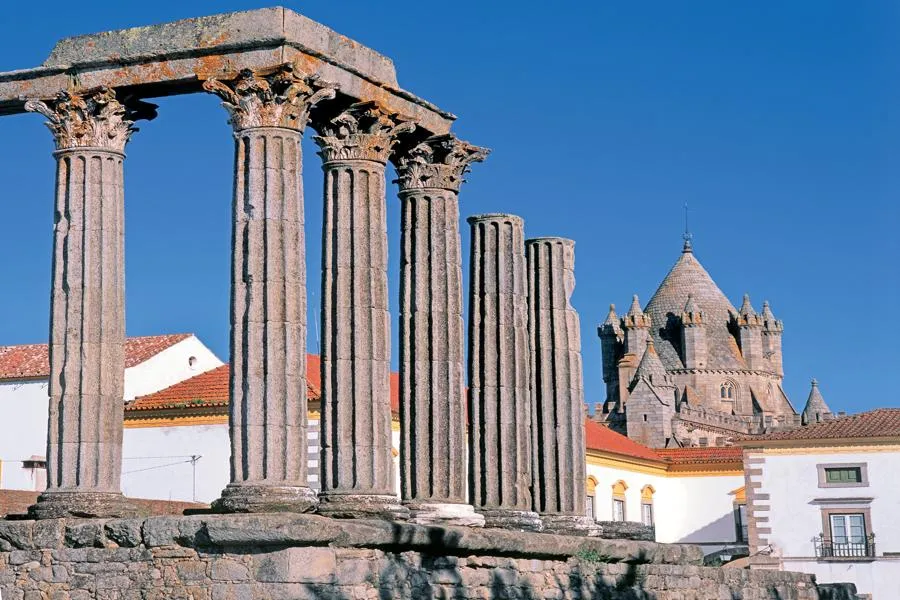
When people think of Portugal, Lisbon and Porto are generally what spring to mind. While these big two cities are, without doubt, places any European tourist should visit, Portugal has much more to offer than just city breaks. Here we dig a bit deeper into five regions of Portugal that should be on your travel bucket list for 2026 (or beyond!). Whatever type of trip you’re after, we reckon you’ll find something to get excited about here.
Alentejo
Beauty and history on the Portuguese plains
The flatlands of Alentejo are home to farms, vineyards, castles, wild horses and towns that date back to the Roman period. Villages that seem not to have changed in hundreds of years are dotted here and there between olive groves and cork trees, and the smell of aromatic herbs wafts through the air.
Let’s start in Évora, one of the towns that the Romans left their mark on, in this case in the forms of an Augustine temple and a huge aqueduct that begins outside the city and thumps its way to the center, houses built between its giant columns. There’s also the macabre Capela dos Ossos, a chapel lined with the bones of over 5,000 people exhumed from medieval graves. Perhaps an even more well-known aqueduct exists at Elvas, 843 arches of grace and history, while the town itself would be a great foodie destination: try migas com entrecosto (ribs in garlic and breadcrumbs), carne de porco à alentejana (Alentejo pork with clams) or, for those with a sweet tooth, ameixas d’Elvas (rich, syrupy candied plums).
Getting out of the towns, the flat landscape makes walking and cycling easy ways to get around. The region covers almost a third of the country yet is home to no more than 5% of its population meaning there’s no rush anywhere in Alentejo — why would you? — and stopping occasionally in a village for a coffee or a snack before winding your way to the next place is a lovely way to explore. The coastline is unspoilt, rough and rugged, while in the northeast of the region are the Serra de São Mamede mountains, home to walled, hilltop towns. Wherever you are in the region, you’ll also get some of the best stargazing you’ll ever see: no people means no light pollution, so you can lie back in the warm, dry heat and look up at the universe spinning above you. How’s that for a trip?
Central Portugal
From the capital to the unknown
The Central Portugal region is a curiously unexplored part of the country. Tourists tend to stay in and around Lisbon, but the wider region contains some of Portugal’s most rugged landscapes and interesting cities.
If you’re still looking for a city break but want somewhere a little different to the capital, consider Coimbra. Once the capital of the kingdom of Portugal, it’s home to the country’s oldest and most famous university, and an inviting Old Town divided into upper (Alta) and lower (Baixa) sections, both with their own character but both featuring small, interesting shops and a variety of tascas that will serve you fabulous local food on a budget. The city also features lush parks and gardens, beautiful churches and monuments and some of the finest museums Portugal has to offer.
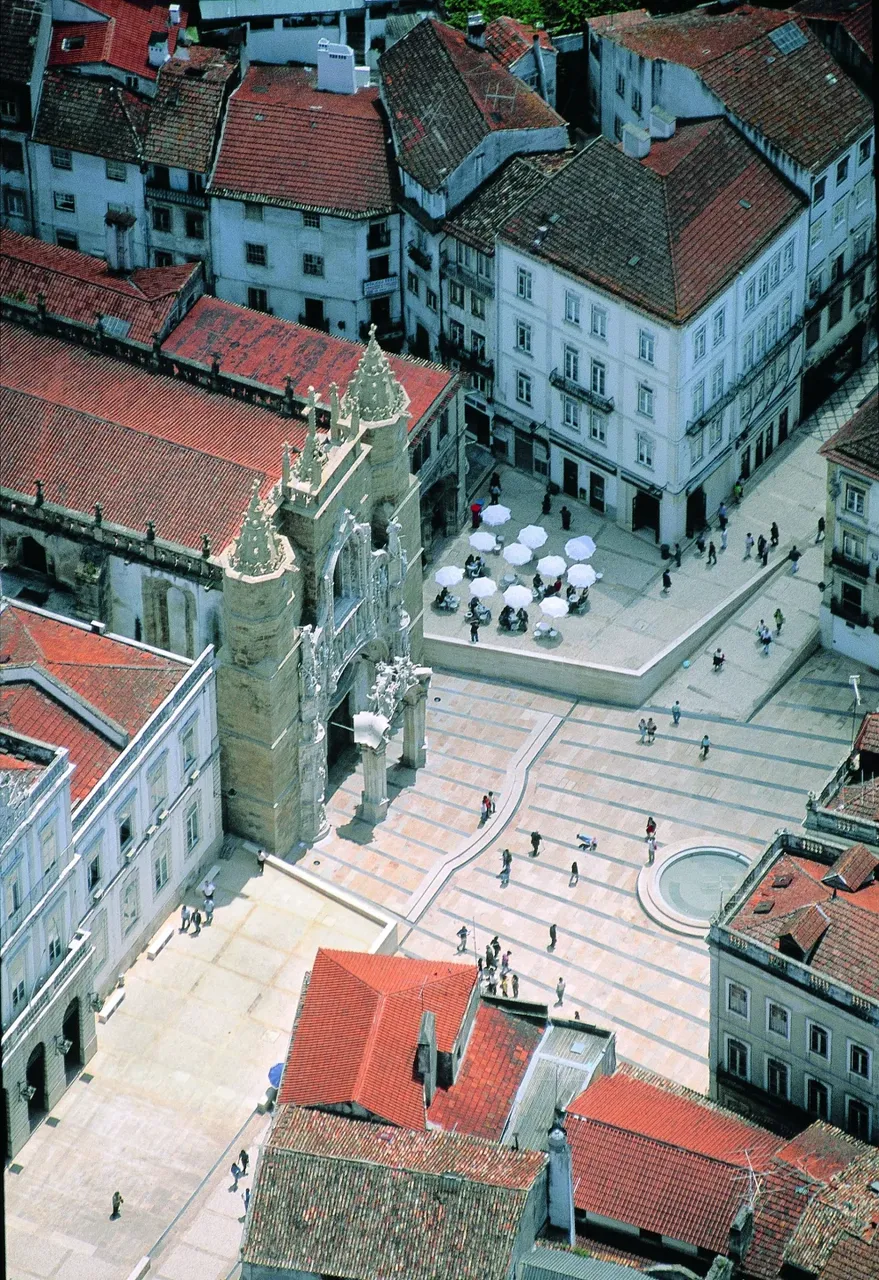
Overhead view of Santa Cruz Square in Coimbra, Portugal, showcasing the historic Santa Cruz Church surrounded by traditional red-roofed buildings and an active city plaza ©Centro de Portugal
The region is also home to the Serra da Estrela, the highest mountain range in mainland Portugal. Whether for hiking or just a road trip, you can get some spectacular views while using the Aldeias Históricas de Portugal as waypoints. These are twelve historic towns and villages dating back to medieval times that you can visit, stop for lunch or stay for longer in, letting you see a different, more relaxed side to the region.
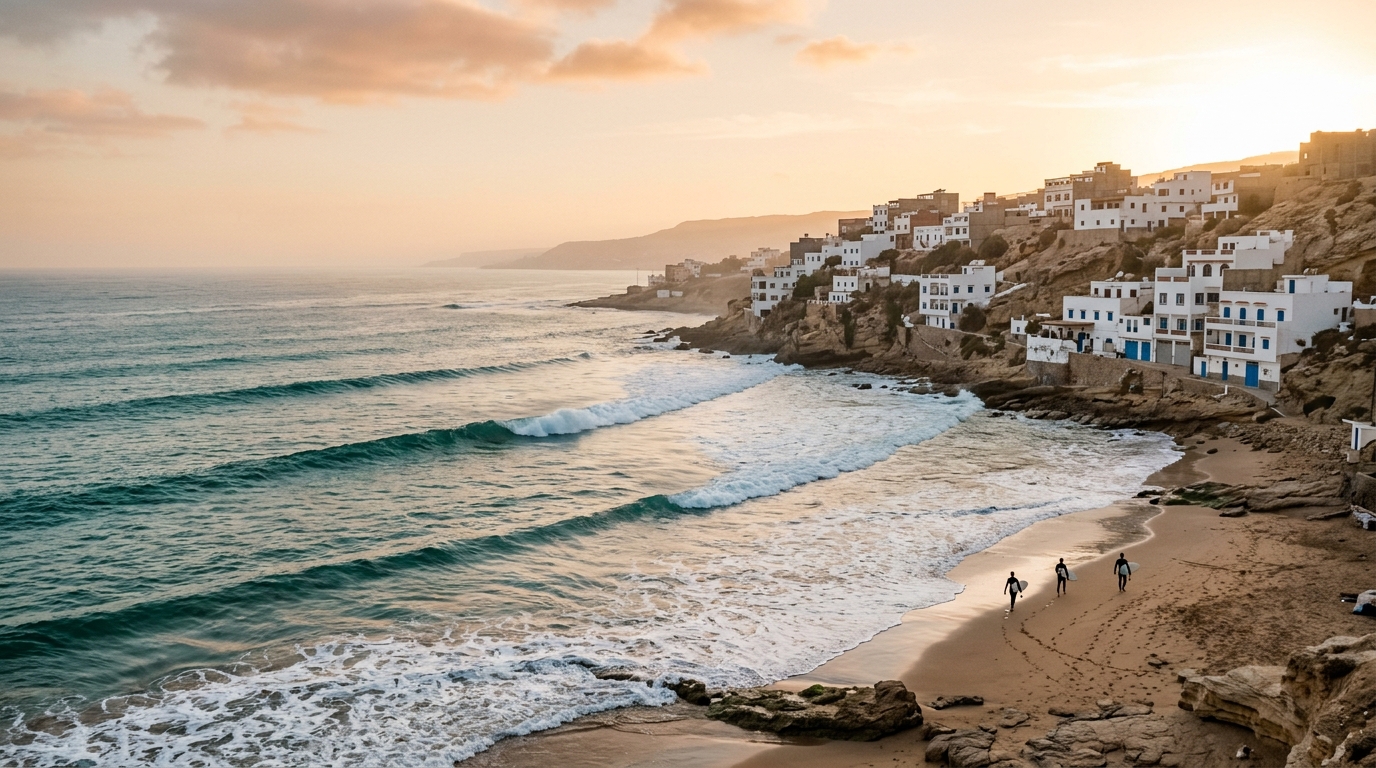
On the coast, famously (or famous among surfers at least) you can find the world’s biggest waves in Nazaré. Don’t worry though, you won’t have to brave them if you don’t want to! Even beginners can learn the basics in and around Nazaré, home as it is to a slew of excellent surf schools, ranging from small, family-run businesses to larger retreats offering lessons from 90 minutes to week-long residential retreats combining surfing with meeting people, partying, even yoga or hiking if that’s your sort of thing!
Algarve
Sun, sea, sand and splendor
Of all the regions mentioned here, we’d wager Algarve is the most well-known. It’s basically Portugal’s southern coast, famous for its sunshine, beaches and resorts, but explore a little further and you’ll find there’s a lot more to it.
One place that couples the region’s natural splendor with fascinating history, great food and drink and lively nightlife is the town of Lagos. It gives you a glimpse into Portugal’s seafaring past when its ancient center would have been filled with traders, sailors, travelers and more, languages and cultures mixing together. This is still true today: Lagos enjoys a cosmopolitan mix of people enjoying its local beaches, family-run restaurants, laid-back atmosphere and varied social scene.
Heading east and away from the main hotspots you can find some wonderful, untouched coastline, mainly the Parque Natural da Ria Formosa between the towns of Faro and Tavira. It’s a series of lagoons and waterways, with many of the sparsely-populated beaches only accessible by ferry. This area (and the old Moorish town of Tavira — an elegant, authentic and characterful place) is the place to be if you want a more unhurried view of authentic Portuguese life.
Madeira
A region all of its own
Madeira, a volcanic archipelago of four islands off the coast of northwest Africa, is around two hours flying time from Lisbon. The main island, Madeira itself, is home to the capital, Funchal, a town of around 150,000 people that rises from the wide bay and the Avenida do Mar up into the hills, 586 meters up and topped with the Monte Palace Tropical Gardens. You can walk or take the cable car up the hill, but coming down is far more of an adventure: jump on board a Carro de Cesto — a sort of wicker toboggan pushed and guided by a driver called a carreiro — to hurtle down the hill at speeds of up to 40 kph! Once you’re calm, explore Funchal further with its cathedral, Mercado dos Lavradores (Farmer’s Market) and the cafes and restaurants of the Old Town. For food and drink lovers, Madeira is a great destination, combining classic Portuguese seafood with exotic fruits and vegetables grown locally thanks to the island’s sub-tropical climate.
It’s the island’s adventurous side that attracts visitors as well: snorkeling, wind-surfing, diving, kayaking and other watersports are available, as well as paragliding, mountain biking, and off-road tours of the island. You can also check out the Levadas, a series of hiking trails ranging from an easy 1.5 km stroll to combinations of trails that can reach over 20 kilometers in length. Whichever you choose you’ll be plunged into a world of deep green forests, river gorges, mountains, waterfalls and carefully-chosen viewpoints giving you some of the best views on the island.
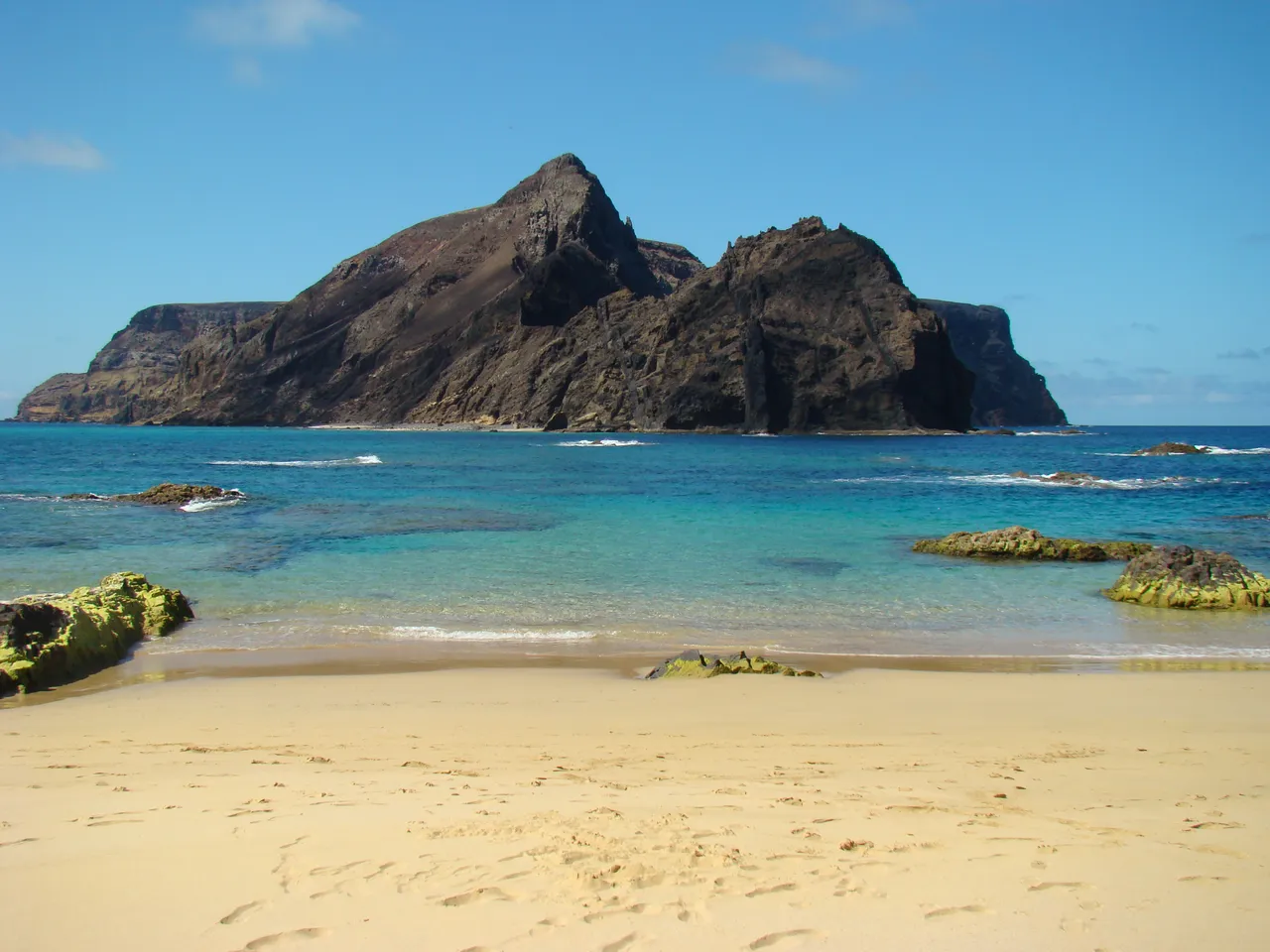
View of the volcanic rock formations offshore from Calheta Beach in Madeira, where golden sand meets clear Atlantic waters ©AP Madeira
Azores
Island-hopping done properly
Another island group like Madeira above, the nine islands that make up the Azores are much more based around nature tourism. Madeira has its hiking trails and they are all beautiful but the Azores takes that spirit of nature and really ramps it up.
The largest island, São Miguel, has enough to keep you entertained by itself, a dazzling mix of oddities including Ponta Delgada, the capital of the region, tea and banana plantations, hot springs, boat trips to spot whales and dolphins and much more. Ponta Delgada will be your first port of call, being that it has the airport, but it’s a small place with only just under 70,000 inhabitants. It’s a pretty place though, its center and main sights dating from the 16th century. Churches, a fortress, the city gates — check, check, check. Spend some time here to relax, eat, drink and plan the rest of your trip.
The islands of the Azores are all linked by ferries, so even just getting from one to the other is a fun way to spend a bit of time. Each one has something different to offer: the meadows and caves of Terceira, the beaches of Santa Maria (unusual for a volcanic archipelago), the vineyards of Pico and Mount Pico itself (at a whopping 2,351 meters the highest mountain in Portuguese territory), and the remote, peaceful Corvo, home to fewer than 500 people. Add to this activities like caving, diving, hiking, biking and being rewarded with local delicacies like São Jorge’s strong cheese or cracas — a sort of barnacle — and you’ll get an overall experience like nowhere else.
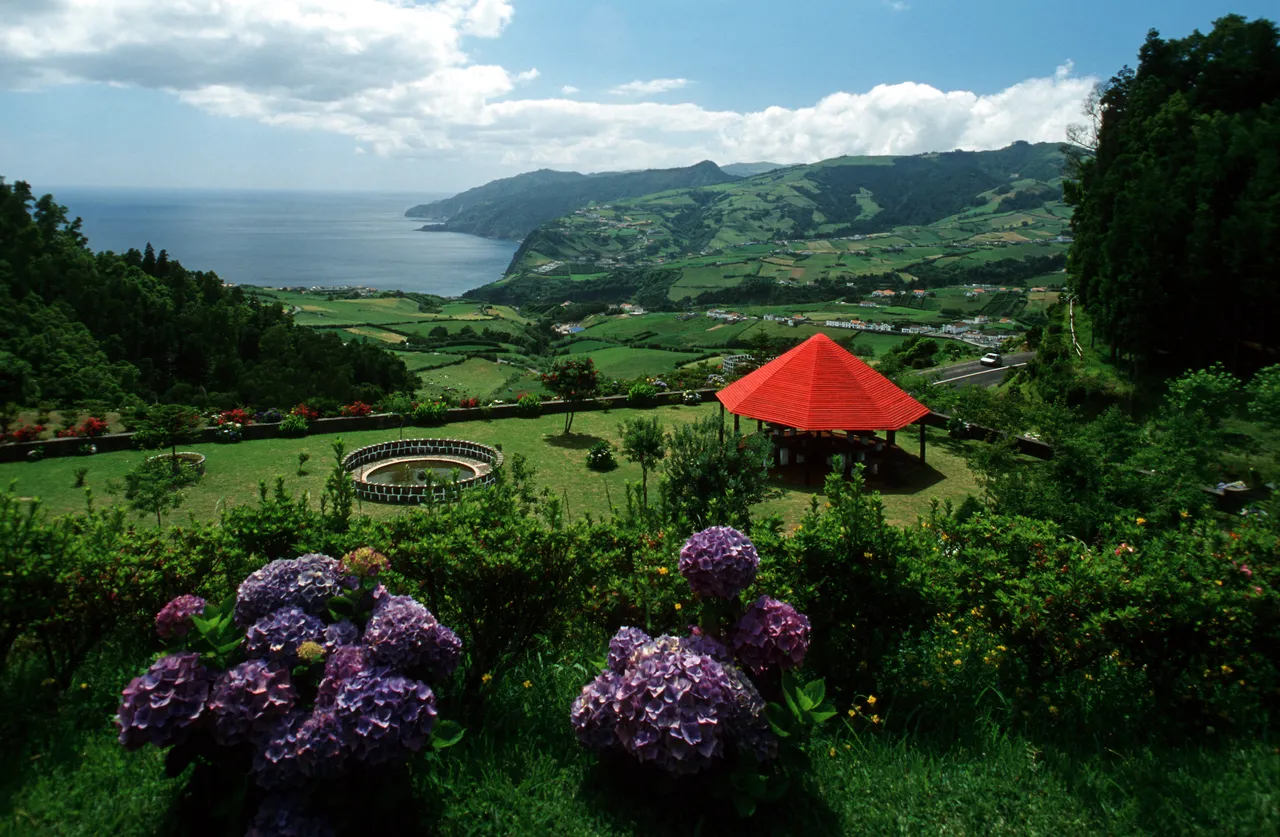
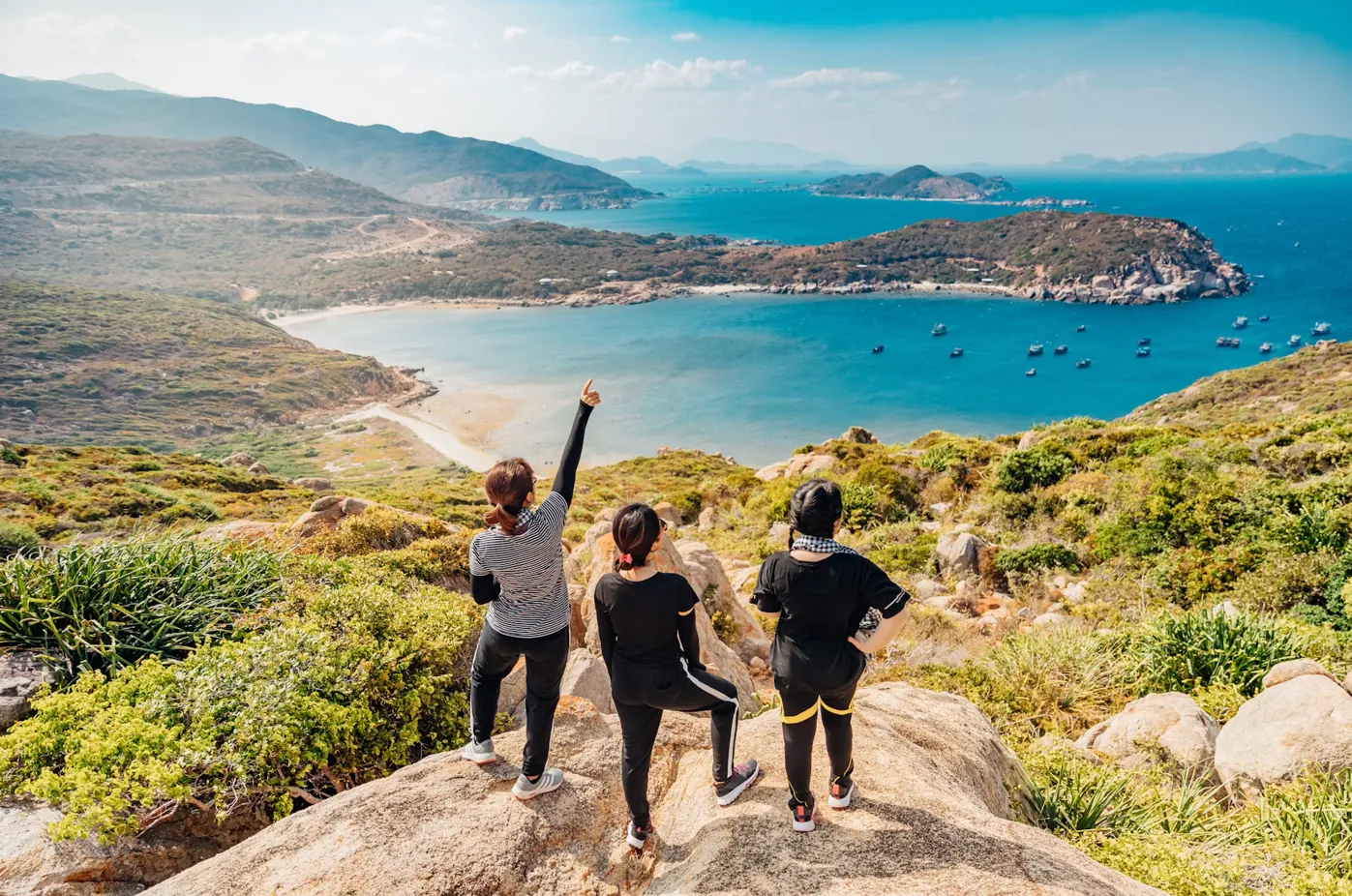
Panoramic view from a landscaped lookout in the Azores, where lush volcanic hills descend toward the Atlantic Ocean ©RCL RuiCunha
Visit Portugal with Kiwi.com
Kiwi.com can find you low-cost flights to the places mentioned above and many more. Our clever search finds cheap flights other sites can’t, and the Kiwi.com Guarantee makes travel simple and stress-free. Search Kiwi.com now and download the Kiwi.com app to get your boarding passes and live travel updates sent directly to you.