






So what are you waiting for? Go, already.
In this article
I’m kidding.
No, I’m not. You should go because, if you can swing two weeks there, you’ll have an unforgettable holiday. The one issue is that Costa Rica is one of the more expensive Central American countries because it is safe, has great infrastructure and its tourism sector is highly developed.
The reason is that, except for one setback early in the 20th century, Costa Rica has had a stable, civilian democratic government with free elections since 1913, which attracted outside investments, which in turn led to a relatively affluent society. It boasts the third-highest average wage in all Latin America, behind only the Bahamas and Uruguay. This accounts for its stability and the higher prices.
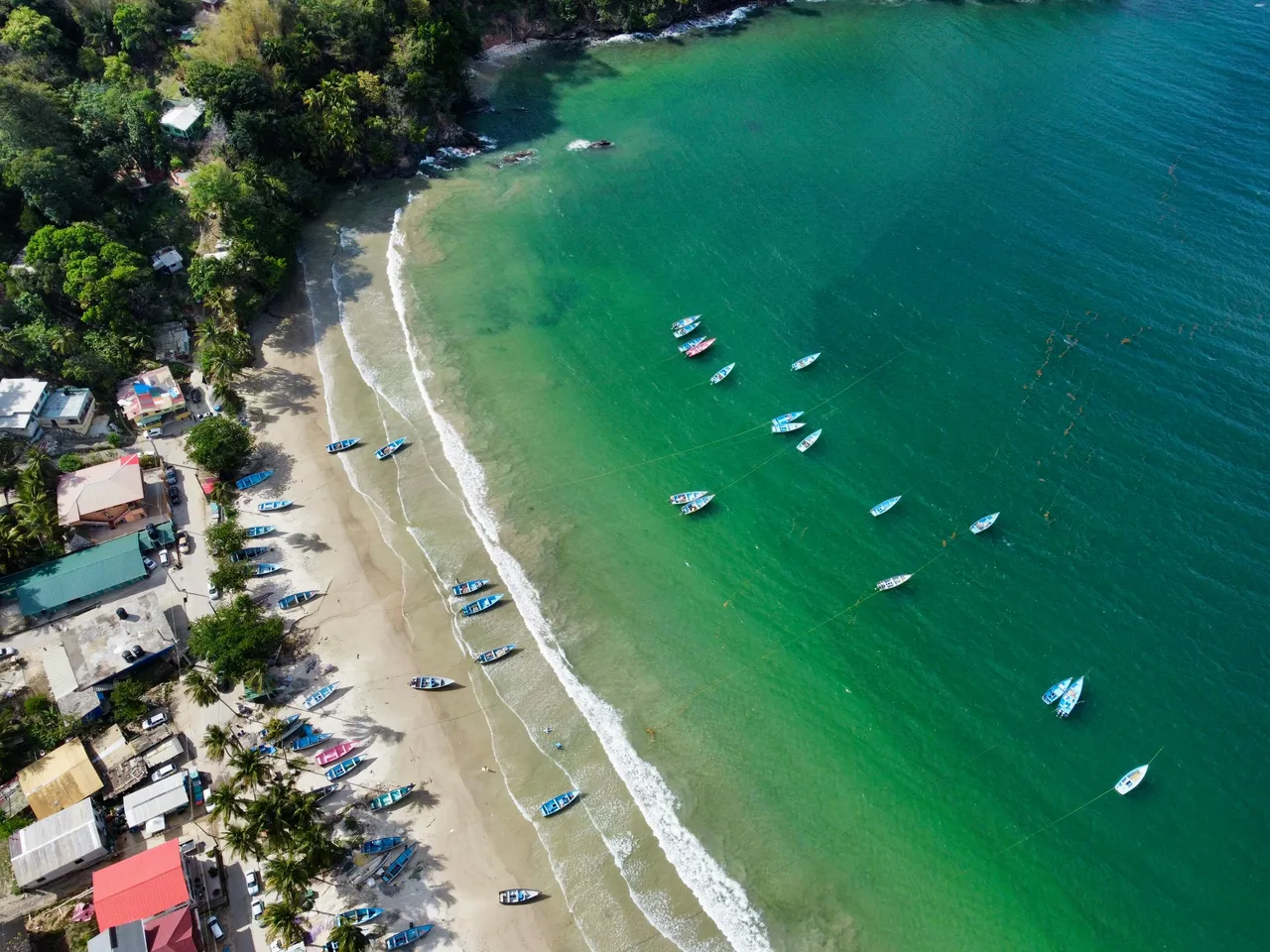
Costa Rica offers an unforgettable getaway with stunning landscapes, safety, and top-notch infrastructure © Pexels
Having said that, there is enough wonderful nature and ‘wild’ life in the country to provide the adventurous visitor with a real, uhm, adventure. Imagine a country with amazing rainforests, wonderful beaches and where you can see jaguars, sloths, humpback whales, monkeys and even quetzals in the wild, and the buses are reliable, safe and punctual, and you can even drink the water!
Let me repeat that: It is safe to drink the water in most places in Costa Rica. If you’re not sure, ask someone who knows. They won’t lie. But it’s a rare place in the country where you can’t drink the tap water.
The other thing you should know is that the country is considered one of the happiest in the world, according to the Happy Planet Index . The reasons are its standard of living, strong social networks, high investments in health and education and a real connection to nature.
If you have climate change worries, you should also know that the country has a very small carbon footprint because almost all of its electricity comes from renewables such as hydropower, wind, geothermal, and solar energy.
NB: I am not employed by the Costa Rican Ministry for Tourism. I just love the place.
When to Go There
Personally, I would say any time of the year is a perfect time to go to Costa Rica . The rainy season on the Pacific side is from May to October, with the rains starting to abate during July and August, but picking up again in September and October. The rains occur mostly in the afternoon and early evening.
I have always loved tropical rainstorms. They are intense and loud, with enormous raindrops striking the ground like raw eggs. But they are usually brief, and afterwards, when the sun comes out again, the world looks shiny and brand-new, like a baby after a bath.
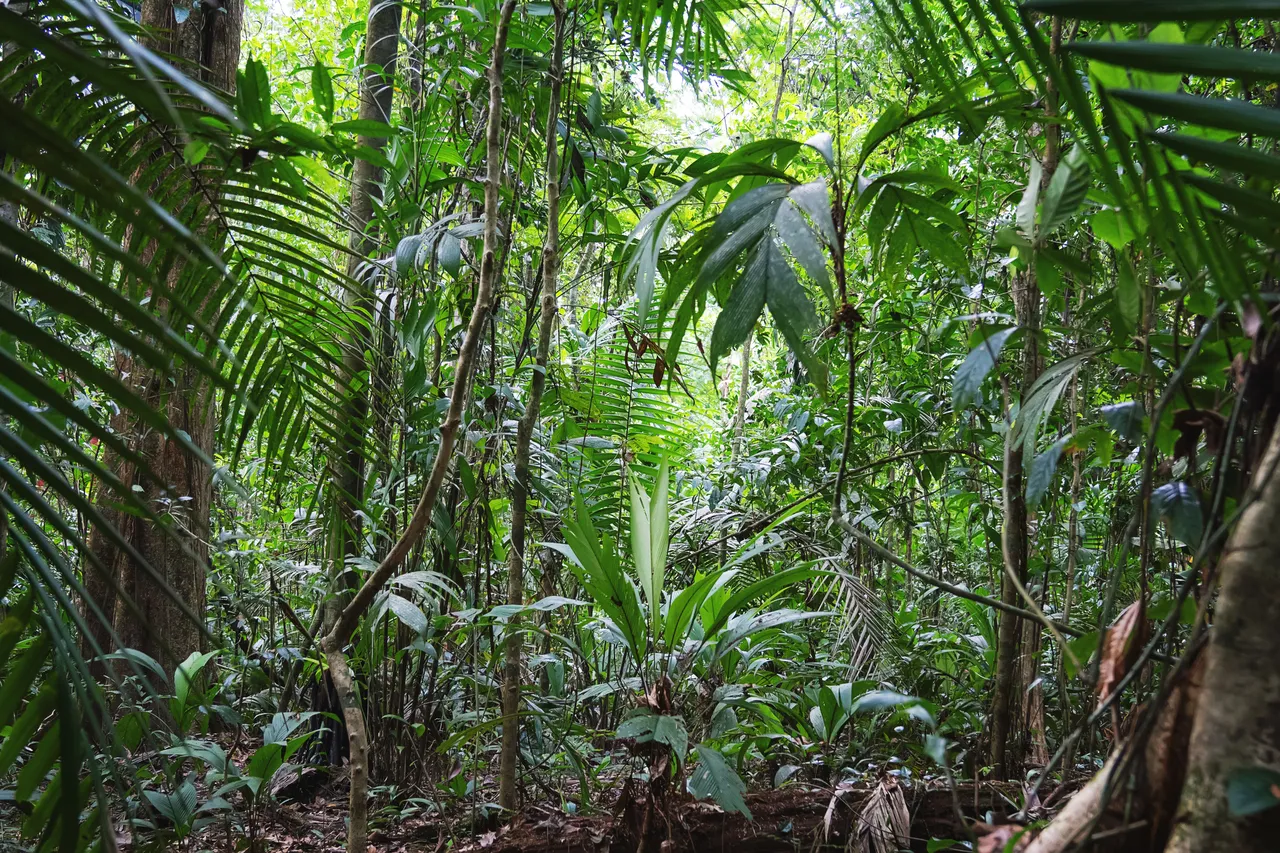
Costa Rica shines year-round, even during the rainy season! Tropical storms bring dramatic downpours, but they pass quickly, leaving behind a fresh, glistening paradise © Getty Images
On the Caribbean side, it rains pretty much year-round, with relatively dry periods in the coastal areas between February and March and between September and October. Here the rain falls mostly at night and in the morning.
Because it has such a varied topography and is subject to weather patterns from two distinct great bodies of water, and because of the mountains, there are seven main climatic regions in Costa Rica. Now, you can do a lot of research and try to find the “perfect” time to be there, or you can just plan for going at the most convenient time and pack rain gear – which you will need in any case for the rainforests. . . .
How to Get There
Unless you’re coming from a city where you can get a direct flight for a great price, like Madrid (be patient, Madrilenos, if you don’t find it immediately; it’ll come), you’ll have to weigh up money and time again. Because the flight time differences are sometimes pretty great and involve two stops, I suggest you opt for the least expensive one-stop-each-way option. It’s still surprisingly inexpensive for such a long distance. Count on 12 to 15 hours of flying time each way.
You’ll be flying into the capital San José , which is centrally located and so is a great place to take a bus to anywhere in the country.
Where to Go
Many, many beaches for swimming, surfing, snorkeling or diving. Many, many protected wildlife areas with many, many hiking trails. Many rainforests and many volcanoes, many of them still active. There are so many places to be at and to see in Costa Rica that it’s hard to know where to start and what to single out.
So I will just cite some of my favorite must-sees and must-be-theres. Costa Rica is divided into the provinces of Guanacaste, Puntarenas, Alajuela, Heredia, San Jose , Cartago, and Limon. Each one offers something to see and somewhere to be. But I’ll focus on the main tourist provinces of Guanacaste (on the Pacific coast) and Limón (on the Caribbean side) – with some bonus add-ons.
Pacific Coast
Guanacaste
This province is so loaded with beaches, protected areas (including water, land, mountain and coastal ecosystems), caverns, volcanoes and other sights and sites that you could spend your two weeks here, surfing, swimming and sight-seeing. Because of its wealth of pleasures, it is also one of the most visited and developed areas of Costa Rica. Which means a great infrastructure, good drinking water and a large choice of accommodations.
Pick a beach, any beach, on the Pacific and you will find hostels, cabanas and other affordable places to stay. Just make sure that the showers have hot water and there’s some air conditioning. For a little more money, you’ll find a wealth of choices with more comfort.
The Grande Beach is truly grande. It is also part of the Baulas National Marine Park , which protects the main nesting beaches for the leatherback turtle and is an important spot for migratory birds, the American crocodile and other beasts and creatures.
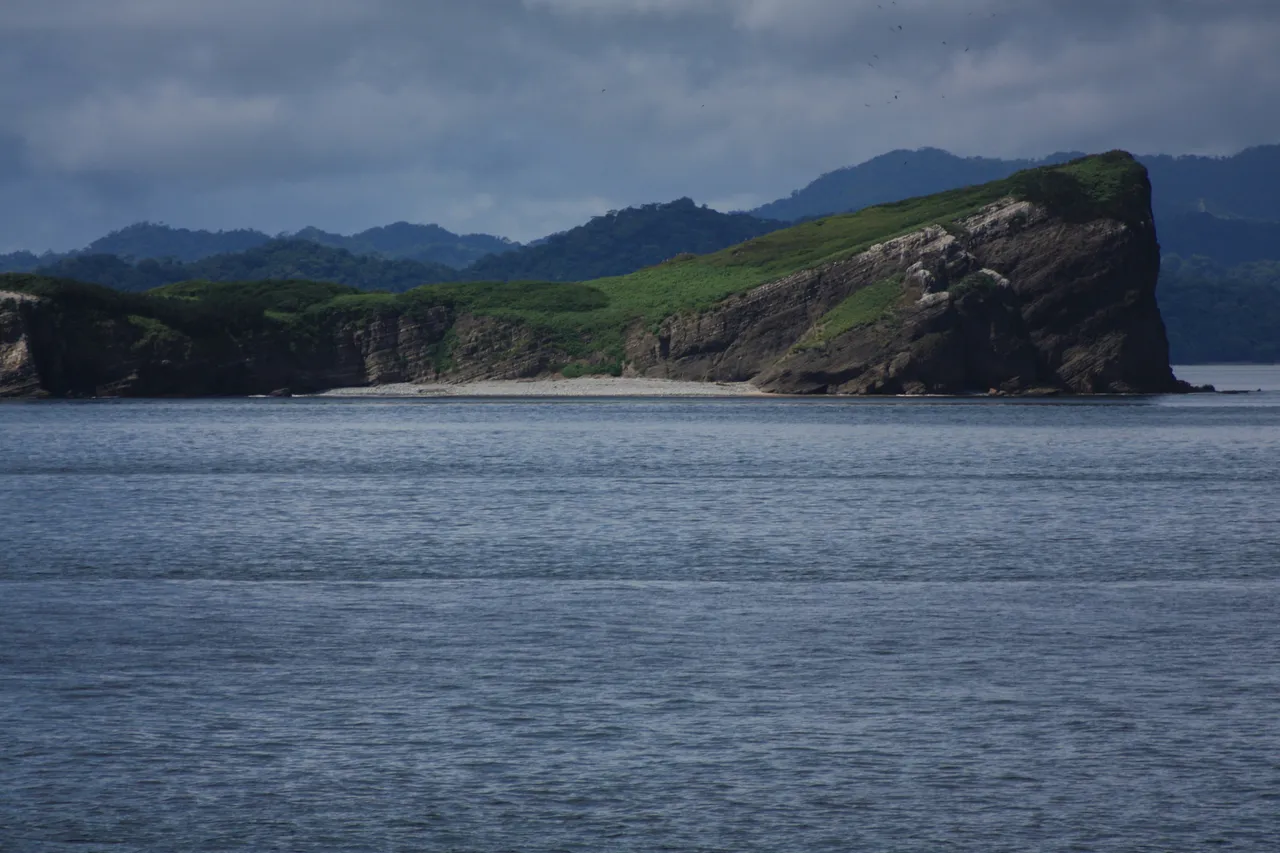
Guanacaste province is a paradise of beaches, volcanoes, and wildlife. With great infrastructure and endless adventures, it’s perfect for surfers, nature lovers, and anyone craving a tropical escape! © Getty Images
The beach is great for swimming, surfing and hiking. It extends south to the Tamarindo estuary and the stunning mangrove forest of the Tamarindo Wildlife National Refuge, which you can tour by boat. It’s worth it.
If you want to go off the beaten track, the canton of Cañas has a lot of attractions. You can raft on the Corobici River, hike in the Pelado Volcano or visit the El Farallon archaeological site, a huge rock wall covered with ancient indigenous engravings.
Because Cañas is not very touristy, it is as close to the traditional Costa Rican Tico culture as you’ll find in the country. Costa Ricans usually call themselves Ticos or Ticas, rather than Costa Ricans, to celebrate their close-knit and unique culture. In this area, it’s something of a cowboy culture; you’ll see lots of locals going down the street on horseback. Giddy-up!
Not far away you’ll find the Palo Verde National Park , great for birdwatching; or you can go rafting down the Coribici River; or visit the Las Pumas wildlife rescue center to see pumas, jaguars, cougars and ocelots, as well as monkeys, otters, badgers and tropical birds, whose lives have been saved by the center but who could not be rehabilitated completely.
A three-hour bus ride from Cañas, in Alajuela Province , you’ll find one of the country’s most popular tourist destinations, La Fortuna. Its popularity is primarily due to the Arenal Volcano, which erupted in 1968 and destroyed three towns.
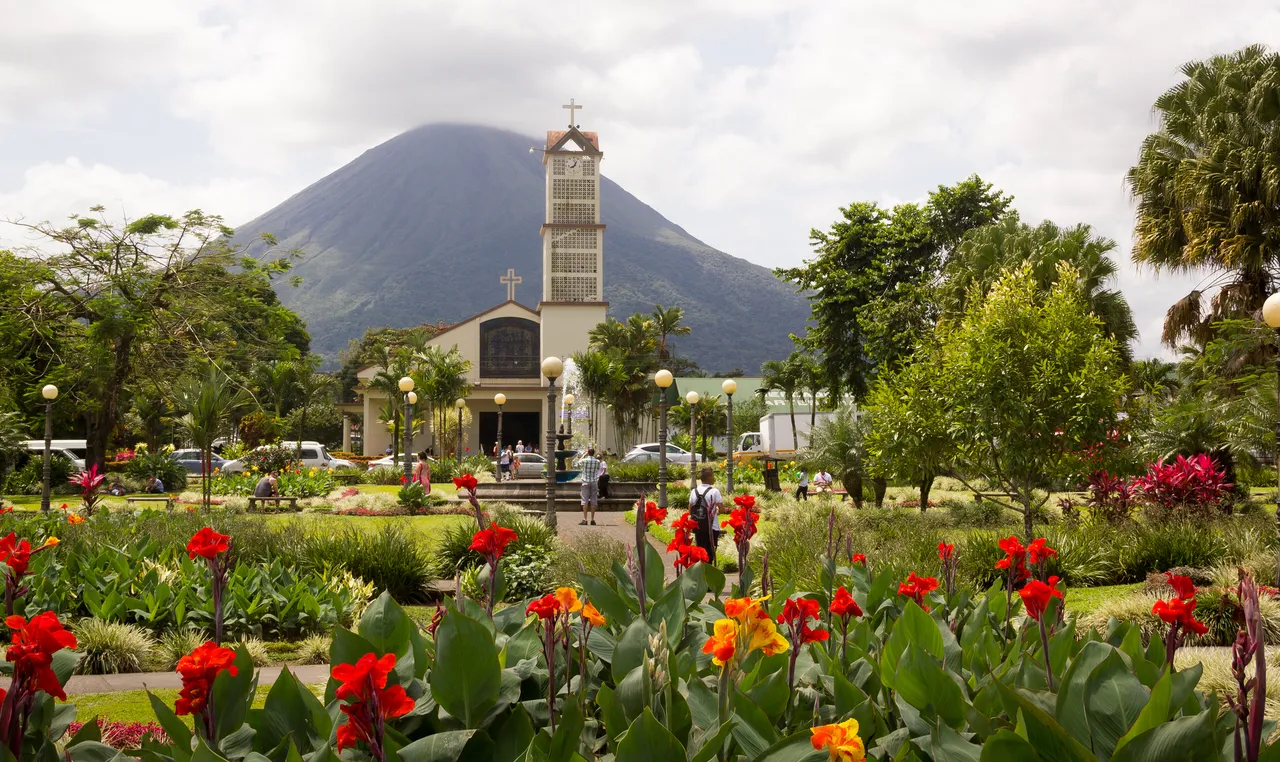
Beyond its dramatic history, La Fortuna boasts lush rainforests, stunning waterfalls, and soothing hot springs, making it a top destination for nature lovers and thrill-seekers alike © Getty Images
Although it was declared inactive in 2010, columns of ash, underground rumblings and bright lava flows and little explosions are daily occurrences. You can also hike through the area surrounding the volcano. So bring running shoes and a jet pack, just in case.
If that isn’t enough excitement for you, the nearby Poás Volcano has erupted 40 times since 1828, with an eruption in April 2017 that forced visitors and residents to evacuate the area. Or you can visit the nearby La Fortuna waterfall, where you can do a waterfall rappelling and rafting combination, which means rappelling down five falls and rafting over the rapids of the Balsa River.
Puntarenas
The Monteverde Cloud Forest , located near the town of the same name, is one of the marvels of Costa Rica. A cloud forest takes its name from the low-hanging clouds that drift over the treetops, or even lower, before condensing and dripping its moisture onto the leaves of the trees. In its 26,000 acres, it contains over 100 mammal species, 400 species of birds and over 1,000 species of amphibians and reptiles.
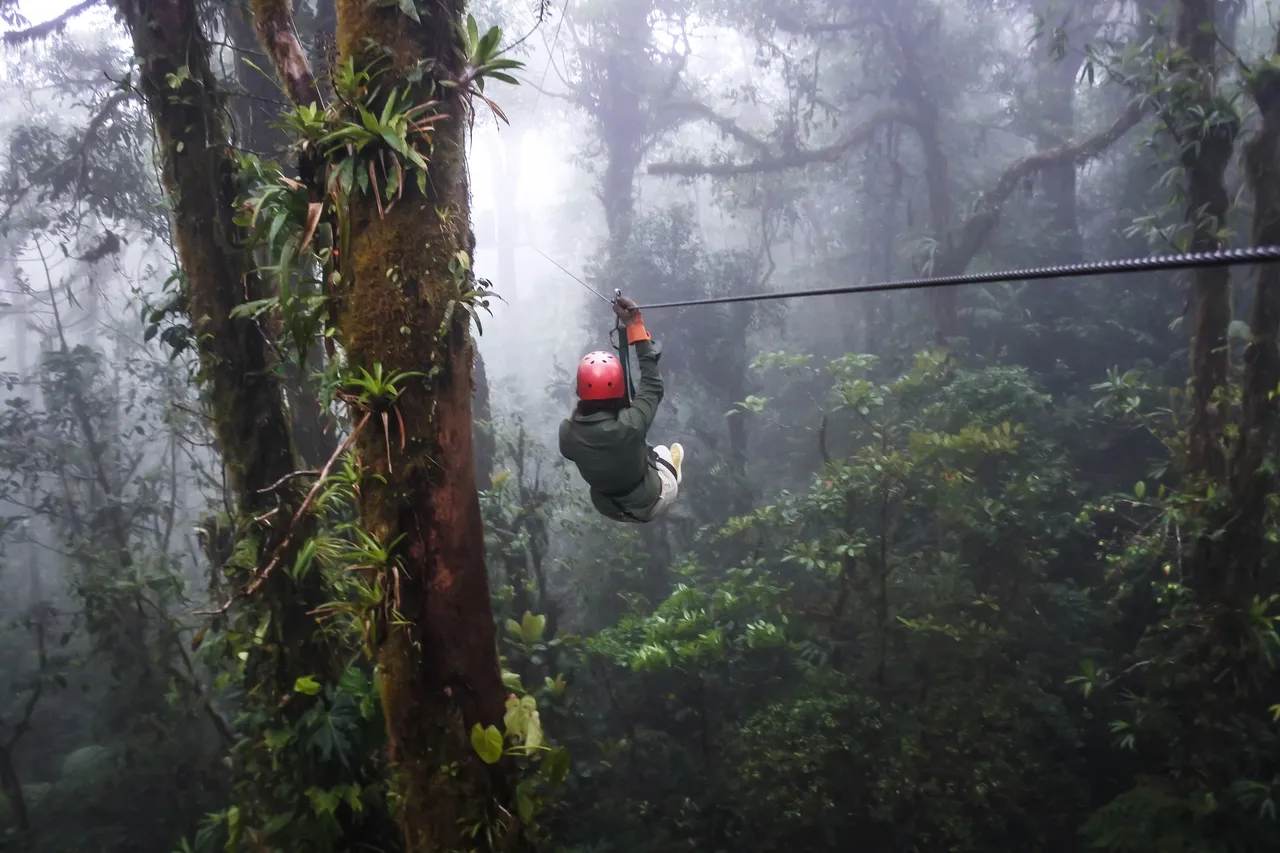
Monteverde Cloud Forest is a misty paradise, home to diverse wildlife, from rare birds to exotic mammals. A must-visit for nature lovers! © Getty Images
It’s also one of the few remaining habitats that supports all six species of the cat family — jaguars, ocelots, pumas, oncillas, margays, and jaguarundis — as well as the magnificent quetzal bird, worshipped by the Maya of Mexico. More than 13km of trails can be hiked, on your own or with a guide.
Other, similar habitats nearby are the Santa Elena Cloud Forest Reserve and the Bosque Eterno de los Ninos, or Children’s Eternal Rainforest, which was started when Swedish schoolchildren raised money to purchase parcels of threatened wilderness and which today spans over 55,000 acres. An unforgettable adventure you can have there is to spend a night in one of the two biological stations.
Caribbean Coast
Limón
This province stretches along the Caribbean coast and so of course has beaches galore. It also has the highest percentage of protected land in Costa Rica as well as the greatest cultural diversity.
The main reason to see the town of Cahuita is the Cahuita National Park , which has some wild beaches and lots of fascinating wildlife. Within the park, Playa Blanca and Puerto Vargas have beautiful white-sand beaches with calm waters. And if you want to spring for it, you can do a really amazing nighttime wildlife tour, to see animals you would otherwise never see.
Puerto Viejo, about 30 minutes from Cahuita, is the star town of the region and may be the best place to use as a base for your visit to the country. It’s got lots of beaches, for both surfing or swimming, and a gorgeous rainforest with more wildlife.
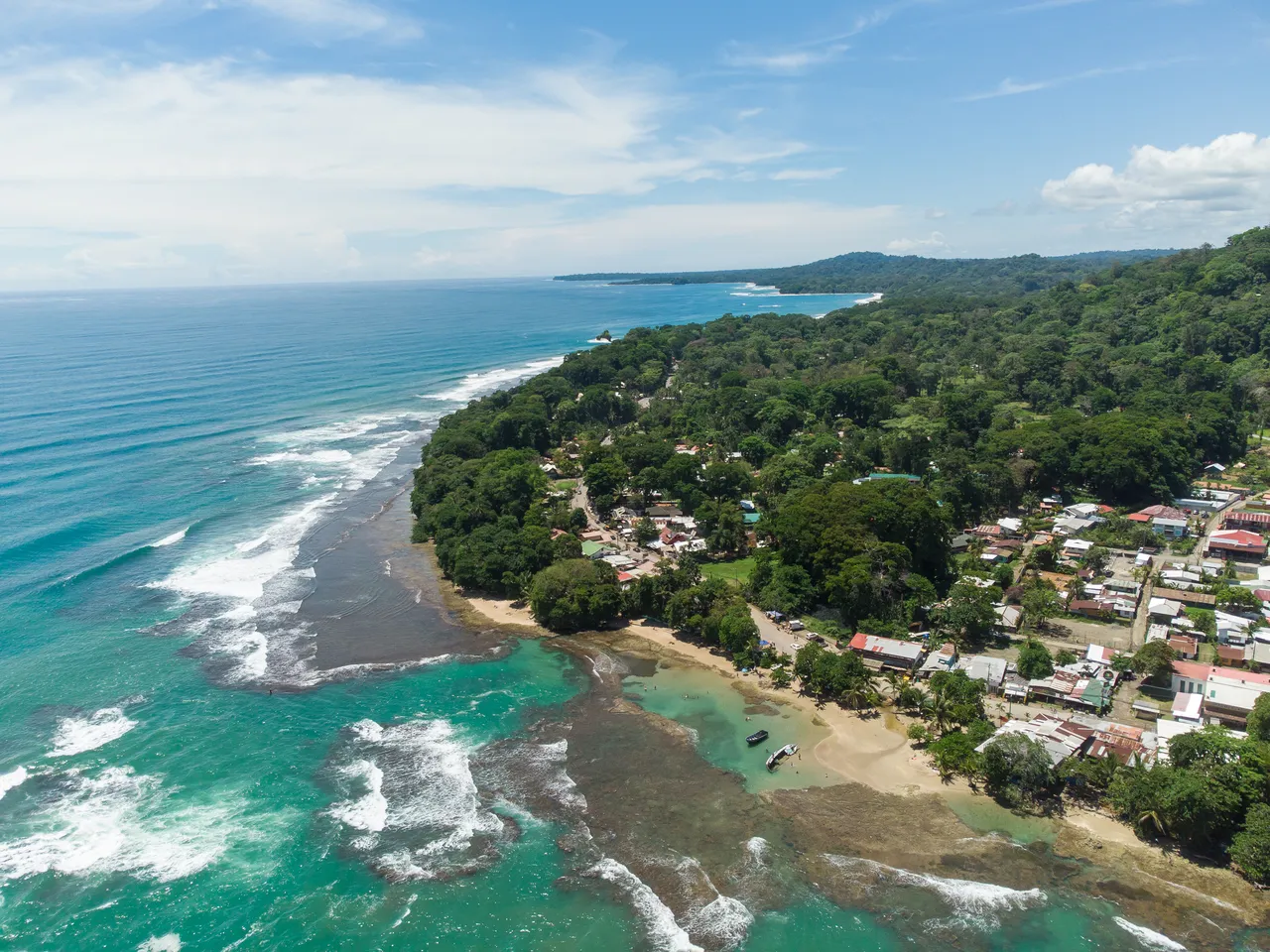
Puerto Viejo is a vibrant coastal gem with stunning beaches, great surf, and lush rainforests—perfect for adventure and relaxation © Getty Images
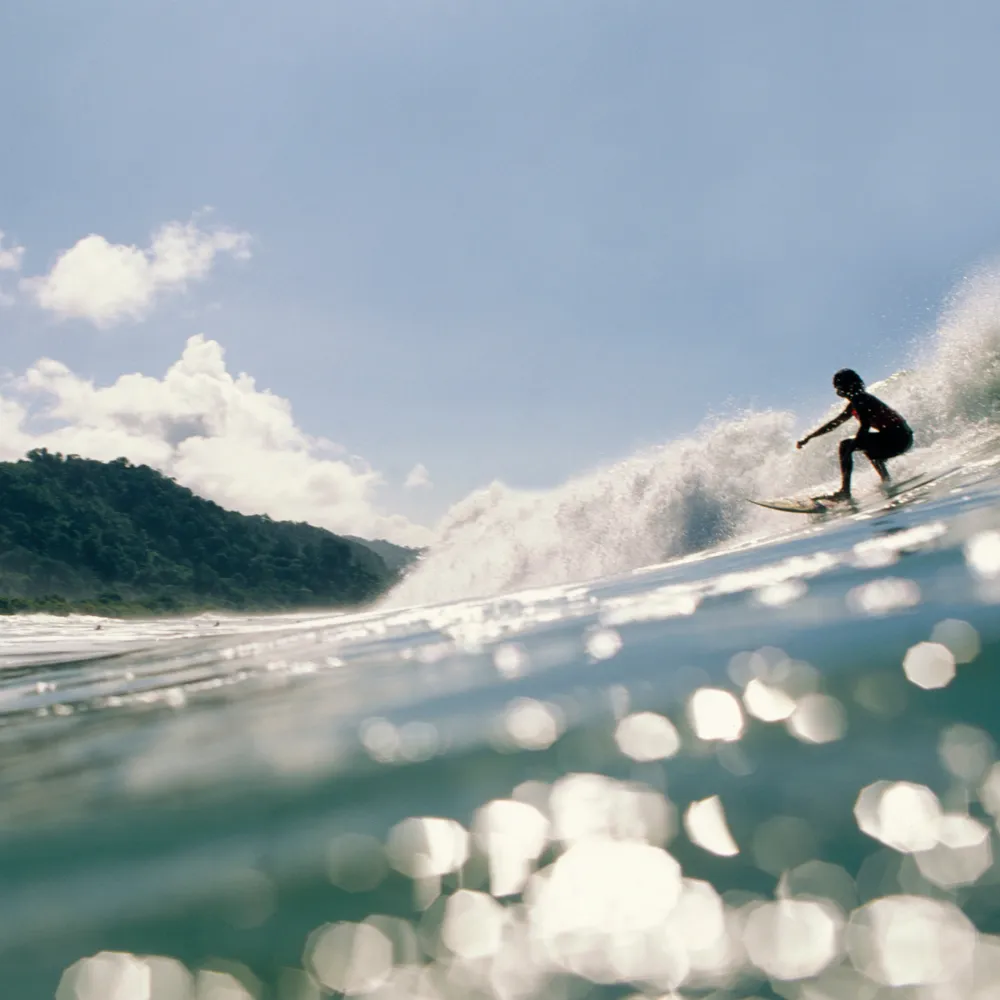
Puerto Viejo started out as a small fishing village and has become a popular tourist spot and one of the most popular surfing destinations in the world. With its relaxed vibe and blend of Latino, Afro-Caribbean and indigenous Bribri cultures, the city is never less than exciting and fascinating.
North of the town, Playa Negra is a beautiful beach of black sand. The popular Punta Uva beach is great for snorkeling and reef exploration. To the south, Playa Cocles is great for surfing, and you go to Playa Chiquita to relax and shut down for a while.
If you’re into snorkeling and reef exploration, this is the place to be. From Playa Arrecife, you can snorkel right from the beach. There is also a big coral reef in Cahuita National Park that is accessible by boat. And there is a shallow reef off nearby Manzanillo that is perfect for diving and snorkeling.
The Parque Nacional Tortuguero (Tortuguero National Park) is one of the most spectacular protected wilderness areas in the Western Hemisphere. It is completely surrounded by water and is accessible only by boat. Although there are plenty of beaches, they are not for swimming because of the strong currents and to protect the endangered green turtles who frequent the place.
Rent a canoe and combine it with a hike and you’ll see sloths, toucans, caiman and monkeys, in addition to the many turtles you’ll see on the beaches. Bring plenty of rainwear and wrap your vulnerable stuff in plastic to protect it from sudden downpours. But this is a don’t-miss for true wildlife aficionados.
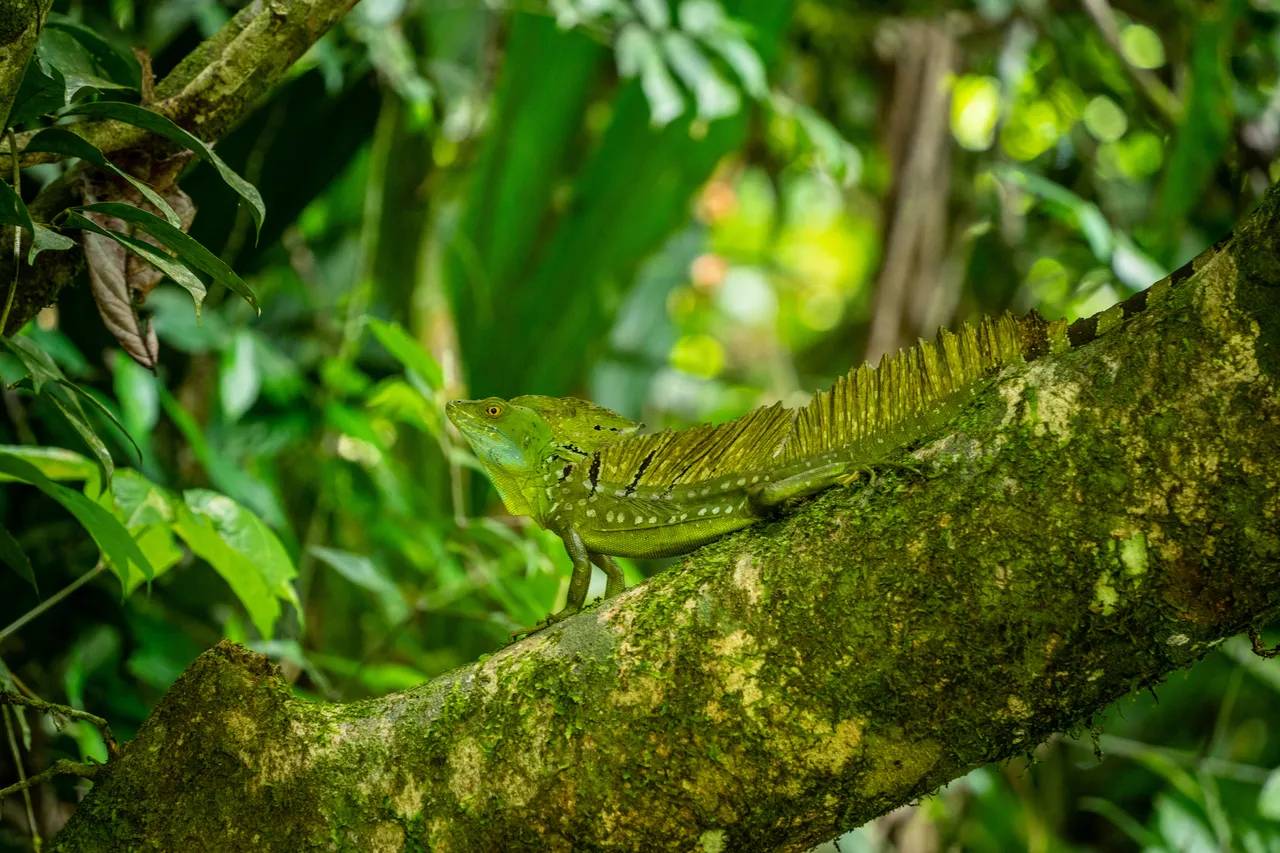
With rain showers often, be prepared—but the wildlife here is worth every drop! © Getty Images
Puerto Viejo also has a lively nightlife, with live music and dancing. Check out Johnny’s Place, which serves up seafood as well as reggae, roots and Calypso jams. Wednesday nights only women are allowed until midnight and get free drinks – very clever on the part of the boys – while the men have to stay outside and cool their heels.
The Salsa Brava is named for the most famous surfing wave on the coast and is a terrific spot to have a drink and chill. (I worked as a bartender for a number of years and so have an eye and feel for terrific bars. It is the oldest bar in town and offers great reggae on Sundays. The prices for drinks and food are more than reasonable.
Food Suggestions
Coconut chicken, garlic butter drenched lobster drenched in garlic butter, seafood stew. And fresh fish, fresh fish, fresh fish. Food is pretty expensive in Costa Rica because so much of it is imported, so try to stick with what the locals produce and eat as much street food as you can.
Street food is relatively safe in Costa Rica because the water is safe. If youi’re unsure, eat where the locals do. You can find vendors almost everywhere, even on buses. Arroz con pollo is a local street food staple and very filling and tasty. Also try the shredded beef or, on the coast, fish empanadas; ceviche, which is fish marinated in lime juice (but smell it and if it doesn’t pass that test or is rubbery, pass on it); and Cantonese rice. To name just a few.

Embrace Costa Rican street food—safe, tasty, and everywhere! Arroz con pollo is a must-try local favorite, offering a satisfying and delicious taste of the country © Getty Images
Final Words
Do I really need to say more to convince you to save up for a two-week holiday in Costa Rica? I only scratched the surface of the many places to swim at, hike through, chill in or look at in awe. I guarantee that, even if none of the places I have described sing to your soul, there are other places with different voices and better music.
Just keep in mind that your travel budget is being stretched by clean water, punctual and comfortable buses and the time of your life.