


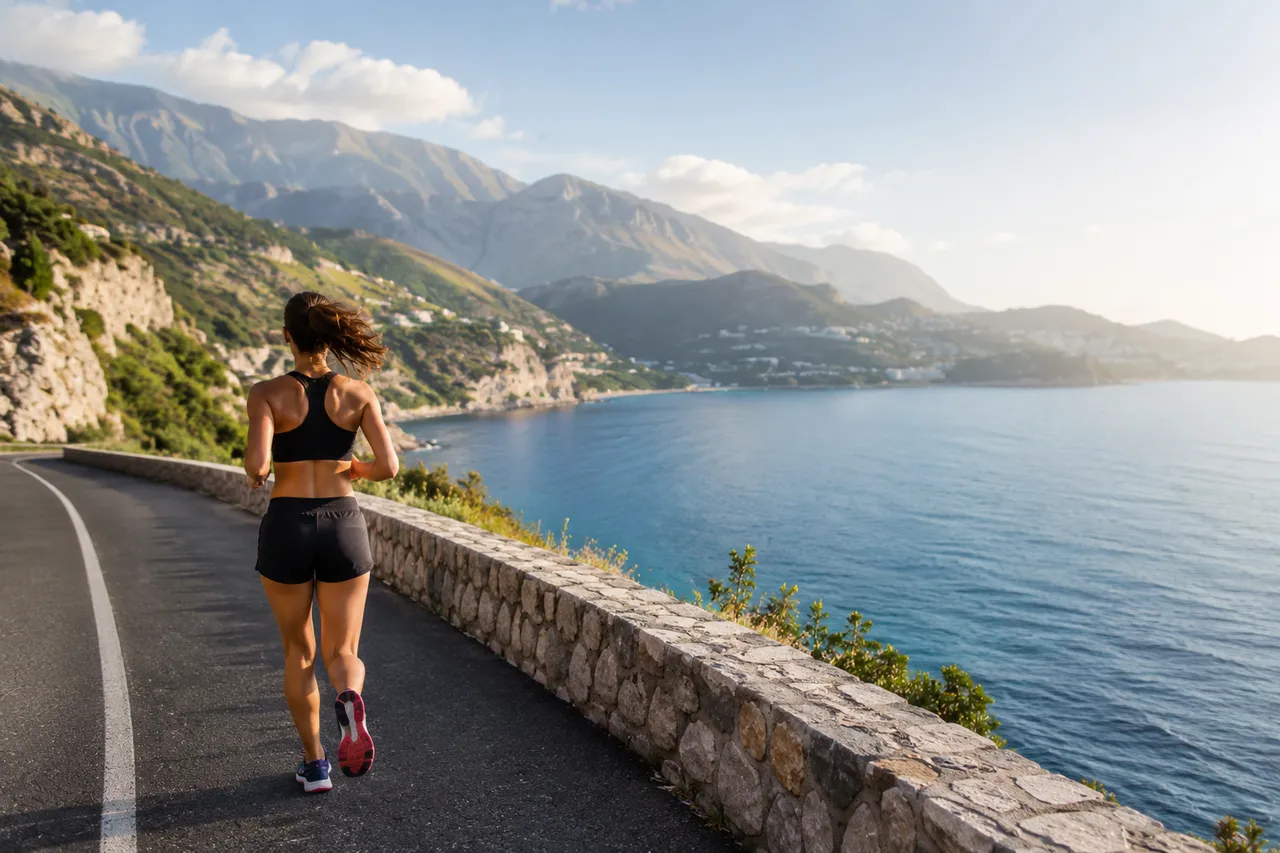
One type of runcation is when you travel to a specific city to run a marathon, half-marathon, or trail race. The “vacation” part happens during the recovery days. Or you might book a hotel near a famous national park or in a city just because you want to spend your days exploring those paths or that city. Some cities are especially suited to runcations. Lisbon has 170 running routes and 100+ green spaces. Use apps like AllTrails or Strava Heatmaps to verify trail quality before booking accommodation.
The Runcation Evolution
The Early Phase: The “Major” Chasers
Originally, runners traveled to specific cities for the World Marathon Majors (Boston, London , Berlin, etc.). Their focus was on performance and PB (Personal Best) hunting. The experience consisted of flying in on Friday, “carb-loading” in a hotel room, then running on Sunday and flying home Monday. The “vacation” part was often secondary to the competition.
The Mid-Evolution: The Rise of Destination Trail Running
As road marathons became crowded, runners began to look more toward nature. This shifted the focus from speed to scenery. Events like the Ultra-Trail du Mont-Blanc turned the Alps into a summer playground for runners—the so-called UTMB effect. The experience also changed. Travelers began booking week-long trips to trail hubs like Chamonix, Sedona, or the Dolomites, using running as a way to hike “faster” and see more remote landscapes.
The Modern Era: Wellness & Curated Retreats
Today, the runcation is a multi-day luxury or social experience. It isn’t always about a race; it’s about the lifestyle.
Curated Tours
Companies now organize “running safaris” in Kenya or “coastal runs” in Portugal, providing support vans, local guides, and high-end recovery spas.
Social Running
With the explosion of run clubs, groups of friends now book Airbnbs in “runnable” cities (like Copenhagen or Boulder) specifically to explore the local coffee culture and running routes together.
The “Tech-Guided” Evolution
Technology has democratized the runcation. You no longer need a guided tour to have one.
Strava & Komoot
Heatmaps allow runners to land in any city and immediately find the most beautiful, safe routes used by locals.
Summary of the Evolution
| Feature | The Old Runcation | The Modern Runcation |
|---|---|---|
| Primary Goal | Finish a specific race | Explore a new culture/landscape |
| Intensity | High (strict schedule and recovery) | Varied sSocial miles + adventure) |
| Duration | 2–3 days | 7–10 days |
| Post-Run | Staying in bed to recover | Hiking, sightseeing, and local dining |
Booking a Runcation
How to Book
You can choose between organized tours or a DIY approach:
Organized Tours
Companies like Runcation Travel or Pure Trails offer both guided and self-guided packages that include accommodation, baggage transfers, and pre-scouted GPX routes.
DIY Planning
Start by finding inspiration on platforms like Reddit’s r/trailrunning or specialized running blogs. Use apps like AllTrails or Strava Heatmaps to verify trail quality before booking accommodation.
Timing
Popular mountain routes (like the Dolomites or Tour du Mont Blanc) often require booking 6 months to 1 year in advance due to limited space in mountain huts.
Location in Relation to Trails
The “where” is the most critical factor for a smooth experience:
Trailhead Access
For the best experience, stay at a “base camp” hotel with trails starting directly from the property, such as (in Czechia) Resort Český les or Pytloun Chateau Hotel Ctěnice, which sits right on local bike and nature paths.
Logistics
If you aren’t staying right on a trail, choose a location near public transport or consider a car rental to reach trailheads easily.
Proximity to Essentials
Ensure your accommodation has runner-friendly amenities, like a fridge for pre-run nutrition and/or proximity to a grocery store.
Where to Runcation
Choosing a runcation destination depends on your skill level and how much “adventure” you want outside of the running itself.
By Region & Difficulty
| Region | Best For | Notable Highlights |
|---|---|---|
| Europe | Beginners/Intermediate | Amalfi Coast, Italy: Best for “scenery-first” runners with undulating cliff paths. Mallorca, Spain: Well-suited for those new to multi-day mountain running. |
| Intermediate/Advanced | Dolomites, Italy: Offers a vast network of technical trails with bucket-list scenery like the Tre Cime di Lavaredo. Chamonix, France: The “mecca” of trail running, featuring steep, technical Alpine paths. | |
| Off the Beaten Path | Accursed Mountains, Albania: Raw, limited infrastructure and very affordable. Lofoten Islands, Norway: Technical Arctic trails where you can run under the midnight sun in late July.Arctic Circle Trail, Greenland: A 100-mile self-sufficient route with no cell service or resupply. | |
| North America | Variety of Levels | Colorado, US: Features high-altitude challenges and a range of terrains from accessible trails in the Front Range to demanding peaks in the Rockies. |
| Adventure/Hardcore | Yosemite, California: Iconic granite cliffs and steep, demanding high-country trails. | |
| Other Regions | Oceania/South America | Queenstown, New Zealand: Diverse routes from coastal paths to alpine challenges. Torres del Paine, Chile: Remote, rugged terrain with dramatic granite towers and turquoise lakes. |
Booking Tips for 2026
Book Early
Popular destinations like the Dolomites and Lofoten Islands often sell out by January for summer departures.
Time Considerations
Short breaks (4-5 days) work well for Amalfi or Mallorca, while remote adventures like Georgia (Caucasus) or Lofoten typically require 9-10 days.
Skill Check
Be honest with yourself about your technical experience. Trails in places like the Dolomites or Albania are far more demanding than the rolling hills of the Isle of Man.
Runcation Tips for Beginners
Here are the essential tips for planning your first running-focused trip:
Choose a “Runnable” Destination
Not every beautiful city is good for running. For your first trip, look for:
- Infrastructure: Cities with extensive park systems or “greenways” (e.g., Vancouver ’s Seawall, Munich’s Englischer Garten, or Chicago ’s Lakefront Trail).
- Climate: Check the average humidity and temperature. A runcation in 90% humidity can quickly become a “walk-cation” if you aren’t acclimated.
- Topography: If you live in a flat area, don’t book your first runcation in the Alps or San Francisco. Start with terrain similar to what you train on.
The “3-to-1” Rule
To avoid burnout, aim for three hours of exploration for every one hour of running. For example, if you run for 60 minutes in the morning, spend the rest of the day on low-impact activities like visiting a museum, enjoying a long lunch, or taking a boat tour. Avoid “standing” activities (like 4-hour walking tours) immediately after your long runs.
Use Technology to Scout Routes
Don’t wait until you arrive to figure out where to run. Use an app like Strava Heatmaps to find suitable trails and find out where the locals run. This helps you avoid dead ends or dangerous roads.
RunGo App
This app provides turn-by-turn voice navigation so you can keep your phone in your pocket and your eyes on the scenery without getting lost.
Find a Local Run Club
Look up local crews on Instagram. Many have “open” runs where visitors are welcome. It’s the best way to find the best post-run coffee.
Remember the “Never-Been-Worn” Rule
The most common beginner mistake is buying brand-new shoes or gear for a trip. Never wear anything on a runcation that you haven’t run in for at least 20 miles at home. Blisters or chafing can ruin a multi-day trip instantly.
Carry-on your gear
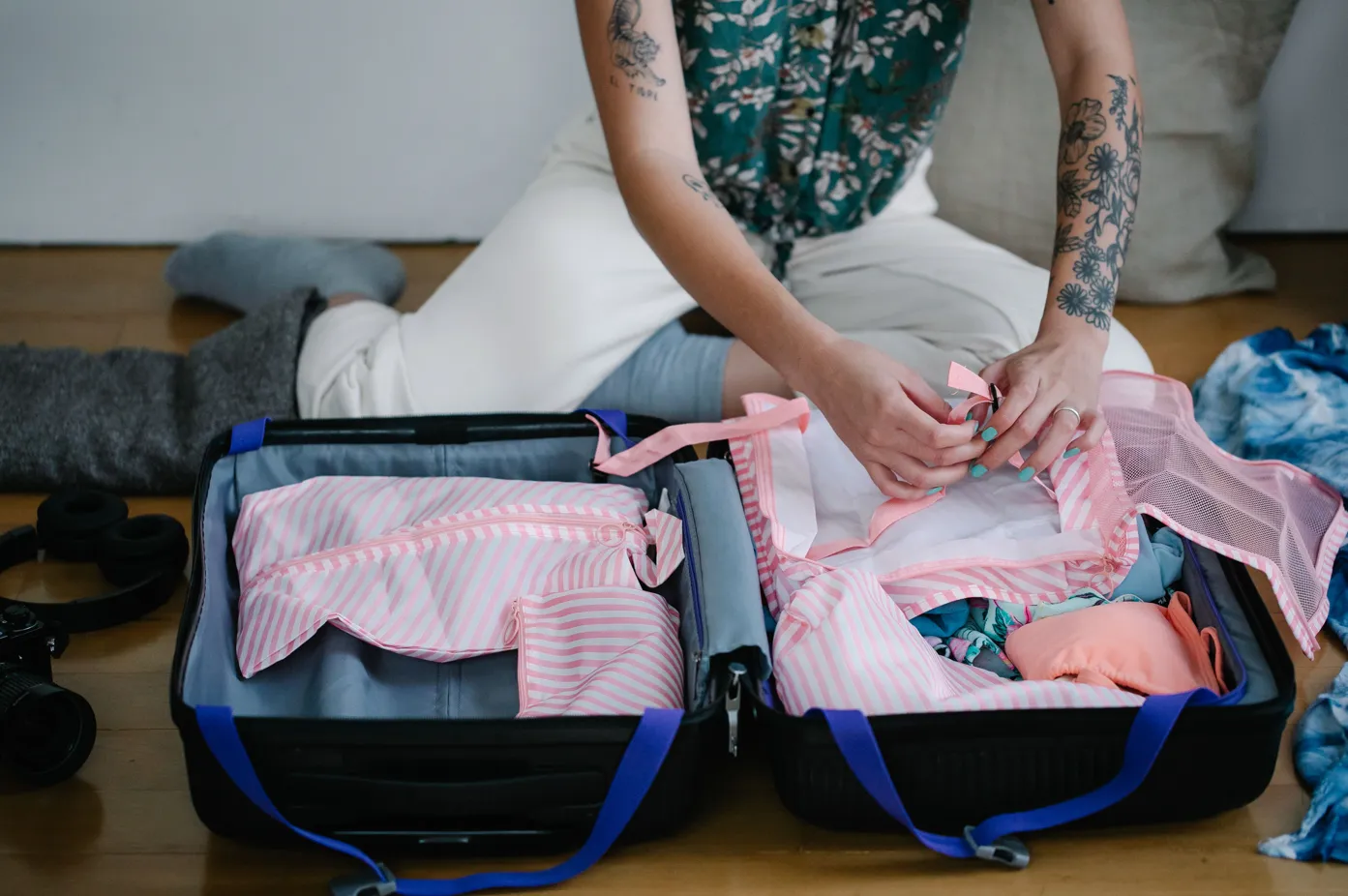
Always pack your running shoes and one outfit in your carry-on bag. If the airline loses your luggage, you can buy new clothes, but breaking in new shoes during your trip is a recipe for injury.
Prioritize “Active Recovery”
Since you’ll be active daily, your hotel choice matters:
The “Ice Bucket” Hack
If your hotel doesn’t have a pool or spa, use the bathtub for a cold soak to reduce leg inflammation.
Pack a Mobility Tool
Bring a lacrosse ball or a collapsible foam roller in your suitcase to work out knots after long flights and runs.
Book Near the Trailhead
To repeat, when choosing an Airbnb or hotel, look for proximity to the path you want to run. Being able to step out the front door and start your miles makes the experience feel seamless.
Pro Tip
If you are nervous about planning it all yourself, look for a “Race Weekend” in a city you’ve always wanted to visit. The event provides the route, water stations, and a medal, leaving you free to just plan the “vacation” part around it.
Best Destinations for Beginners
For beginners, the best runcation destinations offer a mix of flat, well-marked paths, mild climates, easy access to recovery amenities and plenty of post-run attractions. The following cities are celebrated for their infrastructure and vibrant running communities.
Valencia, Spain
Valencia is often called the “City of Running” because it is almost entirely flat and features one of the most unique urban tracks in the world. The Jardín del Turia is a 9km uninterrupted park built in a diverted riverbed, featuring a dedicated “5K de València” running lane with a cushioned surface. Mild winters and plenty of sunshine make it runnable year-round.
Melbourne, Australia
Melbourne offers a deep-rooted running culture and iconic routes. It also has the Tan Track, a 3.8km gravel loop around the Royal Botanic Gardens Victoria–Melbourne Gardens that is a rite of passage for local runners. The Capital City Trail offers longer, scenic miles along the Yarra River. Its numerous active run clubs are welcoming to visitors.
Prague, Czech Republic
Prague balances historic charm with sprawling green spaces that offer various terrain types for beginners.
- Královská obora Stromovka (Stromovka Park):A former royal hunting ground that is now a flat, paved paradise for runners away from the city’s cobblestones.
- Letná Park: Offers one of the best panoramic views of the city’s bridges and a relatively flat plateau for jogging.
- Riverside: Wide paths along the Vltava River allow for long, simple out-and-back runs without getting lost in the Old Town’s maze.
Sydney, Australia
Sydney combines world-class infrastructure with some of the most beautiful coastal scenery on the planet.
- Centennial Park: A massive green lung in the city with a dedicated 3.5km running lane on the Grand Drive.
- Coastal Run: The Bondi-to-Coogee path is a must-do, though it can be hilly and crowded, so an early morning start is essential for beginners.
- Air Quality: Consistently ranks high for clean air, making those heavy-breathing miles more enjoyable.
Madrid, Spain
Madrid offers grand urban parks that make you feel miles away from the city.
- El Retiro Park: A historic UNESCO site with a 4km perimeter and countless internal paths passing fountains and monuments.
- Casa de Campo: Five times the size of New York ’s Central Park, offering everything from paved paths to soft-surface trails.
- Accessibility: Madrid is incredibly walkable and affordable, making the “vacation” part of the trip stress-free.
Other Top Runcation Destinations for Beginners
Amalfi Coast, Italy
Perfect for “scenery-first” runners, the so-called Path of the Gods offers undulating cliff paths and spectacular views without the brutal vertical gain of the high Alps.
Lisbon, Portugal
Ranked as a top European runcation spot for 2026, it features over 170 running routes and 100+ green spaces. Its mild spring temperatures and riverside paths along the Tagus make it highly accessible for those transitioning from road to trail.
Asheville, North Carolina
Ideal for all skill levels, Asheville provides rolling peaks in the Appalachian Mountains that offer a mix of high-elevation runs and calmer, rustic forest treks.
Mallorca, Spain
A great entry point for multi-day mountain running, especially the Tramuntana range, which is achievable over a long weekend or short week.
Hadrian’s Wall Path, UK
Highly recommended for a first trail holiday, this path offers a week of exploration on well-maintained trails with manageable challenges amid historic landscapes.
Amsterdam, Netherlands
Known for its Vondelpark and canal-side trails, the flat paths are perfect for low-impact recovery or endurance training.
London, UK
Boasts over 500 running routes across 395 green spaces, including Hyde Park and Hampstead Heath, offering immense variety for urban runners.
Retreats for New Trail Runners
Specialized retreats help beginners learn the ropes without the pressure of a race:
- Run Wild Retreats: Offers wellness-focused trips in places like Ireland, Iceland, and Vermont, designed to help runners reconnect and tune in rather than just hit mileage targets.
- Run Weekends: Provides organized trail-running weekends in the Lake District, UK, and other coastal paths, catering specifically to those new to the sport.
- Runcation Travel: Includes “All Levels” trips to locations like Cortina d’Ampezzo in the Dolomites, which feature more accessible options than their high-altitude counterparts.
Planning Your First Runcation? Read These Essential FAQs Before You Book
What exactly is a runcation?
A runcation is a travel trend where the main reason for the trip is running. This could mean traveling to participate in a marathon, half-marathon, trail race, or simply exploring a destination through running. Some travelers build vacations around famous running routes, coastal trails, national parks, or cities best experienced on foot.
I’ve never “runcated” before. What is a good destination for me?
Beginner-friendly runcation destinations usually offer flat routes, mild weather, easy navigation, recovery amenities, and plenty of attractions beyond running. Popular city choices include Valencia, Melbourne, and Prague. Scenic alternatives include Italy’s Amalfi Coast, Hadrian’s Wall Path in the UK, and the Allegheny Mountains near Asheville, North Carolina.
How do I book a runcation?
You can either join an organized runcation tour or plan the trip independently. Specialized companies offer guided and self-guided running travel packages that handle accommodation and route planning. If booking yourself, research routes using apps like Strava Heatmaps or AllTrails, and choose destinations with strong running infrastructure and accessible green spaces.
What should I look for in a BnB or hotel?
Choose accommodations that function as a runner-friendly base camp, ideally with trails starting nearby. Helpful amenities include a fridge for nutrition storage, proximity to grocery stores, laundry access, and recovery features such as a pool, spa, or stretching area.
How should I prepare for my first runcation?
Plan your routes before arrival using apps like AllTrails or Strava Heatmaps. Always pack your running shoes and one running outfit in your carry-on bag in case luggage is delayed. Avoid wearing brand-new gear during the trip, as blisters or discomfort can quickly ruin the experience. Connecting with local running clubs or timing your visit around a race weekend can also make planning easier.