



Kraków is one of Poland’s most rewarding city breaks, and one of the best-value trips in all of Central Europe. It is the largest city in southern Poland, packed with history, and small enough to enjoy on foot. This guide to the best things to do in Kraków covers the classic landmarks, the culture, the food, the nightlife, a few hidden gems, and the day trips worth your time.
In this article
I have spent more than one trip wandering this beautiful city, and the thing that surprised me most was how compact it is. Most of the highlights cluster around three areas: the Old Town, Wawel Hill, and Kazimierz. You can walk between them in minutes. So let us plan a Kraków trip that mixes the big sights with the local moments that make it stick.
Quick Answer: What Are the Best Things to Do in Kraków?
Short on time? Here is the fast version. The best things to do in Kraków run from the Main Market Square to Wawel Castle, through the old Jewish Quarter of Kazimierz, and out to two of Poland’s most famous day trips. Here is the shortlist:
- Walk around the Main Market Square
- Visit Wawel Castle and Cathedral
- Explore Kazimierz, the historic Jewish Quarter
- See St. Mary’s Basilica
- Try pierogi and obwarzanek
- Go beneath the square at the Rynek Underground Museum
- Tour Oskar Schindler’s Enamel Factory
- Relax in Planty Park
- Take a day trip to the Wieliczka Salt Mine
- Visit Auschwitz-Birkenau with care and respect
Each of these gets its own section below, with practical tips and honest pacing advice.
Start in Kraków Old Town and the Main Market Square
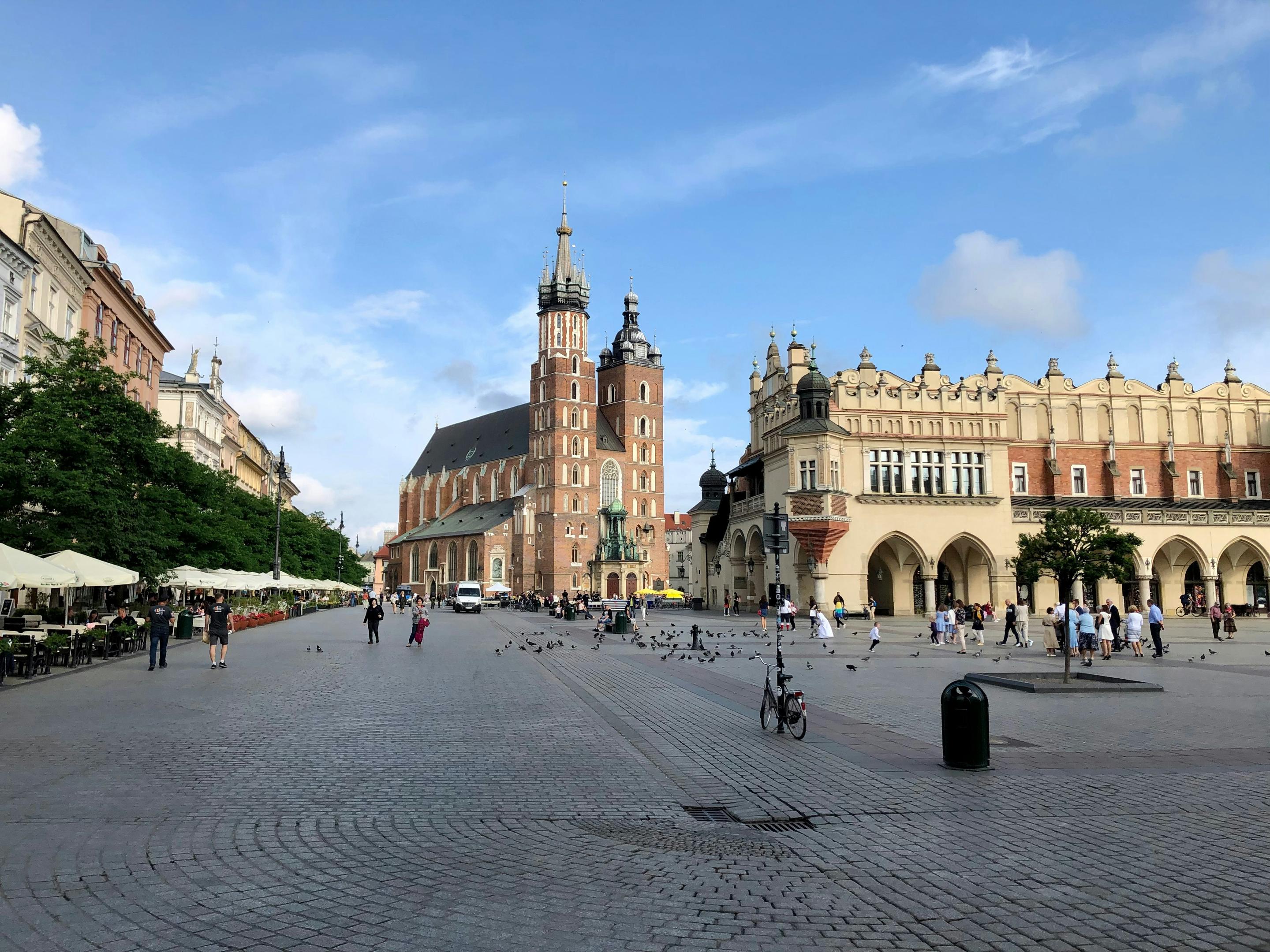
For a first visit, the Old Town is the natural place to start. Everything radiates out from Rynek Główny, the Main Market Square, and most of what makes Kraków special is a short walk from here. Many people approach it along the Royal Road, passing through the medieval Florian’s Gate and down Floriańska Street to the square. It is a living square, not a museum piece. Street performers, horse-drawn carriages, cafés under the arcades, and pigeons everywhere.
My tip from experience: come early in the morning for photos with fewer people, then return after dark. At night the square takes on a completely different, more atmospheric mood. The things to do in Krakow that stick with travelers most often happen right here on this one square.
Walk Around Rynek Główny
Rynek Główny is the largest medieval market square in Europe, and it feels it. Stand in the middle and you are surrounded by history: the twin towers of St. Mary’s, the long arcaded Cloth Hall, café tables, music drifting from somewhere, and worn cobbled streets underfoot.
The Town Hall Tower stands on one corner. It is the lone survivor of Kraków’s former town hall, which was pulled down in the 1820s, and you can climb it in season for a view over the square. Take your time here. Grab a coffee, watch the carriages roll past, and just soak up the vibrant atmosphere before you start ticking things off.
Visit the Cloth Hall
The Cloth Hall (Sukiennice) runs right down the middle of the square, and it has been a trading post since the Middle Ages. Inside you will find rows of market stalls selling souvenirs, amber jewelry, wood crafts, and the usual fridge magnets. It is a handsome, impressive building and worth a quick wander.
My honest advice: treat it as a short stop, not a main attraction. Browse for ten minutes, buy a bit of amber if you like it, snap a photo, and move on.
Listen for the St. Mary’s Trumpet Call
St. Mary’s Basilica, also known as St. Mary’s Church, dominates the square, and it is one of the best examples of Polish Gothic architecture in the country. Every hour, on the hour, a live trumpeter plays the hejnał from the taller tower, in all four directions. The tune stops abruptly mid-note, a nod to a legend about a trumpeter struck down warning the city of attack.
Inside, the carved wooden altarpiece is stunning, but the interior keeps separate tourist hours from services. Check the current opening times before you go, since they shift around church events.
Visit Wawel Castle, Wawel Cathedral and the Dragon Statue
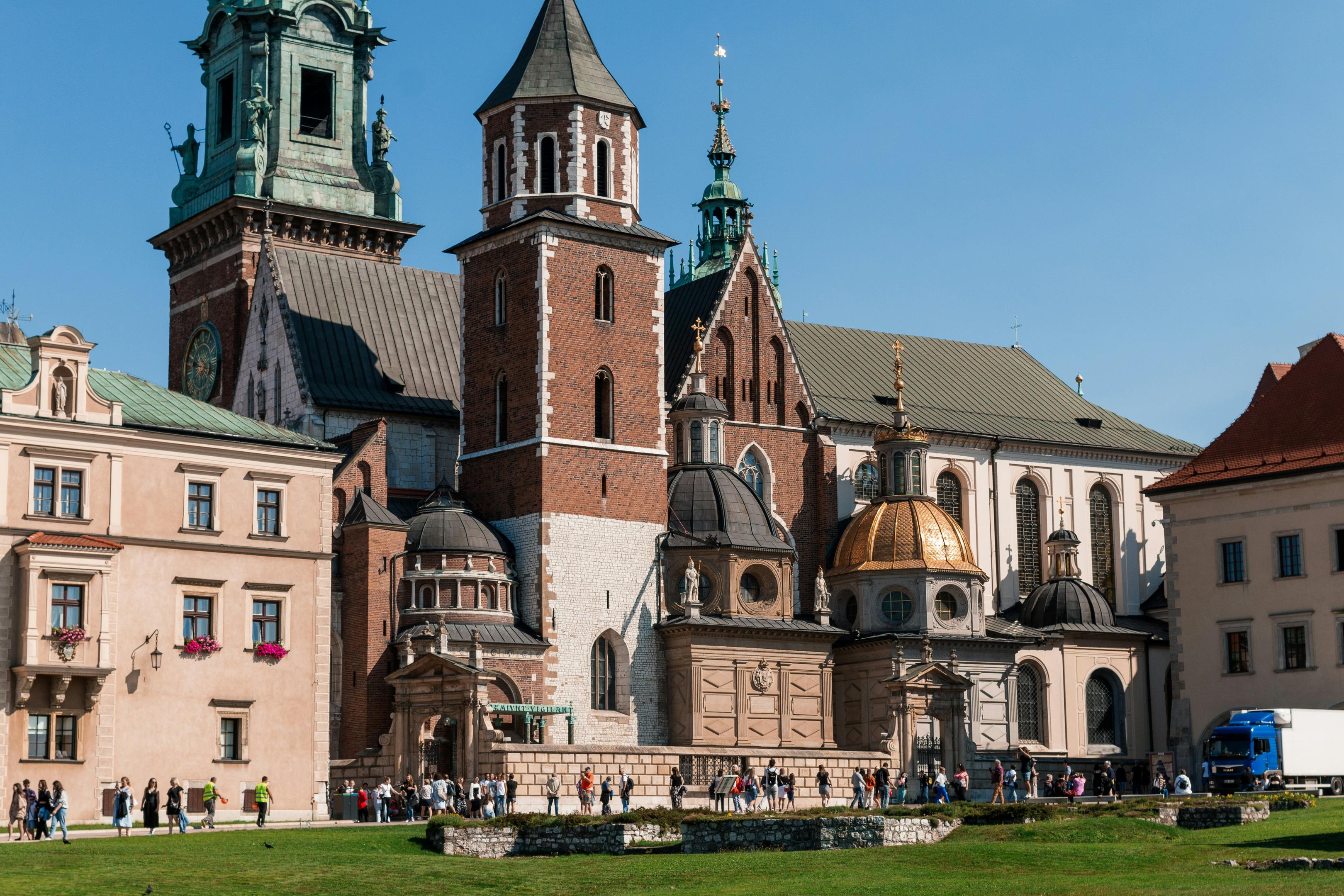
South of the Old Town, Wawel Hill rises above the Vistula River. This is the historic heart of the country, where Polish kings were crowned and buried, and it holds centuries of Polish history. It is one of the most important stops on any Kraków trip. Up top you will find Wawel Castle, Wawel Cathedral, grand courtyards, and wide views over the river.
Down by the water sits the fire-breathing Wawel Dragon statue, a hit with kids, who wait for it to puff out real flames every few minutes. If you plan to enter the popular castle exhibitions, book ahead, because timed tickets sell out on busy days.
What to See on Wawel Hill
Here is the practical bit. The castle grounds and courtyards are free to walk around, while the individual exhibitions and the cathedral towers carry separate paid tickets. If you are short on time, the free outdoor areas already give you the highlights: the architecture, the courtyards, and wonderful views over the Vistula.
For a deeper visit, pick one or two paid exhibitions rather than trying to see them all. The Royal Apartments and the Cathedral are the usual first choices.
Is Wawel Castle Worth Visiting?
Yes, Wawel Castle is well worth visiting, especially if you care about history, architecture, or views. It anchors so much of Krakow’s history that walking the hill puts the rest of the city in context.
And here is the reassuring part. Even rushed visitors with no tickets can enjoy the grounds, the courtyards, and the riverside for free. You do not need to enter every exhibition to feel like you have seen Wawel.
Explore Kazimierz, Kraków’s Historic Jewish Quarter
Kazimierz is my personal favorite part of the city. For centuries this was the center of Jewish life in Kraków, and the Kazimierz district still carries that heritage in its synagogues, squares, and quiet memorials. Today it is also the city’s most creative corner, full of vintage shops, bars, street art, and small galleries.
The trick with Kazimierz is to slow down and wander. It rewards aimless walking more than any checklist. Just keep the tone right: this is a place of real history, not only a nightlife strip.
Visit Synagogues and Jewish Heritage Sites
Kazimierz holds several important Jewish heritage sites within a short walk of each other. The Old Synagogue, the oldest surviving synagogue in Poland, now houses a museum on local Jewish history and culture. A handful of other synagogues and the old cemetery sit nearby.
Opening hours vary, and some sites close on certain days, so check before you go. These are religious and memorial spaces as much as attractions, so dress and behave with respect when you visit.
Eat and Drink Around Plac Nowy
Plac Nowy is the social heart of Kazimierz. The round building in the middle, a former kosher meat market, now serves zapiekanka, a long toasted baguette piled with mushrooms, cheese, and whatever else you fancy. It is cheap, filling, and a local late-night staple.
Around the square you will find Polish and Jewish-inspired restaurants, casual bars, and a buzzy crowd most evenings. This is a great spot to eat well without spending much.
Walk From Kazimierz to Podgórze
When you are ready for something quieter, cross the Vistula into Podgórze. This is where you feel the city beyond the Old Town. The streets are calmer, the history is heavier, and it leads you toward Kraków’s wartime sites.
Look out for St. Joseph’s Church on Podgórski Square, a striking neo-Gothic building that looks like it belongs in a fairy tale. It is a lovely, unexpected sight on the walk over.
Learn Kraków’s WWII History at Schindler’s Factory and Podgórze
This part of the trip asks for a different, more serious frame of mind. Podgórze was the site of the Kraków Ghetto during the Second World War, and the area helps you understand what the city went through under Nazi occupation. It is a sober look at what the city’s Polish people and its Jewish community lived through. Plan it carefully, and avoid sandwiching it between light, breezy activities on the same afternoon.
The main stop is the museum inside Oskar Schindler’s old factory. Tickets sell out, so book ahead, and give yourself time to walk the surrounding streets afterward.
Visit Oskar Schindler’s Enamel Factory
Oskar Schindler’s Enamel Factory is now a branch of the Museum of Kraków, and it is worth knowing what it actually covers. This is not really a museum about the film. It tells the broader story of Kraków and its people, both Polish and Jewish, under German occupation between 1939 and 1945.
It is moving, detailed, and busy, which is exactly why advance booking matters. Reserve a timed slot through the official site rather than turning up and hoping.
See Ghetto Heroes Square
A short walk away, Ghetto Heroes Square marks the heart of the former ghetto. The empty metal chairs scattered across it form a quiet memorial to those who were deported from this spot.
This is a place to pause and reflect, not to pose for photos. Read the small plaques, take it in, and treat it with the seriousness it deserves.
Try Kraków’s Best Local Food and Casual Eats
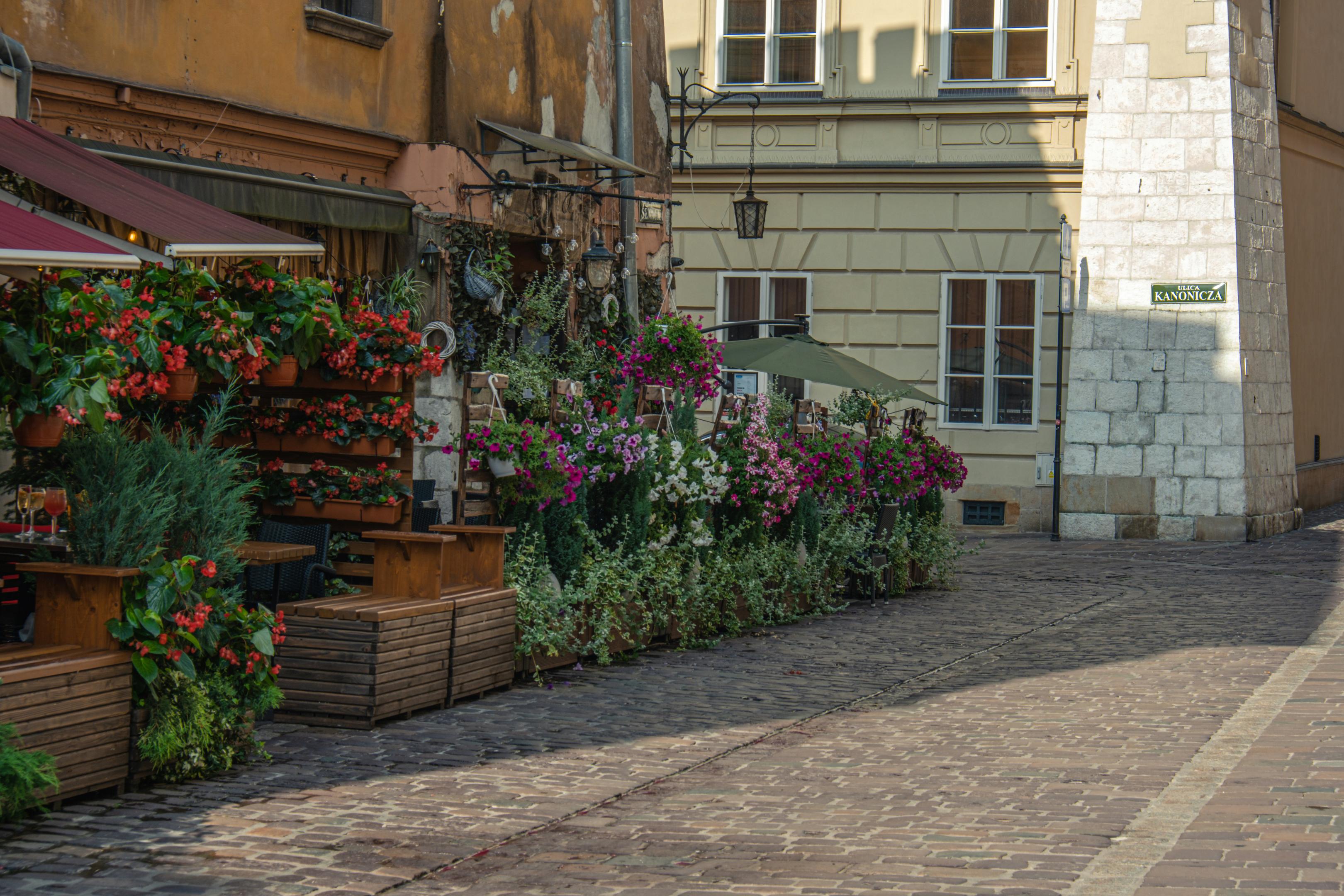
Good news for budget travelers: Polish food is hearty, tasty, and cheap. You can eat very well in Kraków without spending much, especially if you follow the locals to milk bars and street carts instead of the tourist-priced spots right on the square.
Here are the classics worth seeking out, from pierogi to sour rye soup, plus the cafés that make the cold months cozy.
Eat Pierogi at a Traditional Restaurant or Milk Bar
Pierogi are the dish everyone knows, and for good reason. These soft dumplings come savory, stuffed with potato and cheese, meat, or cabbage and mushroom, and sweet, filled with fruit or sweet cheese. Try both in one sitting.
For the cheapest version, head to a milk bar (bar mleczny). These plain, canteen-style eateries are a leftover from the communist era and still serve filling plates of delicious food for a few zloty. Do not expect decor. Do expect value.
Try Obwarzanek from a Street Cart
You will spot blue carts all over the city selling obwarzanek krakowski. It is a chewy, ring-shaped bread, the Polish version of something between a bagel and a pretzel, usually topped with salt, sesame, or poppy seeds. It costs just a few zloty.
It makes a perfect cheap breakfast or a snack between attractions. I usually grab one on the way to the square and eat it as I walk. Simple, local, and easy on the wallet.
Plan a Café Stop in the Old Town or Kazimierz
Kraków has a strong café culture, and it is part of the experience, not just a pit stop. Between museums, or on a cold or rainy afternoon, ducking into a warm café is half the fun.
You will also want a proper sit-down meal at least once to try żurek, a sour rye soup served inside a hollowed-out bread bowl with sausage and egg. It is tangy and comforting. On a chilly day, it is exactly right.
Discover Museums, Underground Sights and Culture Spots
Kraków has a deep bench of interesting museums covering history, art, and archaeology. The trick is not to do them all. Pick one or two that match your interests and your trip length, and leave the rest for next time.
For most first-timers, the standouts are the underground museum below the main square and a good modern art option for art lovers or rainy days.
Go Beneath the Market Square at Rynek Underground
The Rynek Underground Museum sits directly beneath the Main Market Square, and it is one of the best museum picks in the center. You walk through the excavated medieval layers of the city, with old market routes, foundations, and clever multimedia bringing the Middle Ages to life.
Because of its central location, it slots neatly into an Old Town day. Note that it closes one day a week and gets busy, so book a slot ahead in high season.
Visit MOCAK or the National Museum
If you want art, you have two easy choices. MOCAK, the Museum of Contemporary Art, sits near Schindler’s Factory and pairs well with a Podgórze day. The National Museum covers Polish art and history across several branches in the center.
 Uncategorized
What is the best day to book flights?
There’s no universal “best day” to book flights, but Sundays often show slightly cheaper fares in Europe. Flight prices fluctuate constantly based on demand, seasonality, and route competition.Tuesdays and Wednesdays tend to be cheaper days to fly, not necessarily to book.
Read the guide
Uncategorized
What is the best day to book flights?
There’s no universal “best day” to book flights, but Sundays often show slightly cheaper fares in Europe. Flight prices fluctuate constantly based on demand, seasonality, and route competition.Tuesdays and Wednesdays tend to be cheaper days to fly, not necessarily to book.
Read the guidePick one based on your mood. Modern and edgy, go MOCAK. Classic and broad, go National Museum. Either makes a great rainy-day plan.
Take a Slow Walk Through Planty Park and Along the Vistula River
Sightseeing is tiring, and Kraków makes it easy to rest without leaving the action. Planty Park is a leafy green ring that wraps all the way around the Old Town, planted where the medieval city walls once stood. It is a real gem for short breaks and gentle strolls.
The Vistula River gives you a second slow route, especially down by Wawel. Together they are the best way to reset between busy attractions.
Walk the Planty Park Loop
The Planty loop circles the entire Old Town, so you are never far from it. Benches, shade, and quiet paths make it ideal for a ten-minute breather or a longer wander between sights. I often use it as a calm shortcut between the square and Wawel.
It also helps you reset. Step out of the crowds, walk under the trees for a bit, and you come back to the sightseeing with fresh energy.
Follow the Vistula River Near Wawel
The riverbank below Wawel is lovely at golden hour. Walk along the Vistula River for sunset, easy photos, and a slower pace, and you will pass the dragon statue and the castle walls lit up above you.
It pairs perfectly with a Wawel visit. See the hill, then drift down to the water as the light fades.
Find Unusual and Hidden Things to Do in Kraków
Once you have done the classics, Kraków has plenty more for a second visit or an extra day. These are quieter, more local picks, and most tourists never reach them. Think viewpoints, post-war architecture, and calm green escapes.
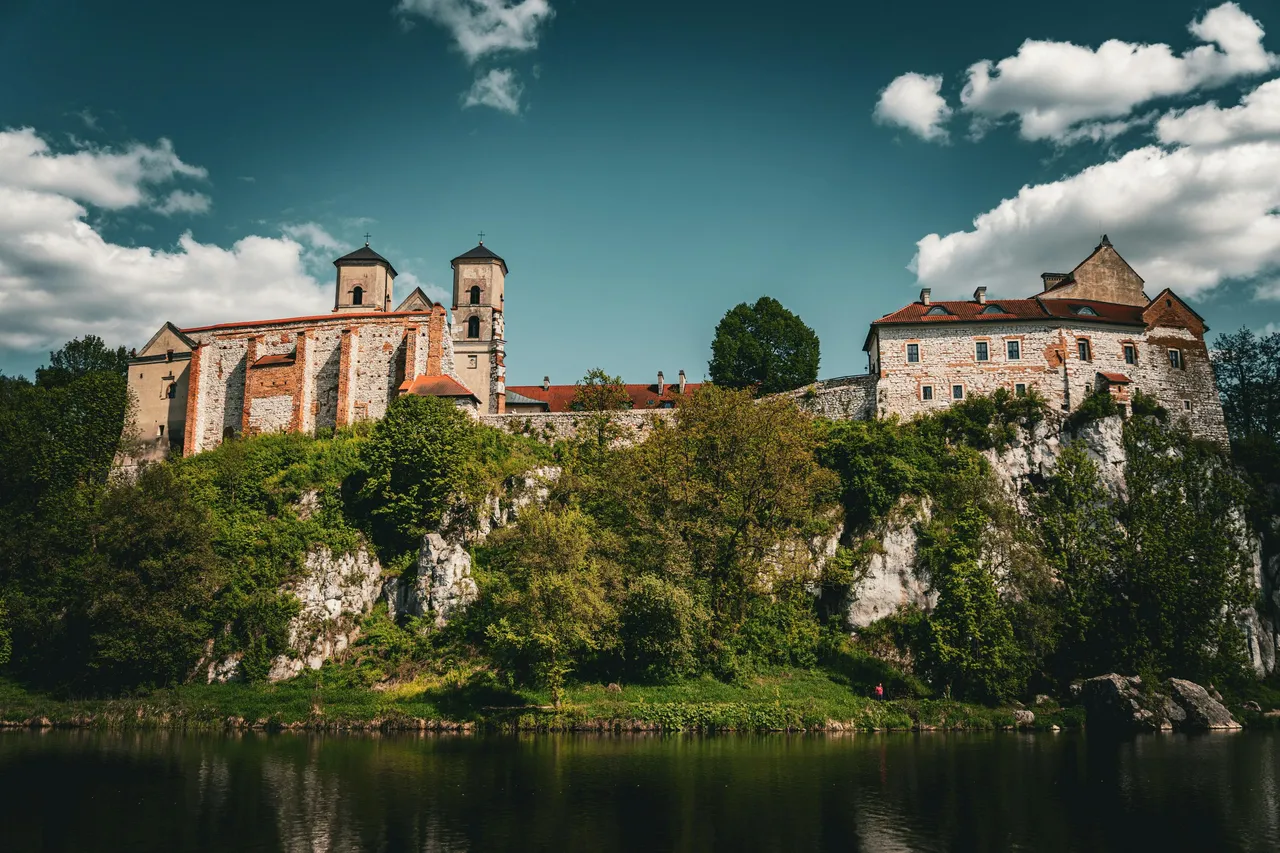
You can visit places like Krakus Mound, Nowa Huta, Zakrzówek, or Tyniec Abbey to see a different side of the city. You could also browse Stary Kleparz, the city’s oldest market, for fresh produce and a slice of everyday local life. They are amazing places, just a little further out, so check transport and seasonal hours first.
Climb Krakus Mound for City Views
Krakus Mound is a grassy prehistoric hill in Podgórze, and climbing it is free. From the top you get wonderful views over the whole city, with far fewer people than any central viewpoint. It is a lovely spot at sunset.
Wear decent shoes, because the path can be muddy after rain, and skip it on a wet, foggy day when the view disappears.
Visit Nowa Huta for a Different Side of Kraków
Nowa Huta is a planned socialist-era district built in the 1950s, and it could not feel more different from the Old Town. Wide avenues, grand communist architecture, and a fascinating backstory make it a real eye-opener. A local tour guide helps the history land, and a vintage Trabant ride is a fun add-on if you have the time.
It is an easy tram ride from the center, so it works even on a tighter schedule.
Relax at Zakrzówek or Tyniec Abbey
For calm, head to Zakrzówek, a former limestone quarry with striking turquoise water, now a developed spot for walking and swimming in the warm months. Or visit Tyniec Abbey, a Benedictine monastery perched on a cliff above the Vistula just outside the city.
Both are seasonal in feel, so check opening times and transport before you commit. On a sunny day, either makes a peaceful half-day away from the crowds.
Best Day Trips From Kraków
Kraków is a brilliant base for day trips, and two of them rank among Poland’s most famous sights. A word of honest advice first: do not cram two heavy or long trips into one short weekend. Give the big ones the space they deserve.
Here is how the main options compare.
| Day trip | Distance from Kraków | Time needed | Best for |
|---|---|---|---|
| Wieliczka Salt Mine | About 15 km | Half day | Underground wonder, easy first trip |
| Auschwitz-Birkenau | About 70 km | Most of a day | History and remembrance |
| Zakopane | About 100 km | Full day | Mountains and winter activities |
| Ojców National Park | About 25 km | Half to full day | Nature, caves, castles |
Wieliczka Salt Mine
The Wieliczka Salt Mine is the easiest and most popular day trip from Kraków, and it is genuinely special. You descend wooden stairs deep underground into a world of salt-carved chambers, underground lakes, and the breathtaking St. Kinga’s Chapel, where even the chandeliers are made of salt. It has been a UNESCO World Heritage Site since 1978.
A few practical notes. You can only visit the Tourist Route on a guided tour, which runs around two and a half to three hours. Book online ahead through the official site, especially in summer when slots sell out. Wear layers, because it stays cool underground all year, and comfortable shoes for the steps. The cheapest way there is the train from Kraków Główny to Wieliczka Rynek-Kopalnia, which takes about 25 minutes.
Auschwitz-Birkenau Memorial and Museum
Auschwitz-Birkenau, about 70 km west of Kraków, is not a casual attraction. It is the site of one of the most significant of the former Nazi concentration camps, and a visit is a memorial act of remembrance. Approach it with respect, plan enough time, and do not pair it with light activities on the same day.
The practical details changed recently, so read carefully. Entry to the grounds is free, but you must reserve a personalized entry pass in advance, and since March 2026 there are no tickets sold on site at all. Book through the only official site, visit.auschwitz.org . For a first visit, the guided tour with a museum educator, which carries a fee, is strongly recommended over a self-guided pass. Reservations open a few months ahead and fill up, so plan early.
Zakopane and the Tatra Mountains
Zakopane is Poland’s mountain resort, set against the dramatic Tatra Mountains around two hours south. It is the spot for alpine views, hiking in summer, skiing and winter activities in the cold months, and thermal baths year-round.
Be realistic about the travel time. Zakopane is a longer and less convenient trip than Wieliczka or Auschwitz-Birkenau, so it works best as a full, relaxed day rather than a quick hop.
Ojców National Park
For nature closer to the city, Ojców National Park is a quieter gem just north of Kraków. It packs limestone cliffs, caves, easy hiking trails, and two of the region’s prettiest medieval castles into a compact area.
It is ideal for travelers who want fresh air and a bit of a fairy-tale landscape without a long journey. A half day is enough for the highlights, a full day if you want to hike.
How Many Days Do You Need in Kraków?
Most of the attractions mentioned above sit close together, so you can see a lot in a short time. Two days is enough for the Old Town, Wawel, Kazimierz, and the food. Three days lets you add one major day trip. Four days gives you room for museums, hidden gems, and a slower pace.
Here is a simple Krakow itinerary framework for the most common trip lengths.
1 Day in Kraków
One day is tight but doable for the well known attractions. Walk the Main Market Square and St. Mary’s Basilica in the morning, climb up to Wawel before lunch, then spend the afternoon and evening in Kazimierz, finishing with dinner around Plac Nowy. You will be busy, but you will see the essentials.
2 Days in Kraków
Two days is the sweet spot for a weekend. Spend day one on the Old Town and Wawel, with a relaxed evening on the square. On day two, explore Kazimierz, cross into Podgórze, and tour Schindler’s Factory. That mix covers the history, the culture, and the food without rushing.
3 Days in Kraków
With three days, add a day trip. Use days one and two for the city, then give day three to the Wieliczka Salt Mine or Auschwitz-Birkenau. Book your day-trip tickets ahead, since both can sell out, and do not try to do both heavy trips on the same day.
Practical Tips for Planning a Budget-Friendly Kraków Trip
A little planning turns Kraków into one of the best-value city breaks in Europe. Krakow, Poland is well connected, walkable, and cheap once you arrive, and the biggest savings usually come from the flight. Some of the best hotels and guesthouses sit around the Old Town and Kazimierz, both central and easy to walk from. Compare routes, stay flexible with dates, and you can keep the whole trip affordable.
Cheap flights into Kraków are easy to find from many European cities, which is a big part of what makes it such a strong weekend pick. Start with a flexible search for cheap flights , and for timing, this guide to the best days to book flights is worth a read before you buy.
Fly Into Kraków Airport
Kraków Airport (John Paul II International, code KRK) is the main arrival point for most international visitors, and it sits just west of the city. The easiest way into town is the airport train, which reaches Kraków’s main station in around 20 minutes for a few zloty. When you compare fares, look across different airlines and flexible routes rather than only one carrier’s direct flight.
Use Public Transport and Walk Where Possible
The city centre is made for walking. Most of central Krakow’s core sights sit a short walk apart, and the Old Town is largely pedestrianized. For anything further out, like Podgórze, Nowa Huta, or the airport, the public transport network of trams and buses is cheap and reliable. Buy tickets from machines or a ticketing app, and validate them on board.
Save Money With Flexible Dates
Flexibility is your best money-saving tool. Shifting your trip by a day or two, or avoiding the busiest weekends and holiday periods, can cut the flight price noticeably. This is where combining airlines pays off. Tools like Kiwi.com use Virtual Interlining to stitch together carriers that do not normally sell tickets as one trip, which can surface cheaper routes you would never find searching a single airline. If one of those self-transfer connections is disrupted, the Kiwi.com Guarantee helps rebook you.
When Is the Best Time to Visit Kraków?
Visiting Krakow is rewarding year-round, but the seasons feel very different. The short version: spring and autumn are the sweet spot, summer is lively but crowded, and winter is cold but atmospheric. If your dates are flexible, a search for last minute flights can sometimes land a bargain in the quieter months.
Spring and Autumn
Spring and autumn are my favorite times to visit. The weather is mild, the light is good for photos, and the crowds are thinner than in peak summer. Walking the city, sitting in Planty Park, and lingering on the square are all more pleasant when it is not too hot or too busy.
Summer
Summer brings long days, outdoor dining, river walks, and festivals, and the city hums with energy. The trade-off is crowds and higher prices, especially in July and August. Book accommodation and day trips early if you travel then.
Winter
Winter is cold, but it has its own charm. The Christmas markets on the Main Market Square are wonderful, the cafés and museums are cozy retreats from the chill, and the Old Town looks like a postcard under a dusting of snow. Pack warm layers and lean into the indoor culture.
Ready to Plan Your Kraków City Break?
Now that you know the best things to do in Kraków, the next step is getting there for less. With all this on offer, from the Main Market Square and Wawel to Kazimierz, the food, and the day trips, Kraków gives you a lot of trip for not much money.
The smart move is to sort your flights first. Compare routes into Kraków, stay flexible with your dates, and look at creative airline combinations that single carriers never show you. Spend less on getting there, and you free up more for pierogi, museums, and the city itself. Find your route in, then go enjoy Kraków at your own pace.
Things to Do in Kraków FAQs
What should you not miss in Kraków?
Do not miss the Main Market Square, Wawel Castle, and Kazimierz, the historic Jewish Quarter. Add St. Mary’s Basilica, Schindler’s Factory, and the Rynek Underground Museum if you have a full weekend. For a day trip, the Wieliczka Salt Mine and Auschwitz-Birkenau are the two big ones, though you should give each the time and respect it deserves.
Is Kraków worth visiting for a weekend?
Yes, Kraków is one of the best weekend city breaks in Europe. Two days is enough to cover the Old Town, Wawel, and Kazimierz, plus the food and a relaxed evening or two. It is compact, walkable, rich in history, and cheap once you arrive, which makes it excellent value for a short trip.
How many days do you need in Kraków?
Two days covers the main sights and the food at a comfortable pace. Three days lets you add one big day trip, like the salt mine or Auschwitz-Birkenau. Four days gives you room for museums, hidden gems, and a slower rhythm. For a first trip, two to three days is the usual sweet spot.
Is Kraków a walkable city?
Very. The Old Town is largely pedestrianized, and most central sights sit within a short walk of each other and of Kazimierz. You will rarely need transport in the center. For outer areas like Nowa Huta, Podgórze, or the airport, cheap trams, buses, and the airport train fill the gaps.
What are the best free things to do in Kraków?
Plenty here costs nothing. Walk the Main Market Square, stroll the Planty Park loop, explore the free grounds and courtyards of Wawel, and wander Kazimierz. Climb Krakus Mound for free city views, and follow the Vistula River at sunset. The atmosphere, which is the best part, is completely free.
Is Kraków expensive for tourists?
No, Kraków is one of the more affordable major destinations in Europe. Food, drinks, transport, and attractions all cost noticeably less than in Western European capitals. Eat at milk bars and street carts, walk where you can, and your biggest expense will usually be the flight, which flexible dates can bring down.