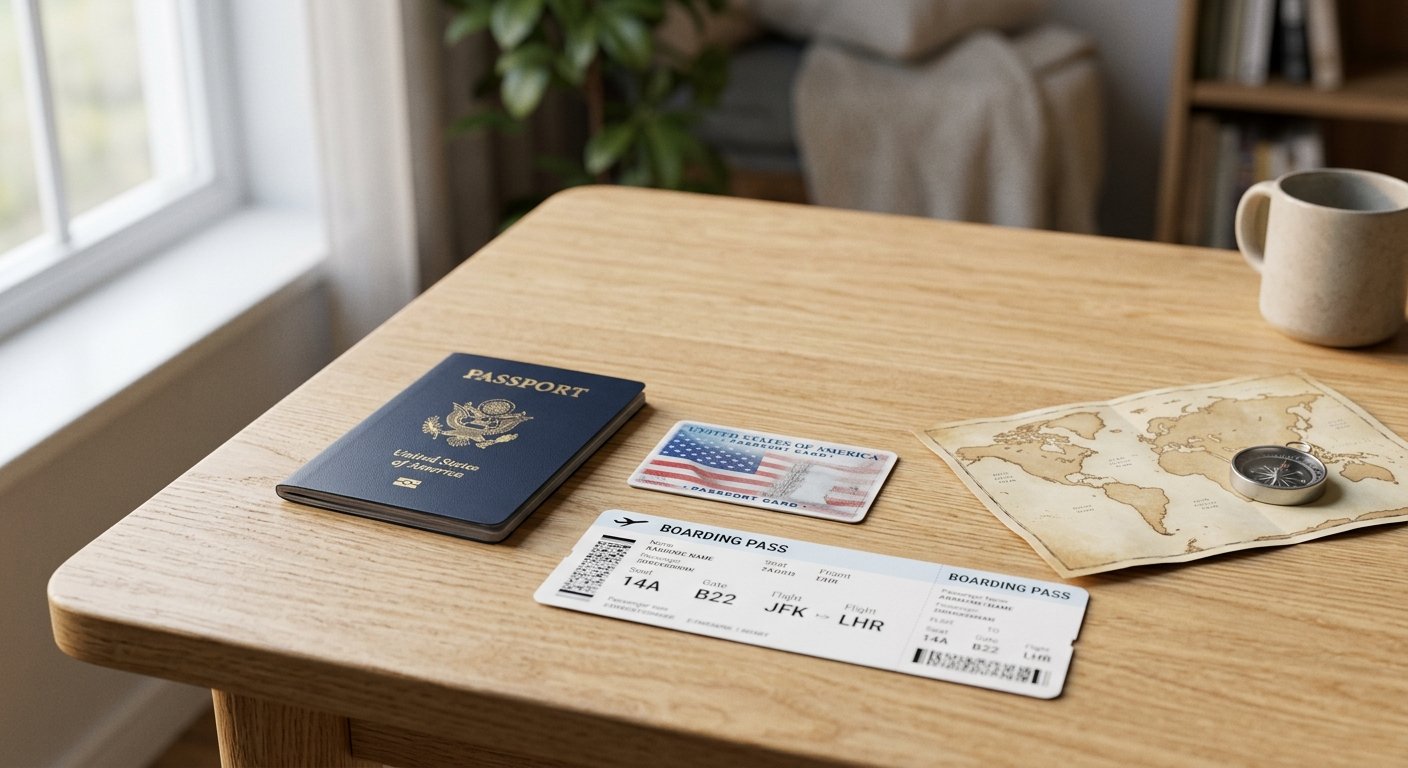








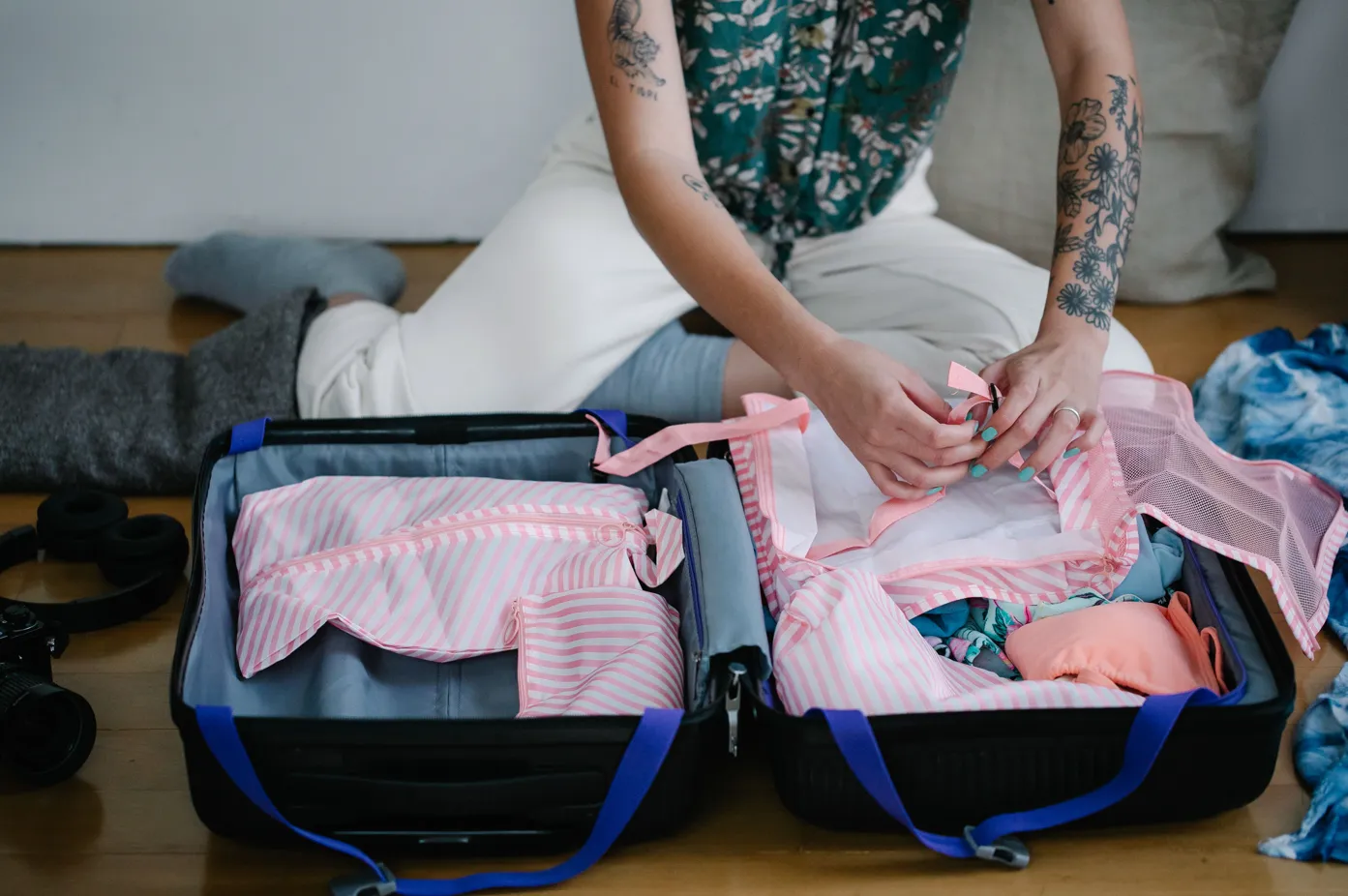
The things people forget to pack most often are the ones they use every day: phone chargers, medication, toothbrushes, deodorant, glasses or contact lenses, and headphones. Close behind come the trip-specific items you only think of on arrival, like a plug adapter, sunscreen, swimwear, and a power bank. Travel in 2027 adds a newer kind of forgotten item: the digital documents and pre-trip approvals that now sit alongside your passport.
In this article
This list focuses on what actually gets left behind and why, so you can check the gaps in a few minutes. If you want a full packing list by trip type, our holiday packing list covers that from start to finish.
Key takeaways
Chargers top the list. Phone chargers, plug adapters, power banks, and headphones are the most forgotten items, along with medication, glasses, toothbrushes, and deodorant.
Run the five-P check. Passport, phone, payment cards, pills, and plug adapter. Check all five before you lock the door.
New 2027 document rules. Visa-free visitors now need online travel authorizations: the UK ETA costs £20 and the US ESTA costs $40.27; the EU's ETIAS is not yet in operation as of September 2026.
Power banks stay in your carry-on. Power banks are never allowed in checked luggage, and since late 2025 several airlines, including Emirates and the Lufthansa Group, also ban using them during the flight.
Check passport validity, not just expiry. Many countries require a passport valid for 3 to 6 months beyond your stay, and the EU and Schengen area also require it to have been issued less than 10 years before you arrive.
Pack the night before, minus the last-out items. Keep a small pouch by your door for items you still use in the morning, such as chargers, toothbrushes, and medication.
Why You Always Forget the Same Things
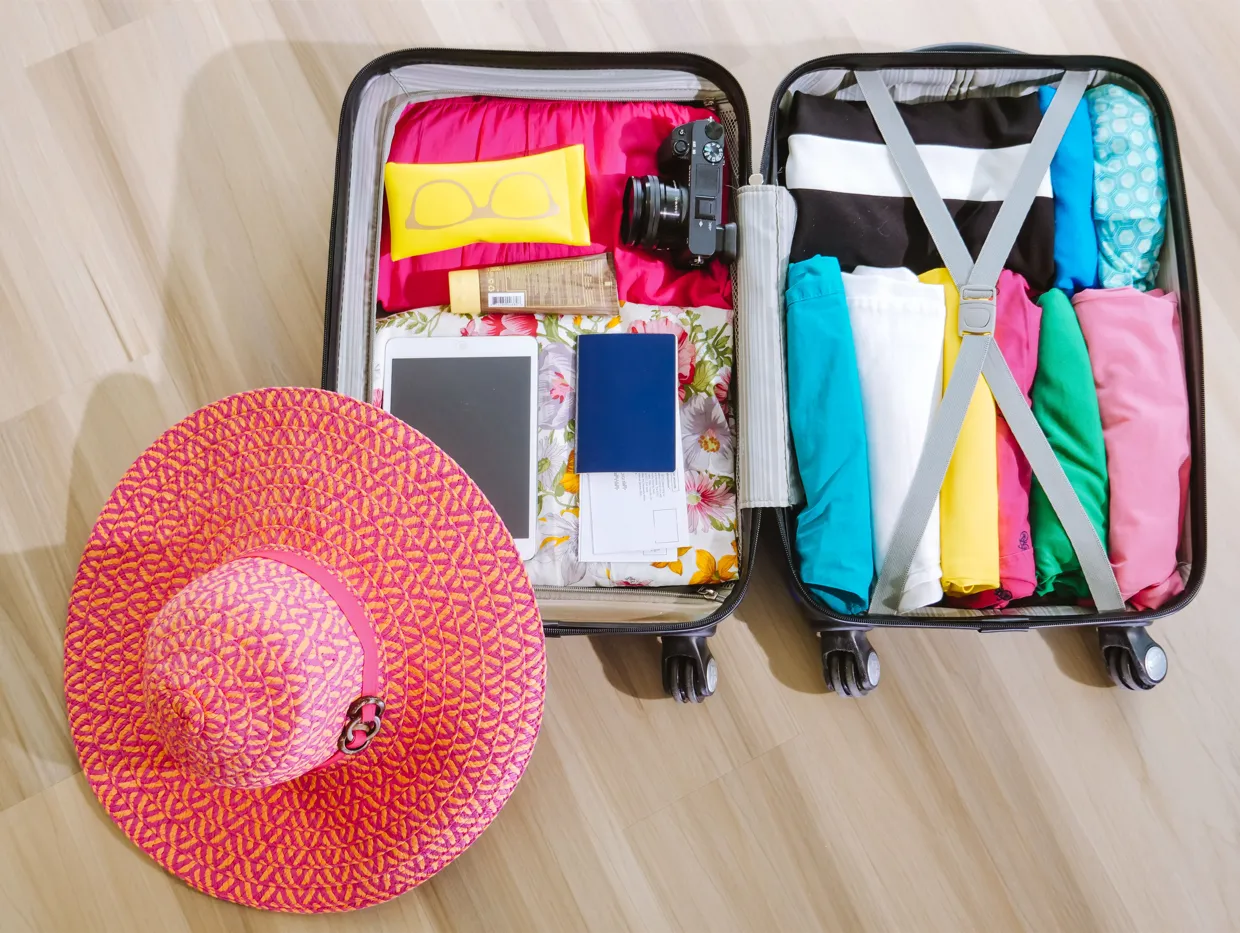
Most forgotten items have one thing in common: you’re still using them on the morning you leave. Your toothbrush, phone charger, glasses, and medication are all in use until the last minute, so they never make it into the suitcase you packed the night before.
Find flights for this trip

The fix is simple. Keep a small “last-out” pouch by your door or on top of your bag, and write down the three or four items that go in it on departure morning. When the pouch is full, you’re done.
The Most Commonly Forgotten Travel Items
Tech and Power
- Phone charger and cable. It’s the number one forgotten item for a reason: it’s plugged in next to your bed until you leave.
- Plug adapter. Easy to forget until you reach your hotel and the outlets don’t match. Check which plug type your destination uses in our guide to plug adapters and voltage converters .
- Power bank. Essential for long travel days, when mobile boarding passes and maps drain your battery. Note the new airline rules below.
- Headphones. Often left on a desk or in another bag. Noise-canceling ones make a long flight far easier.
- eSIM or roaming plan. Not a physical item, but often forgotten until you land without data. Setting up an eSIM before you fly takes a few minutes. See our roundup of eSIM providers for travelers .
Health and Personal Care
- Prescription medication. Pack it in your carry-on, not your checked bag, with enough for the whole trip plus a few extra days in case of delays.
- Glasses, contacts, and solution. Bring a spare pair of contacts or your backup glasses.
- Basic first aid. Pain relievers, blister plasters, antihistamines, and something for an upset stomach can save you a pharmacy hunt abroad.
- Toothbrush, deodorant, and razor. The classic “last-out” items.
- Sunscreen. Even on city breaks, and it’s often far more expensive at resorts and airports.
Clothes and Comfort
- Pajamas. You wear them right up until you pack, so they’re easy to leave behind.
- Swimwear. Worth packing even for non-beach trips, since many hotels have pools, spas, or hot tubs.
- Enough socks and underwear. Pack one more pair than the number of days.
- A light layer. Planes, trains, and air-conditioned restaurants are colder than you expect, even in summer.
- Comfortable walking shoes. Travelers tend to walk far more on a trip than at home.
Documents and Money
- Passport or ID. Check both the expiry date and the issue date, not just that it’s in your bag (see below).
- A backup payment card. Keep it separate from your main wallet, in case one is lost, stolen, or blocked.
- Travel insurance details. Save the policy number and emergency phone line on your phone and on paper. Our guide to travel insurance explains what to look for.
- Copies of key documents. A photo of your passport, visas, and bookings stored offline can speed things up if the originals go missing.
New for 2027: Things You Might Not Know You Need
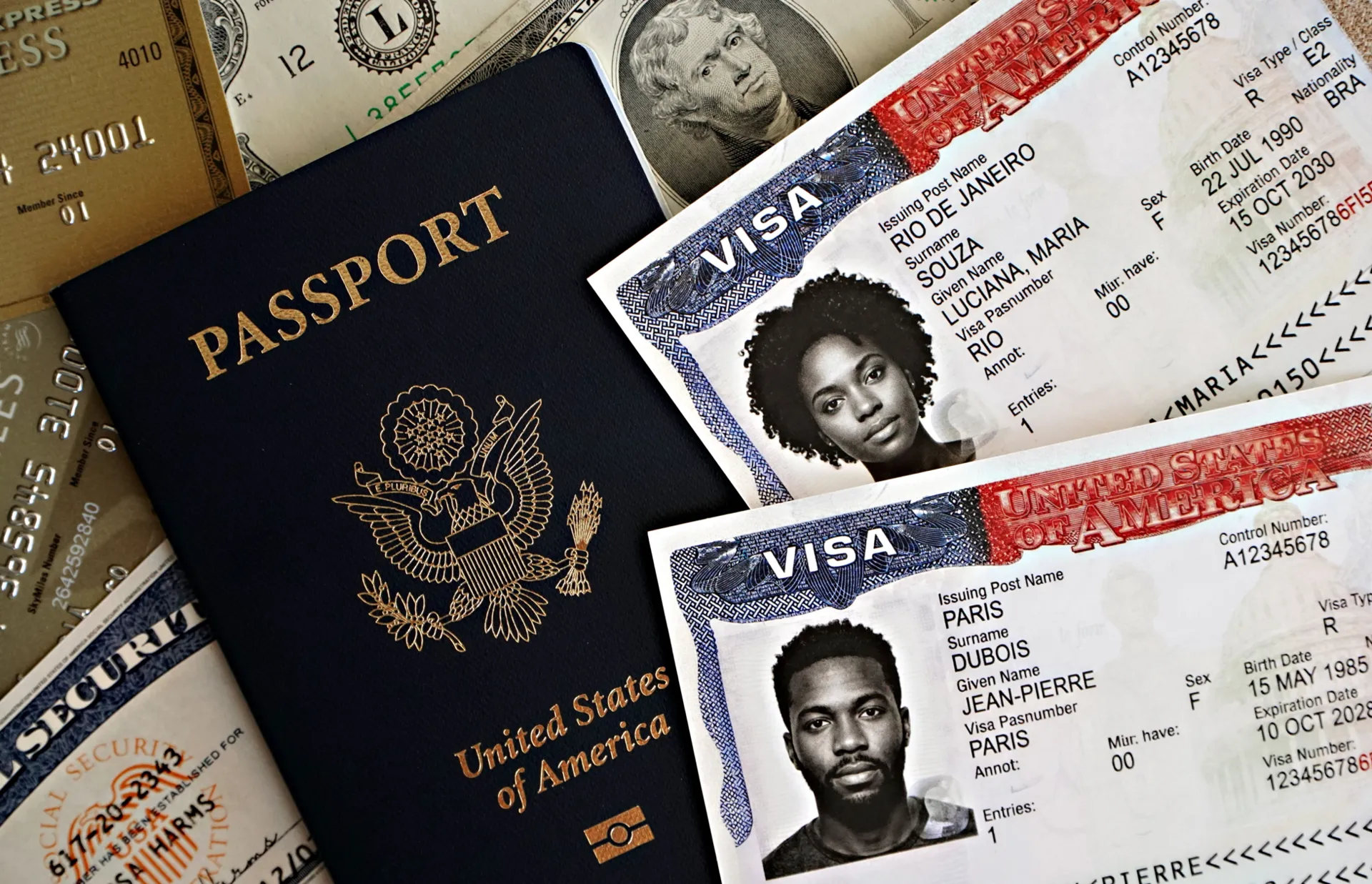
Travel rules have changed quickly over the past two years. These are the newer requirements most likely to catch you out, whether or not you’re a seasoned traveler.
Pre-Trip Travel Authorizations
More countries now require visa-free visitors to apply online before they fly. Forgetting to apply is one of the fastest ways to get turned away at check-in.
| Authorization | Who needs it | Cost | Apply |
|---|---|---|---|
| UK ETA | Visa-free visitors to the UK, including US and EU citizens (not British or Irish citizens) | £20 | At least 3 working days before travel |
| US ESTA | Visa Waiver Program visitors to the US, including UK and most EU citizens | $40.27 | At least 72 hours before travel |
| EU ETIAS | Planned for visa-free visitors to Europe | Not yet in operation | Not required as of September 2026 |
The UK ETA costs £20 and is valid for multiple trips over two years, or until your passport expires, according to the UK Home Office . A US ESTA costs $40.27 and is generally valid for two years. The EU’s ETIAS has been delayed again, so check its status before any trip to Europe booked for 2027.
Biometric Border Checks in Europe
If you don’t hold an EU passport, the EU’s Entry/Exit System (EES) now replaces passport stamps at Schengen borders. On your first entry, you may need to give fingerprints and a photo, which can add time at the border. It’s free and nothing to pack, but factor in the extra time, particularly if you have a tight onward connection.
A REAL ID or Passport for US Domestic Flights
For US domestic flights, you now need a REAL ID-compliant license or another accepted ID, such as a passport. If you turn up without one, TSA ConfirmID lets you try to verify your identity for a $45 fee. It isn’t guaranteed to work and it adds extra screening, so check your license for the star before you fly. Our guide on whether you need a passport to fly domestic has the details.
Power Bank Rules on Board
Power banks must always travel in your carry-on, never in checked luggage. Since late 2025, several airlines, including Emirates and the Lufthansa Group, have gone further and banned using power banks during the flight, while others limit how many you can bring or where you can store them on board. Check your airline’s rules before you fly, and fully charge your phone before boarding.
Passport Validity, Not Just Expiry
It’s not enough to have your passport with you. Many countries require it to be valid for 3 to 6 months beyond your stay. The EU and Schengen area also require it to have been issued less than 10 years before you arrive. Check both dates against your destination’s rules when you book, not the night before you fly.
 Travel hacks
Holiday Packing List: What to Pack for a Stress-Free Trip
Planning a trip? This holiday packing list covers must-have items, airline baggage tips, travel documents, clothes, toiletries, and smart packing advice.
Read the guide
Travel hacks
Holiday Packing List: What to Pack for a Stress-Free Trip
Planning a trip? This holiday packing list covers must-have items, airline baggage tips, travel documents, clothes, toiletries, and smart packing advice.
Read the guideWhat Not to Forget When Flying
Your carry-on needs its own checklist, because anything in your checked bag is out of reach until you land, or until it catches up with you if it’s delayed. If you pack light enough to skip the checked bag entirely, our complete guide to carry-on size limits helps you stay within every airline’s rules.
- Medication and any medical devices, in their original packaging.
- Chargers and a power bank, since power banks aren’t allowed in checked bags anyway.
- Liquids under 3.4 oz (100 ml) in a clear bag. Our guide to how much liquid you can take on a plane covers the latest rules.
- An empty water bottle to refill after security.
- A change of clothes and basic toiletries, in case your checked bag is delayed.
- Valuables and documents, including passport, cards, keys, and jewelry.
- A pen, for landing cards and customs forms some countries still use.
Also check what you shouldn’t bring. Our list of what’s not allowed in a carry-on will save you from losing items at security.
The 5-Minute “Did I Forget Something?” Check
Run this before you lock the door:
- Passport and ID. In your bag, with the right validity.
- Phone and charger. Plus your power bank and plug adapter.
- Payment. Main card, backup card, and a little local currency if you need it.
- Pills. Medication, glasses, and contacts.
- Paperwork. Boarding passes, travel authorizations, insurance, and hotel details saved offline.
Tip: download your boarding passes and bookings to your phone before you leave home. The Kiwi.com mobile app keeps your itinerary, boarding passes, and trip updates in one place, even without a signal. If you decide late to get away, last-minute flights are worth a search, and your packing checklist still applies.
What to Do If You Forget Something
Forgetting something isn’t usually the end of the world. It depends on what it is:
- Toiletries and clothes: easy to buy at your destination, often at supermarkets for less than at the airport.
- Chargers and adapters: ask your hotel’s front desk first. Many keep a box of guests’ forgotten cables and adapters to lend out.
- Medication: speak to a local pharmacist, and bring your prescription or packaging. Some medicines need a local doctor’s prescription abroad.
- Passport or ID: the only item that can stop your trip. If you realize at the airport, contact your airline straight away. For a US domestic flight, TSA ConfirmID may be an option.
- Travel authorization: some can be approved within hours, but don’t rely on it. Apply as soon as your flights are booked.
- Something bigger, like the right bag: see the airline rules for carry-on sizes before you shop for a replacement.
Pack Smart and Book Your Next Trip
Most packing mistakes happen on the morning you leave. Use a last-out pouch, run the five-P check, and sort your travel authorizations when you book, not the week before. Once your bag is ready, the fun part is choosing where to go. Search cheap flights on Kiwi.com across hundreds of airlines, including low-cost carriers, and if your route includes a self-transfer, the Kiwi.com Guarantee protects covered connections against delays and cancellations.
Find flights for this trip
Still wondering what you’ve missed? Here are the questions travelers ask most.
Things to Pack FAQs
What is the 5-4-3-2-1 packing rule?
It’s a rule of thumb for a week-long trip: 5 tops, 4 bottoms, 3 pairs of shoes, 2 swimsuits or accessories, and 1 hat. Versions vary, and many travelers cut it down further for carry-on only trips. It’s useful for avoiding overpacking, but it won’t remind you about chargers or medication.
Is it better to pack the night before or the morning of a trip?
Pack the night before, but leave out the items you’ll still use in the morning and write them on a note by the door. Packing everything the night before is how chargers and toothbrushes get left behind. Packing everything on the morning is how passports get forgotten.
What should I pack in my carry-on in case my checked bag is lost?
At minimum, a change of clothes, underwear, essential toiletries under the liquid limit, medication, chargers, and anything valuable. That covers the first 24 to 48 hours if your checked bag is delayed.
Do I need to print my boarding pass?
Usually not. Most airlines accept mobile boarding passes, but a few low-cost carriers and some airports still require a printed copy or charge for printing at the airport. Check your airline’s rules when you check in.
What travel items do people overpack?
Clothes and shoes, mostly. Travelers regularly bring outfits they never wear and several pairs of shoes when one or two would do. Toiletries are the other big one, since most hotels provide basics and anything else is easy to buy at your destination.