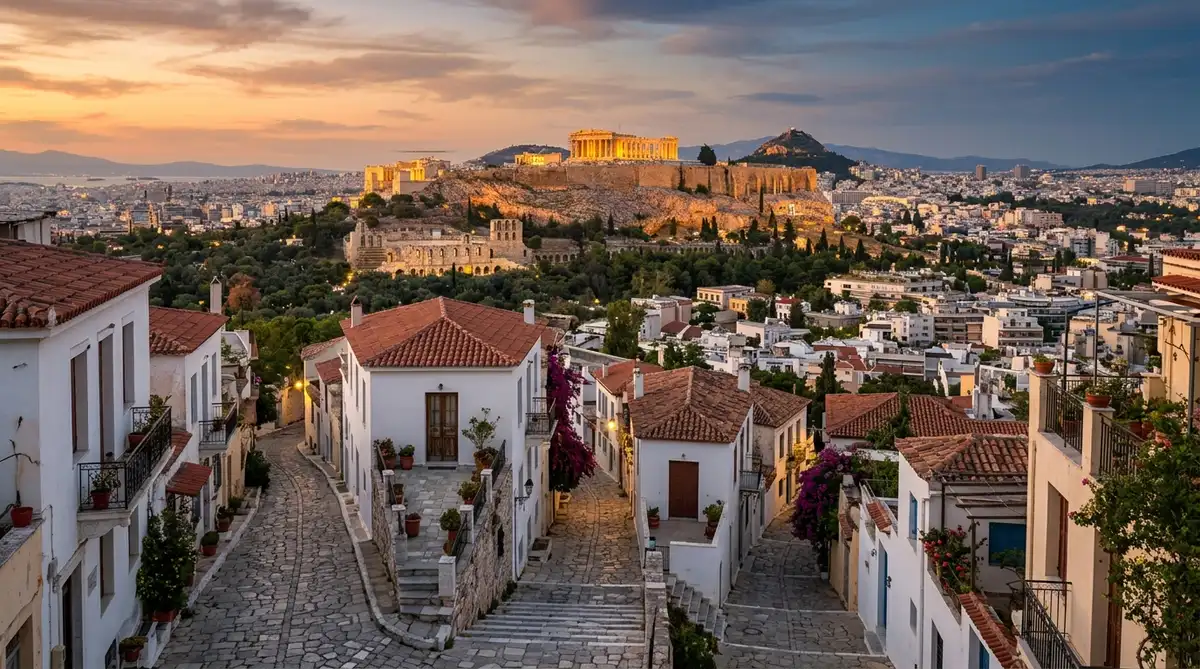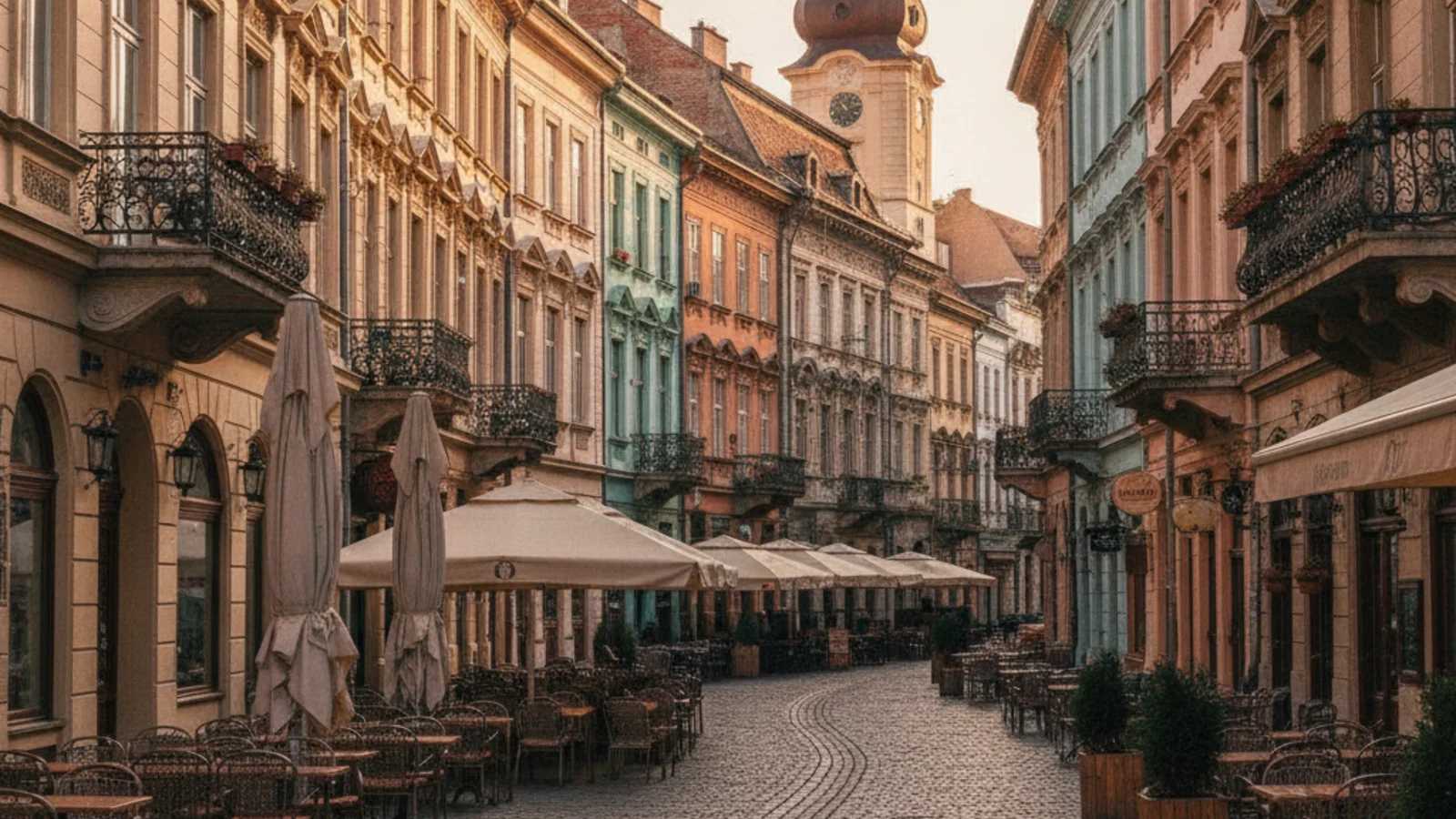


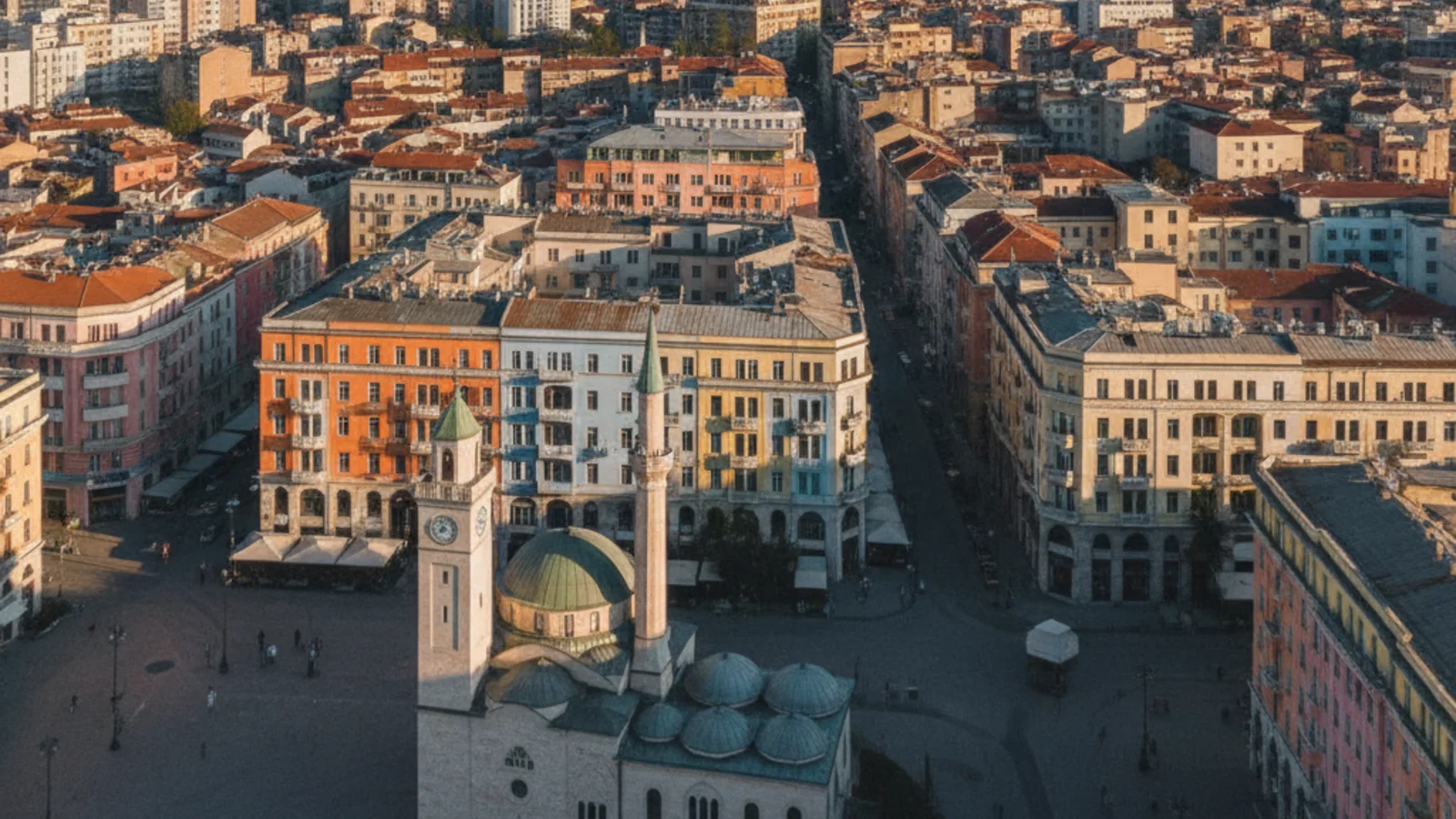
Albania was locked down under communist rule until 1991. The bunkers, the murals, and the museums tell that story. Tirana has Mediterranean weather, a cafe culture that rivals Vienna, and a recent history that is strange and fascinating. The city is painted in bright colours, a project started by former mayor Edi Rama, an artist turned politician who had buildings painted in orange, purple, and green to lift the post-communist gloom. Two days is enough for the centre. Here is how to spend them.
Day one: the centre and the history
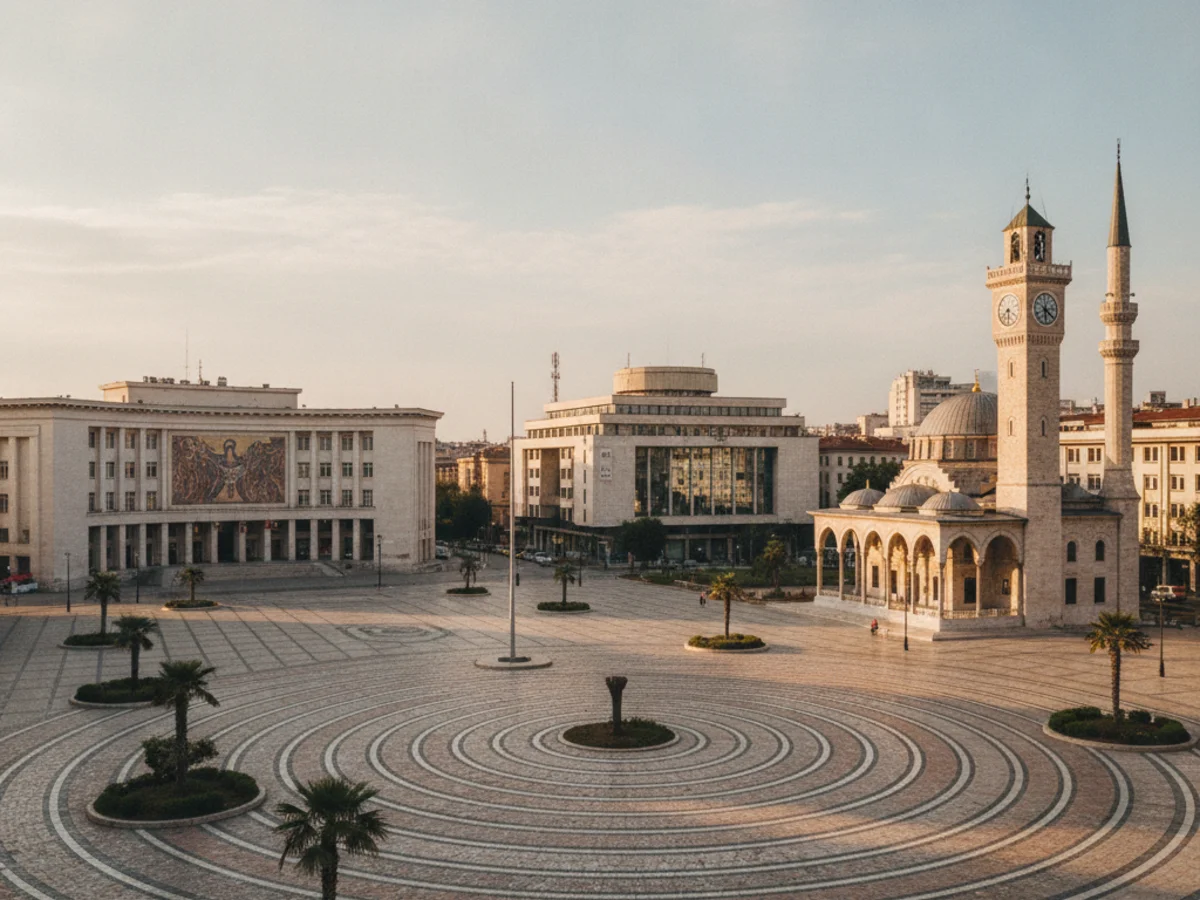
Start at Skanderbeg Square, the heart of the city. The mosque, the clock tower, and the opera house surround a large pedestrian space, renovated in 2010 to remove all cars and make it one of the largest pedestrian squares in the Balkans. Free to walk.
Head to Bunk’Art 2, a museum inside a nuclear bunker under the city. It tells the story of the Albanian secret police, the Sigurimi, from 1944 to 1991. Five floors of exhibits, photographs, and original interrogation rooms. Entry is €5. Give it 90 minutes. Heavy but essential. There is a second Bunk’Art location outside the centre, inside a larger bunker on the road to Elbasan, which covers the broader history of communist Albania.
Continue to the Pyramid of Tirana, a bizarre concrete structure built as a museum for the dictator Enver Hoxha. After communism fell, locals tried to demolish it. Now it has been repurposed as a cultural space with a climbing wall on the outside and a tech hub inside. You can still climb to the top for a view of the city, which is what most visitors do.
In the afternoon, take the Dajti Ekspres cable car to Dajti Mountain. The ride takes 15 minutes and costs €8 return. It is the longest cable car in the Balkans. The view from the top covers the entire city, the coast, and the Adriatic Sea. Have lunch at the restaurant at the top. The lamb is good. A main course costs €10 to €15.
Evening: eat in the Blloku area. Under communism, this was the quarter where only party officials could live, guarded by soldiers. Ordinary Albanians could not enter. Now it is the restaurant and bar district, and the irony is not lost on anyone. Try byrek, a savoury pastry filled with meat or cheese, from a bakery for €1. For a sit-down meal, try tave kosi, lamb baked with yogurt, the national dish. A portion costs €8 to €12. A glass of Albanian wine, mostly from the Berat region, costs €3 to €5.
Day two: art, markets, and the Grand Park
Start at the National Art Gallery. It has a collection of socialist realist art from the communist era, plus contemporary Albanian works. The socialist realism gallery is the highlight: giant paintings of workers, soldiers, and Hoxha himself, frozen in the style that defined Albanian visual culture for 45 years. Entry is €3. Give it an hour.
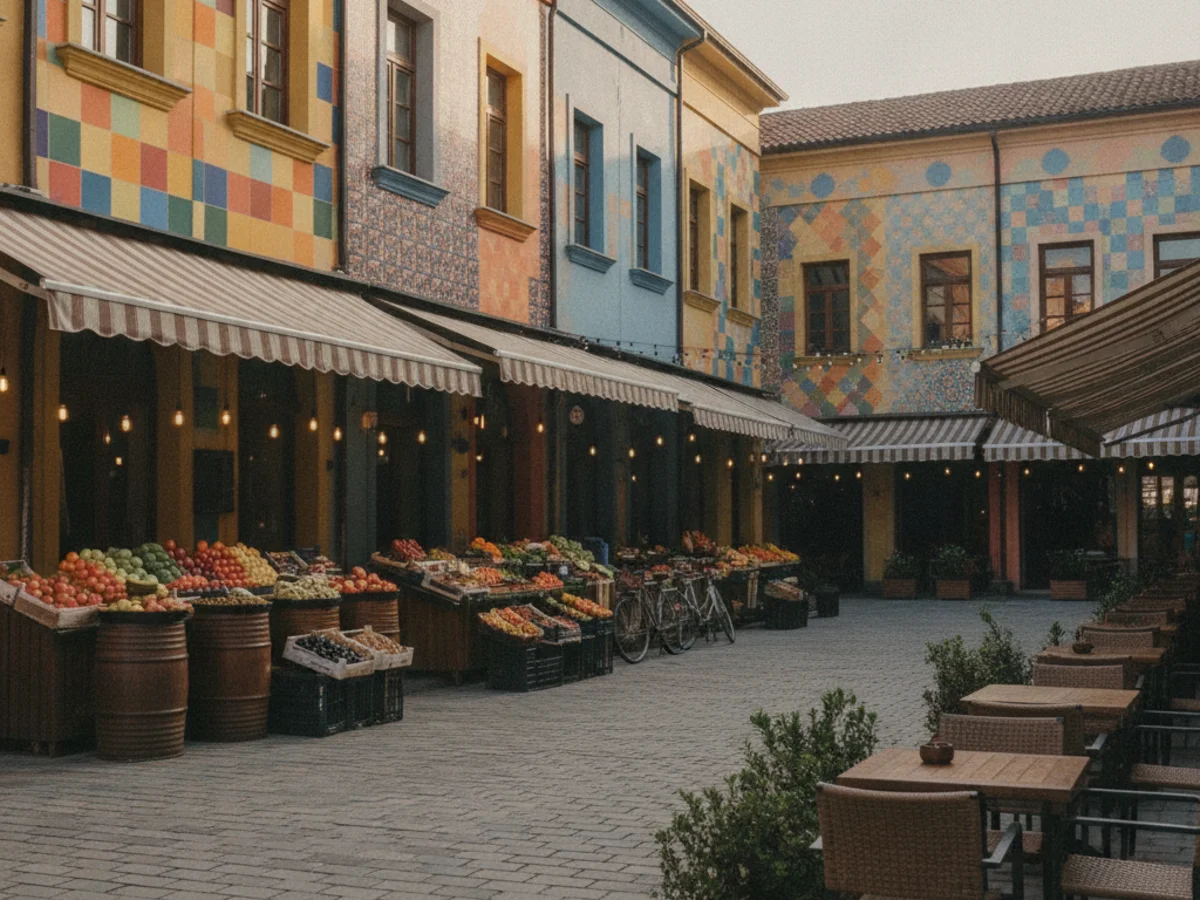
Stroll to the New Bazaar (Pazari i Ri), a renovated market area with food stalls, cafes, and craft shops. Good for a coffee (80 cents) and a snack. The area is colourful, with buildings painted in bright patterns. On weekends, there is a small craft market with local honey, olive oil, and raki.
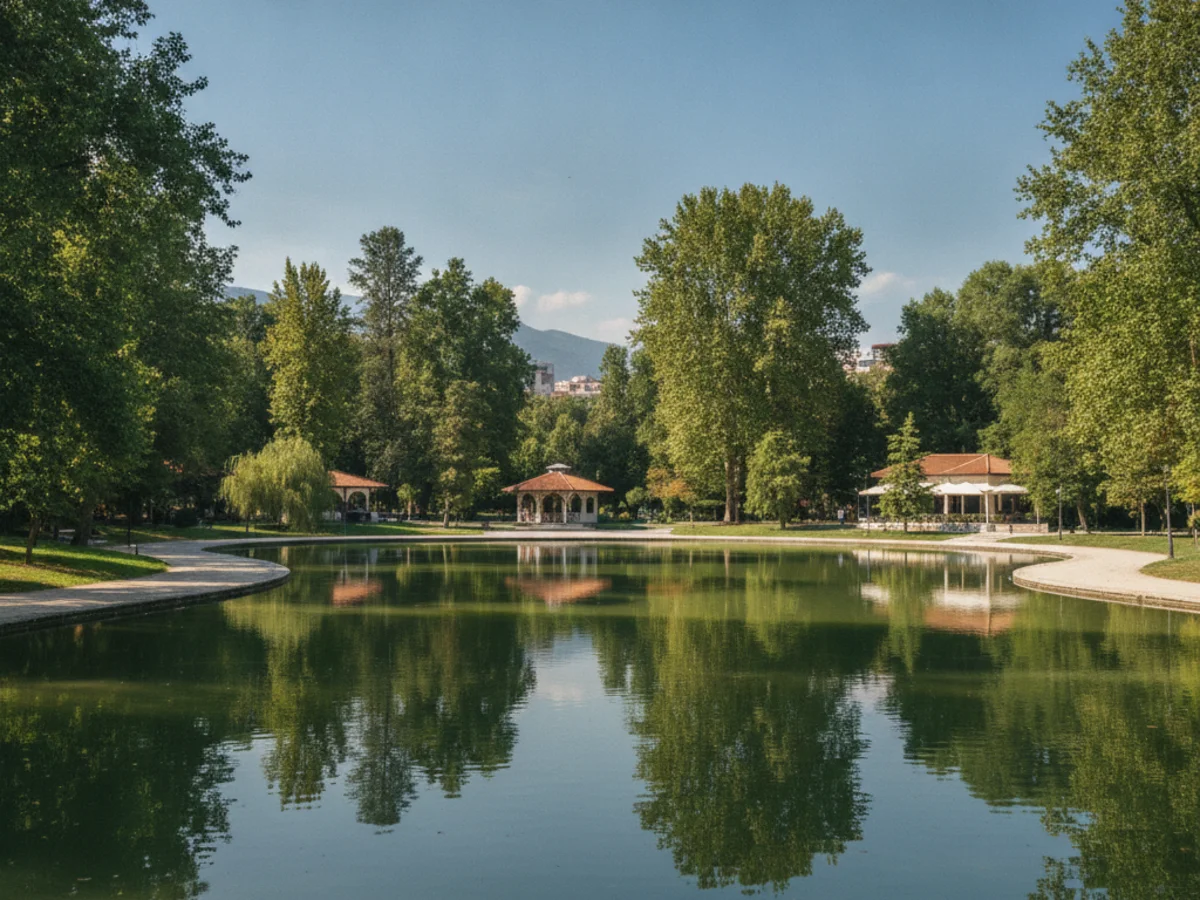
In the afternoon, walk or cycle around the Grand Park, a large green space south of the centre. The artificial lake, the walking paths, and the cafes make it the local hangout. Free. There is a small chapel on the hill above the lake, and the Botanical Garden is nearby, though it is poorly maintained.
Evening: the nightlife in Tirana is loud, cheap, and late. Bars in Blloku stay open until 2am on weekends. A cocktail costs €4 to €6. A beer costs €2. The Radio Bar, decorated with vintage radios and communist-era memorabilia, is one of the most atmospheric spots in the city.
What to skip
Skip the zoo. Small and not well maintained. Skip the archaeological museum unless you have a third day. Interesting but out of the centre and poorly signposted. Skip the Et’hem Bey Mosque interior unless it is prayer time, the exterior is more impressive.
Getting there and when to go
Direct cheap flights to Tirana run from several European airports. Tirana from London is one of the busiest routes. May, June, September, and October have the best combination of warm weather and lower fares. The airport is 17km from the city, a 25-minute bus ride costing €4. When you book a trip that combines separate flights, the Kiwi.com Guarantee covers your connection if one leg is delayed or cancelled.
Frequently asked questions
Is Tirana safe?
Yes. The centre is safe day and night. Albania is one of the safest countries in the Balkans for tourists. Petty theft is rare. Traffic is the main risk, as pedestrian crossings are advisory and Albanian driving is assertive.
How many days do you need in Tirana?
Two days covers the centre, Bunk’Art, the cable car, and Blloku. Add a third day for a trip to Kruja, a mountain town with a castle and a bazaar, 45 minutes by bus. Kruja is the historic capital of Albania and the site of Skanderbeg’s resistance against the Ottomans.
Is Tirana cheap?
Yes. The cheapest capital in Europe by most measures. A coffee costs 80 cents to €1.50. A meal costs €5 to €12. A hotel room starts at €30. A beer costs €2. A full weekend for two, including flights, hotel, and meals, can come in under €250.
When is the best time to visit Tirana?
May, June, September, and October. The weather is warm, 22 to 28 degrees, and the crowds are smaller than July-August. Winter is mild but wet. November to March sees the most rain.
Popular routes on Kiwi.com
- Cheap flights from London to Turkey
- Cheap flights from London to Barcelona
- Cheap flights from London to Japan
- Cheap flights from London to New York
- Cheap flights from New York to Paris
- Cheap flights to Spain
- Cheap flights to Italy
- Cheap flights to the United States
- Cheap flights to the United Kingdom
- Last minute flights
People Also Read
Where to stay in Palma de Mallorca: best areas for beaches, culture and nightlife
Where to stay in Barcelona: best neighbourhoods for every traveller (and where to avoid)