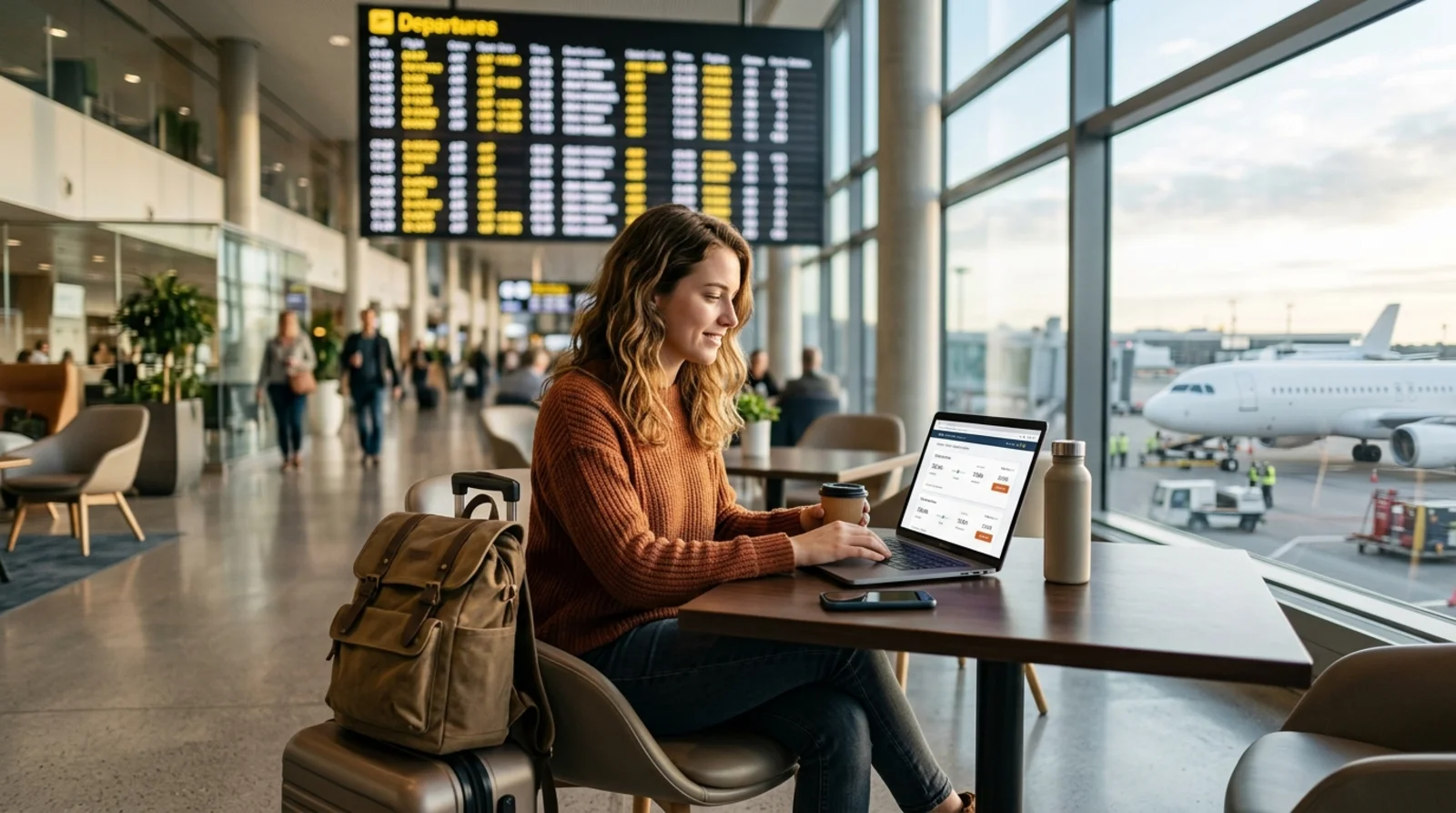





Passengers have various noise-cancellation and audio options they can use when flying, including noise-canceling headphones with ANC, earplugs, and sleep headbands. Noise cancellation headphones are considered one of the most efficient solutions, with some pairs capable of reducing sound by up to 20 decibels, though this varies depending on the brand that they come from. Although many noise-canceling headphones today use Bluetooth, most airlines don’t support wireless connections for in-flight entertainment. United Airlines is a notable exception , allowing passengers to pair their Bluetooth headphones with its system on selected flights. For the best chance at minimizing noise, it’s essential to invest in multiple types of items, such as headphones and earplugs, to find the solution that works best for you.
What Makes a Plane Noisy?
If you were to look at what actually makes a plane noisy, you can’t put your finger on just one thing, numerous elements contribute to the racket.
People on Board
On an aircraft, it’s not just you, there are sometimes hundreds of others, none of whom you have control over. These people are all doing their own thing, whether that be speaking to each other, eating, or snoring (the worst of the lot). Then there’s the crew, who have to manage the passengers and can’t stay quiet because they’ve got a job to do. All of this activity adds to the noise.
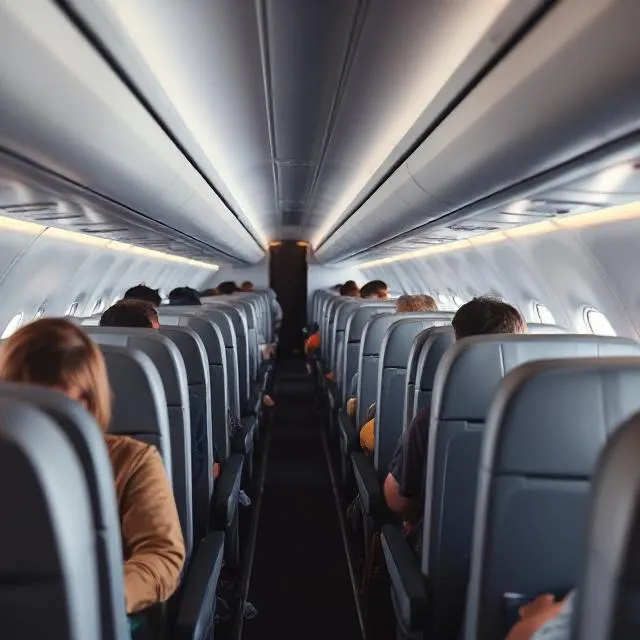
Turbulent tranquility: passengers find ways to relax and entertain themselves amidst the hustle and bustle of flight © Kiwi.com
Sound of the Engine
The engine rumbles can be really annoying, but hey, at least they’re proof that the plane’s working well. There’s not much you can do about those roars except sit through them. Takeoff is usually when they’re at their worst, though you’ll also hear them flare up whenever the captain needs to change altitude. It’s all part of flying, so you’ve just got to ride it out.
In-Flight Announcements
To be fair to the captain and cabin crew, they only ever really make announcements whenever it’s necessary, but there’s no warning as to when they’ll happen. If you’re about to hit some turbulence, someone is going to jump on the mic to tell you to put on your seatbelt. Similarly, whenever they think it’s appropriate to eat, they’ll announce it. And should you be plugged into the entertainment system, all of those announcements will be played right into your ears, which essentially means there’s no way to avoid them.
Audio Options Airlines Provide: Are They Enough?
When flying with a full-service airline, they tend to provide some form of audio for their in-flight entertainment (if it’s available). This usually comes in the form of a standard pair of earbuds, but sometimes you get lucky with headphones from a carrier like American Airlines.. The quality of sound you get with these can be hit or miss, but they’re better than nothing if you just want to watch any old movie to put you to sleep.
Now the real question is, are they enough to keep the noise away? While they can reduce some, they can’t block it all out. Remember, these are usually a free pair of headphones that, in some cases, have just been used by the passenger who was sitting in your seat beforehand, so the sound quality is often pretty average. The exception is when you fly business or first class, where airlines like Emirates provide first-class passengers with a noise-canceling set of Bowers & Wilkins E1 headphones. If you’re really bothered by the racket on an aircraft, you’ll want something better than the free stuff, which brings us to our next point.
| Option | Quality/Effectiveness | Notes |
|---|---|---|
| Free Earbuds (economy class) | Low to average | Often reused; not very effective at blocking cabin/engine noise. |
| Standard Headphones (better airlines) | Moderate | Slightly better sound; still limited noise reduction. |
| Premium Noise-Canceling Headphones | High | Available in business/first class (e.g., Emirates Bowers & Wilkins). |
Items You Can Bring Onboard Yourself That Reduce Noise
You know what they say: if you throw enough money at a problem, you can fix it, and that goes for cutting down noise levels on a plane as well. Here are some useful items you can buy before you take off to have a more peaceful flight .
Noise-Canceling Headphones
The main option passengers go for is noise-canceling headphones. When you get a set with good ANC (Active Noise Cancellation), clear sound, and that are comfy to wear, you’re onto a winner. Some models come with Bluetooth, meaning they’ll need to be charged before the flight, while others are wired. Look out for brands like Sony or Bose, which are regarded as some of the best companies offering these products.
Earplugs
Maybe you don’t want to listen to anything at all. In that case, earplugs are the best alternative. You can easily grab a cheap pair at any airport pharmacy or convenience store after clearing security, but it’s worth spending a little more on a type made from stronger materials. Moldable wax or silicone options are usually the best, as they fit perfectly into your ear and leave little room for any noise to get in. Certain passenger airlines, like JetBlue , provide complimentary earplugs in their Mint amenity kits, so you might get lucky.
Sleep Headbands
A relatively new form of technology that has been gaining traction lately is the sleep headband. These clever devices resemble any other headband you would wrap around your head, but they feature built-in speakers positioned near the ears, enabling you to play music, podcasts, or other audio content. While they are comfortable, they may not deliver the same results as traditional headphones that fully cover the ears.
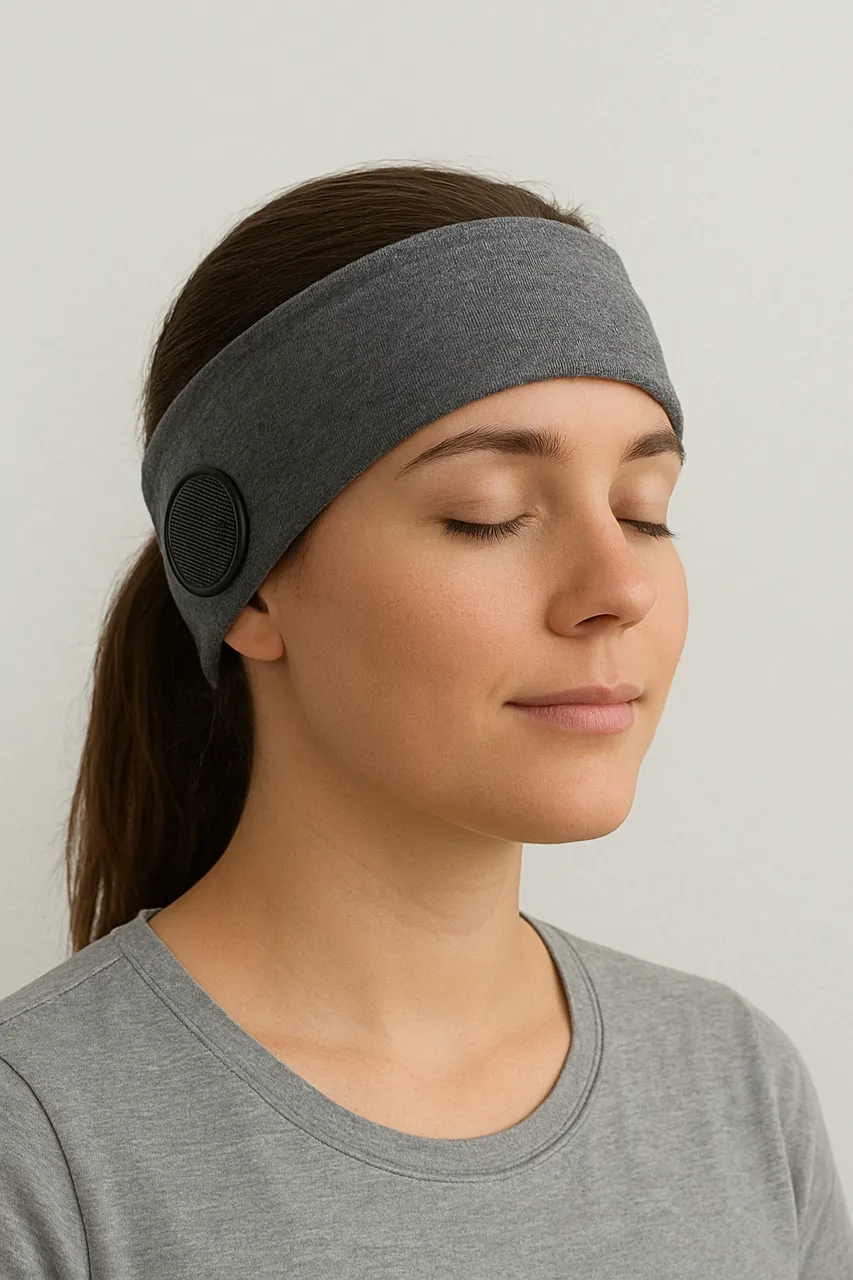
Sleep headbands provide a comfortable way to listen to music or podcasts while resting © Kiwi.com
Tips for Noise Cancellation and Audio Options In-Flight
Pack Both Headphones and Earplugs Just in Case
Headphones are fantastic, but wearing them for long periods can hurt your ears. It’s a good idea to pack a pair of earplugs as a backup, especially if you really want to block out the noise for some shut-eye.
Download All Your Media Beforehand
It goes without saying, but make sure all your media is downloaded before you even step on the plane. Seriously, in-flight Wi-Fi almost never works, it won’t save you. I’d even do it before heading to the airport, since airport Wi-Fi can be just as bad. That way, you’ll have all your favorite shows ready to go instead of being stuck with the boring selection on the plane’s entertainment system.
Always Have a Basic Backup Pair of Headphones
One thing I like to do is carry a cheap pair of headphones along with my good pair, just in case something goes wrong. Maybe the battery dies unexpectedly and there’s nowhere to charge them, or they stop working for some reason. At least you’ll always have a backup.
Don’t Be Afraid to Spend a Little Extra on Quality Gear
Cutting corners and doing things on the cheap is something we backpackers are experts at. However, some of us cheapskates fail to realize that there are certain things worth spending extra on, and headphones are one of them. That knock-off Sony headset you pick up for a few quid at a dodgy market might seem like a bargain, but it will probably only last a few weeks. Spend a little more on the real thing, and you won’t have to worry about them stopping working mid-flight.
Use These Noise Cancellation and Audio Solutions for a Smoother Journey
Sometimes you just want a bit of peace, and that’s not always easy to find on a plane. Between the engine noise and constant chatter, it can feel impossible. But with the right noise-canceling gear and audio setup, you can block it all out and enjoy some real downtime on your next flight.
Frequently Asked Questions About Noise Cancellation and Audio Options In-Flight
Can I bring noise-canceling headphones on a flight with me?
Passengers are permitted to bring noise-canceling headphones on planes, but there may be restrictions on using their Bluetooth features. Similar to mobile devices, cabin crew may ask you to switch them off during takeoff and landing to avoid any potential interference with aircraft systems. This is recommended for your safety as well as that of other passengers.
Do Bluetooth headphones work with in-flight entertainment?
No, you’ll rarely find in-flight entertainment systems that work with Bluetooth headphones, but there are special cases where airlines like United do give passengers the ability to. Carriers usually provide basic headphones for free, though whether you can keep them depends on the airline’s policy. To use them, you’ll usually need to connect a wired set instead.
Can you use a standard pair of headphones to listen to the entertainment system on a plane?
In most cases, passengers can use a standard 3.5mm plug to connect to the airline’s entertainment system. However, if the plane uses a two-pin adapter, the only headphones that will work are the ones provided by the airline. In that situation, you’ll need to use the supplied headphones to access the in-flight entertainment.
Will noise-canceling headphones still block out noise if you’re not playing music?
Yes, even if you’re not playing music on a pair of noise-canceling headphones, they’ll still reduce sound. This works as long as the pair you own has built-in ANC technology, which has the power to cut down background sound. It’s essential to check that the headphones you buy include this feature beforehand, or else they may not be as effective.