









An open flight ticket sounds like the ultimate travel flex: you book your outbound flight now, then decide your return date later, when you’ve finally had enough of your city break. That’s the classic open ticket idea, and it’s why people still Google open ticket meaning in 2026.
In this article
Here’s the catch: airlines have changed how they sell tickets. “True” open-dated returns used to be a common product (especially in the paper-ticket era). Today, most airlines price and manage seats with strict rules, which makes fully open tickets rare, limited, or expensive.
This guide clears up what open flight tickets used to be, what they usually mean now, how to build “open-style” flexibility with modern booking tools, and why visa/passport rules can make or break your plan, starting with the US, UK, and Europe, then Canada and the rest of the world. You’ll also see how platforms like Kiwi.com can help you stitch together open-style itineraries when classic open tickets aren’t realistically available.
Quick answer: Can you still buy a true open flight ticket?
If you’re asking “what is an open ticket” in the “no return date at all” sense, classic open ticket flights are rare today. Most airlines want a date on the booking because modern pricing and seat planning depend on it.
Find flights for this trip

But you can still create an “open-style” trip using flexible options: changeable fares, refundable fares, two one-ways (outbound now, inbound later), or multi-city planning tools that keep your route flexible while still showing dated segments.
But don’t forget that rules differ by airline and country, and you must check the visa and “proof of onward travel” requirements before relying on any open ticket flight strategy.
What is an open flight ticket? Old-school definition vs today’s reality
In simple terms, an open flight ticket is a ticket where your return (or onward) date isn’t fixed when you buy it; you “set” the date later.
Old-school reality: airlines used to sell open-dated returns more often, especially when tickets were paper-based, and inventory management was less algorithm-heavy.
Today’s reality: most e-tickets are built around a specific flight/date, and “open” usually means “changeable” rather than “date-free.” That’s why phrases, such as open airline tickets, open return ticket, and open ended ticket, can mean exactly the same thing.
In practice, the modern open ticket meaning is often: “I want flexibility without paying the ‘fully refundable business fare’ price.”

Types of “open” and flexible tickets you might see
Here are the most common products travelers call open ticket flights, plus what they actually do:
- Changeable economy tickets You book a dated flight, but you can change it later. You’ll usually pay a fare difference (and sometimes a change fee), and you’re limited by fare rules and availability.
- Flexible or fully refundable fares These are the closest thing to “stress-free.” They usually cost more, but you can cancel or change with fewer penalties.
- Open return ticket within a fixed window This is the “semi-open” option: you must travel within a validity period (for example, return within 3 months). Still not fully open-ended, but helpful.
- Passes / regional airpasses Some regions and airlines sell pass-style products where you pre-buy multiple flights and lock dates later, usually with strict rules and limited routes.
- Multi-city tickets You lock in multiple dated segments (A→B, B→C, C→D), which can feel “open” because your route is pre-built, even if each flight has a date.
These days, an open ended ticket is almost never truly unlimited. There’s always a time window, a change in rules, or a pricing catch.
Do airlines still sell open ended plane tickets? What to expect today
So… can you buy an open ended plane ticket? Sometimes you’ll see limited “open return” products, flexible vouchers, or fares with generous change policies, but a completely open ended plane ticket (no return date) is rare and often expensive.
Why are open ended airline tickets no longer a thing? Modern revenue management relies on forecasting demand and selling inventory dynamically. A seat that might be used “sometime in the next year” is hard to price and plan.
If you do find something described as an open plane ticket (or “open plane tickets”), read the rules like a detective:
- maximum stay/ticket validity
- change fees and fare difference
- blackout dates
- whether you must confirm a return flight by a deadline
In other words, treat “open” as a marketing word until the fare conditions prove otherwise.
Common questions about open tickets for one-way, round-trip, and multi-city journeys
Can you buy a one way ticket to another country? Usually yes, but whether it’s wise depends on where you’re going and your immigration status. Many airlines will ask for onward travel proof because they can be penalized if they transport passengers who don’t meet entry rules. For US Visa Waiver Program travelers, the ESTA guidance explicitly includes having a return or onward ticket as part of eligibility.
What does flight open mean?
In airline-speak, it can mean different things:
- a seat is “open” (available)
- a fare is “open” (changeable)
- or a traveler is using “open ticket flights” as shorthand for flexible travel plans. Context matters, and so do fare rules.
Can you book a round trip flight from different airports?
Yes. That’s often called an “open-jaw” itinerary (fly into one city, fly out of another). It’s a smart alternative to a classic open ticket for backpacking routes, for example, fly into Paris, travel overland, fly out of Rome.
How to book an “open-style” itinerary using online tools and Kiwi.com
If you’re searching how to book open flight ticket, the modern answer is: book flexibility intentionally.
A simple way to build an open-style trip:
- Book your first anchor flight (usually a one-way or a return with a changeable fare).
- Add onward segments as your plan firms up.
- Keep options open with flexible dates, nearby airports, and multi-city planning.
You can do this with standard search, or lean on Kiwi.com ’s tools to combine airlines’ flights that don’t normally cooperate (a big deal when you’re piecing together a flexible route). Kiwi.com’s approach is powered by “virtual interlining,” which is essentially smart self-connecting across carriers.
Finding flexible and cheap routes for open-style trips
Flexibility and budget travel aren’t enemies. They’re best friends who enable each other.
To keep costs low while staying flexible:
- Search with date ranges (not a single fixed day)
- Check nearby airports (especially in Europe and North America)
- Compare “two one-ways” vs a single return
- Try a multi-city route instead of a messy chain of separate searches
For example, you want to roam Europe for a month on cheap flight deals , but you don’t know the exact order. Try building a skeleton like:
- Home → Barcelona (dated)
- Somewhere-in-Europe → Home (dated but changeable) Then experiment with the middle using multi-city combinations until the prices behave.
This is where “open tickets flights” thinking pays off: you’re not committing to a single perfect plan. Instead, you’re testing combinations until you find the sweet spot.
Using Nomad and multi-city search as an alternative to classic open tickets
If you want classic open ticket freedom without the classic open-ticket problems, this is the move.
Kiwi.com ’s Nomad tool lets you enter multiple destinations and desired stays, then it optimizes the route and helps find flight deals . It basically turns “I want options” into an actual, bookable itinerary with clear dates.
Why does that matter? Well, open ended flights can get awkward at check-in or border control. Dated segments usually make your trip easier to explain and easier to prove.
Visa, passport, and onward travel rules for open-style tickets by country
This is the part that saves you from the world’s least fun souvenir: a denial of boarding.
Many countries expect proof that you’ll leave, especially for visa-free visitors or short-stay travelers. Sometimes it’s not a strict “must show a return ticket” rule; it’s more like “convince the officer you’re a genuine visitor.” Canada’s visitor guidance, for example, explicitly says the officer must be convinced you’ll leave at the end of your approved stay.
This section is general guidance only. Always verify current rules with official government/embassy sources before you fly, because requirements vary by nationality, visa type, and even route.
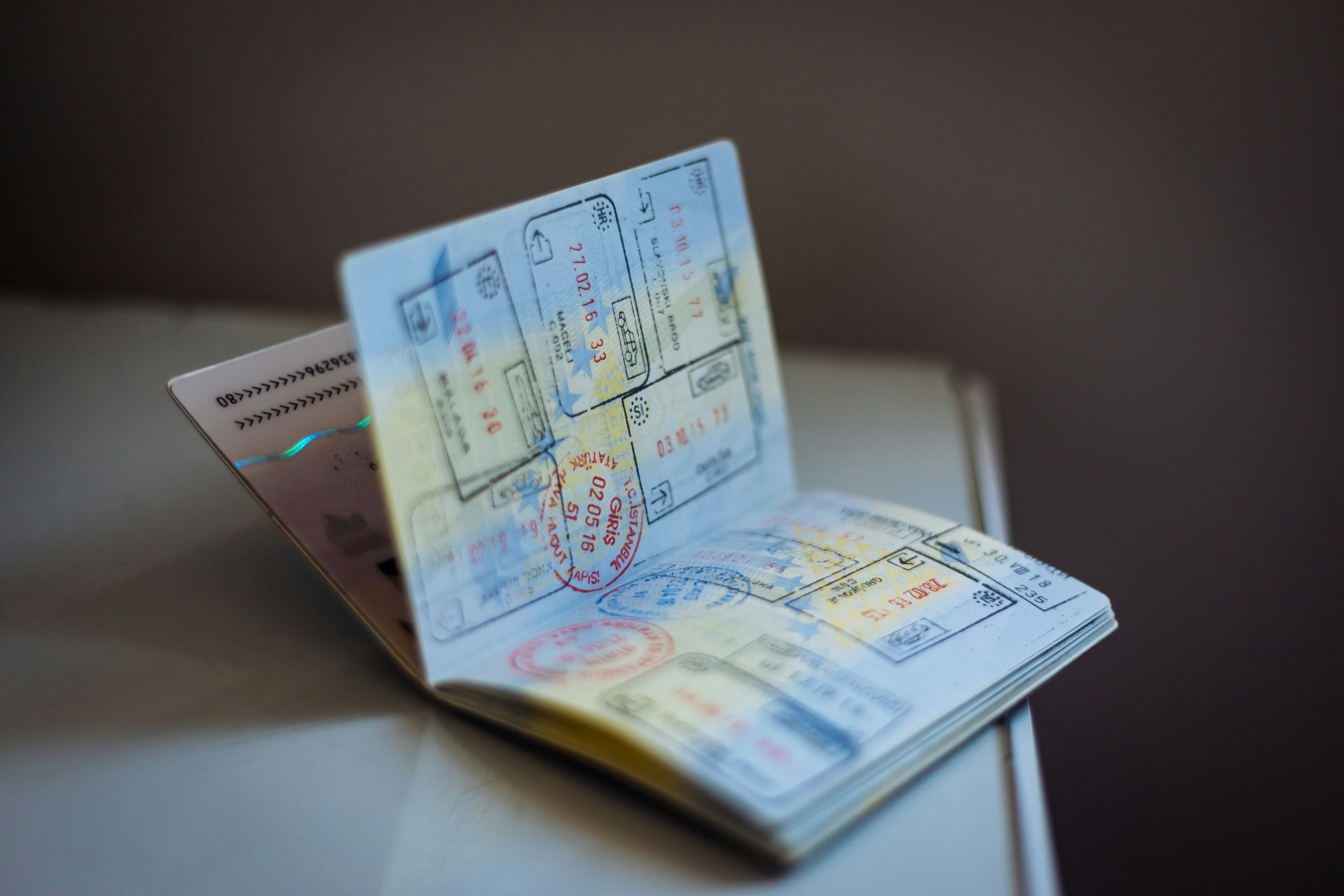
United States: passport, visa, and onward ticket rules
For Visa Waiver Program travelers (ESTA), the official ESTA FAQ states that having a return or onward ticket is part of the eligibility requirements to apply for admission under VWP. So, if you’re hunting for cheap flights to the USA , things can get complicated.
US regulations also reflect the expectation that VWP travelers have return transportation arrangements (with some nuances around ticket validity and carrier agreements).
In real life, this is where the question “can you buy a one way ticket to another country?” becomes “yes, but be ready to explain it.” If you show up with an open-style one-way and no onward plan, you may get extra questions at check-in or on arrival.
United Kingdom: passport, visa and proof of onward travel
The UK’s official border guidance focuses on entry checks, visas, and making sure you meet the visitor conditions. And UK visitor decision-making guidance for staff emphasizes that an applicant must satisfy the Visitor rules, including that they’re genuinely visiting and will not remain long-term.
When hunting for cheap flights to the UK , keep in mind that arriving with only an open-ended plane ticket (or “open plane ticket”) and no clear plan can increase scrutiny. If you’re going open-style, having a dated onward flight (even if changeable) makes your story easier.
Europe and the Schengen Area: rules for flexible and open-style trips
For many non-EU travelers visiting the EU/Schengen area, passport validity rules often include:
- passport valid for at least 3 months beyond intended departure
- passport issued within the last 10 years
Border checks can also involve demonstrating the purpose of your stay, your means of support, and that you won’t overstay the common 90/180-day limit for visa-free short stays.
That’s why an open-style plan works best when you still have dated segments: for example, you might arrive in Spain, travel overland, then fly out of Italy on a booked date. These types of cheap Central European flights are still flexible, but it’s documentable.
Canada: in-depth passport, visa, and onward ticket requirements
Canada is a great place for open-style trips, but only if your paperwork and story are tidy.
Entry basics (high level):
- Many travelers need either an eTA (for visa-exempt foreign nationals flying to/transiting through Canada) or a visitor visa, depending on nationality.
- For visitors, Canada’s official guidance says you’re normally allowed to stay up to 6 months, but the border services officer can set a different date and may issue a visitor record.
- Crucially, the officer must be convinced you’ll leave at the end of your approved stay and that you have enough funds for the visit.
What this means for open-style bookings:
- A true open flight ticket is unlikely to help you here, because “open” is harder to prove at the border.
- An “open-style” plan is safer when you have at least one dated onward segment (even if it’s changeable/refundable), plus a clear plan for where you’ll stay and how you’ll fund the trip.
Concrete scenarios when looking for cheap flights to Canada :
- Digital nomad flying into Toronto with no fixed exit date: book a changeable onward flight (or a changeable return) within your intended time window, so you can show a plausible departure plan if asked.
- Student starting studies with unclear return date: your study permit path is different than a visitor trip, but the same idea applies: show dated travel and documentation that matches your status.
- Backpacker continuing overland into the US: have documentation that makes sense for both countries. Remember: US VWP/ESTA rules are stricter about onward/return tickets for many travelers.
Rest of the world: how open-style tickets interact with visa rules elsewhere
Patterns you’ll see often:
- Australia & New Zealand: working holiday and long-stay visas can offer more flexibility, but airlines still commonly want proof you meet entry conditions.
- East & Southeast Asia: some countries and many island nations are known for stricter onward-ticket expectations in practice; a fully open-ended arrival can cause check-in issues.
- South Asia: e-visa and visa-on-arrival programs vary; onward proof is commonly requested by airlines.
- Africa: rules differ dramatically by country; some require visas in advance, and onward plans can matter for transit routes.
- Latin America & the Caribbean: onward travel is frequently checked on tourist entries, especially for popular hub routes and island destinations.
- Middle East: transit rules can be strict in major hubs; your itinerary needs to be clear.
Bottom line: open ticket flights that are truly undated can be the least compatible option worldwide. Dated-but-flexible tickets are usually safer than “open plane tickets” in the mythical sense.
How visa rules affect your choice of flexible or open-style ticket
Your visa status changes the game:
- If you have a long-stay visa or residency path, you may have more freedom to arrive on a one-way or open-style plan.
- If you’re entering visa-free as a visitor, you’re more likely to need proof you’ll leave within the allowed stay (Canada explicitly frames this as something you must convince an officer of).
- For US Visa Waiver Program travelers, return/onward ticket expectations are written into ESTA guidance.
Whatever you choose, open ended ticket, flexible return, or a multi-city plan, read the fare rules and match them to the visa reality.
Practical booking strategies: from open ended idea to real ticket
Let’s turn “I want freedom” into something airlines (and border agents) accept.
- Pick a start city and a start date.
- Choose your “proof-of-exit” plan:
- a changeable return, or
- a dated onward flight to a third country, or
- a multi-city itinerary with a clear final segment
- Fill the middle later using multi-city search or tools like Nomad.
- Keep receipts: fare rules, confirmations, and any visa documentation.
If you’re searching how to book open flight ticket online, the most realistic modern equivalent is: buy a dated ticket that you can change.
If you need flexibility close to departure, this can help: last minute flights
Examples of flexible itineraries built with Kiwi.com
- US traveler: New York → London → (Europe loop) → Home Instead of a risky open return, book:
- NYC → London (dated)
- Rome → NYC (dated but changeable) Then build the middle with short hops (London → Amsterdam → Berlin → Prague → Rome). It gives you open-style freedom with a clear exit date.
- UK traveler: London → Toronto → NYC → London A classic open ticket isn’t ideal because US/Canada entry checks can hinge on your ability to show you’ll leave (and ESTA has explicit onward/return expectations for VWP travelers). A dated multi-city plan is cleaner, and you can still use flexible fares.
- European backpacker: Vienna → Bangkok → Hanoi → Singapore → Vienna Instead of “open ended flights,” lock in a dated exit from the region (e.g., Singapore → Vienna) and keep intra-Asia legs flexible. That’s easier to explain at check-in than an open-ended arrival.
If you’re booking on the go, check out the flight search app .
Risks, fine print and how to avoid common open-ticket mistakes
The biggest mistakes happen when people assume “open” means “anything goes.”
Common pitfalls:
- Misreading “open” in fare rules: “open ticket meaning” often equals “changeable,” not “undated.”
- Assuming one-way is always fine: ESTA/VWP eligibility includes having a return or onward ticket.
- Ignoring fare differences: even when change fees are low, the new flight might cost more.
- Forgetting border reality: Canada’s guidance is clear that you must convince the officer you’ll leave and have sufficient funds.
Quick checklist before you book:
- Do I need to show onward/return travel for my destination and my transit points?
- What’s the ticket validity window?
- Are changes allowed, and what triggers extra costs?
- Do I have at least one dated “exit” segment I can show at check-in?
Ready to build your flexible, open-style trip?
Classic open flight ticket products are rare, and when they exist, they’re easy to misunderstand (or overpay for). But the good news: you can still travel “open-ended” in spirit by using dated but flexible tickets, multi-city routes, and tools like Nomad to keep options open without clashing with visa and passport rules.
If you want to start experimenting with routes right now: find flight deals Build the trip you want, keep it flexible, and let the paperwork stay boring (as it should be).
Open Flight Ticket FAQs
What is an open flight ticket and how does it work today?
Traditionally, it meant buying a ticket without a fixed return date. Today it usually means a dated ticket with flexible change rules, because fully open-dated returns are uncommon.
Can I still buy a truly open ended plane ticket with no return date?
Rarely, and if you can, it’s typically restricted and expensive. Most “open ended plane ticket” searches are better solved with refundable/changeable fares or multi-city plans.
Is it safe to fly on a one way ticket to another country?
Sometimes, but it depends on your destination and status. US Visa Waiver Program guidance includes having a return or onward ticket as part of eligibility, so one-way travel can be risky without an onward plan.
How can I book an open-style ticket or flexible itinerary online?
Anchor your trip with one dated segment (outbound), add a dated exit segment (return/onward), then fill in the middle later. Use multi-city search or tools like Nomad to optimize multi-stop routes.
Do I need a return or onward ticket for the US, UK, Europe or Canada?
Often, you need to be able to prove you’ll leave (or meet visitor conditions). ESTA/VWP explicitly includes return/onward ticket expectations. Canada explicitly says you must convince the officer you’ll leave and have enough funds.
What is the best alternative if I cannot get a true open ticket?
A dated-but-changeable return, two one-ways booked separately, or a multi-city itinerary that gives you flexibility while keeping your documentation clear for airlines and border checks.