






Antwerp is what Brussels would be if Brussels had better taste: medieval architecture, a world-class fashion scene, and a food culture that rivals the capital without the tourist crowds. The city is compact and walkable, and the train from London St Pancras takes under 3 hours via Brussels. The trick is picking the right neighbourhood, because Antwerp has four main areas for visitors and each suits a different type of trip.
Quick answer: which area should I pick?
- First visit or sightseeing: Old Town. Cathedral, Rubens, Grote Markt.
- Food and art: Het Zuid. Restaurants, KMSKA museum, local feel.
- Budget or arriving by train: Station District. Cheaper hotels, walkable to centre.
- Architecture and quiet: Zurenborg. Art Nouveau, guesthouses, peaceful.
Old Town (Historisch Centrum): for first-timers and sightseeing
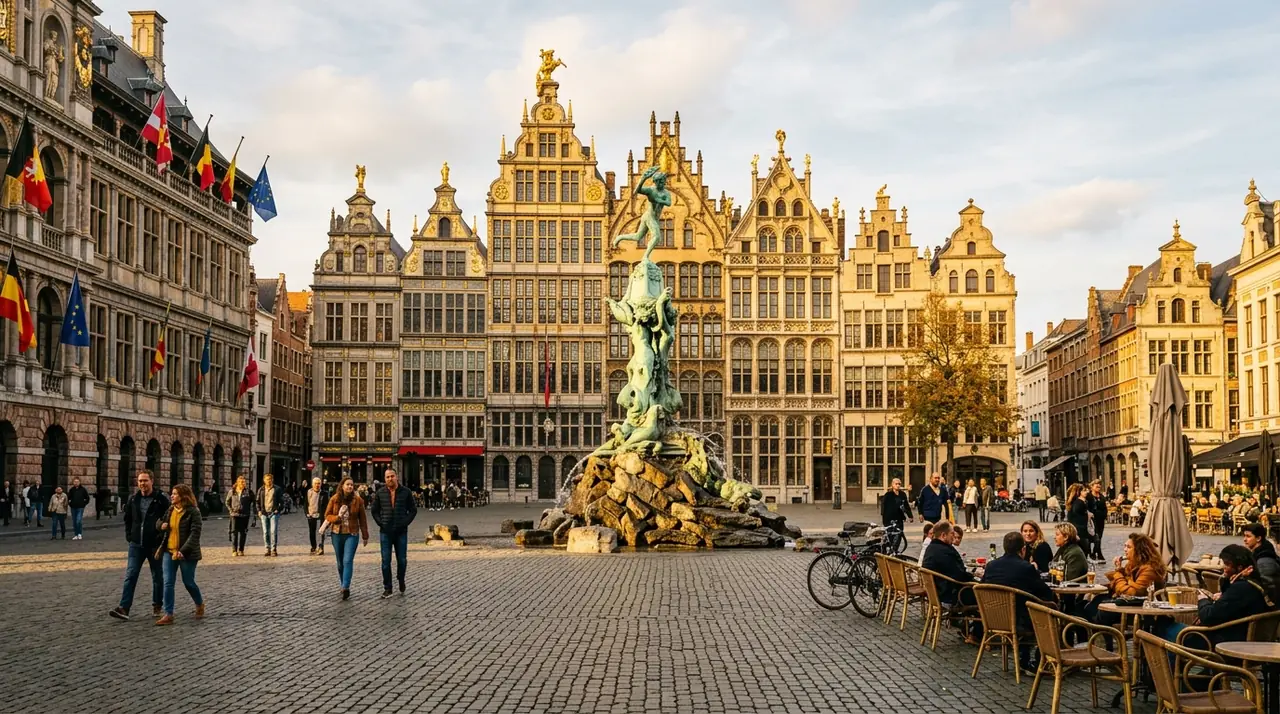
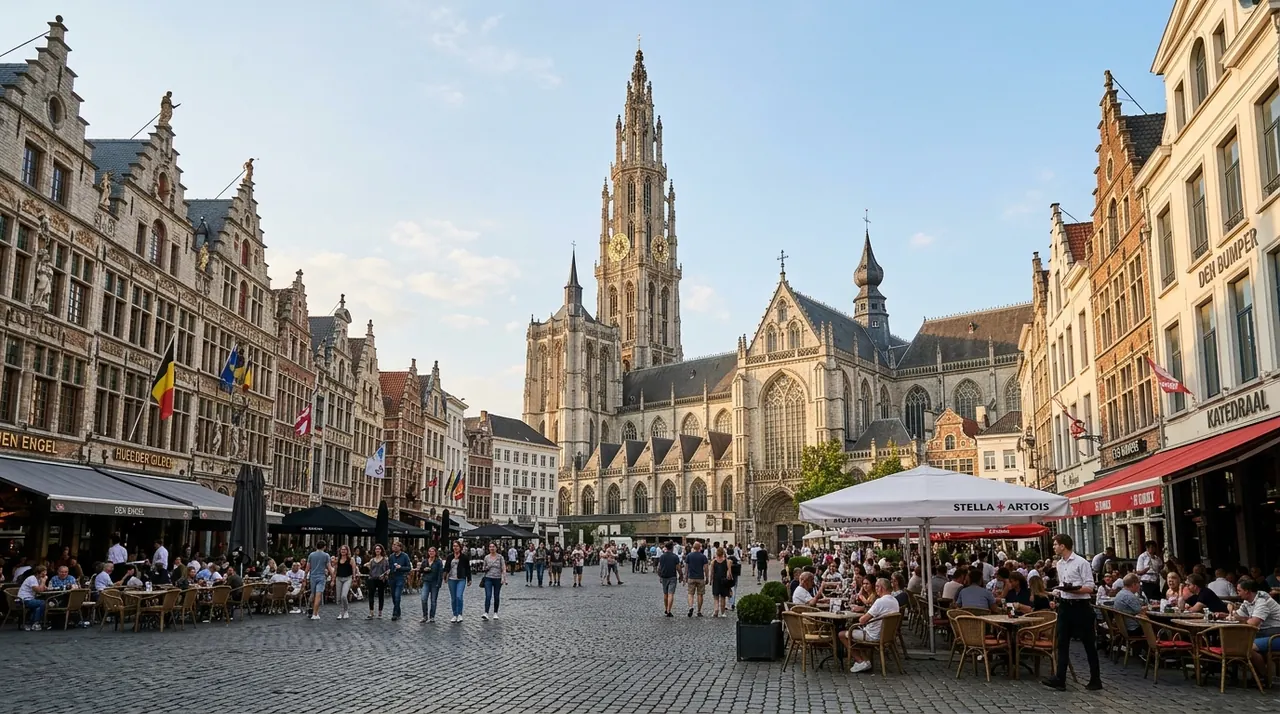
The Grote Markt, the Cathedral of Our Lady, and the medieval guild houses are all here. The cathedral is the single most impressive building in the city, with its 123-metre spire visible from almost anywhere in the centre. Inside, four Rubens paintings hang in their original positions. Rubens lived and worked in this neighbourhood, and his house on Wapper street is now a museum with original paintings, a recreated studio, and a courtyard garden. Entry is €12.
Stay here on your first visit. Every major sight is within a 10-minute walk. The Meir, Antwerp’s main shopping street, runs from the cathedral to the central station, a 15-minute walk past 18th-century townhouses and the Rubens House. The riverfront is a short walk south, with the MAS museum rising like a giant brick cube over the harbour.
Expect the highest hotel prices in Antwerp. The Old Town fills with day-trippers from Brussels between 11am and 4pm, when the Grote Markt and the cathedral queue get busy. It calms down in the evening, when the restaurant terraces on the cobblestone side streets take over.
Het Zuid (The South): for food, art, and a local feel
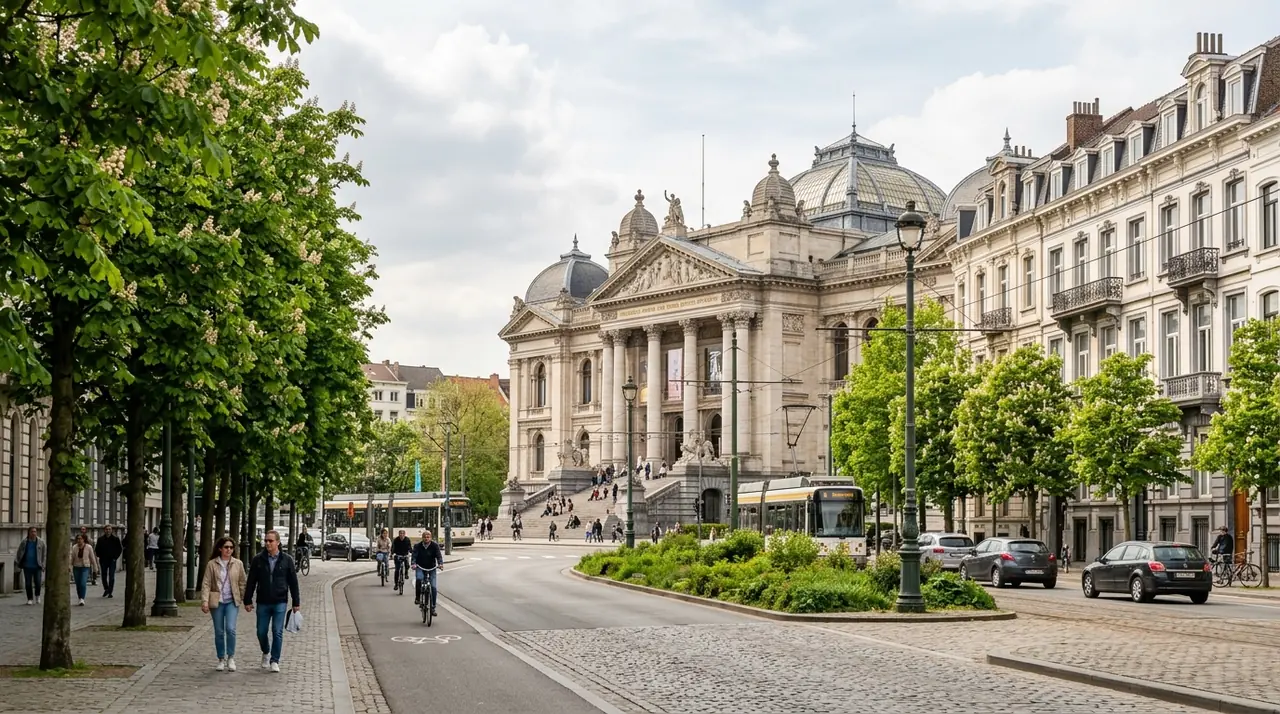
Het Zuid is the trendy neighbourhood south of the centre. Tree-lined boulevards, the Royal Museum of Fine Arts (KMSKA, reopened in 2022 after an 11-year renovation), and some of the best restaurants in the city. The museum holds Belgium’s largest collection of Flemish masters, including works by Rubens, Van Dyck, and Ensor. Entry is €18. Give it half a day.
The restaurant scene here is better than the Old Town. The Leien boulevards, wide avenues lined with chestnut trees, give Het Zuid a Paris-meets-Brussels feel. Cafes like Café Royal and restaurant Fisk serve modern Belgian and seafood. A main course costs €18 to €25. The area is quieter at night than the centre, which is part of the appeal for couples and anyone who wants a local feel rather than a tourist one. The trade-off: a 15-minute walk to the Grote Markt.
Station District (Statiekwartier): for budget and transit
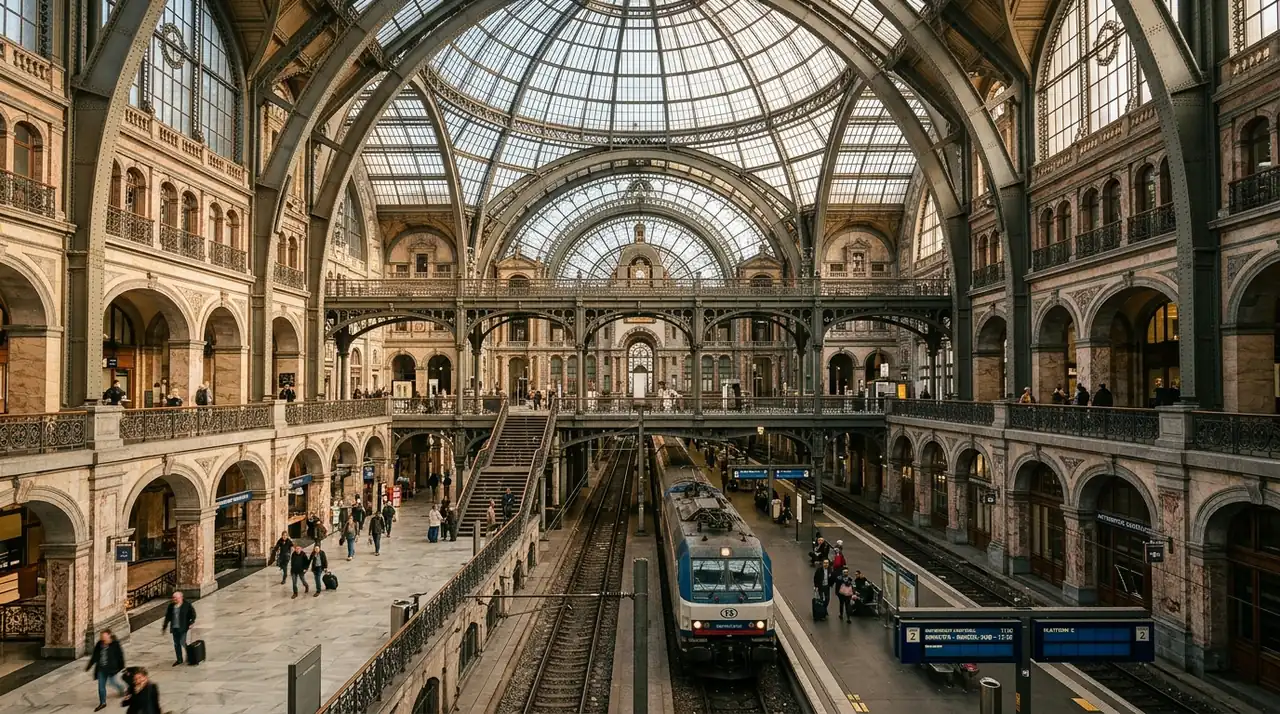
Antwerp Central Station is one of the most beautiful train stations in the world. A four-level train hall with marble, ironwork, and a domed ceiling, built between 1895 and 1905. The station itself is worth a 30-minute visit even if you are not catching a train. The district around it is busy, multicultural, and practical. Hotels here are 30 to 40% cheaper than the Old Town, and you can walk to the Grote Markt in 10 minutes.
The zoo, one of the oldest in the world, sits next to the station. Entry is €30. The Diamond District is here too, with Hasidic Jewish dealers and polished shop windows, though it is more of a business area than a tourist attraction. Chinatown is a few blocks north, with a handful of decent restaurants and a Sunday market.
The area around the station is less charming than the Old Town or Het Zuid. It can feel transient, with commuters and shoppers passing through. The diamond district empties out after 6pm. But for budget travellers and anyone arriving by train, the convenience is hard to beat.
Zurenborg: for architecture and quiet
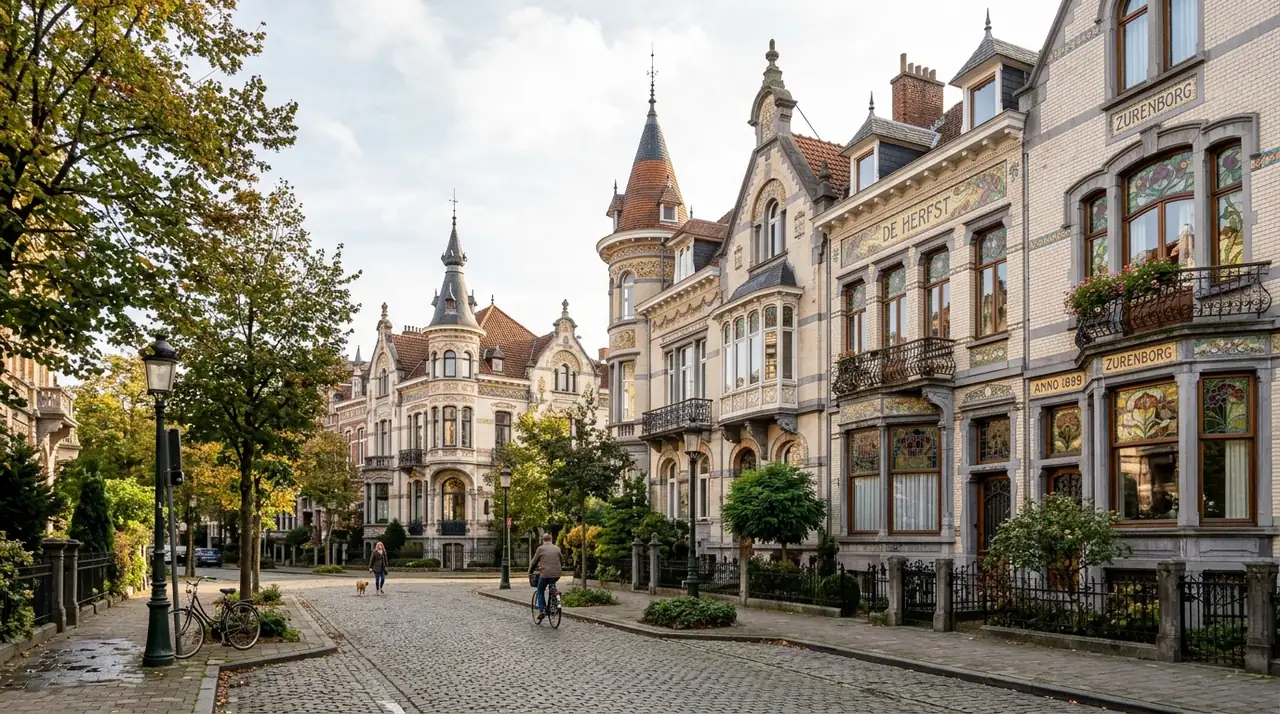
Zurenborg is a residential neighbourhood east of the centre, known for its Art Nouveau and eclectic townhouses on Cogels-Osylei street. The street is among the most photographed in Belgium, with turrets, mosaics, and stained-glass windows on almost every facade. Berchem station, on the edge of the neighbourhood, connects you to the centre in 5 minutes for €3.
The area is quiet and green, with very little through traffic. The main street, Cogels-Osylei, is a conservation area where every house is protected. There are a few cafes and restaurants on Dageraadplaats, a small square at the heart of the neighbourhood, but the dining scene is limited compared to Het Zuid. Mostly guesthouses and B&Bs here, not hotels. The trade-off: peaceful and beautiful, but you will travel to eat.
Getting there and when to go
Antwerp is reachable by train or by flight. Direct trains run from London St Pancras (under 3 hours via Brussels), Amsterdam (70 minutes), Paris (2 hours via Brussels), and Frankfurt (3 hours via Brussels). The station itself is one of the sights. Flying to Brussels followed by a 30-minute train ride is the cheapest option from southern and eastern European airports. Cheap flights to Brussels run from across Europe. November to March, excluding Christmas, has the lowest fares. When you book a trip that combines separate flights, the Kiwi.com Guarantee covers your connection if one leg is delayed or cancelled.
Frequently asked questions
What is the best area to stay in Antwerp?
The Old Town, Historisch Centrum, for first-timers and sightseeing. Het Zuid for food, art, and a local feel. The Station District for budget and transit convenience. Zurenborg for architecture and quiet.
Is 3 days in Antwerp too long?
No. Two days covers the Old Town, the cathedral, and Het Zuid. Three days lets you add Zurenborg, the zoo, and a day trip to Ghent, which is 30 minutes by train. Antwerp is compact but has enough depth for a long weekend.
Which is nicer, Antwerp or Ghent?
Both are worth visiting. Antwerp has better fashion, shopping, and a bigger food scene. Ghent has more medieval architecture, no cars in the centre, and a younger vibe. If you want restaurants and museums, stay in Antwerp. If you want cobblestones and canals, day-trip to Ghent.
What is the best neighborhood in Antwerp?
Het Zuid. It has the best restaurants, the KMSKA museum, tree-lined boulevards, and a local feel that the Old Town lacks. The trade-off is a 15-minute walk to the main sights, but that is part of the appeal.
Popular routes on Kiwi.com
- Cheap flights from London to Turkey
- Cheap flights from London to Barcelona
- Cheap flights from London to Japan
- Cheap flights from London to New York
- Cheap flights from New York to Paris
- Cheap flights to Spain
- Cheap flights to Italy
- Cheap flights to the United States
- Cheap flights to the United Kingdom
- Last minute flights
People Also Read



Where to stay in Palma de Mallorca: best areas for beaches, culture and nightlife
Where to stay in Barcelona: best neighbourhoods for every traveller (and where to avoid)